

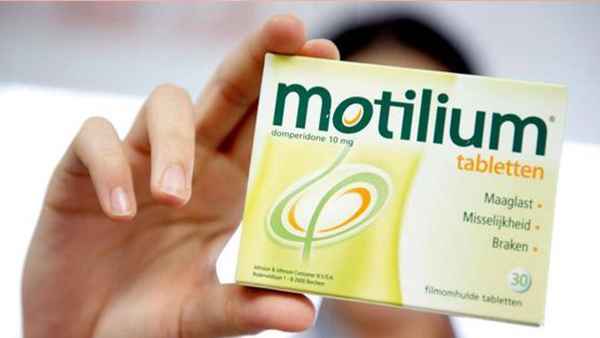
Get Rid of Motilium: Understanding Safer Alternatives for Your Child in Dubai
For years, Motilium (domperidone) has been a commonly prescribed medication for treating nausea, vomiting, and digestive issues in children throughout Dubai and the UAE. However, growing safety concerns and evolving medical understanding have led pediatricians worldwide, including here in Dubai, to reconsider its use in children. At myPediaClinic, one of Dubai’s leading pediatric healthcare centers, Dr. Medhat Abu-Shaaban takes a cautious, evidence-based approach to prescribing medications, prioritizing safer alternatives whenever possible.
If your child has been prescribed Motilium or you’ve considered asking for it to manage stomach issues, this comprehensive guide will help you understand the concerns surrounding this medication and the safer, more effective alternatives available for Dubai families. Understanding these options empowers you to have informed conversations with your pediatrician and make the best decisions for your child’s health.
What Is Motilium and Why Was It Commonly Prescribed?
Motilium’s active ingredient, domperidone, is a medication that belongs to a class of drugs called dopamine antagonists. It works by blocking dopamine receptors in the gut and brain, which has several effects:
- Increases the movement of food through the stomach and intestines
- Strengthens the muscle contractions that move food along the digestive tract
- Reduces nausea and the urge to vomit
- Helps the stomach empty more quickly
Pediatricians in Dubai and worldwide historically prescribed Motilium for various conditions including:
- Gastroesophageal reflux in infants and children
- Nausea and vomiting from various causes
- Functional dyspepsia (upset stomach without clear cause)
- Delayed gastric emptying
- Sometimes off-label for increasing milk production in breastfeeding mothers
The medication was popular because it seemed to work quickly and was available over-the-counter in some countries, leading to widespread use. However, accumulating evidence about safety risks has changed medical practice significantly.
Why Medical Experts Now Recommend Against Motilium for Children
Dr. Medhat Abu-Shaaban at myPediaClinic explains that several serious concerns have emerged about Motilium use in children, leading to increasingly restrictive recommendations from health authorities worldwide.
Cardiac Risks: The Primary Concern
The most serious concern with domperidone is its potential to cause heart rhythm abnormalities, specifically a condition called QT prolongation. The QT interval is a measurement on an electrocardiogram (ECG) that represents the time it takes for the heart’s electrical system to recharge between beats.
When this interval becomes prolonged, it can lead to:
- Dangerous irregular heart rhythms (arrhythmias)
- A specific life-threatening arrhythmia called torsades de pointes
- Sudden cardiac arrest in severe cases
- Fainting or loss of consciousness
While serious cardiac events are relatively rare, the risk increases with:
- Higher doses of the medication
- Longer duration of use
- Combination with certain other medications
- Underlying heart conditions (which may be undiagnosed in young children)
- Electrolyte imbalances
In Dubai’s hot climate, children may experience electrolyte imbalances from dehydration more frequently than in cooler climates, potentially increasing this risk factor.
Regulatory Actions Worldwide
Recognizing these cardiac risks, health regulatory agencies globally have taken action:
- The European Medicines Agency (EMA) restricted domperidone use in 2014, recommending the lowest effective dose for the shortest duration
- The FDA in the United States has never approved domperidone and has issued warnings against its use
- Health Canada strengthened warnings and restricted indications for use
- Many countries have removed domperidone from over-the-counter availability
- The UAE Ministry of Health regulates its prescription and many Dubai pediatricians now avoid it
Limited Evidence of Effectiveness
Beyond safety concerns, research questions how effective Motilium actually is for many conditions for which it was commonly prescribed. For infant reflux, one of its most common uses, studies show minimal benefit over placebo in most cases. The natural improvement that occurs as babies mature is often credited to the medication when in fact it would have happened anyway.
Other Potential Side Effects
In addition to cardiac concerns, Motilium can cause:
- Neurological effects including dystonic reactions (involuntary muscle contractions)
- Drowsiness or agitation
- Headaches
- Dry mouth
- Abdominal cramps
- Hormonal effects (elevated prolactin levels)
Dr. Medhat Abu-Shaaban emphasizes that when safer, equally or more effective alternatives exist, the risk-benefit calculation simply doesn’t favor Motilium for most pediatric uses.
Common Conditions Where Motilium Was Used: Better Alternatives
Understanding why your child might have received Motilium and what alternatives exist is essential for making informed decisions. Let’s examine the most common scenarios and safer approaches.
Infant Reflux and Spitting Up
Gastroesophageal reflux is extremely common in infants, with most babies spitting up multiple times daily. This “happy spitter” scenario rarely requires medication.
When to Manage Reflux Without Medication:
Most infant reflux resolves on its own by 12-18 months as the digestive system matures. At myPediaClinic Dubai, Dr. Medhat Abu-Shaaban recommends these non-medication approaches first:
- Feeding modifications: Smaller, more frequent feeds rather than large volumes
- Positioning: Keep baby upright for 20-30 minutes after feeding
- Burping: Burp baby frequently during and after feeds
- Avoid overfeeding: Watch for cues that baby is full
- Thickened feeds: For bottle-fed babies, specially formulated anti-reflux formula may help (discuss with your pediatrician first)
- Elevation: Slight elevation of the head of the crib (though always follow safe sleep guidelines)
When Medical Treatment May Be Needed:
If reflux causes significant problems – poor weight gain, excessive crying suggesting pain, refusal to feed, or respiratory issues – medical intervention may be warranted. However, safer medications than Motilium are available:
- H2 receptor antagonists (like ranitidine alternatives): Reduce stomach acid production
- Proton pump inhibitors (PPIs): More powerful acid reducers, used cautiously for true gastroesophageal reflux disease (GERD)
- Alginate preparations: Create a protective barrier on top of stomach contents
Dr. Medhat Abu-Shaaban carefully evaluates each case to determine if medication is truly necessary and selects the safest appropriate option when treatment is required.
Vomiting and Nausea
Children experience vomiting for many reasons – viral gastroenteritis (stomach flu), food poisoning, motion sickness, or other illnesses. In Dubai, viral gastroenteritis is common in schools and nurseries.
Non-Medication Management:
For most cases of vomiting in children, the focus should be on:
- Preventing dehydration: The primary concern with vomiting. Small, frequent sips of clear fluids or oral rehydration solution (ORS)
- Rest: Allowing the stomach to settle
- Gradual reintroduction of food: Start with bland, easily digestible foods once vomiting subsides
- Avoiding triggers: Strong smells, certain foods, or activities that worsen nausea
Most vomiting episodes resolve within 24 hours without medication. At myPediaClinic, we emphasize that treating the underlying cause and preventing complications (dehydration) is more important than suppressing the symptom of vomiting itself.
When Anti-Nausea Medication Might Be Considered:
If vomiting is severe, prolonged, or preventing adequate fluid intake, medication may help. Safer alternatives to Motilium include:
- Ondansetron (Zofran): Highly effective for vomiting, widely used in pediatrics with a better safety profile
- Dimenhydrinate (Dramamine): For motion sickness specifically
- Promethazine: Used cautiously in older children for certain types of nausea
Dr. Medhat Abu-Shaaban selects anti-nausea medications judiciously, considering the cause of vomiting, the child’s age, and specific safety profiles.
Constipation and Digestive Motility Issues
Some parents in Dubai have received Motilium prescriptions for constipation or sluggish digestion in children. This is generally not an appropriate use, and much better alternatives exist.
Managing Constipation Safely:
- Dietary changes: Increase fiber through fruits, vegetables, and whole grains
- Adequate hydration: Essential in Dubai’s hot climate
- Physical activity: Encourages normal bowel function
- Toilet routine: Regular sitting times, especially after meals
- Stool softeners: Polyethylene glycol (PEG 3350/Miralax) is first-line treatment for pediatric constipation
- Lactulose: Another safe laxative option for children
- Glycerin suppositories: For infants or when immediate relief is needed
These approaches are safer and typically more effective than Motilium for constipation.
Having the Conversation: Talking to Your Pediatrician About Motilium
If your child has been prescribed Motilium or you’re considering asking for it, here’s how to have a productive conversation with your healthcare provider:
Questions to Ask Your Pediatrician:
- “What specific condition are we treating with this medication?”
- “What are the alternative treatment options, both medication and non-medication?”
- “What are the risks and benefits of this medication compared to alternatives?”
- “How long would my child need to take this medication?”
- “What are the criteria for knowing if the treatment is working?”
- “Are there any tests needed before starting this medication?” (For Motilium, an ECG might be appropriate if it’s truly necessary)
- “What lifestyle modifications or non-medication approaches should we try first?”
Information to Share with Your Pediatrician:
- Complete medication list, including over-the-counter medications and supplements
- Any family history of heart conditions
- All of your child’s symptoms, including when they occur and what makes them better or worse
- What you’ve already tried for managing the condition
- Your concerns about medication risks
At myPediaClinic, Dr. Medhat Abu-Shaaban values parent input and concerns. He takes time to explain treatment options, discuss risks and benefits, and develop a plan that parents feel comfortable with while prioritizing child safety.
Natural and Lifestyle Approaches to Common Digestive Issues
Many digestive complaints that might prompt Motilium prescriptions can be effectively managed through natural approaches and lifestyle modifications. These carry no medication risks and often address root causes rather than just symptoms.
For Infant Reflux:
- Paced feeding: Take breaks during feeding to allow baby to process
- Appropriate nipple flow: Ensure bottle nipples aren’t flowing too fast, causing baby to gulp and swallow air
- Dietary review for breastfeeding mothers: Some babies are sensitive to foods in mother’s diet (dairy is a common culprit)
- Formula assessment: For formula-fed babies, trying different formulas under pediatric guidance may help
- Reducing stress during feeds: Calm, quiet feeding environment
For Older Children with Stomach Issues:
- Regular meal schedule: Eating at consistent times helps regulate digestion
- Adequate chewing: Encourage thorough chewing before swallowing
- Portion control: Smaller portions prevent overfilling the stomach
- Avoiding trigger foods: Identify and limit foods that cause problems (spicy, fatty, or acidic foods for some children)
- Stress management: Digestive issues in children can be related to stress or anxiety
- Physical activity: Regular movement promotes healthy digestion
- Adequate hydration: Especially important in Dubai’s climate
- Probiotic foods: Yogurt and other fermented foods support digestive health
Dr. Medhat Abu-Shaaban at myPediaClinic takes a comprehensive approach, exploring dietary, lifestyle, and behavioral factors before resorting to medication for digestive complaints.
What to Do If Your Child Is Currently Taking Motilium
If your child in Dubai is currently prescribed Motilium, don’t panic, but do take action:
Step 1: Don’t Stop Abruptly Without Medical Guidance
While you shouldn’t continue Motilium long-term if safer alternatives exist, stopping abruptly without medical supervision could cause symptom rebound. Schedule an appointment with your pediatrician to discuss discontinuation.
Step 2: Schedule a Review Appointment
Contact myPediaClinic or your current pediatrician to review your child’s treatment. Be prepared to discuss:
- Why Motilium was originally prescribed
- Whether the underlying condition has improved
- What symptoms persist that might need alternative treatment
- Your concerns about the medication
Step 3: Explore Alternative Treatments
Dr. Medhat Abu-Shaaban can recommend safer alternatives based on your child’s specific condition. This might include:
- Different medications with better safety profiles
- Non-medication approaches that may be equally or more effective
- Addressing underlying causes rather than just suppressing symptoms
- Watchful waiting if the condition is self-limiting
Step 4: Monitor During Transition
As you transition away from Motilium, monitor your child’s symptoms. Keep a symptom diary noting:
- Frequency and severity of symptoms
- What triggers symptoms
- What provides relief
- Impact on eating, sleeping, and daily activities
This information helps your pediatrician determine if alternative treatment is needed and whether it’s working.
Prevention: Addressing Digestive Health Proactively in Dubai
Rather than waiting for digestive problems to develop and require medication, proactive approaches support healthy digestion from the start.
For Infants:
- Breastfeeding when possible (provides optimal nutrition and digestive support)
- Proper feeding techniques to minimize air swallowing
- Responsive feeding (watching baby’s cues rather than forcing feeds)
- Appropriate formula selection with pediatric guidance when formula-feeding
- Tummy time to support digestive motility
For Children:
- Balanced diet rich in fruits, vegetables, whole grains, and lean proteins
- Regular physical activity appropriate for age
- Adequate hydration (water as primary beverage)
- Limited processed foods, excessive sugar, and unhealthy fats
- Regular meal and snack schedule
- Calm, pleasant mealtimes without screens or stress
- Adequate sleep (supports all body systems including digestion)
For Dubai Families Specifically:
- Be mindful of food safety in hot weather (food poisoning prevention)
- Choose restaurants with good hygiene standards
- Wash fruits and vegetables thoroughly
- Ensure adequate hydration year-round, especially in summer
- Maintain balanced diets despite abundant international fast food options
- Recognize that some digestive issues may be stress-related (school pressures, transitions)
When to Seek Immediate Medical Attention
While this article emphasizes managing common digestive issues without Motilium, some symptoms require prompt medical evaluation. Contact myPediaClinic or seek emergency care if your child experiences:
- Vomiting with severe abdominal pain
- Bloody vomit or vomit that looks like coffee grounds
- Persistent vomiting preventing any fluid intake (dehydration risk)
- Signs of dehydration (dry mouth, no tears, decreased urination, lethargy)
- Vomiting after a head injury
- Severe or worsening abdominal pain
- Fever with persistent vomiting
- Vomiting that lasts more than 24 hours in infants or young children
- Bloody or black stools
- Sudden weight loss
- Difficulty breathing
Dr. Medhat Abu-Shaaban and the team at myPediaClinic are available to evaluate concerning symptoms and determine appropriate treatment, always prioritizing the safest effective approaches.
Frequently Asked Questions About Motilium and Alternatives
Why did my pediatrician prescribe Motilium if it’s not safe?
Many pediatricians prescribed Motilium before the full extent of cardiac risks was well-understood, and guidelines have evolved significantly in recent years. Some doctors may still prescribe it in specific situations they feel the benefits outweigh risks, though this is becoming increasingly rare. At myPediaClinic Dubai, Dr. Medhat Abu-Shaaban stays current with evolving medical evidence and adjusts prescribing practices accordingly. If you have concerns about any medication your child has been prescribed, discussing them with your pediatrician is always appropriate.
Is it safe to use Motilium just occasionally for severe vomiting?
While occasional use carries less risk than daily long-term use, the cardiac risks can occur even with short-term use, particularly if your child has underlying heart issues you’re unaware of or is taking other medications that interact. Safer alternatives like ondansetron are available for occasional vomiting episodes. Dr. Medhat Abu-Shaaban at myPediaClinic can prescribe appropriate anti-nausea medication when truly needed, prioritizing options with better safety profiles than Motilium for children in Dubai.
What should I do if Motilium worked well for my baby’s reflux?
It’s important to distinguish between the medication actually helping and the natural improvement that occurs as babies mature. Most infant reflux resolves on its own by 12-18 months regardless of treatment. If your baby truly has severe reflux requiring medical intervention, safer medication alternatives and non-medication approaches exist. Dr. Medhat Abu-Shaaban at myPediaClinic can evaluate your baby’s specific situation and recommend the safest effective approach. Many babies do just as well or better with lifestyle modifications alone.
Are there any situations where Motilium might still be appropriate?
In extremely rare cases – such as severe gastroparesis (stomach paralysis) unresponsive to all other treatments – domperidone might be considered under very careful medical supervision with cardiac monitoring. However, for the vast majority of common pediatric digestive complaints, safer alternatives exist. At myPediaClinic, we exhaust safer options before ever considering medications with significant cardiac risks. Parents should never feel pressured to accept Motilium if they have concerns – alternatives nearly always exist.
Can I buy Motilium over-the-counter in Dubai?
Motilium availability over-the-counter varies by pharmacy and regulation enforcement, but it should be a prescription-only medication given its risks. Even if available without prescription, this doesn’t mean it’s safe for self-medication, especially in children. Never give your child Motilium or any medication without consulting a pediatrician like Dr. Medhat Abu-Shaaban at myPediaClinic. The convenience of over-the-counter access doesn’t outweigh the importance of proper medical evaluation and safer treatment alternatives.
What is ondansetron and is it safer than Motilium?
Ondansetron (brand name Zofran) is an anti-nausea medication that works differently than Motilium. It blocks serotonin receptors that trigger nausea and vomiting. While no medication is completely without risks, ondansetron has a better safety profile than domperidone for most pediatric uses. It’s widely used in hospitals and clinics, including myPediaClinic Dubai, for children with vomiting from gastroenteritis, chemotherapy, or surgery. Dr. Medhat Abu-Shaaban can determine if ondansetron or another alternative is appropriate for your child’s specific situation.
How long does it take for infant reflux to improve without medication?
Most infant reflux gradually improves over the first year of life as the digestive system matures and babies spend more time upright. Many babies show significant improvement by 6 months, and most outgrow reflux completely by 12-18 months. Lifestyle modifications can help manage symptoms during this period. If reflux is severe enough to affect growth or cause significant discomfort, Dr. Medhat Abu-Shaaban at myPediaClinic can recommend safer medication alternatives. Patience combined with appropriate positioning and feeding techniques works for most babies in Dubai without medication.
Are natural remedies effective for children’s digestive issues?
Some natural approaches can help with digestive issues, though evidence varies by specific remedy. Proven helpful approaches include: adequate hydration, appropriate diet for age, probiotics for certain conditions, ginger for nausea (in older children), peppermint for certain stomach issues (again, in older children), and stress reduction techniques. However, parents should discuss any natural remedies with Dr. Medhat Abu-Shaaban before trying them, as “natural” doesn’t always mean safe, especially for young children. Some herbal remedies can interact with medications or have their own side effects.
What tests should be done before giving my child digestive medications?
This depends on the specific medication and your child’s symptoms. Before prescribing medications that affect heart rhythm (like Motilium), an electrocardiogram (ECG) would be appropriate to check for underlying heart issues. For reflux medications, often no testing is needed for short-term use, though persistent symptoms might warrant evaluation for underlying causes. At myPediaClinic Dubai, Dr. Medhat Abu-Shaaban determines necessary testing based on your child’s specific situation, age, symptoms, and proposed treatment, always ensuring safety before starting any medication.
Can diet changes really help with my child’s stomach issues?
Yes, dietary modifications can be remarkably effective for many pediatric digestive complaints. Increasing fiber and water helps constipation, reducing fat and spice may help reflux, eliminating trigger foods can improve various stomach issues, and establishing regular meal patterns supports overall digestive health. In Dubai, where children have access to many international foods, identifying and avoiding trigger foods while ensuring balanced nutrition is important. Dr. Medhat Abu-Shaaban or a pediatric nutritionist at myPediaClinic can provide personalized dietary guidance for your child’s specific digestive concerns.
How do I know if my baby’s spitting up is normal or requires treatment?
Most spitting up in babies is normal and doesn’t require treatment. Warning signs that suggest a problem needing medical evaluation include: poor weight gain or weight loss, excessive crying or discomfort during or after feeds, refusal to eat, blood in spit-up, projectile vomiting, respiratory symptoms like coughing or wheezing, and arching back during feeds. At myPediaClinic Dubai, Dr. Medhat Abu-Shaaban can assess whether your baby’s spitting up is normal “happy spitter” behavior or true gastroesophageal reflux disease (GERD) requiring intervention.
What’s the difference between reflux and GERD in babies?
Gastroesophageal reflux (GER) is normal spitting up that many babies experience without problems – they grow well, are comfortable, and simply spit up frequently. Gastroesophageal reflux disease (GERD) is when reflux causes complications like poor growth, feeding refusal, significant pain, respiratory issues, or esophageal damage. Most babies have GER, not GERD. Only GERD requires medical treatment. This distinction is important because over-treating normal GER with medications like Motilium exposes babies to unnecessary risks. Dr. Medhat Abu-Shaaban at myPediaClinic carefully evaluates which babies truly need intervention.
Are probiotics helpful for children’s digestive health?
Probiotics can be beneficial for certain pediatric digestive issues. Evidence supports probiotic use for preventing antibiotic-associated diarrhea, reducing symptoms of some types of gastroenteritis, and possibly helping with functional abdominal pain in some children. However, not all probiotics are created equal – specific strains have specific benefits. At myPediaClinic, Dr. Medhat Abu-Shaaban can recommend appropriate probiotic strains and dosages for your child’s age and specific condition. Probiotics are generally safe but should be chosen thoughtfully, especially for very young infants or immunocompromised children.
Why is dehydration such a concern with vomiting in Dubai’s climate?
Dubai’s hot climate means children already have higher fluid requirements than in cooler environments. When vomiting prevents fluid intake, dehydration can develop more quickly than in temperate climates. Additionally, if children are outdoors in heat and vomiting prevents fluid replacement, dehydration risk increases further. This is why Dr. Medhat Abu-Shaaban at myPediaClinic emphasizes oral rehydration solution (ORS) for vomiting children in Dubai, and why parents need to watch carefully for dehydration signs: dry mouth, decreased urination, no tears, sunken fontanelle in babies, and lethargy.
Can stress cause digestive problems in children?
Absolutely. The gut-brain connection is powerful, and stress or anxiety can manifest as stomach pain, nausea, changes in bowel habits, or appetite changes. In Dubai’s competitive academic environment and with expat lifestyle stressors (transitions, parent work demands, cultural adjustments), some children experience stress-related digestive complaints. Addressing underlying stressors through counseling, stress management techniques, or lifestyle changes is more effective than medications like Motilium for these situations. At myPediaClinic, Dr. Medhat Abu-Shaaban takes a holistic approach, considering psychological and social factors alongside physical causes for digestive symptoms.
What signs indicate my child needs to see a gastroenterologist?
Most pediatric digestive issues can be managed by a pediatrician like Dr. Medhat Abu-Shaaban at myPediaClinic. However, referral to a pediatric gastroenterologist might be appropriate for: persistent symptoms despite treatment, significant weight loss or failure to thrive, blood in vomit or stools, chronic severe abdominal pain, persistent vomiting, suspected inflammatory bowel disease, liver problems, or when diagnostic procedures like endoscopy might be needed. Dr. Medhat Abu-Shaaban will make appropriate referrals when specialized care would benefit your child.
Is it true that Motilium can increase breast milk production?
Domperidone has been used off-label to increase milk production in breastfeeding mothers because it increases prolactin levels. However, this use is controversial given cardiac risks, lack of approval for this indication, and availability of safer approaches to increasing milk supply (frequent nursing, pumping, ensuring proper latch, adequate maternal nutrition and hydration). Health authorities in several countries specifically warn against this use. Breastfeeding mothers in Dubai struggling with milk supply should consult Dr. Medhat Abu-Shaaban or a lactation consultant for evidence-based, safe approaches rather than using Motilium.
What if my child needs medication but I’m worried about side effects?
This is a common and valid concern. The key is having an open conversation with your pediatrician about risks versus benefits for your child’s specific situation. Ask about alternatives, both medication and non-medication. Understand what would happen if the condition isn’t treated. Get clear information about what side effects to watch for. At myPediaClinic Dubai, Dr. Medhat Abu-Shaaban takes time to address parent concerns, explain treatment options thoroughly, and make shared decisions that parents feel comfortable with while ensuring appropriate medical care for children.
How can I prevent digestive problems in my child?
While not all digestive issues can be prevented, healthy habits reduce risk: balanced diet rich in fiber, adequate hydration, regular meal schedules, appropriate portion sizes, regular physical activity, good hand hygiene to prevent infections, stress management, adequate sleep, avoiding excessive antibiotic use (which can disrupt gut bacteria), and probiotic foods. For infants, breastfeeding when possible, proper feeding techniques, and appropriate formula selection help. At myPediaClinic, Dr. Medhat Abu-Shaaban provides guidance on age-appropriate preventive measures for Dubai children’s digestive health.
What should I do if my pharmacist in Dubai suggests Motilium for my child?
Politely decline and explain you’d like to consult with your pediatrician first. While pharmacists are knowledgeable healthcare professionals, they may not have complete information about your child’s medical history, medications, or risk factors. Digestive symptoms can have many causes, some requiring different treatment approaches or medical evaluation. Schedule an appointment with Dr. Medhat Abu-Shaaban at myPediaClinic for proper evaluation and personalized treatment recommendations based on your child’s specific situation rather than relying on over-the-counter suggestions for significant symptoms.
Conclusion: Prioritizing Safety in Pediatric Care
The movement away from Motilium use in children represents an important evolution in pediatric medicine – one that prioritizes child safety and evidence-based practice. As we learn more about medication risks and develop safer alternatives, medical practice rightfully adapts to incorporate this new knowledge.
At myPediaClinic, Dr. Medhat Abu-Shaaban and our entire pediatric team are committed to providing Dubai families with the safest, most effective care based on current medical evidence. This means recommending medications only when truly necessary, choosing the safest options when medication is needed, and exploring non-medication approaches whenever appropriate.
For most common digestive complaints in children – infant reflux, occasional vomiting, constipation, and stomach upset – safer alternatives to Motilium exist. These include lifestyle modifications, dietary changes, positioning strategies, and when medication is necessary, options with better safety profiles. The goal is always to address the underlying cause of symptoms while minimizing risks from treatment itself.
If your child has been prescribed Motilium or you have questions about digestive issues and treatment options, don’t hesitate to schedule an appointment at myPediaClinic. Dr. Medhat Abu-Shaaban takes time to understand each child’s unique situation, explain options clearly, and develop treatment plans that parents feel confident about. Your concerns matter, and together we can ensure your child receives the safest, most appropriate care.
Contact myPediaClinic Dubai today to discuss your child’s digestive health or any medication concerns. Our experienced pediatric team is here to provide evidence-based, family-centered care that prioritizes your child’s safety and wellbeing. With comprehensive evaluation, thoughtful treatment selection, and ongoing support, we help Dubai families navigate pediatric health challenges with confidence.