


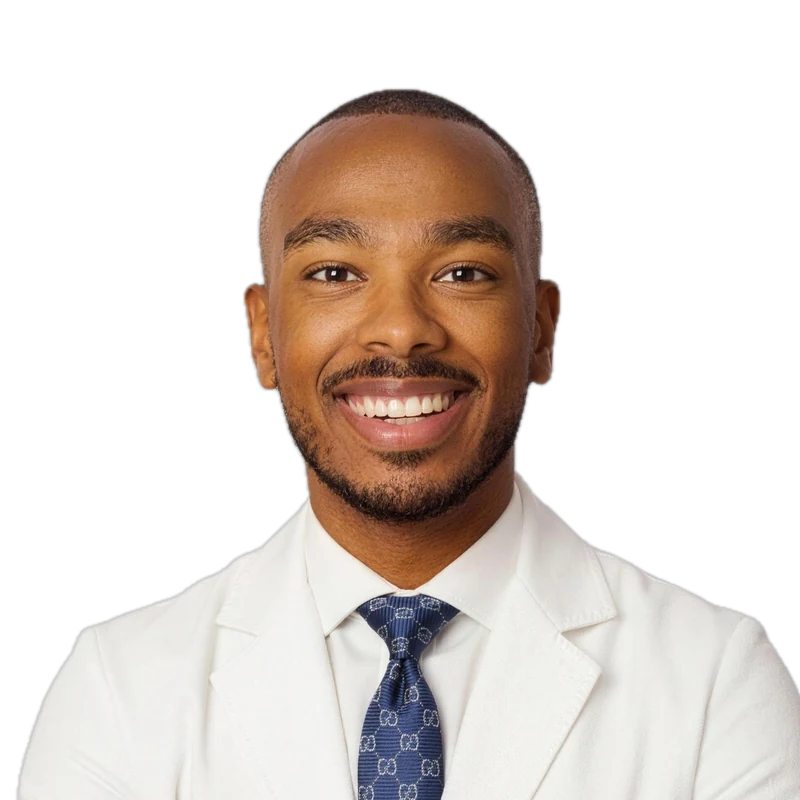
Dr. Mustafa Abdalla
Specialist Pediatric Dentist & Director of the Dental Department
He tailors dental care to each child, including anxious children and those with special healthcare needs, and provides Invisalign First treatment.
- Specialist training
- Fellowship, RCSEd
- Experience
- 10+ years
- Ages seen
- Birth to 18 years
- Languages
- English & Arabic
How Dr. Mustafa can help
- Sees children for
- First dental visits, oral health assessments and preventive care
- Care for anxious children and children with special healthcare needs
- Treatment of childhood tooth decay, including fillings and pediatric crowns
- Pulp treatment for primary teeth
- Care for dental injuries
- Oral habit counselling, early orthodontic assessment and interceptive orthodontics
- Invisalign First treatment
- Dental care with nitrous oxide inhalation sedation
- Comprehensive dental rehabilitation under general anaesthesia with an anaesthesia team

Visiting Dr. Mustafa
- LocationDubai Healthcare CityAl Razi Building 64, Block B
- HoursSat-Thu: 9AM - 7PM04 430 5926
- Doctor’s consultation hoursSaturday to Wednesday, 9AM – 7PM; Thursday, 9AM – 2PM.
- InsuranceDirect billing15 accepted insurers
Reception will call you to confirm a time and your insurance.
Get to know Dr. Mustafa
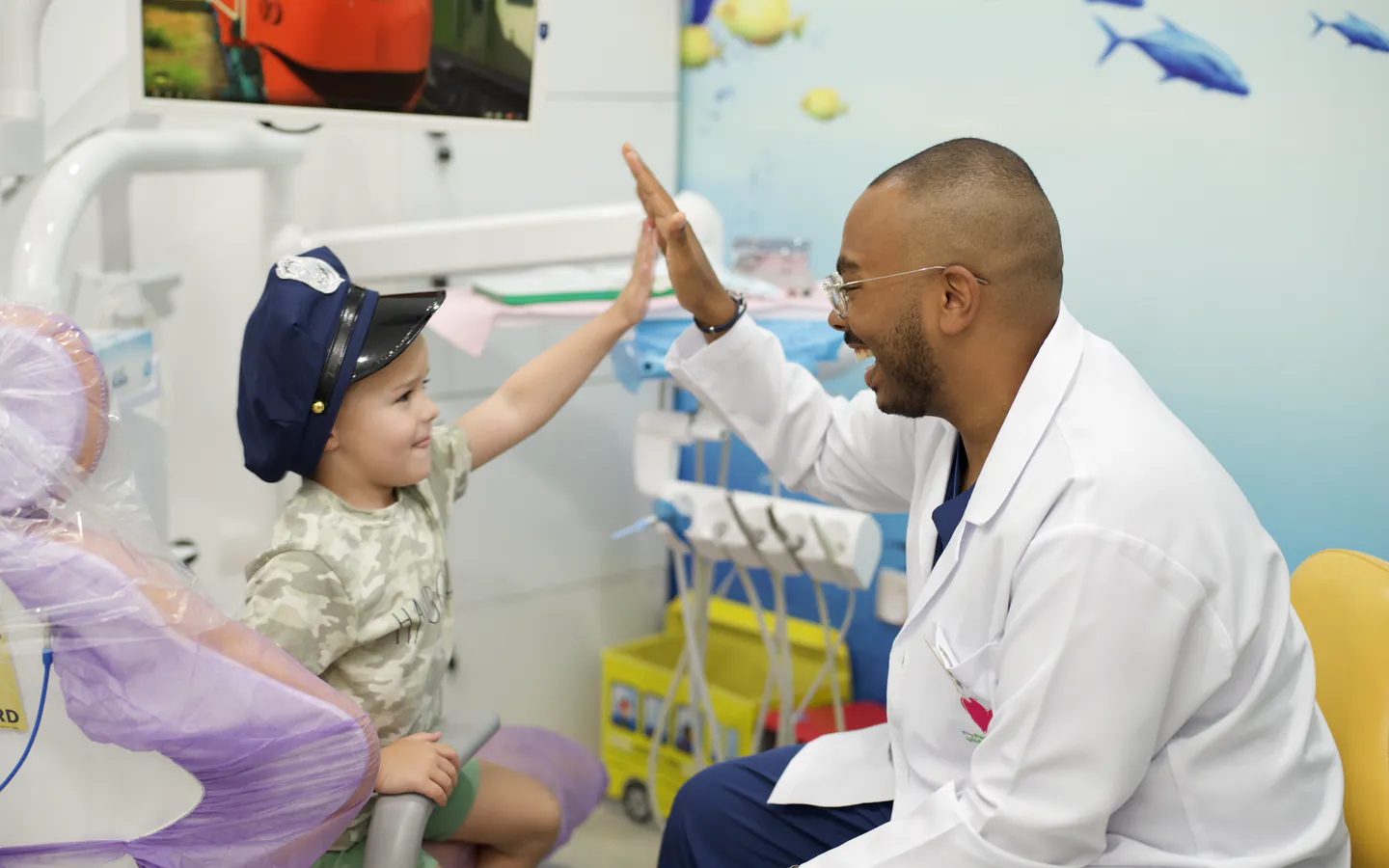
I am Dr Mustafa Abdalla, a Specialist Pediatric Dentist and Director of the Dental Department at myPediaClinic in Dubai. I hold a Master’s degree in Pediatric Dentistry and Special Needs from MBRU and a Fellowship in Pediatric Dentistry from the Royal College of Surgeons of Edinburgh. I care for infants, children and adolescents from birth to 18 years, including children who feel anxious about dental visits and those with special healthcare needs. My approach combines prevention, clear explanations and treatment tailored to each child, with practical guidance that families can use at home.
I explain each step in an age-appropriate way, offer simple choices where appropriate, and adapt the visit to the child’s needs. I discuss treatment options with parents and caregivers so they understand the reasons for each recommendation and how to support their child’s oral health at home.
Dr Mustafa is an iTOP Instructor with Curaden Academy and founder and lead instructor of the Nitrous Oxide Sedation Workshop for dental professionals. He provides oral health education for caregivers and medical professionals and mentors dental interns and junior residents.
He serves as Clinical Director with the Special Olympics UAE Healthy Athletes program. His volunteer work includes Operation Smile UAE and Missions of Mercy in Nepal.
Dr Mustafa’s published research includes sleep-disordered breathing in children and adolescents seeking pediatric dental care in Dubai, and clinical decision-making in pediatric dentistry.
In Dr. Mustafa’s words
What can parents expect from your care?
I want children to feel heard and parents to understand the plan. I explain what I am doing in language that suits the child’s age, take their concerns seriously, and adapt my approach to their comfort and treatment needs.
What do you want parents to take away from a visit?
A clear understanding of their child’s oral health, the reasons behind any treatment recommendation, and practical steps they can follow at home. I want parents to feel comfortable asking questions and involved in decisions about their child’s care.
Questions parents ask
What happens at a first visit and at what age should it be?
Arrange the first visit when the first tooth appears, and no later than your child’s first birthday. I check the teeth, gums and developing bite, and ask about medical history, feeding, brushing and any concerns you have. We then agree on practical prevention advice and a follow-up plan suited to your child.
How do you help a child who is scared of the dentist?
I start by finding out what worries them, explain and demonstrate each step, and allow time to build familiarity. Simple choices, encouragement and breaks can help. If further support is needed, I discuss appropriate options with the parent.
How do you adapt visits for a child with autism or other special healthcare needs?
Please tell us beforehand about your child’s communication preferences, sensory sensitivities, medical needs and what helps them feel settled. We can plan adjustments such as familiarisation, visual explanations or a slower pace where appropriate. The approach is individualised with the caregiver.
Are dental X rays safe and how often are they needed?
Dental X-rays involve a small radiation exposure and are recommended when the diagnostic benefit outweighs that risk. I select the images needed and keep exposure as low as reasonably achievable. Timing depends on your child’s examination, dental development and risk of disease, rather than a fixed schedule for every child.
Show all questions (9)Show fewer questions
What should parents do if a permanent tooth is knocked out?
Act immediately rather than waiting an hour: hold the tooth by its crown, avoid touching or scrubbing the root, and rinse it gently if dirty. If you are sure it is a permanent tooth and the child is alert and cooperative, gently put it back into the socket if you can and have the child bite on clean gauze. Otherwise, place it in milk and seek emergency dental care straight away; never replant a baby tooth. If there is loss of consciousness, breathing difficulty or another serious injury, seek emergency medical care first.
Which everyday snacks and drinks concern you most?
Frequent sugary snacks and repeated sipping of juice, sweetened milk or fizzy drinks can increase the risk of decay. Sticky sweets and grazing throughout the day also deserve attention. I help parents find realistic changes, such as structured snack times, age-appropriate nutritious foods, and water between meals.
When is laughing gas or general anaesthesia recommended?
Laughing gas may help a child relax while remaining awake; general anaesthesia may be considered when treatment needs, age, anxiety or medical circumstances make other approaches unsuitable. We discuss the benefits, risks and alternatives and agree on an individual plan. For treatment under general anaesthesia, I provide the dentistry while the anaesthesia team manages the anaesthetic.
Why treat baby teeth if they will fall out?
Baby teeth help children eat, speak and maintain space for the permanent teeth. Decay can cause pain and infection before a tooth is ready to fall out. We consider the condition of the tooth, symptoms and expected remaining lifespan when discussing care.
What matters most for brushing at home?
Brush twice daily with fluoride toothpaste from the first tooth, using a smear about the size of a grain of rice for children under three and a pea-sized amount from three to six. An adult should carry out or help with brushing until the child can clean effectively. I can demonstrate a technique suited to your child and their needs.
Experience
- myPediaclinic, DubaiDirector of the Dental Department · February 2025–present
- myPediaclinic, DubaiSpecialist Pediatric Dentist · November 2020–present
- Dubai Dental Hospital, Dubai HealthVisiting Clinician — Specialist Pediatric Dentist · August 2020–present
- Mohammed Bin Rashid University (MBRU)Resident in Pediatric Dentistry · September 2017–July 2020
- Ajman UniversityIntern Dentist · September 2016–September 2017
Education
- Mohammed Bin Rashid University of Medicine and Health SciencesMSc in Pediatric Dentistry and Special Needs · 2020
- University of Genoa, ItalyPostgraduate Diploma in Advanced Esthetic Dentistry · 2017
- Ajman University of Science and TechnologyDoctor of Dental Surgery (DDS) · 2016
- Membership of the Faculty of Dentistry (MFD RCSI), Royal College of Surgeons in Ireland — 2023
- Membership in Pediatric Dentistry (MPaed Dent RCSEd), Royal College of Surgeons of Edinburgh — 2024
- Fellowship in Pediatric Dentistry (F(PaedDent) RCSEd), Royal College of Surgeons of Edinburgh — 2025
- Certified Invisalign First Provider
- Member, American Academy of Pediatric Dentistry — since 2020
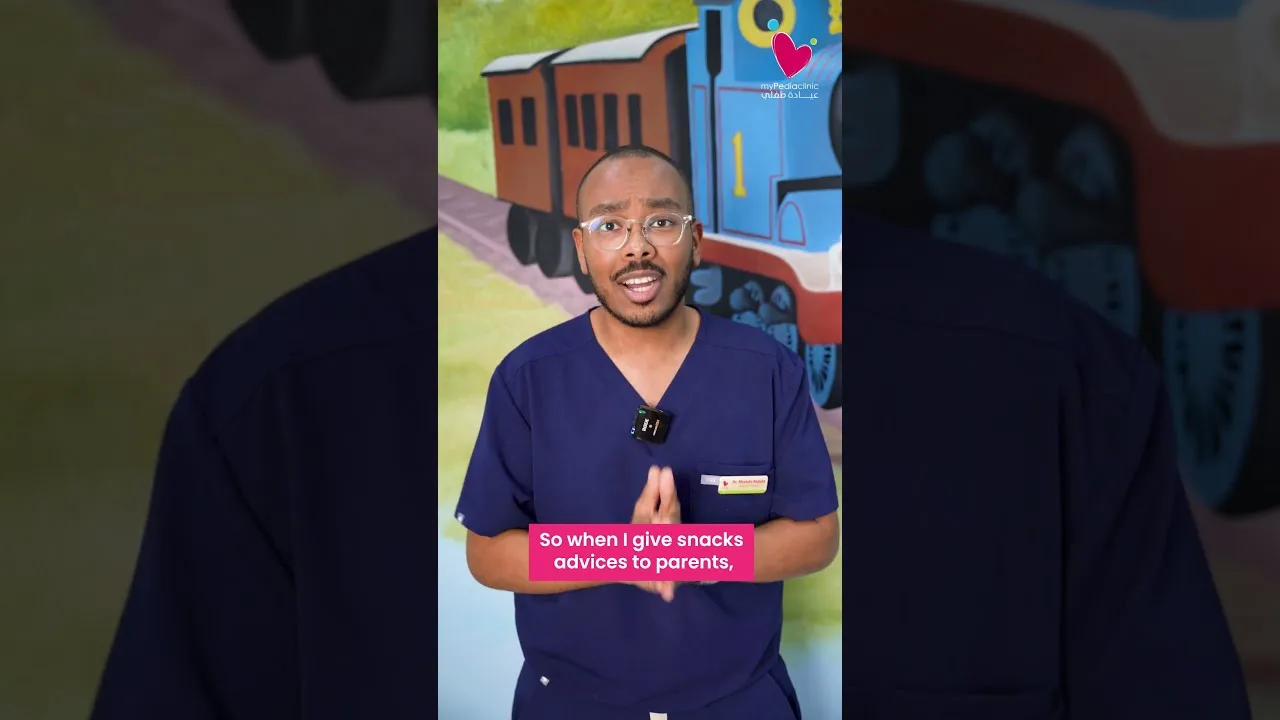
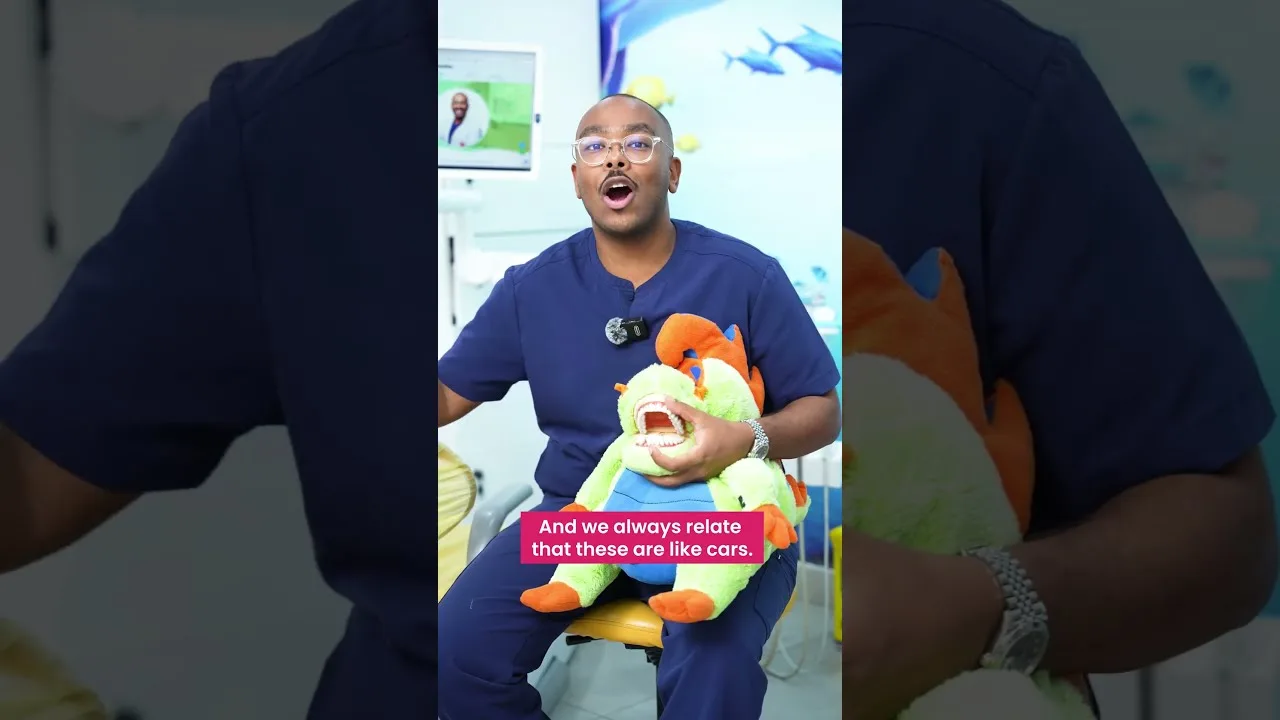
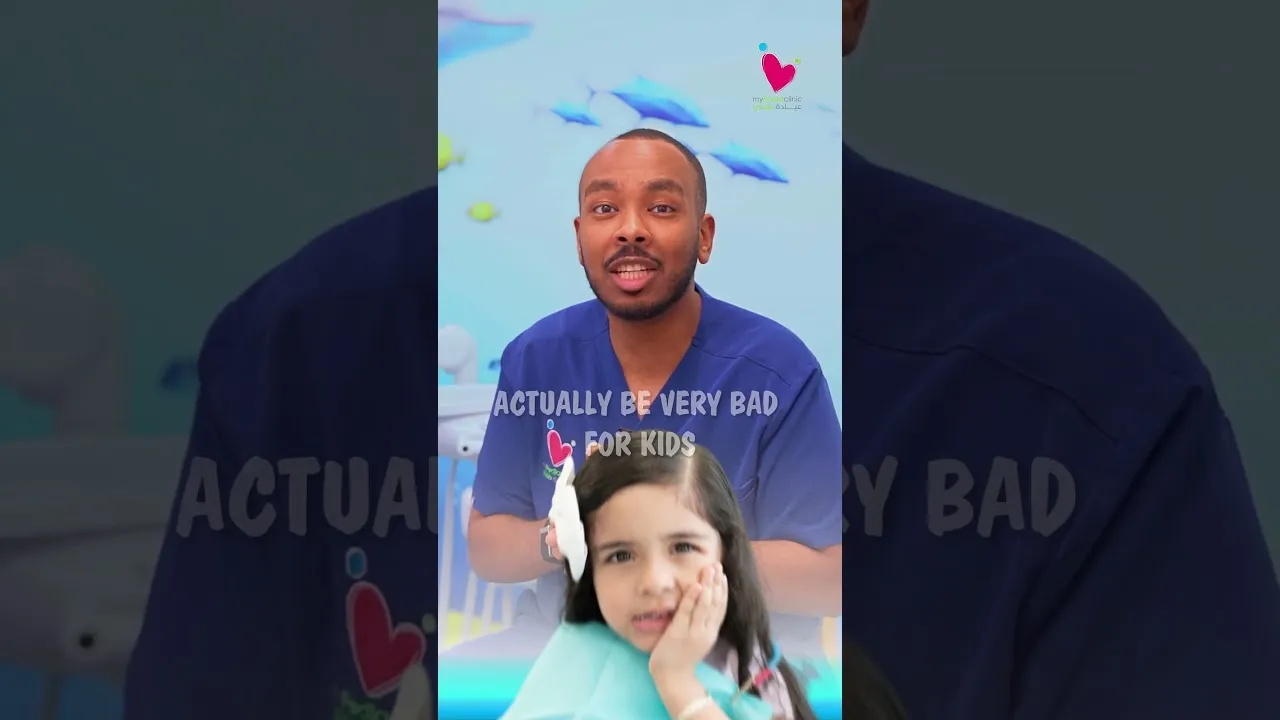
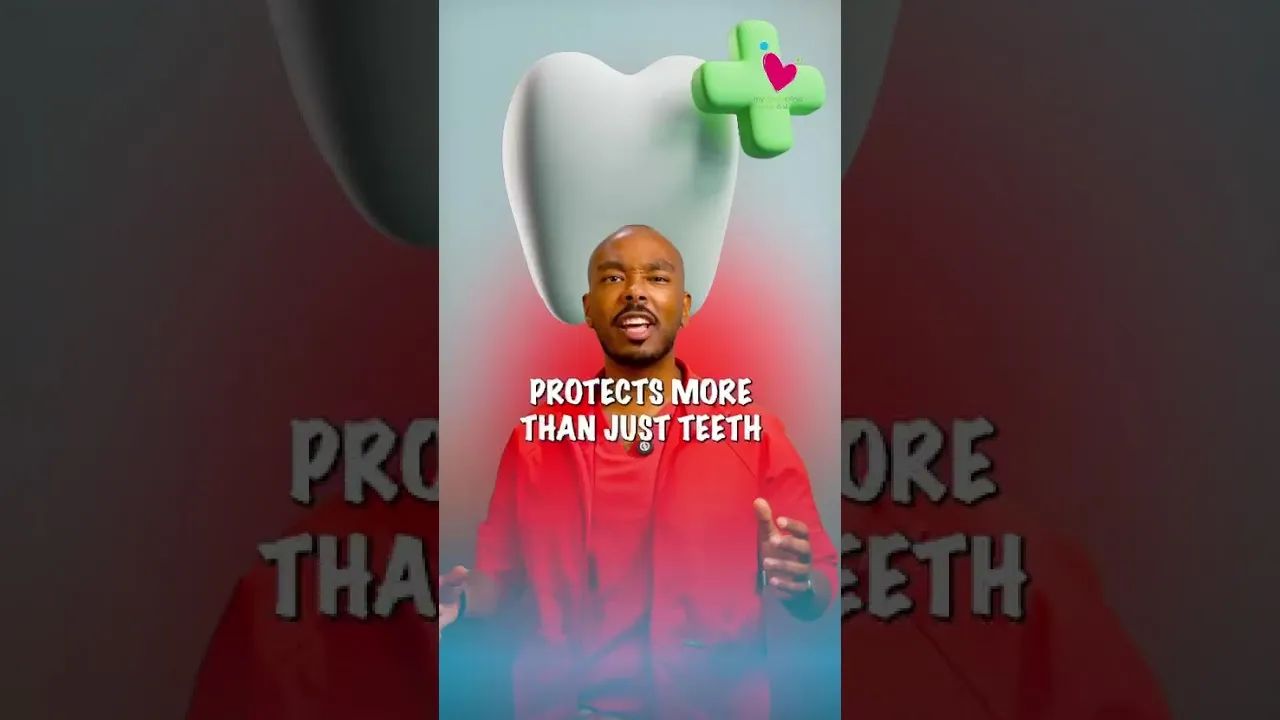
Watch Dr. Mustafa
Also in Pediatric Dentistry
If you are not sure who to see, start at Pediatric Dentistry and reception will match your child to the right clinician.
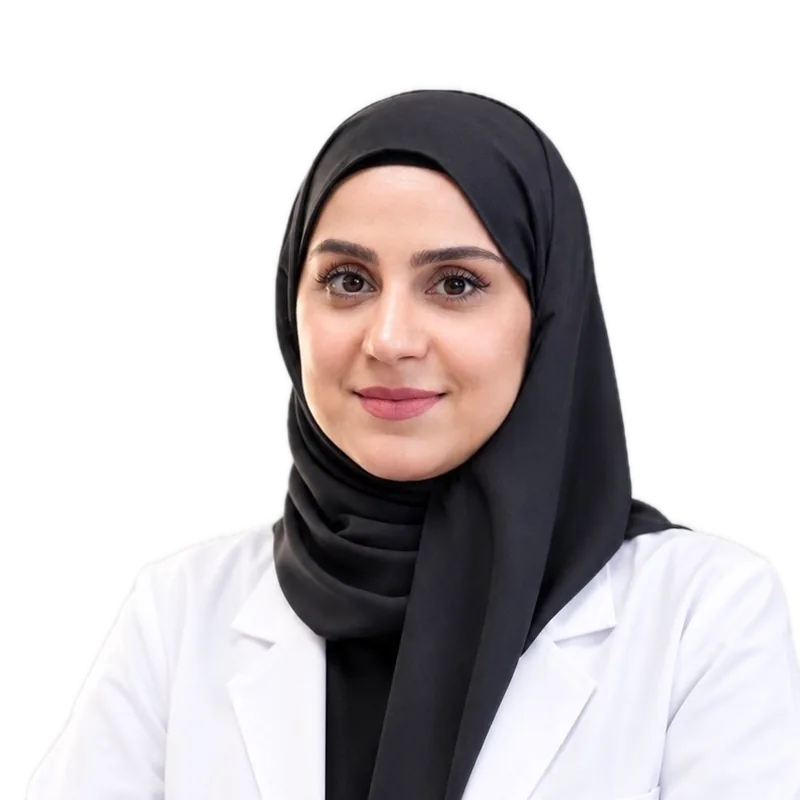 Dr. Shaima BuhamerSpecialist Pediatric Dentist
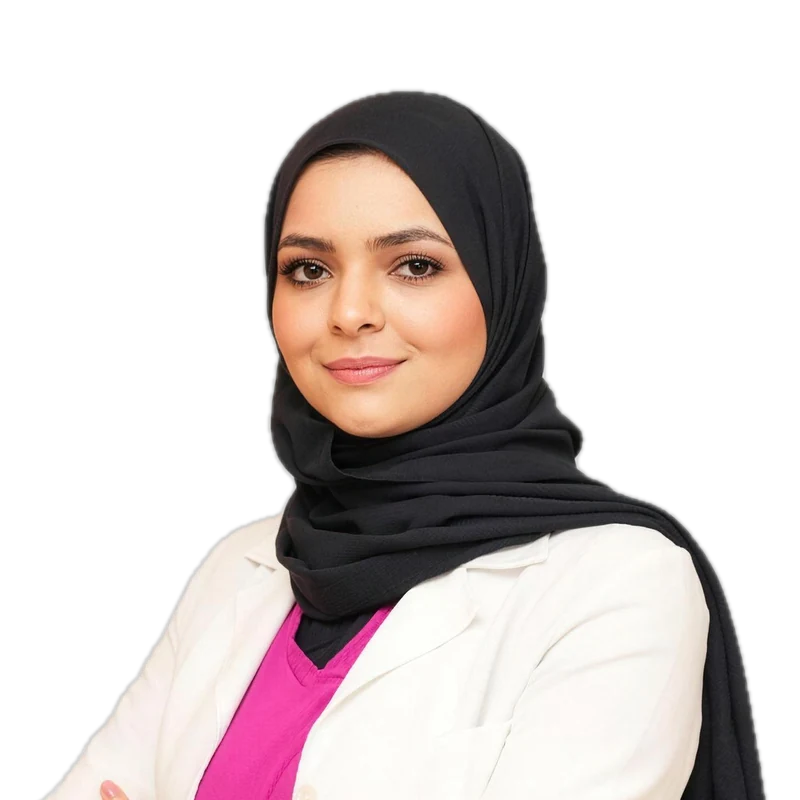 Dr. Sharifa AlHajSpecialist Pediatric Dentist
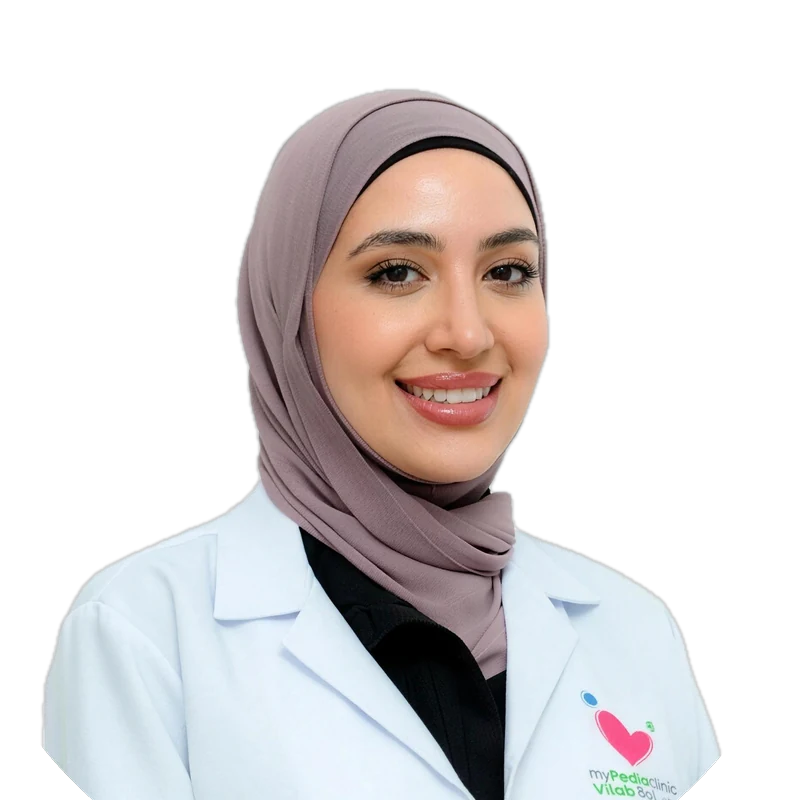 Dr. Sara Atif MustafaSpecialist Pediatric Dentist