

Mosquito Bites in Children: Why Some Kids React More Severely and What Parents Can Do
Has your child ever come inside with mosquito bites that swell dramatically, turn bright red, and seem to bother them far more than they bother other family members? Do you wonder why some children seem to be “mosquito magnets” while others rarely get bitten, or why your child’s bites become so much more inflamed than your own? You’re not alone—many parents in Dubai are concerned about their children’s reactions to mosquito bites, especially given our warm climate where mosquitoes thrive year-round.
The truth is that some children are genuinely more sensitive to mosquito bites than others, and there’s a clear scientific reason behind these more severe reactions. Understanding why this happens and knowing how to prevent and treat mosquito bites can help your child enjoy outdoor activities more comfortably while minimizing the distress these pesky insects can cause.
At myPediaClinic in Dubai Healthcare City, our experienced pediatricians, including Dr. Medhat Abu-Shaaban, regularly help families manage mosquito bite reactions and other insect-related concerns. This comprehensive guide explains everything Dubai parents need to know about mosquito bites in children, from understanding why reactions vary to implementing effective prevention strategies.
Understanding Mosquito Bites: What Happens When a Mosquito Bites
To understand why some children react more severely to mosquito bites, it helps to know exactly what happens during the biting process and why our bodies respond the way they do:
The Bite Process
- Detection and landing: Female mosquitoes (only females bite because they need blood proteins to produce eggs) detect potential hosts from up to 50 meters away using specialized receptors that sense carbon dioxide, body heat, moisture, and certain chemicals on our skin including lactic acid, ammonia, and octenol.
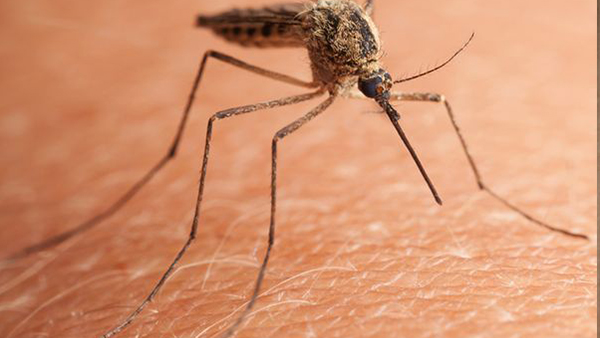
- Piercing the skin: The mosquito uses a specialized mouthpart called a proboscis, which consists of six needle-like structures. Some hold the tissue apart while others search for a blood vessel. This sophisticated apparatus allows the mosquito to locate a capillary with remarkable precision.
- Injecting saliva: To prevent blood from clotting during feeding, the mosquito injects saliva containing a complex cocktail of proteins including anticoagulants, vasodilators, and anti-inflammatory compounds. This saliva is the source of allergic reactions.
- Feeding: The mosquito draws blood for about 2-3 minutes if undisturbed, consuming approximately 2-3 times its body weight in blood.
- Immune response: Your child’s immune system recognizes the foreign proteins in the mosquito’s saliva and mounts a defensive response, leading to the familiar symptoms of a mosquito bite.
Why Bites Cause Reactions
The itchy bump that forms after a mosquito bite isn’t from the bite itself or the loss of blood—it’s entirely from your child’s immune system responding to the foreign proteins in mosquito saliva. When these proteins enter the skin, the immune system identifies them as potential threats and releases histamine and other inflammatory chemicals to fight off the “invader.”
This histamine release causes blood vessels to dilate and become more permeable, allowing immune cells to reach the area quickly. The result is the characteristic redness, swelling, and intense itching we associate with mosquito bites. Because the actual threat is minimal (the mosquito saliva proteins are harmless), this immune response is technically an overreaction—but it’s a normal part of how our bodies defend against potential pathogens that mosquitoes might carry.
Why Some Children React More Severely
The wide variation in reactions to mosquito bites—from barely noticeable to dramatically swollen—comes down to how each individual’s immune system responds to mosquito saliva proteins:
The Immune Response Spectrum
- Type I (Immediate) reaction: This IgE-mediated allergic response occurs within minutes of the bite, causing an immediate wheal (raised bump) at the bite site. This represents the immune system’s rapid deployment of histamine from mast cells.
- Type IV (Delayed) reaction: This cell-mediated immune response occurs hours to days after the bite, causing the persistent itchy papule (small raised bump) that can last for several days. This involves T-cells and represents a slower but longer-lasting immune response.
- Both reactions: Many people experience both immediate and delayed reactions, but the intensity of each varies significantly between individuals based on their immune history and genetics.
- No reaction: Some individuals, typically those with extensive mosquito exposure over many years, develop immune tolerance and have minimal visible reactions to bites.
Skeeter Syndrome: Severe Mosquito Bite Allergy
Some children develop what’s informally called “Skeeter Syndrome”—a more severe local allergic reaction to mosquito bites that can be quite alarming for parents:
- Symptoms: Large areas of swelling (sometimes 10 centimeters or more in diameter), significant redness, warmth, hardness, and intense itching at the bite site
- Timing: Swelling develops within hours of the bite and may continue to worsen over the first day or two
- Duration: May take 3-10 days to fully resolve, compared to 3-4 days for typical reactions
- Location spread: Reactions may extend well beyond the immediate bite site, sometimes involving an entire limb if bitten on the arm or leg
- Systemic symptoms: Some children develop low-grade fever (up to 38°C), swollen lymph nodes near the bite, or general malaise with severe reactions
- Appearance concerns: Can look remarkably similar to cellulitis (bacterial skin infection), often requiring medical evaluation to differentiate
- Blistering: Severe cases may develop blisters or bruising at the bite site
Factors Affecting Reaction Severity
Several factors influence how severely a child reacts to mosquito bites:
- Age and exposure history: Younger children and those with limited previous exposure to mosquitoes typically react more strongly. This is because their immune systems haven’t yet learned to moderate their response.
- Immune system development: The immune system “learns” over time with repeated exposure. After many bites over several years, most people’s immune systems develop a degree of tolerance, resulting in milder reactions.
- Genetic factors: Some children are genetically predisposed to stronger inflammatory responses. Family history of allergies may indicate increased risk.
- Allergic tendency (atopy): Children with eczema, asthma, hay fever, or food allergies—conditions that indicate an overactive immune system—may react more severely to mosquito bites.
- Mosquito species: Different mosquito species have different saliva compositions. The Aedes aegypti and Culex species common in the UAE may cause different reaction patterns.
- Number of bites: Multiple bites in a short period can cause more significant systemic inflammation.
- Location of bite: Bites on areas with looser skin (eyelids, ears) may swell more dramatically than bites on firmer tissue.
- Time of exposure: Some children react more strongly to bites received during certain times of day, possibly related to circadian variations in immune function.
Why Reactions Often Improve with Age
Many parents notice that their child’s severe reactions become milder as they grow older. This natural desensitization occurs because:
- The immune system develops tolerance with repeated exposure to mosquito saliva proteins over time
- The inflammatory response becomes more regulated and less exaggerated
- Antibody production patterns change, with less dramatic IgE responses
- The body’s ability to quickly neutralize and clear the allergenic proteins improves
However, children who are rarely bitten (due to effective prevention or limited outdoor exposure) may continue to have strong reactions because their immune systems never develop this tolerance. Interestingly, if someone moves to a new geographic area with different mosquito species, they may experience stronger reactions initially as their immune system encounters unfamiliar saliva proteins.
Why Mosquitoes Prefer Some Children Over Others
It’s not your imagination—mosquitoes genuinely prefer certain individuals over others, and some children seem to attract more than their fair share of bites:
Factors That Attract Mosquitoes
- Carbon dioxide output: Mosquitoes can detect CO2 from up to 50 meters away. Larger people and those breathing heavily produce more CO2, making them more attractive targets.
- Body heat and moisture: Higher body temperature and more moisture on the skin attract mosquitoes. This is sensed through specialized thermal receptors.
- Skin bacteria: The specific mix of bacteria on skin produces different chemical signatures. Some bacterial profiles are more attractive to mosquitoes than others. This partly explains why mosquitoes preferentially bite certain body areas like feet and ankles.
- Sweat composition: Lactic acid, ammonia, uric acid, and other compounds in sweat attract mosquitoes. People who produce more of these chemicals are more attractive.
- Blood type: Some research suggests Type O blood may be slightly more attractive to mosquitoes than other blood types, possibly because Type O individuals secrete more blood-type indicators through their skin.
- Movement and visual cues: Active people are more easily detected. Mosquitoes use visual cues, particularly detecting dark colors and movement against lighter backgrounds.
- Clothing color: Dark colors (black, navy, red) attract more mosquitoes than light colors, partly because they retain more heat.
- Genetic factors: Studies of twins show that mosquito attractiveness has a significant genetic component, with identical twins attracting similar numbers of mosquitoes.
- Pregnancy: Pregnant women exhale more CO2 and have higher body temperatures, making them more attractive (relevant for expectant mothers).
- Alcohol consumption: Adults who have consumed alcohol become more attractive to mosquitoes (not relevant for children but interesting context).
Why Children Are Often Targeted
- Higher metabolic rate and body temperature relative to their size
- More active during outdoor play, producing more CO2, sweat, and heat
- Less likely to notice mosquitoes landing and swat them away in time
- More exposed skin during warm weather activities and summer clothing
- Lower awareness of high-risk times (dawn and dusk) and areas
- May not consistently apply or reapply insect repellent
- Tend to play in areas where mosquitoes breed (near water features, gardens, pools)
Symptoms of Mosquito Bites in Children
Normal Reactions
- Small, round, puffy bump (wheal) appearing within minutes of the bite
- Redness and slight swelling around the bite (typically less than 2cm diameter)
- Itching that begins shortly after the bite and peaks 24-48 hours later
- Gradual resolution over 3-4 days without intervention
- The bump may become firmer over the first day before gradually flattening
- Mild warmth at the bite site
- A small red dot may remain at the center where the proboscis entered
More Severe Reactions (Skeeter Syndrome)
- Large area of swelling extending several centimeters from the bite (sometimes 10+ cm)
- Hard, warm, very red bump that may be painful as well as itchy
- Blistering or bruising at the bite site in severe cases
- Swelling that extends to nearby joints (if bitten on extremities)—for example, a bite on the hand causing swelling to the wrist
- Low-grade fever (up to 38°C) in some children
- Swollen lymph nodes near the bite (for example, armpit nodes if bitten on the arm)
- Prolonged duration—symptoms lasting 7-10 days rather than 3-4
- Significant discomfort affecting sleep and daily activities
Signs Requiring Medical Attention
Seek medical care if your child develops:
- Fever above 38.5°C (101.3°F): May indicate secondary infection or, rarely, mosquito-borne illness
- Spreading redness: Redness that doesn’t improve or continues to spread beyond the first 48 hours
- Red streaks: Lines of redness extending from the bite toward the body (indicating spreading infection)
- Pus or discharge: Yellow or green fluid draining from the bite site
- Signs of infection: Increasing pain, warmth, and swelling after initial improvement—a pattern suggesting bacterial infection has developed
- Difficulty breathing or facial/throat swelling: Rare but serious, requiring emergency care
- Bites that aren’t healing: Wounds that remain open or aren’t improving after a week
- Extensive blistering: Large blisters or widespread reaction affecting large body areas
- Systemic symptoms: Headache, body aches, joint pain, rash spreading beyond bite sites, or unusual fatigue following mosquito exposure
Treatment of Mosquito Bites
Immediate First Aid
- Clean the area: Wash the bite with soap and water as soon as possible to remove any remaining mosquito saliva and reduce infection risk
- Apply cold: Use a cold compress, ice pack wrapped in cloth, or even a cold can of drink for 10-15 minutes to reduce immediate swelling and numb the area
- Resist scratching: This is easier said than done, especially for children, but scratching worsens the immune reaction, increases swelling, and significantly raises infection risk. Covering the bite with a bandage can help.
- Elevate if possible: If a limb is affected and swelling is significant, keeping it elevated can help reduce swelling
Home Remedies That Help
- Cold compresses: Apply for 10-15 minutes several times daily to reduce swelling and relieve itching. This is one of the most effective simple treatments.
- Calamine lotion: The zinc oxide and iron oxide in calamine provide a cooling, soothing effect that relieves itching
- Baking soda paste: Mix baking soda with water to form a paste and apply to the bite for 10-15 minutes. The alkaline nature can help neutralize some of the acidic compounds causing irritation.
- Oatmeal bath: Colloidal oatmeal (finely ground oatmeal) added to bathwater can relieve multiple bites by reducing inflammation throughout
- Aloe vera: Has natural anti-inflammatory properties and provides cooling relief. Use pure aloe vera gel, either fresh from the plant or a commercial product without added fragrances.
- Honey: Has natural antibacterial and anti-inflammatory properties; can be applied directly to bites
- Tea tree oil (diluted): Has anti-inflammatory and antimicrobial properties but must be diluted with carrier oil before use on children
- Basil: Crushed basil leaves contain compounds that can relieve itching; some families find this traditional remedy helpful
Over-the-Counter Treatments
- Oral antihistamines: Cetirizine (Zyrtec), loratadine (Claritin), or diphenhydramine (Benadryl) reduce itching and swelling by blocking histamine. Non-drowsy options (cetirizine, loratadine) are preferred during the day; sedating antihistamines may help at night when itching often worsens.
- Hydrocortisone cream: 0.5% or 1% cream reduces inflammation and itching. Apply 2-3 times daily. Safe for children over 2 years for short-term use.
- Anti-itch creams and gels: Products containing pramoxine (a topical anesthetic) or menthol provide cooling relief
- Pain relievers: Acetaminophen (Tylenol) or ibuprofen (Advil) for discomfort or low-grade fever—use age-appropriate dosing based on weight
- Anti-itch patches or stickers: Helpful for young children who struggle not to scratch; provide a physical barrier while delivering soothing medication
- Ammonia-based products: Some bite relief products use ammonia to neutralize the proteins causing the reaction; most effective immediately after the bite
When Stronger Treatment Is Needed
For severe reactions, your pediatrician may prescribe:
- Stronger topical corticosteroids: Prescription-strength creams that are more effective than over-the-counter hydrocortisone for significant inflammation
- Oral corticosteroids: Short course (3-5 days) of oral steroids like prednisolone for severe swelling, particularly if affecting function or causing significant distress
- Antibiotics: Oral or topical antibiotics if secondary bacterial infection (impetigo, cellulitis) develops from scratching
- Prescription antihistamines: Higher doses or different medications if over-the-counter options aren’t providing adequate relief
Preventing Mosquito Bites
Insect Repellents
Effective protection starts with proper repellent use. Here’s what parents need to know about available options:
- DEET (N,N-Diethyl-meta-toluamide): The gold standard for mosquito repellents, safe for children over 2 months of age when used as directed. Concentrations of 10-30% are effective; higher concentrations provide longer protection (not stronger protection). A 10% product protects for about 2 hours; 30% for about 5 hours.
- Picaridin (Icaridin): An effective alternative to DEET that may be less irritating to skin and doesn’t have the plasticizing effect on synthetic fabrics. Concentrations of 20% provide protection comparable to DEET.
- Oil of lemon eucalyptus (OLE/PMD): A plant-based option that is CDC-recommended but NOT for children under 3 years old due to safety concerns. Provides protection comparable to low concentrations of DEET.
- IR3535: Another effective option with a good safety profile, used widely in Europe. Effective at 20% concentration.
- 2-Undecanone: A newer plant-based option derived from tomatoes, safe for children over 3 years old
Safe Repellent Use in Children
- Apply only to exposed skin and outer clothing—never under clothing where the product can’t evaporate properly
- Avoid applying to hands, eyes, mouth, and any cuts or irritated skin
- For facial application, spray the product on your hands first, then carefully apply to your child’s face, avoiding eyes and mouth
- Don’t allow children to apply repellent themselves—an adult should always apply it
- Wash repellent off with soap and water when coming indoors or when protection is no longer needed
- Don’t use combination sunscreen-repellent products—sunscreen needs frequent reapplication while repellent doesn’t, and combining them can lead to excessive repellent exposure
- Follow age guidelines on product labels carefully
- Reapply as directed, especially after swimming or heavy sweating
- Store repellents out of children’s reach
- If skin irritation occurs, wash off immediately and discontinue use
Environmental Controls
- Eliminate standing water: Mosquitoes can breed in as little as a bottle cap of water. Check and empty flower pot saucers, bird baths, pool covers, buckets, toys left outside, gutters, and any container that collects water. Change water in pet bowls daily.
- Use screens: Ensure all windows and doors have intact screens without holes or gaps. Check screens regularly and repair any damage immediately.
- Time outdoor activities wisely: Mosquitoes are most active at dawn and dusk. When possible, schedule outdoor activities for midday when mosquito activity is lowest.
- Use fans: Mosquitoes are weak fliers and have difficulty landing in moving air. Outdoor fans on patios and decks create a less hospitable environment.
- Maintain swimming pools: Properly chlorinated and filtered pools don’t breed mosquitoes. Cover pools when not in use.
- Keep grass trimmed: Mosquitoes rest in tall grass and vegetation during the day. Short grass provides less shelter.
- Consider professional treatment: For yards with persistent mosquito problems, professional mosquito control services can significantly reduce populations.
- Use mosquito dunks: For water features that can’t be drained (ornamental ponds), biological larvicides containing Bti bacteria kill mosquito larvae without harming other wildlife.
- Air conditioning: Indoor environments with air conditioning are much less attractive to mosquitoes.
Protective Clothing
- Long sleeves and long pants during peak mosquito activity times (dawn and dusk)
- Light-colored clothing (white, khaki, light gray)—mosquitoes are more attracted to dark colors
- Loose-fitting clothes—mosquitoes can easily bite through tight fabric that presses against skin
- Tightly woven fabrics that mosquitoes can’t bite through
- Closed-toe shoes and socks rather than sandals (ankles and feet are common bite sites)
- Permethrin-treated clothing for high-risk areas—permethrin is an insecticide that can be applied to clothing and remains effective through multiple washings. Never apply permethrin directly to skin.
- Hats with attached mosquito netting for activities in heavily infested areas
- Mosquito nets for babies in strollers and over beds in areas without adequate screening
Additional Prevention Strategies
- Avoid scented products: Floral perfumes, scented lotions, and fragrant shampoos may attract mosquitoes. Use unscented products during outdoor activities.
- Stay in air-conditioned or screened areas: When mosquitoes are most active, keep children in protected environments.
- Use mosquito coils and outdoor repellent devices: These can help create a mosquito-free zone in outdoor sitting areas, though children shouldn’t be exposed to prolonged smoke from coils.
- Yellow “bug lights”: While not repellents, these attract fewer insects than standard white lights and may help reduce mosquitoes near outdoor living areas.
Complications of Mosquito Bites
Secondary Bacterial Infection
The most common complication of mosquito bites, especially when children scratch:
- How it happens: Bacteria from skin surface or from under fingernails enter through broken skin created by scratching
- Common bacteria: Staphylococcus aureus and Streptococcus pyogenes are the usual culprits
- Signs include: Increasing redness that spreads, warmth, pus or discharge, pain beyond normal itching, fever, and swollen lymph nodes
- Treatment: May require antibiotic treatment—topical antibiotics for mild cases, oral antibiotics for more significant infections
- Prevention: Keep nails trimmed short and clean, discourage scratching, keep bites clean and covered if your child can’t resist scratching
Impetigo
A superficial bacterial skin infection that commonly develops from scratched insect bites:
- Appearance: Honey-colored crusts over red sores, often in clusters
- Highly contagious: Can spread to other areas of the child’s body and to other family members
- Treatment: Topical or oral antibiotics depending on extent
Cellulitis
A deeper skin infection that can develop from infected bites:
- Appearance: Spreading redness and warmth extending beyond the original bite, skin may appear shiny and tight
- Systemic symptoms: Fever, chills, and feeling generally unwell
- Urgency: Requires prompt medical treatment with antibiotics
- Differentiation from Skeeter Syndrome: Can be difficult to distinguish from severe allergic reactions; medical evaluation is important
Mosquito-Borne Diseases
While less common in the UAE than in some tropical regions, mosquitoes can transmit various diseases:
- Dengue fever: Occasionally reported in the UAE and common in nearby South Asian countries. Symptoms include high fever, severe headache, pain behind the eyes, joint and muscle pain, rash, and mild bleeding.
- West Nile virus: Present in the Middle East region. Most infections cause no symptoms; some cause fever, headache, and fatigue; rarely causes serious neurological illness.
- Chikungunya: Has been reported in the broader region. Causes fever and severe joint pain that can be debilitating.
- Zika virus: Risk varies by region. Causes mild illness in most but is concerning during pregnancy.
- Malaria: Eliminated from the UAE but present in some countries where families may travel.
Prevention through bite avoidance remains the best protection against mosquito-borne diseases. If your child develops fever, headache, rash, or other concerning symptoms after mosquito exposure, especially during or after travel to endemic areas, seek medical evaluation.
Psychological Impact
Severe reactions to mosquito bites can also have psychological effects:
- Fear or anxiety about outdoor activities
- Sleep disturbance from itching and discomfort
- Self-consciousness about visible bite reactions
- Frustration and irritability from chronic discomfort
These psychological effects should be addressed with reassurance, effective prevention strategies, and proper treatment to minimize distress.
When to See a Pediatrician
Visit myPediaClinic Dubai if your child has:
- Severe swelling that doesn’t respond to home treatment within 48-72 hours
- Signs of infection (spreading redness, pus, fever, red streaks)
- Many bites causing significant discomfort affecting sleep or daily activities
- Bites that aren’t healing normally after a week
- Unusual symptoms after being bitten (fever, headache, body aches, widespread rash)
- History of severe reactions and you want a proactive management plan
- Concern about whether a reaction is allergic or infectious
- Need for prescription treatments for severe reactions
- Questions about safe repellent use for your specific child
Long-Term Management for Children with Severe Reactions
Creating a Prevention Plan
For children who consistently have severe reactions, work with your pediatrician to create a comprehensive prevention plan:
- Identification of the most effective repellent for your child
- Environmental modifications for your home and yard
- Strategies for school and outdoor activities
- Quick-response treatment protocol when bites occur
- Emergency signs requiring medical attention
Building Tolerance
While there’s no way to artificially build tolerance to mosquito bites, understanding that reactions typically improve with age and repeated exposure can be reassuring. Some strategies may help:
- Continue reasonable outdoor exposure (with protection) rather than complete avoidance
- Treat reactions promptly to minimize discomfort
- Keep a log of reactions to track improvement over time
Expert Pediatric Care at myPediaClinic
At myPediaClinic in Dubai Healthcare City, we provide comprehensive care for mosquito bite reactions and insect-related concerns:
- Expert evaluation of mosquito bite reactions to determine if treatment is needed
- Differentiation between allergic reactions and infections requiring different treatment approaches
- Treatment for infected or severely inflamed bites
- Personalized management plans for children with severe or recurrent reactions
- Evidence-based guidance on prevention strategies tailored to your family’s lifestyle
- Assessment and treatment for other insect bite and sting reactions
- Evaluation for mosquito-borne illness if concerning symptoms develop
- Prescription treatments when over-the-counter options aren’t sufficient
Dr. Medhat Abu-Shaaban and our pediatric team understand how distressing severe mosquito bite reactions can be for both children and parents. We’re here to help you develop effective strategies for prevention and treatment so your child can enjoy Dubai’s outdoor activities comfortably.
Frequently Asked Questions
Why do some children have more severe reactions to mosquito bites?
Severe reactions occur because some children’s immune systems respond more strongly to proteins in mosquito saliva. Younger children and those with less exposure history often react more severely because their immune systems haven’t developed tolerance through repeated exposure. Children with allergic tendencies (eczema, asthma, food allergies) often have more reactive immune systems and may experience stronger reactions. Genetic factors also play a role—some children simply inherit a tendency toward more vigorous inflammatory responses. Fortunately, reactions typically become milder with age as the immune system learns to moderate its response.
What is Skeeter Syndrome?
Skeeter Syndrome is the informal name for a significant allergic reaction to mosquito bites characterized by large areas of swelling (sometimes 10 centimeters or more in diameter), intense redness, warmth, hardness, and severe itching. The reaction develops within hours of the bite and may continue to worsen over the first day or two, taking up to 7-10 days to fully resolve. Some children also develop low-grade fever, swollen lymph nodes, or blistering. It’s caused by an allergic reaction to proteins in mosquito saliva and is more common in young children who haven’t developed tolerance through repeated exposure. The appearance can mimic cellulitis (skin infection), so medical evaluation may be needed to differentiate.
How can I tell if a mosquito bite is infected?
Signs of infection include increasing redness that spreads beyond the initial bite area (especially after the first 48 hours), red streaks extending from the bite toward the body, warmth that worsens over time, pus or yellow-green discharge from the bite site, increased pain (rather than just itching), fever, and swollen lymph nodes near the bite. A key warning sign is the pattern of improvement followed by worsening—if the bite seemed to be getting better and then suddenly becomes more inflamed, this suggests bacterial infection has developed. See a doctor promptly if you notice these signs, as infected bites typically require antibiotic treatment.
Is DEET safe for children?
Yes, DEET has been extensively studied and is considered safe and effective for children when used properly according to label directions. Products containing 10-30% DEET can be used on children over 2 months of age. Apply only to exposed skin (not under clothing), avoiding hands, eyes, mouth, and any irritated or broken skin. Don’t allow children to apply repellent themselves. Wash it off with soap and water when coming indoors. Higher concentrations provide longer-lasting protection but aren’t more effective—a 30% product lasts about 5 hours versus 2 hours for 10% DEET. The American Academy of Pediatrics endorses DEET use in children with proper application.
How can I reduce my child’s itching from mosquito bites?
Apply cold compresses or ice wrapped in cloth for 10-15 minutes several times daily to reduce swelling and numb the area. Use calamine lotion or 1% hydrocortisone cream to reduce itching and inflammation. Give age-appropriate oral antihistamines like cetirizine (Zyrtec) or loratadine (Claritin) following dosing instructions for your child’s weight. Keep fingernails trimmed short to minimize scratching damage. Distraction techniques help younger children resist scratching. Cover the bite with a bandage if your child can’t stop scratching. A cool colloidal oatmeal bath can soothe multiple bites. Keeping the room cool, especially at night when itching often worsens, also helps.
Why do mosquitoes seem to prefer my child over others?
Mosquitoes are attracted to carbon dioxide, body heat, certain skin bacteria, and chemicals in sweat including lactic acid. Children who are more active (producing more CO2 and sweat), have higher body temperatures, or have certain skin bacteria profiles may be more attractive to mosquitoes. Wearing dark clothing increases attractiveness, and some research suggests blood type (possibly Type O) may play a role. Genetic factors significantly influence mosquito attraction—studies of twins show identical twins attract similar numbers of mosquitoes. It’s not a myth—some people really are “mosquito magnets.” Using proper repellent is especially important for children who seem to attract more than their share of bites.
Will my child outgrow severe mosquito bite reactions?
Many children do experience significantly milder reactions as they get older and accumulate repeated exposure to mosquito bites. The immune system develops tolerance over time, learning to mount a more proportionate response to mosquito saliva proteins. However, children who are rarely bitten (due to effective prevention or limited outdoor exposure) may continue to have strong reactions because their immune systems never develop this tolerance. While you can generally expect improvement over years, the timeline varies by individual, and some people always have stronger-than-average reactions. The key is effective management while waiting for natural tolerance to develop.
Can mosquito bites cause serious illness in children in the UAE?
While mosquito-borne diseases like dengue, West Nile virus, and chikungunya exist in some regions, they are relatively uncommon in the UAE due to effective mosquito control programs. The most common serious complication from mosquito bites in the UAE is secondary bacterial infection (impetigo or cellulitis) that develops when children scratch bites and introduce bacteria into the wound. Prevention through repellents and environmental control is still recommended, particularly during travel to areas where mosquito-borne diseases are more common. See a doctor if your child develops fever, severe headache, rash, or unusual symptoms after mosquito exposure, especially during or after international travel.
Are natural mosquito repellents effective for children?
Some natural repellents can provide protection but generally for shorter duration than DEET or picaridin. Oil of lemon eucalyptus (OLE/PMD) is CDC-recommended and can provide protection comparable to low-concentration DEET, but it is NOT safe for children under 3 years old. Other natural options like citronella, lavender, and eucalyptus oils provide limited, short-duration protection (typically 30 minutes to 2 hours) and require frequent reapplication. For high mosquito exposure or travel to areas with mosquito-borne disease risk, DEET or picaridin products are more reliable. Natural options may be suitable for lower-risk situations when parents prefer to avoid synthetic chemicals, but understand their limitations.
How can I prevent mosquito bites while my child sleeps?
Ensure all windows and doors have intact screens without holes or gaps. Use air conditioning when possible—mosquitoes are less active in cool environments and the sealed environment prevents entry. Consider a mosquito net over the bed, especially for babies or when staying in places without adequate screening. Don’t apply insect repellent for sleeping—it should be washed off before bed. Use a fan near the bed, as mosquitoes are weak fliers and have difficulty landing in moving air. Keep the room dark, as light can attract mosquitoes inside. For babies, use a fitted mosquito net over the crib or bassinet, ensuring it’s properly secured and doesn’t pose a suffocation risk.
When should I take my child to the doctor for a mosquito bite?
See a doctor if your child has signs of infection (spreading redness, pus or discharge, fever, red streaks extending from the bite), severe swelling that doesn’t improve with home treatment after 48-72 hours, many bites causing significant discomfort affecting sleep or activities, or bites that aren’t healing after a week. Also consult your pediatrician if your child develops fever, headache, body aches, or unusual symptoms after being bitten, or if your child consistently has severe reactions and you want to develop a comprehensive management plan. When in doubt, it’s better to have significant reactions evaluated to distinguish between severe allergic reactions and infections requiring different treatments.
Can I use anti-itch patches or stickers on my child’s mosquito bites?
Yes, anti-itch patches and stickers can be very helpful, especially for young children who struggle not to scratch their bites. They provide a physical barrier against scratching while some also deliver soothing or medicated ingredients like hydrocolloid that promotes healing. Most are safe for children over 2 years old. Ensure the bite area is clean and dry before applying. However, if a bite appears infected (increasing redness, pus, warmth) or unusually swollen with signs of severe reaction, see a doctor rather than simply covering it with a patch—proper treatment may be needed. Patches are helpful for managing normal reactions, not for masking concerning symptoms.
What should I pack to protect my child from mosquitoes when traveling?
Pack an effective insect repellent appropriate for your child’s age (DEET or picaridin-based for children over 2 months). Bring lightweight, light-colored long-sleeved shirts and pants. Include a portable mosquito net for sleeping in areas without reliable screening or air conditioning. Pack anti-itch treatments (hydrocortisone cream, antihistamines) for treating any bites that occur. Consider permethrin spray to treat clothing and gear before travel to high-risk areas. Bring sunscreen to apply before repellent (never use combination products). For destinations with significant mosquito-borne disease risk, consult a travel medicine specialist before your trip for destination-specific advice and any recommended preventive medications.
For expert care of your child’s mosquito bite reactions, visit myPediaClinic in Dubai Healthcare City. Schedule an appointment today with Dr. Medhat Abu-Shaaban and our experienced pediatric team. We’re here to help your child enjoy Dubai’s outdoor lifestyle comfortably and safely, with effective strategies for preventing and managing mosquito bites.