

Constipation: Surprising Truths And Tips For Relief
Constipation is one of the most common digestive complaints affecting children, yet it remains widely misunderstood by many parents. What might seem like a simple problem of not going to the bathroom often enough can actually be a complex issue with numerous causes, surprising symptoms, and far-reaching effects on a child’s overall well-being. At myPediaClinic, we encounter concerned parents daily who are surprised to learn that their child’s behavioral changes, stomach aches, or even loss of appetite may all be connected to constipation. This comprehensive guide will reveal some surprising truths about childhood constipation that every parent should know, provide practical tips for relief, and help you understand when it is time to seek professional medical care. Our goal is to empower Dubai families with the knowledge they need to address this common but often distressing condition effectively and compassionately.
Understanding Constipation: More Than Just Infrequent Bowel Movements
Many parents define constipation simply as not having a bowel movement often enough, but the reality is more nuanced. At myPediaClinic Dubai, we help families understand that constipation is characterized not only by frequency but also by the consistency of stools, the effort required to pass them, and whether the child experiences complete evacuation. A child who has a bowel movement every three days but passes soft, comfortable stools is not necessarily constipated, while a child who goes daily but strains, produces hard pellets, or feels incomplete evacuation may indeed be constipated.
What Normal Bowel Patterns Look Like in Children
Normal bowel frequency varies tremendously among children, which can make it challenging for parents to know when there is a problem. Newborns may have multiple bowel movements per day or, especially if breastfed, may go several days between movements. Toddlers typically have one to two bowel movements daily, though some may go every other day. School-age children usually settle into patterns of once daily to once every two days. What matters most is consistency in the child’s own pattern and the ease with which stools are passed.
How Constipation Develops in Children
Constipation often develops gradually, beginning with a single episode of hard or painful stool. When a child experiences pain during a bowel movement, they may begin to hold in stool to avoid the discomfort. This withholding behavior allows more water to be absorbed from the stool in the colon, making subsequent stools even harder and more painful to pass. A vicious cycle develops where withholding leads to harder stools, which causes more pain, which leads to more withholding. Understanding this cycle is crucial because it explains why constipation often worsens over time and why breaking the cycle requires consistent effort.
The Role of the Colon in Constipation
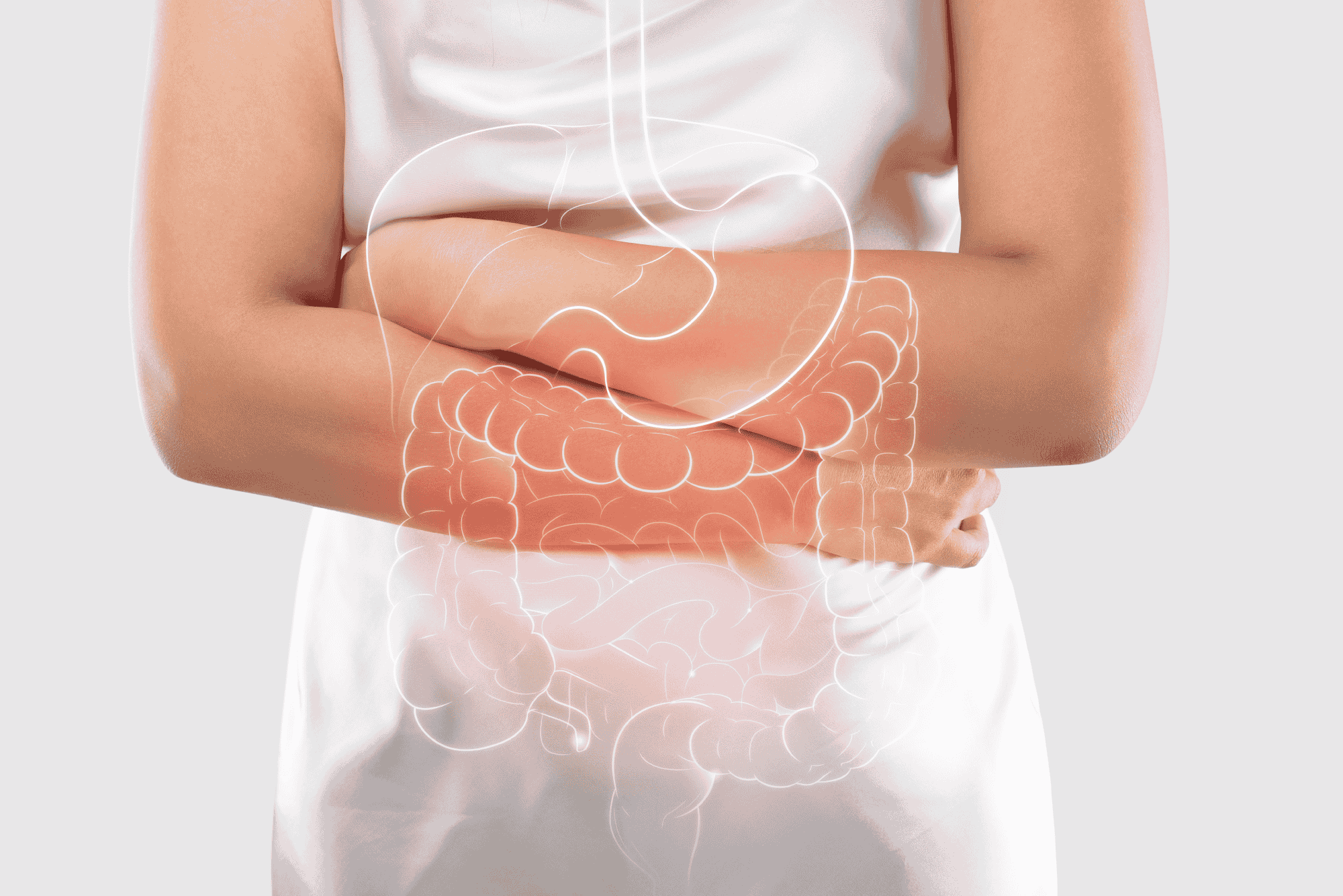
The colon, or large intestine, plays a critical role in constipation. Its primary functions include absorbing water from digestive waste and propelling stool toward the rectum for elimination. When stool moves too slowly through the colon, excessive water absorption occurs, resulting in hard, dry stools. Over time, if constipation becomes chronic, the colon can become stretched and less effective at its job. The rectum may also become less sensitive, so children do not feel the urge to go even when stool is present. These changes can take time to reverse, which is why treatment of chronic constipation often requires patience and persistence.
Surprising Facts About Childhood Constipation
Constipation is surrounded by misconceptions that can prevent parents from recognizing the problem or seeking appropriate help. Learning these surprising truths can help you better understand and address constipation in your child.
Surprising Truth One: Frequent Small Bowel Movements May Indicate Constipation
One of the most counterintuitive aspects of constipation is that some constipated children actually have multiple bowel movements per day. This phenomenon, called overflow soiling or encopresis, occurs when a large mass of hard stool blocks the rectum. Liquid stool from higher in the colon seeps around this blockage and leaks out, often without the child’s awareness or control. Parents may interpret these frequent small movements, sometimes mistaken for diarrhea, as signs that the child is not constipated. In reality, they indicate severe constipation that requires prompt attention.
Surprising Truth Two: Constipation Can Cause Bedwetting
Many parents are surprised to learn that constipation is a common cause of bedwetting in children. The rectum and bladder are neighbors in the pelvis, and when the rectum is full of hard stool, it can press against the bladder. This pressure reduces bladder capacity and can interfere with the signals that tell children their bladder is full. Studies have shown that treating constipation can significantly improve or resolve bedwetting in many children. If your child struggles with bedwetting, particularly if it is a new development, constipation should be considered as a potential contributing factor.
Surprising Truth Three: Drinking More Water Alone May Not Help
Parents are often advised to have constipated children drink more water, and while adequate hydration is important, simply increasing water intake may not resolve constipation. The body is remarkably efficient at maintaining fluid balance, and excess water is typically eliminated through urine rather than being directed to soften stool. Water works best in conjunction with fiber, which absorbs water and adds bulk to stool. Without adequate fiber, increased water intake alone may have minimal effect on constipation. The key is combining appropriate hydration with a fiber-rich diet and other lifestyle strategies.
Surprising Truth Four: Milk and Dairy Can Contribute to Constipation
Dairy products, particularly milk, are a common but often overlooked contributor to childhood constipation. Some children have difficulty digesting milk proteins or lactose, which can slow digestive motility and contribute to hard stools. Additionally, children who drink large amounts of milk may fill up on dairy and consume inadequate fiber from other foods. If your child consumes significant amounts of dairy and struggles with constipation, reducing dairy intake may help. Our pediatricians at myPediaClinic can help determine whether dairy is contributing to your child’s constipation and guide appropriate dietary modifications.
Surprising Truth Five: Constipation Affects Mood and Behavior
Children with constipation often exhibit mood and behavior changes that parents may not connect to digestive issues. Chronic abdominal discomfort can make children irritable, anxious, or withdrawn. Some children become defiant around mealtimes or bathroom visits because they associate these activities with discomfort. Sleep may be disrupted by abdominal pain, leading to fatigue and further behavioral difficulties. When constipation is successfully treated, parents often report dramatic improvements in their child’s overall demeanor and behavior.
Surprising Truth Six: Potty Training Can Trigger Constipation
The potty training period is a common time for constipation to develop or worsen. Toddlers who are learning to use the toilet may withhold stool because they are afraid of the toilet, prefer the comfort of a diaper, or simply are too busy playing to stop for bathroom breaks. Once withholding begins, the cycle of harder stools and more withholding can quickly establish itself. Parents who are potty training should be vigilant about constipation and maintain a relaxed, pressure-free approach that allows children to use the bathroom when needed without stress.
Common Causes of Constipation in Children
Understanding what causes constipation helps in developing effective prevention and treatment strategies. At myPediaClinic Dubai, we work with families to identify contributing factors and address them systematically.
Dietary Factors
Diet is the most common culprit in childhood constipation. Modern diets, particularly those heavy in processed foods, tend to be low in fiber. Fiber, found in fruits, vegetables, whole grains, and legumes, adds bulk to stool and helps it move through the digestive tract efficiently. Children who are picky eaters or who consume primarily refined carbohydrates, processed snacks, and fast food often do not get adequate fiber. Insufficient fluid intake compounds the problem, as fiber needs water to work effectively. Excessive consumption of binding foods like bananas, rice, and dairy can also contribute to constipation.
Lifestyle and Activity Levels
Physical activity stimulates intestinal motility, the muscle contractions that move food and waste through the digestive system. Sedentary children who spend much of their time sitting, whether at school, doing homework, or engaging with screens, may experience sluggish digestive function. The hot climate in Dubai can make outdoor activity challenging during certain months, potentially contributing to reduced activity levels and associated digestive issues. Encouraging regular physical activity not only supports overall health but specifically helps maintain healthy digestive function.
Withholding Behavior
As mentioned earlier, withholding stool is a primary driver of chronic constipation in children. Children may withhold for various reasons: previous painful bowel movements create fear, they are too engaged in play to stop for the bathroom, they are uncomfortable using toilets away from home, or they are resisting potty training. Some children become so skilled at withholding that they do not recognize the urge to go anymore. Breaking the withholding habit requires addressing underlying causes, ensuring comfortable bowel movements, and establishing regular bathroom routines.
Medications That Can Cause Constipation
Several common medications can contribute to constipation in children. Iron supplements, often prescribed for anemia, are notorious for causing digestive side effects including constipation. Some allergy medications, particularly antihistamines, can slow digestive motility. Certain medications used for ADHD, pain relievers, and some seizure medications can also have constipating effects. If your child takes any regular medications and struggles with constipation, discuss potential connections with your pediatrician. Sometimes adjusting the medication, timing, or adding preventive measures can help manage constipation while continuing necessary treatment.
Medical Conditions Associated with Constipation
While most childhood constipation is functional, meaning it has no underlying medical cause, certain medical conditions can contribute to or cause constipation. Thyroid disorders, particularly hypothyroidism, slow metabolic processes including digestion. Celiac disease and other food intolerances can affect digestive function. Neurological conditions may impair the nerves that control bowel function. Anatomical abnormalities, though rare, can also cause constipation. If your child’s constipation is severe, chronic, or does not respond to standard treatments, our pediatric team at myPediaClinic can evaluate for underlying medical causes.
Psychological and Emotional Factors
Stress and emotional factors can significantly impact digestive function in children. Changes such as starting school, moving to a new home, family disruptions, or the arrival of a new sibling can trigger constipation. Children who are anxious or stressed may unconsciously hold tension in their bodies, including the muscles involved in bowel function. Some children develop anxiety specifically around bowel movements, particularly if they have experienced pain or embarrassment related to bathroom use. Addressing emotional factors may be an important component of treating constipation in some children.
Recognizing Symptoms of Constipation
Constipation can manifest in ways that parents might not immediately connect to digestive issues. Knowing the full range of symptoms helps in early recognition and treatment.
Classic Symptoms of Constipation
The most obvious symptoms of constipation include infrequent bowel movements, typically fewer than three per week, and difficulty or pain when passing stool. Hard, dry, pellet-like stools are common. Children may strain excessively, sometimes turning red in the face or gripping the sides of the toilet. Some children cry or express fear about having bowel movements because they anticipate pain. Large-diameter stools that may clog the toilet can also indicate constipation, as stool that sits in the rectum for extended periods accumulates and grows in size.
Less Obvious Symptoms Parents May Miss
Many symptoms of constipation are less directly connected to bathroom habits and may be overlooked. Abdominal pain, particularly around or below the belly button, is common in constipated children. The pain may come and go and is often worse after meals. Loss of appetite frequently accompanies constipation, as a backed-up digestive system reduces hunger signals. Nausea and even vomiting can occur in severe cases. As mentioned earlier, bedwetting, frequent small accidents, and behavioral changes are also potential signs of constipation that parents may not immediately recognize.
Signs of Withholding Behavior
Children who are withholding stool often display characteristic behaviors that observant parents can learn to recognize. They may stand stiffly with legs crossed or pressed together. Some children hide in corners or behind furniture when they feel the urge to go. They may rock back and forth, clench their buttocks, or fidget in ways that suggest they are trying to suppress the urge to have a bowel movement. If you notice these behaviors, your child may be withholding, and addressing constipation should be a priority.
Red Flag Symptoms Requiring Immediate Attention
While most constipation is not dangerous, certain symptoms warrant prompt medical evaluation. Blood in the stool, beyond small amounts from anal fissures, should be evaluated. Severe abdominal pain, particularly if accompanied by vomiting, may indicate a more serious problem. Constipation in newborns, especially if present from birth, requires medical assessment. Significant weight loss, failure to thrive, or constipation accompanied by other concerning symptoms should be evaluated by a pediatrician at myPediaClinic without delay.
Dietary Solutions for Constipation Relief
Diet modification is the cornerstone of both treating and preventing constipation in children. By ensuring adequate fiber and fluid intake and limiting constipating foods, many cases of constipation can be resolved without medication.
Increasing Fiber Intake Effectively
Fiber is essential for healthy digestion, yet most children do not consume nearly enough. The general guideline is that children should eat their age plus five grams of fiber daily, meaning a five-year-old needs about ten grams and a ten-year-old needs about fifteen grams. Excellent fiber sources include fruits like pears, apples with skin, berries, and prunes. Vegetables such as broccoli, peas, sweet potatoes, and carrots provide fiber along with essential vitamins. Whole grains including oatmeal, whole wheat bread, and brown rice are good sources. Legumes like beans, lentils, and chickpeas are fiber powerhouses. Increase fiber gradually to avoid gas and bloating, and ensure adequate fluid intake as fiber needs water to work effectively.
The Power of Prunes and Prune Juice
Prunes deserve special mention as one of the most effective natural remedies for constipation. Beyond their fiber content, prunes contain sorbitol, a natural sugar alcohol that draws water into the intestines and has a mild laxative effect. Prune juice works similarly and may be easier for some children to accept than whole prunes. Start with small amounts, as too much too quickly can cause cramping or diarrhea. Two to four ounces of prune juice daily, or a few prunes, can help maintain regular bowel movements in many children.
Foods That May Worsen Constipation
Just as some foods help constipation, others can make it worse. Excessive dairy consumption, particularly milk, is a common contributor to childhood constipation. Refined carbohydrates like white bread, white rice, and many cereals provide little fiber. Processed foods, fast food, and sugary snacks often replace fiber-rich options in children’s diets. Bananas, particularly unripe ones, can be binding, as can applesauce. While these foods do not need to be completely eliminated, being mindful of their potential constipating effects and balancing them with fiber-rich options is important.
Sample High-Fiber Meal Ideas for Children
Incorporating fiber into children’s meals does not have to be difficult. Breakfast options include oatmeal topped with berries and a sprinkle of ground flaxseed, whole grain toast with almond butter and sliced banana, or a smoothie made with spinach, frozen mango, and chia seeds. Lunch could feature whole wheat pasta with vegetable sauce, bean and cheese quesadillas on whole wheat tortillas, or vegetable soup with whole grain crackers. Dinner ideas include grilled chicken with roasted vegetables and quinoa, fish with sweet potato and steamed broccoli, or lentil curry with brown rice. Snacks like apple slices with peanut butter, hummus with vegetable sticks, or air-popped popcorn add fiber throughout the day.
The Importance of Proper Hydration
Adequate fluid intake supports healthy digestion and works synergistically with fiber to prevent and relieve constipation. Understanding hydration needs and ensuring children drink enough is an important component of constipation management.
How Much Fluid Do Children Need
Fluid needs vary by age, activity level, and climate. In Dubai’s hot environment, children may need more fluids than general guidelines suggest. As a rough guide, children ages one to three need about four cups of fluids daily, ages four to eight need about five cups, and older children need six to eight cups or more. These totals include fluids from all sources, including milk and foods with high water content. Water should be the primary beverage, with milk and occasional diluted juice as secondary options. Sugary drinks and sodas should be limited as they provide empty calories without supporting healthy digestion.
Strategies to Encourage Drinking
Getting children to drink enough water can be challenging. Making water readily available by keeping a water bottle within reach throughout the day helps. Some children prefer water at room temperature while others like it cold. Adding slices of fruit like lemon, orange, or cucumber can make water more appealing without adding significant sugar. Fun cups or bottles with favorite characters may encourage younger children to drink more. Setting a good example by drinking water yourself shows children that water is a normal, desirable beverage.
Signs of Dehydration to Watch For
Dehydration can worsen constipation and affect children’s overall health. Signs of mild dehydration include dark yellow urine, dry lips and mouth, decreased urination, and low energy. More severe dehydration may cause sunken eyes, lack of tears when crying, excessive drowsiness, and cool or mottled extremities. If you notice signs of dehydration, increase fluid intake and contact your pediatrician if symptoms do not improve or if dehydration appears severe.
Establishing Healthy Bathroom Habits
Regular bathroom routines can help prevent constipation and support treatment efforts. Teaching children healthy bathroom habits is an investment in their long-term digestive health.
The Importance of Regular Bathroom Times
Establishing regular times for bathroom visits helps train the body’s natural rhythms. The gastrocolic reflex, which stimulates bowel movements after eating, is strongest after breakfast. Having children sit on the toilet for five to ten minutes after breakfast, even if they do not feel the urge to go, can help establish regular patterns. Creating a relaxed, unhurried atmosphere during these times is important. Children should not feel rushed or pressured, as stress can inhibit the urge to go.
Proper Toilet Positioning
How children sit on the toilet affects their ability to have comfortable, complete bowel movements. The ideal position involves leaning slightly forward with feet flat on a surface. For young children whose feet do not reach the floor, a step stool under the feet makes a significant difference. This position helps align the rectum for easier elimination. Some experts recommend an even deeper squat position, which can be achieved with a higher foot support. Teaching children to relax rather than strain is also important.
Creating a Comfortable Bathroom Environment
Children are more likely to use the bathroom regularly if it is a comfortable, non-threatening space. Ensure appropriate lighting, comfortable temperature, and privacy. Some children feel more comfortable with a small toilet seat insert that makes the standard toilet opening less intimidating. Having reading material or quiet activities available can help children relax and take the time needed for complete bowel movements. Never rush children out of the bathroom or express frustration about bathroom time.
Addressing Bathroom Avoidance at School
Many children avoid using school bathrooms due to concerns about privacy, cleanliness, time pressure, or embarrassment. This avoidance can contribute significantly to constipation, as children hold stool all day and may then have difficulty going at home. Talk with your child about any concerns they have about school bathrooms. Work with teachers to ensure children have adequate bathroom access without time pressure. Some children benefit from scheduled bathroom breaks. Addressing school bathroom avoidance is often an important component of treating school-age children with constipation.
Physical Activity and Digestive Health
Regular physical activity supports healthy digestion and can help prevent and relieve constipation. Understanding the connection between movement and digestive function helps motivate families to prioritize active lifestyles.
How Exercise Helps Constipation
Physical activity stimulates peristalsis, the wave-like muscle contractions that move food and waste through the digestive tract. When children are sedentary, digestive motility slows, allowing more water absorption and contributing to harder stools. Exercise also helps reduce stress, which can contribute to constipation, and supports overall body function. Even moderate activity like walking can have beneficial effects on digestive function.
Age-Appropriate Activities to Encourage
The best physical activities are those children enjoy and will do consistently. For younger children, active play including running, jumping, climbing, and dancing provides excellent digestive stimulation while supporting overall development. Swimming, cycling, and playground activities are great options. Older children might enjoy organized sports, martial arts, dance classes, or individual activities like running or skateboarding. Family activities such as walks after dinner, weekend hikes, or active games together encourage movement while building family bonds.
Incorporating Movement into Daily Routines
Physical activity does not have to be limited to dedicated exercise time. Walking or cycling to school, when practical and safe, provides daily activity. Taking stairs instead of elevators, active chores like sweeping or gardening, and movement breaks during homework or screen time all contribute to overall activity levels. In Dubai’s climate, identifying air-conditioned venues for active play during hot months helps maintain activity year-round.
When Home Remedies Are Not Enough: Medical Treatments
While dietary changes, hydration, and lifestyle modifications resolve many cases of constipation, some children need additional medical treatment. At myPediaClinic, we offer comprehensive evaluation and treatment for children with persistent or severe constipation.
Over-the-Counter Remedies
Several over-the-counter products can help relieve constipation when used appropriately. Polyethylene glycol, sold under various brand names, is a gentle osmotic laxative that draws water into the stool. It is generally safe for children when used as directed. Fiber supplements can help children who do not get adequate fiber from food alone. Glycerin suppositories provide quick relief for acute constipation but should not be used regularly. Always consult with your pediatrician before using any laxative product for your child, as proper dosing and appropriate product selection are important.
Prescription Treatments
For more severe or chronic constipation, prescription treatments may be necessary. These might include higher doses of osmotic laxatives, stimulant laxatives that increase intestinal contractions, or medications that stimulate fluid secretion in the intestines. In some cases, enemas may be needed to clear significant stool backup before maintenance treatment can be effective. Your pediatrician at myPediaClinic Dubai will determine the most appropriate treatment based on your child’s specific situation.
The Importance of Maintenance Treatment
A common mistake in treating chronic constipation is stopping treatment too soon. Even after bowel movements normalize, the colon and rectum may need months to return to normal function. Stopping laxatives prematurely often leads to recurrence. Maintenance treatment, typically at lower doses than initial treatment, helps keep bowel movements regular while the digestive system heals. Your pediatrician will guide you on the appropriate duration of treatment and how to gradually discontinue medications when the time is right.
When to See a Doctor About Constipation
While many cases of constipation can be managed at home, certain situations warrant professional evaluation. Knowing when to seek medical care helps ensure your child receives appropriate treatment.
Signs That Medical Evaluation Is Needed
Contact your pediatrician if your child has constipation that does not improve with dietary changes and increased fluids after two weeks. Blood in the stool beyond small amounts from obvious fissures should be evaluated. Severe abdominal pain, particularly if localized to one area or accompanied by vomiting, requires prompt attention. Weight loss or failure to gain weight appropriately is concerning. Constipation in infants, especially those under four months old, should always be evaluated. If your child is having accidents despite being previously potty trained, or if you are concerned for any reason, a medical evaluation can provide peace of mind and appropriate guidance.
What to Expect at a Medical Appointment
When you bring your child to myPediaClinic for constipation concerns, expect a thorough evaluation. Your pediatrician will ask detailed questions about your child’s bowel habits, diet, fluid intake, activity levels, and medical history. A physical examination will include checking the abdomen for stool masses and may include a rectal examination if indicated. In most cases, no additional testing is needed. However, if there are concerns about underlying medical conditions, blood tests, X-rays, or other studies may be recommended.
Working with Your Pediatrician for Long-Term Management
Chronic constipation often requires ongoing management and follow-up. Your pediatrician will develop a treatment plan tailored to your child’s needs and will monitor progress over time. Be prepared for treatment to take months in severe or longstanding cases. Keep a log of bowel movements, dietary intake, and any symptoms to share at follow-up appointments. Open communication with your healthcare team helps ensure treatment can be adjusted as needed for optimal results.
Preventing Constipation: Long-Term Strategies
Once constipation has been successfully treated, prevention becomes the priority. Maintaining the healthy habits that resolved constipation helps prevent recurrence and supports lifelong digestive health.
Building Sustainable Healthy Habits
The dietary and lifestyle changes that treat constipation are the same ones that prevent it. Maintaining a high-fiber diet, ensuring adequate hydration, encouraging regular physical activity, and supporting healthy bathroom habits should become permanent parts of your family’s routine. Making these practices normal family habits rather than treatments helps children adopt them as lifelong patterns.
Responding Quickly to Early Signs
Once you understand constipation in your child, you can recognize early warning signs and respond before problems become severe. If you notice your child’s stools becoming harder, if they go longer than usual between bowel movements, or if they show signs of withholding, take action promptly. Increasing fiber-rich foods, ensuring extra fluids, and encouraging bathroom time can often prevent mild constipation from becoming a significant problem.
Managing Transitions and Stressful Times
Constipation often flares during transitions and stressful periods. Starting school, traveling, family changes, and other disruptions can trigger digestive issues. During these times, be particularly attentive to diet, hydration, and bathroom routines. Discuss any concerns your child has about bathroom access in new situations. Proactive management during vulnerable times can prevent constipation from taking hold.
Frequently Asked Questions
How often should my child have a bowel movement?
Normal bowel frequency varies widely among children. Some children have bowel movements two to three times daily, while others go every two to three days. What matters most is consistency in your child’s own pattern and the ease and comfort of bowel movements. If your child passes soft stools without straining or pain, their frequency is likely normal for them. However, if stools are hard, painful, or if your child is straining excessively, constipation may be present regardless of frequency. Consult with your pediatrician at myPediaClinic if you are unsure whether your child’s pattern is healthy.
Is it safe to give my child laxatives?
Certain laxatives are safe for children when used appropriately and under medical guidance. Polyethylene glycol (PEG), available over the counter under various brand names, is generally considered safe for children and is commonly recommended by pediatricians. It works by drawing water into the stool and does not cause dependency. However, stimulant laxatives should be used sparingly and typically only under medical supervision. Never give your child adult laxative products without consulting your pediatrician. The appropriate type, dose, and duration of laxative treatment depends on your child’s age, the severity of constipation, and other individual factors that your pediatrician can assess.
Can constipation cause stomach pain in children?
Yes, constipation is one of the most common causes of stomach pain in children. The pain is typically located around or below the belly button and may come and go. It often worsens after meals due to the gastrocolic reflex, which stimulates bowel activity when food enters the stomach. Children may have difficulty describing the pain or may not connect it to their bowel habits. If your child complains of recurring stomach pain, especially if accompanied by other constipation symptoms, addressing constipation often resolves the pain. Persistent or severe stomach pain should be evaluated by a pediatrician to rule out other causes.
Why does my potty-trained child have poop accidents?
Accidents in previously potty-trained children are often caused by chronic constipation, a condition called encopresis. When hard stool accumulates in the rectum, liquid stool from higher in the colon can seep around it and leak out, often without the child feeling it. Children are typically embarrassed by these accidents and may deny them or try to hide soiled underwear. It is important to understand that this is not deliberate behavior and children are not being lazy or defiant. Treatment involves clearing the backed-up stool and then maintaining soft, regular bowel movements to allow the stretched rectum to return to normal function. This process takes time and patience, and medical guidance from your pediatrician at myPediaClinic is important.
What foods help relieve constipation in children?
High-fiber foods are most effective for relieving and preventing constipation. Excellent choices include prunes and prune juice, which contain sorbitol that has a natural laxative effect. Pears, apples with skin, berries, and kiwi are fiber-rich fruits. Vegetables like broccoli, peas, sweet potatoes, and leafy greens provide fiber and essential nutrients. Whole grains including oatmeal, whole wheat bread, and brown rice are helpful. Legumes such as beans, lentils, and chickpeas are among the highest fiber foods available. Increasing fiber should be done gradually and accompanied by increased fluid intake. Foods to limit include excessive dairy, white bread and rice, processed foods, and sugary snacks.
How long does it take to treat chronic constipation?
Treating chronic constipation takes time, often several months or longer. The colon and rectum may have become stretched and desensitized from holding large amounts of stool, and these changes take time to reverse. Initial treatment focuses on clearing any backed-up stool, which may happen relatively quickly. However, maintenance treatment to keep bowel movements regular while the digestive system heals typically continues for three to six months or more. Stopping treatment too soon is a common cause of recurrence. Your pediatrician will monitor progress and guide when it is appropriate to gradually reduce and eventually discontinue treatment.
Can constipation cause bedwetting?
Yes, constipation is a surprisingly common cause of bedwetting in children. The rectum and bladder are adjacent to each other in the pelvis. When the rectum is full of hard stool, it can press against the bladder, reducing its capacity and interfering with the signals that tell children they need to urinate. Studies have shown that treating constipation can significantly improve or completely resolve bedwetting in many children. If your child wets the bed, particularly if bedwetting developed after a period of being dry, constipation should be considered and addressed as part of evaluation and treatment.
When should I be worried about my child’s constipation?
Most constipation in children, while uncomfortable, is not dangerous. However, certain signs warrant prompt medical attention. Seek care if there is significant blood in the stool, severe abdominal pain especially with vomiting, constipation in infants under four months old, weight loss or failure to gain weight, or if constipation does not improve with dietary changes and home remedies after two weeks. Additionally, if your child is having accidents despite being previously trained, or if you have any concerns about your child’s digestive health, consulting with a pediatrician at myPediaClinic Dubai can provide reassurance and appropriate guidance.
Conclusion: Taking Control of Your Child’s Digestive Health
Constipation is a common childhood problem, but it does not have to control your child’s life or your family’s routines. Armed with the surprising truths and practical tips presented in this guide, you are now better equipped to recognize constipation, understand its causes, and take effective action. Remember that constipation is usually very treatable, and with patience, consistency, and the right approach, your child can achieve comfortable, regular bowel movements.
The keys to success include a high-fiber diet, adequate hydration, regular physical activity, healthy bathroom habits, and prompt attention when problems arise. For many families, these lifestyle approaches are sufficient to manage constipation. When additional help is needed, medical treatments can provide effective relief and support healing.
Expert Care for Your Child’s Digestive Health
At myPediaClinic Dubai, we understand how distressing constipation can be for children and their families. Our experienced pediatric team offers comprehensive evaluation and treatment for all digestive concerns, from common constipation to more complex gastrointestinal issues. We take the time to understand your child’s unique situation and develop personalized treatment plans that address both immediate symptoms and underlying causes.
If your child is struggling with constipation or any digestive concerns, do not hesitate to reach out. Contact myPediaClinic today to schedule a consultation. Our caring team is ready to help your child feel their best and support your family’s journey to optimal digestive health.