

What Is Tongue-Tie in Babies?
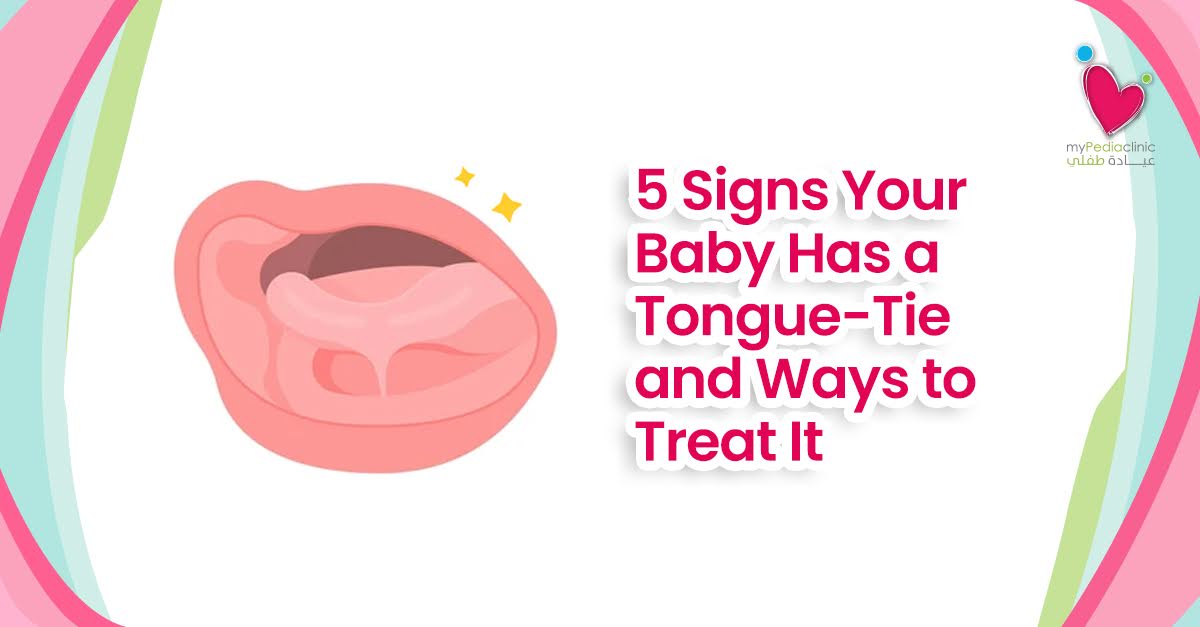
Tongue-tie, medically known as ankyloglossia, is a condition present at birth where your baby’s tongue remains attached to the floor of their mouth. This restrictive band of tissue, called the lingual frenulum, limits the tongue’s movement and can affect crucial functions like feeding and speech development.
In Dubai, parents often notice tongue-tie during breastfeeding challenges. While this condition can affect people of all ages, it’s particularly important to identify early in newborn babies. Early detection by a pediatric dentist in Dubai ensures your child receives timely treatment, preventing long-term feeding and speech difficulties.
5 Common Signs Your Baby Has Tongue-Tie
Recognizing tongue-tie early makes a significant difference in your baby’s development. Here are five key indicators that your baby may have this condition:
1. Difficulty Breastfeeding
Breastfeeding challenges represent the earliest and most common sign of tongue-tie in babies. Your baby may struggle to latch onto the breast properly due to limited tongue movement. This restriction prevents them from creating the necessary seal for efficient feeding.
Watch for these breastfeeding warning signs:
- Trouble staying latched during nursing
- Clicking or smacking noises while feeding
- Seeming constantly hungry despite frequent feeding
- Extended feeding sessions with minimal milk intake
- Fussiness or frustration during breastfeeding
If your baby exhibits these symptoms, consult the best pediatric dentist in Dubai for a thorough evaluation.
2. Poor Weight Gain
When tongue-tie affects breastfeeding efficiency, newborn babies may not consume adequate milk during feedings. This insufficient intake often results in poor weight gain, one of the primary concerns pediatricians monitor.
Parents should track their baby’s weight gain closely. Consistent low weight gain compared to standard growth charts could signal tongue-tie or other feeding issues requiring professional assessment.
3. Difficulty with Bottle Feeding
While tongue-tie primarily impacts breastfeeding, it also affects bottle feeding. Babies with tongue-tie may struggle to create a proper seal around the bottle nipple, leading to several complications:
- Increased air intake during feeding
- Gas and digestive discomfort
- Frequent gagging or choking
- Difficulty coordinating sucking and swallowing
- Signs of frustration during feedings
If these issues persist, visiting pediatric dentists at the best pediatric dental clinic in Dubai helps determine if tongue-tie is the underlying cause.
4. Speech Development Delays
Sometimes tongue-tie doesn’t cause noticeable issues until later in childhood when speech development begins. Children with untreated tongue-tie may experience delays in speech development and difficulty pronouncing specific sounds.
Common speech challenges include trouble with:
- “D,” “L,” and “R” sounds
- “S,” “T,” and “Z” sounds
- “Th” sound combinations
- Clear articulation of words
If you notice persistent speech issues as your child grows older, consulting with the best pediatric dentist in Dubai can help determine if tongue-tie contributes to the problem.
5. Visible Physical Signs
Beyond functional difficulties, several visible signs may indicate tongue-tie in babies:
- Heart-shaped or notched appearance at the tip of the tongue when extended
- Limited upward or side-to-side tongue movement
- Tongue appearing connected or tethered to the floor of the mouth
- Inability to extend the tongue past the lower gum line
- V-shaped tongue tip when your baby tries to stick out their tongue
While these visual indicators don’t always appear in every case, they provide valuable information when assessing for tongue-tie.
Treatment Options for Tongue-Tie in Dubai
If you suspect your baby has tongue-tie based on these signs, seeking evaluation from a pediatric dentist in Dubai is essential. Pediatricians and specialists can confirm the diagnosis and discuss tongue-tie surgery options tailored to your baby’s specific needs.
1. Frenectomy (Tongue-Tie Release)
Frenectomy, also known as tongue-tie release, is a simple and quick procedure performed to release the tight band of tissue causing the restriction. During tongue-tie surgery, the dentist uses advanced laser or radiofrequency technology to remove the frenulum, allowing greater freedom of tongue movement.
This procedure is typically performed at the pediatric dental clinic in Dubai and often provides immediate relief for babies. The minimally invasive approach ensures faster healing and reduced discomfort.
2. Stretching Exercises
After tongue and lip-tie surgery, pediatric dentists may recommend gentle stretching exercises to prevent the frenulum from reattaching and promote optimal healing.
These exercises involve:
- Gently lifting the baby’s tongue
- Moving it from side to side several times daily
- Following specific post-procedure guidelines
Following instructions carefully ensures proper healing and prevents complications for your baby.
3. Lactation Support
For breastfeeding mothers in Dubai, seeking support from a lactation consultant proves invaluable, especially if tongue-tie has impacted breastfeeding success. A lactation consultant provides:
- Guidance on optimal positioning and latch techniques
- Strategies to maximize breastfeeding outcomes
- Support and reassurance throughout the treatment process
- Follow-up care after tongue-tie release
4. Speech Therapy
In cases where tongue-tie has led to speech development delays, speech therapy may be recommended as part of the comprehensive treatment plan. Pediatric specialists work with children to improve:
- Tongue mobility and range of motion
- Oral muscle strength and coordination
- Articulation skills
- Clear speech patterns
5. Ongoing Monitoring and Care
Following tongue-tie surgery, ongoing monitoring of your baby’s feeding, growth, and development remains essential. Regular follow-up appointments with your pediatric dentist in Dubai allow for:
- Close observation of healing progress
- Early intervention if any issues arise
- Monitoring feeding habits and weight gain
- Tracking developmental milestones
Why Choose myPediaclinic for Tongue-Tie Treatment in Dubai
At myPediaclinic, the best pediatric dental clinic in Dubai, we prioritize your baby’s well-being by offering expert evaluation and diagnosis of tongue-tie and lip-tie conditions. Our team of skilled pediatric dentists conducts thorough assessments to determine the severity of the condition and its impact on feeding and development.
Our comprehensive approach includes:
Expert Diagnosis
With years of experience, we provide accurate tongue-tie and lip-tie diagnosis, leading to personalized treatment plans that cater to your baby’s specific needs. Our keen eye for detail ensures no issue goes unnoticed.
Advanced Treatment Technology
We offer both radiofrequency and laser-assisted tongue-tie surgery approaches, utilizing the latest technology for minimal discomfort and faster healing. Our modern techniques ensure the safest possible experience for your baby.
Personalized Care Plans
The myPediaclinic team collaborates closely with parents to create individualized treatment plans for your little one. We guide you through the decision-making process with the information and resources you need to make informed choices.
Comprehensive Follow-Up
Following tongue-tie treatment, the best kids dentist in Dubai at myPediaclinic continues providing comprehensive care through ongoing monitoring and follow-up appointments. Our pediatricians remain dedicated to your baby’s progress, scheduling regular check-ups to assess feeding, weight gain, and developmental milestones.
Take Action for Your Baby’s Health
Tongue-tie is a common condition in newborns that can significantly affect breastfeeding, weight gain, and speech development if left untreated. By recognizing the tongue-tie signs early and seeking appropriate evaluation and treatment from the best pediatric dentist in Dubai, you can help your baby overcome challenges associated with tongue-tie or lip-tie and promote optimal growth and development.
Whether through a simple frenectomy procedure, supportive therapies, or ongoing monitoring, early tongue-tie surgery makes a significant difference in your baby’s well-being and long-term outcomes. Don’t wait if you have concerns about your baby’s tongue-tie.
For more information on diagnosis or tongue and lip-tie surgery for your child, book an appointment with myPediaclinic today.
Frequently Asked Questions About Tongue-Tie in Babies
At what age should tongue-tie be treated in babies?
Tongue-tie should ideally be treated as soon as it’s diagnosed, especially if it’s affecting breastfeeding. Many pediatric dentists in Dubai can perform the procedure on newborns as young as a few days old. Early treatment prevents feeding difficulties and supports proper oral development from the start.
Is tongue-tie surgery painful for babies?
Modern tongue-tie surgery using laser or radiofrequency technology is minimally invasive and causes very little discomfort. The procedure takes only a few minutes, and babies typically recover quickly. Most infants can breastfeed immediately after the procedure with noticeable improvement in their latch and feeding efficiency.
Can tongue-tie resolve on its own without treatment?
While some mild cases of tongue-tie may stretch over time, moderate to severe tongue-tie rarely resolves on its own. Without treatment, it can lead to ongoing feeding difficulties, speech delays, and dental problems. Consulting with the best pediatric dentist in Dubai helps determine whether your baby’s condition requires intervention.
How long does recovery take after tongue-tie surgery?
Recovery from tongue-tie surgery is typically very quick. Most babies heal within 1-2 weeks with proper aftercare, including recommended stretching exercises. You’ll notice immediate improvements in feeding, though it may take a few days for your baby to adjust to their increased tongue mobility. Your pediatric dentist will provide specific aftercare instructions.
Will my baby need speech therapy after tongue-tie treatment?
Not all babies require speech therapy after tongue-tie treatment. If the procedure is done in infancy, speech development typically progresses normally. However, children who undergo tongue-tie release at an older age or who have already developed speech patterns may benefit from speech therapy to help them learn proper tongue placement and articulation for clear speech.
Tongue-Tie & Lip-Tie: Related Guides
- 6 symptoms of tongue-tie in children
- Does tongue-tie hurt your baby?
- How tongue-tie affects speech in children
- Lip-tie and breastfeeding: how early diagnosis helps
- Is tongue-tie surgery the right choice for your baby?
- Before, during & after tongue-tie surgery: what to expect
Concerned about tongue-tie or lip-tie? Book a tongue-tie assessment at myPediaclinic in Dubai.