

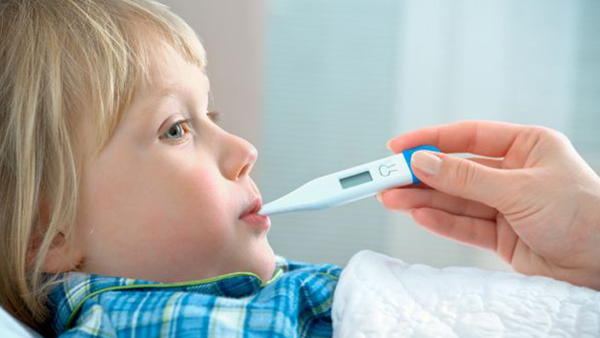
Influenza Symptoms and Treatment: Complete Guide for Dubai Parents
Influenza, commonly known as “the flu,” is a highly contagious viral respiratory illness that affects millions of children worldwide each year. While many parents in Dubai may dismiss it as “just another cold,” influenza can cause significant illness and, in some cases, serious complications requiring hospitalization. Understanding the difference between common colds and influenza, recognizing symptoms early, and knowing when and how to seek treatment can make a substantial difference in your child’s recovery and help prevent spread to family members and classmates.
At myPediaClinic in Dubai Healthcare City, our pediatricians including Dr. Medhat Abu-Shaaban and our experienced medical team see numerous cases of influenza throughout the year, with peak seasons typically occurring during Dubai’s cooler months and following international travel. This comprehensive guide covers everything Dubai parents need to know about influenza symptoms, treatment options, prevention strategies, and when medical care becomes necessary.
Understanding Influenza
Influenza is caused by influenza viruses that infect the nose, throat, and lungs. Unlike the common cold, which typically causes milder symptoms and is caused by different viruses (usually rhinoviruses), influenza tends to come on suddenly and cause more severe illness affecting the entire body.
Several types of influenza viruses exist. Influenza A and B viruses cause seasonal epidemics in humans, with Influenza A being more common and typically causing more severe illness. Influenza C causes milder illness and doesn’t lead to epidemics. The viruses constantly change through genetic mutation, which is why new flu vaccines are formulated each year to match circulating strains and why people can get influenza multiple times throughout their lives.
The virus spreads primarily through respiratory droplets when infected people cough, sneeze, or talk. Children can also contract influenza by touching contaminated surfaces and then touching their mouth, nose, or eyes. People infected with flu are most contagious in the first 3-4 days after illness begins, though they can spread virus from about one day before symptoms start until approximately 5-7 days after becoming sick. Young children and people with weakened immune systems might be contagious for even longer periods.
Influenza Season in Dubai and the UAE
Unlike temperate climates with predictable winter flu seasons, Dubai and the broader UAE experience somewhat different influenza patterns. Influenza activity in the Middle East generally peaks during the cooler months from November through March, coinciding with increased time spent indoors, international travel during school breaks and holidays, and regional climate patterns.
However, Dubai’s position as a global travel hub means that influenza cases can occur year-round as residents and visitors arrive from various parts of the world experiencing their own flu seasons. Schools in Dubai, with their diverse student populations and frequent international travel by families, can see influenza outbreaks at various times throughout the school year.
At myPediaClinic, we remain vigilant for influenza cases year-round while being particularly alert during the traditional peak season and following major holiday periods when many Dubai families have traveled internationally.
Recognizing Influenza Symptoms in Children
Influenza symptoms in children can vary in severity but typically include a characteristic combination of respiratory and systemic symptoms that distinguish flu from common colds.
Sudden Onset of Illness
Perhaps the most distinguishing feature of influenza is its sudden onset. While colds typically develop gradually over several days, influenza often strikes rapidly. Children may seem fine in the morning and be significantly ill by afternoon, with fever and body aches appearing suddenly and dramatically.
High Fever
Fever is nearly universal in childhood influenza, typically ranging from 38.5°C to 40°C (101°F to 104°F) or occasionally higher. The fever usually lasts 3-5 days, though it may persist longer in some cases. Fever patterns can fluctuate throughout the day, sometimes responding temporarily to fever-reducing medications before climbing again as medication effects wear off.
Young children with influenza may experience febrile seizures due to rapid temperature elevation. While frightening for parents, febrile seizures are generally not dangerous and don’t indicate increased seizure risk later in life, though any seizure requires immediate medical evaluation.
Respiratory Symptoms
Influenza affects the respiratory system, causing symptoms including dry cough that may become persistent and troublesome, sore throat causing discomfort when swallowing, nasal congestion and runny nose (though these are often less prominent than in common colds), and shortness of breath or chest discomfort, particularly during more severe illness or in children with underlying respiratory conditions like asthma.
The cough associated with influenza can be particularly persistent, often lasting beyond other symptoms and sometimes continuing for 2-3 weeks after the acute illness resolves.
Body Aches and Headache
Muscle aches (myalgias) are characteristic of influenza and can be quite severe, affecting the back, arms, and legs. Children may complain that their whole body hurts or refuse to move due to discomfort. Headaches are also common and can be intense. These systemic symptoms help distinguish influenza from simple colds, which rarely cause significant body aches.
Extreme Fatigue and Weakness
Children with influenza often experience profound fatigue, appearing unusually tired and weak. They may spend most of the day sleeping or resting, showing little interest in normal activities, play, or screen time. This extreme fatigue can persist for days to weeks even after other symptoms improve, with some children requiring extended recovery time before returning to normal energy levels.
Gastrointestinal Symptoms
While influenza primarily affects the respiratory system, gastrointestinal symptoms including nausea, vomiting, and diarrhea are relatively common in children with flu, occurring more frequently than in adults with influenza. These symptoms can lead to dehydration, particularly in young children, making fluid intake monitoring essential.
Other Possible Symptoms
Additional symptoms may include chills and sweating, poor appetite, irritability in young children who can’t articulate how they feel, eye discomfort or sensitivity to light, and earache (which may indicate secondary bacterial ear infection).
Influenza vs. Common Cold: Key Differences
Parents often struggle to distinguish between colds and influenza. While symptom overlap exists, several patterns help differentiate these illnesses.
Influenza typically has sudden onset, high fever (usually above 38.5°C), prominent body aches and headache, significant fatigue lasting beyond acute illness, more severe overall illness, and higher complication risk. Common colds generally have gradual onset, low-grade fever or no fever, mild or absent body aches, mild fatigue that resolves quickly, milder overall illness, and lower complication risk.
The practical significance of distinguishing influenza from colds relates to treatment options (antiviral medications exist for influenza but not colds), contagiousness (influenza is typically more contagious), and complication risks (influenza poses higher risks for serious complications).
Potential Complications of Influenza
While most children recover from influenza within 5-7 days, complications can occur, ranging from mild to life-threatening. Certain children face higher complication risks.
Secondary Bacterial Infections
Influenza damages the respiratory tract lining, creating opportunities for bacterial infections. Common secondary bacterial complications include bacterial pneumonia, ear infections (otitis media) particularly common in young children, and sinus infections (sinusitis). Signs suggesting secondary bacterial infection include fever that improves then worsens again, development of earache or facial pain, increased cough with colored mucus production, or overall worsening after initial improvement.
Primary Influenza Pneumonia
The influenza virus itself can cause viral pneumonia, which tends to be more severe than bacterial pneumonia and requires different treatment approaches. Symptoms include high fever, severe cough, rapid or difficulty breathing, and chest pain. This complication is more common in children with underlying heart or lung conditions.
Exacerbation of Chronic Conditions
Children with chronic medical conditions may experience worsening of their underlying disease during influenza illness. Asthma exacerbations are particularly common, with influenza triggering wheezing, coughing, and breathing difficulty. Children with heart conditions may experience cardiac stress, while those with neurological conditions might have increased seizure frequency.
Dehydration
Fever, poor fluid intake, vomiting, and diarrhea can combine to cause dehydration, especially in young children. Signs include decreased urination, dark-colored urine, dry mouth and lips, absence of tears when crying, sunken eyes, and lethargy or decreased responsiveness. Significant dehydration may require intravenous fluid administration.
Febrile Seizures
Young children (typically ages 6 months to 5 years) may experience seizures triggered by rapid fever elevation. While usually brief and not dangerous, any seizure warrants immediate medical evaluation to rule out more serious causes and provide appropriate guidance.
Myositis and Rhabdomyolysis
Rarely, influenza can cause severe muscle inflammation (myositis), most commonly affecting calf muscles. Children experience severe muscle pain, difficulty walking, and dark-colored urine. In severe cases, extensive muscle breakdown (rhabdomyolysis) can occur, potentially affecting kidney function. This complication requires immediate medical attention.
Neurological Complications
Rare but serious neurological complications include encephalitis (brain inflammation), encephalopathy (brain dysfunction), and Guillain-Barré syndrome. Warning signs include severe confusion or altered mental status, severe persistent headache, difficulty waking or staying awake, or unusual behavior or agitation. These symptoms require emergency evaluation.
Myocarditis and Pericarditis
Influenza can rarely affect the heart, causing inflammation of the heart muscle (myocarditis) or the sac surrounding the heart (pericarditis). Symptoms include chest pain, rapid heartbeat, breathing difficulty, and fatigue. These serious complications require immediate medical care.
Children at Higher Risk for Complications
While influenza can cause severe illness in any child, certain groups face increased complication risks requiring heightened vigilance and sometimes preventive antiviral treatment.
High-risk groups include children under age 5 (especially under age 2), children with chronic lung diseases like asthma or cystic fibrosis, children with heart disease, children with weakened immune systems due to medications or conditions like HIV, children with neurological conditions affecting breathing or swallowing, children with blood disorders like sickle cell disease, children with metabolic or kidney disorders, and children with severe obesity.
At myPediaClinic, we identify high-risk children and provide parents with specific guidance about monitoring symptoms, seeking care promptly if flu is suspected, and potentially using antiviral medications for treatment or prevention.
When to Seek Medical Care
Many children with influenza can be managed at home with supportive care. However, certain symptoms indicate the need for medical evaluation.
Immediate Emergency Care Needed
Seek emergency care immediately if your child experiences difficulty breathing, rapid breathing, or shortness of breath, bluish skin color (especially lips or face), severe or persistent vomiting preventing fluid retention, not waking up or not interacting normally, extreme irritability or inconsolability, seizures, severe muscle pain or difficulty walking, or altered mental status, confusion, or unusual behavior.
Prompt Medical Evaluation Recommended
Contact your pediatrician or visit myPediaClinic if your child has fever lasting more than 5 days, symptoms improving then worsening again, severe headache that doesn’t improve with pain medication, earache or ear drainage, significant trouble breathing or persistent chest pain, dehydration signs including minimal urination or dark urine, unusual drowsiness or extreme fatigue, or underlying medical condition placing them at higher complication risk.
Routine Care Considerations
Even without concerning symptoms, children at high risk for complications should be evaluated when influenza is suspected, as early antiviral treatment can reduce severity and complication risks. Dr. Medhat Abu-Shaaban and our team at myPediaClinic provide same-day appointments during flu season to ensure prompt evaluation when needed.
Treatment Options for Influenza
Influenza treatment includes both supportive care to manage symptoms and, in some cases, antiviral medications to shorten illness duration and reduce complications.
Antiviral Medications
Unlike common colds for which no specific antiviral treatments exist, influenza can be treated with antiviral medications that target the influenza virus specifically. These medications are most effective when started within 48 hours of symptom onset, though they may provide benefit even when started later, particularly in hospitalized children or those at high risk for complications.
Oseltamivir (Tamiflu): The most commonly prescribed influenza antiviral for children, oseltamivir is available in capsule and liquid suspension forms. It’s approved for treatment in children 2 weeks of age and older, and for prevention in children 3 months and older. The typical treatment course is twice daily for 5 days.
Zanamivir (Relenza): This inhaled antiviral is approved for treatment in children 7 years and older and for prevention in children 5 years and older. It’s not recommended for children with underlying respiratory conditions like asthma due to potential breathing difficulties.
Baloxavir marboxil (Xofluza): A newer single-dose oral antiviral approved for children 12 years and older (or weighing at least 40 kg). Its single-dose regimen offers convenience compared to 5-day courses of other antivirals.
Benefits of antiviral treatment include shortening illness duration by approximately 1-2 days, reducing symptom severity, decreasing complication risks, particularly in high-risk children, and reducing viral shedding and contagiousness. The decision to use antivirals depends on illness severity, time since symptom onset, and individual risk factors. At myPediaClinic, we discuss the risks and benefits of antiviral treatment with families and make individualized recommendations.
Fever and Pain Management
Fever-reducing medications help improve comfort but don’t shorten illness duration or prevent complications. Options include acetaminophen (paracetamol, Panadol) safe for all ages when dosed correctly, and ibuprofen (Advil, Nurofen) for children 6 months and older.
Never give aspirin to children or teenagers with influenza or suspected influenza due to the risk of Reye’s syndrome, a rare but serious condition affecting the liver and brain. Always follow dosing instructions carefully based on your child’s weight and age, and avoid over-medicating by checking that you’re not giving multiple medications containing the same ingredient.
Supportive Home Care
Regardless of whether antiviral medications are used, supportive care remains essential for recovery and comfort.
Rest: Ensure your child gets plenty of rest. Avoid sending children back to school or activities too quickly, as this can prolong recovery and spread infection to others. Children should stay home until fever-free for at least 24 hours without fever-reducing medications.
Hydration: Encourage frequent fluid intake to prevent dehydration. Offer water, diluted fruit juice, oral rehydration solutions, warm soup or broth, and for breastfed infants, continued frequent nursing. Avoid excessive fruit juice or sugary beverages which can worsen diarrhea.
Humidity: Using a cool-mist humidifier in your child’s room can ease breathing and reduce cough, particularly in Dubai’s air-conditioned environments which can be very dry. Clean humidifiers regularly to prevent bacterial or mold growth.
Comfort Measures: Dress your child in light, comfortable clothing to avoid overheating. Keep the room temperature comfortable but not overly warm. Offer warm liquids for throat comfort. Use saline nose drops or spray for nasal congestion.
What NOT to Do
Avoid antibiotics unless secondary bacterial infection is diagnosed—antibiotics don’t treat viral infections like influenza and inappropriate use contributes to antibiotic resistance. Don’t use over-the-counter cough and cold medications in children under age 6, as they haven’t been proven effective and may cause side effects. Don’t force eating if appetite is poor, though maintaining hydration is essential. Don’t use vapor rubs containing camphor or menthol in children under age 2.
Preventing Influenza in Dubai
Prevention strategies significantly reduce influenza risk for children and families in Dubai.
Annual Influenza Vaccination
The flu vaccine represents the single most effective prevention strategy. Annual vaccination is recommended for all children 6 months and older, with particular importance for high-risk children, household contacts of high-risk individuals, and healthcare workers.
The influenza vaccine is updated annually to match circulating virus strains. Two types are available: inactivated influenza vaccine (flu shot) for everyone 6 months and older, and live attenuated influenza vaccine (nasal spray) for healthy children 2-49 years (not recommended for children with certain medical conditions).
At myPediaClinic in Dubai Healthcare City, we offer influenza vaccination throughout flu season, typically beginning in October and continuing through the winter months. The vaccine can be given simultaneously with other routine childhood vaccines.
Common questions about flu vaccination include effectiveness (varying from year to year but typically reducing flu risk by 40-60%), side effects (generally mild including arm soreness, low-grade fever, or mild body aches lasting 1-2 days), and timing (ideally before flu season begins, though vaccination remains beneficial even during active flu season).
Hand Hygiene
Proper hand washing remains one of the most effective infection prevention strategies. Teach children to wash hands with soap and water for at least 20 seconds (about the time it takes to sing “Happy Birthday” twice), particularly before eating, after using the bathroom, after coughing or sneezing, after playing outside, and after being in public places. When soap and water aren’t available, alcohol-based hand sanitizer with at least 60% alcohol provides an alternative, though it’s less effective than washing with soap and water.
Respiratory Etiquette
Teach children to cover coughs and sneezes with tissue or their elbow (not hands), discard used tissues immediately, and wash hands after coughing or sneezing. Model these behaviors yourself as children learn more from observation than instruction.
Avoiding Sick People
When possible, keep children away from people known to have influenza. During flu season, avoid crowded places when feasible, particularly for high-risk children. Keep sick children home from school and activities to prevent spreading illness to others.
Surface Cleaning
Regularly clean and disinfect frequently-touched surfaces including doorknobs, light switches, phones and tablets, toys, bathroom fixtures, and kitchen counters. Influenza virus can survive on surfaces for 24-48 hours, making surface disinfection an important prevention strategy, particularly when household members are ill.
Healthy Lifestyle Habits
Supporting overall immune function through healthy lifestyle habits may help reduce infection risk and severity. This includes ensuring adequate sleep for age, providing balanced nutrition with plenty of fruits and vegetables, encouraging regular physical activity, and managing stress.
Managing Influenza in Dubai Households
When one family member develops influenza, containing spread within the household becomes challenging but important.
Isolation Strategies
Keep the sick child in a separate room when possible, away from other family members, particularly young siblings, pregnant family members, and anyone with chronic medical conditions. Limit the number of caregivers—ideally, one healthy adult should provide most care to minimize exposure. The ill child should use a separate bathroom if available, or the bathroom should be cleaned after each use.
Preventive Antiviral Medications
For high-risk household contacts, preventive antiviral medication might be considered, particularly if they haven’t been vaccinated. This post-exposure prophylaxis involves taking antiviral medication for 7-10 days to reduce infection risk. Discuss this option with your pediatrician at myPediaClinic if you have concerns about high-risk family members.
Enhanced Hygiene
All household members should practice meticulous hand hygiene, avoid sharing cups, utensils, or towels, regularly disinfect common surfaces, and wash the sick child’s dishes and laundry separately using hot water.
Monitoring for Spread
Watch other family members for symptom development. If additional family members become ill, they may benefit from early antiviral treatment, particularly if they’re at high risk for complications.
School Attendance and Activity Resumption
Parents often wonder when children can safely return to school and normal activities after influenza.
Children should stay home until they are fever-free for at least 24 hours without using fever-reducing medications, symptoms are significantly improved (particularly cough and congestion), and energy levels have substantially recovered. This typically means staying home for 5-7 days from symptom onset, sometimes longer.
Returning to school too early risks infecting classmates and can prolong recovery as children may not have the stamina for full school days while still recovering. Gradually resume physical education and sports rather than immediately returning to intense physical activity, as children often have reduced stamina for 1-2 weeks after influenza.
Dubai schools generally have policies about illness and attendance. Communicate with your child’s school about illness and expected return timing, and provide medical documentation if requested by the school.
Frequently Asked Questions About Influenza
How can I tell if my child has influenza or just a cold?
Influenza typically comes on suddenly with high fever, body aches, and severe fatigue, while colds develop gradually with milder symptoms and usually no or low-grade fever. The sudden onset of high fever combined with body aches strongly suggests influenza rather than a cold. However, definitive diagnosis sometimes requires laboratory testing, which can be performed at myPediaClinic when clinically indicated.
Should my child get the flu vaccine every year?
Yes, annual vaccination is recommended for all children 6 months and older. Influenza viruses change constantly, so last year’s vaccine may not protect against this year’s strains. Additionally, immunity from vaccination decreases over time, making annual boosting necessary for optimal protection. The vaccine is reformulated each year to match expected circulating strains.
Can the flu vaccine give my child the flu?
No, the injectable flu vaccine (flu shot) contains inactivated virus that cannot cause infection. Some children experience mild side effects like arm soreness, low-grade fever, or mild body aches for 1-2 days, which represent normal immune responses, not actual influenza. The nasal spray vaccine contains weakened live virus that can cause mild cold-like symptoms but not true influenza.
Is it too late to get the flu vaccine once flu season has started?
No, vaccination remains beneficial throughout flu season. While ideally given before flu activity begins, getting vaccinated later still provides protection for the remainder of the season. It takes about 2 weeks for full immunity to develop after vaccination, so don’t delay if you haven’t yet vaccinated your child.
How long is my child contagious with influenza?
Children are most contagious in the first 3-4 days of illness but can spread virus from about 24 hours before symptoms begin until approximately 5-7 days after becoming sick. Young children and those with weakened immune systems may be contagious for even longer—sometimes 10 days or more. This is why staying home until fever-free for 24 hours without medication is recommended.
When should I take my child to the doctor for flu symptoms?
Seek immediate care for difficulty breathing, bluish skin color, severe vomiting, confusion, extreme irritability, or seizures. Contact your pediatrician promptly for fever lasting more than 5 days, symptoms improving then worsening, severe headache, dehydration signs, or if your child has underlying medical conditions placing them at higher risk. Early evaluation allows for antiviral treatment consideration within the optimal 48-hour window.
Do antiviral medications really help, and should my child take them?
Antiviral medications can shorten illness duration by 1-2 days, reduce symptom severity, and decrease complication risks when started early (ideally within 48 hours of symptom onset). They’re most beneficial for high-risk children, those with severe illness, or young children under age 2. The decision depends on individual circumstances including illness severity, timing, and risk factors. Dr. Medhat Abu-Shaaban can help determine whether antivirals are appropriate for your child’s specific situation.
Can my child get the flu even after being vaccinated?
Yes, flu vaccination reduces but doesn’t eliminate influenza risk. Effectiveness varies by year depending on how well vaccine strains match circulating viruses, typically reducing risk by 40-60%. However, vaccinated children who do get influenza generally have milder illness, shorter duration, and lower complication risk compared to unvaccinated children. Vaccination remains worthwhile even though it’s not 100% effective.
Are there natural remedies that can treat or prevent the flu?
While various supplements and natural remedies are marketed for flu prevention or treatment, few have strong scientific evidence supporting effectiveness. Vitamin C, echinacea, zinc supplements, and other popular remedies have limited or inconsistent evidence. The most effective prevention remains vaccination combined with good hygiene practices. For treatment, antiviral medications (when appropriate) and supportive care are most beneficial. Always discuss any supplements with your pediatrician before use, as some can interact with medications or cause side effects.
Should I give my child antibiotics for the flu?
No, antibiotics don’t treat viral infections like influenza and won’t help unless a secondary bacterial infection develops. Inappropriate antibiotic use contributes to antibiotic resistance and exposes children to unnecessary medication side effects. If secondary bacterial infection occurs (such as ear infection or bacterial pneumonia), antibiotics become appropriate, but your pediatrician should make this determination based on examination and sometimes testing.
How can I help my child feel more comfortable while sick with the flu?
Ensure adequate rest and sleep in a comfortable, quiet environment. Encourage frequent small sips of fluids even if appetite is poor. Use age-appropriate fever-reducing medications (acetaminophen or ibuprofen) for discomfort and high fever. Run a cool-mist humidifier to ease breathing and cough. Offer warm liquids like soup or warm water with honey (for children over age 1) for throat comfort. Dress your child in light, comfortable clothing and keep room temperature moderate. Most importantly, provide comfort, reassurance, and patience as recovery takes time.
Can influenza cause long-term health problems?
Most children recover from influenza completely without long-term effects. However, severe complications like viral pneumonia, bacterial infections, or neurological complications can occasionally cause lasting problems. Additionally, some children experience prolonged fatigue lasting several weeks after acute illness resolves. Children with underlying chronic conditions might experience temporary worsening that takes time to fully reverse. Prompt treatment and appropriate management minimize long-term complication risks.
Why does my child seem to get the flu more than once in a season?
Several influenza virus types and strains circulate simultaneously during flu season. Having influenza caused by one type or strain doesn’t protect against other types or strains, so children can potentially get influenza more than once in a single season. Additionally, what seems like repeated flu might sometimes be other viral illnesses with similar symptoms. Vaccination protects against the most common expected strains but can’t prevent every possible influenza infection.
Is the flu more serious for babies and young children?
Yes, children under age 5, particularly those under age 2, face higher risks for influenza complications including pneumonia, dehydration, febrile seizures, and hospitalization. Their immune systems are less experienced at fighting infections, and they may not be able to communicate symptoms clearly. This is why flu vaccination is particularly important for young children, and why parents should have a lower threshold for seeking medical evaluation when young children develop influenza symptoms.
Can my child go to school once the fever is gone but they still have a cough?
Most guidelines recommend staying home until fever-free for 24 hours without fever-reducing medications AND symptoms are significantly improved. A lingering mild cough after other symptoms resolve is common and doesn’t necessarily mean your child remains highly contagious or too ill for school. However, if the cough is severe, productive, or interfering with activities, keeping your child home until substantially improved is considerate to classmates and supports full recovery. Check your specific school’s illness policies for guidance.
Should other family members take preventive medication if my child has the flu?
Preventive antiviral medications might be considered for household contacts who are at high risk for complications (very young children, pregnant women, people with chronic conditions, elderly family members) and who haven’t been vaccinated. The medication is taken daily for 7-10 days starting shortly after exposure. This decision should be made in consultation with your healthcare provider based on individual risk factors and exposure circumstances. Not all family members require preventive medication—it’s reserved for specific high-risk situations.
How effective is hand washing at preventing the flu?
Hand washing is highly effective at reducing spread of influenza and many other infections. Influenza spreads through respiratory droplets that land on surfaces and through direct contact. Regular thorough hand washing with soap and water for at least 20 seconds removes virus from hands before it can enter the body through touching the face. While not 100% protective, proper hand hygiene combined with respiratory etiquette significantly reduces transmission risk. It’s one of the simplest and most effective prevention strategies available.
Should I be worried about stomach flu symptoms along with respiratory symptoms?
Influenza primarily affects the respiratory system, but gastrointestinal symptoms including nausea, vomiting, and diarrhea occur fairly commonly in children with flu. If these symptoms are mild to moderate alongside typical flu symptoms, they’re likely part of the influenza illness. However, severe vomiting preventing fluid retention, bloody diarrhea, or severe abdominal pain warrant medical evaluation. What people often call “stomach flu” is usually gastroenteritis caused by different viruses (like norovirus or rotavirus) rather than influenza, though symptoms can overlap.
Can my child get the flu vaccine if they have a cold?
Yes, mild illness with low-grade fever is not a contraindication to flu vaccination. The vaccine can safely be given to children with minor colds or other minor illnesses. However, moderate to severe illness with high fever should prompt delaying vaccination until the child recovers, not because of safety concerns but to avoid attributing illness symptoms to the vaccine if they worsen. Discuss with your pediatrician if you’re unsure whether your child’s current illness should delay vaccination.
How long does immunity from the flu vaccine last?
Immunity from flu vaccination gradually declines over the course of several months. Most protection remains throughout a typical flu season (roughly 6 months), but immunity wanes over time, which is one reason why annual vaccination is recommended. Additionally, influenza viruses evolve constantly, so even if immunity didn’t wane, last year’s vaccine wouldn’t necessarily protect against this year’s circulating strains. Annual vaccination updated to match expected strains provides optimal protection.
At myPediaClinic in Dubai Healthcare City, we’re committed to helping families prevent, recognize, and manage influenza effectively. Dr. Medhat Abu-Shaaban and our experienced pediatric team provide comprehensive influenza care including vaccination, prompt evaluation when illness occurs, antiviral treatment when appropriate, and guidance for managing symptoms at home. Understanding influenza symptoms, knowing when to seek care, and taking preventive measures like annual vaccination can significantly reduce the impact of this common but potentially serious illness on your family. If you have concerns about influenza or would like to schedule flu vaccination for your child, we welcome the opportunity to help.