

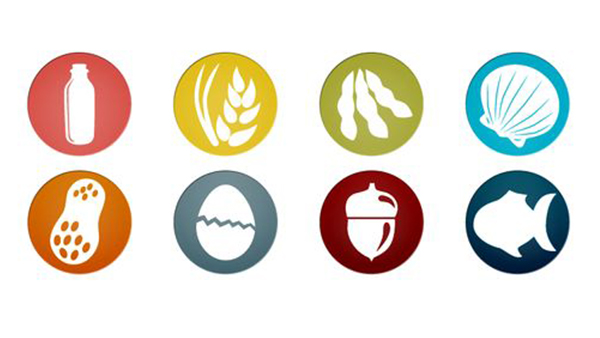
Food intolerances happen when the body has difficulty digesting certain foods, leading to symptoms like bloating, tummy pain, gas, or loose stools. They’re different from food allergies, which are immune reactions that can be serious.
Common culprits include lactose (in dairy) and certain carbohydrates. Because symptoms can overlap with other conditions, it’s important not to self-diagnose or cut out major food groups without guidance — unnecessary restriction can lead to nutritional gaps, especially in children.
The usual approach is a careful, structured elimination of a suspected food under professional guidance, then reintroduction to confirm the trigger. A doctor or dietitian can help identify intolerances safely while keeping the diet balanced. If you suspect a food intolerance in your child, a pediatric consultation can help you investigate it the right way.