

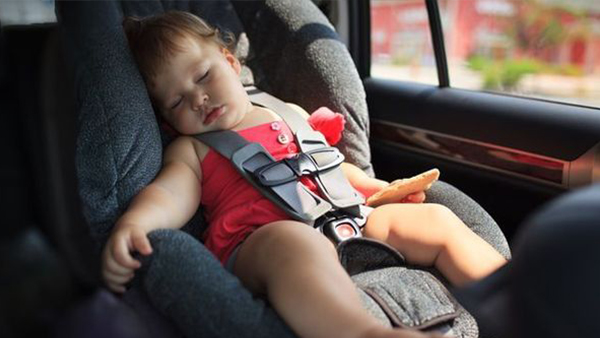
How to Avoid Forgetting Your Child in the Car: Essential Safety Guide for Dubai Parents
The unthinkable tragedy of children dying in hot cars happens with heartbreaking regularity around the world, and Dubai’s extreme temperatures make this danger particularly acute. Every year, children suffer heatstroke and death after being inadvertently left in vehicles, often by loving, attentive parents who simply experienced a catastrophic memory lapse during a stressful, distracted moment. These incidents are not limited to neglectful parents—they happen to educated, caring families from all backgrounds when multiple factors converge to create what experts call “forgotten baby syndrome.”
At myPediaClinic in Dubai Healthcare City, our pediatricians including Dr. Medhat Abu-Shaaban emphasize that understanding how these tragedies occur is the first step in preventing them. No parent believes they could forget their child in a car, yet it happens repeatedly. Dubai’s climate, where summer temperatures regularly exceed 45°C and car interiors can reach lethal temperatures within minutes, makes this issue particularly critical for families in the UAE. This comprehensive guide explains the science behind forgotten baby syndrome, outlines multiple prevention strategies, addresses Dubai-specific risk factors, and provides potentially life-saving information for all parents and caregivers.
Understanding How Children Are Forgotten in Cars
The first reaction most people have when hearing about a child left in a car is disbelief—how could a parent forget their child? However, understanding the neuroscience behind these incidents reveals that they result not from neglect or lack of love, but from predictable failures in human memory systems that can affect anyone under the right (or wrong) circumstances.
The Neuroscience of Forgotten Baby Syndrome
Our brains operate using two primary memory systems: habit memory and prospective memory. Habit memory controls routine, automatic behaviors we perform without conscious thought—driving familiar routes, morning routines, and other well-established patterns. This system is extremely reliable and allows us to function efficiently without exhausting mental resources on routine tasks. Prospective memory, in contrast, involves remembering to perform an action in the future that interrupts our routine—remembering to stop for groceries on the way home, taking medication at a specific time, or dropping a child at daycare when that’s not part of your usual routine.
Tragedies occur when habit memory overrides prospective memory. Consider this scenario: A parent whose routine normally involves driving directly to work is asked to drop their child at daycare one morning because their spouse (who usually handles daycare) is unavailable. The parent places the child in the rear-facing car seat, starts driving their usual route to work while thinking about an important meeting, and their habit memory takes over. They drive on autopilot, and their brain completes the routine pattern—arriving at work without the conscious awareness that would have reminded them their child is in the backseat.
This isn’t a character flaw or evidence of poor parenting. It’s a known vulnerability in how human memory systems function, particularly under conditions of stress, sleep deprivation, distraction, or routine changes—conditions that describe many parents’ daily lives.
Common Risk Factors
While anyone can experience this memory failure, certain situations increase risk dramatically. Changes in routine or schedule create the conditions where habit memory is most likely to override prospective memory. This includes a parent who doesn’t usually handle child transportation being responsible for it, schedule changes like different drop-off times or locations, or new daycare or school arrangements.
Sleep deprivation, nearly universal among parents of infants and young children, significantly impairs all memory systems and increases reliance on automatic habit-based behaviors. Stress and distraction from work pressures, relationship problems, financial concerns, health issues, or simply the mental load of managing family logistics all occupy working memory, leaving fewer cognitive resources for prospective memory tasks.
Rear-facing car seats for infants and young children, while essential for safety, increase risk by making children less visible and less likely to make noise or movement that catches parents’ attention. A sleeping child compounds this invisibility. Multiple stops or destinations can create confusion about whether drop-off has already occurred. And perhaps counterintuitively, increased responsibility and conscientiousness can increase risk—highly responsible parents handling many tasks and responsibilities may be most vulnerable to habit memory override when routine changes occur.
The Danger of Hot Cars: Dubai-Specific Risks
While forgotten baby syndrome can occur anywhere, Dubai’s extreme climate creates particularly dangerous conditions where even brief periods in hot cars can be fatal.
How Quickly Cars Heat Up
Research demonstrates that car interiors heat extremely rapidly, even when outside temperatures seem moderate. In Dubai’s summer conditions with outside temperatures of 40-50°C, car interiors can reach 60-70°C within 20-30 minutes. Even with outside temperatures around 30°C (Dubai’s “cooler” months), car interiors can exceed 50°C within an hour. The most dangerous temperature rise occurs in the first 15-30 minutes, when car interiors can increase by 20°C or more.
Cracking windows provides minimal benefit—studies show that cars with windows cracked open heat nearly as fast as those with closed windows. Parking in shade helps but doesn’t eliminate danger—shaded cars still reach dangerous temperatures, just slightly more slowly. The color of the car’s interior and exterior affects heating rate, with darker colors absorbing more heat, but all vehicles become dangerously hot in Dubai’s climate regardless of color.
How Heatstroke Affects Children
Children’s bodies heat 3-5 times faster than adults due to their smaller size and less developed thermoregulation systems. Their core body temperature rises rapidly when exposed to hot environments, and they cannot cool themselves as efficiently as adults through sweating.
Heatstroke begins when core body temperature exceeds 40°C. At this point, the body’s cooling mechanisms are overwhelmed, and temperature continues rising even if heat exposure ends. Internal organs begin failing as temperatures reach 41-42°C. Brain damage and death can occur rapidly, sometimes within 15-20 minutes of symptom onset. Young children may not be able to cry loudly enough to attract attention or have the physical ability to open car doors or windows themselves.
The tragic reality is that heatstroke can be fatal even when emergency help arrives quickly. By the time a child in a hot car is discovered and receives medical care, irreversible damage may have already occurred. This makes prevention absolutely critical—treatment may come too late.
Evidence-Based Prevention Strategies
No single prevention strategy is foolproof, but layered approaches creating multiple safety checks significantly reduce risk. Implement several of these strategies simultaneously to create redundancy—if one system fails, others may still protect your child.
Look Before You Lock
Make it an absolute, non-negotiable habit to open the back door and visually check the entire back seat before locking your car, every single time you park, regardless of whether you believe a child is with you. This should become as automatic as putting the car in park or removing your keys. The habit protects against forgotten baby syndrome because it doesn’t rely on memory of whether a child is present—it’s a physical action performed every time.
To establish this habit, place a reminder sticker on your dashboard where you’ll see it before exiting, create a mental or verbal script you say every time (“phone, wallet, keys, check back seat”), and practice the habit consistently even when you’re alone in the car so it becomes truly automatic. Some parents find it helpful to always place their work bag, phone, or one shoe in the back seat next to the car seat, forcing them to open the back door before leaving the vehicle.
The Shoe and Phone Method
This widely recommended strategy involves placing something you absolutely cannot function without—your left shoe, your phone, your work bag, or your employee badge—in the back seat next to your child every time they’re in the car. This creates a forced check before you can leave the vehicle, as you’ll immediately notice the missing essential item.
The key is choosing something truly essential that you’ll notice immediately and cannot proceed without. Your phone is often ideal since most people check their phone constantly. Some parents use their left shoe specifically because walking feels abnormal with only one shoe, immediately triggering awareness. Whatever item you choose, the habit must be absolutely consistent—every single time your child is in the car, the essential item goes in the back seat.
Stuffed Animal or Visual Reminder System
Keep a large, distinctive stuffed animal permanently in the car seat when your child is not in it. When you place your child in the car seat, move the stuffed animal to the front passenger seat where it’s highly visible. This visual cue in your peripheral vision serves as a constant reminder that your child is in the back seat. When you remove your child from the car, return the stuffed animal to the car seat.
The system works because the stuffed animal in the front passenger seat is unusual and visually salient—it captures attention and triggers awareness. Choose a very large, brightly colored stuffed animal that’s impossible to ignore. Some parents use other visual cues like attaching a bright ribbon to their steering wheel when a child is in the car, though the stuffed animal method is generally considered more effective.
Technology Solutions
Various technological devices and systems can provide additional safety layers. Smartphone apps designed specifically for this issue can remind you to check for children when you arrive at destinations. Some integrate with your phone’s location services to trigger alerts when you arrive at work or other regular destinations. Car seat alarm systems attach to car seats and trigger alarms if a child remains in the seat after the car is turned off and the driver’s door opens. Vehicle-based systems in some newer cars detect rear-seat passengers and alert drivers when they exit if rear doors were opened before the trip began but not after arriving.
Technology provides valuable backup but should never be the sole protection, as devices can malfunction, batteries can die, and technical failures can occur. Use technology as one layer in a multi-layered prevention approach rather than relying on it exclusively.
Communication Protocols with Caregivers
Establish firm policies that daycare, school, or other regular caregivers call you immediately if your child doesn’t arrive as expected. This safety net catches situations where a parent genuinely forgot drop-off. Specify that calls should happen within 15-30 minutes of usual arrival time, not hours later. Provide backup contact numbers for situations where you’re unreachable. Make clear to caregivers that you want to be contacted even if they think there’s likely a simple explanation—in this situation, false alarms are infinitely preferable to delayed notification.
Similarly, if you’re expecting someone else to handle drop-off (spouse, nanny, family member), confirm that drop-off occurred. A simple text confirmation eliminates uncertainty and has prevented tragedies when miscommunication occurred about who was responsible for transportation.
Changes in Routine Require Extra Vigilance
Recognize that routine changes dramatically increase risk. When a parent who doesn’t usually handle drop-off is responsible for it, when schedules change, when traveling, or during unusual circumstances, risk escalates significantly. During these times, implement extra precautions including setting multiple phone alarms as reminders, asking your spouse or a friend to call and confirm drop-off occurred, placing even more obvious visual reminders in your car, and maintaining heightened awareness that your autopilot cannot be trusted when routine is disrupted.
What to Do If You See a Child Alone in a Car
If you encounter a child alone in a parked car, especially in Dubai’s heat, immediate action can save a life.
Assessing the Situation
Quickly assess whether the child appears responsive and in distress. Signs of heatstroke include red, hot, dry skin (or pale, clammy skin in early stages), rapid breathing or difficulty breathing, appearing dazed or unresponsive, vomiting, and seizures or loss of consciousness. The child’s age matters—young infants and toddlers are at highest risk and deteriorate most quickly.
Immediate Actions
Call emergency services immediately (999 in the UAE). Don’t assume someone else will call—make the call yourself. Try to locate the parent or driver by having nearby businesses page the owner of the vehicle by description, asking mall security or parking attendants to help locate the driver, and checking nearby stores or offices. If the child appears in distress and emergency help isn’t immediately available, breaking the window may be necessary to save the child’s life. Most jurisdictions, including the UAE, have good Samaritan laws protecting people who act in good faith to rescue children from danger.
After Removing the Child
If you gain access to the child, move them to a cool, shaded, or air-conditioned area immediately. Remove excess clothing to help them cool down. If they’re conscious and responsive, offer small sips of cool water. Apply cool (not ice-cold) wet cloths to their skin, particularly on the neck, armpits, and groin. Do not immerse them in ice water, as too-rapid cooling can cause shock. Stay with the child until emergency services arrive, continuing cooling efforts and monitoring their condition.
Education and Awareness
Prevention requires widespread understanding that forgotten baby syndrome can happen to anyone and that multiple safety systems are necessary.
Talking to Family and Caregivers
Have explicit conversations with anyone who ever transports your children—spouses, grandparents, nannies, friends—about forgotten baby syndrome and prevention strategies. Share specific prevention methods you’re implementing and ask them to use the same approaches. Make clear that this isn’t about lack of trust but about acknowledging universal human vulnerability to memory failure. Ensure everyone understands the deadly danger of hot cars in Dubai’s climate.
Educating Older Children
Age-appropriate education for older children can create additional safety layers. Teach children to honk the horn if they find themselves alone in a locked car. Practice this skill so they know which button to press. Teach them never to play in cars and that cars are not safe places to hide. Explain that if they see another child alone in a car, they should immediately tell an adult. However, never rely on children to prevent these situations—adult systems must be primary protection.
Community Awareness
The more people understand this issue, the more likely someone will notice a child alone in a car and take action. Support public awareness campaigns about hot car dangers. Don’t judge or shame parents whose children were endangered—understanding and compassion, combined with practical prevention education, are more effective than blame in preventing future incidents. Share prevention strategies with other parents in your community, school, or workplace.
Special Considerations for Dubai
Extreme Summer Heat
Dubai’s summer months (June through September) bring particularly dangerous conditions with outside temperatures regularly exceeding 45°C. During these months, car interiors can reach lethal temperatures within 10-15 minutes. Even errands you think will be “just a minute” create deadly danger. There is never a safe amount of time to leave a child in a car during Dubai summer, even with windows cracked or engine running (which creates carbon monoxide poisoning risk).
Year-Round Warmth
Unlike temperate climates where hot car danger is primarily a summer issue, Dubai’s year-round warmth means vigilance is necessary every month. Even during Dubai’s “winter” months when outside temperatures might be 25-30°C, car interiors still heat to dangerous levels, particularly in direct sunlight. Don’t let cooler weather create false sense of security—prevention strategies should be year-round habits in Dubai.
Parking Structures and Indoor Parking
Dubai’s many covered parking structures and underground parking facilities might seem safer than outdoor parking, but cars still heat dangerously in covered parking, particularly in non-air-conditioned structures. Never assume indoor parking eliminates risk—the same prevention strategies apply regardless of where you park.
Cultural Considerations
Dubai’s diverse, multicultural population includes families from many backgrounds with varying awareness of this issue. Some cultures or countries of origin may not emphasize this danger if they don’t experience extreme heat. Ensure all family members and caregivers from any background understand the specific risks in Dubai’s climate and the importance of prevention strategies.
Legal Considerations in the UAE
UAE law prohibits leaving children unattended in vehicles, with serious penalties for violations that result in harm. Beyond legal consequences, the moral weight of preventable tragedy is devastating. Understanding that legal protections exist should reinforce—not replace—personal prevention strategies.
Frequently Asked Questions
Could I really forget my child in the car?
Yes. This happens to loving, attentive parents from all backgrounds and education levels. The neuroscience is clear—under conditions of routine change, stress, sleep deprivation, and distraction, human memory systems can fail in predictable ways that result in forgotten baby syndrome. No parent is immune. Recognizing your vulnerability is the first step in protecting your child through prevention strategies that don’t rely on memory alone.
Is it ever safe to leave a child in the car for “just a minute” in Dubai?
No. There is no safe duration to leave a child unattended in a car in Dubai’s climate. Car interiors heat extremely rapidly, and what you intend as a one-minute errand often takes longer than expected. Additionally, many forgotten baby syndrome cases involved parents who didn’t intend to leave children in cars but simply forgot they were there. The only safe approach is never leaving children unattended in vehicles, regardless of intended duration or outside temperature.
What about leaving the engine running with air conditioning on?
This is still extremely dangerous. Air conditioning systems can fail, cars can overheat, or children can shift the car into gear. Additionally, running cars in enclosed spaces create carbon monoxide poisoning risk. Children left in running cars have died from heat when air conditioning failed, from carbon monoxide poisoning, and from cars rolling when children shifted them into gear. Never leave children unattended in cars even with the engine running.
What if I need to make a quick stop—can I leave my sleeping baby in the car?
No. Always take your child with you regardless of inconvenience. Waking a sleeping baby is far preferable to the alternative. If an errand truly cannot be accomplished with a child in tow, reschedule it for a time when you can leave your child with a caregiver. No errand is so urgent that it justifies leaving a child alone in a car in Dubai.
Don’t these incidents only happen to neglectful parents?
Absolutely not. Research clearly shows that forgotten baby syndrome happens to parents from all backgrounds including highly educated professionals, devoted caregivers, and people who would never consider themselves capable of such a lapse. These are not cases of neglect—they’re failures of human memory systems that can affect anyone. Believing “it couldn’t happen to me” actually increases risk by creating false confidence that prevents implementation of prevention strategies.
Isn’t technology enough to prevent this?
Technology provides valuable additional protection but should never be your sole safety strategy. Devices can malfunction, batteries die, and technical failures occur. Use multiple overlapping prevention strategies including habit-based physical checks, visual reminders, and communication protocols in addition to any technology. Redundancy is essential—if one system fails, others should still protect your child.
How can I establish the “look before you lock” habit effectively?
Start by placing a reminder sticker on your dashboard or steering wheel where you’ll see it every time you park. Practice the behavior consciously every single time you exit your car, even when alone, until it becomes truly automatic. Create a verbal or mental script you repeat (“phone, wallet, keys, check back seat”). Consider pairing the behavior with something you already do automatically, like removing your keys or opening your door. Consistency is key—the habit must be performed every time without exception for it to become reliable.
What should I tell my daycare or school about this issue?
Explicitly request that they call you immediately (within 15-30 minutes) if your child doesn’t arrive as expected with no prior notification from you. Explain that you want to be contacted even if they assume there’s likely a simple explanation, and that you’d much rather receive unnecessary calls than have a delayed notification in a genuine emergency. Provide primary and backup contact numbers. Frame this as an important safety protocol, not as distrust or excessive worry. Many childcare facilities already have such policies, but confirming and reinforcing them is appropriate.
Should I break a car window if I see a child alone in a vehicle?
If the child appears in distress from heat (lethargic, not responsive, flushed skin, difficulty breathing), breaking the window may be necessary to save their life. UAE law and most jurisdictions protect good Samaritans who act reasonably to rescue people from danger. Call emergency services first if possible, but don’t delay rescue if the child is clearly in medical distress. If the child appears comfortable and responsive, attempt to locate the driver while maintaining visual contact with the child and being prepared to break the window if their condition deteriorates. Trust your judgment—err on the side of intervention if you’re concerned.
How do I cool down a child who’s been in a hot car?
Move them immediately to a cool, shaded, or air-conditioned environment. Remove excess clothing. Apply cool (not ice-cold) wet cloths to their skin, particularly on the neck, armpits, and groin where major blood vessels are close to the surface. If they’re conscious and alert, offer small sips of cool water. Call emergency services (999) immediately. Do not immerse them in ice water, as too-rapid cooling can cause shock. Continue cooling efforts while waiting for emergency responders, and monitor their breathing and responsiveness.
What are the signs of heatstroke in children?
Early signs include heavy sweating (though this may stop as heatstroke progresses), weakness or fatigue, dizziness, nausea, and headache. Progression brings hot, red, dry skin (or pale and clammy), rapid heartbeat and breathing, confusion or agitation, and loss of consciousness or seizures. Heatstroke is a medical emergency requiring immediate treatment. If you suspect heatstroke, call 999 immediately while beginning cooling measures. Even with prompt treatment, heatstroke can be fatal or cause permanent organ damage, which is why prevention is so critical.
Should I practice prevention strategies even though my child is older and can get out of the car themselves?
While older children who can reliably unbuckle themselves, open doors, and exit the vehicle independently face lower risk, prevention habits are still worthwhile. Circumstances can arise where even capable children become trapped (child locks engaged, electric locks malfunctioning, child falling asleep). Additionally, maintaining prevention habits ensures they’re in place if you have younger children in the future or transport other people’s young children. The mental habit of checking the back seat costs nothing and could prevent tragedy.
What should I do if I realize I forgot my child in the car?
Get your child out immediately and assess their condition. If they show any signs of heat distress (see above), call 999 immediately and begin cooling measures while waiting for help. If they appear completely normal, still contact your pediatrician to discuss whether medical evaluation is needed. The psychological trauma of this experience for parents is severe—consider seeking support from a mental health professional to process the incident and any associated guilt or anxiety. Use the experience as motivation to implement multiple prevention strategies to ensure it never happens again.
How do I cope with the fear of this happening?
Some level of awareness and concern about this danger is healthy and motivates prevention. However, if anxiety about forgotten baby syndrome interferes with daily functioning, causes severe distress, or leads to excessive checking behaviors, you may benefit from speaking with a mental health professional. The most productive approach is channeling concern into implementing multiple concrete prevention strategies, then trusting those systems. Implementing several overlapping prevention methods significantly reduces risk and should provide reasonable reassurance.
Is this issue worse during COVID-19 with disrupted routines?
Yes, disrupted routines from COVID-19 (parents working from home then occasionally returning to offices, changed childcare arrangements, altered schedules) create exactly the conditions where forgotten baby syndrome is most likely—routine changes and unpredictability. During times of significant schedule disruption, be especially vigilant about implementing multiple prevention strategies and maintaining heightened awareness that autopilot cannot be trusted when routines are in flux.
What about leaving children in cars during errands in cooler weather?
Even setting aside heat danger, leaving children unattended in vehicles creates risks including abduction, the child shifting the car into gear causing it to roll, children climbing into front seats and becoming trapped in equipment, injury from power windows or other car features, and children becoming frightened or distressed. In Dubai specifically, even “cooler” weather can be dangerous—outside temperatures of 25-30°C can still produce interior car temperatures exceeding 50°C within an hour. The safest approach is never leaving children unattended in vehicles regardless of temperature or intended duration.
How can workplaces support prevention?
Employers can contribute to prevention through awareness campaigns educating employees about forgotten baby syndrome, flexibility understanding when parents need to leave work urgently to confirm childcare drop-offs, on-site childcare reducing transportation logistics, and workplace culture that normalizes discussions about parenting challenges and safety concerns rather than treating them as weaknesses or distractions. Parents who feel supported and less stressed at work may be less vulnerable to the memory lapses that result in forgotten baby syndrome.
What resources are available in Dubai for child safety education?
MyPediaClinic in Dubai Healthcare City provides comprehensive child safety guidance including hot car prevention education. Dr. Medhat Abu-Shaaban and our pediatric team discuss safety topics including car safety at well-child visits and are available to answer questions and provide resources. Dubai Police and UAE government agencies periodically run public awareness campaigns about child safety in vehicles. Local parenting groups and online communities share information and support around these issues. Never hesitate to ask your pediatrician about safety concerns—we’re committed to preventing childhood injuries and deaths through education and awareness.
Should I shame or judge parents whose children were endangered in hot cars?
No. Shame and judgment don’t prevent future incidents and often discourage people from honestly discussing this issue and implementing prevention strategies. These tragedies happen to loving, attentive parents who experienced catastrophic memory failure, not to people who deliberately endangered children. Compassion combined with practical prevention education is far more effective than blame. Share prevention strategies and information without judgment, understanding that you yourself are vulnerable to the same memory failures under the right conditions.
At myPediaClinic in Dubai Healthcare City, Dr. Medhat Abu-Shaaban and our pediatric team are committed to child safety education and injury prevention. We understand that forgotten baby syndrome is a tragic but preventable danger that can affect any family. By understanding the neuroscience behind these incidents, recognizing Dubai’s particularly dangerous climate, and implementing multiple overlapping prevention strategies, parents can dramatically reduce risk. No single prevention method is perfect, but layered approaches creating redundancy provide robust protection. We encourage all families to take this danger seriously, implement several prevention strategies, and maintain ongoing vigilance—the life you save may be your own child’s.