

A Guide to Helping Kids Eat More Greens: Strategies for Parents
If you’ve ever watched your child push peas around their plate or heard the dreaded “I don’t like vegetables,” you’re not alone. Getting children to eat their greens is one of the most common challenges parents face, and it can turn mealtimes into battlegrounds that leave everyone stressed and frustrated. However, helping kids develop a taste for vegetables is not only possible but can be an enjoyable journey for the whole family with the right approach.
At myPediaClinic in Dubai, we understand the importance of proper nutrition for children’s growth and development. Green vegetables are packed with essential nutrients, vitamins, and fiber that support everything from bone health to immune function. Our pediatric specialists regularly work with families to address nutritional concerns and develop strategies for healthy eating habits that can last a lifetime.
This comprehensive guide explores proven techniques to help your children not just tolerate vegetables but actually enjoy them. From understanding why children resist greens in the first place to practical strategies for making vegetables more appealing, we’ll cover everything you need to know to transform your picky eater into a vegetable enthusiast. Let’s dive into the world of greens and discover how to make them a welcomed part of your family’s meals.
Why Children Resist Vegetables: Understanding the Science
Before we can effectively address vegetable resistance in children, it’s helpful to understand why this phenomenon is so common. Children aren’t simply being difficult when they refuse their broccoli; there are biological, psychological, and developmental reasons behind their aversion to greens. Understanding these factors can help parents approach the challenge with patience and appropriate strategies.
Biological Factors at Play
Children’s taste buds are biologically different from adults’. Young children have more taste buds than adults, making them more sensitive to flavors, particularly bitter ones. Many green vegetables contain compounds that taste bitter, which historically helped humans avoid potentially toxic plants. This heightened sensitivity is actually a protective mechanism, though it can work against healthy eating in the modern world.
Additionally, children have an innate preference for sweet and salty flavors over bitter ones. This preference likely evolved because sweet foods signaled safe calories in nature, while bitter tastes often indicated potential toxins. Green vegetables, with their complex and sometimes bitter flavor profiles, simply don’t match what children’s taste buds naturally seek.
Neophobia: Fear of New Foods
Food neophobia, or the fear of trying new foods, is a normal developmental phase that typically peaks between ages two and six. During this stage, children become increasingly cautious about unfamiliar foods, including vegetables they haven’t eaten before. This behavior is thought to be an evolutionary adaptation that protected mobile toddlers from eating harmful substances as they explored their environment independently.
Understanding that neophobia is a normal phase can help parents remain patient. Most children eventually outgrow this intense wariness of new foods, though the timeline varies. With consistent, pressure-free exposure to vegetables during this phase, children can gradually expand their acceptance of different foods.
Texture and Appearance Concerns
Many children are sensitive to food textures, and vegetables present a wide range of textures that can be off-putting. The mushiness of overcooked broccoli, the strings in celery, or the sliminess of some cooked greens can trigger aversion. Similarly, the appearance of certain vegetables, particularly unfamiliar ones, can make children reluctant to try them.
The good news is that these preferences can be influenced by how vegetables are prepared and presented. Experimenting with different cooking methods, cuts, and presentations can help you find approaches that your child finds more acceptable.
Starting Early: Building Vegetable Acceptance from Infancy
While this guide is helpful for children of all ages, the best time to establish vegetable acceptance is during infancy when babies are naturally more open to trying new flavors. Parents of young babies have a unique opportunity to shape their children’s palates from the very beginning of their solid food journey.
The Flavor Window
Research suggests that there’s a critical “flavor window” during infancy, roughly between four and seven months of age, when babies are particularly receptive to new tastes. Introducing a variety of vegetables during this period, starting with single-ingredient purees, can help establish familiarity and acceptance that persists into childhood.
Interestingly, breastfed babies may have an advantage in accepting vegetables, as the flavors of foods their mothers eat come through in breast milk. Breastfeeding mothers who eat a varied diet, including plenty of vegetables, may be subtly exposing their babies to these flavors early on. However, all babies, regardless of feeding method, can learn to accept vegetables with consistent exposure.
Early Introduction Strategies
When introducing solid foods, consider these strategies to encourage vegetable acceptance:
- Start with vegetables before fruits: Some experts recommend introducing vegetables before sweet fruits to prevent preference for sweeter tastes
- Offer variety: Introduce many different vegetables during the first weeks of solid foods
- Repeat exposure: Offer each vegetable multiple times, even if initially rejected
- Maintain positive mealtime atmosphere: Keep feeding experiences calm and positive
- Model enjoyment: Eat vegetables alongside your baby and show enjoyment
- Mix flavors gradually: Once individual vegetables are accepted, try combinations
The specialists at myPediaClinic can provide guidance on age-appropriate vegetable introduction and help address any feeding concerns during this important developmental stage.
The Power of Repeated Exposure
One of the most well-researched strategies for helping children accept vegetables is repeated exposure. Studies consistently show that children often need to try a food 10-15 times, and sometimes more, before accepting it. Unfortunately, many parents give up after just a few rejections, assuming their child simply doesn’t like that food.
How Repeated Exposure Works
The principle behind repeated exposure is that familiarity breeds acceptance. Each time a child sees, smells, touches, or tastes a vegetable, it becomes slightly more familiar and less threatening. Over time, this accumulated exposure reduces neophobia and increases the likelihood of acceptance. The key is that exposure should be low-pressure and consistent over time.
Repeated exposure doesn’t mean forcing your child to eat the vegetable each time. It can include:
- Simply having the vegetable present on the table or on their plate
- Allowing your child to touch or smell the vegetable without eating it
- Cooking the vegetable so the aroma fills the kitchen
- Reading books or watching shows that feature the vegetable
- Growing the vegetable in a garden or pot
- Having the child help prepare the vegetable in the kitchen
Avoiding Pressure During Exposure
The way vegetables are offered matters as much as the frequency. Research shows that pressuring children to eat vegetables can actually backfire, creating negative associations and increased resistance. Instead of demanding that children eat their vegetables, a more effective approach is to make them available without pressure and let the child decide whether and how much to eat.
This might feel counterintuitive, especially when you’re worried about nutrition, but children who feel they have autonomy over their eating are more likely to try new foods willingly. Trust that repeated, pressure-free exposure will eventually pay off.
Making Vegetables Fun and Appealing
Children are naturally drawn to fun, colorful, and interesting foods. By making vegetables more visually appealing and presenting them in creative ways, you can capture your child’s attention and curiosity. The goal is to transform vegetables from boring side dishes into exciting foods that children actually want to explore.
Creative Presentation Ideas
How you present vegetables can significantly influence whether a child is willing to try them. Consider these creative approaches:
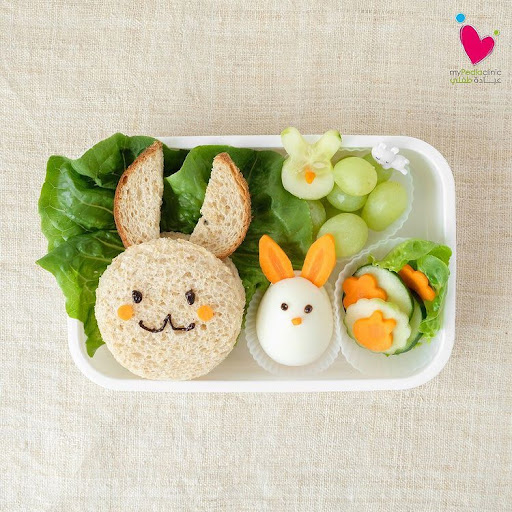
- Food art: Arrange vegetables to create faces, animals, or scenes on the plate
- Fun shapes: Use cookie cutters to create shapes from sliced vegetables like cucumbers or bell peppers
- Rainbow plates: Arrange vegetables by color to create an attractive rainbow effect
- Skewers: Thread vegetable pieces onto child-safe skewers for a fun kebab-style presentation
- Veggie boats: Hollow out cucumbers or bell peppers to create edible boats filled with dip or other vegetables
- Mini portions: Serve vegetables in mini muffin tins, ice cube trays, or other fun containers
- Themed meals: Create themed dinners where vegetables play starring roles
Renaming Vegetables
Research has shown that giving vegetables fun, imaginative names can increase children’s willingness to try them. “X-ray vision carrots” are more appealing than plain carrots, and “dinosaur trees” sound more exciting than broccoli. This simple strategy works because it transforms the vegetable into something associated with positive concepts and adds an element of playfulness to eating.
You can create your own vegetable nicknames with your child, making it a fun family activity. When children are involved in naming their foods, they feel ownership and are more likely to eat them. Let your imagination run wild and encourage your child’s creative input.
- Broccoli: “Dinosaur trees” or “Tiny trees”
- Carrots: “Orange rockets” or “Bunny sticks”
- Peas: “Little green balls” or “Power pellets”
- Spinach: “Super strength leaves” or “Hero greens”
- Corn: “Golden nuggets” or “Sunshine bites”
- Green beans: “Magic wands” or “Green sticks”
Cooking Vegetables in Kid-Friendly Ways
The way vegetables are prepared can make a dramatic difference in whether children accept them. Overcooking, underseasoning, or choosing preparation methods that enhance bitter flavors can all lead to rejection. Experimenting with different cooking methods helps you find approaches that suit your child’s preferences.
Best Cooking Methods for Picky Eaters
Different cooking methods bring out different qualities in vegetables:
- Roasting: Roasting at high heat caramelizes natural sugars, making vegetables sweeter and reducing bitterness. Roasted carrots, sweet potatoes, and even Brussels sprouts become much more palatable for children.
- Steaming: Light steaming preserves color and creates a tender-crisp texture that many children prefer over mushy overcooked vegetables.
- Raw with dips: Many children prefer raw vegetables with dips like hummus, ranch, or yogurt-based sauces. The crunch and freshness appeal to some kids who reject cooked versions.
- Blending: Pureeing vegetables into sauces, smoothies, or soups can introduce nutrients while masking textures children find objectionable.
- Grilling: The slight char and smokiness from grilling can make vegetables more appealing to older children.
- Baking into foods: Incorporating vegetables into baked goods like muffins or breads introduces them in familiar formats.
Seasoning and Flavoring
Plain, unseasoned vegetables are not very appealing to anyone, including children. Don’t be afraid to add flavor to make vegetables more enticing:
- A drizzle of olive oil and a sprinkle of salt can transform steamed vegetables
- A small amount of butter makes many vegetables more palatable
- Garlic, herbs, and mild spices add interest without overwhelming young palates
- A squeeze of lemon juice brightens flavors and can reduce perceived bitterness
- A sprinkle of parmesan cheese makes vegetables more appealing to many children
- A touch of honey on roasted vegetables enhances their natural sweetness
While we want to encourage vegetable acceptance without always relying on additions, there’s nothing wrong with making vegetables tasty. As children develop their palates, you can gradually reduce added flavors if you wish.
Involving Children in Food Preparation
One of the most effective strategies for getting children to eat vegetables is involving them in the process of selecting and preparing them. When children have a hand in making their food, they develop a sense of ownership and pride that makes them more likely to eat the final product. This approach also provides valuable educational opportunities and quality family time.
Age-Appropriate Kitchen Tasks
Children of different ages can participate in food preparation in ways appropriate to their developmental stage:
- Toddlers (2-3 years): Washing vegetables, tearing lettuce, mixing ingredients, putting things in bowls
- Preschoolers (4-5 years): Measuring ingredients, using child-safe cutters, spreading dips, setting the table
- School-age (6-8 years): Reading simple recipes, using safety scissors to cut herbs, using a peeler with supervision
- Older children (9+ years): Following recipes independently, using knives with supervision, cooking on the stove with guidance
Always supervise children in the kitchen and adapt tasks to your individual child’s abilities and maturity level. The goal is to make cooking a positive experience, so start with simple tasks and build up as your child gains skills and confidence.
Benefits of Cooking Together
Beyond encouraging vegetable consumption, cooking with children offers numerous benefits:
- Teaches valuable life skills and food literacy
- Provides opportunities to learn about nutrition in a practical context
- Builds math skills through measuring and counting
- Encourages reading through following recipes
- Creates quality bonding time between parent and child
- Develops fine motor skills through various kitchen tasks
- Builds confidence and independence
Growing Your Own Vegetables
There’s something magical about eating food you’ve grown yourself, and this magic works on children too. Gardening provides hands-on learning experiences and creates a connection between children and their food that’s hard to replicate any other way. Even if you don’t have a backyard, container gardening on a balcony or windowsill can achieve similar results.
Benefits of Growing Vegetables with Children
When children participate in growing vegetables, they experience:
- A sense of pride and accomplishment when their plants produce food
- Curiosity about how plants grow and develop
- Understanding of where food comes from
- Patience as they wait for plants to mature
- Responsibility through caring for living things
- Excitement about eating something they grew themselves
- Connection to nature and the seasons
Easy Vegetables for Children to Grow
Some vegetables are particularly well-suited for children to grow because they’re hardy, fast-growing, or produce exciting results:
- Cherry tomatoes: Prolific producers that children love to pick and eat
- Radishes: Very fast-growing, ready in about a month
- Lettuce and salad greens: Quick to sprout and easy to harvest
- Snap peas: Sweet and fun to eat right off the vine
- Cucumbers: Satisfying to grow and watch develop
- Carrots: The surprise of pulling them from the soil is exciting
- Herbs: Fast-growing and aromatic, great for containers
Starting a small garden with your child can be a wonderful family project that yields both vegetables and memories. Even children who refuse vegetables from the store often eagerly eat those they’ve grown themselves.
Strategic Vegetable Incorporation
While the goal is ultimately for children to enjoy vegetables in their recognizable forms, strategically incorporating vegetables into foods children already love can help increase their nutrition in the meantime. This approach is sometimes called “stealth vegetables,” and when done wisely, it can be a helpful tool in your nutrition arsenal.
Ways to Incorporate Hidden Vegetables
Here are some effective ways to add vegetables to favorite foods:
- Smoothies: Spinach, kale, and avocado blend smoothly and their flavors can be masked by fruits
- Pasta sauce: Puree carrots, zucchini, spinach, or butternut squash into tomato sauce
- Mac and cheese: Add pureed cauliflower or butternut squash to cheese sauce
- Muffins and baked goods: Zucchini, carrots, and sweet potato work well in baked items
- Meatballs and burgers: Finely grated vegetables can be mixed into ground meat
- Soup: Blend vegetables into creamy soups for smooth, kid-friendly textures
- Pizza: Use vegetable-based sauces or finely chopped vegetables under cheese
Kid-Friendly Veggie Smoothie
This smoothie packs in vegetables while tasting like a delicious treat:
- 1 handful of spinach (the green color becomes masked)
- 1 banana (frozen for thickness)
- 1/2 cup frozen berries
- 1/2 cup milk or yogurt
- A drizzle of honey (optional)
Blend until smooth. The purple color from berries disguises the green, and the sweet fruit flavors dominate.
The Debate About Hidden Vegetables
Some nutrition experts caution against relying too heavily on hidden vegetables, arguing that children should learn to recognize and enjoy vegetables in their original forms. While there’s validity to this concern, a balanced approach that includes both hidden and visible vegetables can work well. The key is to continue offering recognizable vegetables alongside any stealth approaches, so children still have opportunities to build acceptance of vegetables as they are.
The specialists at myPediaClinic in Dubai can provide personalized guidance on nutritional strategies that work for your family’s specific situation and your child’s needs.
Creating a Positive Mealtime Environment
The atmosphere around mealtimes significantly impacts children’s willingness to try new foods, including vegetables. A positive, relaxed mealtime environment encourages exploration and reduces anxiety about eating. Conversely, stressful mealtimes characterized by pressure, bribery, or conflict can create negative associations that make picky eating worse.
Strategies for Positive Mealtimes
Consider these approaches to create a supportive eating environment:
- Eat together as a family: Children learn by watching adults and siblings eat
- Eliminate distractions: Turn off screens and focus on the meal and conversation
- Serve meals family-style: Let children serve themselves from shared dishes
- Include at least one accepted food: Ensure there’s something your child will eat at every meal
- Keep portions small: Large portions can be overwhelming; you can always offer more
- Avoid food-related comments: Don’t comment on how much or what your child eats
- Keep mealtimes consistent: Regular meal and snack times help regulate appetite
What to Avoid at Mealtimes
Certain common practices can actually make picky eating worse:
- Forcing bites: “Just try one bite” demands can backfire and increase resistance
- Bribing with dessert: “Eat your vegetables and you can have ice cream” elevates dessert and devalues vegetables
- Making separate meals: Cooking special foods for picky eaters reinforces their limited diet
- Expressing frustration: Children pick up on parental stress, which increases their own anxiety
- Using food as reward or punishment: This creates unhealthy emotional relationships with food
- Labeling your child: Calling them a “picky eater” can become a self-fulfilling prophecy
Remember that it’s the parent’s job to decide what and when food is offered, and it’s the child’s job to decide whether and how much to eat. This division of responsibility, promoted by feeding expert Ellyn Satter, takes pressure off both parents and children.
Role Modeling: The Power of Your Example
Children learn by watching the adults in their lives, and eating habits are no exception. If you want your child to eat vegetables, one of the most powerful things you can do is model vegetable eating yourself. Children who regularly see their parents enjoying vegetables are significantly more likely to do the same.
Being an Effective Role Model
Effective role modeling for healthy eating involves:
- Eating vegetables at meals and expressing genuine enjoyment
- Trying new vegetables yourself and showing willingness to explore
- Making positive comments about vegetables and their flavors
- Avoiding negative comments about vegetables or other foods
- Including vegetables in your own snacks, not just meals
- Demonstrating that healthy eating is normal, not a chore
Be aware that children also notice when adults avoid certain foods or express disgust. If you have your own vegetable aversions, try to be mindful about expressing them in front of your children. Better yet, use this as an opportunity to work on your own vegetable acceptance alongside your child.
Extended Role Models
Role modeling extends beyond parents. Grandparents, siblings, peers, teachers, and even characters in books and shows can influence children’s eating attitudes. If older siblings enjoy vegetables, younger children often want to emulate them. Arranging playdates where friends eat vegetables or choosing media that portrays healthy eating positively can provide additional modeling opportunities.
Dealing with Setbacks and Staying Patient
The journey to helping your child eat more vegetables is rarely linear. There will be days when your child eats broccoli happily and days when they refuse everything green on their plate. Setbacks are normal and should be expected. The key is to stay patient, remain consistent, and avoid letting frustration derail your efforts.
Understanding Normal Fluctuations
Children’s eating can vary based on many factors:
- Appetite changes related to growth spurts
- Illness or teething affecting interest in food
- Fatigue or emotional state impacting eating
- Desire for autonomy leading to food refusal
- Developmental phases of pickiness
- Preferences changing over time
A child who loved carrots last week might refuse them this week, only to accept them again next month. This is completely normal. Continue offering variety without pressuring, and trust that acceptance will come with time and repeated exposure.
Celebrating Small Wins
Notice and appreciate progress, even when it seems small:
- Your child touched or smelled a vegetable they usually avoid
- They allowed a vegetable on their plate without complaint
- They took a tiny bite, even if they didn’t swallow
- They tried a new vegetable without being asked
- They expressed curiosity about a vegetable
- They helped prepare vegetables without eating them
Each of these represents progress toward vegetable acceptance. Acknowledge these moments privately (excessive praise for eating can feel like pressure) and trust that you’re on the right track.
Frequently Asked Questions About Kids and Vegetables
Research suggests children may need 10-15 exposures to a new food before accepting it, and sometimes even more. Don’t give up after a few rejections. Continue offering the vegetable periodically, prepared in different ways, without pressure. The key is consistent, low-pressure exposure over time. Many parents give up too soon, assuming their child simply doesn’t like a food after only a few attempts.
Hiding vegetables can be a useful strategy to increase nutrition, but it shouldn’t be the only approach. While sneaking vegetables into sauces or smoothies provides nutrients, it doesn’t help children learn to accept vegetables in their recognizable forms. The best approach combines hidden vegetables with continued exposure to visible vegetables. Eventually, the goal is for children to enjoy vegetables as they are.
Yes, offering dips with vegetables is a great strategy. Many children who refuse plain vegetables will happily eat them with hummus, ranch dressing, or yogurt-based dips. While you might eventually want to wean off dips, there’s nothing wrong with using them to help children accept vegetables. The vegetable nutrition still counts even when accompanied by a dip, and positive experiences eating vegetables with dips can lead to acceptance of vegetables alone over time.
Having a limited vegetable repertoire is very common in childhood. If your child eats even a few vegetables, that’s a foundation to build upon. Continue offering their accepted vegetables while regularly exposing them to new options without pressure. Over time, most children gradually expand their vegetable acceptance. In the meantime, ensure the vegetables they do eat are offered regularly and celebrate that progress.
Requiring children to finish vegetables before leaving the table is generally not recommended. This creates a power struggle and negative associations with vegetables. Instead, decide what foods are served and when, but let your child decide whether and how much to eat. If they don’t eat their vegetables at dinner, they might be hungrier for the next meal. Trust their appetite and avoid making vegetables a battleground.
Picky eating often peaks between ages 2 and 6, corresponding with a developmental phase of neophobia, or fear of new foods. Most children begin to outgrow extreme pickiness after this phase, though the timeline varies. Some children remain selective eaters into later childhood or even adulthood. Consistent, pressure-free exposure to variety during the picky years helps build the foundation for broader acceptance as children mature.
Some children have very sensitive gag reflexes, particularly with certain textures. If your child gags on vegetables, it may be a texture issue rather than a taste issue. Try offering vegetables in different forms, such as raw versus cooked, pureed versus chopped, or with dips for a different mouthfeel. If gagging is severe or persistent with many foods, consult a pediatrician or feeding therapist to rule out sensory processing issues or other concerns.
Breakfast offers several vegetable opportunities. Consider green smoothies with spinach and fruit, omelets or scrambled eggs with vegetables, vegetable muffins made with zucchini or carrots, avocado on toast, sweet potato pancakes, or simply serving raw vegetables like cherry tomatoes alongside traditional breakfast foods. Don’t limit vegetable eating to lunch and dinner; any meal is an opportunity.
Regression in eating is very common and can have many causes. Children might refuse previously accepted foods due to entering a neophobic phase, asserting independence, negative experiences with the food, illness affecting appetite, or simply changing preferences. Don’t panic; continue offering the vegetables without pressure. Most children return to eating previously accepted foods after these phases pass, especially if the foods remain available without stress.
Consult a pediatrician if your child’s limited diet is affecting their growth or health, if they eat fewer than 20 different foods total, if they refuse entire food groups, if mealtimes are consistently extremely stressful, or if they have severe reactions like gagging or vomiting with most foods. The specialists at myPediaClinic in Dubai can evaluate whether your child’s eating falls within normal range or if intervention might help.
Long-Term Benefits of Vegetable Acceptance
The effort you put into helping your child eat more vegetables pays dividends throughout their life. Children who learn to enjoy vegetables develop healthier eating patterns that persist into adulthood. They’re more likely to maintain a healthy weight, have better cardiovascular health, and experience reduced risk of chronic diseases. Beyond physical health, varied vegetable consumption supports better energy levels, mood, and cognitive function.
By working patiently to expand your child’s vegetable acceptance now, you’re giving them a gift that will benefit them for decades to come. The habits and preferences formed in childhood are foundational, and your investment in healthy eating now sets your child up for a lifetime of better nutrition.
Pediatric Nutrition Support at myPediaClinic Dubai
If you’re struggling with your child’s eating habits or have concerns about their nutrition, the pediatric specialists at myPediaClinic are here to help. We offer guidance on healthy eating, address picky eating challenges, and ensure your child’s nutritional needs are being met.
Every child is unique, and personalized strategies often work best. Let us partner with you to support your child’s health and development.
Conclusion
Helping children eat more vegetables is a journey that requires patience, creativity, and consistency. Understanding why children resist vegetables, from biological taste preferences to developmental phases, helps parents approach the challenge with empathy and appropriate expectations. Through repeated exposure, creative presentation, involvement in food preparation, and positive mealtime environments, most children can learn to accept and even enjoy a variety of vegetables.
Remember that your role as a parent is to provide nutritious options in a supportive environment, while your child’s role is to decide whether and how much to eat. This division of responsibility reduces mealtime stress and allows children to develop a healthy relationship with food. Celebrate small victories, stay patient through setbacks, and trust that your efforts will pay off over time.
At myPediaClinic in Dubai, we’re committed to supporting families in raising healthy children. Whether you need guidance on nutrition, help with picky eating, or any other pediatric concern, our team is here for you. With persistence and the right strategies, your child can learn to embrace vegetables as a delicious and normal part of their diet.