
In this guide · 10 sections
- What is hand, foot and mouth disease?
- What are the symptoms, and what order do they come in?
- How long is my child contagious?
- How do I care for my child at home?
- When can my child go back to nursery or school?
- How can I stop it spreading in my family?
- Why do my child’s nails peel weeks later?
- When to see a doctor
- How we can help at myPediaclinic
- FAQs
Treated at the clinic under pediatric check-ups.
Hand, foot and mouth disease is a common viral illness in young children. It causes a fever, painful mouth sores and a blistery rash on the hands and feet. Most children recover on their own in 7 to 10 days with fluids, rest and pain relief. The main risk is dehydration, because swallowing hurts.
What is hand, foot and mouth disease?
Hand, foot and mouth disease (HFMD) is an infection caused by enteroviruses, most often coxsackievirus. It spreads easily wherever young children are together: nurseries, play areas, swimming pools and family homes. It is not related to foot-and-mouth disease in animals, and it cannot be caught from pets.
Children under five are affected most often, but older children and adults can catch it too. Adults usually have milder symptoms. Because many different viruses cause it, a child can get HFMD more than once.
What are the symptoms, and what order do they come in?
Symptoms usually start 3 to 6 days after the child is exposed. They tend to follow a pattern:
- Day 1 or 2
- fever, a sore throat, a poor appetite, and a child who is fussier or more tired than usual.
- Day 2 or 3
- small painful sores in the mouth, on the tongue, gums and inside the cheeks. Many children start refusing food and drinks at this point.
- Day 3 to 5
- a rash of flat red spots or small blisters, mostly on the palms of the hands and soles of the feet. It can also appear on the buttocks, knees, elbows and around the nappy area.
- Day 7 to 10
- the fever has gone, the sores heal and the rash fades. The rash is not usually itchy, though some children find it sore.
Not every child gets every symptom. Some have only mouth sores, some only a few spots on the hands.
How long is my child contagious?
Your child is most contagious during the first week of illness, when the fever and sores are at their worst. The virus can stay in the stool for several weeks after the child feels better, so washing hands carefully after nappy changes and toilet trips matters for a long time after recovery.
The virus spreads through:
- saliva, nasal mucus and the fluid from blisters
- stool
- coughs and sneezes
- shared cups, cutlery, toys and dummies
How do I care for my child at home?
Care at home is about comfort and fluids, because there is no medicine that clears the virus. Antibiotics do not work against it.
- Keep your child drinking.
- Small, frequent sips are easier than big gulps. Cold drinks, cold milk, ice lollies and frozen fruit pieces soothe the mouth. Babies who feed from the breast or bottle may feed more often for shorter periods.
- Choose soft, cool foods.
- Yoghurt, mashed banana, rice pudding and smoothies are easier than crunchy, salty or acidic foods. Orange juice and other citrus drinks can sting mouth sores, so offer water or milk instead.
- Relieve pain and fever.
- Paracetamol can be given for pain or fever, and ibuprofen can be used in children over three months old. Follow the dose on the label for your child’s weight, or ask your pediatrician or pharmacist. Never give aspirin to a child.
- Leave the blisters alone.
- Do not pop them. The fluid inside is contagious, and popping blisters can lead to a skin infection. Keep your child’s nails short.
- Rest.
- Children often want to sleep more. There is no need to keep them in bed once the fever has gone and they feel well.
Our guide to dealing with a fever explains how to take a temperature and when a fever needs attention.
When can my child go back to nursery or school?
A child can usually return when the fever has gone and they feel well enough to join in. The blisters do not need to be completely healed, as long as your child is not drooling a lot and any open sores can be covered or are healing. The CDC gives this guidance for returning to child care.
Nurseries and schools set their own rules, and some ask for a doctor’s note or a longer break. Check your nursery’s policy and tell them the diagnosis, so they can alert other parents and clean shared toys and surfaces.
How can I stop it spreading in my family?
You cannot make a household completely safe, but these steps help:
- Wash hands with soap and water after nappy changes, using the toilet and before eating. Hand sanitiser is less effective against these viruses than soap and water.
- Clean toys, door handles, changing mats and other shared surfaces with a household disinfectant.
- Do not share cups, bottles, cutlery, towels or dummies.
- Wash soiled clothes and bedding at a high temperature.
- Teach older children to cough into their elbow.
Adults who care for a sick child can catch HFMD too. If you are pregnant and your child has it, speak to your own doctor. Most pregnant women who catch it are not harmed, but it is worth a conversation.
Why do my child’s nails peel weeks later?
A few weeks after HFMD, some children lose a fingernail or toenail, or see lines and ridges across the nails. This can look alarming but is a known after-effect of the infection. It does not hurt, and the new nail grows back normally.
When to see a doctor
Most children with HFMD do not need to be seen. See your pediatrician the same day if:
- your child refuses to drink, or drinks very little for a day
- there are signs of dehydration: no wee for 8 hours, a very dry mouth, no tears when crying, sunken eyes, or a sunken soft spot on a baby’s head
- the fever lasts more than 3 days, or goes above 39°C
- your child is under 6 months old
- the illness is not improving after 10 days
- the blisters look infected, with spreading redness, warmth or pus
- your child has a weakened immune system
Go to the nearest emergency department or call 998 if your child has a stiff neck, a severe headache, becomes very drowsy or hard to wake, has trouble breathing, a seizure, or weakness in an arm or leg. These are rare, but they need urgent help. Our guide to when to go to the ER or the pediatrician can help you decide.
How we can help at myPediaclinic
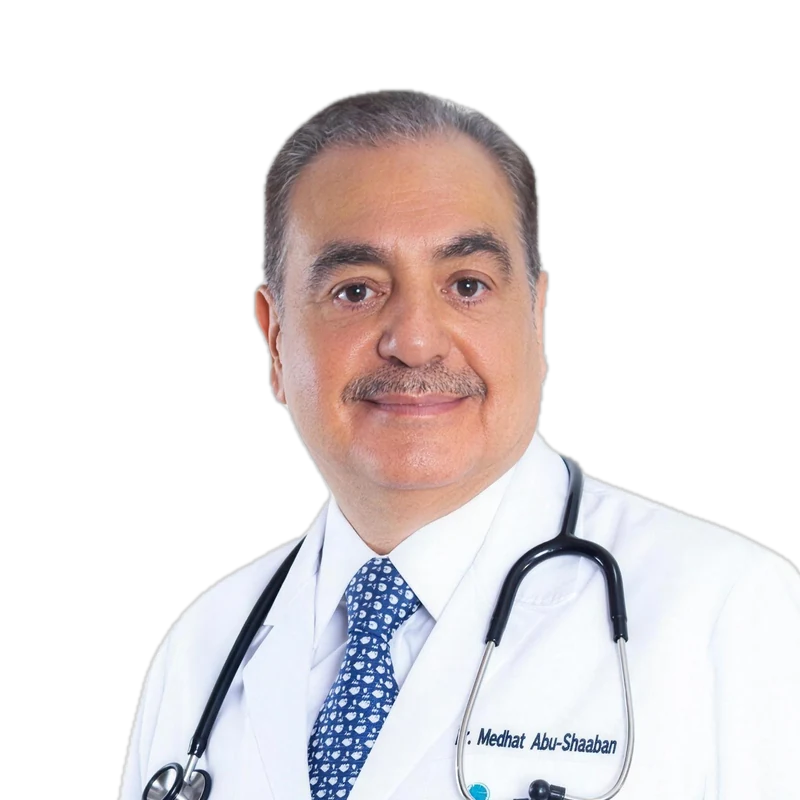
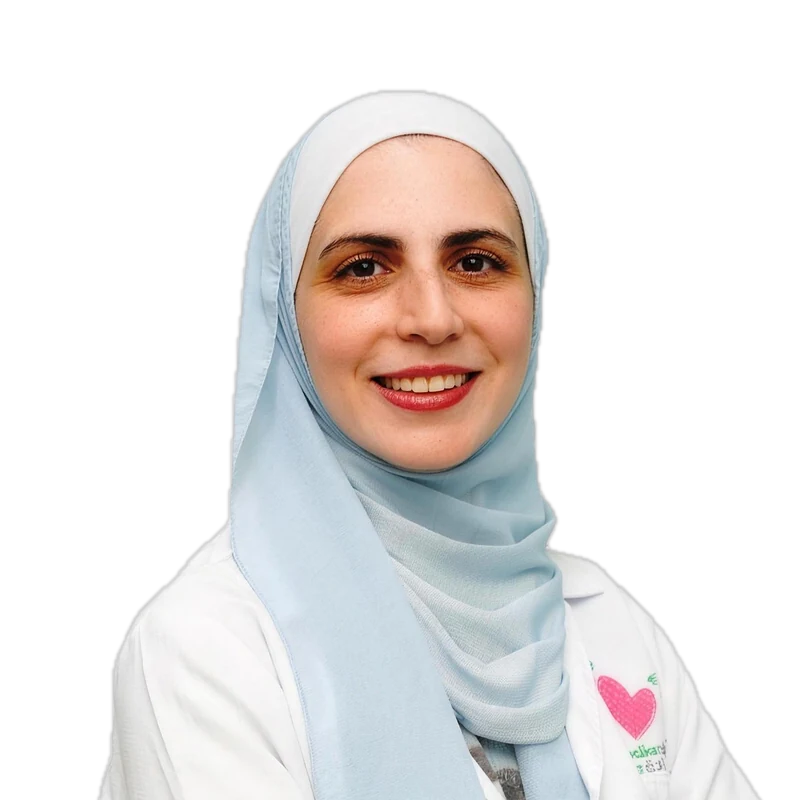
Our two consultant pediatricians, Dr. Tala Belbeissi and Dr. Medhat Abu-Shaaban, see children with fever, mouth sores and rashes through our pediatric check-ups. We examine your child, check hydration, rule out other causes of the rash, and tell you what to expect over the coming days and when it is safe to return to nursery.
Dr. Tala Belbeissi trained in the US and Dubai. Dr. Medhat Abu-Shaaban is American Board Certified and a Fellow of the American Academy of Pediatrics. Both consult in English and Arabic at our clinic in Dubai Healthcare City.
Frequently asked questions
Can adults get hand, foot and mouth disease?
Yes. Adults who care for sick children can catch it, usually with milder symptoms such as a sore throat, a few mouth sores or a mild rash. Adults can still pass it on, so wash hands thoroughly while your child is ill and for a few weeks afterwards.
Can my child get it twice?
Yes. Several different viruses cause HFMD, and catching one does not protect against the others. A second episode is often milder, because the body has built some general immunity to this family of viruses.
Is there a vaccine for it?
There is no HFMD vaccine in the UAE vaccination schedule. A vaccine against one strain, enterovirus 71, is used in some Asian countries, but it is not part of routine care here. Good hygiene is the main protection.
Is it safe to go swimming?
Wait until the fever has gone and the blisters have healed, and avoid shared pools while your child is still contagious. Chlorine does not reliably kill the virus, and open sores can sting in the water.
Does the rash leave scars?
No. The spots and blisters heal without scarring, as long as they are not picked or become infected. Some children have a little temporary darkening of the skin where the rash was.
To book, message us on WhatsApp at 052 218 1662 or call reception on 04 430 5926.
This guide is general information, not a diagnosis or advice about your own child. If something worries you, speak to a doctor.