

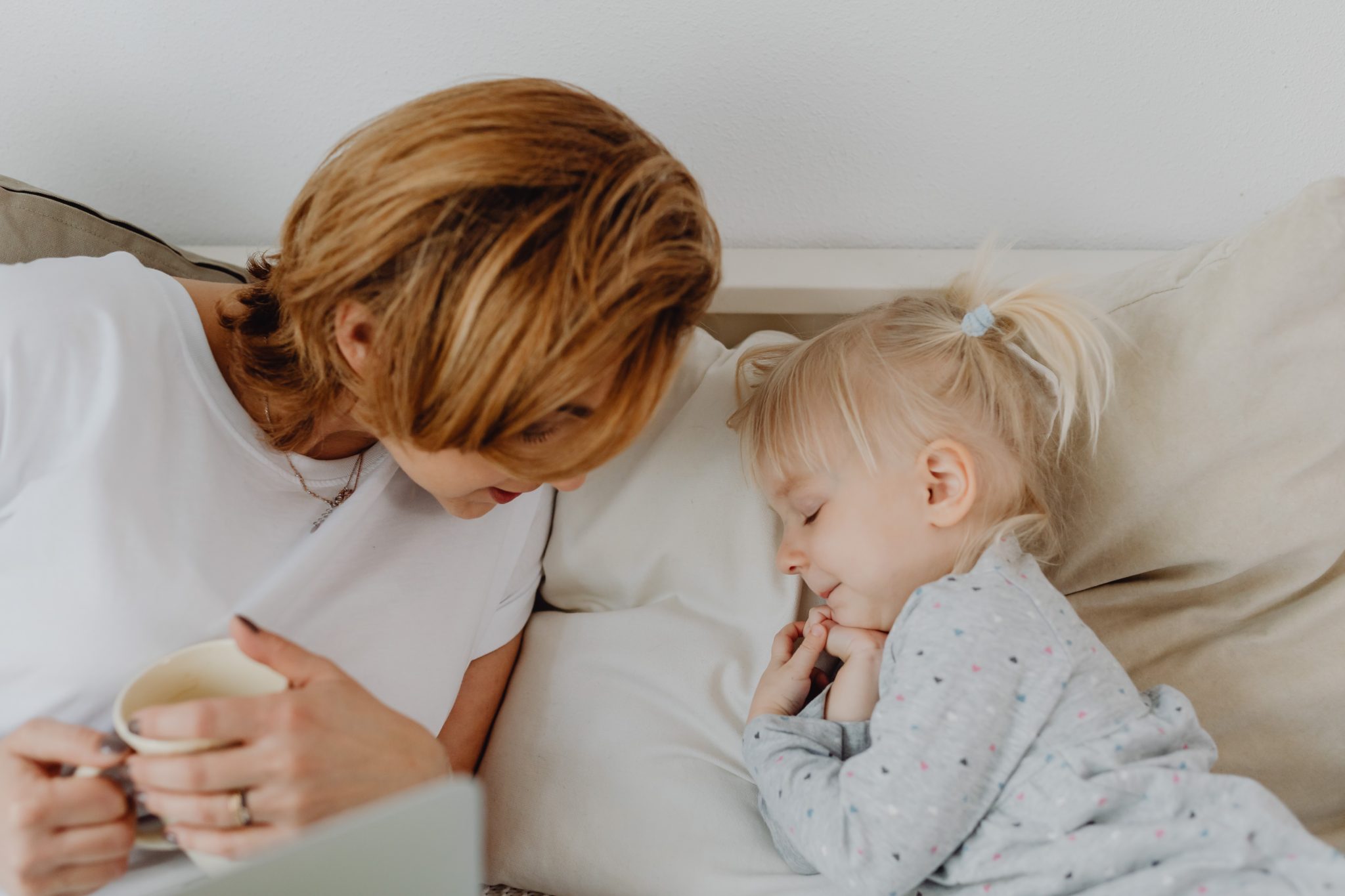
My Child Has Trouble Sleeping – Sleep Apnea in Children and What to Look For?
Every parent knows the importance of a good night’s sleep for their child’s health, development, and daily functioning. When your child struggles to sleep well, the effects ripple through every aspect of their life, from behavior and mood to academic performance and physical growth. While occasional sleep difficulties are normal in childhood, persistent sleep problems may signal a more serious underlying condition. At myPediaClinic in Dubai, we frequently encounter parents concerned about their child’s sleep quality, and one of the most significant yet often overlooked conditions is pediatric sleep apnea. This comprehensive guide will help you understand what sleep apnea is, recognize its signs in children, and know when to seek professional help.
Sleep apnea in children is more common than many parents realize, affecting an estimated 1-5% of children. Unlike adult sleep apnea, which is often associated with obesity and aging, pediatric sleep apnea has different causes and presentations. Understanding these differences is crucial for early recognition and appropriate treatment. Left untreated, sleep apnea can have profound effects on your child’s physical health, cognitive development, emotional well-being, and quality of life. The good news is that with proper diagnosis and treatment, most children with sleep apnea can achieve significant improvement and enjoy restful, restorative sleep.
Understanding Sleep Apnea in Children
Sleep apnea is a sleep disorder characterized by repeated interruptions in breathing during sleep. These breathing pauses, called apneas, can occur dozens or even hundreds of times throughout the night, disrupting the natural sleep cycle and preventing your child from getting the deep, restorative sleep they need. At myPediaClinic, our pediatric specialists are experienced in identifying and treating this condition in children of all ages.
Types of Sleep Apnea
There are three main types of sleep apnea, each with different underlying causes. Understanding these types helps in determining the appropriate treatment approach.
Obstructive Sleep Apnea (OSA) is the most common type of sleep apnea in children. It occurs when the muscles in the back of the throat relax during sleep, causing the airway to narrow or close completely. In children, enlarged tonsils and adenoids are the most common cause of this obstruction. When the airway becomes blocked, the child must briefly awaken to resume breathing, often without conscious awareness of these arousals.
Central Sleep Apnea is less common and occurs when the brain fails to send proper signals to the muscles that control breathing. Unlike obstructive sleep apnea, there is no physical blockage of the airway. Central sleep apnea is more often seen in premature infants and children with certain neurological conditions, heart problems, or those taking certain medications.
Complex or Mixed Sleep Apnea combines features of both obstructive and central sleep apnea. A child with complex sleep apnea may have periods of airway obstruction as well as periods where the brain fails to signal for breathing. This type requires specialized evaluation and treatment.
How Sleep Apnea Affects Children Differently Than Adults
While sleep apnea shares some features between children and adults, there are important differences in how the condition presents and its effects. In adults, the primary symptoms are often loud snoring, witnessed breathing pauses, and excessive daytime sleepiness. Children may exhibit these symptoms as well, but they often present differently.
Children with sleep apnea may not appear obviously sleepy during the day. Instead, they may become hyperactive, irritable, or have difficulty concentrating. This presentation can lead to misdiagnosis of attention deficit hyperactivity disorder (ADHD) or behavioral problems. In fact, studies have shown that a significant percentage of children diagnosed with ADHD may actually have underlying sleep disorders contributing to their symptoms.
The causes of sleep apnea also differ between age groups. While obesity is the leading risk factor for adult sleep apnea, enlarged tonsils and adenoids are the primary cause in children. However, with rising childhood obesity rates, weight-related sleep apnea is becoming increasingly common in pediatric populations as well.
Recognizing the Signs and Symptoms of Pediatric Sleep Apnea
Identifying sleep apnea in children requires careful observation of both nighttime behaviors and daytime symptoms. Many parents first notice concerning symptoms during the night, while teachers or caregivers may observe daytime effects. At myPediaClinic in Dubai, we encourage parents to pay attention to the following signs.
Nighttime Symptoms to Watch For
Snoring is often the most noticeable symptom of sleep apnea in children. While occasional snoring can be normal, especially during a cold or allergy season, habitual snoring that occurs most nights is concerning. The snoring associated with sleep apnea is typically loud and may include gasping, snorting, or choking sounds. Parents may notice their child struggling to breathe or making unusual respiratory efforts during sleep.
Witnessed Breathing Pauses are a hallmark of sleep apnea. You may observe your child stop breathing for several seconds before resuming with a gasp or snort. These episodes can be frightening for parents to witness and are a clear indication that medical evaluation is needed.
Restless Sleep is common in children with sleep apnea. Your child may toss and turn frequently, assume unusual sleeping positions (such as sleeping with the neck hyperextended or sleeping sitting up), or wake frequently throughout the night. Some children sweat excessively during sleep as their bodies work harder to breathe.
Mouth Breathing during sleep is another concerning sign. Children with enlarged tonsils, adenoids, or nasal congestion often breathe through their mouths during sleep, which can contribute to dry mouth, sore throat, and worsened sleep quality.
Bedwetting can be associated with sleep apnea, especially in children who had previously achieved nighttime dryness. The fragmented sleep and hormonal changes associated with sleep apnea may affect bladder control during sleep.
Night Terrors and Sleepwalking may occur more frequently in children with sleep apnea. The disrupted sleep architecture caused by repeated apneas can trigger these parasomnias.
Daytime Symptoms and Effects
The effects of poor sleep quality extend into daytime functioning, often affecting multiple areas of your child’s life.
Behavioral Problems are common in children with untreated sleep apnea. Rather than appearing sleepy, many children compensate for fatigue with hyperactivity, impulsivity, and difficulty sitting still. They may have frequent tantrums, mood swings, or emotional outbursts. These behaviors can be mistaken for ADHD or other behavioral disorders.
Attention and Learning Difficulties result from the fragmented sleep that prevents proper brain restoration. Children with sleep apnea often struggle to concentrate, complete tasks, and retain information. Academic performance may decline, and teachers may report that the child seems distracted, forgetful, or unmotivated.
Excessive Daytime Sleepiness may be present, though it’s less commonly recognized in children than adults. Your child may fall asleep during car rides, while watching television, or during quiet activities. Some children resist naps even when clearly tired, becoming more agitated rather than settling down to sleep.
Morning Headaches can occur due to changes in oxygen and carbon dioxide levels during nighttime apneas. These headaches typically improve as the day progresses.
Growth Concerns may arise because growth hormone is primarily released during deep sleep. Children with significant sleep apnea may experience slower growth or failure to thrive. Additionally, the extra energy expended on breathing during sleep may contribute to poor weight gain in some children.
Frequent Respiratory Infections may occur in children with enlarged tonsils and adenoids, contributing to a cycle of illness and worsened sleep quality.
Causes and Risk Factors for Pediatric Sleep Apnea
Understanding what causes sleep apnea in children helps parents identify risk factors and seek appropriate evaluation. While anyone can develop sleep apnea, certain factors significantly increase a child’s risk.
Enlarged Tonsils and Adenoids
The most common cause of obstructive sleep apnea in children is enlarged tonsils and adenoids. These lymphoid tissues, located at the back of the throat and behind the nose, naturally grow during childhood as part of the immune system. In some children, they become large enough to obstruct the airway during sleep when the throat muscles relax.
Tonsils and adenoids typically reach their largest size between ages 3 and 6, which is also when sleep apnea is most commonly diagnosed in children. After this peak, they usually begin to shrink, and some children may outgrow mild sleep apnea as a result. However, significant sleep apnea often requires treatment rather than watchful waiting.
Obesity and Excess Weight
As childhood obesity rates have increased worldwide, so has the prevalence of weight-related sleep apnea in children. Excess weight deposits fatty tissue around the throat and neck, narrowing the airway. Additionally, abdominal obesity can affect breathing mechanics by restricting lung expansion. At myPediaClinic, we address weight management as part of our comprehensive approach to pediatric health.
Craniofacial Abnormalities
Children with certain facial and skull structural differences may be predisposed to sleep apnea. Conditions that can affect airway size or shape include cleft palate, Down syndrome, Pierre Robin sequence, and other syndromes affecting facial development. Children with a small or recessed jaw, large tongue, or other anatomical variations may also be at increased risk.
Neuromuscular Disorders
Conditions that affect muscle tone, such as cerebral palsy, muscular dystrophy, or other neuromuscular disorders, can increase the risk of sleep apnea. Weak throat muscles may be unable to keep the airway open during sleep, leading to obstruction.
Allergies and Nasal Congestion
Chronic nasal congestion from allergies, sinus infections, or other causes can worsen or contribute to sleep apnea. When nasal breathing is obstructed, children are more likely to mouth breathe, which can worsen airway collapse during sleep.
Family History
Sleep apnea tends to run in families. Children with parents or siblings who have sleep apnea are at higher risk of developing the condition. This familial tendency may relate to inherited facial structure, muscle tone, or other factors.
Other Risk Factors
Additional factors that may increase risk include premature birth, history of upper respiratory infections, exposure to secondhand smoke, and certain medications that affect muscle tone. Children with asthma, gastroesophageal reflux, or a history of frequent ear infections may also be at higher risk.
The Impact of Untreated Sleep Apnea on Child Health and Development
Sleep is essential for children’s physical growth, brain development, learning, and emotional regulation. When sleep apnea goes untreated, the consequences can be far-reaching and potentially long-lasting.
Effects on Brain Development and Cognition
During sleep, the brain consolidates memories, processes information from the day, and undergoes important developmental processes. The fragmented sleep and intermittent low oxygen levels associated with sleep apnea can impair these functions. Research has shown that children with untreated sleep apnea perform worse on tests of attention, memory, learning, and executive function compared to their peers.
Particularly concerning is evidence that the cognitive effects of early childhood sleep apnea may persist even after treatment. This underscores the importance of early identification and intervention. Studies using brain imaging have shown structural differences in the brains of children with sleep apnea, including changes in areas responsible for cognition and behavior.
Behavioral and Emotional Consequences
The behavioral effects of sleep deprivation in children differ from those in adults. While adults typically become sluggish and drowsy when tired, children often become hyperactive, impulsive, and emotionally dysregulated. This can lead to problems at school, difficulty with peer relationships, and family stress.
Research has shown significant overlap between symptoms of sleep apnea and ADHD in children. Some studies suggest that treating underlying sleep apnea can reduce or eliminate ADHD-like symptoms in affected children. This highlights the importance of considering sleep disorders in the evaluation of any child with attention or behavioral concerns.
Cardiovascular Effects
Even in children, untreated sleep apnea can affect heart health. The repeated drops in blood oxygen and the stress of struggling to breathe trigger physiological responses that, over time, can lead to elevated blood pressure, changes in heart structure, and other cardiovascular effects. While severe consequences are less common in children than adults, they underscore the importance of treatment.
Growth and Metabolic Effects
Growth hormone is primarily released during deep sleep, which is disrupted by sleep apnea. Some children with significant sleep apnea experience poor growth or failure to thrive. Treatment often results in catch-up growth as sleep quality improves. Additionally, sleep apnea has been linked to metabolic changes that may increase risk for obesity and insulin resistance.
Quality of Life
Beyond measurable health outcomes, untreated sleep apnea affects children’s overall quality of life. Chronic fatigue, behavioral difficulties, and poor school performance take a toll on the child and the entire family. Parents of children with sleep apnea often experience significant stress and sleep disruption themselves.
Diagnosing Sleep Apnea in Children
If you suspect your child may have sleep apnea, the first step is to consult with a healthcare provider experienced in pediatric sleep disorders. At myPediaClinic in Dubai, our specialists can guide you through the diagnostic process and recommend appropriate next steps.
Initial Evaluation
The diagnostic process begins with a thorough history and physical examination. The doctor will ask about your child’s sleep patterns, snoring, witnessed apneas, daytime symptoms, and overall health. Information from teachers or other caregivers about daytime behavior and functioning is also valuable.
During the physical examination, the doctor will assess your child’s growth, evaluate the size of tonsils and adenoids, check for nasal obstruction, examine facial structure, and look for signs of conditions that may contribute to sleep apnea. The child’s weight and body mass index will be noted, as obesity is an important risk factor.
Sleep Studies (Polysomnography)
The gold standard for diagnosing sleep apnea is an overnight sleep study, called polysomnography. This test is typically performed in a sleep laboratory, though home sleep testing is sometimes used for older children and adolescents. During the study, various parameters are monitored, including:
Brain waves (EEG) to determine sleep stages and arousals. Eye movements and chin muscle activity to help identify sleep stages. Breathing effort and airflow to detect apneas and hypopneas (partial airway obstructions). Blood oxygen levels through a finger probe. Heart rate and rhythm. Leg movements to detect periodic limb movements. Body position and video recording to observe sleep behaviors.
The results of the sleep study are analyzed by a sleep specialist who counts the number of breathing disturbances per hour of sleep (the apnea-hypopnea index, or AHI), assesses oxygen levels, evaluates sleep architecture, and looks for other sleep disorders that may be present.
Interpreting Sleep Study Results
In children, the criteria for diagnosing sleep apnea differ from those used in adults. An AHI of greater than 1-1.5 events per hour is considered abnormal in children, whereas adult criteria typically require an AHI of 5 or more. The severity of sleep apnea is classified based on the AHI:
Mild sleep apnea: AHI between 1-5 events per hour. Moderate sleep apnea: AHI between 5-10 events per hour. Severe sleep apnea: AHI greater than 10 events per hour.
However, the AHI alone doesn’t tell the whole story. The doctor will also consider the severity of oxygen desaturations, the degree of sleep fragmentation, and the child’s symptoms when making treatment recommendations.
Other Diagnostic Tests
Depending on the clinical situation, additional tests may be recommended. These might include lateral neck X-rays to evaluate adenoid size, endoscopy to visualize the upper airway, or allergy testing if allergies are suspected to contribute to nasal congestion. Children with suspected craniofacial abnormalities may need specialized imaging studies.
Treatment Options for Pediatric Sleep Apnea
Treatment for pediatric sleep apnea depends on the underlying cause and severity of the condition. The goal is to normalize breathing during sleep, improve sleep quality, and resolve daytime symptoms. At myPediaClinic, we work with families to develop individualized treatment plans.
Adenotonsillectomy
For children with enlarged tonsils and adenoids, surgical removal (adenotonsillectomy) is typically the first-line treatment. This surgery is one of the most commonly performed pediatric procedures and has a high success rate for treating sleep apnea in otherwise healthy children.
Studies show that adenotonsillectomy resolves or significantly improves sleep apnea in approximately 75-80% of children. Success rates are highest in children who are not obese and do not have other contributing factors. Most children experience improvement in snoring, breathing during sleep, and daytime symptoms within weeks of surgery.
While generally safe, adenotonsillectomy does carry risks including pain, bleeding, infection, and anesthesia-related complications. The decision for surgery should be made collaboratively between families and healthcare providers, weighing the benefits of treatment against surgical risks.
Continuous Positive Airway Pressure (CPAP)
CPAP therapy involves wearing a mask during sleep that delivers pressurized air to keep the airway open. While CPAP is the primary treatment for adult sleep apnea, it is used less commonly in children but can be effective for those who are not surgical candidates, have residual sleep apnea after surgery, or have other causes of sleep apnea.
The main challenge with CPAP in children is adherence. Many children struggle with wearing a mask during sleep, and families require support and education to implement CPAP successfully. Choosing an appropriately sized mask, using desensitization techniques, and addressing any side effects are important for success.
Weight Management
For children whose sleep apnea is related to obesity, weight loss can significantly improve or resolve the condition. However, weight management in children requires a careful, supportive approach that focuses on healthy lifestyle changes rather than restrictive dieting. At myPediaClinic, we offer comprehensive support for families working toward healthier weights.
Weight loss can be recommended as a primary treatment for mild sleep apnea in obese children or as an adjunct to other treatments for moderate to severe cases. Even modest weight loss can improve sleep apnea severity and overall health.
Orthodontic and Dental Treatments
Some children benefit from orthodontic interventions that expand the palate or advance the jaw, increasing airway space. Rapid maxillary expansion, a technique that widens the upper jaw, has shown promise in treating some children with sleep apnea. Oral appliances that reposition the jaw during sleep may also be helpful in selected cases.
These treatments are typically recommended by specialists in dental sleep medicine or orthodontics who have experience with airway management. They may be used alone for mild cases or in combination with other treatments for more severe sleep apnea.
Management of Allergies and Nasal Congestion
For children whose sleep apnea is worsened by nasal congestion, treating underlying allergies and inflammation can help. Nasal corticosteroid sprays, antihistamines, and allergen avoidance measures may reduce nasal obstruction and improve breathing during sleep. These treatments are often used as adjuncts to other therapies rather than as standalone treatments for sleep apnea.
Watchful Waiting
For some children with mild sleep apnea and no significant symptoms, watchful waiting with regular monitoring may be appropriate. This approach recognizes that some children may outgrow mild sleep apnea as their tonsils and adenoids naturally shrink with age. However, if symptoms worsen or fail to improve, active treatment should be initiated.
Living with Pediatric Sleep Apnea: Tips for Parents
Managing a child’s sleep apnea requires ongoing attention to sleep habits, health, and treatment adherence. Here are strategies to support your child’s sleep health.
Promoting Healthy Sleep Habits
Good sleep hygiene is important for all children but especially for those with sleep disorders. Establish a consistent bedtime routine that allows time for winding down before sleep. Keep the bedroom dark, quiet, and cool. Limit screen time for at least an hour before bed, as the blue light from devices can interfere with sleep onset.
Ensure your child gets enough sleep for their age. Sleep needs vary by age: toddlers need 11-14 hours, preschoolers need 10-13 hours, school-age children need 9-11 hours, and teenagers need 8-10 hours of sleep per 24 hours. Many children with sleep apnea need additional sleep to compensate for poor sleep quality.
Sleeping Position
Some children breathe better when sleeping on their side rather than their back. If your child’s doctor recommends side sleeping, positioning pillows or specialized sleep positioners can help maintain this position throughout the night. Elevating the head of the bed may also help some children with sleep apnea or reflux.
Monitoring Symptoms
Keep track of your child’s symptoms, including snoring patterns, witnessed apneas, daytime behavior, and school performance. This information helps healthcare providers assess treatment effectiveness and make adjustments as needed. Video recordings of your child’s sleep can be valuable for showing the doctor what occurs during the night.
Supporting Treatment Adherence
If your child requires CPAP therapy or other ongoing treatments, support and encouragement are essential for success. Involve your child in choosing their mask (when options are available), establish a positive routine around treatment, and celebrate successes. Address any problems or concerns promptly with your healthcare provider.
Communicating with Schools
If your child’s sleep apnea affects school performance or behavior, communicate with teachers and school staff. Help them understand that your child has a medical condition affecting their sleep and that symptoms may improve with treatment. Request accommodations if needed, such as extra time for tasks or a quiet space for rest.
When to Seek Medical Attention
Any concerns about your child’s sleep or breathing should prompt medical evaluation. However, certain symptoms require urgent attention.
Signs That Require Immediate Evaluation
Seek medical care promptly if your child experiences pauses in breathing that last more than 20 seconds, turns blue or pale during sleep, has extreme difficulty breathing during sleep, is difficult to arouse, or seems excessively sleepy or confused upon waking.
When to Schedule a Routine Appointment
Schedule an appointment with your pediatrician or myPediaClinic if your child snores regularly (most nights), makes choking or gasping sounds during sleep, sleeps restlessly with frequent position changes, mouth breathes during sleep, has persistent bedwetting after age 5, shows signs of daytime sleepiness or behavioral problems, or has difficulty concentrating or declining school performance.
Early evaluation allows for timely diagnosis and treatment, potentially preventing long-term consequences of untreated sleep apnea.
Frequently Asked Questions About Pediatric Sleep Apnea
How common is sleep apnea in children?
Sleep apnea affects approximately 1-5% of children, making it one of the more common childhood sleep disorders. The condition is most frequently diagnosed between ages 3 and 6, when tonsils and adenoids are at their largest. However, sleep apnea can occur at any age, including in infants and teenagers. With rising childhood obesity rates, the prevalence of weight-related sleep apnea is also increasing.
Can a child outgrow sleep apnea?
Some children with mild sleep apnea may outgrow the condition as their tonsils and adenoids naturally shrink after age 6-7. However, this is not guaranteed, and waiting for spontaneous resolution is generally only appropriate for mild cases without significant symptoms. Children with moderate to severe sleep apnea, obesity-related sleep apnea, or anatomical abnormalities typically require treatment rather than watchful waiting. Regular monitoring by a healthcare provider is essential to ensure the condition improves over time.
What is the difference between snoring and sleep apnea?
Snoring is the sound of air passing through a partially obstructed airway and can occur without sleep apnea. Simple snoring, which occurs occasionally and doesn’t disrupt sleep, is generally not concerning. Sleep apnea, however, involves actual pauses in breathing during sleep, often accompanied by loud snoring, gasping, or choking sounds. Children with sleep apnea experience fragmented sleep and may have daytime symptoms such as behavioral problems, difficulty concentrating, or excessive tiredness. If your child snores regularly and shows any concerning symptoms, evaluation for sleep apnea is recommended.
How is sleep apnea diagnosed in children?
The gold standard for diagnosing sleep apnea is an overnight sleep study (polysomnography), typically performed in a sleep laboratory. During the study, sensors monitor brain waves, breathing, oxygen levels, heart rate, and body movements throughout the night. The results show how many times breathing stops or slows during sleep and how these events affect oxygen levels and sleep quality. Some older children and teenagers may be able to use home sleep testing devices, though these are less comprehensive than laboratory studies.
Is adenotonsillectomy surgery safe for children?
Adenotonsillectomy is one of the most commonly performed pediatric surgeries and is generally safe. As with any surgery, there are risks including pain, bleeding, infection, and anesthesia-related complications. However, serious complications are rare when the procedure is performed by experienced surgeons. Children with severe sleep apnea, obesity, or certain medical conditions may require closer monitoring after surgery. The benefits of treating significant sleep apnea typically outweigh the surgical risks, though this decision should be made collaboratively with your child’s healthcare team.
Can sleep apnea cause ADHD in children?
Sleep apnea does not cause ADHD, but the two conditions share overlapping symptoms that can lead to misdiagnosis. Children with sleep apnea often display hyperactivity, impulsivity, inattention, and behavioral problems that mimic ADHD. Studies have shown that treating underlying sleep apnea can significantly reduce or eliminate these symptoms in some children. Therefore, evaluation for sleep disorders is recommended for any child being assessed for ADHD, particularly if they snore or have other signs of sleep problems.
How quickly do children improve after sleep apnea treatment?
Many children show improvement in snoring and nighttime breathing within days to weeks after adenotonsillectomy. Daytime symptoms such as behavior, attention, and school performance may take longer to improve, sometimes several months. Some benefits, particularly in cognition and behavior, continue to accumulate over the first year after treatment. Regular follow-up with your healthcare provider helps monitor improvement and identify any residual sleep apnea that may require additional treatment.
What lifestyle changes help manage pediatric sleep apnea?
While lifestyle changes alone may not cure sleep apnea, they can help manage symptoms and improve overall health. Maintaining a healthy weight is particularly important, as obesity worsens sleep apnea. Good sleep hygiene practices, including consistent bedtime routines, adequate sleep duration, and limiting screen time before bed, support better sleep quality. Managing allergies and nasal congestion, avoiding exposure to secondhand smoke, and encouraging side sleeping can also help. These measures are typically used in conjunction with medical treatments rather than as standalone therapies.
Partner with myPediaClinic for Your Child’s Sleep Health
Your child’s sleep is too important to ignore. If you’ve noticed signs of sleep apnea or other sleep problems in your child, taking action now can prevent long-term consequences and dramatically improve their quality of life. The experienced pediatric specialists at myPediaClinic in Dubai are here to help you understand your child’s sleep issues, obtain an accurate diagnosis, and develop an effective treatment plan.
We understand that concerns about your child’s health can be stressful for the entire family. Our compassionate, child-friendly approach ensures that both parents and children feel supported throughout the evaluation and treatment process. From initial consultation through ongoing follow-up, we partner with families to achieve the best possible outcomes for every child.
Whether your child snores loudly every night, seems unusually tired during the day, or struggles with behavior and concentration, we encourage you to seek evaluation rather than waiting to see if symptoms resolve on their own. Early intervention offers the best chance for protecting your child’s development and helping them thrive.
Don’t let sleep problems hold your child back. Contact myPediaClinic today to schedule a comprehensive evaluation and take the first step toward restful nights and healthier days for your child and your entire family.