

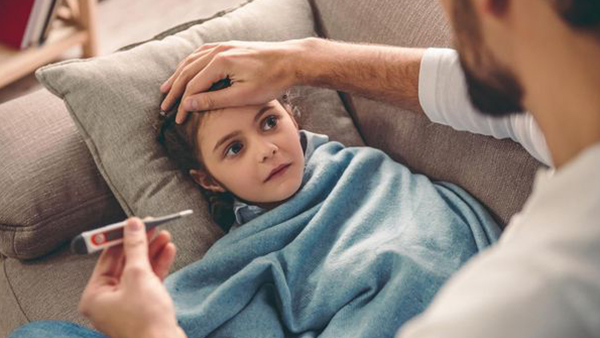
Tips to Avoid Infections – By Dr. Medhat Abu-Shaaban, Pediatrician in Dubai
As a pediatrician serving families across Dubai for many years, I have witnessed firsthand how infections can impact children’s health, development, and quality of life. At myPediaClinic, we believe that prevention is always better than cure, and empowering parents with knowledge about infection prevention is one of the most effective ways to keep children healthy. In this comprehensive guide, I will share evidence-based strategies that families can implement to reduce the risk of infections in their children, strengthen their immune systems naturally, and navigate illness seasons with confidence.
Children are particularly susceptible to infections for several reasons. Their immune systems are still developing and learning to recognize and fight various pathogens. They are in close contact with other children in schools, nurseries, and play areas where germs spread easily. Young children also tend to touch their faces frequently and may not have fully developed hygiene habits. Understanding these factors helps us develop targeted strategies to protect our children while supporting their healthy development. Let me share the insights I have gathered throughout my career as a pediatrician in Dubai, helping countless families navigate the challenges of keeping their children healthy.
Understanding How Infections Spread in Children
Before we can effectively prevent infections, we must understand how they spread. Infections are caused by microscopic organisms including bacteria, viruses, fungi, and parasites. These pathogens can enter the body through various routes, and understanding these transmission pathways is essential for implementing effective prevention measures.
Respiratory Transmission
Many common childhood infections spread through respiratory droplets released when an infected person coughs, sneezes, talks, or even breathes. These droplets can travel several feet through the air and land on nearby surfaces or be inhaled directly by others. Infections that spread this way include the common cold, influenza, respiratory syncytial virus, chickenpox, measles, and COVID-19.
Children in group settings such as schools and daycare centers are at particularly high risk for respiratory infections because they spend extended periods in close proximity to other children in enclosed spaces. The air in these environments can become saturated with respiratory droplets, especially during cold months when windows are closed and ventilation is reduced. At myPediaClinic, we often see increases in respiratory infections during the cooler months in Dubai when children spend more time indoors.
Contact Transmission
Direct contact transmission occurs when pathogens spread through physical contact with an infected person. This includes touching infected skin, bodily fluids, or contaminated items. Many skin infections, conjunctivitis, hand-foot-and-mouth disease, and gastrointestinal infections spread through contact transmission.
Indirect contact transmission involves touching contaminated surfaces or objects, known as fomites. Children touch countless surfaces throughout their day, from doorknobs and light switches to toys and electronic devices. If these surfaces are contaminated with pathogens, children can transfer them to their own bodies when they touch their faces, mouths, or eyes. Studies have shown that some viruses can survive on surfaces for hours or even days, making environmental hygiene an important component of infection prevention.
Fecal-Oral Transmission
The fecal-oral route is a major pathway for gastrointestinal infections in children. Pathogens present in stool can contaminate hands, food, water, or surfaces, and enter another person’s body when they consume contaminated food or water or touch their mouth with contaminated hands. Infections spread this way include norovirus, rotavirus, hepatitis A, and various bacterial gastroenteritis.
Young children who are not yet toilet trained and those in daycare settings are at elevated risk for fecal-oral transmission. Proper diaper changing practices, thorough handwashing, and food safety measures are critical for preventing these infections. Understanding these transmission routes helps us target our prevention efforts effectively.
Hand Hygiene: The Foundation of Infection Prevention
Of all the infection prevention measures available, proper hand hygiene stands out as the single most effective strategy. Research consistently demonstrates that regular handwashing significantly reduces the transmission of both respiratory and gastrointestinal infections. Teaching children proper hand hygiene and making it a consistent habit is one of the best investments parents can make in their children’s health.
When to Wash Hands
Children should wash their hands at several key times throughout the day. Before eating or preparing food is essential to prevent ingestion of pathogens. After using the bathroom or having a diaper changed removes fecal bacteria from hands. After blowing the nose, coughing, or sneezing into hands eliminates respiratory secretions. After touching animals, including family pets, prevents transfer of zoonotic pathogens.
Additional important times include after playing outside, after touching garbage or waste materials, after visiting someone who is ill, and after using shared computers, phones, or other devices. Upon arriving home from school, errands, or other outings is also a crucial time for handwashing, as this prevents bringing pathogens from external environments into the home. At myPediaClinic, we encourage families to establish handwashing as a routine part of transitions throughout the day.
Proper Handwashing Technique
Effective handwashing requires more than a quick rinse under water. The proper technique involves wetting hands with clean running water, applying soap, and lathering thoroughly. The friction created during lathering is what loosens and removes pathogens from the skin. All surfaces of the hands should be scrubbed, including the backs of hands, between fingers, under nails, and around the wrists.
The duration of handwashing is crucial. Hands should be scrubbed for at least twenty seconds to effectively remove pathogens. A helpful tip for children is to sing the alphabet song or “Happy Birthday” twice while washing, which takes approximately twenty seconds. After thorough scrubbing, rinse hands well under clean running water and dry with a clean towel or air dryer. If possible, use a paper towel to turn off the faucet and open the bathroom door to avoid recontaminating clean hands.
Teaching Children to Wash Hands Properly
Making handwashing engaging and fun helps children develop this essential habit. Use colorful or scented soaps that appeal to children. Place step stools at sinks so younger children can reach comfortably. Post visual reminders showing the steps of handwashing near sinks. Sing songs or make up games that incorporate the twenty-second scrubbing time.
Model proper handwashing for your children and wash hands together as a family routine. Praise children when they remember to wash their hands without being reminded. Consider using apps or reward charts to track handwashing habits and celebrate consistent compliance. The goal is to make handwashing so routine that children do it automatically at key moments throughout the day.
Hand Sanitizers: When and How to Use Them
Alcohol-based hand sanitizers provide a convenient alternative when soap and water are not readily available. Choose sanitizers containing at least sixty percent alcohol for effectiveness. Apply enough sanitizer to cover all surfaces of the hands and rub until completely dry, which should take about twenty seconds.
While convenient, hand sanitizers have limitations. They are less effective when hands are visibly dirty or greasy. They do not remove all types of germs, including certain viruses like norovirus and bacterial spores. Sanitizers should supplement, not replace, regular handwashing with soap and water. Keep sanitizers out of reach of young children and supervise use to prevent ingestion or eye contact.
Respiratory Hygiene and Cough Etiquette
Teaching children proper respiratory hygiene significantly reduces the spread of airborne infections. When children know how to contain their coughs and sneezes and understand why these practices matter, they become active participants in protecting themselves and others from infection.
Covering Coughs and Sneezes
The traditional advice to cover coughs and sneezes with hands actually increases transmission risk, as contaminated hands then touch surfaces throughout the environment. Instead, teach children to cough or sneeze into their elbow or upper arm, sometimes called the “vampire cough” because of the arm position similar to a vampire hiding behind a cape. This technique contains respiratory droplets without contaminating hands.
Alternatively, children can cough or sneeze into a tissue, which should then be immediately discarded in a waste bin, followed by handwashing or use of hand sanitizer. Keep tissues readily available in areas where children spend time, including bedrooms, common areas, classrooms, and vehicles. Demonstrating and practicing these techniques with your children helps them remember in the moment when they actually need to cough or sneeze.
Using Face Masks Appropriately
Face masks can help reduce respiratory transmission in certain situations, such as when a child is ill and must be around others, during outbreaks of respiratory illness in the community, or as recommended by healthcare providers or public health authorities. Understanding when and how to use masks appropriately maximizes their benefit.
If masks are recommended, ensure they fit properly over both the nose and mouth without gaps. Teach children not to touch the front of the mask while wearing it, and to wash hands before putting on and after removing masks. Disposable masks should be discarded after single use, while reusable masks should be washed regularly. Children under two years of age should not wear masks due to suffocation risk. Consult with the pediatric specialists at myPediaClinic for guidance on mask use for your specific situation.
Strengthening Your Child’s Immune System Naturally
While no approach can guarantee protection from all infections, supporting your child’s immune system through healthy lifestyle practices helps their body respond effectively when exposed to pathogens. A well-functioning immune system can fight off many infections before they cause illness and recover more quickly when illness does occur.
Nutrition for Immune Health
A balanced, nutrient-rich diet provides the building blocks necessary for a healthy immune system. Focus on providing a variety of fruits and vegetables, which supply vitamins, minerals, and antioxidants that support immune function. Vitamin C, found in citrus fruits, berries, peppers, and leafy greens, supports various immune functions. Vitamin A, found in orange and yellow vegetables, eggs, and dairy, is essential for maintaining the integrity of skin and mucous membranes, which serve as the body’s first line of defense against pathogens.
Zinc, found in lean meats, legumes, nuts, and seeds, plays a crucial role in immune cell development and function. Adequate protein intake provides amino acids necessary for building immune cells and antibodies. Include sources such as lean meats, fish, eggs, dairy, legumes, and nuts in your child’s diet. Omega-3 fatty acids, found in fatty fish, walnuts, and flaxseeds, have anti-inflammatory properties that support immune balance.
Limit foods that may impair immune function, including excessive sugar, highly processed foods, and foods with artificial additives. These can promote inflammation and may negatively impact the gut microbiome, which plays an important role in immune health. At myPediaClinic, our team can provide personalized nutrition guidance to support your child’s immune health.
The Role of the Gut Microbiome
The gut microbiome, the community of microorganisms living in the digestive tract, plays a crucial role in immune function. A healthy, diverse microbiome helps educate and regulate the immune system, provides a barrier against pathogenic organisms, and produces compounds that support immune function.
Support your child’s gut health by including probiotic-rich foods such as yogurt with live cultures, kefir, and fermented vegetables. Prebiotic foods, which feed beneficial gut bacteria, include whole grains, bananas, onions, garlic, and legumes. Limiting unnecessary antibiotic use helps preserve the gut microbiome, as antibiotics can disrupt the balance of beneficial bacteria. When antibiotics are necessary, ask your pediatrician about strategies to support gut health during and after treatment.
Sleep and Immune Function
Adequate sleep is essential for a properly functioning immune system. During sleep, the body produces and releases cytokines, proteins that help fight infection and inflammation. Sleep deprivation can decrease the production of these protective proteins and reduce the immune system’s ability to respond to threats.
Children need more sleep than adults, with requirements varying by age. Infants may need fourteen to seventeen hours of sleep per day, toddlers eleven to fourteen hours, preschoolers ten to thirteen hours, school-age children nine to eleven hours, and teenagers eight to ten hours. Establish consistent bedtime routines, maintain regular sleep schedules even on weekends, create a sleep-conducive environment that is dark, quiet, and cool, and limit screen time before bed to support quality sleep.
Physical Activity and Outdoor Play
Regular physical activity supports immune function through multiple mechanisms. Exercise improves circulation, which helps immune cells move through the body more effectively. Physical activity also reduces stress hormones that can suppress immune function and promotes overall health that supports immune resilience.
Encourage daily physical activity appropriate for your child’s age and abilities. Outdoor play offers additional benefits, including exposure to sunlight, which helps the body produce vitamin D, another important nutrient for immune function. In Dubai’s climate, plan outdoor activities for cooler parts of the day and ensure adequate sun protection. The World Health Organization recommends that children and adolescents get at least sixty minutes of moderate to vigorous physical activity daily.
Managing Stress
Chronic stress can suppress immune function in children just as it does in adults. While some stress is a normal part of life, excessive or prolonged stress can take a toll on health. Help children develop healthy coping strategies for managing stress, including talking about feelings, physical activity, creative expression, and relaxation techniques.
Maintain routines that provide structure and predictability, which help children feel secure. Ensure children have adequate time for play and rest, not just structured activities and academic demands. Be attentive to signs that your child may be experiencing excessive stress, and seek support from the professionals at myPediaClinic if needed.
Vaccination: A Cornerstone of Infection Prevention
Vaccines are among the most effective tools available for preventing serious infectious diseases in children. By preparing the immune system to recognize and fight specific pathogens, vaccines provide protection without causing the disease itself. Understanding the importance of vaccination and keeping your child up to date on recommended immunizations is essential for infection prevention.
How Vaccines Work
Vaccines work by introducing a weakened, killed, or partial form of a pathogen, or the instructions for making a component of the pathogen, to the immune system. This allows the immune system to recognize the threat and develop a response, including producing antibodies and training immune cells to fight the specific pathogen. If the vaccinated person is later exposed to the actual disease-causing organism, their immune system can respond quickly and effectively to prevent or minimize illness.
This immune memory is the key to vaccine effectiveness. Once the immune system has learned to recognize a pathogen through vaccination, this protection can last for years or even a lifetime, depending on the vaccine. Some vaccines require booster doses to maintain protection, while others provide long-lasting immunity from the initial series.
Recommended Childhood Vaccinations
The Dubai Health Authority provides vaccination guidelines for children in the UAE, which align with recommendations from the World Health Organization and other international health bodies. Core childhood vaccinations protect against serious diseases including hepatitis B, diphtheria, tetanus, pertussis, polio, Haemophilus influenzae type b, pneumococcal disease, rotavirus, measles, mumps, rubella, varicella, and hepatitis A.
Additional vaccines may be recommended based on your child’s health status, travel plans, or other risk factors. The medical team at myPediaClinic can help you understand which vaccines your child needs and ensure they stay on schedule with their immunizations. We are happy to discuss any questions or concerns you may have about vaccinations.
The Importance of Community Immunity
When a high percentage of a community is vaccinated against a disease, this creates herd immunity or community immunity that helps protect those who cannot be vaccinated, including infants too young for certain vaccines, individuals with certain medical conditions, and those for whom vaccines are not effective. This community protection is particularly important for vulnerable populations and underscores the societal benefit of vaccination.
Maintaining high vaccination rates in the community helps prevent outbreaks of vaccine-preventable diseases and protects those who are most vulnerable. By keeping your child vaccinated, you are not only protecting your own family but also contributing to the health of your community.
Environmental Hygiene: Keeping Germs at Bay
In addition to personal hygiene practices, maintaining clean environments reduces the reservoir of pathogens that children may encounter. This includes both home environments and the settings where children spend time outside the home.
Cleaning and Disinfecting at Home
Regular cleaning removes dirt, germs, and allergens from surfaces. For routine cleaning of most household surfaces, soap and water or all-purpose cleaners are sufficient. Pay particular attention to high-touch surfaces such as doorknobs, light switches, faucet handles, toilet handles, remote controls, and electronic devices.
Disinfecting kills germs on surfaces and is particularly important during illness in the household or during outbreaks in the community. Choose disinfectants appropriate for the surfaces being treated and follow product instructions regarding application and contact time. Allow surfaces to air dry rather than wiping off disinfectant before the recommended contact time has passed.
Regular laundering of towels, bedding, and clothing helps reduce pathogen levels. Wash these items in hot water when possible, especially if someone in the household has been ill. Keep personal care items such as toothbrushes separate to prevent cross-contamination. Ensure adequate ventilation in your home to reduce accumulation of respiratory pathogens in the air.
Food Safety Practices
Foodborne infections are a common cause of gastrointestinal illness in children. Implementing proper food safety practices significantly reduces this risk. Wash hands before handling food and between handling raw and ready-to-eat foods. Keep raw meat, poultry, seafood, and eggs separate from other foods during storage and preparation.
Cook foods to appropriate temperatures to kill harmful bacteria. Use a food thermometer to verify that meat, poultry, and eggs are cooked thoroughly. Refrigerate perishable foods promptly, within two hours of preparation or purchase. Do not serve foods that have been left at room temperature for extended periods or that are past their expiration dates.
Wash fruits and vegetables thoroughly before eating, even if you plan to peel them. Use clean utensils and cutting boards, and sanitize them after contact with raw meat or poultry. These practices help protect your family from foodborne pathogens that can cause serious illness, especially in young children.
Safe Water and Beverages
In Dubai, tap water is generally safe to drink, but bottled water remains a popular choice for many families. Whichever source you choose, ensure your child stays well hydrated, as adequate hydration supports overall health and immune function. Avoid sharing cups, bottles, or straws, which can transfer saliva and the pathogens it may contain.
When traveling to areas where water quality may be uncertain, take appropriate precautions such as drinking only bottled or treated water, avoiding ice unless made from safe water, and using bottled water for brushing teeth. The travel medicine specialists at myPediaClinic can provide destination-specific advice for keeping your family healthy while traveling.
Navigating Illness Seasons
Certain times of year see increased rates of specific infections. Understanding these patterns and taking appropriate precautions can help reduce your child’s risk during peak illness seasons.
Cold and Flu Season
In Dubai, respiratory infections including the common cold and influenza tend to increase during the cooler months, generally from October through March. During this season, reinforce hand hygiene and respiratory etiquette practices. Consider annual influenza vaccination for your child and other family members, which provides protection against the strains expected to circulate each season.
Limit exposure to crowded indoor spaces when respiratory illnesses are circulating heavily in the community. Ensure your child is getting adequate sleep and nutrition to support immune function. If your child becomes ill, keep them home from school or childcare to prevent spreading infection to others, and consult with the pediatric team at myPediaClinic if symptoms are concerning.
Back-to-School Season
The return to school often brings a surge in infections as children from different households mix in classroom settings. Prepare for this transition by ensuring your child’s vaccinations are up to date, reinforcing hygiene practices, and establishing healthy routines for sleep and nutrition.
Pack hand sanitizer in your child’s school bag and remind them of key times to clean their hands throughout the school day. Teach children not to share food, drinks, or personal items with classmates. Consider scheduling a well-child visit at myPediaClinic before the school year begins to address any health concerns and ensure your child is ready for a healthy school year.
Holiday Gatherings and Travel
Holiday seasons often involve gatherings with extended family and friends, as well as travel, both of which can increase infection exposure. When attending gatherings, encourage children to wash their hands frequently. If any family members are ill, consider whether attendance is appropriate or whether the ill person should avoid close contact with young children, elderly family members, or those with compromised immune systems.
Travel, especially by airplane, increases exposure to pathogens from diverse sources. Prepare for travel by ensuring adequate rest before the trip, packing hand sanitizer and disinfecting wipes, and staying hydrated during travel. If traveling internationally, consult with our team about any recommended vaccinations or health precautions for your destination.
Keeping Your Child Healthy When Others Are Sick
When illness circulates in your household or community, additional precautions can help protect children who have not yet become infected.
When a Family Member Is Ill
If someone in your household becomes ill with an infectious disease, try to limit contact between the sick person and other family members, especially young children. If possible, designate one adult to be the primary caregiver for the ill person to minimize the number of people exposed. The ill person should ideally stay in a separate room and use a separate bathroom if available.
Increase cleaning and disinfection of shared spaces, particularly bathrooms and high-touch surfaces. Ensure the ill person covers coughs and sneezes and washes hands frequently. Do not share towels, utensils, cups, or other personal items. Maintain good ventilation by opening windows when weather permits. Continue strict hand hygiene for all family members.
When Illness Is Circulating at School or Childcare
When you learn that a specific illness is circulating at your child’s school or childcare facility, reinforce preventive measures. Review symptoms of the illness so you can recognize early signs in your child. Consider whether any additional precautions are warranted based on the specific illness and your child’s health status.
Monitor your child for symptoms and keep them home at the first sign of illness to prevent spreading infection to others and to allow for rest and recovery. Contact the healthcare team at myPediaClinic for guidance on when to seek medical evaluation and when your child can safely return to school.
What to Do When Your Child Gets Sick
Despite our best prevention efforts, children will occasionally become ill. Knowing how to care for a sick child and when to seek medical attention helps ensure appropriate management and recovery.
Home Care for Common Illnesses
Many common childhood infections can be managed at home with supportive care. Rest is essential for recovery, so allow your child to sleep as much as they need. Maintain hydration by offering fluids frequently, including water, diluted juice, oral rehydration solutions, and for older children, broths and soups. Continue offering food as tolerated, but do not force eating if appetite is diminished.
Manage fever and discomfort with appropriate doses of acetaminophen or ibuprofen based on your child’s age and weight. Do not give aspirin to children due to the risk of Reye’s syndrome. A cool mist humidifier can help with congestion and coughing. Honey can soothe coughs in children over one year of age, but should never be given to infants due to the risk of botulism.
When to Seek Medical Attention
While many illnesses resolve with home care, certain symptoms warrant medical evaluation. Seek prompt medical attention if your child has a fever over 38 degrees Celsius in an infant under three months old, difficulty breathing or rapid breathing, signs of dehydration such as decreased urination, dry mouth, or no tears when crying, severe or persistent headache, stiff neck, rash that does not blanch when pressed, or lethargy or difficulty waking.
Also contact your healthcare provider if symptoms worsen after initially improving, fever persists for more than three days, your child seems unusually ill or you are concerned for any reason. Trust your parental instincts. The experienced pediatric team at myPediaClinic is here to provide guidance and care when your child is unwell.
Preventing Spread to Others
When your child is ill, take steps to prevent spreading the infection to others. Keep sick children home from school, childcare, and activities until they are no longer contagious. The duration varies by illness, so ask your healthcare provider when your child can safely return to normal activities.
Within the home, implement the isolation measures described earlier. Ensure the sick child covers coughs and sneezes and washes hands frequently. Wash linens, towels, and clothing used by the sick child separately and in hot water. Notify the school or childcare facility so other families can watch for symptoms in their children.
Special Considerations for Infection Prevention
Children with Chronic Health Conditions
Children with certain chronic health conditions, including asthma, diabetes, immunodeficiencies, heart disease, and others, may be at higher risk for complications from infections. These children may benefit from additional preventive measures, including stricter attention to hygiene, additional vaccinations, and prompt medical evaluation when illness occurs.
If your child has a chronic health condition, work with the specialists at myPediaClinic to develop a personalized infection prevention plan. This may include specific recommendations for managing illness and when to seek urgent care. Ensure that schools, childcare providers, and other caregivers are aware of your child’s needs and the importance of infection prevention for their health.
Newborns and Young Infants
Newborns and young infants are particularly vulnerable to infections due to their immature immune systems. Infections that are mild in older children can be serious in very young infants. Protect newborns by limiting visitors, especially during flu season, requiring all who handle the baby to wash their hands, keeping the baby away from sick individuals, and staying current on recommended vaccinations for the infant and all household members.
Breastfeeding, when possible, provides antibodies and other immune factors that help protect against infections. If you have a newborn and are concerned about infection risk or symptoms, contact myPediaClinic promptly for guidance, as young infants require careful evaluation when ill.
Frequently Asked Questions About Preventing Infections in Children
What is the most effective way to prevent infections in children?
Proper hand hygiene is the single most effective way to prevent infections in children. Teaching children to wash their hands thoroughly with soap and water for at least twenty seconds at key times throughout the day, such as before eating, after using the bathroom, and after coughing or sneezing, significantly reduces the transmission of both respiratory and gastrointestinal infections. Combining hand hygiene with vaccination and healthy lifestyle habits provides comprehensive protection.
How can I boost my child’s immune system naturally?
Supporting your child’s immune system naturally involves several lifestyle factors. Provide a balanced diet rich in fruits, vegetables, whole grains, and lean proteins to supply essential nutrients for immune function. Ensure adequate sleep appropriate for your child’s age. Encourage regular physical activity and outdoor play. Support gut health with probiotic and prebiotic foods. Manage stress and maintain consistent routines. These practices work together to support optimal immune function.
Should I give my child supplements to prevent infections?
For most healthy children eating a balanced diet, supplements are not necessary for immune health. However, certain supplements may be appropriate in specific situations, such as vitamin D for children with limited sun exposure or iron for children with deficiencies. Before giving any supplements, consult with your pediatrician at myPediaClinic to determine if supplementation is appropriate and to ensure correct dosing for your child’s age and needs.
How long should I keep my sick child home from school?
The duration children should stay home varies by illness. Generally, children should stay home until fever-free for at least twenty-four hours without fever-reducing medication, diarrhea and vomiting have stopped, and they feel well enough to participate in normal activities. Some illnesses have specific exclusion periods. For example, children with chickenpox should stay home until all blisters have crusted over. Consult your pediatrician for guidance on specific illnesses.
Is it normal for children to get sick frequently?
Yes, it is normal for young children to experience multiple infections per year, especially during their first years in group childcare or school. Children may have six to twelve respiratory infections per year, with each illness lasting seven to ten days. This frequency is part of normal immune system development. However, if your child has unusually frequent, severe, or prolonged infections, or infections that require hospitalization, consult with the specialists at myPediaClinic for evaluation.
Can antibiotics prevent infections in children?
Antibiotics are not effective for preventing most infections and should not be used for this purpose. Antibiotics only work against bacterial infections, not viral infections like colds and flu. Using antibiotics unnecessarily contributes to antibiotic resistance, a serious public health concern. In rare circumstances, preventive antibiotics may be prescribed for children with specific medical conditions or exposures, but this should only be done under the guidance of a healthcare provider.
When should I take my child to the doctor for an infection?
Seek medical attention if your child has a fever over 38 degrees Celsius in an infant under three months, difficulty breathing, signs of dehydration, severe headache or stiff neck, rash that does not blanch, unusual lethargy, symptoms that worsen after improving, or if you are concerned for any reason. For older children with mild symptoms, home care may be appropriate, but trust your instincts and contact myPediaClinic if you feel something is not right.
How important is ventilation for preventing respiratory infections?
Adequate ventilation is important for reducing respiratory infection transmission, especially in indoor spaces. Good ventilation dilutes the concentration of infectious particles in the air. When possible, open windows to allow fresh air circulation. Use air filtration systems with HEPA filters to remove airborne particles. In Dubai’s climate, balance the need for ventilation with comfort considerations, utilizing mechanical ventilation systems when outdoor conditions are extreme.
Should my child avoid playing with other children to prevent infections?
Social interaction is important for children’s development and should not be avoided entirely out of fear of infection. Instead, teach children good hygiene practices, ensure vaccinations are current, encourage outdoor play where infection risk is lower, and avoid close contact with children who are actively ill. Occasional infections are a normal part of childhood and help develop the immune system. Focus on prevention strategies rather than isolation.
What role does sleep play in preventing infections?
Sleep is crucial for immune function. During sleep, the body produces cytokines and other immune factors that help fight infection. Sleep deprivation can impair immune responses and increase susceptibility to infections. Children need more sleep than adults, with requirements varying by age from fourteen to seventeen hours for infants to eight to ten hours for teenagers. Establishing consistent sleep routines supports both immune health and overall wellbeing.
Conclusion: Building Healthy Habits for a Lifetime
Preventing infections in children is not about creating a sterile environment or avoiding all exposure to germs. Rather, it is about teaching healthy habits, supporting immune function through lifestyle practices, utilizing the protection offered by vaccinations, and knowing when and how to seek appropriate medical care. The habits children learn now will serve them throughout their lives, contributing to better health outcomes well into adulthood.
At myPediaClinic, we are committed to partnering with Dubai families to keep children healthy and thriving. Prevention is at the core of pediatric care, and we are here to provide the education, support, and medical expertise you need to protect your children from preventable infections while nurturing their growth and development.
I hope these insights from my years of experience as a pediatrician help you feel more confident in protecting your children from infections. Remember that perfect prevention is not possible, and occasional illnesses are a normal part of childhood. What matters is that we do our best to minimize risk and respond appropriately when illness does occur.
Protect Your Child’s Health with myPediaClinic
At myPediaClinic in Dubai, our experienced team of pediatric specialists is dedicated to keeping your children healthy through comprehensive preventive care, timely vaccinations, and expert treatment when illness occurs. Whether you need guidance on infection prevention strategies, vaccination schedules, or care for a sick child, we are here to support your family every step of the way.
Schedule an appointment today to discuss your child’s health needs with our caring team. Contact myPediaClinic to experience the exceptional pediatric care that Dubai families trust.