

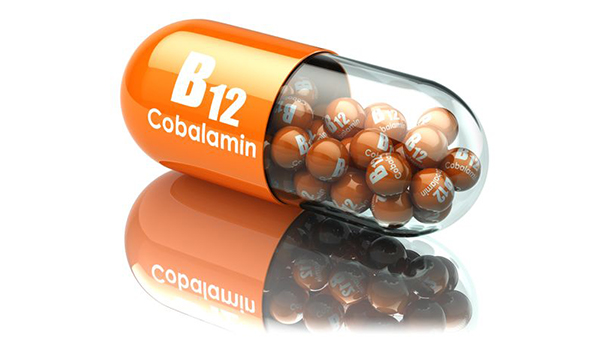
Vitamin B12 Deficiency in Children: Complete Guide for Parents in Dubai
Is your child constantly tired, irritable, or struggling to concentrate at school? Have you noticed pale skin, unusual weakness, or developmental delays that concern you? These could be signs of vitamin B12 deficiency—a condition that’s more common in children than many parents realize, especially in the UAE.
Vitamin B12 is essential for your child’s brain development, nerve function, and the production of healthy red blood cells. When children don’t get enough of this crucial vitamin, the consequences can affect everything from their energy levels to their cognitive development and long-term health.
At myPediaClinic in Dubai Healthcare City, our experienced pediatricians, including Dr. Medhat Abu-Shaaban, regularly diagnose and treat vitamin B12 deficiency in children. This comprehensive guide explains everything Dubai parents need to know about this important nutritional issue.
What Is Vitamin B12 and Why Is It Important for Children?
Vitamin B12, also known as cobalamin, is a water-soluble vitamin that plays several critical roles in your child’s body. Unlike some vitamins that the body can produce on its own, B12 must come from food or supplements.
Essential Functions of Vitamin B12
Vitamin B12 is involved in numerous vital processes:
- Red blood cell formation: B12 helps produce healthy red blood cells that carry oxygen throughout the body
- Nervous system development: Essential for the development and maintenance of the myelin sheath that protects nerves
- Brain function: Supports cognitive development, memory, and concentration
- DNA synthesis: Required for proper cell division and growth
- Energy production: Helps convert food into usable energy
- Mood regulation: Plays a role in producing neurotransmitters that affect mood
For growing children, adequate B12 is particularly crucial because their brains and nervous systems are still developing. Deficiency during these critical years can have lasting effects.
Signs and Symptoms of Vitamin B12 Deficiency in Children
B12 deficiency can develop gradually, and early symptoms are often subtle. Parents should watch for the following signs:
Physical Symptoms
- Persistent fatigue and weakness
- Pale or yellowish skin
- Shortness of breath during normal activities
- Dizziness or lightheadedness
- Tingling or numbness in hands and feet
- Smooth, red, or sore tongue
- Mouth ulcers
- Poor appetite and weight loss
- Frequent infections
Neurological and Behavioral Symptoms
- Difficulty concentrating
- Memory problems
- Irritability and mood changes
- Developmental delays
- Poor balance and coordination
- Delayed motor skills
- Sleep disturbances
- Depression or anxiety in older children
Symptoms in Infants and Toddlers
In very young children, B12 deficiency may present differently:
- Failure to thrive
- Developmental regression (losing skills they had acquired)
- Poor feeding
- Lethargy or unusual sleepiness
- Hypotonia (low muscle tone)
- Delayed milestones (sitting, crawling, walking)
- Tremors or involuntary movements
What Causes Vitamin B12 Deficiency in Children?
Understanding the causes helps parents take preventive measures and identify at-risk children.
Dietary Causes
Vegetarian and Vegan Diets: B12 is found almost exclusively in animal products. Children following strict vegetarian or vegan diets without proper supplementation are at high risk for deficiency.
Picky Eating: Children who refuse meat, eggs, dairy, or fish may not get enough B12 from their diet alone.
Limited Diet Variety: Diets that rely heavily on processed foods or lack animal products can lead to deficiency.
Absorption Problems
Even when children eat enough B12-rich foods, their bodies may not absorb it properly due to:
- Celiac disease: Damages the intestinal lining and impairs absorption
- Crohn’s disease: Inflammation affects nutrient absorption
- Intestinal infections: Parasites or bacterial overgrowth can interfere with B12 absorption
- Stomach conditions: Low stomach acid or gastric issues affect B12 release from food
- Genetic disorders: Some children have inherited conditions affecting B12 metabolism
Maternal Deficiency
Breastfed infants of mothers with B12 deficiency are at significant risk. If a mother is deficient during pregnancy or breastfeeding, her baby may not receive adequate B12, even with exclusive breastfeeding.
Medications
Certain medications can interfere with B12 absorption:
- Proton pump inhibitors (PPIs) for acid reflux
- Metformin (for diabetes)
- Some antibiotics with prolonged use
- Anti-seizure medications
Diagnosing Vitamin B12 Deficiency
At myPediaClinic, we use comprehensive testing to accurately diagnose B12 deficiency.
Blood Tests
Serum B12 Level: The primary test measures the amount of B12 in the blood. Levels below 200 pg/mL generally indicate deficiency.
Complete Blood Count (CBC): Reveals if there’s anemia, including the characteristic large red blood cells (macrocytic anemia) seen in B12 deficiency.
Methylmalonic Acid (MMA): Elevated MMA levels can detect deficiency even when serum B12 appears normal.
Homocysteine: High levels may indicate B12 or folate deficiency.
Additional Tests
Depending on the suspected cause, additional testing may include:
- Intrinsic factor antibodies (to check for pernicious anemia)
- Celiac disease screening
- Stool tests for parasites
- Genetic testing for metabolic disorders
Treatment of Vitamin B12 Deficiency in Children
Treatment depends on the severity of deficiency and its underlying cause.
Oral Supplements
For mild deficiency caused by dietary factors, oral B12 supplements are usually effective. These come in various forms:
- Chewable tablets (popular with children)
- Liquid drops
- Sublingual (under-the-tongue) tablets
- Gummies
Dosage varies based on age, severity, and cause of deficiency. Our pediatricians will determine the appropriate dose for your child.
Vitamin B12 Injections
In cases of severe deficiency or absorption problems, B12 injections may be necessary. These bypass the digestive system and deliver B12 directly into the bloodstream.
Injection schedules typically start with more frequent doses (daily or weekly) and then transition to monthly maintenance injections.
Dietary Changes
Alongside supplementation, we recommend increasing dietary B12 through foods such as:
- Meat (beef, lamb, chicken)
- Fish (salmon, tuna, sardines)
- Eggs
- Dairy products (milk, cheese, yogurt)
- Fortified cereals and plant milks
Treating Underlying Conditions
If an underlying condition is causing malabsorption, treating that condition is essential for long-term management.
Foods Rich in Vitamin B12 for Children
Prevention is always better than treatment. Here are the best dietary sources of B12:
Animal Sources (Highest B12 Content)
| Food | B12 per Serving |
|---|---|
| Beef liver (3 oz) | 70.7 mcg |
| Clams (3 oz) | 84.1 mcg |
| Salmon (3 oz) | 4.8 mcg |
| Beef (3 oz) | 1.4 mcg |
| Milk (1 cup) | 1.2 mcg |
| Yogurt (1 cup) | 1.1 mcg |
| Eggs (1 large) | 0.6 mcg |
| Chicken (3 oz) | 0.3 mcg |
Fortified Foods
For children who eat limited animal products, fortified foods can help:
- Fortified breakfast cereals
- Fortified plant-based milks (soy, almond, oat)
- Fortified nutritional yeast
- Some fortified breads
Daily B12 Requirements for Children
| Age | Recommended Daily Amount |
|---|---|
| 0-6 months | 0.4 mcg |
| 7-12 months | 0.5 mcg |
| 1-3 years | 0.9 mcg |
| 4-8 years | 1.2 mcg |
| 9-13 years | 1.8 mcg |
| 14+ years | 2.4 mcg |
Long-Term Effects of Untreated B12 Deficiency
Left untreated, B12 deficiency can cause serious and sometimes irreversible damage:
Neurological Damage
The nervous system is particularly vulnerable. Prolonged deficiency can cause:
- Permanent nerve damage
- Cognitive impairment
- Movement disorders
- Vision problems
Developmental Delays
In young children, severe B12 deficiency can lead to:
- Delayed speech and language development
- Motor skill delays
- Learning difficulties
- Social development issues
Anemia Complications
Severe anemia from B12 deficiency can affect:
- Heart function
- Physical growth
- Immune function
- Overall energy and quality of life
The good news is that early detection and treatment can prevent most of these complications and often reverse symptoms.
B12 Deficiency in Vegetarian and Vegan Children
With more families in Dubai choosing plant-based diets, B12 supplementation is crucial for vegetarian and vegan children.
Why Plant-Based Diets Lack B12
Vitamin B12 is produced by bacteria and is found naturally only in animal products. Plants don’t contain B12 unless they’re fortified. Common misconceptions include:
- Myth: Spirulina and seaweed provide B12
- Truth: These contain B12 analogs that aren’t usable by the body and may actually interfere with B12 absorption
Supplementation for Vegetarian/Vegan Children
All children on strict plant-based diets should take B12 supplements. Options include:
- Daily low-dose supplements
- Weekly higher-dose supplements
- Fortified foods consumed daily
Regular monitoring through blood tests is essential to ensure adequate levels.
When to See a Pediatrician in Dubai
Consult a pediatrician at myPediaClinic if your child shows:
- Persistent fatigue that doesn’t improve with rest
- Pale skin or yellowing of the skin/eyes
- Developmental delays or regression
- Numbness or tingling in extremities
- Unexplained behavioral changes
- Poor growth or failure to thrive
- Any neurological symptoms
Early intervention is key—don’t wait for symptoms to become severe.
Prevention: Ensuring Your Child Gets Enough B12
For Omnivore Children
- Include animal products in their diet regularly
- Offer variety: meat, fish, eggs, and dairy
- Don’t restrict these foods unless medically necessary
For Vegetarian/Vegan Children
- Give B12 supplements consistently
- Include fortified foods daily
- Get regular blood tests to monitor levels
- Work with a pediatrician or nutritionist
For Breastfeeding Mothers
- Ensure adequate B12 intake through diet or supplements
- Get tested if following a vegetarian/vegan diet
- Consider supplementing your breastfed baby if you’re at risk
Vitamin B12 Testing at myPediaClinic Dubai
At myPediaClinic in Dubai Healthcare City, we offer comprehensive nutritional assessments including:
- Vitamin B12 blood testing
- Complete blood count
- Additional metabolic markers when needed
- Dietary counseling and supplementation guidance
- Follow-up monitoring
Our pediatricians, including Dr. Medhat Abu-Shaaban, have extensive experience diagnosing and treating nutritional deficiencies in children of all ages.
Frequently Asked Questions About Vitamin B12 Deficiency in Children
How common is vitamin B12 deficiency in children?
B12 deficiency is relatively common, especially in children following vegetarian or vegan diets, those with absorption issues, and breastfed infants of deficient mothers. Studies suggest up to 40% of people may have suboptimal B12 levels.
Can my child get too much vitamin B12?
B12 is water-soluble, meaning excess amounts are typically excreted in urine. Toxicity from B12 is extremely rare, making it one of the safer vitamins to supplement. However, you should still follow your pediatrician’s dosing recommendations.
How long does it take to correct B12 deficiency?
With proper treatment, blood levels typically improve within a few weeks. However, neurological symptoms may take several months to fully resolve. Some nerve damage from prolonged deficiency may be permanent, which is why early treatment is important.
Should all children take B12 supplements?
Children who eat a varied diet including animal products generally don’t need supplements. However, vegetarian and vegan children, those with absorption issues, and children taking certain medications should take B12 supplements.
Can B12 deficiency affect my child’s school performance?
Yes. B12 deficiency can impair concentration, memory, and cognitive function, all of which affect learning and school performance. Many children show improvement in these areas once their B12 levels are normalized.
What’s the difference between B12 deficiency and iron deficiency anemia?
Both can cause anemia and fatigue, but B12 deficiency causes larger-than-normal red blood cells (macrocytic anemia) while iron deficiency causes smaller-than-normal cells (microcytic anemia). B12 deficiency also affects the nervous system in ways iron deficiency does not.
Is B12 deficiency hereditary?
While B12 deficiency itself isn’t hereditary, some conditions that cause it are. Certain genetic disorders affecting B12 absorption or metabolism can run in families. Additionally, dietary habits that lead to deficiency may be passed through family food cultures.
Can my child’s picky eating cause B12 deficiency?
Yes, if your child refuses all animal products (meat, eggs, dairy, fish), they’re at risk for B12 deficiency. Work with your pediatrician to develop strategies to either expand your child’s diet or supplement appropriately.
How do I know if my breastfed baby is getting enough B12?
Watch for signs like poor feeding, lethargy, developmental delays, or failure to thrive. If you’re vegetarian, vegan, or have had gastric surgery, get your own B12 levels tested and consider supplementing yourself or your baby.
Are there any side effects of B12 injections for children?
B12 injections are generally very safe. Some children may experience mild pain or redness at the injection site. Serious side effects are extremely rare. The benefits of treating deficiency far outweigh any minimal risks.
Can B12 deficiency cause behavioral problems in children?
Yes. B12 deficiency can cause irritability, mood swings, depression, and behavioral changes. Some children may be misdiagnosed with behavioral disorders when the underlying issue is nutritional deficiency.
How often should my child’s B12 levels be tested?
For children at risk (vegetarian/vegan diets, absorption issues), testing every 6-12 months is recommended. Children being treated for deficiency may need more frequent monitoring initially. Ask your pediatrician for a personalized schedule.
What foods can I give my child to boost B12 naturally?
The best natural sources are animal products: meat (especially liver), fish, eggs, and dairy products. For children who don’t eat these, fortified cereals and plant milks can help, but supplementation is usually still necessary.
Can B12 deficiency cause growth problems?
Yes. Severe B12 deficiency can affect growth and development in children. The vitamin is essential for cell division and DNA synthesis, both of which are crucial for normal growth.
Is it safe to give my child B12 supplements without a doctor’s advice?
While B12 is generally safe, it’s best to consult a pediatrician before starting supplements. They can test your child’s levels, determine the appropriate dose, and identify any underlying conditions that need to be addressed.
If you’re concerned about your child’s vitamin B12 status or nutritional health, the pediatric team at myPediaClinic in Dubai is here to help. Early detection and proper management can ensure your child grows and develops optimally.