

Tongue Tie Surgery in Dubai: Complete Pre, During, and Post-Procedure Guide for Parents
Has your baby been diagnosed with tongue tie and scheduled for a frenectomy? Are you wondering how to prepare your child for the procedure and what to expect during recovery? At myPediaClinic in Dubai Healthcare City, we perform tongue tie release procedures and provide comprehensive guidance to help families navigate this common treatment.
Dr. Yasmin Kottait, our pediatric dentist, works closely with Dr. Medhat Abu-Shaaban, our award-winning pediatrician in Dubai, to provide coordinated care for babies and children with tongue tie. This comprehensive guide covers everything parents in Dubai need to know about preparing for tongue tie surgery, what happens during the procedure, and how to ensure successful healing afterward.
Understanding Tongue Tie (Ankyloglossia)
Before discussing the procedure, it helps to understand what tongue tie is and why treatment may be recommended.
What Is Tongue Tie?
Tongue tie, medically known as ankyloglossia, is a condition present at birth where:
- Restricted movement: The tongue cannot move freely
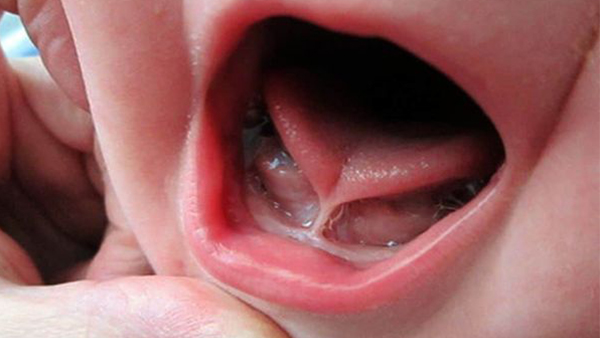
- Short frenulum: The tissue connecting the tongue to the mouth floor is too tight or thick
- Limited range: The tongue cannot extend, lift, or move side to side normally
- Various severities: Can range from mild restriction to severe limitation
- Common condition: Affects approximately 4-11% of newborns
Signs of Tongue Tie in Babies
Common indicators include:
- Breastfeeding difficulties: Poor latch, painful nursing for mother
- Ineffective feeding: Baby tires quickly during feeds
- Poor weight gain: Not gaining weight appropriately
- Clicking sounds: During breastfeeding or bottle feeding
- Heart-shaped tongue: When tongue is extended
- Tongue cannot lift: Stays low in the mouth
- Gagging or choking: During feeds
- Excessive drooling: Beyond normal infant drooling
Signs in Older Children
If untreated, tongue tie can cause problems in older children:
- Speech difficulties: Trouble with certain sounds
- Eating problems: Difficulty with solid foods
- Dental issues: Gaps between teeth, gum recession
- Social concerns: Cannot stick tongue out, lick ice cream
- Oral hygiene challenges: Cannot clean teeth with tongue
Why Treatment Is Recommended
Tongue tie release (frenectomy) is recommended when:
- Breastfeeding is significantly affected
- Baby is not gaining weight properly
- Mother experiences ongoing nipple pain
- Speech development is impacted in older children
- Dental or orthodontic problems are developing
- Quality of life is affected
Pre-Surgery Preparation
Proper preparation helps ensure a smooth procedure and optimal outcomes. Here is what parents in Dubai need to know before their child’s tongue tie surgery.
Fasting Requirements
Fasting before the procedure is important for safety:
- Minimum fasting period: 3 to 4 hours before the procedure
- Age adjustments: Duration may vary based on child’s age
- Clear guidance: Your care team will provide specific instructions
- Breastfeeding timing: Plan the last feed accordingly
- Formula feeding: Same fasting guidelines apply
Pain Management Before Surgery
Proactive pain management helps your child:
- Pre-medication: Administering pain medication before the procedure can help minimize discomfort
- Type of medication: Your doctor will recommend appropriate options
- Timing: Usually given 30-60 minutes before procedure
- Dosage: Based on child’s age and weight
- Follow instructions: Take exactly as directed by your care team
What to Bring to the Appointment
Comfort items can help your child feel secure:
- Favorite blanket: Something familiar and comforting
- Beloved toy: A special stuffed animal or toy
- Pacifier: If your baby uses one
- Comfort items: Anything that soothes your child
- Change of clothes: In case of drooling or spitting
- Feeding supplies: For after the procedure
Preparing Yourself as a Parent
- Understand the procedure: Ask questions at pre-procedure consultation
- Know what to expect: Reduces anxiety for you and baby
- Plan for after: Arrange for quiet time at home post-procedure
- Learn post-care: Review exercises before the day of surgery
- Arrange help: Have support available at home
During the Tongue Tie Surgery
Understanding what happens during the procedure helps parents feel more prepared and confident.
Types of Frenectomy Procedures
Different techniques may be used:
- Laser frenectomy: Uses laser to release the tissue
- Surgical scissors: Traditional cutting technique
- Electrocautery: Uses heat to release and seal tissue
- Choice depends on: Age, severity, provider preference
What to Expect
During the procedure:
- Quick procedure: Usually takes only a few minutes
- Minimal blood: Frenulum has limited blood supply
- Numbing: Local anesthesia may be used for older children
- For infants: Procedure is quick; babies often feed immediately after
- Parent presence: Depends on procedure and provider preference
Comfort Measures During Procedure
- Comfort items present: Blanket or toy nearby
- Calming environment: Quiet, reassuring atmosphere
- Experienced team: Skilled in pediatric procedures
- Brief separation: If parent cannot be present, it is short
- Immediate reunion: Back with parent quickly after
Immediately After
- Feeding encouraged: Babies often nurse or bottle feed right away
- Comfort nursing: Helps soothe and promotes healing
- Observation: Brief monitoring for any concerns
- Instructions reviewed: Post-care explained before leaving
- Follow-up scheduled: Appointment set for healing check
Post-Surgery Care: The Critical Phase
Post-operative care is essential for successful outcomes. The exercises and wound care you provide directly affect healing and prevent reattachment.
Why Post-Care Is So Important
Stretching and massaging represent the most critical post-operative steps:
- Prevents reattachment: Tissue can rejoin if not properly managed
- Promotes mobility: Maintains the release achieved by surgery
- Ensures success: Determines long-term outcome
- Parent responsibility: Done at home between appointments
- Temporary commitment: Usually needed for 4-6 weeks
Stretching and Massage Protocol
Critical guidelines for post-operative exercises:
- Frequency: Perform regularly throughout the day
- No long gaps: Avoid gaps exceeding 6 hours to prevent tissue reattachment
- Nighttime: May need to wake once at night initially
- Technique: Gently lift tongue and sweep under the site
- Duration: Each session lasts only seconds
- Consistency: More important than duration of each session
Products to Aid Healing
For enhanced healing, the protocol suggests:
- Gengigel: Helps promote wound healing
- Coconut oil: Natural antimicrobial properties
- Clean hands: Always wash before touching the area
- Finger cots: May help with hygiene during exercises
What the Wound Looks Like
Normal healing progression:
- Day 1-3: White or yellow patch under tongue (normal)
- Appearance: May look like a canker sore or ulcer
- Not infection: White/yellow color is healing tissue, not pus
- Gradual improvement: Size decreases over time
- Full healing: Usually complete within 2-3 weeks
Pain Management After Surgery
Managing discomfort helps your child and makes exercises easier to perform.
Expected Discomfort
- Varies by age: Newborns often recover very quickly
- Peak discomfort: Usually first 24-48 hours
- During exercises: Brief discomfort is normal
- Fussiness: Some increase in fussiness is expected
- Feeding changes: May temporarily affect feeding pattern
Pain Relief Options
- Infant pain relievers: As recommended by your doctor
- Timing: Before exercises can help
- Cold therapy: Cool (not frozen) items may soothe
- Breastfeeding: Natural comfort and pain relief
- Skin-to-skin: Calming for babies
When to Contact Your Doctor
Contact the clinic if you notice:
- Excessive bleeding: More than slight blood
- Fever: Temperature above 38°C (100.4°F)
- Refusal to feed: Not eating for extended period
- Signs of infection: Increasing redness, swelling, or discharge
- Breathing difficulty: Any respiratory concerns
- Severe pain: Inconsolable distress
Feeding After Tongue Tie Release
Many parents are eager to see improvement in feeding. Here is what to expect.
Breastfeeding After Frenectomy
- Immediate feeding: Usually possible right after procedure
- Initial adjustment: Baby may need to relearn latch
- Varied timeline: Some improve immediately, others gradually
- Patience needed: Allow time for new tongue movement patterns
- Lactation support: May be helpful during transition
What to Expect
- First week: May see gradual improvement
- Relearning: Baby adjusting to increased tongue mobility
- Mother’s adjustment: Nipple soreness may initially continue
- Support available: Lactation consultants can help
- Long-term improvement: Most see significant improvement over weeks
Bottle Feeding Considerations
- Easier transition: Often faster improvement with bottles
- Pace feeding: May help baby adjust
- Flow rate: Consider adjusting nipple flow
- Less air intake: Often seen post-procedure
Recovery Timeline
Understanding the typical recovery helps parents know what to expect.
First 24-48 Hours
- Mild discomfort and fussiness
- White/yellow patch under tongue (normal)
- Start stretching exercises as instructed
- Feed frequently if breastfeeding
- Pain medication as needed
First Week
- Continue regular stretching exercises
- Wound site continues healing
- Feeding may be improving
- Fussiness typically decreasing
- Follow-up appointment often scheduled
Weeks 2-4
- Significant healing of wound site
- Stretching exercises continue
- Feeding improvements more apparent
- Wound site less visible
- Exercises may become easier
4-6 Weeks and Beyond
- Wound fully healed
- Exercises may taper off (per provider guidance)
- Full benefits of procedure realized
- Speech improvements (if applicable) begin
- Long-term follow-up as needed
Common Concerns After Surgery
Parents often have questions about what is normal during recovery.
Is Reattachment Common?
- Can occur: If stretching exercises are not done properly
- Prevention: Regular, consistent exercises are key
- Signs: Decreasing tongue mobility, return of feeding issues
- Treatment: Repeat procedure may be needed in some cases
- Success rate: High when post-care is followed correctly
Scar Tissue Formation
- Normal part of healing: Some scar tissue is expected
- Exercises help: Stretching keeps tissue flexible
- Massage benefits: Helps manage scar tissue
- Long-term: Usually softens and becomes less noticeable
Feeding Not Improving
- Give time: Improvement can be gradual
- Lactation support: May need additional help
- Other issues: May be additional factors affecting feeding
- Follow-up: Discuss concerns at appointments
- Patience: Some babies need weeks to adjust
Long-Term Outcomes After Tongue Tie Release
Understanding what to expect long-term helps parents appreciate the benefits of the procedure.
Breastfeeding Improvements
Most families see significant improvements in breastfeeding after successful tongue tie release:
- Better latch: Baby can achieve deeper, more effective latch
- Less pain for mother: Improved latch reduces nipple pain
- More efficient feeds: Baby transfers milk more effectively
- Improved weight gain: Better nutrition leads to healthy growth
- Longer breastfeeding: Families often continue breastfeeding longer
- Reduced supplementation: May no longer need formula supplementation
Speech Development
For older children treated for tongue tie, speech benefits may include:
- Clearer articulation: Improved pronunciation of certain sounds
- Easier speech: Less effort required for speaking
- Confidence: Children feel more comfortable speaking
- Therapy success: Better response to speech therapy if needed
- Social benefits: Easier communication with peers
Dental and Oral Health
Tongue tie release can support dental health:
- Proper tongue posture: Tongue can rest correctly in the mouth
- Palate development: Normal tongue pressure supports palate growth
- Dental spacing: May help prevent some orthodontic issues
- Oral hygiene: Tongue can properly clean teeth and mouth
- Gum health: Reduces risk of gum recession from tied tongue
Quality of Life Benefits
- Normal eating: Can lick ice cream, manage various food textures
- Self-expression: Can stick out tongue for silly photos or expressions
- Musical instruments: Better ability to play wind instruments
- Confidence: No limitation on normal tongue activities
Choosing the Right Provider in Dubai
Selecting an experienced provider is essential for successful tongue tie treatment.
What to Look For
- Pediatric experience: Provider specializing in treating babies and children
- Tongue tie expertise: Specific training and experience with frenectomy
- Comprehensive approach: Thorough evaluation before recommending treatment
- Post-care guidance: Detailed instructions for home exercises
- Follow-up care: Appointments to monitor healing
- Lactation coordination: Working with breastfeeding support
Why myPediaClinic for Tongue Tie Treatment
At myPediaClinic in Dubai Healthcare City, we offer advantages for tongue tie treatment:
- Pediatric specialists: Dr. Yasmin Kottait has extensive experience with pediatric procedures
- Integrated care: Coordination with pediatric medicine under Dr. Medhat Abu-Shaaban
- Child-friendly environment: Designed to minimize stress for babies and parents
- Comprehensive guidance: Thorough pre and post-operative education
- Follow-up support: Monitoring of healing and outcomes
- Lactation referrals: Connections to breastfeeding support as needed
Tips for Tongue Tie Surgery Success
Parents can take steps to optimize outcomes for their child’s tongue tie procedure.
Before the Procedure
- Learn the exercises: Practice the stretching technique before surgery day
- Prepare supplies: Have pain medication, healing aids ready at home
- Arrange support: Have help available for the first few days
- Lactation consultation: Meet with lactation support before procedure if breastfeeding
- Ask questions: Get all concerns addressed at pre-procedure consultation
After the Procedure
- Prioritize exercises: Set reminders to ensure consistent stretching
- Make exercises positive: Stay calm and use soothing techniques
- Document progress: Take photos of the wound site to track healing
- Attend follow-ups: Keep all scheduled appointments
- Communicate concerns: Contact the clinic with any worries
- Be patient: Allow time for full benefits to appear
Supporting Breastfeeding Recovery
- Frequent nursing: Offer breast often in the first days
- Skin-to-skin: Promotes bonding and feeding
- Lactation support: Work with a consultant to optimize latch
- Pump if needed: Maintain supply while baby adjusts
- Be patient: Latch improvement may be gradual
Frequently Asked Questions About Tongue Tie Surgery
How long does tongue tie surgery take?
The actual frenectomy procedure is very quick, typically lasting only a few minutes. The total appointment time will be longer to allow for preparation, comfort measures, and post-procedure instructions. At myPediaClinic in Dubai, we ensure thorough preparation and post-care education while keeping the procedure itself brief to minimize stress for your baby.
Does tongue tie surgery hurt my baby?
Newborns have minimal nerve endings in the frenulum, so very young babies often tolerate the procedure well and can nurse immediately afterward. Older children may require local anesthesia for comfort. Some discomfort is expected during healing and during stretching exercises, but this is typically manageable with appropriate pain relief. Most babies return to normal feeding behavior within days.
How do I know if my baby’s tongue tie is reattaching?
Signs of reattachment include decreasing tongue mobility, return of feeding difficulties that had improved, and the wound site appearing to close over with tissue. Consistent stretching exercises as instructed by your care team at myPediaClinic are the best prevention. If you suspect reattachment, contact us promptly for evaluation. Catching it early makes management easier.
What if I cannot do the stretching exercises every 4-6 hours?
Consistency with stretching exercises is crucial for preventing reattachment. While occasional missed exercises may not cause problems, regular gaps exceeding 6 hours significantly increase reattachment risk. If you have concerns about maintaining the schedule, discuss with your care team at myPediaClinic. We can help troubleshoot barriers and ensure you have the support needed for your baby’s successful recovery.
When will breastfeeding improve after tongue tie release?
Improvement timeline varies. Some babies latch and feed better immediately after the procedure. Others need days to weeks to adjust to their new tongue mobility. Factors affecting timeline include the baby’s age, severity of the original tie, and whether there are other feeding issues. Lactation support can be very helpful during this transition. At myPediaClinic in Dubai, we coordinate with lactation consultants to support breastfeeding success.
At what age can tongue tie be treated?
Tongue tie can be treated at any age, from newborn through adulthood. For babies having breastfeeding difficulties, earlier treatment (within the first weeks of life) often leads to quicker improvement in feeding. However, the procedure can be performed on older infants, toddlers, and children as well. Older children may have the procedure for speech or dental reasons. At myPediaClinic in Dubai Healthcare City, we evaluate each child individually to determine the optimal timing for treatment.
What are the risks of tongue tie surgery?
Frenectomy is a low-risk procedure. Possible complications include minor bleeding (usually stops quickly), infection (rare with proper care), reattachment (prevented by consistent stretching exercises), and temporary feeding changes during healing. Serious complications are very rare. Our experienced pediatric team at myPediaClinic takes precautions to minimize all risks and provides thorough post-care instructions to support optimal healing.
Can tongue tie come back after surgery?
Tongue tie does not technically grow back, but the wound can heal in a way that restricts tongue movement if proper stretching exercises are not performed. This is called reattachment and is the main reason post-care exercises are so important. Following the stretching protocol exactly as instructed significantly reduces this risk. If reattachment does occur, a repeat procedure may be needed.
Should I see a lactation consultant before or after the procedure?
Both can be beneficial. Seeing a lactation consultant before the procedure helps establish a baseline assessment of feeding challenges and can confirm that tongue tie is contributing to difficulties. After the procedure, lactation support helps optimize latch as your baby learns to use their newly freed tongue. At myPediaClinic in Dubai, we can coordinate with lactation consultants to provide comprehensive support throughout your breastfeeding journey.
How do I know if my baby needs tongue tie surgery versus just monitoring?
Not all tongue ties require treatment. Surgery is typically recommended when the tongue tie is causing significant functional problems such as breastfeeding difficulties, poor weight gain, or persistent maternal nipple pain. At myPediaClinic in Dubai Healthcare City, we perform a thorough evaluation including assessment of feeding, tongue mobility, and overall impact on the baby and mother. We discuss all options with parents and only recommend surgery when it is likely to benefit your child.
What happens during the follow-up appointments?
Follow-up appointments allow us to assess wound healing, evaluate tongue mobility, review and refine stretching technique if needed, and answer any questions or concerns. We check for signs of reattachment and ensure the procedure site is healing properly. For breastfeeding babies, we may observe a feeding to assess progress. These appointments are an important part of ensuring the best possible outcome from tongue tie treatment.
Is tongue tie surgery covered by insurance in Dubai?
Insurance coverage for tongue tie surgery varies depending on your specific policy and insurance provider in Dubai. Many insurance plans cover medically necessary procedures, and tongue tie release is often considered medically necessary when it is causing documented feeding difficulties or other functional problems. We recommend contacting your insurance provider before the procedure to verify coverage. Our team at myPediaClinic in Dubai Healthcare City can provide documentation to support insurance claims when needed.
Expert Tongue Tie Care at myPediaClinic Dubai
At myPediaClinic in Dubai Healthcare City, Dr. Yasmin Kottait performs tongue tie release procedures with expertise and gentle care. Our integrated approach ensures comprehensive support from diagnosis through recovery.
Our tongue tie services include:
- Thorough evaluation and diagnosis
- Gentle frenectomy procedures
- Detailed pre and post-operative guidance
- Follow-up care and healing assessment
- Coordination with lactation support
- Pediatric oversight from Dr. Medhat Abu-Shaaban
- Family-centered approach to care
Contact myPediaClinic:
- Location: Dubai Healthcare City, Dubai, UAE
- Book online: Schedule an Appointment
- Phone: +971-4-430-5926
Get the expert care your baby deserves. Contact the Best Pediatric Clinic in Dubai for comprehensive tongue tie evaluation and treatment today.
Tongue-Tie & Lip-Tie: Related Guides
- 5 signs your baby has a tongue-tie — and how it’s treated
- 6 symptoms of tongue-tie in children
- Does tongue-tie hurt your baby?
- How tongue-tie affects speech in children
- Lip-tie and breastfeeding: how early diagnosis helps
- Is tongue-tie surgery the right choice for your baby?
Concerned about tongue-tie or lip-tie? Book a tongue-tie assessment at myPediaclinic in Dubai.