

When Should Children First Visit the Dentist? Complete Guide to Early Dental Care in Dubai
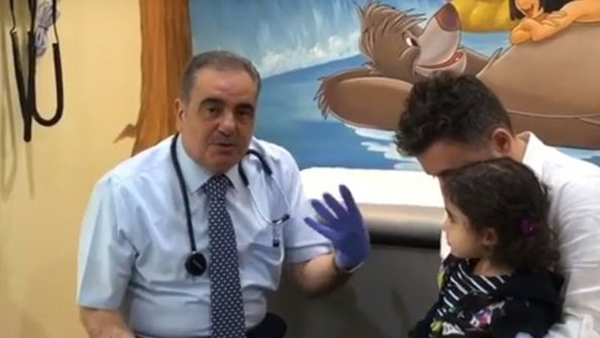
One of the most common questions parents ask about their children’s health is when to schedule that first dental appointment. Many parents assume dental visits can wait until children are older, have all their baby teeth, or show signs of problems. However, early dental visits play a crucial role in preventing cavities, establishing healthy habits, and ensuring optimal oral development. At myPediaClinic in Dubai Healthcare City, Dr. Yasmin Kottait and our pediatric dental team emphasize the importance of early intervention—seeing children for preventive care rather than waiting until pain or problems develop.
This comprehensive guide explains the ideal timing for first dental visits, what happens during early appointments, and why establishing dental care from infancy sets children up for a lifetime of healthy smiles.
The Ideal Time for Your Child’s First Dental Visit
The American Academy of Pediatric Dentistry, American Dental Association, and other professional organizations agree: children should see a dentist by their first birthday or within six months of their first tooth erupting—whichever comes first. This recommendation surprises many parents who expected to wait until their child was older.
Why So Early?
Several important reasons support early dental visits. Baby bottle tooth decay can begin as soon as teeth emerge, and early detection prevents extensive damage. The first visit establishes a “dental home”—a place where the child’s oral health is monitored consistently over time. Parents receive valuable guidance on infant oral care, feeding practices, and fluoride use specific to their child’s needs. Early positive experiences prevent dental anxiety that can develop when first visits involve treatment for problems.
Tooth Eruption Timeline
Understanding when teeth typically appear helps parents know what to expect. Most babies get their first tooth around six months of age, though the range is broad—anywhere from three months to twelve months is normal. The lower central incisors usually appear first, followed by the upper central incisors. By age one, most children have four to eight teeth. The full set of 20 primary teeth typically arrives by age three.
Consequences of Delaying Dental Care
When parents wait until problems arise before seeking dental care, the consequences can be significant. Dr. Yasmin Kottait highlights four key consequences of delaying early dental care for children.
Preventable Problems Progress
Dental decay in young children can progress rapidly. Without regular monitoring, small areas of early decay that could have been remineralized or treated simply advance to larger cavities requiring more extensive intervention. What might have been a tiny filling becomes a crown, pulp treatment, or extraction by the time symptoms appear.
Dental Anxiety Takes Root
When a child’s first dental experience involves treating a painful cavity rather than a gentle, positive introduction to the dental environment, lasting fear often develops. This dental anxiety can persist into adulthood, leading to avoidance of dental care and a continuing cycle of problems and painful treatments. Children who have positive early experiences, by contrast, typically view dental visits as normal and unfrightening.
Development Can Be Affected
Baby teeth aren’t just temporary placeholders—they serve essential functions in speech development, proper nutrition through effective chewing, maintaining space for permanent teeth, and guiding permanent teeth into correct alignment. Early tooth loss due to untreated decay can affect all these areas, potentially leading to speech problems, nutritional issues, and orthodontic problems later.
Infections May Spread
Untreated dental infections don’t remain contained. Bacteria from severe decay can spread to surrounding tissues, causing facial swelling and pain. In rare but serious cases, dental infections can spread to other parts of the body. Regular dental care allows problems to be addressed before they become serious health threats.
What Happens at the First Dental Visit
Understanding what to expect helps parents prepare both themselves and their children for a positive first experience.
A Gentle Introduction
The first dental visit for an infant or young toddler is quite different from adult dental appointments. The focus is primarily on evaluation, education, and relationship-building rather than extensive procedures. Parents should expect a warm welcome and tour of the child-friendly environment, gentle examination of any erupted teeth and oral tissues, assessment of the baby’s oral development, discussion of feeding practices and their impact on dental health, guidance on age-appropriate oral hygiene, and answers to parents’ questions and concerns.
The “Lap Exam”
For infants and young toddlers, the examination often takes place in a “knee-to-knee” position. The parent sits facing the dentist, with the child lying across both laps. This position allows the baby to see a familiar face while the dentist gently examines the mouth. It provides security for the child and good visibility for the dentist.
Creating Positive Associations
Everything about the first visit is designed to create positive associations with dental care. Staff members speak in gentle, child-friendly tones. The pace is unhurried. If the child becomes upset, the appointment can be shortened and continued another day. The goal is ensuring the child leaves with good feelings about the dental office, making future visits easier.
Preparing Your Child for the First Dental Visit
A little preparation goes a long way in ensuring a smooth first appointment.
Keep It Positive
Talk about the dentist visit in positive, simple terms. Describe the dentist as a friendly helper who counts teeth and helps keep them healthy. Avoid words like “hurt,” “shot,” or “drill,” even when saying “it won’t hurt”—children focus on the scary word and may become anxious.
Read Books About Dental Visits
Many children’s books introduce dental visits in friendly, age-appropriate ways. Reading these together helps familiarize children with what to expect and presents dental care positively.
Play Dentist at Home
Use a toothbrush to “count” your child’s teeth, looking in each other’s mouths with a mirror. This play familiarizes children with having someone look in their mouth and makes the actual visit less novel.
Schedule Wisely
Book appointments when your child is typically well-rested and alert—often mid-morning works well for young children. Avoid times when children are usually hungry, tired, or naptime.
Bring Comfort Items
A favorite stuffed animal, blanket, or toy can provide comfort in the unfamiliar environment. Some children like to have their comfort item “checked” by the dentist too.
Building Ongoing Dental Care Habits
The first visit is just the beginning of a lifetime of dental care. Establishing good habits early makes oral health maintenance routine and normal for children.
Regular Checkup Schedule
After the first visit, most children should return every six months for checkups and cleanings. This frequency allows early detection of any developing problems and provides regular professional cleaning and fluoride treatments. Some children with higher cavity risk may need more frequent visits.
Home Care Routines
What happens at home between dental visits matters enormously. Parents should begin oral care even before teeth emerge by wiping gums with a soft cloth. Once teeth appear, brush twice daily with fluoride toothpaste—a tiny smear for children under three, pea-sized amount for ages three and up. Parents should brush children’s teeth until about age six, when children can begin with supervision.
Dietary Practices
What children eat and drink significantly affects dental health. Limiting sugary foods and beverages, especially between meals, reduces cavity risk. Never putting children to bed with bottles containing anything other than water prevents baby bottle tooth decay. Choosing water over juice helps both hydration and dental health.
Common Concerns About Early Dental Visits
Parents often have questions and concerns about taking very young children to the dentist.
“My Baby Only Has a Few Teeth—Why Bother?”
Even a few teeth can develop cavities. Additionally, the dentist evaluates overall oral development, not just existing teeth. Early visits also establish the dental home and provide guidance that prevents problems from developing.
“My Child Won’t Cooperate”
Pediatric dentists specialize in working with children of all ages and temperaments. They expect babies to wiggle, toddlers to protest, and young children to be uncertain. The techniques used—gentle approaches, distraction, and creating positive experiences—are designed for children who may not fully cooperate. Most visits go better than parents expect.
“Baby Teeth Aren’t That Important”
This common misconception leads to delayed care and preventable problems. Baby teeth maintain space for permanent teeth, enable proper chewing and nutrition, support speech development, and affect self-esteem. Infection in baby teeth can damage developing permanent teeth beneath them. Primary teeth deserve the same care as permanent teeth.
“I’m Afraid the Visit Will Be Traumatic”
Well-designed first visits for young children are gentle, brief, and focused on creating positive associations. If your child becomes very upset, the appointment can stop and resume another time. Pediatric dental practices are specifically designed to be welcoming for children. Most children’s anxiety, when it exists, comes from parents’ own dental fears being communicated to children.
Finding the Right Pediatric Dental Care
Choosing the right dental provider for your child makes a significant difference in their dental experience and outcomes.
Why Choose a Pediatric Dentist
Pediatric dentists complete additional training beyond dental school, specializing in children’s oral health from infancy through adolescence. This training includes child psychology and behavior management, growth and development, treatment approaches for children, and care for children with special healthcare needs. Pediatric dental offices are designed with children in mind, creating welcoming environments that put young patients at ease.
What to Look for in a Practice
When selecting dental care for your child, consider whether the dentist has specific pediatric training, the office environment is child-friendly and welcoming, staff members are patient and experienced with children, the practice offers comprehensive preventive services, and the location and hours work for your family.
At myPediaClinic in Dubai Healthcare City, our pediatric dental team provides comprehensive oral health care for children in a welcoming, child-centered environment. We believe in starting dental care early to prevent problems and establish the foundation for lifelong oral health.
The Connection Between Oral Health and Overall Health
Children’s oral health impacts their overall wellbeing in numerous ways. Poor oral health can affect nutrition when painful teeth make eating difficult, speech development when teeth are missing or malpositioned, self-esteem when visible decay affects a child’s smile, school performance due to pain-related distraction and missed school days, and general health when oral infections spread.
By establishing dental care early and maintaining regular visits, parents support not just their children’s oral health but their overall health and wellbeing.
Taking the First Step
If your child hasn’t had a first dental visit yet, schedule one soon—regardless of age. It’s never too late to establish dental care, though earlier is always better for prevention. If your child is approaching their first birthday or has just gotten their first tooth, now is the ideal time to make that appointment.
At myPediaClinic, we welcome children of all ages and are happy to answer questions about when and how to begin your child’s dental care journey. Our goal is ensuring every child in Dubai has access to excellent pediatric dental care that prevents problems, creates positive experiences, and supports lifelong oral health.
Frequently Asked Questions About Children’s First Dental Visits
When should my child’s first dental visit be?
Your child should see a dentist by their first birthday or within six months of their first tooth appearing—whichever comes first. Most babies get their first tooth around six months, so scheduling around the first birthday works for many children. This early timing allows the dentist to check for any developing problems, provide guidance on infant oral care, and establish a positive relationship with dental visits before any treatment is needed.
What happens during a baby’s first dental appointment?
First dental visits for infants are gentle and primarily educational. The dentist will gently examine your baby’s mouth, looking at any teeth that have erupted and checking oral tissues and development. Much of the appointment focuses on educating parents—discussing proper feeding practices, demonstrating infant oral care techniques, answering questions about teething, and providing guidance on fluoride. The goal is creating a positive experience that establishes comfort with the dental environment.
Why is it important not to wait until my child has a problem before seeing the dentist?
Waiting until problems arise means conditions have progressed beyond the point of simple prevention. Cavities that could have been prevented or treated minimally when detected early may require extensive treatment by the time they cause pain. First dental experiences involving treatment of painful teeth can create lasting dental anxiety. Early, preventive visits allow problems to be detected and addressed before they become serious, and establish positive associations with dental care that encourage lifelong oral health.
How do I prepare my toddler for their first dental visit?
Keep preparation positive and simple. Talk about the dentist as a friendly helper who counts teeth and keeps them healthy. Read children’s books about dental visits. Play “dentist” at home, pretending to count each other’s teeth. Avoid words like “hurt” or “shot” even in reassuring contexts. Schedule the appointment when your child is typically well-rested and alert. Bring a favorite comfort item. Most importantly, stay calm yourself—children pick up on parental anxiety.
My child only has a few teeth. Is a dental visit really necessary?
Yes. Even a few teeth can develop cavities, and early decay in baby teeth can progress quickly. The first visit also evaluates overall oral development, identifies any potential concerns early, provides parents with guidance on prevention specific to their child, and establishes a “dental home” for ongoing care. The earlier this relationship is established, the better positioned you are to prevent problems and catch any issues early when they’re easiest to address.
What if my child cries or won’t cooperate at the dental visit?
Pediatric dentists expect that babies may cry and young children may be uncertain or uncooperative—this is normal and our team is trained to work with children of all temperaments. First visits are designed to be brief and gentle. If your child becomes very upset, the appointment can be shortened and continued another day. Often, children who seem anxious initially become comfortable quickly once they see the friendly environment and experience the gentle approach. Multiple positive visits build comfort over time.
How often should my child see the dentist after the first visit?
Most children should have dental checkups every six months. This regular schedule allows the dentist to monitor growth and development, catch any problems early, provide professional cleaning and fluoride treatments, and reinforce home care education. Some children at higher risk for dental problems—those with history of cavities, special healthcare needs, or certain dietary or hygiene challenges—may need visits every three to four months. Your pediatric dentist will recommend an appropriate schedule based on your child’s individual needs.
Should I bring my child to a pediatric dentist or can they see my regular dentist?
While some general dentists are comfortable seeing children, pediatric dentists have completed additional specialized training in children’s oral health, behavior management, and growth and development. Their offices are designed specifically for children, with child-friendly environments and staff experienced in working with young patients. For infants, toddlers, and children with anxiety or special needs, a pediatric dentist is usually the best choice. At myPediaClinic, our pediatric dental team is specifically trained to provide optimal care for children of all ages.
Can baby bottle tooth decay really start in infancy?
Yes, tooth decay can begin as soon as teeth emerge. Baby bottle tooth decay, also called early childhood caries, is caused by frequent, prolonged exposure to sugary liquids—including milk, formula, and juice—typically from bottles given at naptime or bedtime. The sugar feeds bacteria that produce acid, destroying tooth enamel. Because the upper front teeth have most contact with bottle contents, they’re often affected first. Preventing baby bottle tooth decay requires never putting children to bed with bottles containing anything other than water and transitioning from bottles to cups by age one.
Where can I find a pediatric dentist in Dubai for my child’s first dental visit?
At myPediaClinic in Dubai Healthcare City, our pediatric dental team specializes in caring for children from infancy through adolescence. We provide comprehensive dental care in a child-friendly environment designed to create positive experiences and establish the foundation for lifelong oral health. Our team includes pediatric dental specialists with extensive experience in first dental visits, preventive care, and working with children of all ages and temperaments, including those with special healthcare needs.