

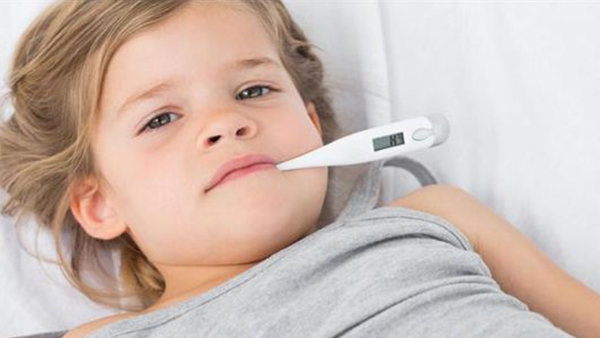
Fever Reducers for Children: Safe Use of Pediatric Medications in Dubai
Fever in children is one of the most common concerns that brings families to the pediatrician. When a child’s temperature rises, parents naturally want to provide relief quickly. However, understanding how to use fever-reducing medications safely is essential—improper use can be ineffective at best and potentially harmful at worst. At myPediaClinic in Dubai Healthcare City, Dr. Medhat Abu-Shaaban and our pediatric team help parents understand when and how to safely manage their child’s fever.
This comprehensive guide covers everything parents need to know about fever-reducing medications for children, including proper dosing, timing, safety precautions, and when fever requires medical attention rather than just home treatment.
Understanding Fever in Children
Before discussing fever treatment, it’s important to understand what fever is and what it means for your child’s health.
What Is Fever?
Fever is an elevation of body temperature above the normal range. While normal body temperature varies slightly between individuals and throughout the day, a temperature of 38°C (100.4°F) or higher is generally considered a fever. Fever is a symptom—a sign that the body is responding to something—rather than an illness itself.
Why Children Get Fevers
Most fevers in children result from infections, typically viral illnesses like colds, flu, or other common childhood infections. Fever is actually part of the body’s defense mechanism—raising body temperature helps fight infection by creating an environment less favorable for viruses and bacteria, stimulating the immune system. Less commonly, fever can result from vaccinations (a normal, expected response), overheating, or more serious conditions requiring medical attention.
When Fever Is Concerning
While most fevers in children are caused by minor viral illnesses and resolve without complication, certain situations warrant prompt medical evaluation. Fever in infants under three months of age, very high fevers (above 40°C/104°F), fever lasting more than three days, fever accompanied by severe symptoms (difficulty breathing, severe headache, stiff neck, persistent vomiting, rash that doesn’t blanch with pressure), or fever in a child who appears very ill all require medical attention.
Common Fever-Reducing Medications
Two medications are commonly used to reduce fever in children: acetaminophen (paracetamol) and ibuprofen. Each has specific characteristics parents should understand.
Acetaminophen (Paracetamol)
Acetaminophen, known as paracetamol in many countries, is available under brand names like Tylenol, Panadol, and various generic versions. It reduces fever and relieves mild to moderate pain. Acetaminophen can be used in infants as young as two months of age, making it the first-line fever reducer for very young babies.
How Acetaminophen Works
Acetaminophen works primarily in the brain, reducing the production of prostaglandins—chemicals that raise body temperature during fever. Unlike ibuprofen, it has minimal anti-inflammatory effects.
Dosing Guidelines
Acetaminophen dosing is based on the child’s weight, not age. The typical dose is 10-15 mg per kilogram of body weight per dose. Doses can be given every four to six hours as needed, but should not exceed five doses in 24 hours. Using a weight-based dosing chart ensures accuracy—age-based recommendations on packaging are less precise.
Ibuprofen
Ibuprofen is available under brand names like Advil, Motrin, and Nurofen. It reduces fever, relieves pain, and decreases inflammation. Ibuprofen should only be used in children six months of age and older.
How Ibuprofen Works
Ibuprofen is a nonsteroidal anti-inflammatory drug (NSAID) that works by blocking prostaglandin production throughout the body, reducing fever, pain, and inflammation.
Dosing Guidelines
Like acetaminophen, ibuprofen is dosed by weight. The typical dose is 5-10 mg per kilogram of body weight per dose. Doses can be given every six to eight hours as needed, not exceeding four doses in 24 hours. Ibuprofen should be given with food to reduce stomach irritation.
Critical Safety Information: The Danger of Over-Dosing
Dr. Medhat Abu-Shaaban emphasizes that while fever reducers are effective, improper administration can be dangerous. A common mistake parents make is giving these medications too frequently, which can cause serious harm.
Why Too-Frequent Dosing Is Dangerous
Some parents, anxious to keep their child’s fever down, give fever reducers every three to four hours regardless of the medication’s recommended interval. As Dr. Medhat warns, this approach “can be dangerous to the child and it can harm vital organs.”
Acetaminophen Overdose Risks
Acetaminophen is processed by the liver. When given too frequently or in excessive amounts, it can overwhelm the liver’s ability to process it safely, potentially causing liver damage. Acetaminophen toxicity is one of the most common causes of acute liver failure in children. Signs of overdose may not appear immediately, making it especially dangerous—by the time symptoms appear, significant liver damage may have occurred.
Ibuprofen Overdose Risks
Excessive ibuprofen can damage the kidneys, irritate the stomach lining (potentially causing ulcers or bleeding), and affect other organs. Children who are dehydrated from illness are at increased risk for kidney problems with ibuprofen.
Proper Dosing Intervals
Following recommended dosing intervals is crucial for safety. Acetaminophen should be given no more frequently than every four to six hours, with a maximum of five doses in 24 hours. Ibuprofen should be given no more frequently than every six to eight hours, with a maximum of four doses in 24 hours. These intervals allow the body to process each dose safely before the next.
Alternating Medications: Guidance for Parents
Some healthcare providers recommend alternating between acetaminophen and ibuprofen to manage fever. This practice requires careful attention to avoid confusion and overdose.
When Alternating May Be Considered
Alternating medications might be suggested when fever returns before the next dose of a single medication is due, when fever is not adequately controlled with one medication alone, or when your pediatrician specifically recommends this approach.
Safe Alternating Practices
If you alternate medications, keep a written log of exactly what medication was given and when. Never give both medications at the same time. Maintain proper intervals for each medication individually—if acetaminophen was given at noon, the next acetaminophen dose shouldn’t be until at least 4-6 PM, regardless of whether ibuprofen was given in between. Consult your pediatrician before starting an alternating regimen.
Risks of Alternating
Alternating medications increases the risk of dosing errors—giving the wrong medication, giving doses too close together, or losing track of what was given when. Many pediatricians prefer parents use one medication consistently rather than alternating, to reduce confusion and risk.
Beyond Medication: Other Fever Management Strategies
Medication isn’t the only approach to managing fever and helping a feverish child feel more comfortable.
Hydration
Fever increases fluid losses, making adequate hydration especially important. Offer fluids frequently—water, diluted juice, oral rehydration solutions, or breast milk/formula for infants. Watch for signs of dehydration: decreased urination, dry mouth, no tears when crying, or lethargy.
Rest
Rest allows the body to direct energy toward fighting infection. Don’t force a feverish child to stay in bed if they feel well enough to move around, but encourage quiet activities and adequate sleep.
Comfortable Environment
Keep rooms at comfortable temperatures—neither too hot nor too cold. Dress the child in light, breathable clothing. Heavy blankets and excessive layers can trap heat and raise temperature further.
Tepid Sponging
Sponging with lukewarm (not cold) water can help some children feel more comfortable. Never use cold water, ice, or alcohol, which can cause shivering (actually raising core temperature) or, in the case of alcohol, can be absorbed through the skin and cause harm.
When Not to Treat the Fever
Not every fever requires treatment. If a child has a mild fever but is comfortable, playing, and drinking well, fever-reducing medication may not be necessary. The goal of treatment is comfort, not achieving a specific temperature number. Many pediatricians advise treating the child, not the thermometer—focusing on how the child feels rather than the exact temperature reading.
Special Considerations
Certain situations require special attention when managing fever in children.
Infants Under Three Months
Fever in infants under three months is always a medical emergency requiring immediate evaluation. Their immune systems are immature, and fever may indicate serious bacterial infection. Call your pediatrician or go to the emergency room immediately—do not attempt to manage fever at home in very young infants.
Children with Chronic Conditions
Children with liver disease, kidney disease, bleeding disorders, or other chronic conditions may need modified approaches to fever management. Always follow your pediatrician’s specific guidance for your child’s situation.
Febrile Seizures
Some children between six months and five years experience seizures triggered by rapid temperature changes—febrile seizures. While frightening to witness, simple febrile seizures typically don’t cause lasting harm. However, fever-reducing medications have not been proven to prevent febrile seizures, so giving medication more frequently doesn’t reduce seizure risk and does increase overdose risk.
Dehydrated Children
Children who are dehydrated due to vomiting, diarrhea, or poor fluid intake need special care. Ibuprofen should be used cautiously or avoided in dehydrated children due to increased kidney risk. Focus on rehydration, and consult your pediatrician about the safest fever management approach.
Avoiding Common Mistakes
Parents can avoid dangerous medication errors by following these guidelines.
Use the Right Concentration
Infant drops and children’s liquid medications often come in different concentrations. Using the wrong concentration can result in underdosing or overdosing. Always check that you’re using the appropriate formulation for your child’s age and follow the dosing instructions specific to that product.
Use Proper Measuring Devices
Kitchen spoons vary in size and are not accurate for measuring medication. Use the dosing cup, syringe, or dropper that comes with the medication, or obtain a proper measuring device from your pharmacy.
Don’t Combine Products Unknowingly
Many combination cold and flu products contain acetaminophen or ibuprofen. If you give a separate fever reducer along with a combination product, you may accidentally double-dose. Always check all medication labels and avoid giving multiple products containing the same active ingredient.
Follow Weight-Based Dosing
Age-based dosing on medication packaging is less accurate than weight-based dosing. If your child is significantly larger or smaller than typical for their age, the age-based dose may be wrong. Ask your pediatrician for weight-based dosing guidance.
Keep Records
Write down every dose given—medication name, dose, and time. This prevents double-dosing, helps you maintain proper intervals, and provides useful information if you need to call your pediatrician.
When to Call the Doctor
While most fevers can be safely managed at home, certain situations require medical consultation.
Call Immediately For
Any fever in an infant under three months, fever above 40°C (104°F), fever with rash that doesn’t blanch (turn white) when pressed, signs of severe illness including difficulty breathing, severe headache, stiff neck, confusion, or inconsolable crying, signs of dehydration, fever in a child with immune system problems or other chronic conditions, or fever after recent surgery or medical procedure.
Call Within 24 Hours For
Fever lasting more than three days, fever with ear pain, sore throat, cough, or other specific symptoms suggesting treatable infection, fever not responding to appropriate medication doses, fever in a child who has been exposed to someone with serious illness, or any fever that concerns you as a parent.
Trust Your Instincts
Parents know their children best. If your child seems unusually ill or something seems wrong, contact your pediatrician regardless of the temperature reading. At myPediaClinic, we welcome questions and would rather reassure a worried parent than miss an opportunity to help a sick child.
Frequently Asked Questions About Fever Reducers for Children
How often can I give my child fever medication?
Acetaminophen (paracetamol) can be given every four to six hours, with a maximum of five doses in 24 hours. Ibuprofen can be given every six to eight hours, with a maximum of four doses in 24 hours. These intervals are essential for safety—giving medication more frequently than recommended can damage the liver (acetaminophen) or kidneys (ibuprofen). If fever returns before the next dose is due and your child is very uncomfortable, contact your pediatrician for guidance rather than giving medication early.
Can I give my child both acetaminophen and ibuprofen at the same time?
These medications should not be given simultaneously. Some doctors recommend alternating them—giving one, then the other a few hours later—but this requires careful tracking to avoid errors. If you’re considering alternating, consult your pediatrician first and keep detailed written records of exactly what you give and when. Many pediatricians prefer using one medication consistently to reduce confusion and overdose risk.
Why is giving fever reducers too frequently dangerous?
Fever-reducing medications are processed by the liver and kidneys. When given too frequently, these organs can become overwhelmed, leading to potential damage. Acetaminophen overdose can cause serious liver damage—one of the most common causes of acute liver failure in children. Excessive ibuprofen can harm the kidneys and cause stomach problems. The dosing intervals (every 4-6 hours for acetaminophen, every 6-8 hours for ibuprofen) allow the body to safely process each dose before the next.
My child’s fever keeps coming back before the next dose is due. What should I do?
This is common because fever-reducing medications lower temperature temporarily but don’t cure the underlying cause. If your child is relatively comfortable when the fever returns, they may not need another dose immediately. Focus on comfort measures—fluids, rest, light clothing. If they’re very uncomfortable, contact your pediatrician before giving medication early. Never exceed recommended dosing frequencies—if fever control requires more frequent medication than is safe, your child may need medical evaluation.
At what temperature should I give my child fever medicine?
The goal of fever treatment is comfort, not achieving a specific temperature. Many pediatricians recommend treating the child, not the thermometer. If your child has a fever but is playing, drinking well, and seems comfortable, medication may not be needed. If they’re uncomfortable, irritable, unable to sleep, or not drinking well, fever reducers can help even with relatively low fevers. Generally, medication is considered when temperatures exceed 38.5°C (101°F), but your child’s comfort level is the best guide.
Can I use ibuprofen for my three-month-old baby?
No, ibuprofen should not be used in infants under six months of age. For younger infants, acetaminophen (paracetamol) is the only appropriate fever reducer and should be used under pediatric guidance. Additionally, any fever in an infant under three months requires immediate medical evaluation—call your pediatrician or go to the emergency room rather than treating fever at home.
How do I calculate the correct dose of fever medication for my child?
Dosing should be based on your child’s weight, not age. Acetaminophen is typically given at 10-15 mg per kilogram per dose, and ibuprofen at 5-10 mg per kilogram per dose. Ask your pediatrician for a weight-based dosing chart specific to your child. Use the measuring device that comes with the medication for accurate measurement—kitchen spoons are not accurate. If your child is significantly larger or smaller than typical for their age, age-based dosing on packaging may be incorrect.
What should I do if I accidentally give too much fever medication?
If you suspect an overdose, contact poison control or your pediatrician immediately. Don’t wait for symptoms—acetaminophen overdose symptoms may not appear until significant liver damage has occurred. Provide information about what medication was given, how much, and when. Keep all medication bottles so you can report exact ingredients and concentrations. Prompt action is important, so err on the side of caution and call for guidance.
Does fever medication prevent febrile seizures?
No, studies have not shown that fever-reducing medications prevent febrile seizures. Febrile seizures appear to be triggered by rapid temperature changes rather than how high the fever gets. Giving fever reducers more frequently in hopes of preventing seizures increases overdose risk without reducing seizure risk. If your child has had febrile seizures, discuss management with your pediatrician, but don’t exceed recommended medication dosing in an attempt to prevent future seizures.
When should I be concerned about my child’s fever and seek medical care?
Seek immediate medical care for any fever in an infant under three months, fever above 40°C (104°F), fever with a non-blanching rash (doesn’t fade when pressed), signs of severe illness such as difficulty breathing, stiff neck, confusion, or extreme lethargy, or signs of dehydration. Contact your pediatrician within 24 hours for fever lasting more than three days, fever with symptoms suggesting treatable infection (ear pain, sore throat, cough), fever not responding to appropriate treatment, or any time you’re worried about your child’s condition. Trust your parental instincts.