

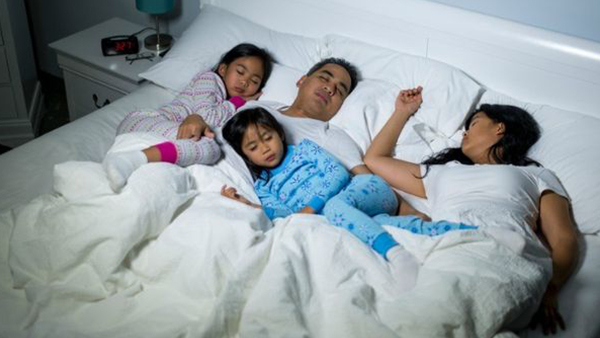
Children Sleeping in Their Parents’ Room: Pediatric Sleep Guidelines for Families in Dubai
The question of where children should sleep is one that every family faces. Co-sleeping arrangements—where children share a bedroom with parents—are common across many cultures, including families throughout Dubai and the UAE. While these arrangements have deep cultural roots and perceived benefits, understanding the impact on children’s and parents’ sleep quality helps families make informed decisions. At myPediaClinic in Dubai Healthcare City, Dr. Medhat Abu-Shaaban provides guidance to help families establish healthy sleep practices that support children’s development and family wellbeing.
This comprehensive guide explores the science of pediatric sleep, the considerations around room-sharing versus independent sleeping, and practical strategies for helping children of all ages develop healthy sleep habits.
Understanding Children’s Sleep Needs
Before addressing where children should sleep, it’s essential to understand how much sleep children need at different ages and why quality sleep matters so much for development.
Sleep Requirements by Age
Children’s sleep needs change significantly as they grow. Newborns (0-3 months) need 14-17 hours of total sleep, though this is distributed throughout day and night in short periods. Infants (4-11 months) require 12-15 hours, with more consolidation into nighttime sleep. Toddlers (1-2 years) need 11-14 hours including naps. Preschoolers (3-5 years) need 10-13 hours. School-age children (6-13 years) require 9-11 hours. Teenagers (14-17 years) need 8-10 hours, though many get far less.
Why Quality Sleep Matters
Sleep is not merely rest—it’s an active process essential for children’s physical and cognitive development. During sleep, growth hormone is released supporting physical development, memories are consolidated and learning is reinforced, the immune system is strengthened, emotional regulation systems are restored, and brain development and neural connections are optimized. Insufficient or poor-quality sleep affects concentration, behavior, mood, academic performance, and even physical health.
The Impact of Room-Sharing on Sleep Quality
When children share a bedroom with parents, sleep patterns for both generations can be affected. Dr. Medhat Abu-Shaaban notes that co-sleeping arrangements can result in “insufficient sleep for parents and children alike,” which subsequently impacts their “concentration and puts them in a bad mood.”
How Room-Sharing Affects Children’s Sleep
Children sleeping in their parents’ room may be disturbed by adult sleep schedules, including later bedtimes and different wake times. Parental movements, sounds, and light from devices can fragment children’s sleep. Children may become dependent on parental presence to fall asleep and may struggle to return to sleep independently after normal nighttime awakenings. The transition to independent sleeping becomes more difficult the longer co-sleeping continues.
How Room-Sharing Affects Parents’ Sleep
Parents sharing rooms with children often experience fragmented sleep from children’s movements, sounds, and requests. Privacy and intimacy between partners may be compromised. Parents may alter their own sleep schedules to accommodate children, reducing their total sleep time. Sleep deprivation affects parents’ mood, patience, work performance, and overall health.
Bidirectional Effects
Sleep deprivation creates a difficult cycle. Tired children are more irritable and have more behavioral difficulties, which stresses tired parents, who may then have less patience for implementing consistent sleep routines. Breaking this cycle often requires addressing sleep arrangements.
Safe Sleep for Infants: Current Recommendations
For infants, sleep arrangements carry significant safety considerations. Medical recommendations have evolved based on research into sudden infant death syndrome (SIDS) and sleep-related infant deaths.
Room-Sharing in the First Year
Major pediatric organizations including the American Academy of Pediatrics recommend that infants sleep in their parents’ room, but on a separate sleep surface, for at least the first six months and ideally the first year. This arrangement is associated with reduced SIDS risk while maintaining a safe sleep environment.
Safe Sleep Surfaces
Whether in the parents’ room or a separate nursery, infants should sleep on a firm, flat surface specifically designed for infant sleep—a crib, bassinet, or play yard that meets safety standards. Soft bedding, pillows, blankets, bumper pads, and toys should not be in the sleep area. Infants should always be placed on their backs to sleep.
The Risks of Bed-Sharing
Bed-sharing—where infants sleep in the same bed as adults—carries significant risks. Adult mattresses, bedding, and pillows pose suffocation hazards. Adults may inadvertently roll onto infants. Gaps between mattresses and headboards or walls can trap infants. These risks are especially high when parents smoke, have consumed alcohol, are extremely tired, or when the infant was born premature or low birth weight.
Transitioning to Independent Sleep
When families decide to transition children to sleeping independently, a thoughtful approach helps ensure success while minimizing distress.
When to Transition
The ideal timing for transitioning to a separate room varies by family circumstances, cultural preferences, and individual children. Many families find that sometime between six months and three years works well, but there’s no universally “correct” age. Signs a child may be ready include naturally sleeping through the night, showing interest in their own space, and demonstrating some independence during the day.
Gradual Versus Immediate Transitions
Some children adapt well to immediate changes, while others benefit from gradual transitions. Gradual approaches might include moving the child’s crib to their own room but having a parent sleep in that room initially, then slowly spending less time there. The “chair method” involves sitting next to the child’s bed while they fall asleep, then moving the chair progressively farther away over successive nights until you’re outside the room. Whatever approach is chosen, consistency is key.
Creating an Appealing Sleep Environment
Helping children feel positive about their own room supports successful transitions. Let children participate in setting up their space—choosing bedding featuring favorite characters, arranging stuffed animals, picking a nightlight. Ensure the room is comfortable—not too hot, not too cold, with appropriate lighting and minimal disturbances. Spend pleasant time in the room during the day so it’s associated with positive experiences.
Addressing Nighttime Fears
Many children experience fears about sleeping alone, especially in the preschool years. These fears are developmentally normal but can be addressed. Acknowledge feelings without dismissing them. Use a nightlight if darkness is concerning. Provide a comfort object like a special stuffed animal. Avoid scary media, especially before bedtime. Check under beds and in closets if requested, but matter-of-factly, to avoid suggesting there’s something to fear. Reassure children you’re nearby if needed.
Establishing Healthy Sleep Habits
Regardless of where children sleep, consistent sleep practices support quality rest.
The Power of Bedtime Routines
Predictable bedtime routines signal the body and brain that sleep is approaching. Effective routines typically last 20-45 minutes and include calming activities like bathing, changing into pajamas, brushing teeth, using the toilet, reading books, and saying goodnight. The same activities in the same order each night creates comfort through predictability. Avoid stimulating activities, screens, and active play in the hour before bed.
Consistent Sleep Schedules
Going to bed and waking up at consistent times—even on weekends—helps regulate children’s internal clocks. Irregular schedules confuse the body’s circadian rhythms, making it harder to fall asleep and wake up at desired times. While some flexibility is fine, aim to keep sleep times within 30-60 minutes of the regular schedule.
The Sleep Environment
Optimize the sleep environment for quality rest. Keep rooms cool—around 18-22°C (65-72°F) is ideal for most children. Ensure adequate darkness, using blackout curtains if needed. Minimize noise, or use white noise to mask disruptive sounds. Remove screens from bedrooms. Reserve the bed for sleeping—not playing, homework, or screen time—so the brain associates it with sleep.
Managing Screen Time
Screen use before bed significantly disrupts sleep. The blue light emitted by phones, tablets, and televisions suppresses melatonin production, making it harder to fall asleep. The stimulating content keeps minds active when they should be winding down. Avoid screens for at least one hour before bedtime, and keep devices out of bedrooms entirely.
Common Sleep Challenges by Age
Different ages bring different sleep challenges. Understanding what’s typical helps parents respond appropriately.
Infants
Frequent night waking is normal in the first year as infants’ sleep cycles mature and feeding needs are met. Most infants begin sleeping longer stretches by six months, though individual variation is wide. Sleep regressions around four months, eight months, and twelve months are common and temporary.
Toddlers
Toddlers may resist bedtime as they assert independence and experience separation anxiety. Transitioning from cribs to beds opens possibilities for getting out of bed repeatedly. Nightmares become possible as imagination develops. Consistent limits, reassurance, and predictable routines help manage these challenges.
Preschoolers
Night terrors and nightmares are common in preschool years. Monsters and fears about the dark emerge with growing imagination. Stalling tactics—another drink, another story, another hug—can extend bedtimes indefinitely without clear limits. Many preschoolers are ready to give up naps, which can temporarily disrupt nighttime sleep.
School-Age Children
Increasing homework, activities, and social demands can encroach on sleep time. Electronics become more tempting and accessible. Anxiety about school or friendships may cause difficulty falling asleep. Maintaining consistent bedtimes and screen-free bedrooms remains important.
Teenagers
Biological shifts cause teens’ circadian rhythms to shift later, making early school times particularly challenging. Academic and social pressures compete with sleep time. Many teens are chronically sleep-deprived. While parents have less control over teen schedules, modeling good sleep habits and setting reasonable limits on late-night activities helps.
When Sleep Problems Need Professional Help
While many sleep challenges are normal and manageable with good sleep practices, some situations warrant professional evaluation.
Signs of Potential Sleep Disorders
Consult your pediatrician if your child snores loudly or gasps during sleep (possible sleep apnea), has extreme difficulty falling asleep despite consistent routines, wakes excessively often during the night, is very difficult to wake in the morning, shows severe daytime sleepiness inappropriate for their age, has unusual movements or behaviors during sleep, or has sleep problems causing significant distress or impairment in daily functioning.
Medical Conditions Affecting Sleep
Various medical conditions can disrupt sleep, including sleep apnea, restless leg syndrome, reflux, allergies and congestion, asthma, eczema (itching disrupting sleep), chronic pain conditions, and anxiety and depression. Addressing underlying conditions often improves sleep significantly.
Cultural Considerations
Sleep arrangements have cultural dimensions that families in Dubai’s diverse population should feel comfortable discussing with their pediatrician.
Respecting Cultural Practices
Co-sleeping is common and culturally valued in many communities represented in Dubai and the UAE. Decisions about sleep arrangements should consider family values and cultural backgrounds alongside medical recommendations. The goal is healthy, restorative sleep for children—there are multiple paths to achieving this.
Finding Your Family’s Approach
There’s no single “right” way for all families. What matters is that children get sufficient sleep of adequate quality, develop the ability to fall asleep independently, sleep safely, and that the arrangement works for the whole family’s wellbeing. At myPediaClinic, we support families in finding approaches that align with their values while promoting children’s health.
Practical Tips for Better Sleep
These evidence-based strategies help improve sleep for children of all ages. Maintain consistent sleep and wake times seven days a week. Create a calming bedtime routine and follow it every night. Ensure the sleep environment is dark, quiet, and cool. Limit screens for at least an hour before bed. Avoid caffeine, especially after noon. Ensure adequate physical activity during the day. Address worries or excitement before bedtime, not in bed. Respond to nighttime waking calmly and briefly.
Frequently Asked Questions About Children’s Sleep Arrangements
At what age should children stop sleeping in their parents’ room?
There’s no universally correct age, as this depends on family preferences, cultural values, and individual circumstances. Medical organizations recommend that infants sleep in the parents’ room (but not the same bed) for at least the first six months due to SIDS risk reduction. After that, the decision is personal. Many families transition children to their own rooms between six months and three years. If room-sharing is affecting sleep quality for children or parents—causing daytime tiredness, concentration problems, or mood issues—it may be time to consider transitioning regardless of age.
How does sleeping in the parents’ room affect children’s sleep quality?
Room-sharing can affect children’s sleep in several ways. Children may be disturbed by adult sleep schedules, movements, and sounds. They may become dependent on parental presence to fall asleep and struggle to self-soothe during normal nighttime awakenings. Light from adult devices can suppress melatonin. These disturbances can result in insufficient total sleep, which affects concentration, mood, and behavior during the day. The impact varies by child and specific arrangements.
Is it safe for babies to sleep in the same bed as parents?
Bed-sharing with infants is not recommended due to significant suffocation and entrapment risks. Adult mattresses, pillows, and bedding can obstruct breathing. Adults may roll onto infants. Gaps between mattresses and furniture can trap babies. These risks are heightened with parental smoking, alcohol use, extreme fatigue, or with premature or low birth weight infants. Room-sharing with baby on a separate, approved sleep surface (crib or bassinet) provides proximity benefits while maintaining safety.
How can I help my child transition to sleeping in their own room?
Gradual transitions often work best. Start by making the child’s room appealing—let them help decorate and choose comfort items. Establish consistent bedtime routines that end in their room. Initially, you might stay in the room until they fall asleep, then gradually spend less time there over successive nights. Use a nightlight and comfort objects to ease fear. Be consistent—going back to co-sleeping when the child protests teaches that persistence gets results. Praise and reward successful nights in their own room.
My child keeps coming to our bed during the night. What should I do?
This common issue requires consistent response. When your child appears, calmly and briefly walk them back to their bed. Avoid lengthy conversations, negotiations, or allowing them to stay “just this once.” Repeat the process as many times as necessary. Consider a “sleep ticket” system where children get one allowed trip to parents’ room per night, encouraging them to use it wisely. Reward chains of successful nights with praise and small incentives. The first few nights may be exhausting, but consistency typically brings improvement within a week or two.
How much sleep does my child need?
Sleep needs vary by age. Infants (4-11 months) need 12-15 hours including naps. Toddlers (1-2 years) need 11-14 hours. Preschoolers (3-5 years) need 10-13 hours. School-age children (6-13 years) need 9-11 hours. Teenagers need 8-10 hours. Individual children may need slightly more or less. Signs your child is getting enough sleep include waking relatively easily in the morning, being alert during the day, and having stable mood and behavior. Persistent difficulty waking, daytime sleepiness, and behavioral issues may indicate insufficient sleep.
What bedtime routine works best for children?
Effective routines typically last 20-45 minutes and include calming activities in consistent order each night: bath, pajamas, teeth brushing, toilet, reading together, and saying goodnight. Avoid screens, active play, and stimulating activities in the hour before bed. Dim lights as bedtime approaches. The routine should end in the child’s bed with brief, calm goodnight rituals. Consistency is key—same activities, same order, same time each night. This predictability signals the brain that sleep is coming and helps children wind down naturally.
My child is afraid to sleep alone. How can I help?
Fear of sleeping alone is common and usually temporary. Acknowledge feelings without dismissing them—fears feel real to children. Provide comfort items like special stuffed animals. Use nightlights if darkness is the concern. Keep doors open if that helps. Check under beds or in closets if requested, but matter-of-factly, not fearfully. Avoid scary media entirely. Read books about brave children overcoming fears. Consider “monster spray” (water in a spray bottle) if that helps your child feel empowered. Maintain consistent bedtime routines. Praise courage and successful nights.
How do screens affect children’s sleep?
Screen use before bed significantly disrupts sleep through multiple mechanisms. Blue light from devices suppresses melatonin, the hormone that signals sleepiness. Engaging content stimulates the brain when it should be winding down. Interactive games or social media cause emotional arousal. The physical posture of device use keeps the body alert. Children who use screens before bed take longer to fall asleep, get less total sleep, and have poorer sleep quality. Avoid screens for at least one hour before bed, and keep devices out of bedrooms entirely.
When should I be concerned about my child’s sleep and see a doctor?
Consult your pediatrician if your child snores loudly or gasps during sleep, which may indicate sleep apnea. Seek help if your child has extreme difficulty falling or staying asleep despite consistent routines, seems excessively tired during the day, has unusual movements or behaviors during sleep, or if sleep problems are causing significant distress or impacting daily functioning. Some sleep issues have medical causes that can be treated. At myPediaClinic, our pediatric team can evaluate sleep concerns and provide guidance tailored to your child’s needs.