

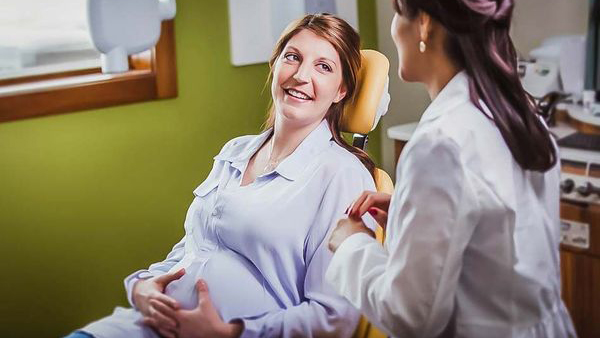
4 Dental Tips for Pregnant Women – Dr. Nidhi Kottak Family and Cosmetic Dentist in Dubai
Pregnancy is one of the most transformative and exciting periods in a woman’s life, bringing with it a myriad of physical, emotional, and hormonal changes. While expectant mothers often focus on prenatal vitamins, healthy eating, and regular obstetric check-ups, dental health frequently takes a backseat during this crucial time. However, maintaining optimal oral health during pregnancy is not just about preserving a beautiful smile—it’s directly connected to the overall health of both the mother and the developing baby. At myPediaClinic in Dubai, Dr. Nidhi Kottak, our experienced Family and Cosmetic Dentist, emphasizes the critical importance of dental care during pregnancy and provides comprehensive guidance to help expectant mothers navigate this journey with confidence and knowledge.
Research has consistently shown that poor oral health during pregnancy can lead to serious complications, including preterm birth, low birth weight, and preeclampsia. The hormonal fluctuations that occur during pregnancy make women more susceptible to gum disease, tooth decay, and other oral health issues. Understanding these risks and taking proactive measures to address them is essential for every pregnant woman. In this comprehensive guide, we will explore four essential dental tips that every expectant mother should follow, along with detailed information about safe dental procedures, common pregnancy-related oral health concerns, and practical strategies for maintaining excellent dental hygiene throughout all three trimesters.
Understanding the Connection Between Pregnancy and Oral Health
The relationship between pregnancy and oral health is far more significant than many people realize. During pregnancy, a woman’s body undergoes dramatic hormonal changes that can have profound effects on every system, including the oral cavity. Elevated levels of estrogen and progesterone increase blood flow to the gums, making them more sensitive, swollen, and prone to bleeding. This heightened sensitivity can make pregnant women more vulnerable to plaque buildup and bacterial infections, setting the stage for a condition known as pregnancy gingivitis.
Hormonal Changes and Their Impact on Gums
Progesterone levels can increase up to ten times their normal level during pregnancy, while estrogen levels also rise significantly. These hormonal surges affect how the body responds to the toxins produced by plaque bacteria. The gums become hyperreactive to even small amounts of plaque, leading to inflammation, redness, and bleeding—the hallmark symptoms of gingivitis. Studies indicate that between 60% and 75% of pregnant women develop gingivitis at some point during their pregnancy, making it one of the most common oral health concerns during this period.
The increased blood flow to the gums also means that any existing dental problems can worsen during pregnancy. Women who enter pregnancy with untreated cavities or early-stage gum disease may find that these conditions progress more rapidly. This is why myPediaClinic strongly recommends that women who are planning to become pregnant schedule a comprehensive dental examination beforehand to address any existing issues and establish a baseline for their oral health.
The Link Between Gum Disease and Pregnancy Complications
Perhaps the most concerning aspect of poor oral health during pregnancy is its potential connection to adverse pregnancy outcomes. Multiple scientific studies have established a link between periodontal (gum) disease and preterm birth, low birth weight babies, and preeclampsia. The bacteria associated with gum disease can enter the bloodstream and travel to the uterus, triggering the production of prostaglandins—chemicals that induce labor. This inflammatory response may contribute to preterm labor and delivery.
Research published in the Journal of Periodontology found that pregnant women with gum disease were up to seven times more likely to deliver preterm, low birth weight babies compared to those with healthy gums. Another study demonstrated that treating gum disease during pregnancy could reduce the risk of preterm birth by up to 84%. These findings underscore the critical importance of maintaining excellent oral health throughout pregnancy and seeking prompt treatment for any dental concerns.
Tip 1: Maintain a Rigorous Oral Hygiene Routine
The foundation of good dental health during pregnancy—and indeed at any time—is a consistent and thorough oral hygiene routine. However, pregnancy presents unique challenges that may require modifications to your regular dental care practices. Dr. Nidhi Kottak at myPediaClinic Dubai recommends the following comprehensive approach to daily oral care during pregnancy.
Brushing Techniques and Frequency
Pregnant women should brush their teeth at least twice daily, preferably after breakfast and before bed, using a soft-bristled toothbrush and fluoride toothpaste. The soft bristles are gentle on sensitive gums while still effectively removing plaque and food particles. When brushing, use gentle circular motions and pay particular attention to the gum line, where plaque tends to accumulate. Each brushing session should last at least two minutes to ensure thorough cleaning of all tooth surfaces.
For women experiencing morning sickness, the impulse to brush immediately after vomiting is understandable but should be resisted. Stomach acid can temporarily weaken tooth enamel, and brushing immediately after exposure to this acid can cause erosion. Instead, rinse your mouth with water or a mixture of water and baking soda to neutralize the acid, and wait at least 30 minutes before brushing. This simple adjustment can help protect your enamel from unnecessary damage.
The Importance of Flossing During Pregnancy
Flossing is often neglected in daily oral care routines, but it becomes even more critical during pregnancy. Pregnancy hormones can cause gums to swell and become more sensitive, creating deeper pockets between the teeth and gums where food particles and bacteria can accumulate. Regular flossing helps remove debris from these hard-to-reach areas and prevents the buildup of plaque that can lead to gingivitis and periodontal disease.
If traditional string floss is uncomfortable due to sensitive gums, consider using water flossers or interdental brushes as alternatives. These tools can be gentler on inflamed gums while still providing effective cleaning between teeth. At myPediaClinic, our dental team can demonstrate proper flossing techniques and recommend the most suitable interdental cleaning tools based on your individual needs and comfort level.
Antimicrobial Mouthwash and Its Benefits
Incorporating an antimicrobial mouthwash into your daily routine can provide an additional layer of protection against gum disease during pregnancy. Look for alcohol-free formulations, as alcohol can be drying to the mouth and may exacerbate sensitivity. Mouthwashes containing chlorhexidine or cetylpyridinium chloride have been shown to effectively reduce bacterial populations in the mouth and can help control gingivitis when used in conjunction with proper brushing and flossing.
Some pregnant women find that certain mouthwash flavors trigger nausea, particularly during the first trimester when morning sickness is most prevalent. In such cases, switching to a bland or unflavored mouthwash, or simply rinsing with plain water, may be necessary. The key is to maintain some form of oral rinsing routine, even if modifications are needed to accommodate pregnancy-related sensitivities.
Tip 2: Schedule Regular Dental Check-ups and Cleanings
Contrary to popular misconceptions, visiting the dentist during pregnancy is not only safe but highly recommended. Regular dental check-ups and professional cleanings are essential components of prenatal care that should not be postponed until after delivery. At myPediaClinic in Dubai, we encourage all expectant mothers to maintain their regular dental appointment schedule and to inform us of their pregnancy so we can provide appropriately tailored care.
The Safety of Dental Visits During Pregnancy
Many women worry about the safety of dental procedures during pregnancy, but routine dental care poses no risk to the developing baby. Professional cleanings, examinations, and even certain treatments such as fillings and crowns can be performed safely at any stage of pregnancy. The American Dental Association, the American Congress of Obstetricians and Gynecologists, and the American Academy of Pediatrics all recommend that pregnant women receive routine dental care throughout pregnancy.
The second trimester is often considered the optimal time for dental visits, as the morning sickness of the first trimester has typically subsided, and the physical discomfort of the third trimester has not yet begun. However, urgent dental problems should be addressed promptly regardless of the trimester. Postponing necessary dental treatment can allow infections to spread and potentially cause more harm to both mother and baby than the treatment itself.
What to Expect During a Prenatal Dental Visit
During a dental visit at myPediaClinic, Dr. Nidhi Kottak will conduct a thorough examination of your teeth, gums, and overall oral health. This examination may include checking for signs of pregnancy gingivitis, assessing any areas of concern, and evaluating your overall oral hygiene practices. Professional cleaning will remove plaque and tartar buildup that cannot be eliminated through brushing and flossing alone, helping to prevent gum disease and tooth decay.
If X-rays are needed, rest assured that modern dental X-rays emit extremely low levels of radiation and are considered safe during pregnancy when proper shielding is used. A leaded apron and thyroid collar will protect you and your baby from any radiation exposure. However, routine X-rays are typically postponed until after delivery unless absolutely necessary for diagnosing or treating an urgent dental condition.
Communicating with Your Dental Team
Open communication with your dental team is essential during pregnancy. Inform your dentist about your pregnancy as soon as possible, including how far along you are and any complications you may be experiencing. Provide a list of all medications and prenatal vitamins you are taking, as some may affect your dental treatment or interact with dental medications. If your obstetrician has given you any specific instructions regarding dental care, share these with your dentist as well.
Don’t hesitate to ask questions or express concerns about any aspect of your dental care. Understanding the rationale behind recommended treatments and procedures can help alleviate anxiety and ensure you feel comfortable and confident in your dental care decisions. At myPediaClinic, patient education is a priority, and we are always happy to explain procedures, discuss alternatives, and address any worries you may have.
Tip 3: Be Mindful of Your Diet and Its Impact on Dental Health
Pregnancy cravings are legendary, and while indulging occasionally is perfectly acceptable, maintaining a balanced diet is crucial for both overall health and dental wellness. The foods you consume during pregnancy directly affect not only your own dental health but also the development of your baby’s teeth and bones. Understanding the connection between nutrition and oral health can help you make informed dietary choices that benefit both you and your growing baby.
Essential Nutrients for Dental Health During Pregnancy
Calcium is perhaps the most well-known nutrient for dental health, and its importance during pregnancy cannot be overstated. Your developing baby needs calcium for bone and tooth formation, and if dietary intake is insufficient, the body will draw calcium from your bones and teeth to meet the baby’s needs. Pregnant women should aim for at least 1,000 mg of calcium daily through dietary sources such as dairy products, leafy green vegetables, fortified foods, and calcium supplements if recommended by their healthcare provider.
Vitamin D works in conjunction with calcium, helping the body absorb this essential mineral and supporting the development of your baby’s teeth and bones. Good sources of vitamin D include fatty fish, fortified milk and cereals, and sun exposure. In Dubai’s sunny climate, spending a few minutes outdoors each day can help boost your vitamin D levels naturally, though always with appropriate sun protection.
Phosphorus is another mineral critical for dental health, working alongside calcium to strengthen tooth enamel. Foods rich in phosphorus include meat, fish, eggs, dairy products, nuts, and legumes. Vitamin C supports gum health by promoting collagen production and helping the body fight infection. Citrus fruits, berries, tomatoes, and peppers are excellent sources of this important vitamin.
Foods to Limit or Avoid for Better Dental Health
While pregnancy cravings may lead you toward sugary or acidic foods, consuming these in excess can significantly increase your risk of tooth decay and enamel erosion. Sugary snacks and beverages provide fuel for the bacteria that cause cavities, and the frequent snacking that often accompanies pregnancy can create an environment where these bacteria thrive. When you do indulge in sweet treats, try to consume them as part of a meal rather than as standalone snacks, and rinse your mouth with water afterward.
Acidic foods and beverages, including citrus fruits, tomatoes, and carbonated drinks, can erode tooth enamel over time. While these foods can be part of a healthy diet, consuming them in moderation and using a straw for acidic beverages can help minimize contact with your teeth. Waiting to brush your teeth after consuming acidic foods—as with vomiting from morning sickness—allows your enamel to remineralize and reduces the risk of erosion.
Healthy Snacking Alternatives
When pregnancy cravings strike, reaching for tooth-friendly snacks can satisfy your hunger while supporting your dental health. Cheese is an excellent option, as it stimulates saliva production and contains calcium and phosphorus that help neutralize acids and strengthen enamel. Crunchy vegetables like carrots, celery, and cucumbers have a natural cleaning action on teeth and are rich in vitamins and fiber.
Nuts and seeds provide protein, healthy fats, and minerals that support dental health without the sugar content of many processed snacks. Plain yogurt offers probiotics for digestive health along with calcium for strong teeth. If you’re craving something sweet, fresh fruits like apples, pears, and berries provide natural sweetness along with fiber and vitamins, though they should still be consumed in moderation due to their natural sugar content.
Tip 4: Know Which Dental Treatments Are Safe During Pregnancy
Understanding which dental treatments are safe during pregnancy—and which should be postponed—empowers expectant mothers to make informed decisions about their dental care. While many routine and even some more complex dental procedures can be safely performed during pregnancy, certain treatments are best delayed until after delivery. Dr. Nidhi Kottak at myPediaClinic Dubai provides personalized guidance to help each patient navigate these decisions.
Safe Dental Procedures During Pregnancy
Routine dental cleanings and examinations are not only safe but essential during pregnancy. These preventive services help maintain oral health and catch potential problems early before they become more serious. Local anesthetics, such as lidocaine, are considered safe for use during pregnancy and can be used for procedures requiring numbing. The amount of anesthetic that crosses the placenta is minimal and does not pose a risk to the developing baby.
Dental fillings for cavities can and should be performed during pregnancy to prevent the spread of infection. Untreated cavities can lead to abscesses and systemic infection, which pose greater risks to pregnancy than the treatment itself. Similarly, if a tooth extraction is necessary due to severe decay or infection, this procedure can be performed safely during pregnancy with appropriate precautions.
Root canal therapy, while perhaps anxiety-inducing, is also safe during pregnancy and may be necessary to address infected teeth. Leaving a dental infection untreated can allow bacteria to spread throughout the body, potentially affecting the pregnancy. The use of antibiotics may be necessary in some cases of dental infection, and your dentist will prescribe medications that are considered safe for use during pregnancy.
Procedures Typically Postponed Until After Delivery
Elective cosmetic procedures, such as teeth whitening, veneers, and cosmetic bonding, are generally postponed until after pregnancy. While there is no evidence that these procedures are harmful during pregnancy, they are not medically necessary and can safely wait. Additionally, pregnancy hormones can affect the appearance and sensitivity of teeth and gums, so the results of cosmetic procedures may be unpredictable during this time.
Non-urgent orthodontic treatments, including the placement of new braces or aligners, are typically delayed until after delivery. However, women who are already undergoing orthodontic treatment when they become pregnant can usually continue their treatment with appropriate modifications. Dental implant placement is also generally postponed, as this elective procedure requires X-rays and healing time that are better undertaken outside of pregnancy.
Medications Used in Dentistry During Pregnancy
When dental treatment requires medication, your dentist will carefully select options that are considered safe during pregnancy. Local anesthetics containing lidocaine, with or without epinephrine, have a long track record of safe use in pregnant women. If pain medication is needed after a procedure, acetaminophen (paracetamol) is generally considered the safest option during pregnancy, while NSAIDs like ibuprofen are typically avoided, especially in the third trimester.
Antibiotics may be necessary to treat dental infections, and several options are considered safe during pregnancy. Penicillin, amoxicillin, and clindamycin are commonly prescribed for dental infections in pregnant women. Tetracycline antibiotics are avoided during pregnancy due to their potential to affect fetal tooth development and cause permanent discoloration of the baby’s teeth.
Preventing and Managing Pregnancy Gingivitis
Pregnancy gingivitis is so common that it deserves special attention in any discussion of dental health during pregnancy. This condition affects the majority of pregnant women to some degree and, if left untreated, can progress to more serious periodontal disease. Understanding the causes, symptoms, and management of pregnancy gingivitis is essential for maintaining optimal oral health throughout your pregnancy.
Recognizing the Signs of Pregnancy Gingivitis
The symptoms of pregnancy gingivitis typically appear during the second month of pregnancy and may peak during the eighth month. Common signs include red, swollen, or tender gums that bleed easily during brushing or flossing. You may notice that your gums appear puffy or that they have pulled away from your teeth slightly. Bad breath that persists despite good oral hygiene may also indicate gingivitis.
Some pregnant women develop localized growths on the gums called pregnancy tumors or pyogenic granulomas. Despite their alarming name, these are not cancerous—they are benign growths that result from the exaggerated inflammatory response to plaque. Pregnancy tumors typically appear during the second trimester, often between teeth or near a source of irritation. While they may bleed easily and cause discomfort, they usually resolve on their own after delivery, though they can be removed during pregnancy if they interfere with eating or oral hygiene.
Prevention Strategies for Pregnancy Gingivitis
The most effective way to prevent pregnancy gingivitis is to maintain excellent oral hygiene before and during pregnancy. Beginning pregnancy with healthy gums significantly reduces your risk of developing gingivitis. If you are planning to become pregnant, schedule a dental examination and professional cleaning to address any existing gum inflammation and establish good oral health as a foundation for your pregnancy.
Once pregnant, adhere strictly to your oral hygiene routine, brushing at least twice daily and flossing once daily. Pay extra attention to the gum line, where plaque accumulates and inflammation begins. Consider using an antimicrobial mouthwash to further reduce bacterial populations in the mouth. Regular professional cleanings—at least every six months, or more frequently if recommended by your dentist—help remove plaque and tartar that can contribute to gum inflammation.
Treatment Options for Pregnancy Gingivitis
If you develop pregnancy gingivitis despite preventive efforts, treatment focuses on reducing inflammation and preventing progression to periodontitis. Professional dental cleanings become even more important, and your dentist may recommend more frequent cleanings during pregnancy—perhaps every three to four months instead of the standard six months. This more aggressive cleaning schedule helps keep plaque and tartar under control and reduces gum inflammation.
In more severe cases, your dentist may recommend scaling and root planing, a deep cleaning procedure that removes plaque and tartar from below the gum line and smooths the tooth root surfaces to promote healing. This procedure is considered safe during pregnancy and can significantly improve gum health. Antiseptic mouth rinses may also be prescribed to reduce bacterial levels and control inflammation.
Special Considerations for Different Stages of Pregnancy
Each trimester of pregnancy brings its own unique considerations for dental care. Understanding what to expect and how to adapt your dental care routine throughout pregnancy can help you maintain optimal oral health from conception to delivery.
First Trimester Dental Care
The first trimester is a critical period of fetal development, and many women are understandably cautious about any medical procedures during this time. Routine dental cleanings and examinations are safe during the first trimester, though many women prefer to schedule non-urgent dental work for later in pregnancy. If you require emergency dental treatment during the first trimester, rest assured that the risks of untreated infection outweigh the minimal risks of treatment.
Morning sickness is often most severe during the first trimester and can significantly impact oral health. Frequent vomiting exposes teeth to stomach acid, which can erode enamel over time. To minimize this damage, rinse your mouth with water or a baking soda solution after vomiting and wait at least 30 minutes before brushing. If brushing triggers your gag reflex, try using a smaller toothbrush head or switching to a bland-tasting toothpaste.
Second Trimester Dental Care
The second trimester is generally considered the safest and most comfortable time for dental treatment during pregnancy. Morning sickness has typically subsided, energy levels have improved, and the belly is not yet large enough to make lying in the dental chair uncomfortable. If you need dental work beyond routine cleanings, this is often the ideal time to schedule it.
This is also a good time to address any concerns about your oral health and to reinforce good hygiene habits. Pregnancy gingivitis often becomes more noticeable during the second trimester, so pay close attention to your gums and report any changes to your dentist. Continue with regular dental check-ups and professional cleanings to stay on top of any developing issues.
Third Trimester Dental Care
During the third trimester, the growing belly can make lying flat in the dental chair uncomfortable. If you need dental treatment during this time, your dentist can adjust the chair position to keep you more upright and may provide pillows for additional support. Frequent position changes may be necessary to maintain your comfort during longer procedures.
Elective dental procedures are often postponed until after delivery during the third trimester, as the physical discomfort of late pregnancy can make lengthy dental appointments challenging. However, urgent dental problems should still be addressed promptly. Dental infections can trigger preterm labor, so delaying necessary treatment to avoid a dental visit may actually pose greater risks than the treatment itself.
The Role of the Partner and Family in Supporting Dental Health
Maintaining good dental health during pregnancy is not solely the expectant mother’s responsibility. Partners and family members play an important role in supporting the pregnant woman’s oral health and establishing healthy habits that will benefit the entire family. At myPediaClinic, we encourage a family-centered approach to dental health that includes all household members.
Reducing Bacterial Transmission
The bacteria that cause tooth decay can be transmitted from person to person, particularly from parents to children. Ensuring that all family members maintain good oral health reduces the overall bacterial load in the household and helps protect both the pregnant mother and, eventually, the new baby. Partners should schedule their own dental check-ups and address any untreated cavities or gum disease.
Avoid sharing utensils, toothbrushes, or anything that comes into contact with the mouth. While this may seem obvious, many families inadvertently share these items, facilitating the transmission of oral bacteria. Establishing good habits now sets the stage for protecting your baby’s dental health after birth.
Emotional Support and Encouragement
Pregnancy can be overwhelming, and dental care may not always feel like a priority amid the many demands of preparing for a new baby. Partners and family members can provide valuable support by encouraging regular dental visits, helping maintain oral hygiene routines, and offering assistance with meal planning to ensure a tooth-friendly diet. Attending dental appointments together can also provide emotional support and ensure that important information is communicated clearly.
Preparing for Your Baby’s Dental Health
While focusing on your own dental health during pregnancy, it’s never too early to start thinking about your baby’s future oral health. The foundations of good dental health are established before birth, and the habits you develop during pregnancy will influence your approach to your child’s dental care.
Understanding Baby Tooth Development
Your baby’s teeth begin developing around the sixth week of pregnancy, long before they become visible. The nutrition you consume during pregnancy directly affects the development of your baby’s tooth buds, making a balanced diet rich in calcium, vitamin D, and other essential nutrients even more important. By the time your baby is born, all 20 primary teeth will be present in the jawbone, waiting to erupt over the coming months and years.
Planning for Pediatric Dental Care
The American Academy of Pediatric Dentistry recommends that children have their first dental visit by their first birthday or within six months of the eruption of their first tooth. At myPediaClinic Dubai, we offer comprehensive pediatric dental services and can begin caring for your child’s teeth from the earliest stages. Establishing a dental home early helps ensure that your child develops a positive relationship with dental care and receives appropriate preventive treatment throughout childhood.
Frequently Asked Questions About Dental Care During Pregnancy
Is it safe to get dental X-rays during pregnancy?
Yes, dental X-rays are considered safe during pregnancy when necessary for diagnosis or treatment. Modern digital X-rays emit very low levels of radiation, and the use of a leaded apron and thyroid collar provides additional protection for you and your baby. However, routine X-rays are typically postponed until after delivery unless they are needed to address an urgent dental concern. At myPediaClinic in Dubai, we take every precaution to ensure the safety of our pregnant patients while providing necessary diagnostic services.
Can I use teeth whitening products while pregnant?
It is generally recommended to postpone teeth whitening treatments until after pregnancy and breastfeeding. While there is no definitive evidence that whitening agents are harmful during pregnancy, these elective cosmetic procedures are not essential and can safely wait. Additionally, pregnancy hormones can affect tooth sensitivity and gum health, potentially making whitening treatments more uncomfortable and results less predictable. If you’re concerned about tooth discoloration during pregnancy, focus on good oral hygiene and discuss your options with your dentist at myPediaClinic after delivery.
What should I do if I have a dental emergency during pregnancy?
Dental emergencies during pregnancy should be addressed promptly. Contact your dentist immediately if you experience severe tooth pain, signs of infection (swelling, fever, pus), or trauma to the teeth or mouth. Untreated dental infections can pose risks to your pregnancy, so it is safer to receive treatment than to delay care. Inform your dentist about your pregnancy and how far along you are, and let them know about any medications you are taking. Emergency dental treatments, including extractions and root canals, can be performed safely during pregnancy with appropriate precautions.
Will my dental problems affect my baby?
Research has shown a connection between maternal oral health and pregnancy outcomes. Severe gum disease (periodontitis) has been associated with an increased risk of preterm birth, low birth weight, and preeclampsia. The bacteria from infected gums can enter the bloodstream and potentially affect the developing baby. This is why maintaining good oral health during pregnancy is so important. Regular dental check-ups, professional cleanings, and excellent home care can help prevent gum disease and protect both you and your baby. If you have existing dental problems, addressing them during pregnancy can improve outcomes for both of you.
How can I manage morning sickness to protect my teeth?
Morning sickness can expose your teeth to stomach acid, which can erode enamel over time. To protect your teeth, rinse your mouth with water or a mixture of one teaspoon of baking soda in a cup of water immediately after vomiting to neutralize the acid. Wait at least 30 minutes before brushing to allow your enamel to reharden. If brushing triggers your gag reflex, try using a smaller toothbrush head, brushing more slowly, or using a bland-tasting toothpaste. Maintaining good oral hygiene despite morning sickness is important for preventing tooth decay and gum disease during pregnancy.
Are dental anesthetics safe during pregnancy?
Yes, local dental anesthetics are considered safe during pregnancy. Lidocaine, the most commonly used dental anesthetic, has been extensively studied and is classified as safe for use in pregnant women. The amount of anesthetic that crosses the placenta is minimal and does not pose a risk to your developing baby. If you need dental treatment that requires numbing, your dentist will use the minimum effective dose to ensure your comfort while minimizing exposure. Do not hesitate to receive necessary dental treatment due to concerns about anesthesia—untreated dental problems often pose greater risks than the treatment itself.
When is the best time to visit the dentist during pregnancy?
Dental visits are safe throughout pregnancy, but the second trimester (weeks 14-27) is often considered the most comfortable time for dental treatment. During the first trimester, morning sickness may make dental visits challenging, and many women prefer to wait until symptoms subside. In the third trimester, lying flat in the dental chair can become uncomfortable due to the growing belly. However, routine check-ups and cleanings should continue throughout pregnancy, and urgent dental problems should be addressed promptly regardless of the trimester. At myPediaClinic in Dubai, we accommodate pregnant patients at any stage and make adjustments to ensure your comfort.
What causes pregnancy gingivitis and how can I prevent it?
Pregnancy gingivitis is caused by hormonal changes that increase blood flow to the gums and alter the body’s response to plaque bacteria. Elevated levels of progesterone and estrogen make the gums more sensitive and prone to inflammation, even with normal amounts of plaque. To prevent pregnancy gingivitis, maintain excellent oral hygiene by brushing twice daily with fluoride toothpaste, flossing daily, and using an antimicrobial mouthwash. Regular professional cleanings are also essential for removing plaque and tartar that contribute to gum inflammation. Starting pregnancy with healthy gums and continuing good oral care throughout can significantly reduce your risk of developing pregnancy gingivitis.
Conclusion: Prioritizing Your Dental Health During Pregnancy
Maintaining excellent dental health during pregnancy is one of the most important things you can do for yourself and your developing baby. The four essential tips discussed in this guide—maintaining a rigorous oral hygiene routine, scheduling regular dental check-ups and cleanings, being mindful of your diet, and understanding which dental treatments are safe—provide a comprehensive framework for protecting your oral health throughout all stages of pregnancy.
Remember that pregnancy is not a reason to postpone necessary dental care. On the contrary, the hormonal changes of pregnancy make dental care even more important during this time. By working closely with your dental team at myPediaClinic in Dubai, you can navigate pregnancy with a healthy smile and peace of mind.
Dr. Nidhi Kottak and the entire team at myPediaClinic are committed to providing safe, comfortable, and comprehensive dental care for expectant mothers. From routine cleanings to emergency treatments, we have the expertise and experience to address all of your dental needs during pregnancy while prioritizing the health and safety of both you and your baby.
Schedule Your Appointment Today
If you are pregnant or planning to become pregnant, now is the time to prioritize your dental health. Schedule a comprehensive dental examination at myPediaClinic in Dubai to establish a baseline for your oral health and develop a personalized care plan for your pregnancy. Our experienced dental team, led by Dr. Nidhi Kottak, is here to support you every step of the way.
Don’t let concerns about safety or discomfort prevent you from receiving the dental care you need during pregnancy. Contact myPediaClinic today to schedule your appointment and take the first step toward a healthier pregnancy and a healthier smile. Your dental health matters—for you and for your baby.
Contact myPediaClinic Dubai today to schedule your prenatal dental consultation with Dr. Nidhi Kottak. Our friendly team is ready to answer your questions and provide the exceptional dental care you deserve during this special time in your life.