

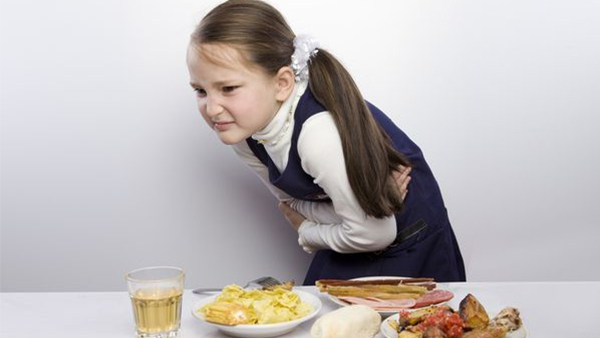
Children Poisoning – By Dr. Medhat Abu Shaaban Pediatrician in Dubai
Every year, approximately three million children worldwide are affected by poisoning incidents, making it one of the leading causes of pediatric emergencies and preventable deaths. This staggering statistic underscores a reality that every parent, caregiver, and healthcare provider must confront: our homes, while intended to be safe havens for our children, often contain numerous substances that pose serious risks to young, curious minds. At myPediaClinic in Dubai, Dr. Medhat Abu Shaaban, our experienced Pediatrician, has dedicated years to educating families about the prevention, recognition, and management of childhood poisoning, helping to protect the children of Dubai and the UAE from these preventable tragedies.
Children are naturally curious explorers, using all their senses—including taste—to learn about the world around them. This developmental characteristic, while essential for learning, puts them at heightened risk for accidental poisoning. Young children cannot distinguish between safe and dangerous substances, and many household products, medications, and plants that seem harmless to adults can cause severe illness or even death in children. Understanding the scope of this problem, recognizing potential hazards, and implementing comprehensive prevention strategies are essential responsibilities for every family. This comprehensive guide will provide you with the knowledge and tools you need to protect your children from poisoning and respond effectively if an incident occurs.
Understanding the Scope of Childhood Poisoning
The World Health Organization estimates that poisoning is among the top five causes of unintentional injuries in children under the age of five. Each year, tens of thousands of children are hospitalized due to poisoning incidents, and hundreds of thousands more require emergency medical attention. While many of these cases result in full recovery with appropriate treatment, a significant number lead to lasting health consequences or death. In the United States alone, poison control centers receive over two million calls annually, with more than half involving children under the age of six.
Age-Related Vulnerability to Poisoning
Children between the ages of one and three are at the highest risk for accidental poisoning. This age group has developed the mobility to explore their environment and the manual dexterity to open containers, but they lack the cognitive development to understand danger. They are also at a developmental stage where they put everything in their mouths as a way of exploring and learning. Toddlers are naturally drawn to colorful packaging, sweet-tasting substances, and anything that resembles food or drink.
Infants under one year are generally at lower risk because their mobility is limited, though they can still be poisoned through medication errors, contaminated breast milk, or exposure to environmental toxins. Older children and adolescents face different risks, including intentional ingestion related to substance experimentation or mental health crises. At myPediaClinic, we provide age-appropriate guidance for preventing poisoning at every stage of childhood development.
The Economic and Emotional Impact of Childhood Poisoning
Beyond the immediate health consequences, childhood poisoning carries significant economic and emotional burdens. Medical costs for treating poisoning can be substantial, including emergency room visits, hospitalizations, laboratory tests, and follow-up care. Some poisoning incidents result in long-term health problems requiring ongoing medical treatment and affecting the child’s quality of life. The psychological impact on families—the fear, guilt, and trauma associated with a poisoning incident—can be profound and long-lasting.
The good news is that the vast majority of childhood poisonings are preventable. With proper awareness, education, and childproofing measures, families can dramatically reduce the risk of poisoning incidents. Understanding common household hazards and implementing proven prevention strategies can protect your children and give you peace of mind.
Common Household Poisons and Their Dangers
Virtually every home contains substances that can be toxic to children. Recognizing these hazards is the first step in protecting your family. Dr. Medhat Abu Shaaban at myPediaClinic Dubai emphasizes the importance of conducting a thorough assessment of your home to identify and secure all potentially dangerous substances.
Medications: The Leading Cause of Childhood Poisoning
Medications are the number one cause of childhood poisoning, accounting for approximately half of all poison control center calls involving children. Both prescription and over-the-counter medications pose risks, and even medications intended for children can be dangerous when taken in excessive amounts. Some of the most dangerous medications for children include pain relievers (particularly opioids and acetaminophen), cardiovascular medications (blood pressure pills, heart medications), diabetes medications (insulin and oral diabetes drugs), sedatives and sleep aids, and iron supplements.
Children are attracted to medications because many resemble candy in their colorful packaging and flavored formulations. Chewable vitamins, flavored cough syrups, and gummy supplements are particularly appealing to young children who cannot distinguish them from treats. Even child-resistant packaging, while helpful, is not childproof—a determined toddler may eventually open such containers if given enough time.
Cleaning Products and Household Chemicals
Cleaning products are found in virtually every home and represent a significant poisoning hazard for children. Common dangerous household chemicals include bleach and chlorine-containing products, drain cleaners and oven cleaners, laundry detergent pods, dishwasher detergent, ammonia-based cleaners, furniture polish, and rust removers. Many of these products can cause severe chemical burns to the mouth, throat, and digestive tract, as well as respiratory damage if inhaled.
Laundry detergent pods deserve special attention due to their high toxicity and child-attracting appearance. These colorful, squishy packets look remarkably like candy or toys to young children. When bitten or swallowed, they release highly concentrated detergent that can cause severe burns to the mouth and throat, breathing difficulties, and in some cases, coma or death. The concentrated formulation makes these products far more dangerous than traditional liquid or powder detergents.
Pesticides and Gardening Products
Products used for pest control and gardening often contain highly toxic chemicals that pose serious risks to children. Insecticides, rodent poisons, herbicides, and fertilizers can cause severe illness or death if ingested. Rodent poisons are particularly dangerous because they are designed to be palatable to attract pests—this same palatability makes them attractive to curious children. Some gardening products, such as slug and snail baits, are also designed to be attractive to their targets and can easily appeal to children as well.
Personal Care Products and Cosmetics
Many personal care products contain ingredients that are toxic when ingested in sufficient quantities. Mouthwash, particularly those containing alcohol, can cause alcohol poisoning in children. Nail polish remover (acetone) can cause central nervous system depression and metabolic disturbances. Perfumes and colognes often contain high concentrations of alcohol. Hair dye, permanent wave solutions, and other salon chemicals can cause burns and systemic toxicity. Even seemingly harmless products like hand sanitizer contain enough alcohol to cause serious harm to a child who ingests them.
Plants: The Hidden Danger in Your Home and Garden
Many common household and garden plants are toxic to children if ingested. Oleander, one of the most common landscaping plants in the UAE and throughout the Middle East, is extremely poisonous—all parts of the plant contain cardiac glycosides that can cause fatal heart rhythm disturbances. Other toxic plants commonly found in homes and gardens include dieffenbachia (dumb cane), philodendron, pothos, lily of the valley, foxglove, azalea, rhododendron, and certain species of mushrooms.
Button Batteries: A Modern Danger
Button batteries, also known as coin batteries, present a unique and severe poisoning risk that has increased dramatically with the proliferation of electronic devices. When swallowed, these small batteries can become lodged in the esophagus and generate an electrical current that causes rapid and severe chemical burns. Serious injury can occur within just two hours of ingestion, and the damage can be fatal. Button batteries are found in many common household items, including remote controls, key fobs, watches, greeting cards, flameless candles, toys, and hearing aids.
Recognizing the Signs and Symptoms of Poisoning
Early recognition of poisoning symptoms can be life-saving. While symptoms vary depending on the substance involved, Dr. Medhat Abu Shaaban advises parents to be alert for certain warning signs that may indicate a poisoning incident. At myPediaClinic Dubai, we educate families about these critical warning signs to enable rapid response when poisoning is suspected.
General Signs of Poisoning in Children
Some symptoms are common across many types of poisoning and should always prompt immediate concern. These include unexplained nausea, vomiting, or diarrhea, especially if sudden in onset; unusual drowsiness, confusion, or difficulty staying awake; difficulty breathing, wheezing, or respiratory distress; burns, redness, or unusual odors around the mouth or on the skin; abdominal pain or cramping; seizures or convulsions; loss of consciousness; and unusual behavior or sudden changes in mood.
Children may not always be able to articulate what has happened or what they have ingested. Look for contextual clues such as open containers, spilled substances, unusual stains on clothing or skin, or the child playing in an area where toxic substances are stored. The presence of pills, plant material, or other suspicious substances in or around the child’s mouth may indicate ingestion.
Symptoms Specific to Different Types of Poisons
Different categories of poisons produce characteristic symptoms that can help identify the substance involved. Medication overdoses may cause extreme drowsiness or hyperactivity, depending on the medication type; changes in pupil size; rapid or slow heartbeat; difficulty breathing; and seizures. Caustic or corrosive substances (like drain cleaners or oven cleaners) typically cause immediate pain, burning sensations in the mouth and throat, drooling, difficulty swallowing, and visible burns around the mouth and lips.
Hydrocarbon ingestion (such as furniture polish, lamp oil, or gasoline) often causes coughing, choking, and respiratory symptoms, as these substances can be aspirated into the lungs. Pesticide poisoning may produce excessive salivation, sweating, tearing, muscle twitching, and seizures. Alcohol poisoning manifests as confusion, slurred speech, loss of coordination, vomiting, slow or irregular breathing, and decreased body temperature.
When Symptoms May Be Delayed
Not all poisoning symptoms appear immediately. Some substances cause delayed effects that may not become apparent for hours or even days after exposure. Acetaminophen (paracetamol) poisoning, for example, may cause few symptoms initially but can lead to severe liver damage over the following days if not treated promptly. Iron poisoning may have a period of apparent improvement before life-threatening complications develop. This delayed presentation makes it essential to seek medical attention even if the child appears well after a known or suspected poisoning exposure.
Emergency Response: What to Do If Poisoning Occurs
Despite the best prevention efforts, poisoning incidents can still occur. Knowing how to respond quickly and appropriately can make the difference between a minor incident and a life-threatening emergency. Dr. Medhat Abu Shaaban at myPediaClinic provides the following guidance for responding to suspected childhood poisoning.
Immediate Steps to Take
Stay calm. Your ability to respond effectively depends on remaining composed and thinking clearly. Panic can lead to poor decisions and delays in getting help. Remove the child from the source of exposure if it is safe to do so. If the child has ingested a substance, do not induce vomiting unless specifically instructed to do so by a poison control center or medical professional. For many substances, vomiting can cause additional harm by re-exposing the esophagus and throat to caustic materials or increasing the risk of aspiration.
If the child is unconscious, having a seizure, or having difficulty breathing, call emergency services immediately. In Dubai, the emergency number is 998 for ambulance services. While waiting for help, place an unconscious child in the recovery position (on their side with their head slightly lower than their body) to prevent choking if vomiting occurs.
Contacting Poison Control
Poison control centers are staffed by specially trained medical professionals who can provide immediate guidance for poisoning emergencies. In the UAE, the Dubai Poison Control Center can be reached for advice on poisoning incidents. When calling, be prepared to provide the child’s age and weight; the name and amount of the substance ingested (if known); the time the exposure occurred; any symptoms the child is experiencing; and any first aid measures already taken.
Keep the container or packaging of the ingested substance nearby so you can provide accurate information to poison control or medical personnel. If the child has vomited, save a sample of the vomit if possible, as it may help with identification of the substance and treatment planning.
When to Go to the Emergency Room
Seek immediate emergency medical care if the child is unconscious or unresponsive; having difficulty breathing; having seizures; experiencing severe pain, especially in the throat or abdomen; has burns around the mouth or on the skin; has ingested a known highly toxic substance (such as button batteries, medications, or caustic chemicals); or if poison control recommends emergency evaluation. Even if the child appears well, certain exposures warrant emergency evaluation due to the potential for delayed complications.
What NOT to Do During a Poisoning Emergency
Equally important as knowing what to do is understanding what not to do. Do not induce vomiting unless specifically instructed by poison control or a medical professional. Do not give the child anything to eat or drink unless advised by poison control. Do not attempt home remedies or antidotes without professional guidance. Do not wait to see if symptoms develop before seeking help if a toxic exposure is known or suspected. Do not leave the child unattended while seeking help—if possible, have someone else make phone calls while you stay with the child.
Childproofing Your Home: A Room-by-Room Guide
The most effective approach to preventing childhood poisoning is to eliminate or secure hazardous substances before an incident can occur. A systematic, room-by-room approach to childproofing ensures that no potential hazards are overlooked. myPediaClinic Dubai recommends the following comprehensive childproofing strategies.
Kitchen Safety
The kitchen contains numerous poisoning hazards, from cleaning products under the sink to medications in the spice rack. Install child-resistant latches on all cabinets and drawers containing cleaning products, sharp objects, or other hazards. Store all cleaning products in their original containers with labels intact—never transfer them to food containers where they might be mistaken for beverages. Keep dish detergent, especially pods, in a locked cabinet out of children’s reach.
Secure the cabinet under the sink, which often houses the most concentrated and dangerous cleaning chemicals. Consider installing a lock on the trash can, as children may retrieve discarded items including medication bottles or hazardous products. Keep vitamins and medications out of the kitchen, even if they are in child-resistant packaging—the kitchen counter is too accessible for curious children.
Bathroom Safety
Bathrooms are high-risk areas due to the concentration of medications and personal care products. Install locks on medicine cabinets and any storage areas containing medications or toiletries. Store all medications, including vitamins and supplements, in locked cabinets—not in easily accessible medicine cabinets or on countertops. Dispose of expired or unused medications safely; many pharmacies offer medication disposal programs.
Keep personal care products such as mouthwash, hand sanitizer, perfume, and cosmetics out of reach. Install safety latches on cabinets containing cleaning supplies, and store products containing alcohol (such as mouthwash and hand sanitizer) in locked storage. Never leave children unattended in the bathroom, as many poisoning incidents occur in just moments of inattention.
Bedroom and Living Area Safety
Bedrooms and living areas may seem safer but contain hidden hazards. Check all areas where medications might be stored, including bedside tables, purses, and coat pockets. Grandparents’ medications are a common source of childhood poisoning, as they may be kept in more accessible locations and often come in packaging that is easier to open.
Secure any electronics containing button batteries, or remove batteries when devices are not in use. Inspect houseplants to identify any that are toxic, and either remove them or place them well out of reach. If you use essential oils, oil diffusers, or aromatherapy products, ensure these are stored securely, as many essential oils are toxic if ingested.
Garage and Storage Area Safety
Garages and storage areas often contain the most toxic substances in the home, including automotive products, pesticides, and gardening chemicals. Ideally, these areas should be completely off-limits to children, secured with locks that children cannot open. All toxic products should be stored in their original containers on high shelves, preferably in locked cabinets.
Never transfer automotive fluids, pesticides, or other chemicals into food or beverage containers—this is one of the most common causes of serious poisoning incidents. Antifreeze is particularly dangerous because of its sweet taste that appeals to children and pets. Consider using propylene glycol-based antifreeze, which is less toxic, though still not safe for ingestion.
Outdoor Safety
Outdoor areas present unique poisoning risks that require attention. Inspect your garden and yard for toxic plants, and either remove them or fence them off from areas where children play. Secure all gardening chemicals, fertilizers, and pesticides in locked storage, and ensure children are not present when these products are being used.
If you have a pool or spa, ensure that pool chemicals are stored in locked containers away from children. Never mix pool chemicals, as this can create toxic gases. Be aware of potential lead paint hazards on older outdoor furniture, play equipment, or structures. In Dubai’s climate, also be cautious about products left in hot outdoor storage, as heat can increase the volatility and toxicity of some chemicals.
Special Considerations for Families in Dubai
Living in Dubai presents some unique considerations for poison prevention. The diverse, multicultural population may use traditional remedies or products from their home countries that contain ingredients not commonly found in local markets. At myPediaClinic, we work with families from all backgrounds to identify and address potential hazards specific to their households.
Traditional and Herbal Remedies
Many families in Dubai use traditional or herbal remedies from their home countries. While some of these remedies may be safe, others contain ingredients that can be harmful to children, including heavy metals, undisclosed pharmaceutical ingredients, or toxic plant materials. Keep all traditional remedies, just like medications, securely stored away from children. Consult with your pediatrician at myPediaClinic before giving any traditional or herbal remedies to your child.
Climate-Related Considerations
Dubai’s hot climate can affect the stability and toxicity of some household products. Chemicals stored in garages or outdoor areas may become more volatile in extreme heat, increasing the risk of toxic fume exposure. Air fresheners, cleaning products, and personal care items left in hot cars can degrade or become more hazardous. Take care to store all potentially toxic products in climate-controlled areas and be cautious about products that may have been exposed to extreme heat.
Household Staff and Childcare Considerations
Many families in Dubai employ household staff or use childcare services. Ensure that all caregivers are educated about poison prevention and know the location of all potentially hazardous substances in the home. Provide clear instructions about proper storage of cleaning products and medications, and ensure that all staff members know how to respond in case of a poisoning emergency, including emergency contact numbers and the location of the nearest medical facility.
Age-Appropriate Education for Children
While environmental controls are essential, teaching children about poison safety is an important complement to childproofing. Age-appropriate education can help children develop an understanding of danger and make safer choices as they grow. Dr. Medhat Abu Shaaban recommends beginning poison safety education as early as age two, using simple concepts appropriate to the child’s developmental level.
Teaching Toddlers and Preschoolers
Very young children cannot fully understand the concept of poison, but they can learn simple rules. Teach children to “ask first” before eating or drinking anything. Use simple, clear language: “Only eat food that Mommy or Daddy gives you.” Point out warning labels and teach children that certain symbols mean “do not touch.” Make learning fun through songs, games, and books about safety.
Education for School-Age Children
As children grow, they can understand more complex concepts about safety. Teach children to read warning labels and understand what they mean. Explain why certain products are dangerous and what could happen if they are misused. Discuss the importance of following dosing instructions for medications. Teach children to recognize the difference between medicine and candy, and emphasize that medicine should only be taken when given by a parent or trusted adult.
Talking to Adolescents About Poison Safety
Teenagers face different poison risks, including intentional misuse of substances. Have open conversations about the dangers of substance abuse, including prescription drug misuse and inhalant abuse. Discuss the risks of mixing medications or taking medications not prescribed to them. Ensure teenagers understand the signs of poisoning and overdose and know how to respond in an emergency.
Preventing Medication Errors
Medication errors are a leading cause of childhood poisoning, and many are entirely preventable with proper precautions. At myPediaClinic Dubai, we provide comprehensive guidance on safe medication practices for families.
Safe Medication Storage
Store all medications, including vitamins and supplements, in locked cabinets out of children’s reach. Keep medications in their original containers with child-resistant caps properly secured. Do not leave medications on countertops, nightstands, or in purses or bags accessible to children. Be especially careful with visitors’ medications—grandparents and other guests may carry medications in less secure containers or leave them in accessible locations.
Proper Dosing Practices
Always use the measuring device that comes with the medication—kitchen spoons are not accurate for medication dosing. Never refer to medicine as “candy” to encourage children to take it, as this can lead to dangerous confusion. Double-check dosing instructions every time, especially with liquid medications where concentration may vary between products. Write down when each dose is given to prevent accidental double-dosing, especially when multiple caregivers are involved.
Medication Disposal
Dispose of expired or unused medications promptly and safely. Many pharmacies offer medication take-back programs where you can safely dispose of unused drugs. If disposing at home, mix medications with coffee grounds or cat litter and place in a sealed container before throwing in the trash. Never flush medications unless specifically instructed to do so on the label. Remove personal information from prescription labels before disposal.
Long-Term Health Effects of Childhood Poisoning
While many poisoning incidents result in full recovery, some can lead to lasting health consequences. Understanding these potential outcomes underscores the importance of prevention and prompt treatment.
Immediate and Short-Term Effects
The immediate effects of poisoning depend on the substance involved and the amount ingested. Caustic substances can cause burns to the mouth, throat, and digestive tract. Some poisons cause respiratory damage, cardiac effects, or neurological symptoms. With prompt treatment, many of these effects can be managed and reversed.
Potential Long-Term Consequences
Some poisoning incidents can result in permanent health effects. Caustic ingestions may cause esophageal strictures requiring ongoing medical treatment. Lead and heavy metal poisoning can cause lasting cognitive impairment. Certain medication overdoses may cause liver or kidney damage. Button battery ingestions can cause permanent damage to the esophagus, including scarring and narrowing that affects swallowing.
Psychological Impact
Poisoning incidents can have psychological effects on both children and families. Children may develop anxiety around eating or taking medication. Parents may experience guilt, fear, and hypervigilance. Professional counseling may be helpful for families processing the emotional aftermath of a poisoning incident. At myPediaClinic, we provide support and resources for families dealing with the physical and emotional effects of poisoning incidents.
Frequently Asked Questions About Childhood Poisoning
What should I do immediately if my child swallows something poisonous?
First, stay calm and remove any remaining substance from your child’s mouth. Do not induce vomiting unless specifically instructed by poison control or medical personnel. Call your local poison control center or emergency services immediately. Try to identify what your child swallowed and have the container or packaging ready when you call. If your child is unconscious, having seizures, or having difficulty breathing, call emergency services (998 in Dubai) immediately and begin first aid as appropriate. At myPediaClinic, we recommend keeping emergency numbers posted in a visible location in your home.
How can I childproof my home against poisoning?
Childproofing requires a systematic approach. Install child-resistant locks on all cabinets containing medications, cleaning products, or other hazardous substances. Store all medications, including vitamins, in locked cabinets—not just out of reach. Keep products in their original containers with labels intact. Secure button batteries and electronics containing them. Identify and remove or secure toxic plants. Pay special attention to the kitchen, bathroom, garage, and any areas where chemicals are stored. Remember that child-resistant packaging is not childproof, so always store potentially dangerous items in locked or latched storage.
Why are children more vulnerable to poisoning than adults?
Children are more vulnerable to poisoning for several reasons. Their natural curiosity leads them to explore by putting things in their mouths. They cannot distinguish between safe and dangerous substances. Their smaller body size means that even small amounts of toxic substances can cause serious harm. Their developing organs and metabolism may be less able to process and eliminate toxins. Additionally, children may not report what they have ingested, leading to delayed treatment. These factors make prevention and close supervision essential for protecting young children from poisoning.
What are the most common household poisons for children?
The most common household poisons affecting children include medications (both prescription and over-the-counter), cleaning products (especially laundry detergent pods), cosmetics and personal care products, plants, pesticides and pest control products, and button batteries. Medications account for approximately half of all poisoning calls to poison control centers. Other common hazards include alcohol-containing products like hand sanitizer and mouthwash, automotive products like antifreeze, and art supplies. Being aware of these common hazards and securing them properly is essential for poison prevention.
Should I induce vomiting if my child swallows something toxic?
No, you should not induce vomiting unless specifically instructed to do so by poison control or medical personnel. For many substances, inducing vomiting can cause additional harm. Caustic substances like drain cleaner can cause additional burns to the esophagus when vomited. Petroleum products can be aspirated into the lungs during vomiting, causing severe lung damage. Instead of inducing vomiting, call poison control immediately for guidance specific to the substance your child has ingested. The old recommendation to keep ipecac syrup at home is no longer advised by medical professionals.
What are the signs that my child may have been poisoned?
Signs of poisoning may include unexplained nausea, vomiting, or diarrhea; unusual drowsiness or confusion; difficulty breathing; burns or stains around the mouth; unusual odors on breath or clothing; abdominal pain; seizures; loss of consciousness; and sudden behavioral changes. You may also notice contextual clues like open containers, spilled substances, or the child playing near stored chemicals. Not all poisoning symptoms appear immediately—some substances cause delayed effects. If you suspect poisoning, seek medical attention even if your child appears well, as early treatment can prevent serious complications.
Why are laundry detergent pods particularly dangerous for children?
Laundry detergent pods are particularly dangerous for children because they look like candy or toys with their bright colors and squishy texture. The concentrated detergent inside is far more toxic than traditional liquid or powder detergents. When a child bites into a pod, the concentrated detergent can cause severe chemical burns to the mouth, throat, and esophagus. It can also cause serious eye injuries, breathing problems, and in some cases, coma or death. Pods should be stored in locked cabinets completely out of children’s sight and reach, and many safety experts recommend that families with young children use traditional detergent formats instead.
How do I teach my child about poison safety?
Teaching poison safety should begin early and be age-appropriate. For toddlers and preschoolers, teach simple rules like “ask first” before eating or drinking anything and “medicine is not candy.” Point out warning symbols and explain they mean “do not touch.” For school-age children, teach them to read warning labels, explain why certain products are dangerous, and ensure they understand that medications should only come from trusted adults. For teenagers, discuss the dangers of substance misuse and the importance of following medication instructions. Use books, games, and consistent reminders to reinforce these messages at every age.
Conclusion: Prevention is the Key to Protecting Your Children
Childhood poisoning remains one of the most common preventable pediatric emergencies worldwide. The statistics—three million children affected by poisoning each year—represent countless families experiencing fear, trauma, and sometimes lasting consequences. Yet the vast majority of these incidents are preventable through awareness, education, and proactive childproofing measures.
At myPediaClinic in Dubai, Dr. Medhat Abu Shaaban and our entire pediatric team are committed to helping families protect their children from poisoning and other preventable injuries. By understanding the common hazards in your home, implementing comprehensive childproofing measures, teaching your children about safety, and knowing how to respond in an emergency, you can dramatically reduce the risk of poisoning in your family.
Remember that childproofing is an ongoing process. As your children grow and develop new skills, reassess your home for new hazards. A toddler who could not open a cabinet may suddenly develop the dexterity to do so. A child who previously showed no interest in certain items may suddenly become curious. Regular reassessment and adjustment of your safety measures ensures continued protection as your children develop.
Schedule a Consultation at myPediaClinic
If you have concerns about poisoning or want personalized guidance on protecting your children, we invite you to schedule a consultation at myPediaClinic in Dubai. Dr. Medhat Abu Shaaban can provide a comprehensive assessment of your family’s risk factors and offer tailored recommendations for keeping your children safe.
Our pediatric team is also available for emergency consultations if you are concerned about a potential poisoning exposure. Early intervention is crucial for the best outcomes, so never hesitate to seek medical attention if you suspect your child has been exposed to a toxic substance.
Contact myPediaClinic Dubai today to schedule an appointment with Dr. Medhat Abu Shaaban. Together, we can work to keep your children safe and healthy. Your child’s safety is our priority.