

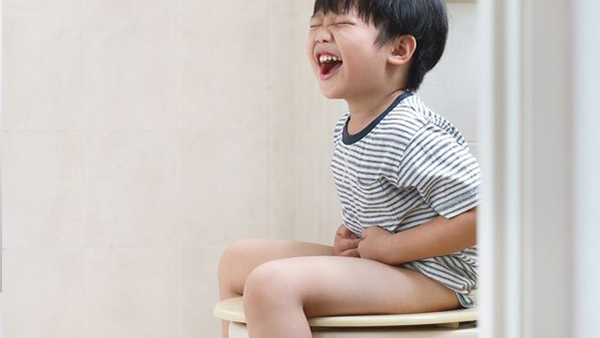
Constipation in Children – By Dr. Medhat Abu Shaaban Pediatrician in Dubai
Constipation is one of the most common childhood health concerns, affecting up to 30% of children at some point during their developmental years. Despite its prevalence, constipation in children often causes significant anxiety for parents, who may struggle to determine when the condition is a normal variation in bowel habits and when it requires medical attention. At myPediaClinic in Dubai, Dr. Medhat Abu Shaaban, our experienced Pediatrician, encounters countless families seeking guidance on this often-distressing condition. This comprehensive guide will provide parents with the knowledge they need to understand, prevent, and manage constipation in their children, while recognizing when professional medical intervention is necessary.
The impact of constipation on a child’s quality of life should not be underestimated. Children with chronic constipation may experience abdominal pain, loss of appetite, behavioral changes, and difficulties with toilet training. In severe cases, constipation can lead to complications such as fecal impaction, anal fissures, and encopresis (fecal soiling). Understanding the underlying causes of constipation and implementing appropriate dietary and lifestyle modifications can help most children achieve regular, comfortable bowel movements. This guide will walk you through everything you need to know about childhood constipation, from understanding normal bowel patterns to implementing effective treatment strategies.
Understanding Normal Bowel Patterns in Children
Before discussing constipation, it is important to understand what constitutes normal bowel function in children. Bowel patterns vary significantly among children and can depend on age, diet, activity level, and individual physiology. What is normal for one child may be quite different for another, and understanding this variability is essential for recognizing when true constipation is present.
Bowel Patterns in Infants
Newborns typically pass their first stool, called meconium, within the first 24 to 48 hours of life. This dark, sticky substance is composed of materials ingested during fetal development. Over the following days, stools transition through various stages as the baby begins feeding. Breastfed infants often have frequent, soft, yellow stools—sometimes after every feeding—though some breastfed babies may go several days between bowel movements, especially after the first month of life. This is generally normal if the stool is soft when passed and the baby is comfortable.
Formula-fed infants typically have fewer bowel movements than breastfed babies, with stools that are firmer and darker in color. It is common for formula-fed infants to have one to two bowel movements per day, though some may have more or fewer. Changes in formula can affect stool patterns, so parents should be prepared for potential adjustments when switching formula types.
Bowel Patterns in Toddlers and Young Children
As children begin eating solid foods, their stool patterns change significantly. Most toddlers have one to two bowel movements per day, though the range of normal extends from three times daily to once every other day. The consistency of stools should be soft and formed, resembling the texture of soft-serve ice cream or playdough. Stools that are hard, pellet-like, or difficult to pass may indicate constipation, even if the frequency of bowel movements seems normal.
Toilet training can be a particularly challenging time for bowel function. Some children develop a fear of using the toilet or may withhold stools due to anxiety about the toilet training process. This withholding behavior can initiate a cycle of constipation that becomes increasingly difficult to break as stools become harder and more painful to pass.
Bowel Patterns in School-Age Children and Adolescents
Older children typically establish more regular bowel patterns, with most having one to two bowel movements daily. However, school-age children may suppress the urge to defecate due to embarrassment about using school bathrooms, time constraints between classes, or other social factors. This suppression can contribute to constipation and should be addressed through education and accommodation.
What Causes Constipation in Children?
Constipation in children rarely results from a single cause. Instead, it typically develops from a combination of dietary, behavioral, and sometimes medical factors. Understanding these contributing factors is essential for developing an effective treatment plan. At myPediaClinic Dubai, Dr. Medhat Abu Shaaban conducts thorough evaluations to identify the underlying causes of each child’s constipation.
Dietary Causes of Constipation
Diet plays a crucial role in bowel function, and dietary factors are among the most common causes of childhood constipation. Insufficient fiber intake is perhaps the most significant dietary contributor to constipation. Modern children’s diets often emphasize processed foods, refined grains, and sugary snacks while lacking adequate fruits, vegetables, and whole grains. Fiber adds bulk to stools and helps them move through the digestive tract more efficiently.
Inadequate fluid intake also contributes to constipation. When the body is not adequately hydrated, it absorbs more water from the stool in the colon, making stools harder and more difficult to pass. Many children, particularly those who are active or live in hot climates like Dubai, do not drink enough water throughout the day. Excessive consumption of dairy products, particularly cow’s milk, can contribute to constipation in some children. While dairy is an important source of calcium and other nutrients, some children may experience constipation when dairy consumption is excessive.
Behavioral and Lifestyle Causes
Behavioral factors play a significant role in childhood constipation. Stool withholding—deliberately resisting the urge to have a bowel movement—is one of the most common causes of chronic constipation in children. Children may withhold stools for various reasons, including being too busy playing to take a bathroom break, discomfort with unfamiliar or public bathrooms, fear or anxiety related to painful bowel movements, and resistance to toilet training.
When a child withholds stool, water is continuously absorbed from the stool in the rectum, making it harder and larger. When the child eventually does have a bowel movement, it may be painful, which reinforces the withholding behavior. This cycle can be difficult to break without intervention.
Physical inactivity can also contribute to constipation. Regular physical activity stimulates intestinal motility and promotes regular bowel movements. Children who spend excessive time in sedentary activities, such as watching television or playing video games, may be more prone to constipation than their more active peers.
Medical Causes of Constipation
While most childhood constipation is functional (meaning there is no underlying disease), some medical conditions can cause or contribute to constipation. These include hypothyroidism, which slows metabolic processes including digestion; celiac disease, which affects nutrient absorption; anatomical abnormalities of the rectum or anus; Hirschsprung’s disease, a condition in which nerve cells are missing from part of the intestine; spinal cord abnormalities; and certain medications, including some antihistamines, antacids containing aluminum, and certain pain medications.
Children with developmental delays or neurological conditions may be more prone to constipation due to reduced mobility, dietary challenges, or medication side effects. Food allergies, particularly cow’s milk protein allergy, can also present with constipation in some children.
Recognizing the Signs and Symptoms of Constipation
Identifying constipation in children is not always straightforward, as children may not clearly communicate their discomfort and may even attempt to hide bathroom-related issues. Learning to recognize the signs and symptoms of constipation helps parents intervene early before the condition becomes chronic or severe.
Common Symptoms of Constipation in Children
The most obvious sign of constipation is infrequent bowel movements, but this alone does not define constipation. Children with constipation typically exhibit hard, dry, or pellet-like stools; difficulty or straining during bowel movements; pain or discomfort when passing stools; large-diameter stools that may clog the toilet; blood on the stool or toilet paper due to anal fissures; abdominal pain or cramping, particularly in the lower abdomen; loss of appetite; and irritability or behavioral changes.
Signs of Withholding Behavior
Children who are withholding stools may display characteristic behaviors that parents should learn to recognize. These include crossing legs, squatting, standing on tiptoes, making unusual facial expressions, rocking back and forth, hiding in corners or behind furniture, and refusing to sit on the toilet. Some parents mistake these behaviors for attempts to have a bowel movement when the child is actually trying to prevent one.
Complications of Chronic Constipation
When constipation persists or becomes severe, complications can develop. Anal fissures—small tears in the tissue around the anus—can result from passing hard or large stools. These fissures cause pain and bleeding during bowel movements, which may increase withholding behavior and worsen constipation.
Fecal impaction occurs when a large mass of stool becomes stuck in the rectum and cannot be passed normally. This condition can cause severe abdominal pain and may require medical intervention to resolve. Encopresis, or fecal soiling, can develop when liquid stool leaks around impacted stool, resulting in staining of the underwear. This condition is not intentional and should not be treated as a behavioral problem—it is a sign of severe constipation requiring medical attention.
Dietary Solutions for Childhood Constipation
Dietary modification is often the cornerstone of treating and preventing constipation in children. At myPediaClinic, Dr. Medhat Abu Shaaban provides personalized dietary guidance to help families implement changes that promote regular, comfortable bowel movements.
Increasing Fiber Intake
Fiber is essential for healthy bowel function. It adds bulk to stools, helps them retain water, and promotes the movement of stool through the intestines. The recommended fiber intake for children is calculated as the child’s age plus 5 grams per day. For example, a 5-year-old should consume approximately 10 grams of fiber daily, while a 10-year-old should aim for about 15 grams.
Excellent sources of fiber for children include whole grain breads and cereals, oatmeal and bran-based breakfast cereals, fruits such as apples, pears, berries, oranges, and prunes, vegetables including broccoli, carrots, sweet potatoes, and peas, legumes such as beans, lentils, and chickpeas, and nuts and seeds (for children old enough to eat them safely). When increasing fiber intake, do so gradually to prevent gas and bloating, and ensure adequate fluid intake to help fiber do its job effectively.
The Importance of Hydration
Adequate fluid intake is essential for preventing and treating constipation. Fiber absorbs water to add bulk and softness to stools, so without sufficient fluids, increasing fiber alone may not improve constipation and could potentially worsen it. Water is the best choice for hydration, though fruit juices (particularly prune, pear, and apple juice) can also help soften stools.
The amount of fluid a child needs depends on their age, size, and activity level. As a general guideline, children should drink at least 4-8 glasses of water daily, with more needed during hot weather or physical activity. In Dubai’s warm climate, children may need additional fluids to maintain adequate hydration, particularly during outdoor activities.
Foods That Promote Regular Bowel Movements
Certain foods have natural laxative effects and can be particularly helpful for constipated children. Prunes and prune juice are among the most effective natural remedies for constipation, containing both fiber and sorbitol, a natural sugar alcohol that draws water into the intestines. Pears and pear juice have similar effects. Kiwi fruit has been shown in studies to improve bowel frequency and stool consistency. Flaxseeds, when added to foods like smoothies or yogurt, provide fiber and omega-3 fatty acids that support digestive health.
Foods to Limit or Avoid
While adding fiber-rich foods is important, limiting certain foods can also help manage constipation. Excessive dairy consumption, particularly cow’s milk, can contribute to constipation in some children. If you suspect dairy is affecting your child’s bowel function, discuss this with your pediatrician at myPediaClinic. Processed foods, fast food, and snacks high in refined carbohydrates often lack fiber and can worsen constipation. Foods high in fat can also slow digestion and contribute to constipation.
Home Remedies and Lifestyle Modifications
Beyond dietary changes, several home remedies and lifestyle modifications can help manage childhood constipation. These approaches are often effective for mild to moderate constipation and can be used alongside dietary interventions.
Establishing Regular Toilet Habits
Encouraging regular toilet habits is one of the most important strategies for managing and preventing constipation. Have your child sit on the toilet for 5-10 minutes after meals, taking advantage of the gastrocolic reflex—the natural increase in intestinal activity that occurs after eating. Ensure the child is comfortable, with feet supported on a stool if necessary, to allow for proper positioning during bowel movements.
Create a relaxed, unhurried atmosphere during toilet time. Rushing can increase anxiety and make it harder for children to have successful bowel movements. Some families find that providing books, puzzles, or other quiet activities during toilet time helps children relax and focus.
Proper Toilet Positioning
The position of the body during defecation affects how easily stools can be passed. The natural squatting position opens the anorectal angle and allows for easier evacuation. Since modern toilets do not support this position, using a footstool can help children achieve a more effective posture. The child’s knees should be slightly higher than their hips, with feet flat on the stool and the body leaning slightly forward.
Physical Activity and Exercise
Regular physical activity promotes healthy bowel function by stimulating intestinal motility. Encourage your child to engage in age-appropriate physical activities daily. For younger children, active play, running, jumping, and climbing are excellent options. Older children can participate in sports, cycling, swimming, or other activities they enjoy. Even a daily walk can help maintain regular bowel function.
Massage and Abdominal Exercises
Gentle abdominal massage can help stimulate bowel movements in young children. Using gentle, clockwise circular motions around the belly button can help move stool through the intestines. For older children, exercises that engage the abdominal muscles, such as leg raises or bicycle movements while lying on their back, can help promote bowel function.
Warm Baths
A warm bath can help relax the muscles involved in bowel movements and may provide comfort for children experiencing constipation-related discomfort. Some parents find that a warm bath before toilet time can help their child have a more successful bowel movement.
Medical Treatment Options
When dietary and lifestyle modifications are not sufficient to manage constipation, medical treatment may be necessary. At myPediaClinic Dubai, Dr. Medhat Abu Shaaban provides comprehensive evaluation and treatment for children with constipation, including guidance on appropriate use of laxatives and other medical interventions.
Over-the-Counter Laxatives
Several types of laxatives are available for children, and the appropriate choice depends on the severity and nature of the constipation. Osmotic laxatives, such as polyethylene glycol (MiraLAX) and lactulose, work by drawing water into the intestines to soften stools. These are often first-line treatments for childhood constipation because they are effective and well-tolerated. Fiber supplements can be helpful for children who do not get enough fiber from their diet, though they should be introduced gradually to minimize gas and bloating.
Stool softeners, such as docusate, help moisten stools to make them easier to pass. Glycerin suppositories can provide quick relief for acute constipation by stimulating the rectum to contract. Stimulant laxatives, such as senna or bisacodyl, stimulate intestinal contractions to move stool through the colon. These should generally be used only under medical supervision and for short periods.
Prescription Treatments
For severe or chronic constipation that does not respond to over-the-counter treatments, prescription medications may be necessary. Your pediatrician may prescribe stronger formulations of osmotic laxatives, prokinetic agents that increase intestinal motility, or other specialized treatments based on your child’s specific situation.
Treatment of Fecal Impaction
When a large mass of stool becomes impacted in the rectum, treatment may require a more aggressive approach to clear the impaction before maintenance therapy can begin. This may involve high-dose oral laxatives, enemas, or in some cases, manual disimpaction. This process should be performed under medical supervision, and it is often followed by a maintenance regimen to prevent recurrence.
Biofeedback Therapy
For children with pelvic floor dysfunction—difficulty coordinating the muscles involved in defecation—biofeedback therapy may be helpful. This treatment involves using sensors to help children learn to coordinate their muscles during bowel movements. Biofeedback is typically performed by specially trained physical therapists.
When to See a Doctor
While mild, occasional constipation can often be managed at home, certain situations require medical evaluation. Knowing when to seek professional help ensures that underlying conditions are identified and appropriate treatment is provided.
Warning Signs That Require Medical Attention
Seek medical attention promptly if your child experiences blood in the stool (other than small amounts from anal fissures); severe abdominal pain; vomiting; fever along with constipation; constipation in an infant under two months of age; no improvement after two weeks of home treatment; weight loss or failure to gain weight; and a distended or hard abdomen. Additionally, constipation that begins in the first few weeks of life may indicate Hirschsprung’s disease or other anatomical abnormalities and should be evaluated promptly.
Chronic Constipation
If your child has been experiencing constipation for more than two weeks despite dietary and lifestyle modifications, it is time to consult a pediatrician. Chronic constipation may require a thorough evaluation to identify underlying causes and a comprehensive treatment plan to restore normal bowel function. At myPediaClinic, we provide ongoing care and support for children with chronic constipation, adjusting treatment plans as needed to achieve the best outcomes.
Encopresis and Fecal Soiling
If your child is having fecal accidents after having been toilet trained, this is likely a sign of significant constipation and requires medical evaluation. Encopresis is not a behavioral problem—it is a medical condition that needs treatment. Children with encopresis often feel embarrassed and ashamed, and they need supportive, understanding care from both their families and their healthcare providers.
Preventing Constipation in Children
Prevention is always preferable to treatment. By implementing healthy habits from an early age, parents can significantly reduce their child’s risk of developing constipation.
Establishing Healthy Dietary Habits
From the introduction of solid foods, offer a variety of fiber-rich fruits, vegetables, and whole grains. Limit processed foods and sugary snacks that lack nutritional value and fiber. Make water readily available and encourage regular fluid intake throughout the day. Model healthy eating habits yourself—children often emulate their parents’ dietary choices.
Promoting Regular Physical Activity
Encourage active play and physical activity from an early age. Limit screen time and sedentary activities. Participate in physical activities as a family to make exercise enjoyable and part of your regular routine.
Supporting Healthy Toilet Habits
When toilet training, avoid pressure or punishment that could lead to withholding behavior. Ensure children have adequate time and privacy for using the bathroom. Address any fears or anxieties about the toilet promptly. Encourage children to respond to the urge to have a bowel movement rather than delaying.
Recognizing and Addressing Early Signs
Pay attention to your child’s bowel patterns and watch for early signs of constipation. Address constipation promptly before it becomes severe or chronic. Do not hesitate to seek professional guidance if you are concerned about your child’s bowel function.
Special Considerations for Different Age Groups
The approach to preventing and treating constipation varies somewhat depending on the child’s age. Here are some age-specific considerations to keep in mind.
Infants
Constipation in breastfed infants is uncommon, though some babies may go several days between bowel movements, which is normal if the stool is soft. For formula-fed infants, constipation is more common and may improve with formula changes. Small amounts of water or diluted prune juice may be recommended for constipated infants, but always consult your pediatrician before giving anything other than breast milk or formula to a baby under six months.
Toddlers
The transition to solid foods is a common time for constipation to develop. Introduce fiber-rich foods gradually and ensure adequate fluid intake. If constipation develops during toilet training, take a break from training until bowel function normalizes. Watch for withholding behavior and address it promptly.
School-Age Children
School-age children may suppress the urge to have bowel movements due to embarrassment about using school bathrooms or lack of time between classes. Encourage children to use the bathroom when they feel the urge, and advocate for adequate bathroom time at school if necessary. Continue to emphasize a fiber-rich diet and regular physical activity.
Adolescents
Teenagers often make independent food choices that may not include adequate fiber. Educate adolescents about the importance of diet for bowel health and encourage healthy eating habits. Body image concerns may affect eating patterns, so be alert for signs of disordered eating that could contribute to constipation.
The Role of Probiotics in Managing Constipation
Probiotics have gained attention as a potential treatment for constipation, though the evidence is still evolving. These beneficial bacteria may help maintain a healthy gut microbiome and support regular bowel function.
What Are Probiotics?
Probiotics are live microorganisms that, when consumed in adequate amounts, confer health benefits. They are found naturally in fermented foods such as yogurt, kefir, and certain cheeses, and are also available as supplements. The most commonly studied probiotics belong to the Lactobacillus and Bifidobacterium genera.
Evidence for Probiotics in Childhood Constipation
Some studies have shown that certain probiotic strains may improve bowel frequency and stool consistency in children with constipation. However, results have been mixed, and the optimal strains and doses are not yet established. Probiotics are generally safe for children and may be worth trying as part of a comprehensive constipation management plan, though they should not replace proven treatments.
How to Incorporate Probiotics
If you wish to try probiotics for your child’s constipation, you can offer probiotic-rich foods such as yogurt with live cultures, or discuss probiotic supplements with your pediatrician at myPediaClinic. Choose products specifically formulated for children and follow dosing recommendations on the package or as advised by your healthcare provider.
Frequently Asked Questions About Constipation in Children
How often should my child have a bowel movement?
Normal bowel frequency varies considerably among children. Some children have bowel movements two to three times daily, while others may go every other day. What matters most is that stools are soft and easily passed. If your child has fewer than three bowel movements per week, passes hard or painful stools, or shows signs of straining, they may be constipated. At myPediaClinic in Dubai, Dr. Medhat Abu Shaaban can help you determine what is normal for your child and whether intervention is needed.
Is it safe to give my child laxatives?
Many laxatives are safe for children when used appropriately and under medical guidance. Osmotic laxatives like polyethylene glycol (MiraLAX) are commonly used for childhood constipation and have a good safety profile. However, not all laxatives are appropriate for children, and dosing varies by age and weight. Some laxatives should only be used for short periods. Always consult with your pediatrician before giving your child any laxative, and follow dosing instructions carefully. At myPediaClinic, we can recommend the most appropriate laxative for your child’s situation and provide guidance on proper use.
What foods help relieve constipation in children?
Fiber-rich foods are key for relieving and preventing constipation. Good options include whole grain breads and cereals, fruits like apples, pears, berries, and prunes, vegetables such as broccoli, carrots, and sweet potatoes, and legumes like beans and lentils. Prunes and prune juice are particularly effective due to their fiber and natural sorbitol content. Adequate fluid intake, especially water, is also essential. Limiting dairy, processed foods, and low-fiber snacks may also help. A gradual increase in fiber, combined with adequate hydration, is often the most effective dietary approach to managing constipation.
Why does my child withhold stools?
Children withhold stools for various reasons. They may be too engrossed in play to take a bathroom break, uncomfortable with unfamiliar bathrooms, anxious about painful bowel movements from previous constipation, or resistant to toilet training. Once withholding begins, it often creates a vicious cycle—the longer stool stays in the colon, the harder and larger it becomes, making bowel movements more painful and reinforcing the withholding behavior. Addressing withholding early is important to break this cycle. A pediatrician can help identify the underlying cause and develop an appropriate treatment plan.
When should I be worried about blood in my child’s stool?
Small amounts of bright red blood on the stool or toilet paper are commonly caused by anal fissures—small tears in the anal tissue from passing hard stools. While these are generally not dangerous, they indicate that the constipation should be treated to allow healing. However, you should seek medical attention if there is a large amount of blood, if the blood is dark or mixed into the stool, if bleeding occurs without constipation, or if your child has other symptoms such as abdominal pain, fever, or weight loss. At myPediaClinic, we can evaluate the cause of rectal bleeding and recommend appropriate treatment.
Can constipation cause behavioral problems in children?
Yes, constipation can significantly affect a child’s behavior. Children with constipation often experience abdominal discomfort and cramping, which can make them irritable, fussy, or difficult to manage. Some children become less active or lose interest in activities they usually enjoy. Severe constipation can cause loss of appetite and affect eating patterns. Encopresis (fecal soiling) can lead to shame and embarrassment that affects a child’s self-esteem and social interactions. Addressing the underlying constipation often leads to improvement in these behavioral issues.
How long does it take to treat childhood constipation?
The duration of treatment depends on the severity and duration of the constipation. Acute constipation may resolve within days to a couple of weeks with dietary changes and appropriate treatment. However, chronic constipation—particularly when accompanied by fecal impaction or encopresis—may require several months of treatment. The rectum, which has been stretched by retained stool, needs time to return to its normal size and function. Maintenance treatment is often necessary for six months to a year or longer to prevent recurrence. Patience and consistency are key to successful treatment of chronic constipation.
Does drinking milk cause constipation in children?
Excessive consumption of cow’s milk has been associated with constipation in some children. This may be due to milk displacing fiber-rich foods in the diet, or to an intolerance or sensitivity to cow’s milk protein in certain children. The recommended intake of milk for children ages 1-3 is about 2 cups (480 ml) per day, and for older children about 2-3 cups. If your child drinks significantly more than this and has constipation, reducing milk intake may help. Some children benefit from switching to a different type of milk or eliminating dairy temporarily under medical supervision. Discuss any dietary changes with your pediatrician at myPediaClinic.
Conclusion: Helping Your Child Achieve Healthy Bowel Function
Constipation is a common childhood condition that, while often distressing for both children and parents, is usually manageable with appropriate dietary changes, lifestyle modifications, and when necessary, medical treatment. Understanding normal bowel patterns, recognizing the signs of constipation, and knowing when to seek medical help empowers parents to take effective action for their children’s health.
At myPediaClinic in Dubai, Dr. Medhat Abu Shaaban and our pediatric team are dedicated to helping children and families manage constipation and achieve optimal digestive health. We understand that every child is unique, and we provide individualized care tailored to each child’s specific needs and circumstances. Whether your child is experiencing occasional constipation or struggling with a chronic condition, we are here to help.
Remember that prevention is the best approach to constipation. By establishing healthy dietary habits, encouraging regular physical activity, and supporting positive toilet behaviors from an early age, you can significantly reduce your child’s risk of developing constipation. When constipation does occur, prompt attention and appropriate treatment can prevent complications and restore normal bowel function.
Schedule an Appointment at myPediaClinic
If your child is struggling with constipation, we invite you to schedule an appointment at myPediaClinic in Dubai. Dr. Medhat Abu Shaaban can conduct a thorough evaluation of your child’s condition, identify any underlying causes, and develop a comprehensive treatment plan tailored to your child’s needs.
Do not let constipation affect your child’s quality of life. With proper care and treatment, most children can achieve regular, comfortable bowel movements and enjoy better digestive health. Our caring team is here to support you and your child every step of the way.
Contact myPediaClinic Dubai today to schedule an appointment with Dr. Medhat Abu Shaaban. Let us help your child feel better and achieve healthy bowel function. Your child’s health and comfort are our top priorities.