

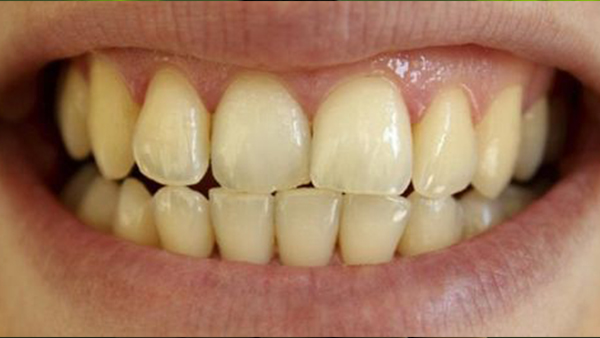
Teeth Discoloration – Dr. Mustafa Abdalla Pediatric Dentist in Dubai
A child’s smile is one of their most precious assets, and when parents notice changes in the color of their child’s teeth, it can be a source of significant concern. Teeth discoloration in children is surprisingly common, affecting both primary (baby) teeth and permanent teeth, and can range from subtle yellowing to more pronounced staining that impacts the child’s appearance and self-confidence. At myPediaClinic in Dubai, Dr. Mustafa Abdalla, our experienced Pediatric Dentist, specializes in diagnosing and treating teeth discoloration in children, helping young patients achieve healthy, beautiful smiles that they can be proud of.
Understanding the causes of teeth discoloration is the first step toward effective prevention and treatment. Tooth staining in children can result from a variety of factors, broadly categorized into three main types: extrinsic stains that affect the outer surface of the tooth, intrinsic stains that originate within the tooth structure itself, and age-related changes that combine both types. Each category has distinct causes and requires different approaches to treatment. This comprehensive guide will explore the three main causes of teeth discoloration in children, providing parents with the knowledge they need to protect their child’s dental health and address any discoloration that may occur. Whether you are concerned about current staining or want to prevent future discoloration, this information will help you understand your options and make informed decisions about your child’s dental care.
Understanding Tooth Structure and Color
To fully appreciate how and why teeth become discolored, it is helpful to understand the basic structure of a tooth and what determines its natural color. Teeth are composed of multiple layers, each of which plays a role in the tooth’s appearance.
The Anatomy of a Tooth
The outermost layer of the tooth crown (the visible part above the gum line) is the enamel. Enamel is the hardest substance in the human body and serves as a protective shell for the underlying layers. While enamel appears white, it is actually semi-translucent, meaning that some light passes through it. The enamel layer is thinner in primary teeth than in permanent teeth, which affects how baby teeth appear compared to adult teeth.
Beneath the enamel lies the dentin, which makes up the bulk of the tooth structure. Dentin is naturally yellow in color, and because enamel is semi-translucent, the dentin’s color shows through and significantly influences the overall appearance of the tooth. The thickness and quality of the enamel, combined with the color of the dentin, determine a tooth’s natural shade.
At the center of the tooth is the pulp, which contains blood vessels and nerves. While the pulp is not visible, damage to the pulp can affect tooth color, as we will discuss later. The root of the tooth, which is embedded in the jawbone, is covered by cementum rather than enamel.
Natural Variations in Tooth Color
It is important to recognize that not all teeth are naturally the same shade of white. Natural tooth color varies among individuals and is influenced by genetics, ethnicity, and the characteristics of the individual’s enamel and dentin. Some children naturally have teeth that appear more yellow or cream-colored, while others have teeth that appear brighter white. These natural variations are normal and do not indicate poor dental health.
Additionally, primary teeth and permanent teeth differ in color. Baby teeth typically appear whiter than adult teeth because they have thinner, more opaque enamel that better masks the yellow dentin beneath. When a child’s permanent teeth begin to emerge alongside remaining baby teeth, parents often worry that the new teeth appear yellow by comparison. This difference is usually normal and does not indicate a problem with the permanent teeth.
The Three Main Causes of Teeth Discoloration in Children
Teeth discoloration in children can be categorized into three main types based on where the staining originates and what causes it. Understanding these categories helps parents and dental professionals identify the cause of discoloration and determine the most appropriate treatment approach. At myPediaClinic Dubai, Dr. Mustafa Abdalla conducts thorough evaluations to determine the type and cause of each child’s tooth discoloration.
Cause 1: Extrinsic Stains – Surface Discoloration
Extrinsic stains are discolorations that affect the outer surface of the tooth—specifically, the enamel layer. These stains originate from outside the tooth and are typically caused by substances that come into contact with the teeth. Extrinsic stains are generally the easiest type of discoloration to treat and prevent because they affect only the surface of the tooth.
Food and Beverage Staining
Certain foods and beverages are notorious for causing tooth staining. Chromogens, which are intensely pigmented compounds found in many foods and drinks, can adhere to tooth enamel and cause discoloration over time. In children, common dietary sources of extrinsic staining include dark-colored juices such as grape juice and berry juices, sports drinks and colored beverages, candy and sweets with artificial coloring, tomato-based sauces, berries and dark-colored fruits, and soy sauce and other dark condiments.
The frequency of exposure matters as much as the type of food or beverage. Children who frequently snack on staining foods or sip on colored beverages throughout the day have more opportunity for stains to accumulate than those who consume these items only occasionally or at mealtimes.
Poor Oral Hygiene and Plaque Accumulation
Inadequate brushing and flossing allow plaque—a sticky film of bacteria—to accumulate on the teeth. When plaque is not removed regularly, it can harden into tartar (calculus), which is more difficult to remove and can cause a yellowish or brownish discoloration on the teeth. Plaque and tartar not only discolor teeth but also contribute to tooth decay and gum disease, making proper oral hygiene essential for both appearance and health.
In children, poor oral hygiene is often due to lack of proper brushing technique, insufficient brushing time, or inconsistent oral care routines. Young children may not have the manual dexterity to brush effectively without assistance, and older children may rush through brushing or skip it altogether. Establishing good oral hygiene habits early and supervising children’s brushing until they can do it effectively on their own is crucial for preventing extrinsic staining and maintaining overall oral health.
Iron Supplements and Liquid Medications
Liquid iron supplements, commonly prescribed for children with iron deficiency anemia, are a well-known cause of extrinsic tooth staining. Iron can bind to the tooth surface and bacteria in the mouth, creating a dark gray or black stain that can be quite noticeable. Other liquid medications may also cause staining if they contain colored ingredients or sugars that promote bacterial growth.
To minimize staining from iron supplements and other liquid medications, administer them at the back of the mouth using a syringe or dropper rather than allowing them to pool around the teeth. Following the medication with water can help wash away residue. For children who must take iron supplements long-term, more frequent professional dental cleanings may be necessary to manage staining.
Bacterial Staining
Certain bacteria that colonize the mouth can produce pigmented compounds that cause tooth staining. Chromogenic bacteria can create black, green, or orange stains on the teeth, often appearing as a line along the gum margin. While these stains can be unsightly, they are typically associated with good oral health rather than poor hygiene—some research suggests that children with chromogenic bacterial staining may actually have lower rates of tooth decay. However, the appearance can be concerning to parents and children.
These bacterial stains tend to recur even after professional removal, as the bacteria quickly recolonize the mouth. Regular professional cleanings can help manage the appearance, and in some cases, antimicrobial treatments may be recommended to reduce bacterial populations.
Treatment of Extrinsic Stains
The good news about extrinsic stains is that they are generally responsive to treatment. Professional dental cleaning can remove most surface stains, including those caused by plaque, tartar, and bacterial pigmentation. At myPediaClinic, Dr. Mustafa Abdalla uses gentle yet effective cleaning techniques appropriate for children to remove extrinsic stains and restore the natural appearance of the teeth.
For stubborn stains, polishing with specialized pastes may be used. In some cases, microabrasion—a technique that removes a thin layer of enamel along with superficial stains—may be recommended for older children with significant surface staining. Proper home care and dietary modifications can help prevent stains from recurring.
Cause 2: Intrinsic Stains – Discoloration Within the Tooth
Intrinsic stains originate within the tooth structure itself, affecting the dentin or developing enamel. These stains are more challenging to treat than extrinsic stains because they cannot be removed with surface cleaning alone. Understanding the causes of intrinsic staining helps prevent these conditions when possible and guides treatment decisions.
Dental Fluorosis
Dental fluorosis occurs when children are exposed to excessive fluoride during the years when their permanent teeth are developing (typically from birth to about age eight). Fluoride is essential for preventing tooth decay, but too much fluoride can disrupt enamel formation, causing changes in appearance that range from subtle white spots to more severe brown staining and pitting.
Mild fluorosis appears as faint white streaks or spots on the teeth and is primarily a cosmetic concern. Moderate to severe fluorosis causes more pronounced white spots, brown staining, and surface irregularities that can affect both appearance and tooth structure. The severity depends on the amount and duration of fluoride exposure during tooth development.
Sources of excessive fluoride exposure include swallowing fluoride toothpaste (which is why children should use only a small amount and be taught to spit rather than swallow), drinking water with naturally high fluoride levels, excessive use of fluoride supplements, and consuming multiple fluoride sources simultaneously. In Dubai and the UAE, water fluoridation levels are carefully controlled, but parents should be aware of all potential fluoride sources their child may encounter.
Tetracycline and Other Medication Staining
Tetracycline antibiotics, when taken during tooth development, can become incorporated into the developing enamel and dentin, causing permanent intrinsic staining. This staining typically appears as yellow, brown, or gray horizontal bands across the teeth. Because the discoloration is within the tooth structure, it cannot be removed with cleaning or standard whitening treatments.
Tetracycline staining can occur when the antibiotic is taken by children under age eight (while permanent teeth are developing) or by pregnant women (affecting the baby’s developing teeth). Due to this risk, tetracycline antibiotics are generally avoided in these populations, and alternative antibiotics are prescribed when needed. However, children who received tetracycline before these guidelines were established may have permanent staining.
Other medications that may cause intrinsic staining include certain antihistamines, antipsychotic medications, and high doses of some vitamins. Always inform your child’s healthcare providers about all medications your child is taking and discuss any concerns about dental effects.
Trauma to Developing Teeth
Injury to primary (baby) teeth can sometimes affect the developing permanent teeth beneath them. If a baby tooth is damaged or knocked out due to trauma, the impact can disrupt the formation of the permanent tooth that will eventually replace it. This can result in discoloration, enamel defects, or structural abnormalities in the permanent tooth.
The extent of damage depends on the nature and timing of the injury. Injuries that occur when the permanent tooth is in the early stages of development may cause more significant effects than those occurring later in the development process. This is one reason why dental injuries in young children should always be evaluated by a pediatric dentist, even if the immediate damage appears minor.
Trauma to Erupted Teeth
Trauma to a tooth that has already erupted can also cause discoloration, though through a different mechanism. When a tooth is injured, bleeding may occur within the pulp (the inner chamber containing nerves and blood vessels). Blood products can seep into the surrounding dentin, causing the tooth to appear pink, gray, or brown. Over time, the color may change as the blood products break down.
A traumatized tooth may recover on its own, or it may require treatment depending on the extent of damage to the pulp. Some teeth that initially become discolored after trauma eventually return to their normal color as the body reabsorbs the blood products. Others may remain discolored permanently or may require root canal treatment if the pulp becomes necrotic (dies). Regular monitoring by a pediatric dentist is important following any dental trauma.
Enamel Hypoplasia and Amelogenesis Imperfecta
Enamel hypoplasia refers to a deficiency in enamel formation that results in thin, poorly mineralized enamel. This can be caused by nutritional deficiencies, childhood illnesses (especially those causing high fever), premature birth, or genetic factors. Teeth affected by enamel hypoplasia may appear yellow, brown, or spotted, and may have pits or grooves on the surface. The affected areas are also more susceptible to decay.
Amelogenesis imperfecta is a group of inherited conditions that affect enamel formation. Children with amelogenesis imperfecta may have enamel that is abnormally thin, soft, or discolored. The appearance varies depending on the specific type of amelogenesis imperfecta, ranging from mild discoloration to severely affected teeth that appear yellow, brown, or even orange. Treatment focuses on protecting the teeth from decay and improving appearance through various restorative options.
Dentinogenesis Imperfecta
Dentinogenesis imperfecta is an inherited condition affecting dentin formation. Teeth affected by this condition typically have a blue-gray or amber-brown translucent appearance. The enamel may chip away easily because of the abnormal underlying dentin, and the teeth may wear down more quickly than normal. Both primary and permanent teeth can be affected, and the condition requires careful dental management to protect the teeth and maintain function.
Treatment of Intrinsic Stains
Treating intrinsic stains is more challenging than treating extrinsic stains because the discoloration is within the tooth structure. Treatment options depend on the cause, severity, and location of the staining, as well as the child’s age and the affected teeth.
For mild discoloration, professional whitening treatments may be considered for older children and adolescents, though these are generally more effective for some types of intrinsic staining than others. Microabrasion can be effective for superficial enamel discoloration, such as mild fluorosis. For more significant discoloration, restorative options such as composite bonding, veneers, or crowns may be recommended to cover the discolored teeth and restore a natural appearance. At myPediaClinic Dubai, Dr. Mustafa Abdalla evaluates each case individually and recommends the most appropriate treatment options based on the child’s specific situation.
Cause 3: Age-Related and Developmental Changes
The third category of tooth discoloration encompasses changes related to normal development and aging, as well as the combined effects of extrinsic and intrinsic factors over time. Understanding these changes helps parents distinguish between normal developmental variations and true discoloration that may require treatment.
The Transition from Primary to Permanent Teeth
As mentioned earlier, one of the most common concerns parents bring to pediatric dentists is the apparent difference in color between their child’s baby teeth and newly erupted permanent teeth. Primary teeth typically appear whiter than permanent teeth due to differences in enamel thickness and opacity. When a permanent tooth erupts next to a remaining baby tooth, the contrast can make the permanent tooth appear quite yellow.
This difference is normal and not a cause for concern. As more permanent teeth erupt and the baby teeth fall out, the contrast becomes less noticeable. Additionally, newly erupted permanent teeth may appear more yellow initially and often lighten somewhat over time as they mature and become more mineralized.
Normal Developmental Variations
Some children naturally have teeth that are more yellow or cream-colored due to genetic factors affecting enamel thickness, dentin color, or both. If a child has always had yellowish teeth without other concerning features (such as spots, bands, or structural abnormalities), and their dental health is otherwise good, the color may simply be a normal variation for that individual.
It can be helpful to look at the parents’ and siblings’ teeth to get a sense of what is normal for the family. If other family members have similar tooth coloring and healthy teeth, the child’s color is likely within their normal range.
Cumulative Effects Over Time
Over time, the cumulative effects of extrinsic staining, wear, and other factors can cause teeth to appear more discolored. While this is more typically a concern for adults, older children and adolescents may begin to notice these effects, especially if they have risk factors such as frequent consumption of staining foods and beverages, poor oral hygiene, or certain habits like teeth grinding that can wear down enamel.
Addressing Age-Related and Developmental Concerns
For normal developmental variations, reassurance is often all that is needed. Parents who are concerned about the color difference between baby teeth and permanent teeth can be assured that this is a normal part of dental development. Maintaining good oral hygiene and avoiding staining substances will help permanent teeth maintain their best natural appearance as they mature.
For children or adolescents who are self-conscious about the natural color of their teeth, professional whitening may be an option once all permanent teeth have erupted and matured—typically in the late teens. Dr. Mustafa Abdalla can discuss appropriate options based on the individual child’s situation and goals.
Prevention Strategies for Teeth Discoloration
Preventing teeth discoloration is always preferable to treating it after it occurs. By implementing appropriate prevention strategies, parents can help their children maintain bright, healthy smiles. The specific strategies depend on the type of staining being prevented.
Preventing Extrinsic Stains
Preventing surface stains involves minimizing exposure to staining substances and maintaining excellent oral hygiene. Limit consumption of foods and beverages known to stain teeth, such as dark-colored juices, sports drinks, and colored candies. When your child does consume staining substances, have them rinse their mouth with water afterward to help wash away pigments before they can adhere to the teeth.
Establish and maintain a thorough oral hygiene routine. Children should brush twice daily with fluoride toothpaste for at least two minutes each time, using an age-appropriate toothbrush. Parents should supervise brushing until children have the skills and responsibility to brush effectively on their own, typically around age six to eight. Flossing should begin as soon as teeth are in contact with each other.
Schedule regular dental visits for professional cleanings and examinations. At myPediaClinic, we recommend dental check-ups every six months for most children, which allows for early detection and treatment of any developing stains or other dental issues.
Preventing Intrinsic Stains
Preventing intrinsic stains requires awareness of the factors that can affect developing teeth. Monitor your child’s fluoride intake to prevent dental fluorosis. Use only a smear of toothpaste for children under three and a pea-sized amount for older children, and teach children to spit out toothpaste rather than swallow it. Be aware of fluoride levels in your water supply and any other sources of fluoride your child may encounter.
Avoid tetracycline antibiotics in children under eight and during pregnancy. If antibiotics are needed, healthcare providers can prescribe alternatives that do not cause tooth staining. Always inform your healthcare providers about any concerns regarding dental effects of medications.
Protect your child from dental injuries by using appropriate safety equipment during sports and supervising young children during activities that pose a risk of falls or impact. If a dental injury does occur, seek prompt evaluation from a pediatric dentist to assess any potential effects on developing permanent teeth.
Maintain your child’s overall health during the years when teeth are developing. Proper nutrition, including adequate calcium, vitamin D, and other nutrients, supports healthy enamel formation. Promptly treat childhood illnesses to minimize the risk of enamel hypoplasia associated with high fevers or prolonged illness.
Treatment Options for Teeth Discoloration in Children
When prevention is not possible or discoloration has already occurred, various treatment options are available depending on the type and severity of staining and the child’s age. At myPediaClinic Dubai, Dr. Mustafa Abdalla evaluates each child’s situation and recommends appropriate treatments.
Professional Cleaning and Polishing
For most extrinsic stains, professional dental cleaning is highly effective. During a cleaning appointment, the dental team removes plaque, tartar, and surface stains using specialized instruments. Polishing with prophylaxis paste can further brighten the teeth by removing residual staining. Regular professional cleanings every six months help maintain a clean, bright appearance.
Microabrasion
Microabrasion is a technique that removes a thin layer of surface enamel along with superficial stains. It is effective for mild fluorosis, some developmental enamel defects, and stubborn surface stains that do not respond to cleaning alone. The procedure involves applying an acidic compound and gently polishing the tooth surface to remove the discolored outer layer. Microabrasion is conservative and preserves tooth structure while improving appearance.
Professional Whitening
Professional tooth whitening, also known as bleaching, uses peroxide-based agents to lighten tooth color. While commonly used in adults, whitening in children requires careful consideration. Most pediatric dentists recommend waiting until all permanent teeth have fully erupted and matured before considering whitening treatments—typically in the late teens. For younger children with significant discoloration affecting self-esteem, other options may be more appropriate.
Composite Bonding
Composite bonding involves applying tooth-colored resin material to the surface of discolored teeth to mask staining and improve appearance. This technique is minimally invasive and can be an excellent option for children with localized discoloration or for teeth that have not responded to other treatments. Bonding can also repair small chips or reshape teeth as needed.
Veneers and Crowns
For severe discoloration that cannot be adequately addressed with more conservative treatments, veneers or crowns may be considered. Veneers are thin shells of porcelain or composite material bonded to the front surface of teeth, while crowns cover the entire visible portion of the tooth. These restorations can provide excellent aesthetic results but require removal of some tooth structure and are generally reserved for permanent teeth in older children or adolescents.
Special Considerations for Primary Teeth
Treatment approaches for primary (baby) teeth differ from those for permanent teeth. Because baby teeth will eventually be lost, aggressive treatment is often unnecessary unless the discoloration is causing functional problems or significant psychological distress. In many cases, monitoring and reassurance are appropriate for discolored baby teeth, with treatment planned for the permanent teeth if needed.
When to See a Pediatric Dentist
While some tooth discoloration is normal and harmless, certain situations warrant professional evaluation. Parents should schedule an appointment with a pediatric dentist if they notice new or sudden changes in tooth color, especially following trauma; white, brown, or yellow spots on teeth that were not present before; teeth that appear gray, pink, or unusually dark; discoloration accompanied by pain, sensitivity, or visible damage; and any concerns about how teeth look or whether they are developing normally.
Early evaluation allows for accurate diagnosis and timely intervention when needed. At myPediaClinic Dubai, Dr. Mustafa Abdalla specializes in pediatric dental care and can provide expert evaluation and treatment for all types of tooth discoloration in children.
The Psychological Impact of Teeth Discoloration
The appearance of teeth can significantly affect a child’s self-esteem and social interactions. Children with noticeably discolored teeth may become self-conscious about smiling, laughing, or speaking in front of others. They may face teasing or bullying from peers, which can affect their emotional well-being and social development.
Supporting Your Child
If your child has teeth discoloration, it is important to address both the physical and emotional aspects of the condition. Acknowledge your child’s feelings about their appearance without dismissing their concerns. Help them understand the cause of the discoloration and what options are available for treatment. Emphasize their other positive qualities and help them develop confidence that is not solely based on physical appearance.
Seeking treatment for discoloration can help improve your child’s self-esteem, but it is equally important to help children develop resilience and a positive self-image regardless of physical differences. A supportive family environment and, when needed, professional counseling can help children cope with any distress related to their dental appearance.
Frequently Asked Questions About Teeth Discoloration in Children
Why are my child’s permanent teeth so yellow compared to their baby teeth?
This is one of the most common concerns parents bring to pediatric dentists, and the good news is that it is usually completely normal. Baby teeth have thinner, more opaque enamel that appears whiter, while permanent teeth have thicker, more translucent enamel that allows the naturally yellow dentin underneath to show through. When a permanent tooth erupts next to a remaining baby tooth, the contrast can be striking. As more permanent teeth come in and the baby teeth are lost, the difference becomes less noticeable. Additionally, newly erupted permanent teeth often lighten somewhat as they mature. If you are concerned, Dr. Mustafa Abdalla at myPediaClinic can evaluate your child’s teeth to confirm they are developing normally.
What are the white spots on my child’s teeth?
White spots on teeth can have several causes. Mild dental fluorosis, caused by excessive fluoride intake during tooth development, appears as faint white streaks or spots. Enamel hypoplasia, a deficiency in enamel formation, can also cause white spots along with surface irregularities. Early tooth decay (demineralization) can create chalky white spots, particularly near the gum line or around orthodontic brackets. Some white spots are developmental variations that occurred during enamel formation. A pediatric dentist can determine the cause of white spots and recommend appropriate treatment. Early decay can often be reversed with fluoride treatment and improved oral hygiene, while other types of white spots may be addressed with microabrasion, bonding, or simply monitored if they are not progressing.
Can I use whitening toothpaste on my child’s teeth?
Most whitening toothpastes are not recommended for young children. These products typically contain abrasive particles that can be harsh on developing teeth, and some contain hydrogen peroxide or other bleaching agents that are not appropriate for children. The American Academy of Pediatric Dentistry does not recommend whitening products for children. Instead, focus on good oral hygiene with age-appropriate fluoride toothpaste, which will help remove surface stains through regular brushing. If your child has significant staining that concerns you, consult with a pediatric dentist about safe and appropriate treatment options. For adolescents who have all their permanent teeth, professional whitening may be an option, but this should be done under dental supervision.
My child’s tooth turned gray after an injury. What should I do?
A gray tooth after injury indicates that bleeding has occurred within the pulp (the inner chamber containing nerves and blood vessels). As blood products seep into the dentin, they cause discoloration that can range from pink to gray to dark brown. This requires prompt evaluation by a pediatric dentist. Some traumatized teeth recover on their own and the color may return to normal as the body reabsorbs the blood products. Other teeth may require root canal treatment if the pulp becomes damaged or infected. A pediatric dentist can monitor the tooth with regular X-rays and clinical examinations to determine whether treatment is needed. Bring your child to myPediaClinic as soon as possible after any dental injury for proper evaluation and follow-up care.
How can I prevent my child’s teeth from becoming stained?
Preventing tooth staining involves several strategies. Maintain excellent oral hygiene by ensuring your child brushes twice daily with fluoride toothpaste and flosses regularly. Supervise brushing until your child can do it effectively alone. Limit foods and beverages that stain, such as dark juices, sports drinks, and colored candies. When your child does consume staining foods, have them rinse with water afterward. Schedule regular dental cleanings every six months. Monitor fluoride intake to prevent fluorosis—use only a small amount of toothpaste and teach your child to spit rather than swallow. Protect teeth from injury with appropriate safety equipment during sports. Ensure good nutrition during the years when teeth are developing to support healthy enamel formation.
Is teeth whitening safe for children?
Professional teeth whitening is generally not recommended for young children. The American Academy of Pediatric Dentistry advises waiting until all permanent teeth have erupted and fully matured before considering whitening treatments, which is typically in the late teens. Children’s teeth are still developing and may be more sensitive to whitening agents. Additionally, if discoloration is affecting only baby teeth, these will eventually be lost and replaced by permanent teeth. For children with significant discoloration that affects their self-esteem, alternative treatments such as microabrasion, bonding, or other restorations may be more appropriate. Consult with a pediatric dentist like Dr. Mustafa Abdalla at myPediaClinic to discuss safe options for your child’s specific situation.
What causes black staining on children’s teeth?
Black staining on children’s teeth is often caused by chromogenic bacteria—bacteria that produce dark pigments as a byproduct of their metabolism. This type of staining typically appears as a dark line along the gum margin and tends to recur even after professional removal. Interestingly, research suggests children with this type of staining may have lower rates of tooth decay. Other causes of black or dark staining include liquid iron supplements, which can create gray or black stains, and severely decayed teeth, which may appear dark. Injury to a tooth can also cause it to turn dark over time. A pediatric dentist can identify the cause of black staining and recommend appropriate treatment, which may include professional cleaning, monitoring, or other interventions depending on the cause.
Will my child’s discolored baby teeth affect their permanent teeth?
In most cases, discoloration of baby teeth does not affect the permanent teeth that will replace them. Extrinsic stains on baby teeth are surface phenomena that do not affect the developing permanent teeth beneath. However, certain situations can affect permanent teeth. Severe trauma to a baby tooth can damage the developing permanent tooth underneath, potentially causing discoloration or enamel defects. Severe infection in a baby tooth that spreads to the developing permanent tooth can also cause problems. This is why dental injuries and infections in baby teeth should always be properly evaluated and treated. For most cosmetic discoloration of baby teeth, the permanent teeth will emerge unaffected and with their own natural color.
Conclusion: Achieving a Healthy, Beautiful Smile for Your Child
Teeth discoloration in children can have many causes, ranging from simple surface staining to more complex intrinsic factors affecting tooth development. Understanding these causes empowers parents to take preventive measures, recognize when professional evaluation is needed, and make informed decisions about treatment options. Whether your child’s discoloration is due to dietary factors, medications, developmental conditions, or trauma, effective treatments are available to restore a bright, healthy smile.
At myPediaClinic in Dubai, Dr. Mustafa Abdalla and our pediatric dental team are dedicated to helping children achieve optimal oral health and beautiful smiles. We understand that parents want the best for their children, and we provide compassionate, expert care tailored to each child’s unique needs. From preventive guidance to treatment of complex dental conditions, we are here to support your child’s dental health journey.
Remember that prevention is the most effective approach to teeth discoloration. Establishing good oral hygiene habits early, monitoring fluoride intake, protecting teeth from injury, and maintaining regular dental visits all contribute to healthy, bright teeth. When discoloration does occur, prompt evaluation allows for accurate diagnosis and appropriate treatment.
Schedule an Appointment at myPediaClinic
If you are concerned about your child’s tooth color or have noticed any changes in the appearance of their teeth, we invite you to schedule an appointment at myPediaClinic in Dubai. Dr. Mustafa Abdalla can evaluate your child’s teeth, identify the cause of any discoloration, and recommend appropriate treatment options tailored to your child’s needs.
Every child deserves a healthy, confident smile. Let us help your child achieve theirs.
Contact myPediaClinic Dubai today to schedule an appointment with Dr. Mustafa Abdalla. Our friendly, caring team is ready to help your child achieve and maintain a beautiful, healthy smile. Your child’s dental health is our priority.