

X-ray During Pregnancy – our dental team Family and Cosmetic Dentist in Dubai
Pregnancy is a time of profound change, careful decision-making, and heightened awareness about everything that could potentially affect your developing baby. Among the many concerns expectant mothers face, dental health and the safety of dental procedures, particularly X-rays, often rank high on the list of worries. At myPediaClinic in Dubai, our dental team, our experienced Family and Cosmetic Dentist, frequently addresses these concerns with compassion, expertise, and evidence-based guidance. Understanding the facts about dental X-rays during pregnancy can help you make informed decisions about your oral health while ensuring the safety of your unborn child.
The relationship between dental health and pregnancy is more significant than many people realize. Hormonal changes during pregnancy can increase the risk of certain dental problems, including gingivitis, periodontal disease, and tooth decay. These conditions, if left untreated, may potentially impact both maternal and fetal health. Therefore, maintaining proper dental care throughout pregnancy is essential. However, the question of whether dental X-rays are safe during this critical period continues to generate concern among expectant mothers. This comprehensive guide will explore everything you need to know about dental X-rays during pregnancy, helping you navigate this important aspect of prenatal dental care with confidence.
Understanding Dental X-rays and Radiation Exposure
Before addressing the specific concerns about X-rays during pregnancy, it is important to understand what dental X-rays are, how they work, and the levels of radiation involved. Dental X-rays, also known as dental radiographs, are diagnostic imaging tools that allow dentists to see structures beneath the surface of the teeth and gums. They are invaluable for detecting cavities between teeth, monitoring bone loss, evaluating the health of tooth roots, and planning various dental treatments.
How Dental X-rays Work
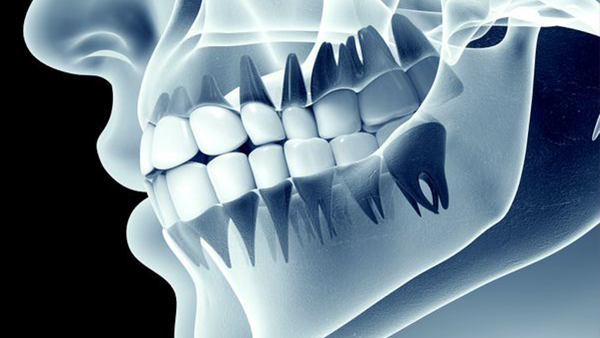
Dental X-rays use a small amount of ionizing radiation to create images of the teeth, bones, and surrounding soft tissues. When X-rays pass through the mouth, different structures absorb varying amounts of radiation. Dense structures like teeth and bone absorb more radiation and appear white on the image, while softer tissues allow more X-rays to pass through and appear darker. This contrast allows dentists to identify problems that would otherwise be invisible during a standard visual examination.
Modern dental X-ray equipment has evolved significantly over the years, with contemporary digital X-ray systems using substantially less radiation than older film-based systems. Digital radiography can reduce radiation exposure by up to 80% compared to traditional X-ray methods, making dental imaging safer than ever before. At myPediaClinic, we utilize the latest digital X-ray technology to ensure minimal radiation exposure for all our patients, including pregnant women when X-rays are deemed necessary.
Measuring Radiation Exposure
Radiation exposure is typically measured in millisieverts (mSv) or millirems (mrem). To put dental X-ray exposure into perspective, a single digital dental X-ray exposes the patient to approximately 0.005 mSv of radiation. Compare this to the natural background radiation we are all exposed to daily from sources such as cosmic rays, radon in the air, and naturally occurring radioactive materials in the earth and our food. The average person receives about 3 mSv of background radiation annually.
A chest X-ray, by comparison, delivers approximately 0.1 mSv of radiation, while a CT scan of the abdomen can expose a patient to 10 mSv or more. When viewed in this context, the radiation from dental X-rays is remarkably low. In fact, you would need approximately 600 dental X-rays to equal the radiation exposure of a single chest X-ray. This understanding is crucial for pregnant women who may be concerned about the potential risks of dental imaging.
The Safety of Dental X-rays During Pregnancy
The safety of dental X-rays during pregnancy has been extensively studied, and the overwhelming scientific consensus supports their safety when performed with appropriate precautions. Major health organizations, including the American College of Obstetricians and Gynecologists (ACOG), the American Dental Association (ADA), and the American Academy of Pediatric Dentistry, have all issued guidelines supporting the safety of dental X-rays during pregnancy when clinically indicated.
Scientific Evidence and Research
Multiple studies have investigated the relationship between prenatal dental X-ray exposure and various pregnancy outcomes. A large-scale study published in the Journal of the American Dental Association examined thousands of pregnant women who had dental X-rays and found no significant association between dental radiography during pregnancy and adverse birth outcomes, including low birth weight, preterm delivery, or congenital abnormalities.
Research has consistently demonstrated that the radiation dose from dental X-rays is far below the threshold associated with any measurable risk to the developing fetus. The radiation beam in dental X-rays is directed at the mouth and jaw area, away from the abdomen where the fetus is developing. Furthermore, with proper shielding using a lead apron and thyroid collar, any scattered radiation is effectively blocked from reaching the reproductive organs and developing baby.
Why Some Pregnant Women May Need Dental X-rays
There are several clinical situations where dental X-rays may be necessary during pregnancy to diagnose and treat dental conditions that could otherwise worsen and potentially affect both maternal and fetal health. Untreated dental infections can spread and become systemic, potentially causing complications for both mother and baby. Severe tooth pain that interferes with eating and sleeping can affect nutrition and rest, both of which are crucial during pregnancy.
Periodontal disease, which can only be fully assessed with the help of X-rays, has been associated in some studies with adverse pregnancy outcomes including preterm birth and low birth weight. Therefore, accurately diagnosing and treating periodontal disease during pregnancy may actually benefit both mother and child. Emergency dental situations, such as trauma or acute infection, often require X-rays for proper diagnosis and treatment planning.
Protective Measures During Dental X-rays
While dental X-rays are considered safe during pregnancy, healthcare providers at myPediaClinic in Dubai take every precaution to minimize radiation exposure. Understanding these protective measures can help expectant mothers feel more confident about undergoing necessary dental imaging.
Lead Apron and Thyroid Collar
The most important protective measure during any dental X-ray is the use of a lead apron. This heavy, flexible shield is placed over the patient’s torso during the X-ray procedure and effectively blocks any scattered radiation from reaching the body. For pregnant patients, the lead apron provides an additional layer of protection for the developing fetus. The apron should extend from the shoulders to below the reproductive organs to ensure complete protection.
A thyroid collar is another essential protective device that shields the thyroid gland in the neck from radiation exposure. The thyroid is particularly sensitive to radiation, and protecting it is important for all patients, especially pregnant women. At our clinic, we ensure that every patient receives both a lead apron and thyroid collar during dental X-ray procedures.
Digital X-ray Technology
The adoption of digital X-ray technology represents one of the most significant advances in reducing radiation exposure in dental imaging. Digital sensors are more sensitive than traditional X-ray film, requiring less radiation to produce a clear image. This technology can reduce radiation exposure by 70-80% compared to conventional film X-rays while providing images of equal or superior quality.
Digital X-rays also offer additional benefits beyond reduced radiation. Images can be instantly viewed on a computer screen, eliminating the need for chemical processing. They can be easily shared with other healthcare providers, enhanced for better visualization, and stored electronically without degradation over time. At myPediaClinic, we have invested in state-of-the-art digital radiography equipment to provide our patients with the safest and most effective diagnostic imaging available.
ALARA Principle
All radiation exposure in medical and dental settings follows the ALARA principle, which stands for “As Low As Reasonably Achievable.” This guiding principle ensures that healthcare providers use the minimum amount of radiation necessary to achieve the diagnostic or therapeutic goal. For dental X-rays, this means taking only the images that are clinically necessary, using the fastest available sensors, and employing proper technique to avoid the need for retakes.
When Are Dental X-rays Necessary During Pregnancy?
The decision to take dental X-rays during pregnancy should always be made on a case-by-case basis, weighing the potential benefits against any theoretical risks. Our dental team at myPediaClinic works closely with each pregnant patient to determine whether X-rays are truly necessary and to discuss all available options.
Emergency Dental Situations
Certain dental emergencies require X-rays for proper diagnosis and treatment. These include severe tooth pain that may indicate an abscess or deep decay, dental trauma from an accident or injury, sudden swelling that could indicate infection, and broken or fractured teeth. In these situations, the potential harm from leaving the condition untreated typically outweighs any minimal risk from properly performed dental X-rays.
Dental infections, in particular, can be serious if left untreated. An abscessed tooth can spread infection to other parts of the body, potentially causing systemic illness. During pregnancy, severe infections can pose risks to both mother and baby. In such cases, X-rays are essential for determining the extent of the infection and planning appropriate treatment.
Treatment Planning
Some dental treatments cannot be properly planned without X-ray imaging. Root canal therapy, for example, requires X-rays to determine the length and curvature of the tooth roots and to verify that the treatment has been completed successfully. Extractions of impacted or deeply rooted teeth may require X-rays to assess the relationship of the tooth to surrounding structures and to plan for safe removal.
While elective or cosmetic dental procedures are typically postponed until after pregnancy, necessary treatments should not be delayed simply because X-rays are required. The second trimester is generally considered the optimal time for dental treatment during pregnancy, but emergency care should be provided whenever it is needed.
Routine Dental X-rays: A Different Consideration
Routine or preventive dental X-rays, such as those taken during regular check-ups to monitor for developing problems, can often be postponed until after pregnancy without any negative consequences. If a pregnant woman had recent X-rays before becoming pregnant and is not experiencing any dental symptoms, their dentist may choose to defer routine imaging until after delivery.
However, this decision should be individualized. Women at high risk for dental disease, those with a history of frequent cavities, or those showing signs of developing problems during visual examination may benefit from X-rays even if they are not experiencing acute symptoms. Our dental team at myPediaClinic carefully evaluates each patient’s unique situation to make appropriate recommendations.
Alternatives to Traditional X-rays
In some cases, alternative diagnostic methods may be able to provide the information needed without the use of traditional X-rays. While these alternatives are not always suitable substitutes, they may be options worth considering for certain situations during pregnancy.
Visual and Tactile Examination
A thorough visual examination using proper lighting and magnification, combined with tactile exploration using dental instruments, can detect many dental problems. Cavities on visible tooth surfaces, gum disease, and some types of damage can often be identified without X-rays. However, this method cannot detect problems between teeth, beneath existing restorations, or within the tooth roots and surrounding bone.
Transillumination
Transillumination involves shining a bright light through the teeth to detect areas of decay or damage. Healthy tooth structure transmits light uniformly, while decayed areas appear as dark shadows. This technique can be helpful for detecting cavities between front teeth but has limitations for posterior teeth and for detecting problems below the gum line.
DIAGNOdent Laser Technology
Some dental practices use DIAGNOdent, a device that uses laser fluorescence to detect decay. The device measures changes in tooth structure that may indicate the presence of decay. While useful as an adjunct diagnostic tool, it cannot replace X-rays for comprehensive evaluation of dental health.
Intraoral Cameras
Intraoral cameras provide magnified views of the teeth and gums, allowing both dentist and patient to see details that might be missed during a standard visual examination. While helpful for identifying surface problems and for patient education, intraoral cameras cannot show structures beneath the surface of the teeth.
Myths vs. Facts About Pregnancy and Dental X-rays
Misinformation about dental X-rays during pregnancy is widespread, causing unnecessary anxiety for many expectant mothers. Let us examine some common myths and the facts that counter them.
Myth: Any Amount of Radiation During Pregnancy Is Dangerous
Fact: We are all exposed to natural background radiation every day from sources such as cosmic rays and naturally occurring radioactive materials. The small amount of radiation from dental X-rays is a fraction of this background exposure. Research has not demonstrated any increased risk to the fetus from properly performed dental X-rays with appropriate shielding.
Myth: Dental X-rays Can Cause Birth Defects
Fact: The radiation dose from dental X-rays is far below the threshold associated with birth defects. Studies have not found any association between prenatal dental X-ray exposure and congenital abnormalities. The radiation from dental X-rays does not reach the developing fetus when a lead apron is used.
Myth: All Dental Work Should Be Avoided During Pregnancy
Fact: Not only is dental care safe during pregnancy, but it is actually recommended. Poor oral health during pregnancy has been associated with adverse pregnancy outcomes. The American College of Obstetricians and Gynecologists recommends that women receive routine dental care throughout pregnancy.
Myth: The First Trimester Is Too Early for Any Dental X-rays
Fact: While elective X-rays may be postponed until the second trimester when organogenesis is complete, emergency X-rays can be safely performed at any time during pregnancy when clinically necessary. The risk of not diagnosing and treating a dental emergency often outweighs any theoretical risk from properly performed X-rays.
Myth: One X-ray Might Be Safe, But Multiple X-rays Are Dangerous
Fact: Multiple dental X-rays, when clinically indicated, still expose the patient to far less radiation than many common activities. The cumulative dose from a full-mouth series of dental X-rays is still less than the radiation exposure from a single day of natural background radiation in many parts of the world.
Dental Health During Pregnancy: Why It Matters
Understanding the safety of dental X-rays is just one aspect of maintaining good oral health during pregnancy. Pregnancy brings hormonal changes that can significantly affect dental health, making proper care during this time especially important.
Pregnancy Gingivitis
Elevated hormone levels during pregnancy can increase the inflammatory response to dental plaque, leading to a condition known as pregnancy gingivitis. This condition affects up to 75% of pregnant women and is characterized by red, swollen, tender gums that bleed easily during brushing or flossing. While pregnancy gingivitis typically resolves after delivery, untreated gingivitis can progress to more serious periodontal disease.
Regular dental check-ups during pregnancy allow for early detection and management of gingivitis. Professional cleanings can remove plaque and tartar buildup that contribute to gum inflammation. In some cases, more frequent cleanings may be recommended during pregnancy to keep gingivitis under control.
Pregnancy Tumors
Some pregnant women develop pregnancy tumors, which are non-cancerous growths on the gums that typically appear during the second trimester. Despite their alarming name, these are benign growths caused by excess plaque and hormonal changes. They usually disappear after delivery, but if they interfere with eating or cause significant discomfort, they can be removed during pregnancy.
Increased Cavity Risk
Several factors during pregnancy can increase the risk of developing cavities. Morning sickness exposes teeth to stomach acid, which can erode enamel. Increased snacking and cravings for sugary foods provide more fuel for cavity-causing bacteria. Changes in saliva composition and flow can reduce the mouth’s natural defense against decay.
Maintaining good oral hygiene, including brushing twice daily with fluoride toothpaste and flossing daily, is essential. If morning sickness makes brushing difficult, rinsing with water or a fluoride mouthwash after vomiting can help protect teeth. At myPediaClinic, we provide personalized guidance on maintaining optimal oral health throughout pregnancy.
The Link Between Oral Health and Pregnancy Outcomes
Research has suggested a connection between periodontal disease and adverse pregnancy outcomes, including preterm birth and low birth weight. While the exact mechanisms are still being studied, it is believed that the inflammation and bacteria associated with periodontal disease may contribute to these outcomes. This underscores the importance of maintaining good oral health during pregnancy and seeking treatment for any dental problems that arise.
What to Expect During a Dental Visit While Pregnant
Many pregnant women feel anxious about dental visits, unsure of what to expect or what precautions will be taken. Understanding the typical process can help alleviate these concerns.
Informing Your Dentist
The first and most important step is to inform your dentist that you are pregnant, even if you are in the early stages when pregnancy may not be visible. This information allows your dental team to tailor their approach, choose appropriate treatments and medications, and take any necessary precautions. Be sure to mention how far along you are in your pregnancy, any complications you may be experiencing, and any medications or supplements you are taking.
Positioning During Treatment
During the second and third trimesters, lying flat on your back for extended periods can cause discomfort and may reduce blood flow to the fetus. Your dental team will take steps to ensure your comfort, which may include elevating your head, allowing frequent position changes, or keeping appointments shorter. Do not hesitate to speak up if you feel uncomfortable at any time during your visit.
Safe Medications and Anesthesia
Local anesthetics used for dental procedures are considered safe during pregnancy. Lidocaine with epinephrine, the most commonly used dental anesthetic, crosses the placenta in minimal amounts and has not been associated with adverse pregnancy outcomes when used in standard dental doses. If you need pain medication after a procedure, your dentist will recommend options that are safe for use during pregnancy.
The Second Trimester: The Optimal Time for Dental Care
While emergency dental care should be provided whenever needed, elective or routine treatments are often scheduled for the second trimester when possible. During this time, morning sickness has typically subsided, the risk of miscarriage is lower than in the first trimester, and the growing belly has not yet become uncomfortable enough to make prolonged dental appointments difficult. However, necessary dental care should not be postponed regardless of the trimester.
Special Considerations for Dental X-rays in Different Stages of Pregnancy
While dental X-rays are considered safe throughout pregnancy when necessary, some healthcare providers may have specific considerations for different stages of pregnancy. Understanding these nuances can help expectant mothers make informed decisions.
First Trimester Considerations
The first trimester is a period of rapid development when the baby’s major organs are forming. While the radiation from dental X-rays is far too low to affect fetal development, some providers prefer to avoid elective X-rays during this time out of an abundance of caution. Emergency X-rays, however, should not be delayed if clinically necessary. The protection provided by lead aprons effectively shields the developing embryo from any scattered radiation.
Second Trimester Considerations
The second trimester is generally considered the optimal time for dental treatment, including X-rays if needed. By this point, the baby’s organs have formed, and the risk of spontaneous miscarriage has decreased. The mother is typically feeling better than in the first trimester and is not yet experiencing the discomfort of late pregnancy. This is often the preferred time for any necessary dental work that includes X-rays.
Third Trimester Considerations
Dental X-rays can be safely performed in the third trimester, but positioning for the X-ray may become uncomfortable due to the size of the belly. Lying flat on one’s back can cause discomfort and may temporarily reduce blood flow to the fetus in some women. Your dental team can make adjustments to help you stay comfortable, such as allowing you to sit more upright or taking breaks during the procedure.
Questions to Ask Your Dentist About X-rays During Pregnancy
Being an informed patient is an important part of receiving quality healthcare. Here are some questions you might consider asking your dentist if X-rays are recommended during pregnancy:
Is This X-ray Clinically Necessary?
Understanding why an X-ray is being recommended can help you feel more confident about the decision. Your dentist should be able to explain what information the X-ray will provide and how it will affect your treatment plan. In some cases, X-rays may be postponable, while in others, they are essential for diagnosis and treatment.
What Protective Measures Will Be Used?
Your dentist should confirm that a lead apron and thyroid collar will be used during the X-ray. These protective devices are standard practice for all patients but are especially important during pregnancy. Feel free to ask about the type of X-ray equipment being used and whether it is digital, which uses less radiation than traditional film X-rays.
Are There Alternative Diagnostic Options?
In some cases, alternative diagnostic methods might provide adequate information without the need for X-rays. Ask your dentist whether visual examination, transillumination, or other techniques might be appropriate for your situation. However, be aware that these alternatives have limitations and may not be suitable for all diagnostic needs.
Can This X-ray Be Postponed?
Depending on the clinical situation, some X-rays may be able to wait until after pregnancy without any negative consequences. Discuss with your dentist whether postponement is a viable option and what the potential risks of delaying might be. In some cases, delaying treatment due to a reluctance to take X-rays may lead to worse outcomes than proceeding with properly protected imaging.
The Role of Communication Between Your Healthcare Providers
Optimal prenatal care involves coordination between all your healthcare providers, including your dentist and obstetrician. Good communication ensures that everyone involved in your care is aware of your pregnancy status and any relevant health concerns.
Informing Your Obstetrician About Dental Care
Keep your obstetrician informed about any dental treatments you are receiving, especially if you have had X-rays, received anesthesia, or are taking any medications prescribed by your dentist. While dental care is generally safe during pregnancy, your obstetrician should be aware of all aspects of your healthcare.
Informing Your Dentist About Pregnancy Complications
If you are experiencing any pregnancy complications, such as gestational diabetes, preeclampsia, or a high-risk pregnancy, make sure your dentist is aware. These conditions may affect treatment planning and the timing of dental procedures. Your dentist may also choose to consult with your obstetrician before proceeding with certain treatments.
The Team Approach at myPediaClinic
At myPediaClinic in Dubai, we take a team approach to healthcare. Our dental and medical professionals work together to ensure that all aspects of your health are considered when making treatment decisions. Our dental team maintains open communication with referring physicians and obstetricians to provide coordinated care for pregnant patients.
Post-Pregnancy Dental Care
Once your baby arrives, do not forget to continue prioritizing your dental health. The postpartum period brings its own challenges for oral health, and new mothers often neglect their own care while focusing on their newborn.
Catching Up on Postponed Treatment
If any dental treatments or X-rays were postponed during pregnancy, schedule an appointment to address these issues after delivery. Conditions that were being monitored may have progressed and need attention. Getting caught up on any deferred care will help ensure that your oral health is in good condition.
Breastfeeding Considerations
Dental X-rays are completely safe during breastfeeding. The radiation does not affect breast milk in any way, and there is no need to pump and discard milk after a dental X-ray. Most dental procedures, including local anesthesia and common dental medications, are also compatible with breastfeeding. Always inform your dentist that you are breastfeeding so they can choose appropriate medications if needed.
Setting a Good Example for Your Child
Taking care of your own dental health sets a positive example for your child. Children who see their parents valuing dental care are more likely to develop good oral hygiene habits themselves. Starting your child’s dental visits early, typically by their first birthday or within six months of the first tooth erupting, establishes a foundation for lifelong oral health.
Frequently Asked Questions
Are dental X-rays safe during pregnancy?
Yes, dental X-rays are considered safe during pregnancy when performed with appropriate protective measures, including a lead apron and thyroid collar. The radiation exposure from dental X-rays is minimal and has not been associated with adverse pregnancy outcomes. Major health organizations, including the American College of Obstetricians and Gynecologists and the American Dental Association, support the safety of necessary dental X-rays during pregnancy.
Can dental X-rays cause miscarriage or birth defects?
There is no scientific evidence that dental X-rays cause miscarriage or birth defects. The radiation dose from dental X-rays is far below the threshold associated with any adverse effects on fetal development. With proper shielding using a lead apron, the radiation does not reach the developing baby. Studies involving thousands of pregnant women have not found any association between dental X-rays and adverse pregnancy outcomes.
What trimester is safest for dental X-rays?
Dental X-rays can be safely performed in any trimester when clinically necessary. However, elective or routine X-rays are often scheduled for the second trimester when possible, as this is generally considered the optimal time for dental treatment. Emergency X-rays should not be delayed regardless of the trimester if they are needed for proper diagnosis and treatment.
How much radiation does a dental X-ray expose you to?
A single digital dental X-ray exposes you to approximately 0.005 millisieverts (mSv) of radiation. To put this in perspective, the average person receives about 3 mSv of natural background radiation annually from cosmic rays and natural sources. A dental X-ray delivers less radiation than you would receive during a short airplane flight. Modern digital X-ray systems use up to 80% less radiation than older film-based systems.
What protection is used during dental X-rays for pregnant women?
During dental X-rays, pregnant women are protected with a lead apron that covers the torso and abdomen, effectively blocking any scattered radiation from reaching the developing baby. A thyroid collar is also used to protect the thyroid gland. Additionally, modern dental practices use digital X-ray technology that requires significantly less radiation than traditional film X-rays.
Can I refuse dental X-rays during pregnancy?
Yes, you always have the right to refuse any medical or dental procedure. However, it is important to understand that avoiding necessary X-rays may prevent your dentist from properly diagnosing and treating dental problems. Untreated dental issues can potentially worsen during pregnancy and may pose risks to both maternal and fetal health. Discuss your concerns openly with your dentist so they can explain why X-rays are recommended and what alternatives might be available.
Are there alternatives to dental X-rays during pregnancy?
Some diagnostic alternatives exist, including visual examination with magnification, transillumination (shining light through teeth), and intraoral cameras. However, these methods have significant limitations and cannot replace X-rays for detecting problems between teeth, beneath the gum line, or within tooth roots. In many cases, X-rays remain the only way to accurately diagnose certain dental conditions.
Should I tell my dentist if I think I might be pregnant?
Yes, you should always inform your dentist if you are pregnant or think you might be pregnant. This information helps your dental team tailor their approach to your care, choose appropriate treatments and medications, and take any necessary precautions. Even if you are not certain, it is better to mention the possibility so that appropriate precautions can be taken.
Why is dental care important during pregnancy?
Dental care during pregnancy is important because hormonal changes increase the risk of gum disease and cavities. Poor oral health during pregnancy has been associated with adverse pregnancy outcomes, including preterm birth and low birth weight. Regular dental check-ups allow for early detection and treatment of problems before they become serious. Maintaining good oral health also sets a positive example for your child and protects your overall health during this important time.
Can I have dental X-rays while breastfeeding?
Yes, dental X-rays are completely safe during breastfeeding. The radiation from dental X-rays does not affect breast milk in any way, and there is no need to pump and discard milk after having a dental X-ray. You can safely breastfeed your baby immediately after a dental X-ray procedure with no concerns about radiation exposure to your child.
Conclusion
Understanding the safety of dental X-rays during pregnancy empowers expectant mothers to make informed decisions about their dental care without unnecessary fear or anxiety. The scientific evidence clearly supports the safety of properly performed dental X-rays with appropriate protective measures. At myPediaClinic in Dubai, our dental team and our dental team are committed to providing safe, effective dental care for pregnant women while addressing all concerns with compassion and expertise.
Maintaining good oral health during pregnancy is not just about your comfort; it is an important aspect of prenatal care that can benefit both you and your developing baby. Do not let misconceptions about dental X-rays prevent you from receiving necessary care. With modern technology, proper protective measures, and the guidance of experienced dental professionals, you can maintain optimal oral health throughout your pregnancy with confidence.
Schedule Your Appointment Today
If you are pregnant or planning to become pregnant and have concerns about dental care, we encourage you to schedule a consultation with our dental team at myPediaClinic in Dubai. Our team is dedicated to providing comprehensive, compassionate dental care that addresses your unique needs during this special time. We will take the time to answer all your questions, discuss your concerns, and develop a treatment plan that keeps both you and your baby safe and healthy.
Contact myPediaClinic today to schedule your appointment. Let us help you maintain a healthy smile throughout your pregnancy and beyond. Your oral health matters, and we are here to support you every step of the way.