

SportsGuard for Children – Dr. Nidhi Kottak Family and Cosmetic Dentist in Dubai
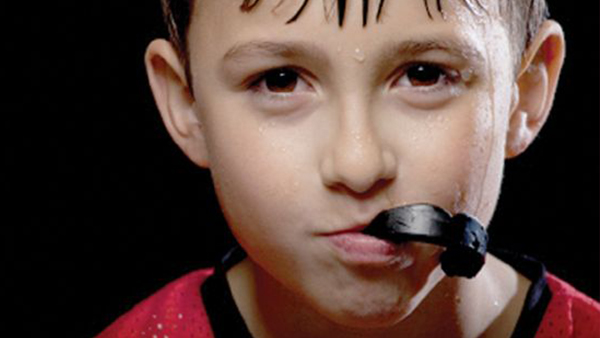
Participation in sports and physical activities is an essential part of childhood development, promoting physical fitness, teamwork, discipline, and confidence. However, sports activities also carry inherent risks of injury, and dental injuries are among the most common types sustained during athletic participation. At myPediaClinic in Dubai, Dr. Nidhi Kottak, our experienced Family and Cosmetic Dentist, is committed to helping young athletes protect their smiles through the use of properly fitted custom sports mouthguards. These protective devices are a simple yet highly effective investment in your child’s long-term dental health and athletic safety.
Dental injuries sustained during sports can have lifelong consequences. A knocked-out tooth, fractured tooth, or damage to the jaw can result in years of dental treatment, significant financial costs, and ongoing complications. What many parents do not realize is that the majority of these injuries are entirely preventable with the proper use of a quality mouthguard. Yet despite clear evidence of their effectiveness, many young athletes still participate in sports without this essential protection. This comprehensive guide will explain the importance of sports mouthguards for children, the different types available, why custom-fitted mouthguards offer superior protection, how they are made, and which sports require their use. By understanding these factors, parents can make informed decisions to protect their children’s smiles while supporting their athletic pursuits.
Understanding Dental Injuries in Sports
Before exploring the benefits of mouthguards, it is important to understand the nature and extent of dental injuries that occur during sports activities. This knowledge underscores the critical importance of protective equipment and helps parents appreciate the value of investing in proper dental protection for their athletic children.
The Scope of the Problem
Sports-related dental injuries are remarkably common. Studies indicate that athletes who do not wear mouthguards are 60 times more likely to sustain dental injuries compared to those who do wear them. It is estimated that up to 39% of all dental injuries are sports-related, and dental injuries account for approximately 10-15% of all sports injuries. Among school-aged athletes, dental injuries are one of the most common types of orofacial injuries encountered.
The American Dental Association estimates that mouthguards prevent approximately 200,000 oral injuries annually in the United States alone. When extrapolated globally and considering the growing youth sports participation in regions like Dubai and the UAE, the protective impact of mouthguards becomes even more significant. These statistics make a compelling case for mandatory mouthguard use in all contact and collision sports, as well as many recreational activities.
Types of Dental Injuries
Sports can cause a wide variety of dental injuries, ranging from minor to severe. Tooth fractures occur when a portion of the tooth breaks off due to impact and can range from minor chips affecting only the enamel to severe fractures involving the tooth root. Tooth displacement includes injuries where teeth are pushed out of their normal position, either partially (luxation) or completely (avulsion, where the tooth is knocked out entirely). Soft tissue injuries involve cuts, bruises, and lacerations to the lips, cheeks, gums, and tongue. Jaw injuries include fractures of the mandible (lower jaw) or maxilla (upper jaw), which can be serious injuries requiring surgical intervention. Root damage refers to injuries to the tooth root that may not be immediately visible but can lead to long-term complications including tooth loss.
The severity of these injuries can vary widely. A minor chip might require only smoothing and polishing, while a completely avulsed (knocked out) permanent tooth requires emergency treatment and may still result in eventual tooth loss. Jaw fractures can require surgical repair and extended recovery periods. Any of these injuries can cause significant pain, require expensive treatment, and affect a child’s appearance and self-confidence.
Long-Term Consequences of Dental Injuries
The consequences of dental injuries extend far beyond the immediate incident. A child who loses a permanent tooth may face decades of dental treatment to maintain function and aesthetics. Dental implants, the gold standard for replacing missing teeth, cannot be placed until jaw growth is complete, meaning a child may need temporary solutions for years. Even then, implants require ongoing maintenance and may need replacement over a lifetime.
Fractured teeth may require root canal treatment, crowns, or eventually extraction if the damage is severe. Teeth that are successfully reimplanted after being knocked out often require root canal treatment and may still fail years later. The cumulative costs of treating and managing a serious dental injury over a lifetime can easily reach tens of thousands of dollars, far exceeding the cost of preventive mouthguard use.
The Importance of Sports Mouthguards
Given the prevalence and potential severity of sports-related dental injuries, the value of mouthguards becomes clear. These protective devices serve multiple important functions in safeguarding young athletes.
How Mouthguards Protect Teeth and Jaws
Mouthguards work by providing a barrier between the teeth and potential sources of impact. When a blow is delivered to the face or jaw, the mouthguard absorbs and distributes the force over a larger area, reducing the concentration of impact on any single tooth or point. This distribution of force significantly reduces the likelihood of tooth fracture, displacement, or loss.
Beyond protecting individual teeth, mouthguards help stabilize the jaw and reduce the risk of jaw fractures. They also provide cushioning between the upper and lower teeth, preventing damage that can occur when the jaw is forcefully closed during impact. The soft tissue protection offered by mouthguards prevents teeth from cutting into the lips, cheeks, and tongue during impacts.
Protection Against Concussions
Emerging research suggests that properly fitted mouthguards may also provide some protection against concussions, though this remains an area of ongoing study. The theory is that mouthguards help absorb and dissipate forces that would otherwise be transmitted through the jaw to the skull and brain. By separating the upper and lower jaw and providing cushioning, mouthguards may reduce the acceleration forces that contribute to concussive injuries.
While mouthguards should not be considered a primary concussion prevention tool, any potential reduction in concussion risk is a valuable additional benefit. Concussions are a significant concern in youth sports, with potential long-term neurological consequences, so any protective advantage is worth considering.
Psychological Benefits
Athletes who wear mouthguards often report feeling more confident and protected during competition. This psychological benefit should not be underestimated, as confident athletes tend to perform better and may actually be less prone to injury because they are not hesitant or tentative in their movements. For young athletes who may be intimidated by contact sports, knowing they have proper protection can help them participate more fully and develop their athletic skills.
Types of Mouthguards
Not all mouthguards are created equal. Understanding the different types available helps parents make informed choices about the level of protection their children receive.
Stock Mouthguards
Stock mouthguards are pre-formed, ready-to-wear mouthguards that come in standard sizes. They are the least expensive option and are widely available at sporting goods stores. However, their one-size-fits-all approach means they rarely fit well. Because they are not customized to the individual’s teeth and jaw, they tend to be bulky, uncomfortable, and may interfere with breathing and speaking. The poor fit also compromises their protective ability, as they may shift during impact rather than staying securely in place.
Most dental professionals, including Dr. Nidhi Kottak at myPediaClinic, do not recommend stock mouthguards because their poor fit provides inadequate protection compared to other options. Athletes wearing ill-fitting mouthguards may remove them during play due to discomfort, leaving themselves unprotected at critical moments.
Boil-and-Bite Mouthguards
Boil-and-bite mouthguards are made from thermoplastic material that softens when heated in boiling water. After softening, the mouthguard is placed in the mouth and the wearer bites down to mold it to the shape of their teeth. This customization provides a better fit than stock mouthguards and offers improved comfort and protection.
Boil-and-bite mouthguards are a step up from stock options and are suitable for recreational athletes or as a temporary solution. However, they have limitations. The fit is only as good as the molding process, which can be tricky to get right, especially with young children who may not understand how to bite down correctly. The material is often thinner and less durable than that used in custom mouthguards, and the protection, while better than stock options, is still not optimal.
Custom-Fitted Mouthguards
Custom-fitted mouthguards are professionally made from impressions of the individual’s teeth taken by a dentist. These impressions are used to create a plaster model of the teeth, over which the mouthguard material is precisely molded. The result is a mouthguard that fits exactly to the unique contours of the wearer’s teeth and mouth.
Custom mouthguards offer superior protection, comfort, and durability compared to other options. Because they fit precisely, they stay securely in place during activity and provide optimal shock absorption and force distribution. They can be made in appropriate thicknesses for different sports and can accommodate braces or other orthodontic appliances. While custom mouthguards cost more than off-the-shelf options, the enhanced protection and durability make them a worthwhile investment for serious young athletes.
Why Custom-Fitted Mouthguards Are Superior
At myPediaClinic in Dubai, Dr. Nidhi Kottak recommends custom-fitted mouthguards for young athletes. Understanding the specific advantages of custom mouthguards helps explain why they are worth the additional investment.
Optimal Fit and Comfort
The precise fit of custom mouthguards makes them significantly more comfortable than other options. Because they are made from exact impressions of the child’s teeth, they fit snugly without being too tight or bulky. This comfort is crucial for compliance, as children are far more likely to consistently wear a mouthguard that feels good in their mouth. Uncomfortable mouthguards often end up removed or left in the sports bag, providing no protection at all.
The fit of a custom mouthguard also means it stays securely in place during activity. Athletes do not have to worry about the mouthguard shifting or falling out at critical moments. This security allows them to focus on their performance rather than on their protective equipment.
Superior Protection
Custom mouthguards provide better protection than other types because they maintain consistent contact with all tooth surfaces, distributing impact forces evenly. The thickness and material can be customized based on the specific sport and level of contact involved, ensuring appropriate protection for each activity. High-impact sports may warrant thicker mouthguards, while lower-risk activities might be adequately served by thinner, lighter designs.
The precise fit also ensures that the mouthguard covers all the teeth that need protection. Stock and boil-and-bite mouthguards may leave some teeth inadequately covered, creating vulnerability to injury. Custom mouthguards are designed to extend appropriately over all teeth and provide proper coverage.
Better Breathing and Communication
One common complaint about mouthguards is that they interfere with breathing and speaking. This is much less of an issue with custom-fitted mouthguards. Because they are not excessively bulky and fit precisely, they allow for near-normal breathing and clearer speech. Athletes can communicate with teammates, coaches, and referees without significant difficulty. For sports where verbal communication is important, this can make a meaningful difference in performance and safety.
Durability and Longevity
Custom mouthguards are made from high-quality materials and precision manufacturing processes that result in greater durability than off-the-shelf options. While they may cost more initially, they typically last longer and maintain their protective properties better over time. This durability makes them more economical in the long run, as they do not need to be replaced as frequently.
However, it is important to note that children’s mouths change as they grow. A custom mouthguard that fits perfectly at age 10 will not fit properly at age 12. Regular dental check-ups at myPediaClinic allow Dr. Nidhi Kottak to monitor the fit of the mouthguard and recommend replacement when the child’s dental development requires it.
Accommodation of Braces and Orthodontic Appliances
Many young athletes wear braces or other orthodontic appliances, which present special challenges for mouthguard fit. Stock and boil-and-bite mouthguards often cannot accommodate braces properly, leaving orthodontic patients inadequately protected or unable to wear a mouthguard at all. Custom mouthguards can be designed specifically to fit over braces, providing protection for both the teeth and the orthodontic hardware while preventing the braces from cutting into the lips and cheeks during impact.
How Custom Mouthguards Are Made
Understanding the process of creating a custom mouthguard can help parents and children feel more comfortable about the procedure and appreciate the precision involved.
The Dental Impression
The first step in creating a custom mouthguard is taking an impression of the child’s teeth. At myPediaClinic, Dr. Nidhi Kottak uses dental impression material, a soft paste that is placed in a tray and inserted into the mouth. The child bites down gently into the material, which captures a detailed negative impression of all the teeth and surrounding tissues. After a few minutes, the material sets and the tray is removed, leaving behind a precise mold of the dental arch.
This process is quick, painless, and non-invasive. Most children find it interesting rather than unpleasant, especially when the purpose is explained to them. The impression material has a mild taste and the procedure is completed in just a few minutes.
Creating the Model
The dental impression is used to create a positive plaster model of the teeth. This model is an exact replica of the child’s dental arch and serves as the form over which the mouthguard material will be shaped. The accuracy of this model is crucial for the final fit of the mouthguard.
Fabricating the Mouthguard
Using the plaster model, the mouthguard is fabricated from specialized dental-grade materials. The most common method involves heating sheets of ethylene vinyl acetate (EVA) material and vacuum-forming them over the model. The vacuum process ensures the material conforms precisely to every contour of the teeth. Multiple layers may be used to achieve the desired thickness and cushioning properties.
The formed mouthguard is then trimmed and finished to ensure smooth edges and appropriate coverage. The final product is a mouthguard that fits the child’s teeth like a glove, providing optimal protection, comfort, and retention.
Fitting and Adjustment
Once the mouthguard is fabricated, the child returns to myPediaClinic for fitting. Dr. Nidhi Kottak checks the fit of the mouthguard, ensuring it seats properly on the teeth, provides appropriate coverage, and feels comfortable. Any necessary adjustments can be made at this time, such as trimming edges that feel sharp or adjusting areas that fit too tightly or loosely. The child is also instructed on proper care and storage of the mouthguard.
Sports That Require Mouthguard Protection
While mouthguards are mandatory in some sports, they are beneficial in many activities where they may not be required. Understanding which sports pose dental injury risks helps parents make informed decisions about protection.
High-Risk Contact Sports
Certain sports are classified as high-risk for dental injuries due to the frequency and intensity of physical contact. Football (American and Australian rules) involves frequent tackling and collision, making mouthguards essential and typically mandatory. Rugby has constant contact without the protection of helmets and other padding, resulting in very high dental injury rates without mouthguards. Boxing and martial arts have punches and kicks directed at the face making dental protection critical. Hockey (ice and field) features fast-moving pucks or balls and stick contact that creates significant dental injury risk. Lacrosse involves stick contact and high-speed balls that threaten facial and dental structures.
For these sports, mouthguard use is often mandated by rules and regulations at both youth and professional levels. However, compliance and the quality of mouthguards used can vary, and parents should ensure their children use properly fitted mouthguards even when league-provided stock mouthguards might technically satisfy requirements.
Moderate-Risk Sports
Many sports involve collision risks that are less frequent but still significant. Basketball involves physical play, elbows, and falls that can result in dental injuries. Soccer has head-ball contact and player collisions that pose dental risks, particularly from elbows. Baseball and softball have balls and bats that can cause severe dental injuries, and mouthguards are recommended especially for fielders and batters. Skateboarding and rollerblading carry high fall risks that can result in facial impacts. Gymnastics involves falls and impacts that can damage teeth and jaws. Water polo has aggressive play in the water that includes significant physical contact.
For these activities, mouthguard use may not be mandatory but is highly recommended by dental professionals including those at myPediaClinic. Parents should consider the specific level of play, their child’s position, and individual risk factors when deciding on mouthguard use.
Recreational Activities
Even recreational activities can pose dental injury risks. Cycling can result in falls with facial impact. Trampoline use carries significant fall and collision risks, especially with multiple jumpers. Climbing, whether on playground equipment or rock walls, involves fall risks. Skiing and snowboarding present falls at high speeds on hard surfaces.
While mouthguards may seem excessive for casual recreational activities, they should be considered for children who participate regularly or at high intensity in any activity with fall or impact risks. The investment in protection is small compared to the potential costs of treating a dental injury.
Caring for Sports Mouthguards
Proper care extends the life of a mouthguard and ensures it continues to provide optimal protection. Teaching children good mouthguard hygiene habits is an important part of sports equipment maintenance.
Cleaning and Storage
After each use, the mouthguard should be rinsed with cool water or mouthwash to remove saliva and debris. Periodically, it should be cleaned more thoroughly with a toothbrush and mild soap or toothpaste, then rinsed completely. Avoid hot water, which can distort the shape of the mouthguard. The mouthguard should be stored in a ventilated case when not in use to allow it to dry while protecting it from damage. Never leave a mouthguard in direct sunlight or in a hot car, as heat can warp the material.
Regular Inspection
Mouthguards should be inspected regularly for signs of wear, including thinning, holes, tears, or loss of shape. A worn mouthguard provides reduced protection and should be replaced. Children should be taught to report any damage to their mouthguard to a parent so it can be evaluated and replaced if necessary.
Replacement Schedule
Even with proper care, mouthguards need to be replaced periodically. For children, replacement is often needed more frequently due to growth and changing dentition. A mouthguard that no longer fits properly because the child’s teeth have changed should be replaced with a new custom-fitted guard. Generally, mouthguards should be replaced at least annually, though growing children may need new mouthguards more often. Bring the mouthguard to dental check-ups at myPediaClinic so Dr. Nidhi Kottak can assess the fit and condition.
Overcoming Resistance to Mouthguard Use
Despite the clear benefits, some children resist wearing mouthguards. Understanding common objections and knowing how to address them helps parents ensure their children are protected.
Comfort Concerns
The most common objection to mouthguards is that they are uncomfortable. This is often true for stock and poorly fitted boil-and-bite mouthguards, which is why custom-fitted mouthguards are recommended. If a child finds their mouthguard uncomfortable, have it evaluated at myPediaClinic to ensure proper fit. Sometimes minor adjustments can significantly improve comfort. If comfort issues persist with a stock or boil-and-bite guard, upgrading to a custom-fitted mouthguard usually resolves the problem.
Appearance Concerns
Some children, particularly adolescents, may feel self-conscious about wearing a mouthguard. It can help to point out that many professional athletes wear mouthguards and that protecting their smile is actually about looking good in the long run. Custom mouthguards can be made in various colors and designs, including team colors, which some children find appealing. Many young athletes embrace their mouthguard as part of their athletic identity once they become accustomed to it.
Breathing and Speaking Concerns
Some athletes worry that mouthguards interfere with breathing and communication. Custom-fitted mouthguards minimize these issues, but some adjustment period may be needed. Encourage children to practice wearing their mouthguard during training sessions until they become accustomed to it. With a properly fitted mouthguard, athletes can breathe and speak nearly normally after a brief adaptation period.
Peer Pressure
If other children on the team are not wearing mouthguards, your child may resist being different. However, this is an opportunity to teach the value of making good decisions regardless of what others do. Pointing out professional athletes who wear mouthguards can help. Sometimes, once one child on a team starts wearing a mouthguard consistently, others follow suit. Parents can also advocate with coaches and league administrators for mandatory mouthguard policies.
The Role of Parents and Coaches
Protecting young athletes is a shared responsibility. Parents and coaches both play important roles in ensuring mouthguard use.
Setting Expectations
Parents should make clear that mouthguard use is non-negotiable for sports with dental injury risk. Just as helmets are required for cycling and shin guards for soccer, mouthguards should be considered essential equipment. This expectation should be established from the start of sports participation so it becomes a normal part of the athletic routine.
Leading by Example
Parents who participate in sports themselves should model good protective equipment use. If children see their parents wearing mouthguards during recreational sports, they are more likely to accept mouthguard use as normal behavior.
Coach Involvement
Coaches have significant influence over young athletes and should reinforce the importance of mouthguard use. Teams can implement policies requiring mouthguard use during both practices and games. Some youth leagues have mandatory mouthguard rules, and parents can advocate for such policies where they do not exist. When coaches check for mouthguards as part of equipment inspection, athletes learn that mouthguard use is taken seriously.
Education
Helping children understand why mouthguards are important can increase compliance. Age-appropriate explanations about dental injuries and their consequences can motivate children to protect themselves. Showing examples of dental injuries (in an age-appropriate way) can make the risks more concrete for children who may feel invincible.
Economic Considerations
Some parents hesitate at the cost of custom mouthguards compared to off-the-shelf options. Understanding the true economics of mouthguard investment can help put costs in perspective.
Cost of Custom Mouthguards
Custom mouthguards from a dental professional typically range from 150 to 500 AED, depending on the type and features. While this is more than stock mouthguards (which may cost as little as 20-50 AED) or boil-and-bite options (typically 50-150 AED), the superior protection and durability often make custom mouthguards more economical over time.
Cost of Dental Injuries
The cost of treating dental injuries far exceeds the cost of preventive mouthguard use. A single chipped tooth might cost 300-1000 AED or more to repair with bonding or a veneer. A crown can cost 1500-4000 AED. Root canal treatment ranges from 1500-3500 AED. A dental implant to replace a missing tooth can cost 8000-15000 AED or more, and children who lose teeth before jaw growth is complete may need temporary solutions for years before implants can be placed. The lifetime cost of managing a serious dental injury can easily reach tens of thousands of dirhams.
Insurance Considerations
Some dental and medical insurance plans cover or partially cover custom mouthguards, particularly for high-risk sports. Check with your insurance provider about coverage. Even without insurance coverage, the out-of-pocket cost of a custom mouthguard is a small price to pay for the protection it provides.
Frequently Asked Questions
At what age should my child start wearing a sports mouthguard?
Children should start wearing mouthguards as soon as they begin participating in sports with dental injury risk. This is typically around age 6-7 when children begin organized sports and when permanent teeth start emerging. Protecting permanent teeth from the time they emerge is important because, unlike baby teeth, they cannot be replaced naturally. Even younger children playing informal sports or engaging in high-risk activities can benefit from mouthguard protection.
How often does a custom mouthguard need to be replaced?
Custom mouthguards should be replaced when they no longer fit properly due to the child’s dental growth, when they show signs of significant wear or damage, or at least annually even with no obvious issues. Growing children often need new mouthguards every 6-12 months as their teeth and jaws develop. Bringing the mouthguard to regular dental check-ups allows your dentist to assess fit and condition and recommend replacement when needed.
Can my child wear a mouthguard with braces?
Yes, children with braces can and should wear mouthguards during sports. In fact, mouthguard use is especially important with braces because the brackets and wires can cause significant cuts to the lips and cheeks during impact. Custom mouthguards are recommended for children with braces because they can be made to fit over the orthodontic appliances properly. Stock and boil-and-bite mouthguards often cannot accommodate braces adequately.
Does my child need a mouthguard for basketball?
Yes, mouthguards are highly recommended for basketball despite not being mandatory in most leagues. Basketball involves significant physical contact, including elbows to the face, collisions between players, and falls. Studies show that basketball has one of the highest rates of dental injuries among youth sports. Many professional basketball players wear mouthguards, setting a good example for young athletes.
Why is a custom mouthguard better than a store-bought one?
Custom mouthguards provide superior protection because they are made from exact impressions of your child’s teeth, ensuring a precise fit. This fit means better shock absorption, more even force distribution during impact, and secure retention during activity. Custom mouthguards are also more comfortable, allow better breathing and speaking, and are more durable than store-bought options. Children are more likely to consistently wear a comfortable mouthguard, making custom guards more effective in practice.
How do I get a custom mouthguard for my child?
To get a custom mouthguard, schedule an appointment at myPediaClinic with Dr. Nidhi Kottak. The process involves taking an impression of your child’s teeth, which takes just a few minutes and is painless. The impression is used to create a precise model from which the mouthguard is fabricated. A second appointment is scheduled to fit the completed mouthguard and make any necessary adjustments. The entire process typically takes one to two weeks.
What should I do if my child damages a tooth while playing sports?
If your child suffers a dental injury during sports, seek dental care immediately. For a knocked-out permanent tooth, time is critical. Handle the tooth by the crown only, rinse gently if dirty (do not scrub), and try to reinsert it into the socket if possible. If reinsertion is not possible, store the tooth in milk or the child’s saliva and get to a dentist within 30 minutes if possible. For chips or fractures, save any broken pieces and see a dentist promptly. Contact myPediaClinic immediately for emergency dental care.
Can mouthguards prevent concussions?
Research on mouthguards and concussion prevention is ongoing, and results are not conclusive. Some studies suggest that properly fitted mouthguards may help reduce concussion risk by absorbing and distributing impact forces, but this has not been definitively proven. Mouthguards should not be considered concussion prevention devices. However, they do provide proven protection against dental injuries, and any potential concussion benefit is an additional advantage.
How should I clean and care for my child’s mouthguard?
Clean the mouthguard after each use by rinsing with cool water or mouthwash. Periodically clean more thoroughly with a toothbrush and mild soap or toothpaste, then rinse completely. Store in a ventilated case between uses to allow drying while protecting from damage. Avoid hot water or leaving the mouthguard in hot environments, which can warp the material. Inspect regularly for wear and bring to dental check-ups for professional assessment.
My child says the mouthguard is uncomfortable. What should I do?
Comfort issues are common with stock and boil-and-bite mouthguards, which is one reason custom mouthguards are recommended. If your child has a custom mouthguard and still reports discomfort, schedule an appointment at myPediaClinic to have the fit evaluated. Often minor adjustments can significantly improve comfort. If your child is using a non-custom mouthguard, consider upgrading to a custom-fitted guard, which is almost always more comfortable while providing better protection.
Conclusion
Sports mouthguards are an essential piece of protective equipment for young athletes. The statistics are clear: mouthguards dramatically reduce the risk of dental injuries during sports, and the consequences of dental injuries can be severe and long-lasting. Custom-fitted mouthguards, while requiring a greater initial investment, provide superior protection, comfort, and durability compared to off-the-shelf alternatives, making them the recommended choice for serious young athletes.
At myPediaClinic in Dubai, Dr. Nidhi Kottak is dedicated to helping young athletes protect their smiles while pursuing their athletic goals. We believe that with proper protection, children can enjoy the many benefits of sports participation without the risk of preventable dental injuries. Whether your child is a competitive athlete or a recreational participant, a properly fitted mouthguard is a small investment that can prevent significant pain, expense, and long-term dental complications.
Schedule Your Appointment Today
Protect your child’s smile before the next game or practice. Contact myPediaClinic in Dubai today to schedule an appointment for a custom sports mouthguard fitting with Dr. Nidhi Kottak. Our team will ensure your child receives a comfortable, precisely fitted mouthguard that provides optimal protection for their specific sport and level of activity.
Do not wait until an injury occurs to think about dental protection. The few weeks it takes to have a custom mouthguard made is time well spent compared to the months or years of dental treatment that can result from a preventable injury. Call myPediaClinic today and give your young athlete the protection they deserve. Their smile is worth it.