

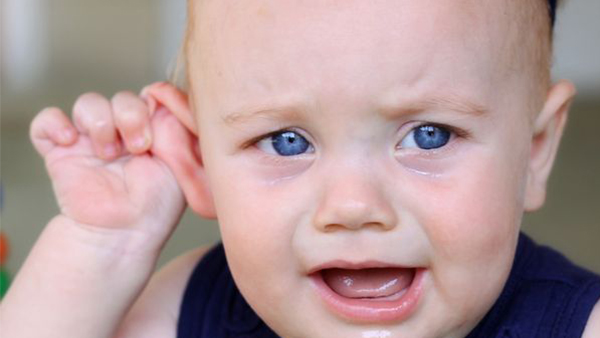
Ear Scratching – By Dr. Medhat Abu Shaaban Pediatrician in Dubai
As a pediatrician at myPediaClinic in Dubai, one of the most common concerns that parents bring to me involves their baby’s tendency to scratch, pull, or tug at their ears. This behavior can be alarming for parents, especially first-time mothers and fathers who are still learning to interpret their baby’s signals and distinguish between normal behaviors and potential health concerns. I am Dr. Medhat Abu Shaaban, and through this comprehensive guide, I aim to help parents understand the various reasons why babies and young children engage in ear scratching behavior, when this behavior is perfectly normal and harmless, and when it might signal a condition that requires medical attention.
Ear scratching and pulling is an extremely common behavior in infants and young children, and in the vast majority of cases, it is completely benign. Babies are naturally curious about their bodies and often discover their ears as fascinating appendages to explore. However, this same behavior can sometimes indicate discomfort or illness, particularly ear infections, which are among the most common childhood ailments. Understanding the nuances of ear-related behavior in young children empowers parents to respond appropriately, providing reassurance when appropriate and seeking medical care when necessary. Throughout this article, I will share the insights I have gained from years of caring for children in Dubai and help you become more confident in assessing your child’s ear scratching behavior.
Understanding Normal Ear Exploration in Babies
Before discussing concerning causes of ear scratching, it is essential to understand that much of this behavior is entirely normal and represents healthy developmental exploration. Babies are born into a world full of sensory experiences they have never encountered before, and their own bodies are among the most fascinating things they discover.
Discovery of Body Parts
During the first year of life, babies go through remarkable stages of physical and cognitive development. As their motor skills develop and they gain increasing control over their hands and arms, they naturally begin exploring their bodies. Babies typically discover their hands around two to three months of age and spend considerable time examining them, bringing them to their mouths, and eventually learning to use them to explore other objects and body parts. Ears, being prominent, accessible features on the sides of the head, are natural targets for this exploration.
When babies discover their ears, usually around four to six months of age, they often become fascinated by the unique texture, shape, and flexibility of these appendages. You may notice your baby touching, pulling, folding, or even pinching their ears as they learn about this newly discovered part of their body. This exploration is completely normal and is actually a positive sign of healthy curiosity and motor development. Parents often notice this behavior increasing during quiet moments, such as while nursing or bottle-feeding, when babies have their hands free and are in a calm, exploratory state.
Self-Soothing Behavior
Ear touching and rubbing can also develop as a self-soothing behavior in many babies and young children. Just as some children suck their thumbs, twirl their hair, or rub a special blanket, others find comfort in touching or rubbing their ears. This behavior often appears when the child is tired, falling asleep, or seeking comfort during stressful moments. If you notice that your baby primarily touches their ears at bedtime or when they seem to need comfort, this is likely a self-soothing mechanism rather than an indication of any problem.
Self-soothing behaviors involving the ears are harmless and typically decrease as children grow older and develop other coping mechanisms. Parents need not discourage this behavior unless it becomes so intense that it causes injury to the ear. In most cases, gentle redirection or offering an alternative comfort object can help if parents are concerned about the intensity of the behavior.
Sensory Exploration
Babies experience the world largely through their senses, and the ears provide unique sensory experiences that can be endlessly fascinating to an exploring infant. The feeling of touching the soft earlobe versus the firmer cartilage of the outer ear, the sensation of sounds changing slightly when the ear canal is partially covered, and the interesting position of ears on either side of the head all contribute to babies’ interest in these features. This sensory exploration is an important part of learning about themselves and their environment.
Teething and Ear Pulling
One of the most common reasons that babies pull or scratch at their ears is teething. The connection between teething and ear behavior often surprises parents, but understanding this relationship can provide significant reassurance during the challenging teething months.
The Anatomy Connection
The nerves that supply sensation to the gums, jaw, and teeth share pathways with the nerves that supply the ears. This is why pain or discomfort originating in the mouth during teething can be felt or perceived in the ear area as well. This phenomenon, known as referred pain, is common in the human body and explains why babies may tug at their ears when their gums are bothering them. The baby doesn’t understand that the discomfort is coming from their gums; they only know that something feels uncomfortable in that general area, and rubbing or pulling at the ear may seem like a logical response.
Teething Timeline
Most babies begin teething between four and seven months of age, though the timing can vary significantly from child to child. The first teeth to emerge are typically the lower central incisors, followed by the upper central incisors. Teething continues throughout the first few years of life, with most children having all twenty primary teeth by age three. Parents often notice increased ear pulling during active teething periods, particularly when multiple teeth are emerging or when the larger molars are coming in.
Signs That Ear Pulling is Related to Teething
If your baby’s ear pulling is related to teething rather than an ear problem, you will typically notice other signs of teething as well. These may include increased drooling, a desire to chew on objects, swollen or tender gums, mild irritability, and possibly a slight increase in temperature (though true fever is not typically associated with teething alone). The ear pulling associated with teething often occurs on both sides equally and is not accompanied by the specific signs of ear infection that I will describe later in this article.
Providing Comfort During Teething
If you believe your baby’s ear pulling is related to teething, there are several strategies you can use to provide comfort. Teething toys that can be chilled (not frozen) provide soothing counter-pressure on the gums. Gently rubbing your baby’s gums with a clean finger can also help. If your baby seems particularly uncomfortable, consult with your pediatrician at myPediaClinic about appropriate pain relief options. Addressing the underlying gum discomfort often reduces the ear-pulling behavior.
Ear Infections: Understanding the Signs
While many cases of ear pulling are benign, ear infections are a legitimate concern that parents should be aware of. Ear infections, particularly middle ear infections (otitis media), are among the most common illnesses in young children, and understanding their signs and symptoms is essential for prompt treatment.
What is an Ear Infection
Ear infections occur when bacteria or viruses cause inflammation and fluid buildup in the middle ear, the space behind the eardrum. This condition is particularly common in young children because their eustachian tubes, which connect the middle ear to the back of the throat, are shorter and more horizontal than in adults, making it easier for germs to travel from the throat to the ear. Additionally, young children’s immune systems are still developing, making them more susceptible to infections in general.
Signs of Ear Infection in Babies
Since babies cannot tell us that their ears hurt, parents must rely on observational signs to detect ear infections. Unlike simple ear exploration or teething-related ear pulling, ear infections typically produce a constellation of symptoms that help distinguish them from benign causes. These symptoms may include:
Fever is one of the most reliable indicators that ear pulling might be related to infection rather than normal behavior. While teething may cause a very mild temperature elevation, true fever (temperature above 38 degrees Celsius or 100.4 degrees Fahrenheit) suggests infection. The fever associated with ear infections can range from low-grade to quite high, depending on the severity of the infection and the child’s immune response.
Increased fussiness and irritability, particularly when lying down, is another hallmark of ear infection. The pressure changes that occur when lying down can increase pain in an infected ear, causing babies to cry more when placed on their backs for diaper changes or sleep. You may notice that your baby seems more comfortable when held upright.
Changes in eating or feeding patterns often accompany ear infections. The sucking and swallowing motions involved in breastfeeding or bottle-feeding can cause pressure changes that increase ear pain, leading babies to feed less eagerly or to pull away from the breast or bottle while crying. This can be particularly distressing for both babies and parents.
Sleep disturbances are common with ear infections. Babies who normally sleep well may wake frequently crying, have difficulty settling for sleep, or refuse to lie in their usual sleeping position. The pain of an ear infection is often worse at night, contributing to these sleep problems.
Fluid drainage from the ear is a sign of a ruptured eardrum and indicates that the infection has progressed significantly. If you notice any fluid, pus, or blood draining from your baby’s ear, seek medical attention promptly. While a ruptured eardrum sounds alarming, it often actually relieves pain and typically heals on its own with appropriate treatment of the underlying infection.
Risk Factors for Ear Infections
Certain factors increase a baby’s risk of developing ear infections. These include attending daycare or being around many other young children, exposure to secondhand smoke, bottle-feeding while lying flat, recent upper respiratory infections, and family history of ear infections. Being aware of these risk factors can help parents be more vigilant about monitoring for signs of ear infection in their children.
When to See a Pediatrician
If you suspect your baby might have an ear infection, I recommend scheduling an appointment at myPediaClinic for evaluation. Prompt assessment is particularly important if your baby is under six months of age, has a high fever, appears to be in significant pain, has fluid draining from the ear, or if symptoms do not improve within 24 to 48 hours. As a pediatrician, I can examine your child’s ears using an otoscope and determine whether an ear infection is present and what treatment, if any, is needed.
Other Medical Causes of Ear Scratching
While ear infections and teething account for many cases of ear scratching in babies, there are other medical conditions that can cause this behavior. Understanding these additional causes helps parents consider the full picture when assessing their child’s symptoms.
Earwax Buildup
Earwax, or cerumen, is a natural substance produced by the ear canal to protect and clean the ear. In most cases, earwax migrates naturally out of the ear and doesn’t cause problems. However, some children produce more earwax than others, or the earwax may not move out of the ear efficiently. Excessive earwax buildup can cause discomfort, itching, or a feeling of fullness in the ear, which may lead to scratching behavior.
Parents should never attempt to remove earwax by inserting cotton swabs, fingers, or other objects into the ear canal, as this can push wax deeper, damage the delicate ear canal, or even puncture the eardrum. If you suspect earwax buildup is causing your child’s ear discomfort, a pediatrician can safely examine the ears and remove excess wax if necessary using appropriate medical techniques.
Swimmer’s Ear (Otitis Externa)
Swimmer’s ear is an infection of the outer ear canal, different from the middle ear infections discussed earlier. This condition often occurs after water gets trapped in the ear canal, creating a moist environment where bacteria can grow. While more common in older children and adults who swim frequently, swimmer’s ear can occur in babies, particularly after bath time if water enters the ear canal.
Symptoms of swimmer’s ear include pain that worsens when the outer ear is touched or pulled, itching in the ear canal, redness or swelling of the outer ear, and possibly discharge. If you notice these symptoms, especially if your child’s ear pain increases when you gently tug on the outer ear, consult with your pediatrician for appropriate treatment.
Allergies and Eczema
Skin conditions such as eczema (atopic dermatitis) and allergic reactions can affect the skin of the outer ear, causing itching, redness, and discomfort that leads to scratching. If your child has a history of eczema or allergies, or if you notice that the skin of the outer ear appears red, dry, or scaly, the ear scratching may be related to these conditions rather than an ear infection.
Treatment for ear involvement in eczema or allergies typically involves addressing the underlying condition with appropriate skincare and, in some cases, medications prescribed by your pediatrician. Managing environmental factors that trigger allergies can also help reduce ear-related symptoms.
Foreign Objects in the Ear
As children grow and become more mobile and curious, they may insert small objects into their ears. This is more common in toddlers and preschoolers than in babies, but it can occur whenever children have access to small objects and the manual dexterity to place them in their ears. A foreign object in the ear can cause pain, discomfort, and scratching behavior.
If you suspect your child may have put something in their ear, do not attempt to remove it yourself, as you may push it deeper or cause injury. Instead, bring your child to myPediaClinic for safe removal by a trained professional.
Assessing Your Child’s Ear Scratching
As a parent, learning to assess your child’s ear scratching behavior helps you determine when reassurance is appropriate and when medical evaluation is needed. Here is a practical approach to evaluating this common behavior.
Observe the Context
Pay attention to when and under what circumstances your child scratches or pulls at their ears. Is it during feeding or other calm, exploratory moments? This suggests normal body exploration. Is it when they seem tired or upset? This may indicate self-soothing behavior. Is it associated with other signs of discomfort or illness? This warrants closer attention and possibly medical evaluation.
Check for Other Symptoms
Consider whether your child has any other symptoms that might indicate illness. Fever, unusual fussiness, changes in eating or sleeping patterns, cold symptoms, or fluid from the ear all suggest that the ear scratching may be related to an underlying condition rather than normal behavior. The presence of multiple concerning symptoms increases the likelihood that medical attention is needed.
Examine the Ears Visually
While you cannot see into the ear canal or evaluate the eardrum at home, you can look at the outer ear for visible signs of problems. Redness, swelling, rash, discharge, or any visible injury to the outer ear should be evaluated by a healthcare provider. A normal-appearing outer ear is reassuring, though it doesn’t rule out middle ear problems that aren’t visible externally.
Consider Recent Events
Think about whether anything has happened recently that might explain the ear scratching. Has your child been teething? Have they had a cold or upper respiratory infection? Have they been exposed to water in their ears? Have they been around other sick children? Context clues can help explain the behavior and guide your response.
Trust Your Parental Instincts
Parents often have an intuitive sense when something is wrong with their child, even if they can’t pinpoint exactly what it is. If your parental instincts are telling you that your child’s ear scratching is different from normal or that something isn’t right, it’s always appropriate to seek medical evaluation. A visit to myPediaClinic can provide reassurance if everything is normal or prompt treatment if a problem is identified.
Preventing Ear Problems in Young Children
While not all ear problems can be prevented, there are steps parents can take to reduce the risk of ear infections and other ear issues in their young children.
Breastfeeding
Research has consistently shown that breastfeeding reduces the risk of ear infections in babies. Breast milk contains antibodies and immune factors that help protect against infections, and the mechanics of breastfeeding position babies in a way that reduces the risk of milk entering the eustachian tubes. Even partial breastfeeding provides some protection. If you are breastfeeding or considering it, know that this is one of many health benefits for your baby.
Proper Bottle Feeding Position
If you bottle-feed your baby, always hold them in a semi-upright position rather than letting them drink while lying flat. When babies drink from bottles while lying on their backs, milk can flow into the eustachian tubes and create conditions favorable for infection. This simple adjustment in feeding position can significantly reduce ear infection risk.
Avoid Secondhand Smoke
Exposure to secondhand smoke significantly increases the risk of ear infections in children. Smoke irritates the eustachian tubes and respiratory passages, making children more susceptible to infections. If anyone in your household smokes, encouraging them to quit or at minimum to smoke only outside and away from the children can help protect your child’s ear health.
Stay Up to Date on Vaccinations
Several vaccines help protect against organisms that cause ear infections. The pneumococcal conjugate vaccine protects against a common cause of bacterial ear infections, and the annual influenza vaccine helps prevent flu, which often precedes ear infections. Keeping your child current on recommended vaccinations is an important strategy for reducing ear infection risk.
Practice Good Hygiene
Since ear infections often follow upper respiratory infections, reducing your child’s exposure to cold and flu viruses can help prevent ear infections. Regular handwashing, avoiding close contact with sick individuals when possible, and teaching children not to touch their faces can all help reduce the spread of germs.
Manage Allergies
If your child has allergies, working with your pediatrician to manage them effectively can help reduce ear problems. Allergies can cause inflammation and fluid buildup that increase ear infection risk. Appropriate allergy treatment may help break this cycle.
Treatment Approaches for Ear Infections
When ear infections do occur, understanding treatment options helps parents know what to expect and how to support their child’s recovery.
The Watch and Wait Approach
Not all ear infections require antibiotics. Current guidelines from major pediatric organizations recognize that many ear infections, particularly mild cases in children over six months of age, will resolve on their own without antibiotic treatment. This “watchful waiting” approach involves managing pain and monitoring symptoms for 48 to 72 hours before deciding whether antibiotics are needed. This approach helps reduce unnecessary antibiotic use, which is important for preventing antibiotic resistance.
Antibiotic Treatment
When antibiotics are indicated, they are highly effective at treating bacterial ear infections. Antibiotics may be recommended immediately for children under six months, children with severe symptoms, children with certain risk factors, or when symptoms don’t improve with watchful waiting. It’s important to complete the entire course of antibiotics as prescribed, even if your child seems better before the medication is finished.
Pain Management
Regardless of whether antibiotics are used, managing your child’s pain and discomfort is an important part of ear infection treatment. Appropriate doses of acetaminophen or ibuprofen, as recommended by your pediatrician, can help relieve pain and reduce fever. Warm compresses applied to the outside of the ear may also provide comfort. Keeping your child’s head slightly elevated can help reduce pressure and pain.
Follow-Up Care
After an ear infection, your pediatrician may want to recheck your child’s ears to ensure the infection has fully resolved and that there is no persistent fluid behind the eardrum. This follow-up is particularly important for children who have had multiple ear infections or who don’t seem to be recovering as expected.
Frequently Asked Questions
Why does my baby pull their ears during feeding?
Ear pulling during feeding is very common and usually represents normal exploration or self-soothing behavior. During feeding, babies are calm and have their hands free, making it a natural time to explore their bodies. If your baby is feeding well, seems content, and has no other symptoms, this behavior is likely nothing to worry about. However, if your baby seems to pull away from feeding while pulling at their ears and appears distressed, this could indicate ear pain that makes feeding uncomfortable, and you should consult your pediatrician.
Can teething really cause ear pulling?
Yes, teething commonly causes ear pulling due to shared nerve pathways between the gums and ears. When teething causes discomfort in the gums, this pain can be perceived in or near the ear area, leading babies to pull or rub at their ears. If your baby is at typical teething age, shows other signs of teething such as drooling and gum swelling, and doesn’t have fever or other signs of illness, teething-related ear pulling is a likely explanation.
How can I tell if my baby has an ear infection?
Signs that may indicate an ear infection include fever, increased fussiness especially when lying down, changes in eating patterns, sleep disturbances, and sometimes fluid drainage from the ear. The combination of ear pulling with several of these other symptoms is more concerning than ear pulling alone. Since babies cannot tell us about ear pain, observing for these associated symptoms helps parents recognize potential infections. When in doubt, a pediatrician can examine the ears to determine if an infection is present.
When should I take my baby to the doctor for ear scratching?
You should consult your pediatrician if ear scratching is accompanied by fever, if your baby seems to be in pain, if there is any fluid draining from the ear, if your baby is under six months of age and you have any concerns, if the behavior is associated with changes in eating or sleeping, or if your parental instincts tell you something is wrong. It’s always better to have your child evaluated and receive reassurance than to wait if you’re worried about a potential ear infection.
Should I clean inside my baby’s ears?
No, you should never insert anything into your baby’s ear canal, including cotton swabs, fingers, or other objects. The ear canal is self-cleaning, and earwax naturally migrates out on its own. Inserting objects can push wax deeper, irritate the ear canal, or even damage the eardrum. You can gently clean the outer ear with a soft washcloth, but leave the ear canal alone. If you think your child has excessive earwax buildup, consult your pediatrician for safe evaluation and removal if needed.
Do all ear infections need antibiotics?
Not all ear infections require antibiotics. Many mild ear infections in children over six months of age will resolve on their own. Current guidelines often recommend a “watchful waiting” approach for mild cases, where symptoms are monitored for 48-72 hours while managing pain, before deciding if antibiotics are needed. However, antibiotics may be recommended immediately for young infants, severe cases, or children with certain risk factors. Your pediatrician will help determine the best approach for your child’s specific situation.
How can I prevent ear infections in my baby?
While not all ear infections can be prevented, several strategies can reduce risk. Breastfeeding provides protective antibodies, and if bottle-feeding, holding your baby in a semi-upright position helps. Avoiding secondhand smoke exposure, keeping vaccinations up to date, practicing good hand hygiene, and managing allergies if present can all help reduce ear infection frequency. Despite best efforts, some children are simply prone to ear infections due to anatomy or other factors.
Is it normal for babies to scratch their ears while falling asleep?
Yes, ear touching and scratching while falling asleep is often a self-soothing behavior and is completely normal. Just as some babies suck their thumbs or rub a blanket, others find comfort in touching their ears. As long as the scratching is not causing injury and is not associated with signs of illness, this bedtime ear touching is nothing to worry about. Many children outgrow this habit naturally as they develop other ways to self-soothe.
When to Seek Expert Care
Understanding your baby’s ear scratching behavior empowers you to respond appropriately, but there are times when professional evaluation is the best course of action. At myPediaClinic, we are here to support you through every stage of your child’s development and health.
If you have concerns about your baby’s ear scratching, if your child has symptoms that might indicate an ear infection, or if you simply want reassurance from a professional evaluation, I invite you to schedule an appointment with us. Our team of experienced pediatric healthcare providers can examine your child, determine whether any treatment is needed, and provide guidance on caring for your little one.
Remember, as parents, you know your child best. Trust your instincts, observe carefully, and never hesitate to seek medical advice when you have concerns. At myPediaClinic, we consider it a privilege to partner with you in caring for your child’s health. Contact us today to schedule an appointment or to discuss any concerns you may have. Your child’s health and your peace of mind are our priorities.