

How Do I Know if My Child Needs Braces – Dr. Abdel Hakim El Gheriani Orthodontist in Dubai
As a parent, you want the best for your child’s health and well-being, and this naturally extends to their dental health and the development of their smile. One of the most common questions I receive from parents at myPediaClinic is how they can tell if their child needs braces. I am Dr. Abdel Hakim El Gheriani, an American Board certified orthodontist, and I am passionate about helping families in Dubai understand orthodontic care and make informed decisions about their children’s dental health. In this comprehensive guide, I will walk you through the signs that may indicate your child could benefit from orthodontic treatment, explain when to schedule an orthodontic evaluation, and discuss the many benefits of early intervention when appropriate.
The decision to pursue orthodontic treatment for your child is significant, involving considerations of timing, type of treatment, and investment of time and resources. By understanding what to look for and knowing when to seek professional evaluation, parents can ensure their children receive appropriate care at the optimal time. Whether you have noticed something concerning about your child’s teeth or simply want to be proactive about their dental development, this article will provide you with the knowledge you need to advocate for your child’s oral health. Remember, early detection and timely intervention can often simplify treatment and achieve better outcomes, so understanding these signs is valuable for every parent.
When Should Children First See an Orthodontist
Many parents are surprised to learn that the American Association of Orthodontists recommends children have their first orthodontic evaluation by age seven. This recommendation often surprises parents because they typically think of orthodontic treatment as something for teenagers with all their permanent teeth. However, there are important reasons for this early evaluation, and understanding them helps parents appreciate the value of timely orthodontic assessment.
Why Age Seven
By around age seven, most children have a mix of baby teeth and permanent teeth, with the first permanent molars and incisors typically having erupted. This stage of dental development provides orthodontists with essential information about how the teeth and jaws are developing. An experienced orthodontist can identify emerging problems, assess the relationship between the upper and lower jaws, evaluate the alignment of the erupting permanent teeth, and determine whether the mouth has adequate space to accommodate all the permanent teeth that are yet to come.
What Happens During an Early Evaluation
An orthodontic evaluation at age seven is typically a simple, non-invasive appointment. At myPediaClinic, I examine the child’s teeth, bite, and jaw relationship, often taking photographs and X-rays to get a complete picture of the dental development. I then discuss my findings with the parents, explaining whether any concerns exist and recommending the appropriate next steps. For most children, no immediate treatment is needed, and I simply monitor their development over time. For some children, early intervention may be recommended to address specific issues before they become more complicated.
Early Evaluation Does Not Mean Early Treatment
Parents should understand that an early evaluation does not necessarily lead to early treatment. The purpose of the age-seven evaluation is assessment and monitoring, not to begin treatment on every child. In fact, for the majority of children, the recommendation after an initial evaluation is simply to watch and wait, monitoring development as more permanent teeth emerge. However, for children with specific conditions that benefit from early intervention, identifying these issues at age seven rather than later can make a significant difference in treatment outcomes.
Visible Signs Your Child May Need Braces
While only an orthodontist can definitively determine whether your child needs braces, there are several visible signs that parents can observe at home that may indicate orthodontic concerns. Being aware of these signs helps parents know when to schedule an evaluation and provides useful information to share with the orthodontist.
Crowded or Overlapping Teeth
Crowding occurs when there isn’t enough space in the jaw for all the teeth to fit properly, resulting in teeth that are twisted, overlapping, or pushed out of alignment. As your child’s permanent teeth begin to emerge, watch for teeth that seem to be coming in crooked, teeth that are positioned behind or in front of other teeth, or teeth that appear to be competing for space. Crowding can affect both appearance and function, making proper brushing and flossing difficult and increasing the risk of cavities and gum disease.
Gaps and Spacing Between Teeth
While some gaps between baby teeth are normal and even desirable (as they leave room for larger permanent teeth), persistent gaps between permanent teeth may indicate a spacing issue. Spacing can result from teeth that are smaller than average, missing teeth, or a jaw that is larger than normal relative to the teeth. While some patients appreciate a gap between their front teeth as a distinctive feature, excessive spacing can affect the function of the bite and the stability of the teeth.
Protruding Front Teeth
Upper front teeth that stick out significantly beyond the lower teeth, sometimes called “buck teeth,” are not only a cosmetic concern but can also be at increased risk of injury during falls or sports activities. Protruding teeth may result from thumb sucking habits, tongue thrust swallowing patterns, or skeletal differences in jaw size and position. If your child’s upper front teeth appear to protrude noticeably, this is worth discussing with an orthodontist.
Difficulty Biting or Chewing
Pay attention to how your child eats. Difficulty biting into foods, pain while chewing, or a tendency to chew primarily on one side of the mouth can indicate bite problems that may benefit from orthodontic treatment. A properly aligned bite allows for comfortable, efficient chewing with the forces distributed evenly across all the teeth. When the bite is misaligned, certain teeth may bear more stress than they should, potentially leading to wear, sensitivity, or other problems.
Mouth Breathing
If your child habitually breathes through their mouth rather than their nose, this can affect dental and facial development over time. Mouth breathing can be caused by enlarged tonsils or adenoids, allergies, or nasal obstruction, but it can also be associated with narrow dental arches that affect nasal airway space. Children who mouth breathe may develop elongated faces, narrow dental arches, and associated orthodontic issues. If you notice your child breathing through their mouth frequently, especially during sleep, discuss this with both your pediatrician and orthodontist.
Early or Late Loss of Baby Teeth
Baby teeth typically fall out in a predictable sequence between ages six and twelve. If your child loses baby teeth significantly earlier or later than expected, this can affect how the permanent teeth come in. Early loss of baby teeth can cause neighboring teeth to drift into the space, blocking the permanent tooth from erupting properly. Late retention of baby teeth can indicate that the permanent tooth underneath is missing, impacted, or positioned incorrectly. Monitoring the timing of tooth loss and discussing any concerns with your dentist or orthodontist is advisable.
Bite Problems That May Require Treatment
The way the upper and lower teeth fit together, known as the bite or occlusion, is a critical factor in orthodontic assessment. Several types of bite problems can indicate the need for orthodontic treatment, and understanding these conditions helps parents recognize potential concerns.
Overbite (Deep Bite)
An overbite occurs when the upper front teeth overlap the lower front teeth vertically by more than the ideal amount. While some degree of overlap is normal and desirable, an excessive overbite can cause the lower front teeth to bite into the roof of the mouth or the upper front teeth to be at increased risk of injury. Deep overbites can also cause excessive wear on the teeth over time. If your child’s upper teeth cover most or all of the lower front teeth when biting down, this may indicate an overbite that should be evaluated.
Underbite
An underbite is the opposite condition, where the lower front teeth protrude beyond the upper front teeth when biting down. Underbites can result from a lower jaw that is positioned too far forward, an upper jaw that is positioned too far back, or a combination of both. Underbites can affect chewing efficiency, speech, and facial appearance. Early identification of underbites is particularly important because treatment often involves guiding jaw growth, which is most effective while the child is still growing.
Crossbite
A crossbite occurs when some of the upper teeth close inside the lower teeth rather than outside them. This can occur in the front teeth (anterior crossbite) or the back teeth (posterior crossbite), and it can affect one side or both sides of the mouth. Crossbites can cause the jaw to shift to one side, uneven wear on the teeth, and asymmetric jaw growth if left untreated. Early treatment of crossbites, particularly posterior crossbites, is often recommended to prevent these complications.
Open Bite
An open bite exists when the upper and lower teeth do not meet when the back teeth are closed together. Most commonly, this presents as an anterior open bite, where a gap remains between the upper and lower front teeth even when biting down. Open bites can result from prolonged thumb sucking, tongue thrust swallowing patterns, or skeletal differences. They can affect the ability to bite into foods and may impact speech. Identifying and addressing the underlying cause is an important part of treating open bites.
Midline Misalignment
The midline is an imaginary line that divides the face symmetrically. Ideally, the center of the upper front teeth aligns with the center of the lower front teeth and with the facial midline. When these don’t align, it may indicate that the teeth or jaws are shifted to one side. Midline discrepancies can result from missing teeth, uneven spacing, or asymmetric jaw development, and they often warrant orthodontic evaluation.
Habits That Can Affect Dental Development
Certain childhood habits can influence dental development and may contribute to orthodontic problems. Understanding these habits helps parents know when intervention may be needed and provides context for discussions with the orthodontist.
Thumb Sucking and Pacifier Use
Thumb sucking and pacifier use are normal, comforting behaviors for infants and young children. Most children naturally outgrow these habits by ages two to four. However, if these habits persist beyond age four, or if they are particularly intense, they can affect the development of the teeth and jaws. Prolonged thumb sucking or pacifier use can cause the front teeth to tip outward, create an open bite, and narrow the upper dental arch. If your child continues these habits past the preschool years, discuss strategies for breaking the habit with your pediatrician or dentist.
Tongue Thrust
Tongue thrust is a swallowing pattern in which the tongue pushes forward against the front teeth rather than pressing against the roof of the mouth. While this pattern is normal in infancy, most children transition to a mature swallowing pattern as they grow. Persistent tongue thrust can cause or exacerbate open bites and protruding front teeth. Tongue thrust may be addressed with myofunctional therapy, which involves exercises to retrain the tongue muscles, sometimes in conjunction with orthodontic treatment.
Lip Sucking and Nail Biting
Habitual lip sucking, where the child frequently holds the lower lip behind the upper front teeth, can cause the upper front teeth to tip forward and the lower front teeth to tip backward. Nail biting, while not directly affecting tooth position, can cause wear and chipping of the teeth and may introduce bacteria into the mouth. If your child engages in these habits persistently, gentle redirection and positive reinforcement for stopping can help, and discussing the habits with your orthodontist is worthwhile.
Functional Signs That Warrant Evaluation
Beyond the visible appearance of the teeth and bite, certain functional issues can indicate orthodontic problems that may benefit from treatment. These symptoms relate to how the mouth works rather than just how it looks.
Speech Difficulties
The positions of the teeth and jaws play a role in speech production. Certain orthodontic conditions, including severe overbites, underbites, open bites, and significant crowding, can contribute to speech difficulties such as lisping, difficulty pronouncing certain sounds, or generally unclear speech. If your child has been receiving speech therapy without full resolution of speech issues, or if speech problems seem related to the physical positioning of the teeth and jaws, an orthodontic evaluation may be helpful.
Jaw Pain or Clicking
Temporomandibular joint (TMJ) problems can occur in children and teenagers, though they are more common in adults. If your child complains of jaw pain, experiences clicking or popping sounds when opening or closing the mouth, or has limited jaw opening, these symptoms may be related to bite problems that could benefit from orthodontic assessment. While not all TMJ issues are caused by malocclusion, bite problems can contribute to or exacerbate joint symptoms.
Difficulty with Oral Hygiene
Crooked, crowded, or overlapping teeth are more difficult to clean thoroughly with brushing and flossing. If your child consistently has cavities or gum problems despite good oral hygiene efforts, the arrangement of their teeth may be making effective cleaning difficult. Straightening the teeth can make oral hygiene easier and help prevent future dental problems.
Facial Asymmetry
While perfect facial symmetry is rare, noticeable asymmetry in the lower face or jaw area can indicate orthodontic or skeletal issues that may benefit from evaluation. This might present as the jaw appearing shifted to one side, one side of the face appearing fuller than the other, or the chin appearing off-center. Early identification of facial asymmetry allows for monitoring and, if appropriate, intervention while the child is still growing.
The Benefits of Early Orthodontic Intervention
When specific conditions are identified early, orthodontic intervention during the mixed dentition phase (when children have both baby teeth and permanent teeth) can provide significant advantages. This early treatment, sometimes called Phase One or interceptive orthodontics, addresses specific issues before they become more complicated.
Guiding Jaw Growth
One of the most significant advantages of early treatment is the ability to guide jaw growth while the child is still actively growing. Certain appliances can influence the direction and amount of jaw growth, helping to correct skeletal discrepancies that would be more difficult or impossible to address once growth is complete. For example, a child with an underbite may benefit from treatment that encourages forward growth of the upper jaw or restrains excessive growth of the lower jaw. These types of interventions are most effective during the growth years.
Creating Space for Erupting Teeth
When it’s clear that there won’t be enough space for all the permanent teeth to erupt properly, early treatment can create space through expansion of the dental arches or selective removal of baby teeth. This proactive approach can reduce or eliminate severe crowding and may prevent the need for extraction of permanent teeth later. Creating space early allows permanent teeth to erupt into better positions naturally.
Correcting Crossbites
Crossbites, particularly posterior crossbites, are often best treated early. When left untreated, crossbites can cause the jaw to shift to one side and may lead to asymmetric jaw growth over time. Early correction of crossbites can prevent these complications and create a more favorable environment for continued dental and facial development.
Reducing Risk of Trauma
Protruding front teeth are at significantly increased risk of injury during falls, sports activities, and other accidents. Early orthodontic treatment to bring protruding teeth into better alignment can reduce this risk and protect the teeth from traumatic injury. For active children who participate in sports, this protective benefit can be particularly valuable.
Eliminating Harmful Habits
Some early orthodontic appliances are designed to help children break harmful habits such as thumb sucking or tongue thrust. By addressing these habits early, before they cause significant orthodontic problems, treatment can prevent issues that would otherwise require more extensive correction later.
Simplifying Later Treatment
Even when comprehensive treatment with braces is still needed later in adolescence, early intervention can simplify and shorten that treatment. By addressing specific issues during Phase One treatment, the remaining orthodontic work in Phase Two is often less complex, more efficient, and may achieve better overall results.
Comprehensive Treatment: Braces and Alternatives
When orthodontic treatment is indicated, whether following early intervention or as a standalone treatment in the teenage years, several options are available. Understanding these options helps parents participate in informed discussions about their child’s treatment plan.
Traditional Metal Braces
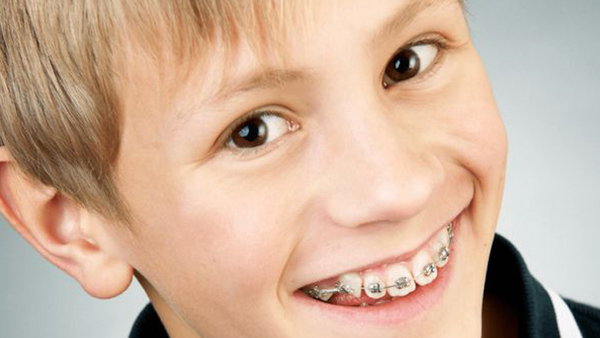
Metal braces remain the most common and often most effective option for comprehensive orthodontic treatment. Modern metal braces are smaller, more comfortable, and more efficient than the braces of past generations. They consist of brackets bonded to the front surfaces of the teeth, connected by wires that apply gentle, continuous pressure to move the teeth into their desired positions. Metal braces can address virtually any orthodontic issue and are typically the most cost-effective option. Many young patients enjoy choosing colorful elastic bands to personalize their braces.
Ceramic Braces
Ceramic braces work the same way as metal braces but use tooth-colored or clear brackets that are less noticeable. They are a popular choice for patients who want the effectiveness of traditional braces with a more aesthetic appearance. Ceramic braces are somewhat more fragile than metal braces and may require slightly more care, but for many patients, the cosmetic benefit is worth these minor considerations.
Clear Aligners
Clear aligner systems, such as Invisalign, use a series of custom-made, removable clear plastic trays to gradually move teeth into alignment. Clear aligners are nearly invisible when worn and can be removed for eating, brushing, and flossing. They are popular with teenagers and adults who want a discreet treatment option. However, aligners require discipline to wear for the recommended 20 to 22 hours per day, and they may not be suitable for all types of orthodontic problems. At myPediaClinic, I can evaluate whether your child is a candidate for aligner therapy and discuss the pros and cons of this option.
Lingual Braces
Lingual braces are placed on the inner surfaces of the teeth, facing the tongue, making them invisible from the outside. They are an option for patients who need or prefer traditional bracket-and-wire treatment but want it to be completely hidden. Lingual braces require specialized expertise to place and adjust, and they may require an adjustment period as the tongue adapts to their presence. Not all orthodontic practices offer lingual braces, but at myPediaClinic, this option is available for appropriate candidates.
Palatal Expanders
Palatal expanders are appliances used to widen the upper jaw, creating more space for the teeth and improving the bite. They are most commonly used during the mixed dentition phase when the bones of the palate are still malleable and can be expanded relatively easily. Palatal expansion can address crossbites, crowding, and even breathing issues related to narrow airways. The expansion process is typically painless, though patients may feel some pressure during adjustments.
What to Expect During Orthodontic Treatment
Understanding what orthodontic treatment involves helps parents and children know what to expect and prepares them for a successful treatment experience.
Treatment Duration
The length of orthodontic treatment varies depending on the complexity of the case, the patient’s age and growth status, the type of treatment used, and how well the patient follows instructions regarding wear of appliances and oral hygiene. Most comprehensive orthodontic treatments take between 12 and 24 months, though some cases may be shorter or longer. Early intervention treatments are often shorter, typically lasting 6 to 12 months. During your consultation at myPediaClinic, I provide an estimate of treatment duration based on your child’s specific situation.
Adjustment Appointments
During orthodontic treatment, regular appointments are needed to adjust braces, change aligner trays, and monitor progress. These appointments are typically scheduled every 4 to 8 weeks and are usually brief. They are essential for keeping treatment on track and making any necessary modifications to the treatment plan as the teeth respond to treatment.
Discomfort and Adjustment
It’s normal to experience some discomfort when braces are first placed and after adjustment appointments. This discomfort is usually mild and temporary, lasting a few days at most. Over-the-counter pain relievers and soft foods can help manage any discomfort. Patients also need a period of adjustment as they get used to the feeling of braces in their mouths. Rest assured that this adjustment period is temporary, and most patients adapt quickly.
Dietary Considerations
Patients with braces need to avoid certain foods that can damage the braces or get stuck in them. Hard, crunchy foods like popcorn, nuts, and hard candy, and sticky foods like caramel and gum, should be avoided. Biting directly into hard foods like apples and corn on the cob should also be avoided; these foods can be cut into smaller pieces instead. These dietary modifications help prevent broken brackets and wires and keep treatment progressing smoothly.
Oral Hygiene During Treatment
Maintaining excellent oral hygiene during orthodontic treatment is critically important. Braces create additional surfaces where plaque can accumulate, making thorough brushing and flossing essential. Patients with braces should brush after every meal and use special tools such as interdental brushes and floss threaders to clean around brackets and wires. At myPediaClinic, we provide thorough instruction on oral hygiene during treatment and monitor oral health at every appointment.
Retention After Treatment
After braces are removed, retention is essential to maintain the results. Teeth have a natural tendency to shift back toward their original positions, especially in the months immediately following treatment. Retainers hold the teeth in their new positions while the surrounding bone and soft tissues stabilize. We provide custom retainers for every patient and give clear instructions on how long and how often to wear them. Following retention instructions is crucial for maintaining your child’s beautiful new smile for life.
Choosing an Orthodontist for Your Child
Selecting the right orthodontist for your child is an important decision that will impact their treatment experience and outcomes. Consider the following factors when making your choice.
Qualifications and Experience
Look for an orthodontist with proper training, board certification, and experience treating children. An American Board certified orthodontist has demonstrated expertise through a rigorous examination process. Experience specifically in pediatric and adolescent treatment is valuable, as treating young patients requires specialized skills and an ability to connect with children of different ages.
Range of Treatment Options
A well-equipped practice should offer multiple treatment options, including traditional braces, clear braces, aligners, and early intervention appliances. This ensures that the recommended treatment is truly the best option for your child rather than simply the only option available at that practice.
Office Environment
For children, a welcoming, comfortable office environment makes a significant difference in their treatment experience. Visit potential offices to see whether the space feels friendly and appropriate for young patients. Consider whether the staff seems experienced and comfortable working with children.
Communication Style
Choose an orthodontist who communicates clearly, takes time to answer your questions, and makes you feel comfortable. You should feel that the orthodontist truly cares about your child’s well-being and is committed to achieving the best possible outcome. At myPediaClinic, I prioritize clear, honest communication with every family I serve.
Frequently Asked Questions
At what age should my child first see an orthodontist?
The American Association of Orthodontists recommends that children have their first orthodontic evaluation by age seven. At this age, children have a mix of baby teeth and permanent teeth that allows the orthodontist to evaluate dental development, identify emerging problems, and determine whether early treatment is beneficial. Early evaluation doesn’t mean early treatment for most children; rather, it ensures that any issues are identified at the optimal time for intervention.
What are the most common signs that my child needs braces?
Common signs that may indicate your child needs braces include crowded or overlapping teeth, excessive gaps between teeth, protruding front teeth, difficulty biting or chewing, teeth that don’t meet properly when biting down, early or late loss of baby teeth, and mouth breathing. If you notice any of these signs, scheduling an orthodontic evaluation can help determine whether treatment is needed.
Does every child need braces?
No, not every child needs braces. Many children develop with properly aligned teeth and healthy bites that don’t require orthodontic intervention. However, studies suggest that a significant percentage of children could benefit from some level of orthodontic treatment. The only way to know for certain whether your child needs braces is to have them evaluated by an orthodontist who can assess their specific situation.
What is the best age for braces?
The ideal age for braces depends on the individual child and the specific orthodontic issues being addressed. For most comprehensive treatment, the early teenage years (around ages 11 to 14) are often ideal, as all or most permanent teeth have erupted but growth is still occurring. However, some conditions benefit from earlier treatment during the mixed dentition phase, while others can be successfully treated later in adolescence or adulthood. Your orthodontist can advise on the best timing for your child’s specific situation.
How long does orthodontic treatment typically take?
Orthodontic treatment duration varies based on the complexity of the case and the type of treatment used. Most comprehensive treatments take between 12 and 24 months, though some cases may be shorter or longer. Early intervention treatments are often shorter, typically lasting 6 to 12 months. Your orthodontist can provide a more specific estimate based on your child’s individual needs after completing a thorough evaluation.
Are there alternatives to traditional metal braces?
Yes, there are several alternatives to traditional metal braces, including ceramic (tooth-colored) braces, clear aligners like Invisalign, and lingual braces that are placed on the back surfaces of the teeth. Each option has its own advantages and considerations, and not all options are suitable for every case. Your orthodontist can discuss which options are appropriate for your child’s specific orthodontic needs and personal preferences.
Will braces hurt my child?
While braces may cause some discomfort, modern orthodontic treatment is generally not painful. Patients typically experience some soreness for a few days after braces are placed and after adjustment appointments, but this discomfort is usually mild and temporary. Over-the-counter pain relievers and soft foods can help manage any discomfort. Most patients adapt quickly to their braces and report that treatment is much more comfortable than they expected.
How much do braces cost?
The cost of braces varies depending on the complexity of the case, the type of braces chosen, and the duration of treatment. During your consultation at myPediaClinic, we provide a detailed cost estimate based on your child’s specific treatment plan. We work with many insurance providers and offer flexible payment options to help make orthodontic treatment accessible for families.
Schedule Your Child’s Orthodontic Evaluation Today
As a parent, being attentive to your child’s dental development and knowing when to seek professional evaluation are important steps in ensuring they receive optimal care. Whether you’ve noticed concerning signs or simply want to be proactive about your child’s orthodontic health, I encourage you to schedule an evaluation at myPediaClinic.
During this evaluation, I will conduct a thorough assessment of your child’s teeth, bite, and jaw development, explain my findings in clear, understandable terms, and recommend the most appropriate course of action. For many children, this may simply be monitoring and re-evaluation as they continue to grow. For others, it may be the beginning of a treatment journey that leads to a lifetime of healthy, beautiful smiles.
Don’t wait until orthodontic problems become more complex and harder to treat. Early evaluation ensures that any issues are identified at the optimal time for intervention. Contact myPediaClinic today to schedule your child’s orthodontic consultation. Our friendly team is ready to answer your questions and help you take the first step toward your child’s healthiest, most beautiful smile. Call us now or visit our website at mypediaclinic.com to book your appointment. We look forward to welcoming your family to our practice!