

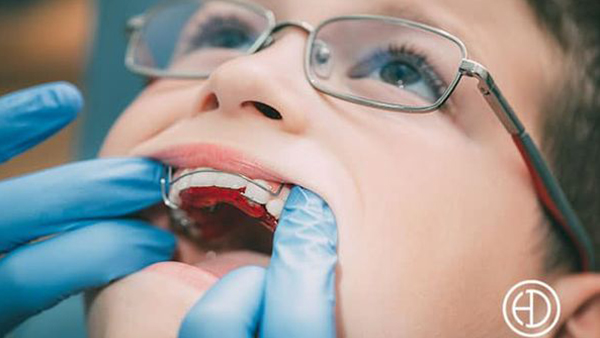
When Is It Necessary to See an Orthodontist – Dr. Abdel Hakim El Gheriani Orthodontist in Dubai
As a parent, you want the best for your child, including a healthy, beautiful smile that will serve them throughout their lifetime. One of the most common questions parents ask is when their child should first visit an orthodontist and whether early treatment is necessary. The American Association of Orthodontists recommends that all children have their first orthodontic evaluation by age 7, a recommendation that may surprise many parents who associate braces with teenagers. Understanding why this early assessment is important, what conditions may require early intervention, and how modern orthodontics can guide your child’s dental development can help you make informed decisions about your child’s oral health. At myPediaClinic, we provide comprehensive orthodontic evaluations and treatment for children at all stages of development.
Many parents wonder why age 7 is significant when most children still have a mix of baby and permanent teeth at that age. The answer lies in the unique opportunities this developmental stage presents. By age 7, enough permanent teeth have typically erupted for an orthodontist to evaluate the developing bite and identify potential problems. More importantly, this is often an optimal time to guide growth and development, potentially preventing more serious problems from developing and reducing the need for more extensive treatment later. This comprehensive guide will explore the reasons behind the age 7 recommendation, the types of conditions that benefit from early intervention, what interceptive orthodontics involves, and how monitoring your child’s growth can ensure the best possible outcomes for their smile and overall oral health.
Understanding the Importance of the First Orthodontic Visit at Age 7
The recommendation for a first orthodontic visit at age 7 is not arbitrary. It is based on specific developmental milestones that occur around this age and the unique opportunities for intervention that exist during this period of growth.
Dental Development at Age 7
By age 7, most children have a mix of primary (baby) teeth and permanent teeth. The first permanent molars have typically erupted, and the permanent incisors (front teeth) are usually coming in or have recently erupted. This combination of erupted permanent teeth and developing structures allows an orthodontist to assess the developing bite, jaw relationships, tooth alignment, and growth patterns. The orthodontist can identify existing problems and predict potential issues that may develop as more permanent teeth erupt. This early assessment provides a baseline for monitoring your child’s dental development over time.
Why Early Assessment Does Not Always Mean Early Treatment
It is important for parents to understand that an early orthodontic visit does not necessarily mean early treatment. In fact, most children evaluated at age 7 will not need immediate intervention. The evaluation serves as a screening to identify the relatively small percentage of children who would benefit from early treatment. For most children, the orthodontist will recommend monitoring their development and seeing them periodically until the optimal time for treatment arrives, typically when most or all permanent teeth have erupted. This watchful waiting approach ensures that treatment is timed for maximum effectiveness while avoiding unnecessary early intervention.
The Window of Opportunity for Certain Treatments
Certain orthodontic problems are best treated during specific developmental windows when growth can be harnessed to achieve results that would be more difficult or impossible to achieve later. For example, palatal expansion to widen a narrow upper jaw is most effective when the midpalatal suture (the growth plate in the roof of the mouth) is still flexible, typically before adolescence. Similarly, guiding jaw growth to correct skeletal discrepancies is most effective during periods of active growth. Missing the optimal treatment window does not mean treatment is impossible, but it may mean that more complex or invasive procedures are needed later. Early evaluation ensures these windows of opportunity are not missed.
Cases Requiring Early Orthodontic Intervention
While most children do not need early orthodontic treatment, certain conditions benefit significantly from intervention during the mixed dentition stage. Recognizing these conditions helps parents understand when early treatment may be recommended for their child.
Crossbite and Narrow Palate
A crossbite occurs when the upper teeth bite inside the lower teeth, the opposite of the normal relationship. Posterior crossbite, affecting the back teeth, is particularly concerning because it can cause the jaw to shift to one side, potentially leading to asymmetric jaw growth and facial development. A narrow palate (roof of the mouth) often contributes to crossbite and can also cause crowding and breathing issues. Early treatment with a palatal expander can widen the upper jaw, correct the crossbite, create space for erupting teeth, and improve the airway. This treatment is most effective before the midpalatal suture fuses, making early intervention particularly valuable for this condition.
Severe Crowding and Spacing Issues
While some degree of crowding is common and often addressed with comprehensive treatment in adolescence, severe crowding may warrant early intervention. When there is clearly insufficient space for permanent teeth to erupt properly, teeth may become impacted (stuck beneath the gum) or erupt in poor positions that are difficult to correct later. Early treatment may involve creating space through expansion, selective extraction of baby teeth (serial extraction), or guidance of erupting teeth. Similarly, significant spacing issues, such as those caused by missing teeth or abnormal frenum attachments, may benefit from early assessment and management.
Protruding Front Teeth
Children with severely protruding upper front teeth are at increased risk for dental trauma. Studies show that children with protrusion greater than 3mm have significantly higher rates of injury to their front teeth from falls, sports, and other activities. For children with severe protrusion, early treatment to reduce the prominence of the front teeth can decrease the risk of traumatic injury. This may involve partial braces on the front teeth, growth modification appliances, or other interventions depending on the cause of the protrusion. Protecting the front teeth from injury is a compelling reason for early intervention in appropriate cases.
Underbite (Class III Malocclusion)
An underbite occurs when the lower jaw and teeth protrude forward of the upper jaw and teeth. This condition can have skeletal (jaw) and/or dental (tooth position) components. Early treatment of underbite can be particularly important because the condition often worsens with growth if left untreated. Growth modification appliances such as facemasks or reverse-pull headgear can help guide the growth of the jaws toward a more favorable relationship. While not all underbites can be fully corrected with early treatment, early intervention can often improve the condition and may reduce the likelihood of needing jaw surgery later in life.
Severe Overbite (Deep Bite)
A severe overbite, where the upper front teeth excessively overlap the lower front teeth, can cause the lower teeth to bite into the palate or gum tissue, leading to tissue damage. This condition can also affect jaw joint function and facial appearance. Early treatment to reduce a severe overbite can prevent tissue damage and create a healthier bite relationship. Treatment may involve braces, bite plates, or other appliances depending on the specific characteristics of the overbite.
Harmful Oral Habits
Oral habits such as thumb sucking, finger sucking, prolonged pacifier use, and tongue thrust can affect dental and jaw development. If these habits persist beyond age 4-5, they can cause changes in the position of teeth and the shape of the dental arches. An orthodontic evaluation can assess whether a habit has caused developmental changes and whether intervention is needed. Treatment may include habit-breaking appliances, behavioral strategies, or addressing underlying issues such as enlarged tonsils or allergies that may be contributing to the habit.
Early or Late Loss of Baby Teeth
Baby teeth serve as space holders for the permanent teeth that will replace them. If baby teeth are lost too early due to decay or trauma, the adjacent teeth may drift into the space, causing the permanent tooth to become impacted or erupt in a poor position. Conversely, baby teeth that are retained too long may prevent proper eruption of permanent teeth. An orthodontist can evaluate whether early or late tooth loss is affecting your child’s dental development and recommend interventions such as space maintainers or extraction of retained baby teeth as needed.
Impacted or Abnormally Erupting Teeth
Sometimes permanent teeth do not erupt on their expected schedule or follow an abnormal path of eruption. The most commonly impacted teeth after wisdom teeth are the upper canines (eyeteeth). Early identification of potentially impacted teeth allows for timely intervention that may help guide the teeth into proper position and avoid the need for surgical exposure and traction later. Periodic orthodontic monitoring with clinical and radiographic examination helps identify eruption problems early.
Benefits of Early Orthodontic Treatment
When early treatment is indicated, it offers several potential benefits that can positively impact your child’s dental development and overall oral health.
Guiding Jaw Growth and Development
One of the most significant advantages of early treatment is the ability to influence jaw growth while the child is still actively growing. Growth modification appliances can help guide the jaws into more favorable positions, improving the relationship between the upper and lower jaws. This can result in better facial balance and may reduce or eliminate the need for jaw surgery in cases of significant skeletal discrepancies. Once growth is complete in late adolescence, these opportunities to modify skeletal relationships are largely lost.
Creating Space for Erupting Teeth
Early treatment can create space for permanent teeth to erupt properly, potentially avoiding impaction or the need for extractions. Palatal expansion, for example, can widen the upper arch and create space for crowded teeth. Guiding the eruption of teeth through selective baby tooth extraction or other interventions can help permanent teeth come in straighter and in better positions.
Reducing Risk of Trauma to Protruding Teeth
As mentioned earlier, children with severely protruding front teeth are at higher risk for dental trauma. By reducing the protrusion of the front teeth, early treatment can significantly decrease this risk. Protecting the permanent front teeth from injury has long-term benefits for the health and appearance of your child’s smile.
Improving Self-Esteem and Confidence
Children can be very aware of their appearance, and dental issues can affect self-esteem and social interactions. Early treatment that improves the appearance of a child’s smile can boost confidence during important developmental years. While aesthetics alone is rarely a primary indication for early treatment, the psychological benefits of a more pleasing smile should not be underestimated.
Potentially Reducing Treatment Time and Complexity Later
In some cases, early treatment can simplify or shorten the comprehensive treatment needed later in adolescence. By addressing certain issues early, the second phase of treatment may be less complex, shorter in duration, or in some cases, may not be needed at all. However, it is important to have realistic expectations; many children who have Phase 1 treatment will still need Phase 2 treatment when their permanent teeth have erupted.
Addressing Breathing and Airway Issues
Narrow palates and certain jaw relationships can contribute to breathing issues, including sleep-disordered breathing and obstructive sleep apnea. Palatal expansion and growth modification can improve the airway by increasing the space for the tongue and enlarging the nasal passages. While orthodontic treatment alone may not resolve all breathing issues, it can be an important component of a comprehensive approach to improving a child’s airway and sleep quality.
Interceptive Orthodontics: What It Involves
Interceptive orthodontics refers to orthodontic treatment performed during the mixed dentition stage (when a child has both baby and permanent teeth) to address specific problems and guide development. This is also known as Phase 1 treatment.
Common Interceptive Orthodontic Appliances
Several types of appliances may be used in interceptive orthodontics, depending on the specific issues being addressed. Palatal expanders are used to widen the upper jaw and are among the most common Phase 1 appliances. Space maintainers hold space for permanent teeth when baby teeth are lost early. Partial braces may be placed on certain teeth to correct specific alignment issues. Growth modification appliances such as headgear, facemasks, or functional appliances influence jaw growth. Habit-breaking appliances help eliminate harmful oral habits. The specific appliances used will depend on your child’s individual needs and treatment goals.
Duration of Phase 1 Treatment
Interceptive orthodontic treatment typically lasts 9-18 months, depending on the complexity of the issues being addressed and the child’s response to treatment. After Phase 1 treatment is complete, there is usually a resting period during which the remaining permanent teeth erupt. During this time, the child is monitored periodically to assess development and determine the optimal timing for Phase 2 treatment if needed.
The Two-Phase Treatment Approach
When early treatment is indicated, orthodontic care is often divided into two phases. Phase 1 (interceptive treatment) occurs during the mixed dentition stage and addresses specific problems that benefit from early intervention. Phase 2 (comprehensive treatment) occurs after most or all permanent teeth have erupted, typically in early adolescence, and involves full braces or aligners to achieve final alignment and bite correction. Not all children who have Phase 1 treatment will need Phase 2 treatment, but many will require some additional treatment to achieve optimal results once all permanent teeth are present.
Monitoring Between Phases
Between Phase 1 and Phase 2 treatment, children are typically seen by the orthodontist every 6-12 months for monitoring. These visits allow the orthodontist to track the eruption of permanent teeth, assess whether Phase 1 results are being maintained, identify any new issues that develop, and determine the optimal timing for Phase 2 treatment. This monitoring period is an essential part of the two-phase approach and ensures that Phase 2 treatment begins at the most opportune time.
Monitoring Growth Patterns: The Importance of Observation
For children who are evaluated at age 7 and found not to need immediate treatment, periodic monitoring is recommended. This observation approach allows the orthodontist to track development and intervene at the optimal time if treatment becomes necessary.
What Monitoring Involves
Monitoring visits typically occur every 6-12 months and involve clinical examination of the teeth, bite, and jaw relationships, assessment of tooth eruption and development, evaluation of facial growth patterns, discussion of any changes or concerns noted by parents or the child, and periodic radiographs (X-rays) to assess developing teeth and jaw structures. These visits are usually brief and allow the orthodontist to track changes over time and identify the optimal window for treatment if intervention becomes necessary.
Benefits of Monitoring Over Time
Regular monitoring offers several advantages. It allows problems to be identified early, before they become more severe or complex. It ensures that treatment is timed optimally, neither too early (which may mean unnecessarily long treatment) nor too late (which may mean missed opportunities for certain interventions). It provides parents with information about their child’s dental development and expected future needs. It builds a relationship between the child and the orthodontic team, making the transition to active treatment smoother when the time comes.
Growth Prediction and Treatment Timing
One of the key aspects of monitoring is assessing growth patterns to predict future development and time treatment appropriately. Factors the orthodontist considers include the child’s chronological age, dental development (which teeth have erupted), skeletal maturity indicators (which may be assessed through hand-wrist X-rays or cervical vertebrae analysis), family history of growth patterns, and the specific orthodontic issues present. By considering these factors, the orthodontist can recommend treatment timing that maximizes the chances of achieving excellent results efficiently.
Signs Parents Should Watch For
While the age 7 evaluation is recommended for all children, certain signs may indicate that an earlier evaluation or prompt attention is warranted. Parents should be aware of these potential red flags.
Visible Signs of Potential Problems
Parents may notice certain visible signs that suggest their child should see an orthodontist. These include crooked, crowded, or overlapping teeth, spaces between teeth (beyond what is normal during tooth transition), teeth that meet abnormally or do not meet at all, jaws that appear too far forward or too far back relative to each other, facial asymmetry, protruding front teeth, and difficulty closing the lips fully over the teeth. If you notice any of these signs in your child, consider scheduling an orthodontic evaluation regardless of age.
Functional Signs of Potential Problems
In addition to visible signs, certain functional issues may indicate orthodontic problems. These include difficulty biting or chewing food, speech difficulties or lisping, mouth breathing or snoring, clicking or popping of the jaw joints, biting the cheek or roof of the mouth frequently, and teeth that wear abnormally. These functional issues can affect your child’s quality of life and may indicate underlying orthodontic problems that should be evaluated.
Persistent Oral Habits
As mentioned earlier, oral habits such as thumb sucking, finger sucking, tongue thrust, and prolonged pacifier use can affect dental development. If these habits persist beyond age 4-5, or if you notice changes in your child’s teeth or bite that seem related to a habit, an orthodontic evaluation can assess whether intervention is needed. Early treatment of habit-related changes, along with habit cessation, can prevent more significant problems from developing.
Family History of Orthodontic Problems
Orthodontic problems often run in families. If parents, siblings, or other close relatives have had significant orthodontic issues, early evaluation of children in the family is particularly important. While genetics do not determine destiny, being aware of family patterns can help ensure that potential problems are identified and addressed early.
What to Expect at the First Orthodontic Consultation
Understanding what happens at the first orthodontic visit can help parents and children feel prepared and comfortable. At myPediaClinic, we strive to make the experience positive for families.
The Initial Examination Process
The first visit typically begins with a review of the child’s medical and dental history. The orthodontist will then perform a clinical examination, assessing the teeth, bite, jaws, facial proportions, and oral tissues. Photographs of the teeth and face may be taken for records. Dental impressions or digital scans may be made to create models of the teeth. Radiographs (X-rays), including a panoramic X-ray showing all teeth and jaw structures and possibly a lateral cephalometric X-ray showing the profile, may be taken.
Discussion of Findings and Recommendations
After the examination, the orthodontist will discuss findings with the parents and child. This includes an explanation of any issues identified, whether treatment is recommended now or monitoring is appropriate, if treatment is recommended, discussion of goals, options, expected duration, and costs, and answers to any questions the family may have. The orthodontist will explain the reasoning behind recommendations in terms that are understandable to both parents and child-age-appropriate explanations help children understand and participate in their care.
Creating a Positive Experience for Your Child
The first orthodontic visit is an opportunity to establish a positive relationship between your child and the orthodontic team. At myPediaClinic, we are experienced in working with children and understand how to make visits comfortable and even enjoyable. Preparing your child by explaining what to expect in age-appropriate terms can help reduce anxiety. Avoid using words that might cause fear, such as “pain” or “needle.” Emphasize that the orthodontist is there to help keep their teeth healthy and make their smile the best it can be.
The Role of the General Dentist in Orthodontic Care
While orthodontists specialize in alignment and bite issues, general dentists and pediatric dentists play an important role in your child’s overall oral health and in identifying the need for orthodontic evaluation.
Collaboration Between Dental Professionals
Your child’s dentist sees them regularly for checkups and cleanings and is often the first to notice developing orthodontic issues. Dentists may recommend an orthodontic consultation when they observe signs of potential problems. Throughout orthodontic treatment, your child should continue seeing their dentist for regular care, as maintaining good oral hygiene and addressing cavities is essential during treatment with braces or other appliances. At myPediaClinic, we work collaboratively with dentists to ensure comprehensive care for our patients.
Timing of Referrals
While dentists may refer children for orthodontic evaluation at any age when concerns arise, the age 7 evaluation is recommended even if no obvious problems are present. Some orthodontic issues are not easily visible during a routine dental exam and require the specialized training of an orthodontist to identify. Parents can also request an orthodontic consultation directly if they have concerns about their child’s teeth or bite.
Advances in Orthodontic Technology
Orthodontic treatment has evolved significantly over the years, with advances in technology making treatment more efficient, comfortable, and precise.
Digital Imaging and Treatment Planning
Digital X-rays provide detailed images with less radiation exposure than traditional X-rays. 3D cone beam computed tomography (CBCT) can provide detailed three-dimensional images of the teeth, jaws, and surrounding structures when needed for complex cases. Digital intraoral scanners create precise 3D models of the teeth without the need for traditional impressions, which many patients find uncomfortable. These digital records allow for precise treatment planning and can be used to simulate treatment outcomes.
Modern Appliance Options
While traditional metal braces remain an effective and commonly used treatment option, modern braces are smaller and more comfortable than those of decades past. Ceramic or clear braces offer a more aesthetic option for patients concerned about appearance. Clear aligners (such as Invisalign) are an option for some patients, including some teenagers and even selected younger patients with specific issues. Self-ligating braces use specialized clips instead of elastic bands, potentially reducing friction and treatment time. The orthodontist will recommend the appliance options most suitable for your child’s specific needs and age.
Treatment Efficiency Improvements
Advances in orthodontic techniques and appliances have made treatment more efficient. Computer-aided treatment planning allows for more precise tooth movements. Temporary anchorage devices (TADs) provide additional anchorage for certain tooth movements that were previously difficult to achieve. Accelerated orthodontics techniques can speed up treatment in some cases. These advances mean that today’s orthodontic patients often experience shorter treatment times and more predictable results than in the past.
Frequently Asked Questions About Early Orthodontic Treatment
Why is age 7 recommended for the first orthodontic visit?
Age 7 is recommended because by this age, enough permanent teeth have typically erupted (including the first molars and some incisors) for an orthodontist to evaluate the developing bite and jaw relationships. This is also an optimal time to identify problems that benefit from early intervention, such as crossbites, severe crowding, or jaw growth discrepancies. Early evaluation allows treatment to be timed for maximum effectiveness. Most children evaluated at age 7 will not need immediate treatment, but early screening ensures that those who would benefit from intervention do not miss the optimal treatment window.
What are the signs that my child may need early orthodontic treatment?
Signs that may indicate a need for early orthodontic evaluation include: crowded, crooked, or overlapping teeth; teeth that do not meet properly or at all; protruding front teeth; crossbite (upper teeth biting inside lower teeth); underbite (lower jaw/teeth protruding forward); difficulty biting or chewing; mouth breathing or snoring; speech difficulties; persistent thumb sucking or other oral habits past age 5; early or late loss of baby teeth; and jaws that appear too far forward or back. If you notice any of these signs, consider scheduling an orthodontic consultation regardless of your child’s age.
What is the difference between Phase 1 and Phase 2 orthodontic treatment?
Phase 1 (interceptive) treatment occurs during the mixed dentition stage, typically between ages 7-10, when the child has both baby and permanent teeth. It addresses specific problems that benefit from early intervention, such as crossbites, severe crowding, or jaw growth discrepancies. Phase 1 typically lasts 9-18 months. Phase 2 (comprehensive) treatment occurs after most or all permanent teeth have erupted, typically in early adolescence, and involves full braces or aligners to achieve final alignment and bite correction. Many children who have Phase 1 treatment will also need Phase 2 treatment, though it may be simpler or shorter due to the earlier intervention.
Will my child need braces if they have early orthodontic treatment?
Many children who have Phase 1 (early) treatment will still need Phase 2 (comprehensive) treatment with braces or aligners once their permanent teeth have erupted. Phase 1 treatment addresses specific problems but does not typically provide final alignment of all teeth. However, Phase 2 treatment may be simpler, shorter, or in some cases may not be needed at all due to the earlier intervention. The goal of Phase 1 treatment is to address issues that benefit from early intervention, create a better foundation for future development, and potentially simplify later treatment, not necessarily to eliminate the need for braces entirely.
What is a palatal expander and why might my child need one?
A palatal expander is an orthodontic appliance that widens the upper jaw by gently separating the midpalatal suture, the growth plate in the roof of the mouth. This treatment is most effective in children before adolescence, while the suture is still flexible. A child may need a palatal expander to correct a crossbite (where upper teeth bite inside lower teeth), create space for crowded teeth, widen a narrow smile, improve breathing by enlarging the nasal passages, or coordinate the width of the upper and lower jaws. The expander is activated gradually over several weeks, then left in place for several months to allow new bone to form in the expanded area.
Is early orthodontic treatment painful for children?
Modern orthodontic treatment is generally not painful, though some discomfort is normal. When appliances are first placed or adjusted, children may experience pressure or soreness that typically resolves within a few days. Over-the-counter pain relievers and soft foods can help during these periods. Palatal expansion may cause a sensation of pressure and temporary difficulty speaking or swallowing as the child adjusts. Overall, most children tolerate orthodontic treatment well. At myPediaClinic, we take care to explain procedures in child-friendly terms, proceed gently, and address any concerns to make the experience as positive as possible.
How do I know if my child’s dentist is monitoring for orthodontic issues?
Most pediatric dentists and general dentists monitor dental development and may note potential orthodontic issues during routine checkups. However, dentists are not orthodontists and may not identify all issues that would be apparent to a specialist. If your dentist has not mentioned orthodontic issues, it may mean your child’s development appears normal, but an orthodontic evaluation is still recommended by age 7 as a screening measure. You can ask your dentist specifically about your child’s bite and alignment, and you can also request a referral or schedule an orthodontic consultation directly. Early evaluation by an orthodontist provides the most comprehensive assessment of orthodontic needs.
What happens if orthodontic problems are not treated early?
For most orthodontic problems, delaying treatment until adolescence does not cause permanent harm; comprehensive treatment with braces or aligners during the teenage years is effective for the majority of cases. However, certain problems may become more severe or difficult to treat if intervention is delayed. For example, untreated crossbites can lead to asymmetric jaw growth. Severe underbites may worsen with growth and eventually require jaw surgery if not addressed earlier. Impacted teeth may require surgical exposure if not guided into position during development. Protruding teeth remain at risk for trauma. Early evaluation identifies which children would benefit from timely intervention and which can safely wait for later treatment.
Expert Orthodontic Care at myPediaClinic
At myPediaClinic, we are committed to providing excellent orthodontic care for children at every stage of development. Dr. Abdel Hakim El Gheriani brings extensive experience and expertise in pediatric and adolescent orthodontics, utilizing the latest techniques and technologies to achieve optimal results. Our approach is patient-centered, with treatment plans tailored to each child’s unique needs, growth patterns, and goals. We take the time to educate families, answer questions, and ensure that parents and children understand and are comfortable with the recommended treatment approach.
We believe that a healthy, beautiful smile is an investment in your child’s future. Proper alignment of the teeth and jaws not only improves appearance but also supports oral health, function, and overall well-being. Whether your child needs early intervention, comprehensive treatment in adolescence, or simply monitoring of their development, we are here to guide your family through the process. Our child-friendly environment and caring team make orthodontic visits a positive experience for children of all ages.
Conclusion: Investing in Your Child’s Smile
The American Association of Orthodontists’ recommendation for a first orthodontic visit by age 7 reflects the understanding that early evaluation provides valuable information and opportunities for intervention that can benefit some children. While most children evaluated at this age will not need immediate treatment, early screening ensures that those who would benefit from timely intervention receive it, while others can be monitored and treated at the optimal time.
As a parent, you play a crucial role in your child’s oral health. Being aware of the signs of potential orthodontic problems, scheduling the recommended age 7 evaluation, and following through with monitoring or treatment as advised all contribute to ensuring your child achieves the best possible outcome for their smile and oral health. Early intervention, when indicated, can guide development, simplify future treatment, and address issues that may become more difficult to correct later.
If your child is approaching age 7 or if you have noticed any signs that suggest orthodontic concerns at any age, we invite you to schedule a consultation at myPediaClinic. Dr. Abdel Hakim El Gheriani and our orthodontic team will provide a thorough evaluation and clear recommendations tailored to your child’s needs. Together, we can help your child achieve a healthy, beautiful smile that will last a lifetime.
Schedule Your Child’s Orthodontic Evaluation Today
Is your child ready for their first orthodontic evaluation? Do you have concerns about their teeth, bite, or jaw development? Dr. Abdel Hakim El Gheriani and the orthodontic team at myPediaClinic are here to help. We provide comprehensive evaluations, personalized treatment plans, and expert care for children at all stages of development.
Contact myPediaClinic today to schedule an orthodontic consultation. Give your child the gift of a healthy, beautiful smile!