

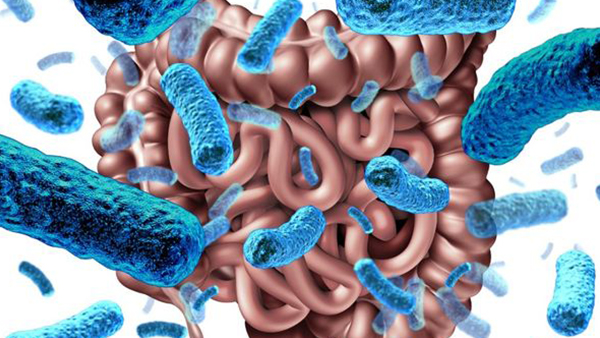
Benefits of Probiotics – Dr. Medhat Abu Shaaban Pediatrician in Dubai
In recent years, there has been growing interest in the role of probiotics in children’s health, and for good reason. At myPediaClinic in Dubai, Dr. Medhat Abu Shaaban frequently discusses the benefits of probiotics with parents who want to optimize their children’s health naturally. Probiotics, often called “good bacteria” or “friendly bacteria,” play a crucial role in maintaining the balance of microorganisms in the gut, which in turn affects nearly every aspect of a child’s health. From supporting digestive function to boosting the immune system, probiotics offer numerous benefits that can help children thrive. This comprehensive guide will explore what probiotics are, how they work, their many benefits for children, and how parents can incorporate them into their child’s diet through both food sources and supplements.
Understanding Probiotics: What Are They?
Before exploring the benefits of probiotics, it’s essential to understand what they are and how they work in the body. Dr. Medhat Abu Shaaban at myPediaClinic takes the time to educate families about these beneficial microorganisms and their important role in health.
Definition and Types of Probiotics
Probiotics are live microorganisms that, when consumed in adequate amounts, confer health benefits to the host. They are primarily bacteria, though some yeasts also function as probiotics. The most common types of probiotic bacteria belong to the Lactobacillus and Bifidobacterium genera, each containing multiple species and strains with different properties and benefits.
Lactobacillus species are found naturally in the mouth, intestines, and vaginal tract. They are also present in fermented foods like yogurt and kefir. Different strains of Lactobacillus have been shown to help with diarrhea, lactose intolerance, and various digestive issues.
Bifidobacterium species are among the first bacteria to colonize the infant gut and remain important throughout life. They are particularly abundant in breastfed infants and play crucial roles in digestion, immune function, and protection against harmful bacteria.
Other probiotic microorganisms include Saccharomyces boulardii, a beneficial yeast that has been extensively studied for its ability to prevent and treat diarrhea, and various strains of Streptococcus, Enterococcus, and Escherichia coli that have probiotic properties.
The Gut Microbiome
To understand how probiotics work, it’s helpful to know about the gut microbiome. The human digestive tract is home to trillions of microorganisms, including bacteria, viruses, fungi, and other microscopic life forms. Collectively, these organisms make up the gut microbiome, which plays essential roles in digestion, nutrient absorption, immune function, and even mental health.
A healthy gut microbiome is characterized by diversity and balance. When this balance is disrupted, a condition called dysbiosis occurs, which can lead to digestive problems, increased susceptibility to infections, and other health issues. Probiotics help maintain and restore a healthy balance of gut bacteria, supporting overall health and well-being.
At myPediaClinic, Dr. Medhat Abu Shaaban emphasizes that children’s gut microbiomes are still developing and can be significantly influenced by diet, environment, and other factors. This makes early establishment of a healthy microbiome particularly important for long-term health.
How Probiotics Work
Probiotics exert their beneficial effects through multiple mechanisms. They compete with harmful bacteria for nutrients and attachment sites in the gut, effectively crowding out pathogens. They also produce substances that inhibit the growth of harmful bacteria, including organic acids, hydrogen peroxide, and bacteriocins.
Additionally, probiotics interact with the immune system in complex ways. They can stimulate the production of antibodies, enhance the activity of immune cells, and help regulate inflammatory responses. They also support the integrity of the gut lining, which acts as a barrier against pathogens and allergens.
Some probiotics also produce vitamins and help with the digestion and absorption of nutrients. For example, certain bacteria synthesize vitamin K and some B vitamins in the gut. Others produce enzymes that help break down complex carbohydrates and fibers that humans cannot digest on their own.
The Importance of Gut Health in Children
The gut is often called the “second brain” due to its extensive neural network and its profound influence on overall health. Dr. Medhat Abu Shaaban at myPediaClinic emphasizes that gut health is foundational to children’s well-being and development.
Early Microbiome Development
The colonization of the gut microbiome begins at birth and is influenced by factors such as the mode of delivery, feeding method, antibiotic exposure, and environmental conditions. Babies born vaginally are exposed to their mother’s vaginal and intestinal bacteria during birth, while those delivered by cesarean section initially acquire different bacterial communities.
Breastfeeding plays a crucial role in shaping the infant microbiome. Breast milk contains not only nutrients but also prebiotics that promote the growth of beneficial bacteria, as well as immune factors and even some live bacteria. The microbiomes of breastfed infants tend to be dominated by Bifidobacterium species and show greater diversity than those of formula-fed infants.
The first few years of life represent a critical window during which the microbiome develops and matures. By age three, a child’s microbiome begins to resemble that of an adult in terms of composition and diversity. Disruptions during this period can have lasting effects on health, which is why maintaining gut health in early childhood is so important.
The Gut-Immune Connection
Approximately 70 to 80 percent of the body’s immune cells reside in the gut, making it the largest immune organ. The gut-associated lymphoid tissue (GALT) is responsible for recognizing and responding to potential threats while tolerating harmless substances like food proteins and beneficial bacteria.
The gut microbiome plays a crucial role in training and regulating the immune system. Early exposure to diverse microorganisms helps the immune system learn to distinguish between harmful pathogens and beneficial or neutral substances. When this process is disrupted, the risk of allergies, autoimmune diseases, and other immune-related conditions may increase.
At myPediaClinic, Dr. Medhat Abu Shaaban discusses how supporting gut health through probiotics can help strengthen children’s immune systems and reduce the risk of infections and immune-related problems.
The Gut-Brain Axis
The gut and brain are connected through a complex network of nerves, hormones, and biochemical signals known as the gut-brain axis. This bidirectional communication system means that the state of the gut can influence brain function and behavior, and vice versa.
Research has shown that the gut microbiome can affect mood, cognition, and behavior. Imbalances in gut bacteria have been associated with conditions such as anxiety, depression, and even autism spectrum disorder. While this research is still evolving, it highlights the importance of gut health for children’s mental and emotional well-being.
Restoring Gut Bacteria After Antibiotics
One of the most well-established uses of probiotics is to help restore gut bacteria after antibiotic treatment. Dr. Medhat Abu Shaaban at myPediaClinic often recommends probiotics to families whose children have recently completed a course of antibiotics.
How Antibiotics Affect the Gut
Antibiotics are essential medicines that fight bacterial infections. However, they cannot distinguish between harmful bacteria and the beneficial bacteria that naturally reside in the gut. As a result, antibiotic treatment often disrupts the gut microbiome, reducing both the number and diversity of beneficial bacteria.
This disruption can lead to various side effects, the most common being antibiotic-associated diarrhea (AAD). Studies show that up to 30 percent of children taking antibiotics experience diarrhea as a side effect. In some cases, this can progress to a more serious condition called Clostridioides difficile (C. diff) infection, which can cause severe diarrhea and colitis.
Beyond diarrhea, antibiotic-induced changes in the gut microbiome can persist for months or even years after treatment ends. This may increase susceptibility to infections, contribute to digestive problems, and potentially affect long-term health outcomes.
Probiotics for Antibiotic-Associated Diarrhea
Numerous studies have demonstrated that probiotics can help prevent and treat antibiotic-associated diarrhea in children. A meta-analysis of clinical trials found that certain probiotic strains, particularly Lactobacillus rhamnosus GG and Saccharomyces boulardii, significantly reduce the risk of AAD when given alongside antibiotics.
The timing of probiotic administration is important for maximum benefit. Dr. Medhat Abu Shaaban typically recommends starting probiotics at the beginning of antibiotic treatment and continuing for at least one to two weeks after antibiotics are completed. This helps maintain beneficial bacteria populations during treatment and supports their recovery afterward.
It’s important to take probiotics at least two hours apart from antibiotics to minimize the impact of the antibiotic on the probiotic bacteria. This allows more of the beneficial bacteria to survive and reach the gut.
Rebuilding the Microbiome
After antibiotic treatment, the gut microbiome needs time to recover. Probiotics can accelerate this process by reintroducing beneficial bacteria and creating conditions that favor the growth of other helpful microorganisms. At myPediaClinic, Dr. Medhat Abu Shaaban provides guidance on selecting appropriate probiotic strains and dosages for post-antibiotic recovery.
In addition to probiotics, dietary factors play a role in microbiome recovery. Foods rich in fiber and prebiotics provide nourishment for beneficial bacteria, while fermented foods introduce additional probiotic organisms. Limiting sugar and processed foods, which can feed harmful bacteria, is also beneficial during this recovery period.
Immune System Support
One of the most important benefits of probiotics for children is their ability to support and strengthen the immune system. At myPediaClinic, Dr. Medhat Abu Shaaban frequently recommends probiotics as part of a comprehensive approach to keeping children healthy and reducing the frequency and severity of infections.
How Probiotics Boost Immunity
Probiotics enhance immune function through multiple mechanisms. They stimulate the production of secretory IgA, an antibody that plays a crucial role in mucosal immunity and helps protect against pathogens in the respiratory and gastrointestinal tracts. They also enhance the activity of natural killer cells, macrophages, and other immune cells that identify and destroy pathogens.
Additionally, probiotics help maintain the integrity of the gut barrier, preventing harmful bacteria and their toxins from entering the bloodstream. A strong gut barrier is essential for preventing systemic inflammation and reducing the body’s overall burden of fighting infections.
Probiotics also help modulate inflammatory responses, preventing excessive inflammation that can damage tissues while still mounting effective immune responses against pathogens. This balanced immune response is crucial for fighting infections without causing collateral damage to the body.
Reducing Respiratory Infections
Upper respiratory infections, including colds and flu, are among the most common illnesses in children, especially those in daycare or school settings. Multiple studies have shown that regular probiotic supplementation can reduce the incidence, duration, and severity of respiratory infections in children.
A systematic review of clinical trials found that children taking probiotics had fewer episodes of upper respiratory infections compared to those taking placebo. When infections did occur, they tended to be shorter and less severe in the probiotic group. Some studies also found reduced antibiotic use in children taking probiotics, highlighting another important benefit.
At myPediaClinic, Dr. Medhat Abu Shaaban discusses how probiotics can be part of a preventive strategy to help children stay healthy during cold and flu season.
Preventing Gastrointestinal Infections
Probiotics also help protect against gastrointestinal infections, including those caused by viruses like rotavirus and norovirus, as well as bacterial pathogens. They do this by competing with pathogens for nutrients and attachment sites, producing antimicrobial substances, and enhancing the immune response in the gut.
Studies have shown that probiotics can reduce the duration and severity of acute gastroenteritis in children. Some probiotic strains have also been shown to help prevent traveler’s diarrhea and other gastrointestinal infections. For families traveling to areas where gastrointestinal infections are common, probiotics may provide an additional layer of protection.
Digestive Health Benefits
Maintaining healthy digestion is essential for children’s growth, development, and overall well-being. Probiotics offer numerous benefits for digestive health, from relieving common digestive complaints to managing more chronic conditions. Dr. Medhat Abu Shaaban at myPediaClinic often incorporates probiotics into treatment plans for children with digestive issues.
Relieving Constipation
Constipation is a common problem in children, affecting their comfort, appetite, and quality of life. Probiotics can help relieve constipation by improving gut motility, softening stool consistency, and promoting regular bowel movements. Several studies have shown that specific probiotic strains, including Bifidobacterium lactis and Lactobacillus reuteri, can help children with constipation.
While probiotics alone may not resolve severe constipation, they can be a valuable part of a comprehensive treatment approach that includes adequate fluid intake, fiber-rich foods, and regular physical activity. Dr. Medhat Abu Shaaban provides individualized recommendations for children with constipation at myPediaClinic.
Managing Infantile Colic
Colic, characterized by excessive crying in otherwise healthy infants, affects up to 25 percent of babies and can be extremely distressing for both infants and parents. While the exact cause of colic is unknown, research suggests that differences in gut bacteria may play a role.
Several studies have shown that probiotics, particularly Lactobacillus reuteri, can reduce crying time in colicky infants. One theory is that these beneficial bacteria help reduce gut inflammation and improve digestive comfort. While probiotics may not work for all colicky babies, they offer a safe and potentially effective option for desperate parents.
Lactose Intolerance Support
Lactose intolerance, the inability to digest the sugar found in milk and dairy products, can cause bloating, gas, diarrhea, and abdominal discomfort. Some probiotic bacteria produce lactase, the enzyme needed to digest lactose, potentially helping individuals with lactose intolerance better tolerate dairy products.
Additionally, fermented dairy products like yogurt and kefir contain live bacteria that help digest lactose, making them easier to tolerate than regular milk for many lactose-intolerant individuals. Dr. Medhat Abu Shaaban can help families identify strategies for managing lactose intolerance while ensuring adequate calcium and vitamin D intake.
Inflammatory Bowel Conditions
For children with inflammatory bowel conditions such as ulcerative colitis or Crohn’s disease, probiotics may help maintain remission and improve quality of life. While these conditions require comprehensive medical management, probiotics can be a supportive therapy that helps maintain gut balance and reduce inflammation.
Specific probiotic formulations have been studied for inflammatory bowel disease, and some have shown promising results. However, the use of probiotics in these conditions should be discussed with a healthcare provider, as different strains have different effects and what works for one condition may not work for another.
Probiotics and Allergies
The relationship between gut health and allergies has been an active area of research, with interesting findings about the potential role of probiotics in allergy prevention and management. At myPediaClinic, Dr. Medhat Abu Shaaban stays current with this evolving research to provide the best guidance for families.
The Hygiene Hypothesis
The prevalence of allergies has increased dramatically in developed countries over the past several decades. The hygiene hypothesis suggests that reduced exposure to microbes in modern, sanitized environments may contribute to this increase by preventing proper immune system development.
According to this theory, early exposure to diverse microorganisms helps train the immune system to respond appropriately to harmless substances like food proteins and pollen. Without this training, the immune system may overreact to these substances, leading to allergies. Probiotics may help by introducing beneficial microorganisms that support healthy immune development.
Eczema Prevention
Eczema (atopic dermatitis) is often the first manifestation of the “allergic march,” which can progress to food allergies, allergic rhinitis, and asthma. Research suggests that probiotics, particularly when given during pregnancy and early infancy, may help reduce the risk of eczema in children.
Several studies have found that mothers who took specific probiotic strains during pregnancy and while breastfeeding, and whose infants continued to receive probiotics, had lower rates of eczema in their children. While the evidence is not conclusive for all probiotic strains, this represents a promising area of prevention research.
Food Allergies
Food allergies affect an increasing number of children and can range from mild reactions to life-threatening anaphylaxis. While probiotics cannot cure food allergies, some research suggests they may help modulate immune responses and potentially play a role in prevention.
There is also emerging research on the use of probiotics alongside oral immunotherapy for food allergies. While this approach is still experimental, early results suggest that probiotics may enhance the effectiveness of immunotherapy in inducing tolerance to food allergens.
Food Sources of Probiotics
One of the best ways to incorporate probiotics into a child’s diet is through probiotic-rich foods. Dr. Medhat Abu Shaaban at myPediaClinic encourages families to include these foods as part of a balanced diet to support gut health naturally.
Yogurt
Yogurt is perhaps the most well-known probiotic food and is often a favorite among children. Made by fermenting milk with beneficial bacteria, yogurt contains live cultures that can help support gut health. When choosing yogurt for children, look for products that say “contains live and active cultures” on the label and avoid those with excessive added sugar.
Greek yogurt is a particularly nutritious option, as it is higher in protein and lower in sugar than regular yogurt. It can be enjoyed plain, with fresh fruit, or as a base for smoothies. Many children also enjoy yogurt as a dip for fruit or as a substitute for sour cream.
Kefir
Kefir is a fermented milk drink that contains a wider variety of probiotic strains than yogurt. It has a tangy, slightly effervescent taste that some children enjoy. Kefir can be consumed on its own, added to smoothies, or used in recipes as a substitute for milk or buttermilk.
For children who are lactose intolerant, kefir may be easier to digest than regular milk because the fermentation process breaks down much of the lactose. There are also non-dairy kefir options made from coconut milk or water for those who need to avoid dairy entirely.
Fermented Vegetables
Fermented vegetables like sauerkraut, kimchi, and pickles made through traditional lacto-fermentation are excellent sources of probiotics. These foods contain billions of beneficial bacteria along with vitamins, minerals, and fiber. When purchasing fermented vegetables, look for products in the refrigerated section that say “naturally fermented” or “contains live cultures,” as many commercial pickles and sauerkraut are made with vinegar and pasteurized, which kills the beneficial bacteria.
Introducing fermented vegetables to children can be challenging due to their strong flavors. Starting with small amounts and incorporating them into familiar foods can help. Some children enjoy sauerkraut on hot dogs or sandwiches, while others may prefer the milder flavor of fermented cucumber pickles.
Other Probiotic Foods
Additional probiotic-rich foods include miso, a fermented soybean paste used in Japanese cuisine; tempeh, a fermented soybean product; and kombucha, a fermented tea beverage. While these may be less familiar to some children, they can be incorporated into family meals to increase probiotic intake.
Certain cheeses, including aged varieties like cheddar, gouda, and parmesan, may also contain live probiotics. However, not all cheeses contain significant probiotic benefits, so it’s helpful to check labels or research specific brands.
Probiotic Supplements for Children
While food sources are preferable when possible, probiotic supplements can be a convenient and effective way to ensure children receive adequate beneficial bacteria. Dr. Medhat Abu Shaaban at myPediaClinic can help families navigate the many probiotic supplement options available.
Types of Probiotic Supplements
Probiotic supplements for children come in various forms, including powders that can be mixed into food or drinks, chewable tablets, gummies, and liquid drops. The best form depends on the child’s age, preferences, and specific needs. Powders and drops are often preferred for infants and young children, while older children may prefer chewables or gummies.
When selecting a probiotic supplement, it’s important to consider the strains included, the number of colony-forming units (CFUs), and the quality of the product. Different strains have different benefits, so choosing a product with strains that match the child’s health needs is important.
Choosing the Right Probiotic
The probiotic market can be overwhelming, with countless products claiming various benefits. Dr. Medhat Abu Shaaban recommends looking for products from reputable manufacturers that provide information about the specific strains used and the number of CFUs guaranteed through the expiration date.
For general gut health and immune support, a multi-strain probiotic containing Lactobacillus and Bifidobacterium species is often a good choice. For specific conditions like antibiotic-associated diarrhea or colic, certain strains have better evidence of effectiveness, and a healthcare provider can recommend the most appropriate option.
Quality and proper storage are also important considerations. Probiotics are living organisms that can die if exposed to heat, moisture, or time. Look for products with verified potency and follow storage instructions carefully. Some probiotics require refrigeration, while others are shelf-stable.
Dosage Considerations
The appropriate probiotic dose varies depending on the child’s age, the specific product, and the reason for supplementation. Doses typically range from hundreds of millions to tens of billions of CFUs per day. More is not necessarily better, and the optimal dose depends on the specific strains and intended purpose.
For children, it’s important to follow the manufacturer’s dosage recommendations or the guidance of a healthcare provider. At myPediaClinic, Dr. Medhat Abu Shaaban provides individualized dosage recommendations based on each child’s needs.
Safety Considerations
Probiotics are generally considered safe for healthy children, with most side effects being mild and temporary, such as gas or bloating when first starting supplementation. However, caution may be warranted in children with compromised immune systems, central venous catheters, or certain underlying conditions.
It’s always advisable to consult with a healthcare provider before starting a probiotic supplement, especially for children with health conditions or those taking medications. Dr. Medhat Abu Shaaban can assess whether probiotics are appropriate for your child and recommend specific products suited to their needs.
Prebiotics: Feeding Your Good Bacteria
While probiotics introduce beneficial bacteria into the gut, prebiotics are substances that feed and support the growth of these good bacteria. A comprehensive approach to gut health includes both probiotics and prebiotics. At myPediaClinic, Dr. Medhat Abu Shaaban educates families about the importance of both.
What Are Prebiotics?
Prebiotics are non-digestible fibers and compounds that serve as food for beneficial gut bacteria. When prebiotics reach the large intestine, they are fermented by gut bacteria, producing short-chain fatty acids and other compounds that benefit gut health and overall well-being.
Common types of prebiotics include inulin, fructo-oligosaccharides (FOS), and galacto-oligosaccharides (GOS). These compounds are found naturally in many foods and are also added to some supplements and fortified foods.
Food Sources of Prebiotics
Many fruits, vegetables, and whole grains contain prebiotic fibers. Good sources include bananas, especially those that are slightly underripe; onions and garlic; leeks and asparagus; whole wheat and oats; and legumes like chickpeas and lentils. Including a variety of these foods in children’s diets helps support the growth of diverse beneficial bacteria.
Human breast milk naturally contains prebiotic oligosaccharides that support the growth of Bifidobacterium and other beneficial bacteria in infants. This is one of the many reasons breastfeeding is recommended when possible.
Synbiotics: Combining Probiotics and Prebiotics
Products that contain both probiotics and prebiotics are called synbiotics. The idea is that the prebiotic component helps support the survival and activity of the probiotic bacteria, enhancing overall effectiveness. Some probiotic supplements and fortified foods include prebiotic fibers for this synergistic benefit.
Special Considerations for Children
Children have unique needs when it comes to probiotics, and what works for adults may not be appropriate for kids. Dr. Medhat Abu Shaaban at myPediaClinic considers these special factors when recommending probiotics for young patients.
Age-Appropriate Products
Probiotic products designed for children are formulated with appropriate strains and dosages for developing bodies. They also come in forms that are easy for children to consume, such as powders that can be mixed into formula or food, flavored chewables, and gummies. Always choose products specifically designed for children or those that provide dosing guidelines for pediatric use.
Introducing Probiotics
When introducing probiotics to children, it’s often best to start with a lower dose and gradually increase to the recommended amount. This allows the gut to adjust and minimizes any temporary side effects like gas or bloating. For infants and young children, probiotic drops or powders can be mixed into breast milk, formula, or food.
Children with Specific Health Conditions
For children with specific health conditions, probiotic recommendations may differ from general guidelines. Children with inflammatory bowel disease, immune deficiencies, or those recovering from surgery may have special considerations. In these cases, it’s essential to work with a healthcare provider to determine the most appropriate probiotic approach.
Research and Evidence
The scientific understanding of probiotics continues to evolve, with new research emerging regularly. Dr. Medhat Abu Shaaban at myPediaClinic stays current with the latest evidence to provide families with the most accurate and up-to-date information.
What the Research Shows
Clinical trials have demonstrated the effectiveness of specific probiotic strains for certain conditions in children. The strongest evidence exists for the prevention and treatment of antibiotic-associated diarrhea, treatment of acute infectious diarrhea, and prevention of necrotizing enterocolitis in premature infants.
Promising but less conclusive evidence supports the use of probiotics for conditions such as colic, constipation, eczema prevention, and immune support. Research in these areas continues, and the evidence base is growing stronger over time.
Strain-Specific Benefits
It’s important to understand that probiotic benefits are strain-specific, meaning that the effects of one strain cannot be assumed to apply to another, even within the same species. When choosing probiotics for specific purposes, look for strains that have been studied for that particular condition.
For example, Lactobacillus rhamnosus GG and Saccharomyces boulardii have strong evidence for preventing antibiotic-associated diarrhea, while Lactobacillus reuteri DSM 17938 has been studied specifically for infant colic. Generic “probiotic” products without specified strains may not provide the same benefits.
Frequently Asked Questions About Probiotics for Children
Are probiotics safe for children?
Yes, probiotics are generally considered safe for healthy children. Most side effects are mild and temporary, such as gas or bloating when first starting supplementation. However, children with compromised immune systems or certain medical conditions should consult with a healthcare provider before taking probiotics. Dr. Medhat Abu Shaaban at myPediaClinic can assess whether probiotics are appropriate for your child.
At what age can children start taking probiotics?
Probiotics can be given from birth, and certain strains have been studied even in premature infants. Specific products are designed for infants and come in drops or powder form that can be mixed with breast milk or formula. For older children, chewables and gummies are available. Always choose age-appropriate products and follow dosage recommendations for your child’s age group.
How long does it take for probiotics to work in children?
The time it takes to see benefits from probiotics varies depending on the condition being addressed and the individual child. For acute diarrhea, benefits may be seen within a day or two. For chronic conditions or immune support, it may take several weeks to notice improvement. Consistency is key, and Dr. Medhat Abu Shaaban recommends giving probiotics time to work before evaluating their effectiveness.
Should my child take probiotics with antibiotics?
Yes, giving probiotics during antibiotic treatment can help prevent antibiotic-associated diarrhea and support gut health. It’s best to take probiotics at least two hours apart from antibiotics to maximize the survival of beneficial bacteria. Dr. Medhat Abu Shaaban recommends continuing probiotics for one to two weeks after completing antibiotics to help the microbiome recover.
What’s the best probiotic strain for children?
The best probiotic strain depends on the reason for taking it. For general gut and immune health, multi-strain products containing Lactobacillus and Bifidobacterium species are often recommended. For specific conditions, certain strains have stronger evidence: Lactobacillus rhamnosus GG and Saccharomyces boulardii for diarrhea prevention, and Lactobacillus reuteri for infant colic. Consult Dr. Medhat Abu Shaaban at myPediaClinic for personalized recommendations.
Can probiotics help with my child’s allergies?
Research suggests that probiotics may help with certain allergic conditions, particularly eczema prevention in infants when given during pregnancy and early infancy. However, probiotics are not a treatment for existing allergies and should not replace medical management. The evidence for probiotics in food allergy prevention is still emerging. Discuss your child’s specific situation with Dr. Medhat Abu Shaaban at myPediaClinic.
Are probiotic foods better than supplements for children?
Both probiotic foods and supplements can be beneficial. Probiotic foods like yogurt and kefir provide additional nutrients along with beneficial bacteria and can be part of a healthy diet. However, supplements may provide higher doses and specific strains with documented benefits for particular conditions. A combination of probiotic foods and supplements, when needed, often provides the best approach.
How should I store probiotic supplements?
Storage requirements vary by product. Some probiotics require refrigeration to maintain potency, while others are shelf-stable and can be stored at room temperature. Always check the product label and follow storage instructions carefully. Heat, moisture, and light can damage probiotics, so keep them in a cool, dry place away from direct sunlight. Check expiration dates and discard expired products.
Optimize Your Child’s Gut Health at myPediaClinic
Understanding and supporting your child’s gut health is an investment in their overall well-being. Probiotics offer a natural, effective way to maintain the balance of beneficial bacteria in the gut, supporting digestion, immunity, and even mental health. Whether through probiotic-rich foods or carefully selected supplements, incorporating these beneficial microorganisms into your child’s routine can have lasting positive effects.
At myPediaClinic in Dubai, Dr. Medhat Abu Shaaban provides expert guidance on probiotics and all aspects of pediatric health. From recommending specific strains for particular conditions to advising on dietary approaches that support gut health, we take a comprehensive approach to helping your child thrive.
Every child is unique, and what works best for one may not be ideal for another. That’s why personalized guidance from a knowledgeable healthcare provider is invaluable. Whether your child is dealing with digestive issues, recovering from antibiotics, or you simply want to optimize their health, probiotics may be part of the solution.
Contact myPediaClinic today to schedule an appointment with Dr. Medhat Abu Shaaban. Let us help you give your child the foundation for lifelong health through optimal gut health and expert pediatric care.