

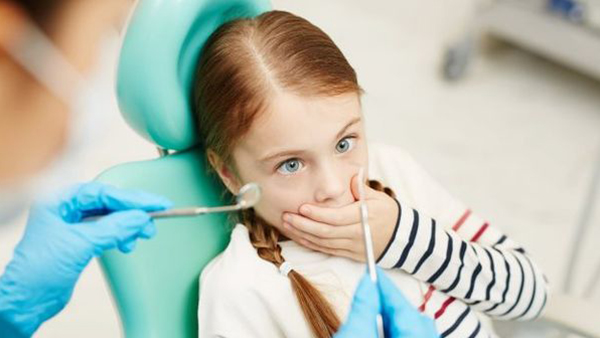
Fear at the Pediatric Dentist – Dr. Mustafa Abdalla Pediatric Dentist in Dubai
For many children, a visit to the dentist can evoke feelings of fear and anxiety that make even routine checkups challenging. At myPediaClinic in Dubai, Dr. Mustafa Abdalla specializes in helping children overcome their dental fears and develop positive associations with dental care that will serve them throughout their lives. Understanding that a child’s early experiences with dentistry can shape their attitude toward oral health for decades to come, Dr. Mustafa Abdalla has developed a compassionate, patient-centered approach that transforms potentially frightening dental visits into comfortable, even enjoyable experiences. This comprehensive guide will explore the causes of dental fear in children, the techniques Dr. Mustafa Abdalla uses to help anxious young patients, and how parents can support their children in building trust with their dental care provider. With the right approach, every child can learn to feel safe and secure in the dental chair, setting the foundation for excellent oral health throughout life.
Understanding Dental Fear in Children
Dental anxiety is one of the most common fears among children, affecting their willingness to receive necessary dental care. At myPediaClinic, Dr. Mustafa Abdalla takes time to understand each child’s unique fears and concerns, recognizing that effective treatment begins with empathy and understanding.
How Common is Dental Fear?
Research suggests that dental fear affects anywhere from 10 to 20 percent of children, with some studies indicating even higher rates. While some level of apprehension about dental visits is normal, more severe dental anxiety can prevent children from receiving the care they need, leading to deteriorating oral health and more extensive treatment requirements down the road.
Dental fear can manifest in various ways, from mild nervousness before appointments to full-blown dental phobia that causes children to refuse treatment entirely. Some children may exhibit their fear through crying, screaming, or physical resistance, while others may become unusually quiet or attempt to delay or avoid appointments.
At myPediaClinic, Dr. Mustafa Abdalla recognizes that dental fear exists on a spectrum and tailors his approach to each child’s individual level of anxiety. Whether a child experiences mild nervousness or severe phobia, he is equipped to help them feel more comfortable and confident in the dental environment.
The Impact of Dental Fear
When dental fear goes unaddressed, it can have significant consequences for a child’s oral health and overall well-being. Children who avoid dental visits due to fear are more likely to develop cavities, gum disease, and other oral health problems that require more extensive treatment. This creates a vicious cycle in which the avoidance of routine care leads to more serious problems that require more invasive procedures, which in turn reinforces the child’s fear.
Beyond the immediate impact on oral health, dental fear can affect children’s quality of life in other ways. They may experience difficulty eating or sleeping due to dental pain, miss school for dental emergencies, or suffer from low self-esteem related to the appearance of their teeth. Additionally, dental anxiety developed in childhood often persists into adulthood, affecting dental health throughout life.
Dr. Mustafa Abdalla at myPediaClinic is committed to breaking this cycle by helping children overcome their fears early, before they become deeply entrenched patterns that are difficult to change.
Causes of Dental Fear in Children
Understanding the root causes of dental fear is essential for addressing it effectively. Dr. Mustafa Abdalla at myPediaClinic identifies multiple factors that can contribute to a child’s dental anxiety.
Previous Negative Experiences
One of the most common causes of dental fear is a previous negative experience at the dentist. A child who has experienced pain during a dental procedure, felt scared or overwhelmed in the dental environment, or perceived that they were not treated with kindness and patience may develop lasting anxiety about dental visits.
Even experiences that adults might consider minor can be traumatic for children. A difficult tooth extraction, an unexpected sensation during a procedure, or simply feeling out of control in the dental chair can leave lasting impressions that affect a child’s feelings about future dental visits.
At myPediaClinic, Dr. Mustafa Abdalla takes extra care with children who have had negative experiences elsewhere. He works patiently to rebuild trust and create new, positive associations with dental care. Every visit is designed to be as comfortable and pleasant as possible, gradually replacing negative memories with positive ones.
Fear of the Unknown
For children visiting the dentist for the first time or encountering new procedures, fear of the unknown can be a significant source of anxiety. The dental office environment, with its unfamiliar sights, sounds, and smells, can be overwhelming for young children who don’t know what to expect.
Children may also fear dental procedures because they don’t understand what will happen. The imagination of a child can make dental visits seem much scarier than they actually are, especially if they’ve heard frightening stories from siblings, friends, or media portrayals of dentistry.
Dr. Mustafa Abdalla addresses fear of the unknown by explaining procedures in child-friendly terms before they happen, showing children the tools that will be used, and allowing them to ask questions. This educational approach demystifies dental care and helps children feel more in control.
Fear of Pain
The anticipation of pain is a primary driver of dental fear for many children. Whether based on previous experience or simply the expectation that dental procedures will hurt, this fear can make children resistant to necessary treatment.
Modern pediatric dentistry has made tremendous advances in pain management, and many procedures that were once uncomfortable can now be performed with minimal or no discomfort. However, children may not know this, and their fear of pain may be based on outdated perceptions or stories they’ve heard.
At myPediaClinic, Dr. Mustafa Abdalla uses the latest techniques and technologies to minimize discomfort during all procedures. He also communicates openly with children about what they might feel, helping them understand that modern dentistry prioritizes their comfort.
Loss of Control
Lying back in a dental chair with someone working in their mouth can make children feel vulnerable and out of control. This loss of control can be frightening, especially for children who are used to being active and in charge of their bodies.
Young children in particular may struggle with the requirement to sit still and keep their mouths open for extended periods. The unfamiliar sensations of dental instruments, water, and suction can also contribute to feelings of discomfort and helplessness.
Dr. Mustafa Abdalla empowers children by giving them age-appropriate control during their visits. Simple strategies like allowing children to signal when they need a break, explaining each step before it happens, and involving them in decisions when possible can help restore their sense of control and reduce anxiety.
Parental Influence
Children are highly attuned to their parents’ emotions and attitudes. If a parent has dental anxiety, they may inadvertently transmit this fear to their child through their words, body language, or behavior. Even well-meaning comments like “Don’t worry, it won’t hurt too much” can suggest to children that they should expect pain.
Additionally, using the dentist as a threat or punishment can create negative associations with dental visits. Phrases like “If you don’t brush your teeth, the dentist will have to drill them” teach children to view the dentist as someone to be feared rather than a helpful healthcare provider.
At myPediaClinic, Dr. Mustafa Abdalla works with parents to help them understand how their own attitudes can affect their children’s dental anxiety. He provides guidance on how to talk about dental visits positively and model calm, confident behavior.
Sensory Sensitivities
Some children are particularly sensitive to sensory stimuli, making the dental environment especially challenging. The bright lights, unfamiliar tastes, loud noises of dental equipment, and physical sensations of dental procedures can be overwhelming for these children.
Children with autism spectrum disorder, sensory processing disorder, or other developmental differences may have heightened sensory sensitivities that make dental visits particularly difficult. These children often require specialized approaches that take their sensory needs into account.
Dr. Mustafa Abdalla at myPediaClinic is experienced in working with children who have sensory sensitivities. He adapts his approach to accommodate each child’s unique needs, whether that means dimming lights, reducing noise, providing sensory breaks, or using desensitization techniques.
Dr. Mustafa Abdalla’s Approach to Reducing Dental Fear
At myPediaClinic, Dr. Mustafa Abdalla has developed a comprehensive approach to helping children overcome dental fear. Her methods are grounded in pediatric psychology, modern dental techniques, and genuine compassion for his young patients.
Creating a Child-Friendly Environment
The moment children walk into myPediaClinic, they enter an environment designed specifically with them in mind. The waiting area features comfortable seating, engaging toys and books, and cheerful decorations that help children feel welcome and at ease. This child-friendly atmosphere sets the tone for a positive experience before the child even enters the treatment room.
The treatment rooms themselves are designed to be less intimidating than traditional dental offices. Bright colors, friendly images, and age-appropriate decorations create a space that feels safe and welcoming. Dr. Mustafa Abdalla ensures that scary-looking equipment is kept out of sight until needed and introduced gradually.
The staff at myPediaClinic are specially trained to work with children and contribute to the positive atmosphere. Their warm, friendly demeanor helps children feel comfortable and cared for from the moment they arrive.
Tell-Show-Do Technique
One of the most effective methods Dr. Mustafa Abdalla uses to reduce dental fear is the tell-show-do technique. This approach involves three steps: first, explaining a procedure in simple, child-friendly language; second, demonstrating the procedure using visual aids or by showing the child the instruments that will be used; and third, performing the procedure.
This technique works by eliminating the fear of the unknown. When children understand what will happen before it happens, they feel more in control and less anxious. Dr. Mustafa Abdalla uses age-appropriate language and analogies that children can relate to, making dental concepts easier to understand.
For example, instead of saying “I’m going to give you an injection,” Dr. Mustafa Abdalla might say “I’m going to put some sleepy juice on your tooth so it takes a nap and doesn’t feel anything.” This friendly framing makes the experience less frightening while still being honest about what will occur.
Positive Reinforcement
Dr. Mustafa Abdalla believes strongly in the power of positive reinforcement to build children’s confidence and create positive associations with dental visits. Throughout each appointment, he provides specific, genuine praise for cooperative behavior, no matter how small the accomplishment.
Recognizing that children respond to different types of rewards, myPediaClinic offers various incentives for good dental visits, from verbal praise and high-fives to stickers, small toys, or certificates of bravery. These rewards help children feel proud of their achievements and look forward to future visits.
Positive reinforcement extends beyond individual appointments. Dr. Mustafa Abdalla celebrates children’s progress over time, acknowledging when they become braver or more comfortable at the dentist. This recognition helps children see themselves as capable and builds their dental confidence.
Distraction Techniques
Distraction is a powerful tool for reducing anxiety during dental procedures. At myPediaClinic, Dr. Mustafa Abdalla employs various distraction techniques to help children focus on something other than the dental work being performed.
Ceiling-mounted televisions allow children to watch their favorite shows or movies during treatment. This visual distraction can be remarkably effective at reducing anxiety and making time pass more quickly. Children can also listen to music through headphones, which provides both distraction and helps mask the sounds of dental equipment.
Conversation can also serve as a distraction. Dr. Mustafa Abdalla engages children in age-appropriate conversation about their interests, school, or hobbies. This not only distracts from the procedure but also helps build rapport and trust between the child and their dentist.
Gradual Desensitization
For children with significant dental fear, Dr. Mustafa Abdalla may recommend a gradual desensitization approach. This involves exposing children to the dental environment and procedures slowly and progressively, allowing them to become comfortable at each stage before moving forward.
A desensitization program might begin with simply visiting myPediaClinic to meet the staff and see the office without any treatment being performed. Subsequent visits might involve sitting in the dental chair, having the chair recline, opening the mouth for a brief examination, and gradually introducing more involved procedures.
This approach requires patience and multiple visits, but it can be highly effective for children with severe dental anxiety. By building positive experiences gradually, children learn that the dental office is a safe place and that they can handle dental procedures.
Communication and Partnership
Dr. Mustafa Abdalla views the relationship with his young patients as a partnership built on trust and communication. He takes time to listen to children’s concerns, answer their questions honestly, and involve them in their care to the extent appropriate for their age.
Establishing communication signals is an important part of this partnership. Dr. Mustafa Abdalla teaches children that they can raise their hand if they need a break during a procedure. Knowing they have this option gives children a sense of control and reduces anxiety. Dr. Mustafa Abdalla always honors these signals, reinforcing trust and showing children that their feelings are respected.
This communicative approach extends to parents as well. Dr. Mustafa Abdalla keeps parents informed about their child’s progress and dental needs, and he welcomes their input about what helps their child feel comfortable. At myPediaClinic, dental care is truly a team effort.
Techniques for Managing Dental Anxiety
Beyond creating a positive environment and building trust, Dr. Mustafa Abdalla at myPediaClinic employs specific techniques to help children manage their anxiety during dental procedures.
Breathing Exercises
Teaching children simple breathing techniques can help them calm their nervous systems and reduce anxiety during dental visits. Dr. Mustafa Abdalla may guide children through deep breathing exercises before and during procedures, helping them feel more relaxed and in control.
One technique involves having children breathe in slowly while imagining they’re smelling a flower, then breathe out slowly while imagining they’re blowing out birthday candles. This imagery makes the technique engaging for children while providing the physiological benefits of deep breathing.
With practice, children can learn to use these breathing techniques independently whenever they feel anxious, a skill that benefits them not only at the dentist but in many other situations throughout life.
Relaxation Techniques
In addition to breathing exercises, Dr. Mustafa Abdalla may teach children other relaxation techniques such as progressive muscle relaxation or guided imagery. Progressive muscle relaxation involves tensing and then relaxing different muscle groups, helping children become aware of and release physical tension.
Guided imagery involves having children imagine themselves in a calm, pleasant place while the dental procedure is being performed. A child might visualize being at the beach, in a favorite park, or in any setting where they feel happy and safe. This mental escape can significantly reduce the perception of stress and discomfort.
Cognitive Behavioral Approaches
For older children, Dr. Mustafa Abdalla may incorporate cognitive behavioral approaches that help children identify and challenge their anxious thoughts. This might involve helping a child recognize that their fear is based on unrealistic expectations and replacing scary thoughts with more realistic ones.
For example, a child who thinks “Getting a filling will be the worst pain ever” might be helped to reframe this as “Getting a filling might be a little uncomfortable, but the numbing medicine will help, and it will be over quickly.” This cognitive restructuring can reduce anticipatory anxiety and help children approach dental visits with a more realistic perspective.
Sedation Options
For children with severe anxiety or those requiring extensive treatment, sedation may be an option. At myPediaClinic, Dr. Mustafa Abdalla offers various sedation options depending on the child’s needs and the nature of the procedure.
Nitrous oxide, commonly known as laughing gas, is a mild sedative that helps children relax during treatment while remaining awake and responsive. It takes effect quickly, wears off rapidly after the mask is removed, and has an excellent safety profile.
For more significant anxiety or longer procedures, oral sedation or other forms of conscious sedation may be recommended. These options allow children to be drowsy and relaxed during treatment while still being able to respond to instructions. Dr. Mustafa Abdalla discusses all sedation options with parents to determine the most appropriate approach for each child’s individual needs.
Building Trust Through Positive Experiences
At the heart of Dr. Mustafa Abdalla’s approach is the goal of building trust with each young patient. At myPediaClinic, every visit is designed to reinforce the message that the dental office is a safe, caring place where children are treated with respect and kindness.
The First Visit
A child’s first visit to the dentist sets the tone for their relationship with dental care. Dr. Mustafa Abdalla recommends that children have their first dental visit by age one or within six months of their first tooth erupting. These early visits are gentle introductions to the dental environment that help establish positive associations from the very beginning.
During a child’s first visit to myPediaClinic, Dr. Mustafa Abdalla focuses on making the experience pleasant and non-threatening. He takes time to get to know the child, lets them explore the office at their own pace, and performs only a gentle examination. There is no pressure to accomplish specific treatments; the priority is making the child feel comfortable.
Consistency and Familiarity
Seeing the same dentist and dental team at each visit helps children develop familiarity and trust. At myPediaClinic, Dr. Mustafa Abdalla and his team provide consistent, reliable care that allows children to build relationships with their dental providers over time.
This consistency extends to the routines and procedures used during visits. Children find comfort in knowing what to expect, and maintaining consistent practices helps them feel secure. Dr. Mustafa Abdalla follows similar protocols at each visit while still tailoring his approach to each child’s individual needs and progress.
Celebrating Progress
Acknowledging and celebrating children’s progress in overcoming dental fear is an important part of building confidence. Dr. Mustafa Abdalla takes note of each child’s achievements, whether it’s sitting in the chair without crying, allowing an examination without needing a break, or completing a procedure they were previously afraid of.
This celebration of progress helps children see how far they’ve come and builds their confidence for future visits. Children who once had significant dental fear often become proud of their bravery and look forward to showing off their courage at the dentist.
The Role of Parents in Managing Dental Fear
Parents play a crucial role in helping children develop healthy attitudes toward dental care. Dr. Mustafa Abdalla at myPediaClinic provides guidance to parents on how they can support their children in overcoming dental fear.
Modeling Positive Attitudes
Children learn by observing their parents, so modeling positive attitudes toward dental care is important. Parents who speak positively about their own dental visits and demonstrate good oral hygiene habits at home help children view dental care as a normal, positive part of life.
If a parent has their own dental anxiety, it’s important to avoid expressing this fear in front of children. Instead, parents can acknowledge that dental visits might seem scary at first while expressing confidence that the child will do well. Parents with significant dental fear might consider addressing their own anxiety, both for their own benefit and to avoid passing their fear to their children.
Preparing Children for Dental Visits
Preparation helps reduce fear of the unknown. Before a dental visit, parents can talk to their children about what will happen using positive, age-appropriate language. Reading books about going to the dentist, playing “dentist” at home, or watching child-friendly videos about dental care can all help familiarize children with what to expect.
When preparing children for dental visits, it’s important to be honest without being scary. Parents should avoid making promises that can’t be kept, such as “It won’t hurt at all,” which can undermine trust if the child does experience discomfort. Instead, they can say something like “The dentist will be very gentle and will help your teeth stay healthy.”
During the Appointment
Parents’ behavior during dental appointments can significantly affect their child’s experience. Dr. Mustafa Abdalla welcomes parents to accompany their children during treatment when appropriate, as their presence can provide comfort and reassurance.
However, it’s important for parents to remain calm and let the dental team guide the visit. Hovering anxiously or offering excessive reassurance can actually increase a child’s anxiety. Parents can help most by staying calm, offering quiet support, and trusting Dr. Mustafa Abdalla to manage the appointment.
At myPediaClinic, Dr. Mustafa Abdalla provides specific guidance to parents about their role during their child’s appointment. Sometimes parents are asked to observe quietly, while other times their active participation may be helpful. The approach is tailored to each child’s individual needs.
After the Appointment
How parents respond after a dental visit can reinforce positive attitudes. Praising children for their courage and cooperation, regardless of how the appointment went, helps build their confidence. Even if the visit was challenging, parents can acknowledge their child’s efforts and express confidence that future visits will go better.
Avoiding negative talk about the dental visit after the fact is also important. Dwelling on difficulties or expressing disappointment can reinforce negative associations with dental care. Instead, parents should focus on the positives and maintain an optimistic attitude about future visits.
Creating Positive Dental Experiences for Life
The ultimate goal of Dr. Mustafa Abdalla’s approach is to help children develop positive attitudes toward dental care that will serve them throughout their lives. At myPediaClinic, the focus extends beyond treating dental fear in the moment to building lifelong habits and attitudes.
Establishing Good Oral Hygiene Habits
Teaching children to take care of their teeth at home is an important part of creating positive dental experiences. Children who maintain good oral hygiene are less likely to develop cavities and other problems that require extensive treatment, making their dental visits easier and more pleasant.
Dr. Mustafa Abdalla provides age-appropriate instruction on brushing and flossing, making oral hygiene education fun and engaging. When children understand the importance of caring for their teeth and feel competent in their ability to do so, they develop a sense of ownership over their dental health.
Prevention-Focused Care
At myPediaClinic, the emphasis is on preventive care that keeps teeth healthy and minimizes the need for invasive treatments. Regular checkups, professional cleanings, fluoride treatments, and dental sealants all help prevent cavities and other problems.
When dental issues are caught early, they can often be treated with minimally invasive procedures that are easier on children and less likely to cause fear. This prevention-focused approach creates a positive cycle in which good dental health leads to easier dental visits, which in turn reinforces positive attitudes toward dental care.
Building Dental Confidence
With each positive dental experience, children build confidence in their ability to handle dental visits. At myPediaClinic, Dr. Mustafa Abdalla helps children see themselves as capable and brave, fostering the kind of dental confidence that will benefit them for life.
Children who overcome dental fear often become some of the most cooperative and confident dental patients. They understand that dental care is important, trust their dental team, and know they can handle whatever procedures are necessary. This transformation is one of the most rewarding aspects of Dr. Mustafa Abdalla’s work with young patients.
Special Considerations for Anxious Children
Some children require extra support to feel comfortable at the dentist. Dr. Mustafa Abdalla at myPediaClinic is experienced in working with children who have special needs or particularly challenging fears.
Children with Developmental Differences
Children with autism spectrum disorder, sensory processing differences, ADHD, and other developmental conditions may face unique challenges at the dentist. Dr. Mustafa Abdalla adapts his approach to meet these children where they are, using individualized strategies that accommodate their specific needs.
This might include scheduling appointments during quieter times, allowing extra time for visits, modifying sensory aspects of the environment, using social stories to prepare children for visits, or employing other specialized techniques. The goal is to make dental care accessible and positive for all children, regardless of their individual challenges.
Children with Dental Phobia
For children with severe dental phobia that prevents them from receiving necessary care, Dr. Mustafa Abdalla may recommend a more intensive approach. This could include a formal desensitization program, collaboration with a child psychologist, or the use of sedation to allow necessary treatment while the child works on overcoming their fear.
At myPediaClinic, the approach is always compassionate and patient-centered. Dr. Mustafa Abdalla works with families to develop a plan that addresses both immediate dental needs and long-term goals for overcoming anxiety.
Children Who Have Experienced Trauma
Children who have experienced trauma, whether related to dental care or other life experiences, may have heightened anxiety at the dentist. Dr. Mustafa Abdalla is sensitive to the needs of these children and takes extra care to create a sense of safety and control during their visits.
A trauma-informed approach involves being attentive to potential triggers, moving at the child’s pace, providing abundant reassurance, and never forcing a child to undergo treatment they’re not ready for. Building trust may take longer with these children, but with patience and understanding, positive dental experiences are possible.
Frequently Asked Questions About Children and Dental Fear
How common is dental fear in children?
Dental fear is very common in children, affecting approximately 10 to 20 percent of young patients. Some level of nervousness about dental visits is normal, but when fear becomes severe enough to prevent necessary care, it needs to be addressed. Dr. Mustafa Abdalla at myPediaClinic specializes in helping children with all levels of dental anxiety feel more comfortable.
What causes dental fear in children?
Dental fear in children can be caused by various factors including previous negative dental experiences, fear of pain, fear of the unknown, feeling out of control, parental anxiety about dentistry, and sensory sensitivities. Dr. Mustafa Abdalla at myPediaClinic takes time to understand each child’s specific fears so he can address them effectively.
How can I prepare my child for their dental visit?
You can prepare your child by talking positively about the upcoming visit, reading children’s books about going to the dentist, playing dentist at home, and answering their questions honestly without creating fear. Avoid using negative words or sharing your own dental anxieties. Dr. Mustafa Abdalla at myPediaClinic can provide specific guidance for your child’s first visit or if they have dental anxiety.
What techniques does Dr. Mustafa Abdalla use to help anxious children?
Dr. Mustafa Abdalla uses multiple techniques including the tell-show-do method, positive reinforcement, distraction techniques like watching movies during treatment, breathing and relaxation exercises, gradual desensitization for severely anxious children, and when needed, sedation options like nitrous oxide. Her approach is tailored to each child’s individual needs and level of anxiety.
Should I stay with my child during their dental appointment?
At myPediaClinic, parents are welcome to accompany their children during dental visits when appropriate. Your presence can provide comfort and reassurance. However, it’s important to remain calm and let the dental team guide the visit. Dr. Mustafa Abdalla will advise you on the best approach based on your child’s age, anxiety level, and individual needs.
What if my child refuses to open their mouth or cooperate?
Dr. Mustafa Abdalla never forces children to undergo treatment they’re not ready for. If a child refuses to cooperate, he will work to understand why and adjust his approach accordingly. This might mean taking a break, using different techniques, scheduling a shorter introductory visit, or developing a gradual desensitization plan. The goal is always to build trust and create positive experiences.
Is sedation safe for children?
When used appropriately and monitored properly, sedation options like nitrous oxide and oral sedation are generally safe for children. Dr. Mustafa Abdalla at myPediaClinic carefully evaluates each child before recommending sedation and follows strict safety protocols. He will discuss the risks and benefits of any sedation option with parents before proceeding.
Can children outgrow dental fear?
With positive experiences and appropriate support, many children can overcome dental fear. However, dental anxiety that goes unaddressed often persists into adulthood. That’s why it’s important to address dental fear early with the help of a skilled pediatric dentist like Dr. Mustafa Abdalla at myPediaClinic, who can help children develop positive associations with dental care.
Schedule Your Child’s Appointment at myPediaClinic
If your child experiences dental fear or anxiety, you don’t have to face it alone. Dr. Mustafa Abdalla at myPediaClinic in Dubai specializes in helping children overcome their fears and develop positive attitudes toward dental care. With his patient, compassionate approach and expertise in pediatric dentistry, he has helped countless children transform from anxious patients into confident ones.
Every child deserves dental care that is gentle, kind, and tailored to their individual needs. At myPediaClinic, we create an environment where children feel safe, respected, and cared for. Our goal is not just to treat your child’s teeth, but to build a foundation for lifelong dental health and confidence.
Don’t let dental fear prevent your child from receiving the care they need. With the right approach, dental visits can become positive experiences that your child doesn’t dread but might even enjoy. The sooner we can help your child overcome their fear, the better for their oral health and overall well-being.
Contact myPediaClinic today to schedule an appointment with Dr. Mustafa Abdalla. Let us show your child that going to the dentist doesn’t have to be scary. Together, we can help your child smile with confidence!