

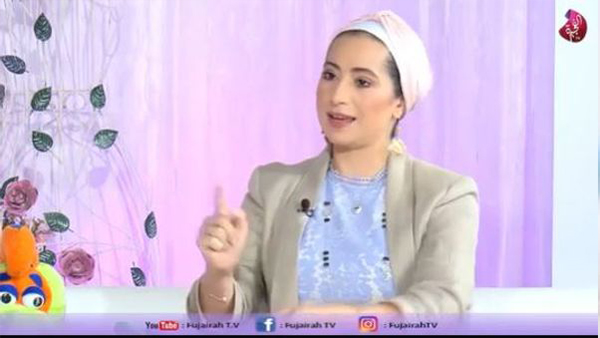
Dr. Yasmin’s Interview on Fujairah TV
In a captivating and insightful interview on Fujairah TV, Dr. Yasmin Kottait, the esteemed pediatric dentist at myPediaClinic in Dubai, shared her extensive knowledge about a topic that profoundly impacts every child’s development: the connection between oral health and psychological well-being. This groundbreaking discussion illuminated how healthy teeth and gums contribute far more to a child’s life than simply enabling them to eat and speak properly—they form a cornerstone of confidence, social development, and emotional resilience that shapes children throughout their formative years and beyond.
Dr. Yasmin Kottait has dedicated her career to understanding and addressing the unique dental needs of children, recognizing that pediatric dentistry extends far beyond filling cavities and cleaning teeth. Her approach at myPediaClinic encompasses the whole child, acknowledging that oral health influences and is influenced by emotional, social, and psychological factors. The Fujairah TV interview provided a platform for Dr. Yasmin to share these insights with a broader audience, helping parents understand why investing in their children’s dental health is simultaneously an investment in their mental and emotional well-being.
This comprehensive article expands on the themes discussed in Dr. Yasmin’s interview, providing parents, educators, and healthcare providers with an in-depth understanding of how oral health shapes children’s psychology and practical strategies for promoting both healthy teeth and healthy minds.
The Profound Connection Between Oral Health and Self-Esteem
One of the central themes of Dr. Yasmin’s Fujairah TV interview was the powerful relationship between a child’s oral health and their developing sense of self-worth. This connection, while perhaps intuitive to many parents, is supported by extensive research demonstrating that children with dental problems—visible decay, missing teeth, or orthodontic issues—often experience significantly lower self-esteem than their peers with healthy smiles.
How Dental Issues Affect Self-Perception
Children begin developing self-awareness and comparing themselves to peers at a surprisingly young age. By the time they enter preschool, most children have a basic understanding that their appearance matters in social contexts. When a child’s teeth are visibly damaged, discolored, or misaligned, they often become acutely aware of this difference and may internalize negative feelings about their appearance.
Dr. Yasmin Kottait explained during her interview that children with dental problems often engage in self-protective behaviors that, while understandable, can limit their social and emotional development. They may cover their mouths when laughing or speaking, avoid smiling in photographs, or become reluctant to participate in activities where their teeth might be visible. These behaviors, while protecting the child from potential embarrassment, also prevent them from fully engaging with life and expressing joy naturally.
The impact extends beyond simple aesthetics. Dental problems can cause chronic pain, difficulty eating, and speech impediments—all of which further erode a child’s sense of competence and well-being. A child who struggles to pronounce words clearly due to dental issues may become reluctant to speak in class, limiting their academic participation and social connections. At myPediaClinic, the team understands these interconnected challenges and addresses oral health within this broader developmental context.
The Smile as a Social Tool
Dr. Yasmin emphasized that the smile is one of humanity’s most powerful social tools—a universal signal of friendliness, openness, and positive emotion. Children use smiles to make friends, connect with adults, and navigate social situations from their earliest days. When a child feels uncomfortable smiling due to dental issues, they lose access to this fundamental social resource.
Research has shown that people who smile freely are perceived as more approachable, trustworthy, and likeable. Children who feel confident about their smiles naturally engage more readily with others, forming friendships more easily and navigating social situations with greater success. Conversely, children who hide their smiles may be perceived as unfriendly or withdrawn, even when they are actually friendly and eager to connect.
Building Confidence Through Dental Care
The good news, as Dr. Yasmin shared in her interview, is that addressing dental issues can have remarkably positive effects on children’s self-esteem. When cavities are treated, missing teeth are replaced, or orthodontic problems are corrected, children often experience a noticeable boost in confidence. They begin smiling more freely, participating more actively in social situations, and expressing themselves without the self-consciousness that previously held them back.
This transformation is one of the most rewarding aspects of pediatric dentistry for Dr. Yasmin and her colleagues at myPediaClinic. Witnessing a shy, withdrawn child blossom into a confident, smiling participant in their own life reinforces the profound importance of early dental intervention and ongoing oral health maintenance.
Oral Health’s Impact on Social Development
Beyond individual self-esteem, oral health significantly influences children’s social development and their ability to form and maintain relationships with peers. Dr. Yasmin Kottait addressed this dimension extensively during her Fujairah TV appearance, helping parents understand why dental care is a social investment in their child’s future.
Peer Relationships and Social Acceptance
Children can be remarkably observant—and sometimes unkind—about differences they notice in their peers. Visible dental problems, bad breath, or speech difficulties related to oral health can unfortunately make children targets for teasing or exclusion. Even without overt bullying, children with dental issues may find themselves on the social margins, struggling to form the close friendships that are so important for healthy development.
Dr. Yasmin explained that the social consequences of poor oral health often create a vicious cycle. Children who experience rejection or teasing related to their teeth may withdraw from social situations to protect themselves. This withdrawal limits their opportunities to develop social skills, which in turn makes future social interactions more difficult. Breaking this cycle requires addressing both the underlying dental issues and any social or emotional difficulties that have developed.
Communication and Speech Development
Healthy teeth play a crucial role in speech development. The position and condition of teeth affect how children form sounds, and dental problems can lead to lisps, difficulty pronouncing certain consonants, or unclear speech. These communication difficulties can significantly impact social development, as children may become frustrated when others cannot understand them or embarrassed by their speech patterns.
At myPediaClinic, Dr. Yasmin works closely with families to identify and address dental factors that may be affecting speech development. Early intervention is particularly important, as speech patterns established in childhood can persist into adulthood if not corrected. When dental issues affecting speech are resolved, many children experience rapid improvement in their communication skills and corresponding gains in social confidence.
The School Environment
School represents the primary social environment for most children, and oral health issues can significantly impact a child’s school experience. Beyond the social challenges already discussed, dental problems can affect academic performance in several ways. Pain and discomfort make concentration difficult. Missing school for dental appointments or due to dental emergencies disrupts learning continuity. The self-consciousness and social anxiety associated with dental problems can interfere with classroom participation.
Dr. Yasmin noted during her interview that teachers and school staff often notice when children are struggling with dental issues, observing symptoms like reluctance to eat at lunchtime, difficulty concentrating, or social withdrawal. Building partnerships between dental professionals, schools, and families helps ensure that children receive the support they need to thrive both academically and socially.
The Psychology of Dental Anxiety in Children
A significant portion of Dr. Yasmin’s Fujairah TV interview addressed dental anxiety—a common challenge that, if not properly managed, can lead to avoidance of dental care and resulting oral health problems. Understanding and addressing dental anxiety is central to the pediatric dental approach at myPediaClinic.
Origins of Dental Anxiety
Dental anxiety in children can develop from various sources. Some children have had painful or frightening dental experiences that create lasting associations between dental visits and distress. Others absorb anxiety from parents or siblings who have their own fears about dental care. Even children with no direct negative experiences may develop anxiety from stories, media portrayals, or simply the unfamiliarity of the dental environment.
Dr. Yasmin emphasized that dental anxiety is real and valid, not something children should be expected to simply overcome through willpower. At the same time, she explained that dental anxiety can be effectively managed and often prevented entirely through appropriate approaches to pediatric dental care.
The Consequences of Untreated Dental Anxiety
When dental anxiety leads to avoidance of dental care, the consequences can be significant. Minor problems that could have been easily treated become major issues requiring more invasive intervention. The cycle of avoidance and worsening dental health reinforces anxiety, as each delayed visit means more extensive—and potentially more uncomfortable—treatment.
Beyond the direct dental consequences, untreated dental anxiety can generalize to other healthcare settings, making children anxious about medical appointments more broadly. This pattern can persist into adulthood, leading to a lifetime of healthcare avoidance with serious implications for overall health.
Creating Positive Dental Experiences
Dr. Yasmin Kottait and the team at myPediaClinic specialize in creating positive dental experiences that prevent anxiety from developing in the first place. This approach begins with the physical environment—a child-friendly space designed to feel welcoming rather than clinical. It continues with communication strategies that explain procedures in age-appropriate ways, giving children a sense of control and understanding.
Behavioral techniques such as tell-show-do, positive reinforcement, and gradual exposure help children feel comfortable with dental procedures. When anxiety does exist, the team works patiently to rebuild trust, often starting with simple, non-threatening visits that allow children to become comfortable in the dental environment before any treatment is attempted.
The Role of Parents in Managing Dental Anxiety
During her interview, Dr. Yasmin offered valuable guidance for parents on supporting their children through dental visits. She encouraged parents to speak positively about dental care, avoiding language that emphasizes pain or fear. Describing dental visits as normal, routine parts of staying healthy helps children approach them without apprehension.
Parents should also be aware of their own dental attitudes and how they might be transmitted to children. A parent who expresses dread about their own dental appointments may inadvertently teach their child to fear dental care. When parents model calm, positive attitudes toward dental visits, children are more likely to adopt similar perspectives.
Early Intervention and Prevention: The Foundation of Healthy Smiles and Healthy Minds
Throughout her Fujairah TV interview, Dr. Yasmin Kottait emphasized the importance of early intervention and prevention in promoting both oral health and psychological well-being. Beginning dental care early establishes patterns that support lifelong health and confidence.
The First Dental Visit
Dr. Yasmin recommends that children visit the dentist for the first time around their first birthday or within six months of their first tooth erupting. This early visit serves several important purposes. It allows the dental team to identify any developing issues before they become problems. It begins establishing dental visits as a normal, non-threatening part of life. And it provides an opportunity for parents to receive guidance on caring for their child’s developing teeth.
Many parents are surprised by the recommendation for such early dental visits, assuming that baby teeth do not require professional attention. Dr. Yasmin explains that primary teeth are crucial for proper nutrition, speech development, and holding space for permanent teeth. Problems with baby teeth can have lasting consequences, making early prevention essential.
Establishing Healthy Habits
The habits established in early childhood tend to persist throughout life. By helping children develop positive oral hygiene routines from an early age, parents set them up for a lifetime of healthy teeth and gums. At myPediaClinic, the team provides age-appropriate guidance on brushing, flossing, nutrition, and other factors affecting oral health.
These early habits also contribute to children’s developing sense of competence and self-care. Learning to brush teeth effectively is an early achievement that builds confidence in other areas. Children who master oral hygiene routines develop a sense of capability and responsibility that extends beyond dental care.
Preventing Problems Before They Start
Preventive care—regular checkups, professional cleanings, fluoride treatments, and sealants—is far more effective and less traumatic than treating problems after they develop. By preventing cavities and other issues, this approach also prevents the psychological consequences that can accompany dental problems: pain, self-consciousness, social challenges, and the anxiety that can develop from difficult dental experiences.
Dr. Yasmin emphasized that every cavity prevented is also a potentially traumatic dental experience prevented. This perspective puts preventive care in a new light, revealing it as an investment in children’s emotional well-being as much as their physical health.
The Connection Between Oral Health and Overall Well-Being
Dr. Yasmin’s Fujairah TV interview touched on the growing body of research connecting oral health to overall physical health—another dimension of how dental care affects children’s well-being beyond the obvious.
Systemic Health Connections
Research increasingly demonstrates connections between oral health and systemic conditions. Inflammation from gum disease has been linked to cardiovascular problems, diabetes complications, and other health issues. While these connections are most pronounced in adults, the foundations of systemic health are laid in childhood, making early oral health care an investment in long-term well-being.
For children with chronic health conditions, oral health becomes even more important. Certain medications affect dental health, some conditions increase risk for oral problems, and the stress of managing chronic illness can lead to neglected oral hygiene. At myPediaClinic, the team coordinates with other healthcare providers to ensure comprehensive care that addresses these interconnected needs.
Nutrition and Oral Health
The relationship between nutrition and oral health is bidirectional. Poor nutrition contributes to dental problems, while dental problems can limit food choices and nutritional intake. Children with painful or missing teeth may avoid nutritious foods that require chewing, instead favoring softer, often less healthy alternatives. This can create a cycle where dental problems lead to poor nutrition, which in turn worsens dental health.
Dr. Yasmin Kottait counsels families at myPediaClinic on nutrition strategies that support both oral health and overall well-being. Limiting sugary snacks and beverages, encouraging water intake, and choosing tooth-friendly foods like cheese and vegetables all contribute to healthy teeth and healthy bodies.
Sleep and Oral Health
Oral health can significantly impact sleep quality, another crucial factor in children’s overall well-being and psychological health. Dental pain can disrupt sleep, leading to fatigue, irritability, and difficulty concentrating. Orthodontic issues and certain dental conditions can contribute to sleep-disordered breathing, including obstructive sleep apnea, which has serious implications for children’s health, development, and behavior.
During her interview, Dr. Yasmin explained how pediatric dentists at myPediaClinic are trained to recognize signs of sleep-disordered breathing and work with families and other specialists to address these issues. Improving sleep quality often leads to dramatic improvements in behavior, academic performance, and emotional well-being.
Cultural Considerations in Pediatric Dental Care
Practicing in Dubai’s multicultural environment, Dr. Yasmin Kottait has developed expertise in addressing the cultural dimensions of oral health. During her Fujairah TV interview, she discussed how cultural factors influence attitudes toward dental care and how dental professionals can work respectfully and effectively with families from diverse backgrounds.
Varied Attitudes Toward Dental Care
Different cultures have varying perspectives on dental care, pain management, and childhood health more broadly. Some cultures emphasize stoicism in the face of pain, which can delay treatment when children are suffering. Others may have different thresholds for seeking professional care or different expectations about dental procedures.
At myPediaClinic, the team takes time to understand each family’s cultural context and works within that framework while ensuring children receive appropriate care. This culturally sensitive approach builds trust and leads to better outcomes than imposing a one-size-fits-all model.
Dietary Traditions and Oral Health
Cultural dietary traditions can significantly impact oral health. Some traditional diets are inherently tooth-friendly, while others include high levels of sugars or acids that challenge dental health. During Ramadan, changes in eating patterns affect oral care routines. Various cultural celebrations involve sweets and treats that, while meaningful, require additional attention to oral hygiene.
Dr. Yasmin approaches these cultural factors with respect and practicality, helping families find ways to maintain oral health while honoring their cultural traditions. This might involve modified timing of oral hygiene routines, strategic choices about which traditional foods to emphasize, or specific preventive measures to counteract known challenges.
Communication Across Cultures and Languages
Effective communication is essential in pediatric dentistry, and Dubai’s diverse population means that families may speak many different languages and come from varied communication traditions. At myPediaClinic, the team ensures that language barriers do not prevent children from receiving excellent care or parents from fully understanding their children’s oral health needs and treatment options.
Building a Lifetime of Healthy Smiles
As Dr. Yasmin concluded her Fujairah TV interview, she reflected on the long-term perspective that guides her work at myPediaClinic. Pediatric dentistry is not just about treating teeth—it is about building foundations for a lifetime of oral health and the confidence, social success, and overall well-being that healthy smiles support.
From Baby Teeth to Adult Smiles
The care children receive for their baby teeth sets the stage for their permanent dentition. Children who learn positive dental habits, develop comfortable relationships with dental care, and maintain healthy baby teeth are far more likely to have healthy adult teeth as well. The investment parents make in their children’s oral health during the early years pays dividends throughout life.
Adolescence and Beyond
As children enter adolescence, the psychological dimensions of oral health often intensify. Appearance becomes increasingly important to teenagers, and dental issues can significantly impact their developing identities and social lives. Orthodontic treatment, common during these years, can address both functional issues and aesthetic concerns that affect confidence and self-perception.
The foundation of positive dental experiences built during childhood helps adolescents navigate this phase more smoothly. Teenagers who have grown up with regular, comfortable dental care are more likely to continue preventive habits and seek care when needed, setting them up for healthy adult smiles.
The Lasting Impact of Childhood Dental Experiences
Research shows that attitudes toward dental care formed in childhood tend to persist into adulthood. Adults who had positive childhood dental experiences are more likely to maintain regular dental visits and practice good oral hygiene. Those with traumatic childhood dental experiences often carry lasting anxiety that leads to avoidance and resulting health problems.
This long-term perspective underscores the importance of the approach taken at myPediaClinic: creating positive dental experiences that build habits and attitudes supporting lifelong oral health and the psychological benefits that come with it.
Frequently Asked Questions About Children’s Oral Health and Psychology
How does oral health affect my child’s self-esteem?
Oral health significantly impacts self-esteem in children. Visible dental problems like decay, missing teeth, or misalignment can make children self-conscious about their appearance. They may avoid smiling, cover their mouths when speaking, or withdraw from social situations. Dental pain and speech difficulties related to dental issues can further erode confidence. Conversely, children with healthy, attractive smiles tend to smile more freely, engage more readily in social interactions, and develop greater confidence. Addressing dental issues often produces noticeable improvements in self-esteem as children become comfortable sharing their smiles with the world.
At what age should I take my child to the dentist for the first time?
The American Academy of Pediatric Dentistry recommends that children visit the dentist by their first birthday or within six months of their first tooth erupting, whichever comes first. This early visit establishes dental care as a normal part of life before any anxiety can develop, allows identification of potential problems before they become serious, and provides parents with guidance on caring for developing teeth. At myPediaClinic, Dr. Yasmin Kottait makes these first visits positive and gentle, laying the foundation for comfortable dental experiences throughout childhood.
How can I help my child overcome dental anxiety?
Helping a child overcome dental anxiety requires patience and the right approach. Start by choosing a pediatric dental practice like myPediaClinic that specializes in working with anxious children. Speak positively about dental visits, avoiding words associated with pain or fear. Read children’s books about dental visits together. Avoid using dental visits as threats or punishment. Consider scheduling a “happy visit” where no treatment is performed—just exploration of the dental environment. During appointments, stay calm and supportive. The dental team can use techniques like tell-show-do, positive reinforcement, and gradual exposure to help your child become comfortable. With time and positive experiences, most children overcome dental anxiety.
Can dental problems really affect my child’s performance in school?
Yes, dental problems can significantly impact school performance in multiple ways. Dental pain makes concentration difficult, affecting a child’s ability to learn and complete assignments. Children with oral health issues miss more school days for appointments and dental emergencies. Self-consciousness about dental problems may prevent children from participating in class discussions or group activities. Speech difficulties related to dental issues can affect oral presentations and communication with teachers and peers. Studies have consistently shown correlations between poor oral health and lower academic achievement. Addressing dental problems can improve school performance alongside oral health.
What is the connection between oral health and nutrition in children?
Oral health and nutrition have a bidirectional relationship in children. Poor nutrition—especially diets high in sugar and low in essential nutrients—contributes to dental decay and gum problems. At the same time, dental problems can limit food choices; children with painful or missing teeth often avoid nutritious foods that require chewing, instead choosing softer, often less healthy alternatives. This can create a cycle where poor oral health leads to inadequate nutrition, which further compromises dental health. Promoting both good nutrition and oral health together helps break this cycle, supporting healthy teeth and overall physical development.
How do I know if my child’s dental issues are affecting their social development?
Signs that dental issues may be affecting your child’s social development include reluctance to smile or covering the mouth when smiling or speaking, avoiding being photographed, withdrawal from social activities or difficulty making friends, reports of teasing related to teeth or breath, decreased participation in class or reluctance to speak, changes in behavior such as increased irritability or sadness, and speech difficulties that frustrate communication. If you notice these signs, consult with a pediatric dentist at myPediaClinic who can assess whether dental issues are contributing and recommend appropriate treatment to help your child regain confidence in social situations.
Why is it important to treat baby teeth if they are going to fall out anyway?
Baby teeth serve crucial functions that make their care essential. They enable proper chewing for good nutrition during formative years. They support speech development and clear communication. They hold space for permanent teeth, guiding them into proper alignment—premature loss of baby teeth can lead to crowding and misalignment of permanent teeth. They also contribute to facial development and appearance. Beyond these physical functions, how we care for baby teeth establishes habits and attitudes that affect lifelong oral health. Children who experience dental problems with baby teeth may develop anxiety about dental care and are at higher risk for problems with permanent teeth as well.
How can I make oral hygiene fun for my child?
Making oral hygiene fun helps children develop positive habits. Let your child choose their own toothbrush featuring favorite characters or colors. Use child-friendly toothpaste with pleasant flavors. Play a favorite song that lasts two minutes to time brushing. Use apps designed to make brushing engaging through games or virtual rewards. Brush together as a family, modeling proper technique. Create a star chart or reward system for consistent brushing. Read books about oral hygiene or watch educational videos about teeth. Make flossing fun with colored or flavored floss. Praise your child’s efforts and celebrate dental checkups. The team at myPediaClinic can provide additional ideas tailored to your child’s interests and age.
What role do genetics play in my child’s dental health?
Genetics play a significant role in dental health, influencing factors such as tooth size, shape, and alignment; enamel strength and susceptibility to decay; jaw size and bite patterns; gum health and susceptibility to periodontal disease; and even the composition of saliva. However, genetics are not destiny. Even children with genetic predispositions to dental problems can maintain excellent oral health with proper care, including good hygiene practices, appropriate nutrition, regular preventive care, and early treatment of developing issues. During visits to myPediaClinic, Dr. Yasmin Kottait considers family dental history when developing personalized prevention and treatment plans for each child.
How often should my child visit the dentist?
For most children, dental checkups every six months are recommended. These regular visits allow for professional cleaning, early detection of developing problems, application of preventive treatments like fluoride, and ongoing monitoring of dental development. Some children may need more frequent visits based on their individual risk factors for dental problems. During each visit to myPediaClinic, the dental team assesses your child’s specific needs and recommends an appropriate schedule. Regular visits also help maintain the child’s comfort with dental care, preventing the anxiety that can develop when visits are infrequent and unfamiliar.
Connect with Dr. Yasmin Kottait at myPediaClinic
Dr. Yasmin Kottait’s Fujairah TV interview highlighted the profound connections between oral health and children’s psychological well-being—connections that guide her compassionate, comprehensive approach to pediatric dentistry at myPediaClinic in Dubai. Understanding that healthy teeth support healthy minds, Dr. Yasmin and her team are committed to providing exceptional dental care that nurtures both the oral health and the confidence of every child they serve.
Whether your child needs routine preventive care, treatment for existing dental issues, or help overcoming dental anxiety, the team at myPediaClinic is ready to provide the expert, child-centered care your family deserves. Our welcoming environment, gentle approach, and commitment to creating positive dental experiences make us the ideal partner for your child’s oral health journey.
Schedule Your Child’s Appointment Today
Investing in your child’s oral health is investing in their overall well-being, confidence, and future success. Do not wait for problems to develop—proactive dental care prevents issues before they impact your child’s health, self-esteem, and social development.
Contact myPediaClinic today to schedule an appointment with Dr. Yasmin Kottait. Our team will welcome your family, assess your child’s dental health, and create a personalized plan to ensure your child enjoys the benefits of a healthy, confident smile for years to come.
Take the first step toward your child’s optimal oral and psychological health—reach out to myPediaClinic and discover the difference that comprehensive, compassionate pediatric dental care can make.