

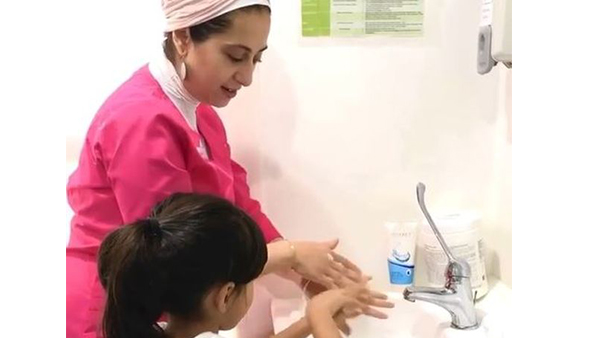
Dr Yasmin Teaching Kids How to Wash Their Hands: A Complete Guide to Hand Hygiene for Children
Hand hygiene is one of the most powerful tools we have to prevent the spread of illness and infection, yet many children are never taught proper handwashing technique. At myPediaClinic in Dubai, Dr Yasmin is passionate about teaching children the importance of hand hygiene and the correct way to wash their hands. This comprehensive guide shares Dr Yasmin’s expert advice on making handwashing an effective and enjoyable habit for children of all ages.
The importance of proper hand hygiene cannot be overstated. Our hands come into contact with countless surfaces throughout the day, picking up bacteria, viruses, and other germs that can cause illness. Children, with their natural curiosity and tendency to touch everything around them, are particularly vulnerable to picking up and spreading infections through contaminated hands.
Research consistently shows that proper handwashing is one of the most effective ways to prevent the spread of infectious diseases. According to the Centers for Disease Control and Prevention, handwashing can reduce respiratory infections by 16-21% and gastrointestinal illnesses by up to 50%. For children, who are still developing their immune systems and often spend time in group settings like schools and nurseries, these statistics are particularly significant.
Dr Yasmin at myPediaClinic understands that teaching children about hand hygiene requires more than just telling them to wash their hands. It requires engaging education that captures their interest, clear instruction on proper technique, and strategies for making handwashing a consistent habit. Through her work with families in Dubai, Dr Yasmin has developed effective approaches to teaching hand hygiene that parents can use at home.
Why Hand Hygiene Is Essential for Children
Understanding why hand hygiene matters helps motivate both children and parents to prioritize proper handwashing. The benefits extend far beyond simply keeping hands clean, they encompass protecting the child, their family, and the broader community from infectious diseases.
How Germs Spread Through Hands
Children’s hands become contaminated with germs through numerous everyday activities. Touching door handles, playground equipment, shared toys, and other surfaces exposes them to bacteria and viruses left behind by others. Playing with pets, handling food, using the toilet, and even touching their own faces (which children do frequently) can transfer germs to and from their hands.
Once germs are on a child’s hands, they can easily enter the body through the eyes, nose, or mouth, where children often touch without thinking. They can also spread to food during eating, to other children through play, and to family members through everyday contact. This is how common illnesses like colds, flu, and stomach bugs spread so quickly through families, schools, and communities.
Diseases Prevented by Proper Handwashing
Proper hand hygiene can help prevent a wide range of illnesses that commonly affect children, including:
- Common cold and influenza
- Stomach bugs (gastroenteritis) causing diarrhea and vomiting
- Hand, foot, and mouth disease
- Respiratory infections
- Skin infections
- Eye infections like conjunctivitis
- Hepatitis A
- Various bacterial infections
By teaching children proper handwashing technique, parents and caregivers can significantly reduce their children’s risk of contracting these illnesses and help protect others from infection.
Protecting Others Through Hand Hygiene
Hand hygiene is not just about protecting the individual child; it is about protecting others as well. Children can carry and spread infections even before they show symptoms, meaning they can pass illnesses to family members, classmates, and others without anyone realizing the child is sick.
This is particularly important for protecting vulnerable individuals such as infants, elderly family members, and people with weakened immune systems. By maintaining good hand hygiene, children learn to be responsible members of their communities who care about the health and wellbeing of others.
Dr Yasmin’s Approach to Teaching Hand Hygiene
At myPediaClinic, Dr Yasmin has developed engaging and effective methods for teaching children about hand hygiene. Her approach recognizes that children learn best when information is presented in a fun, age-appropriate way that captures their interest and makes the lesson memorable.
Making It Fun and Engaging
Dr Yasmin believes that hand hygiene education should be enjoyable for children. When handwashing is presented as a chore or punishment, children are less likely to develop it as a consistent habit. Instead, by making handwashing fun, children become enthusiastic participants in protecting their own health.
Strategies Dr Yasmin recommends for making handwashing fun include:
- Singing songs: The Happy Birthday song sung twice takes approximately 20 seconds, the recommended duration for effective handwashing. Other songs of similar length can also be used.
- Using fun soaps: Colorful, scented, or character-themed soaps can make handwashing more appealing to children.
- Making bubbles: Encouraging children to create lots of bubbles makes the scrubbing process more engaging.
- Using timers: Fun timers or hourglass timers give children a visual representation of how long to wash.
- Praise and encouragement: Positive reinforcement helps children feel good about their handwashing efforts.
Fun Fact from Dr Yasmin
Did you know that proper handwashing creates enough friction to physically remove germs from your skin? The soap helps by breaking down the oils on your skin where germs like to hide, and the rubbing action combined with water rinses them away. That is why just a quick rinse under water is not enough – you need to scrub with soap for at least 20 seconds to get truly clean hands!
Using Visual Demonstrations
Dr Yasmin often uses visual demonstrations to help children understand why handwashing is important. One popular demonstration involves using glitter to represent germs. A small amount of glitter is placed on the child’s hands, and they are asked to try removing it with just water. The glitter sticks stubbornly, illustrating how germs cling to skin. When soap is added and hands are properly washed, the glitter comes off, showing how effective handwashing removes germs.
This type of concrete, visual learning helps children understand an abstract concept like germs and motivates them to wash their hands properly.
Age-Appropriate Education
Dr Yasmin tailors her hand hygiene education to the age of the child. For toddlers, the focus is on making handwashing a routine activity with lots of parental assistance and simple explanations. For preschoolers, more detailed instruction on technique can be introduced along with explanations about why handwashing matters. School-age children can understand more complex information about germs and disease transmission, and can take more responsibility for their own hand hygiene.
The Proper Handwashing Technique Step by Step
Dr Yasmin teaches a comprehensive handwashing technique that ensures all parts of the hands are properly cleaned. Following these steps every time helps children develop effective handwashing as an automatic habit.
Dr Yasmin’s Step-by-Step Handwashing Guide
Wet Your Hands
Turn on the tap and wet your hands completely with clean, running water. The water can be warm or cold.
Apply Soap
Turn off the tap and apply enough soap to cover all hand surfaces. Liquid soap or bar soap both work well.
Rub Palms Together
Rub your palms together vigorously, creating lots of bubbles and friction.
Clean Between Fingers
Interlace your fingers and rub them together to clean between each finger.
Scrub Backs of Hands
Rub the back of each hand with the palm of the other hand, fingers interlaced.
Clean Thumbs
Clasp each thumb and rotate to clean all around it. Thumbs are often missed!
Scrub Fingertips
Rub fingertips of each hand against the palm of the other hand to clean under nails.
Don’t Forget Wrists
Rub around each wrist with the opposite hand. Wrists can harbor germs too.
Rinse Thoroughly
Rinse all soap off under clean, running water. Make sure no soap residue remains.
Dry Completely
Dry hands thoroughly with a clean towel or air dryer. Wet hands can pick up germs more easily.
The 20-Second Rule
Dr Yasmin emphasizes that the scrubbing process (steps 3-8) should take at least 20 seconds to be effective. This is the minimum time needed to physically remove germs from the skin. A quick rinse under water, even with soap, is not sufficient to protect against infection.
For children who cannot yet count to 20, singing a song provides a reliable way to time their handwashing. The Happy Birthday song sung twice through takes approximately 20 seconds. Other options include the ABC song or any short song the child enjoys.
Dr Yasmin’s Tip: Making 20 Seconds Fun
Help your child choose a favorite song to sing during handwashing. You can even create your own handwashing song together! The goal is to make the timing automatic and enjoyable. Some families create themed handwashing songs about washing away germs or keeping healthy, which reinforces the purpose of handwashing while making it fun.
When Should Children Wash Their Hands?
Knowing when to wash hands is just as important as knowing how. Dr Yasmin teaches children to recognize the key moments when handwashing is essential.
Creating Handwashing Triggers
Dr Yasmin recommends helping children create mental triggers that remind them to wash their hands. For example, walking through the front door can trigger the thought “I need to wash my hands” before doing anything else at home. Sitting down at the table can trigger handwashing before meals. Leaving the bathroom always includes stopping at the sink.
When these triggers become automatic, children no longer need constant reminders to wash their hands. The behavior becomes a natural part of their routine.
Teaching Hand Hygiene at Different Ages
Children’s ability to perform and understand handwashing changes as they grow. Dr Yasmin provides guidance for teaching hand hygiene at each developmental stage.
Infants and Toddlers (0-2 years)
Very young children cannot wash their hands independently and do not understand the concept of germs. At this age, parents and caregivers are responsible for keeping little hands clean. However, this is an excellent time to begin establishing handwashing as a routine activity.
- Wash baby’s hands frequently, especially before feeding and after diaper changes
- Use gentle, fragrance-free soap appropriate for baby’s skin
- Make handwashing a pleasant sensory experience with warm water and soft touch
- Begin introducing hand-over-hand guidance for toddlers learning the motions
- Use simple words: “Now we wash hands” “Clean hands” “Bye-bye germs”
Preschoolers (3-5 years)
Preschoolers can begin to participate actively in handwashing but still need supervision and assistance. This is a key age for teaching proper technique and building habits that will last a lifetime.
- Provide step stools so children can reach the sink comfortably
- Demonstrate proper technique and have children imitate each step
- Use visual aids like posters showing the handwashing steps
- Introduce songs or timers to ensure adequate scrubbing time
- Provide positive reinforcement and gentle reminders
- Use age-appropriate explanations: “Washing hands keeps away yucky germs that can make your tummy hurt”
School-Age Children (6-12 years)
School-age children can understand more complex explanations about germs and disease transmission. They can take responsibility for their own hand hygiene but may need reminders, especially when excited or in a hurry.
- Provide more detailed education about how germs spread and cause illness
- Explain the importance of handwashing for protecting others, not just themselves
- Discuss handwashing as part of being a responsible member of the community
- Encourage independence while maintaining expectations for proper technique
- Address challenges like washing hands at school or in public restrooms
Overcoming Common Handwashing Challenges
Even with the best education, parents often face challenges in getting children to wash their hands properly and consistently. Dr Yasmin offers advice for common obstacles.
The Rushed Rinse
Many children try to rush through handwashing with a quick splash of water. To combat this, make sure children understand why the 20-second rule matters. Use timers, songs, or other engaging methods to encourage proper scrubbing time. Supervise handwashing, especially for younger children, and provide gentle redirection when needed.
Forgotten Steps
Children often forget to wash certain areas like between fingers, thumbs, and wrists. Visual reminders like posters near the sink can help. Practice the steps together regularly until they become automatic. Make it a game: “Did you get between your fingers? Did you remember your thumbs?”
Resistance and Complaints
Some children resist handwashing because they find it boring, are in a hurry to play, or dislike the sensation. Making handwashing fun is key to overcoming resistance. Address any sensory issues with appropriate soap and water temperature. Be consistent with expectations while remaining positive and encouraging.
When Soap and Water Are Not Available
Dr Yasmin recommends that families carry hand sanitizer for times when soap and water are not accessible. Hand sanitizer with at least 60% alcohol content can effectively kill many germs when used correctly. Apply enough to cover all hand surfaces and rub until completely dry. However, hand sanitizer is not a replacement for proper handwashing, as it does not work as well when hands are visibly dirty or greasy and does not remove all types of germs.
Making Hand Hygiene a Family Affair
Children learn best by example. When parents and other family members model good hand hygiene practices, children are more likely to adopt these habits themselves. Dr Yasmin encourages families to make hand hygiene a shared value.
Leading by Example
Children watch their parents constantly and learn from what they see. When parents consistently wash their hands at appropriate times using proper technique, children receive a powerful message that hand hygiene is important and normal. Make a point of washing your hands in front of your children and verbalize what you are doing: “I’m going to wash my hands before we eat dinner.”
Creating a Hygiene-Friendly Environment
Set your home up for handwashing success by ensuring that sinks are accessible to children with step stools if needed, soap is always available and at child-friendly height, clean towels are within reach, and visual reminders are posted near sinks. When handwashing is easy and convenient, children are more likely to do it consistently.
Positive Reinforcement
Praise your children when you see them washing their hands properly and independently. Positive reinforcement is more effective than criticism or nagging. Celebrate their good habits and acknowledge their efforts to stay healthy and protect others.
Frequently Asked Questions About Hand Hygiene for Children
How long should children wash their hands?
Children should wash their hands with soap for at least 20 seconds, which is the minimum time needed to effectively remove germs. An easy way to time this is by singing the Happy Birthday song twice or the ABC song once. The 20 seconds refers to the scrubbing time with soap, not including the time to wet and rinse hands.
Is hot water better for killing germs when washing hands?
Contrary to popular belief, water temperature does not significantly affect germ removal during handwashing. The friction from scrubbing and the action of soap are what remove germs, not the temperature of the water. Use whatever water temperature is comfortable for your child, as this encourages longer and more thorough handwashing. Avoid water that is uncomfortably hot, which could discourage handwashing or cause burns.
Is antibacterial soap better than regular soap?
Research shows that regular soap is just as effective as antibacterial soap for removing germs from hands. The mechanical action of rubbing soap and rinsing with water physically removes germs from the skin. In fact, some health organizations discourage the use of antibacterial soaps containing certain ingredients due to concerns about antibiotic resistance. Regular liquid or bar soap is perfectly effective for everyday handwashing.
At what age can children wash their hands independently?
Most children can wash their hands independently by around age 5 or 6, though they may still need occasional supervision and reminders. Younger children, typically preschool age, can participate in handwashing but usually need help reaching the sink, applying soap, and ensuring proper technique. Even after children can wash independently, parents should periodically observe to ensure they are using proper technique and adequate time.
What should I do if my child refuses to wash their hands?
If your child resists handwashing, try making it more fun by using colorful soaps, playing music, or turning it into a game. Avoid power struggles by maintaining calm, consistent expectations. Offer choices where possible, such as which soap to use. Explain why handwashing matters in age-appropriate terms. If sensory issues seem to be the cause, experiment with different water temperatures and soap types. Positive reinforcement for cooperation is more effective than punishment for resistance.
Can hand sanitizer replace handwashing?
Hand sanitizer with at least 60% alcohol content can be a useful supplement when soap and water are not available, but it should not replace regular handwashing. Sanitizer does not work well on visibly dirty or greasy hands and does not remove all types of germs, including norovirus and some parasites. Handwashing with soap and water is more effective overall and should be the primary method of hand hygiene whenever possible.
How can I help my child remember to wash hands at school?
Practice handwashing habits at home so they become automatic. Discuss the specific times at school when handwashing is important, such as before lunch, after using the bathroom, and after recess. Role-play these scenarios at home. Remind your child that handwashing protects them from getting sick and helps protect their friends too. Some children respond well to having a small bottle of hand sanitizer in their bag for times when they cannot get to a sink.
Why is drying hands important after washing?
Drying hands is an important final step because wet hands can transfer germs more easily than dry hands. Germs can be picked up more readily from wet surfaces, and wet hands are more likely to spread germs to other surfaces. After washing, hands should be dried thoroughly using a clean towel or air dryer. Avoid wiping hands on clothing, which may not be clean.
Building Lifelong Healthy Habits
The hand hygiene habits children develop today will serve them throughout their lives. By teaching proper handwashing technique early and making it an enjoyable part of daily routine, parents set their children up for better health outcomes and help create healthier communities.
Dr Yasmin at myPediaClinic is committed to helping families in Dubai raise healthy children through education and preventive care. Hand hygiene is just one of many topics she addresses with families, recognizing that empowering parents with knowledge is one of the most effective ways to protect children’s health.
Key Takeaways from Dr Yasmin
- Proper handwashing takes at least 20 seconds of scrubbing with soap
- All parts of the hands need attention, including between fingers and thumbs
- Making handwashing fun helps children develop it as a consistent habit
- Children learn from example, so model good hand hygiene yourself
- Hand sanitizer is useful when soap and water are unavailable but does not replace proper handwashing
- Teaching hand hygiene is an investment in your child’s lifelong health
If you have questions about your child’s health and hygiene habits, or would like personalized guidance on teaching healthy practices, the team at myPediaClinic is here to help. Our child-friendly approach makes learning about health fun and accessible for children of all ages.
Keep Your Family Healthy with Expert Guidance
Dr Yasmin and the team at myPediaClinic are dedicated to helping families raise healthy, happy children. From hand hygiene to comprehensive pediatric care, we are here to support your child’s health journey. Schedule a consultation today.
At myPediaClinic, we believe that prevention is the foundation of good health. Teaching children proper hand hygiene is one of the simplest and most effective ways to prevent illness and protect the whole family. Contact us to learn more about how we can support your child’s health and development.