

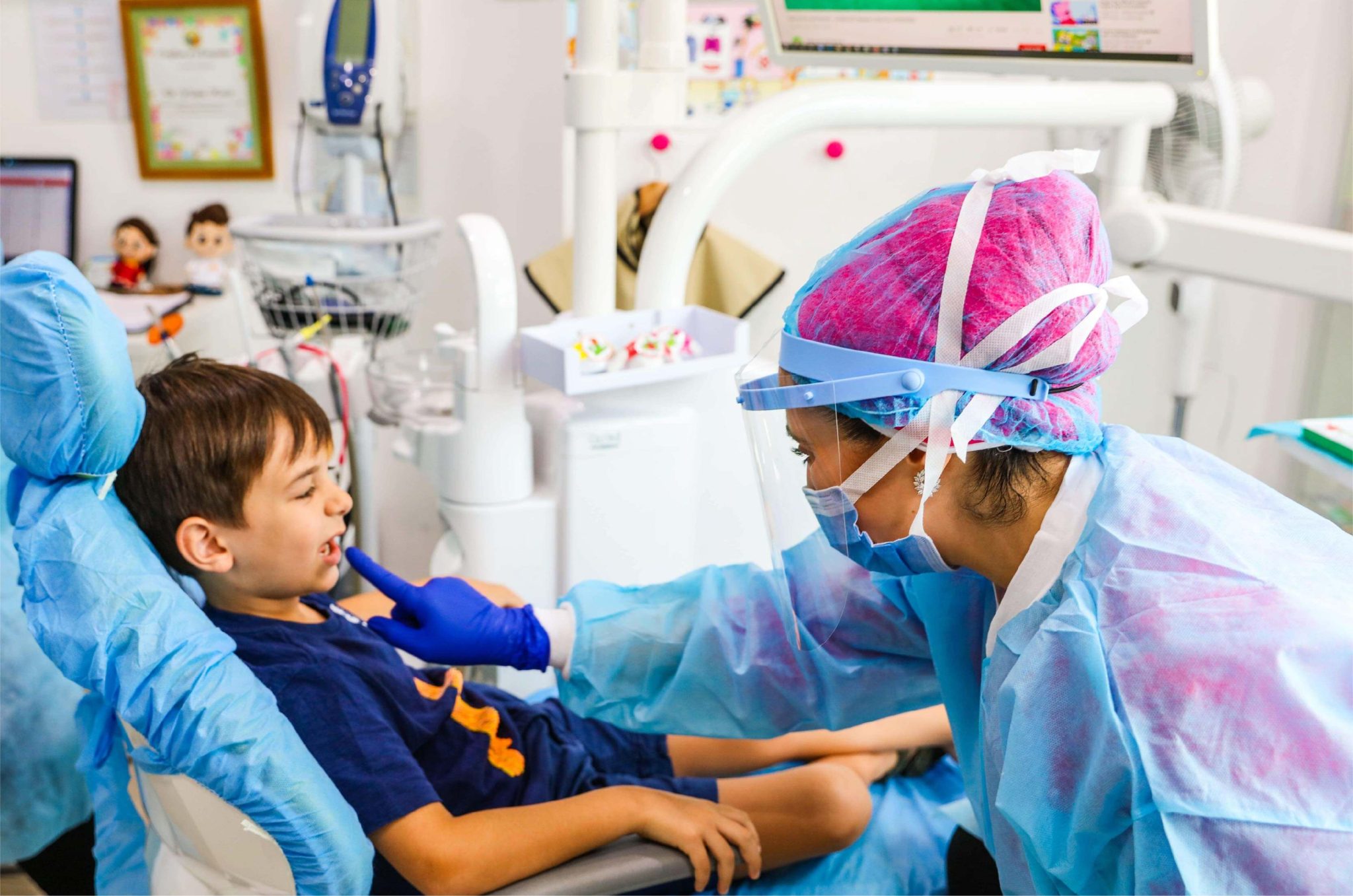
Why Choose a Pediatric Dentist for Your Child in Dubai: The Complete Parents’ Guide
When it comes to your child’s dental health, you might wonder whether a regular family dentist is sufficient or whether you should seek out a specialized pediatric dentist. This is a question many parents in Dubai grapple with, and the answer can significantly impact your child’s oral health journey and their lifelong relationship with dental care. At myPediaClinic in Dubai Healthcare City, we understand that choosing the right dental care provider for your child is one of the most important healthcare decisions you’ll make.
A pediatric dentist is a dental specialist who has completed additional training specifically focused on treating infants, children, adolescents, and patients with special needs. This specialized training goes far beyond what general dentists receive, encompassing child psychology, growth and development, behavioral management, and the unique dental conditions that affect young patients. For families in Dubai and throughout the UAE, understanding these differences helps ensure your child receives the highest quality dental care.
This comprehensive guide explores everything Dubai parents need to know about pediatric dentistry: what makes these specialists different, how to choose the right provider, and why this investment in specialized care matters for your child’s long-term oral health. Whether your child is due for their first dental visit or you’re considering switching from a general dentist, this information will help you make an informed decision.
What Makes Pediatric Dentists Different from General Dentists?
Understanding the distinction between pediatric and general dentists is essential for making the right choice for your child’s dental care. While both are qualified dental professionals, their training, focus, and approaches differ significantly.
Extensive Additional Training and Education
After completing dental school—a rigorous program that typically takes four to five years—pediatric dentists pursue an additional two to three years of specialized residency training. This advanced education focuses exclusively on treating children from infancy through adolescence, covering areas that general dentistry programs address only briefly or not at all.
During their residency, pediatric dentists receive intensive training in child psychology and behavioral management techniques, growth and development of the jaw, teeth, and oral structures, sedation dentistry for young and anxious patients, treatment of children with special healthcare needs, pediatric-specific dental conditions and treatments, and emergency dental care for children. This specialized education means pediatric dentists understand children’s unique dental needs at a level that general dentists, despite their competence, simply cannot match.
Focus on Behavioral Management
Perhaps the most crucial difference lies in how pediatric dentists approach the patient experience. Children are not small adults—they think, feel, and respond differently than grown-ups. Pediatric dentists are trained in age-appropriate communication techniques that help children understand procedures without causing fear. They learn to recognize and respond to anxiety, creating positive experiences that prevent dental phobia from developing.
A child’s first dental experiences shape their relationship with dental care for decades to come. Negative early experiences often lead to dental anxiety that persists into adulthood, causing people to avoid necessary care and suffer preventable dental problems. Pediatric dentists are specifically trained to prevent this outcome by making dental visits positive, or at minimum, non-traumatic experiences.
Understanding of Developmental Stages
Children’s mouths change dramatically from infancy through adolescence. Baby teeth erupt, fall out, and are replaced by permanent teeth according to predictable patterns—but variations are common, and knowing what’s normal versus what requires intervention demands specialized knowledge. Pediatric dentists monitor this development closely, identifying potential issues before they become serious problems.
They understand how thumb-sucking affects jaw development, when orthodontic intervention might prevent future problems, how medical conditions affect dental health, and the relationship between oral development and speech or breathing patterns. This developmental expertise allows for proactive care that prevents problems rather than simply treating them after they occur.
The Child-Friendly Environment of Pediatric Dental Clinics
Walk into a pediatric dental practice and you’ll immediately notice the difference from traditional dental offices. Everything from the waiting room to the treatment areas is designed with children’s needs and comfort in mind.
Welcoming Reception and Waiting Areas
Pediatric dental offices typically feature bright, colorful décor that immediately puts children at ease. Rather than sterile white walls and clinical furnishings, you’ll find cheerful murals, comfortable child-sized seating, age-appropriate toys and books, and sometimes even video games or play areas. This environment signals to children that this is a safe, friendly place designed for them—not a scary adult space they’ve been brought to reluctantly.
The psychological impact of this design shouldn’t be underestimated. A child who enters an inviting, fun environment starts their visit relaxed rather than anxious. This calm beginning makes the entire appointment easier, for the child, the parent, and the dental team alike.
Treatment Rooms Designed for Young Patients
Beyond the waiting room, treatment areas in pediatric practices continue the child-friendly theme. Dental chairs may be smaller and more accommodating for children’s bodies. Ceiling-mounted televisions allow children to watch cartoons during procedures, providing distraction and entertainment. Some practices use themed treatment rooms—underwater adventures, space exploration, or jungle safaris—that transform dental visits into imaginative experiences.
The staff in pediatric practices are also specifically trained to work with children. From receptionists to dental hygienists, everyone understands how to communicate with young patients, using language and approaches appropriate to each child’s age and developmental level. This consistency throughout the practice reinforces the positive, child-centered experience.
Dubai-Specific Considerations
For families in Dubai, many pediatric dental practices cater to the emirate’s multicultural population, with staff who speak multiple languages and understand diverse cultural backgrounds. This inclusivity helps children and families feel comfortable regardless of their cultural heritage, which is particularly important given Dubai’s international community.
Specialized Equipment for Young Patients
Children’s mouths are anatomically different from adults’—smaller, with different proportions and developing structures. Pediatric dental practices invest in equipment specifically designed for these younger patients.
Appropriately Sized Instruments
Standard dental instruments designed for adult mouths can be uncomfortable or even difficult to use effectively on children. Pediatric practices use smaller mirrors, probes, and other instruments that fit comfortably in young mouths. This seemingly simple adaptation reduces discomfort and makes procedures easier to perform accurately.
Similarly, X-ray equipment in pediatric practices is designed to accommodate smaller patients while minimizing radiation exposure. Pediatric-specific X-ray protocols ensure that children receive only the imaging necessary for their care, using the lowest effective radiation doses.
Child-Sized Dental Chairs and Equipment
Dental chairs in pediatric practices are designed for smaller bodies, providing proper support and positioning for young patients. Some practices even have specialized chairs that allow parents to hold infants or very young children during examinations, making these early visits less intimidating for the child.
Behavior Management Tools
Pediatric practices often employ technology and techniques specifically designed to help anxious or uncooperative patients. This might include nitrous oxide (laughing gas) delivery systems designed for children, specialized monitoring equipment for sedation procedures, distraction tools like virtual reality headsets, and noise-reducing headphones for sensory-sensitive patients. These resources allow pediatric dentists to provide care even for children who might otherwise be unable to tolerate dental treatment.
Pediatric Dentists and Children with Special Needs
For families of children with special healthcare needs, choosing a pediatric dentist is often essential rather than merely beneficial. These specialists receive extensive training in treating patients with various conditions that affect their ability to receive standard dental care.
Training in Diverse Conditions
Pediatric dental residencies include significant focus on treating patients with developmental disabilities such as autism spectrum disorder and Down syndrome, physical disabilities affecting mouth opening or positioning, cognitive impairments that affect cooperation, medical conditions requiring modified dental treatment, and behavioral challenges that complicate standard care. This training prepares pediatric dentists to adapt their approaches to each patient’s unique needs, ensuring that all children—regardless of ability—receive necessary dental care.
Behavioral Techniques for Special Populations
Children with autism or sensory processing differences often struggle in traditional dental settings due to unfamiliar sounds, tastes, and sensations. Pediatric dentists understand these challenges and employ strategies to minimize sensory overload. This might include scheduling appointments during quieter times, allowing children to wear headphones or sunglasses, conducting gradual desensitization visits before actual treatment, using weighted blankets or other calming tools, and communicating through visual schedules or social stories.
Sedation Options When Needed
Some children with special needs cannot tolerate dental treatment while awake, regardless of behavioral techniques employed. Pediatric dentists are trained in various sedation approaches, from mild sedation that keeps children calm but conscious to general anesthesia for complex procedures. They understand how to select appropriate sedation levels and monitor children safely throughout procedures, providing necessary care for patients who could not otherwise receive it.
The Value of Continuity: Long-Term Care Benefits
One often overlooked advantage of choosing a pediatric dentist is the continuity of care they provide as your child grows from infancy through adolescence.
Building a Comprehensive History
When one provider sees your child from their first tooth through their teen years, they develop a comprehensive understanding of that child’s dental history, patterns, and needs. They notice subtle changes over time, remember previous challenges, and understand the family context that influences dental health. This longitudinal perspective enables more personalized, effective care than seeing different providers throughout childhood.
Tracking Development Over Time
Pediatric dentists monitor how your child’s teeth, jaws, and bite develop throughout childhood. They can identify early signs of orthodontic problems, intervene at optimal times to guide development, and coordinate with orthodontists when specialized treatment becomes necessary. This proactive approach often prevents more serious problems—and more extensive treatments—later.
Adapting to Changing Needs
As children grow, their dental needs evolve. A pediatric dentist who has known your child since infancy understands their personality, what approaches work best for them, and how to communicate effectively at each developmental stage. This relationship-based care is particularly valuable during challenging periods like the transition to adolescence, when dental visits might otherwise become battles.
How to Choose the Right Pediatric Dentist in Dubai
With numerous pediatric dental practices throughout Dubai, choosing the right provider for your family requires careful consideration.
Verify Qualifications and Credentials
Ensure any provider you consider has legitimate pediatric dental training. In Dubai, dentists must be licensed by the Dubai Health Authority (DHA) and should be able to provide documentation of their specialized training. Ask about their educational background, including where they completed their pediatric residency, professional memberships in pediatric dental associations, continuing education and staying current with advances in the field, and experience with any specific concerns relevant to your child.
Research Reputation and Reviews
Parent testimonials provide valuable insight into what you can expect from a practice. Look for reviews that mention how the dentist interacts with children, whether anxious children have positive experiences, how the practice handles emergencies or unexpected issues, and overall satisfaction with care and communication. While no practice receives universally perfect reviews, consistent patterns in feedback indicate what your experience is likely to be.
Consider Practical Factors
Location matters when you’ll be making regular visits over many years. A pediatric dentist near your home or your child’s school makes appointments more convenient. Also consider appointment availability and how easy it is to schedule visits, whether the practice handles dental emergencies, insurance acceptance and payment options, and the practice’s approach to parental involvement during appointments.
Schedule a Consultation Visit
Many pediatric dental practices offer consultation or “happy visits” where children can meet the dentist and explore the office without undergoing treatment. These visits help both you and your child assess whether the practice is a good fit. Pay attention to how staff interact with your child, whether your child seems comfortable in the environment, how thoroughly your questions are answered, and your gut feeling about the practice’s approach.
The First Dental Visit: What Dubai Parents Should Know
The American Academy of Pediatric Dentistry recommends that children have their first dental visit by age one or within six months of their first tooth erupting—whichever comes first. This timeline surprises many parents, but early visits serve important purposes.
Establishing a Dental Home
Early visits establish what pediatric dentists call a “dental home”—an ongoing relationship with a provider who knows your child and monitors their development over time. Starting this relationship early normalizes dental visits, making them routine rather than events associated only with problems.
Parent Education and Guidance
First visits focus heavily on educating parents about proper oral care for infants and toddlers. Topics typically covered include appropriate tooth brushing techniques for young children, the role of diet in dental health, preventing baby bottle tooth decay, fluoride recommendations, and teething and what to expect as teeth emerge. This guidance helps parents establish healthy habits early, preventing problems before they start.
Early Problem Detection
While serious dental problems are rare in infancy, early visits can identify developmental concerns, such as tongue-tie that might affect feeding or speech, unusual tooth eruption patterns that warrant monitoring, early signs of decay from bottle feeding habits, and jaw development issues that might benefit from early intervention. Catching these issues early often allows for simpler, more effective treatment than waiting until problems become severe.
Understanding Common Pediatric Dental Procedures
Knowing what procedures your child might need—and how pediatric dentists perform them differently than general dentists—helps you make informed decisions about care.
Preventive Care
The foundation of pediatric dentistry is prevention. Regular cleanings remove plaque that brushing misses, while fluoride treatments strengthen developing enamel. Dental sealants—thin protective coatings applied to molars—prevent decay in the grooves where cavities commonly develop. These preventive measures, consistently applied throughout childhood, dramatically reduce the likelihood of needing restorative treatment.
Treating Cavities in Baby Teeth
Some parents question whether treating cavities in baby teeth matters since these teeth eventually fall out. However, baby teeth serve crucial functions: they maintain space for permanent teeth, enable proper chewing and nutrition, support speech development, and affect self-esteem. Untreated decay can also cause pain, infection, and damage to developing permanent teeth beneath them.
Pediatric dentists treat cavities in baby teeth using approaches designed for children’s needs and cooperation levels. For small cavities, tooth-colored fillings restore function while maintaining appearance. More extensive decay might require crowns, and severely decayed or infected teeth might need extraction with space maintainers to preserve room for permanent teeth.
Managing Dental Trauma
Children’s active lifestyles make dental injuries common. Knocked-out teeth, chips, and fractures require prompt, appropriate treatment. Pediatric dentists understand how to manage these emergencies in ways that protect both baby teeth and developing permanent teeth beneath them. They can often save teeth that might otherwise be lost and know when extraction is actually the better choice for long-term outcomes.
The Connection Between Oral Health and Overall Wellness
Oral health doesn’t exist in isolation—it connects to your child’s overall physical health in important ways that pediatric dentists understand deeply.
Oral-Systemic Health Links
Research increasingly reveals connections between oral health and systemic conditions. Untreated dental infections can spread to other parts of the body. Poor oral health has been linked to increased risks of various conditions later in life. Conversely, certain medical conditions and medications affect oral health in ways that require adapted dental care. Pediatric dentists understand these connections and coordinate with pediatricians and other healthcare providers when needed.
Nutrition and Dental Health
The relationship between diet and dental health is bidirectional. Sugary and acidic foods contribute to decay, while dental pain or missing teeth can impair nutrition by limiting what children can comfortably eat. Pediatric dentists provide dietary guidance that supports both dental health and overall nutrition, working with families to develop eating habits that protect teeth while meeting children’s nutritional needs.
Sleep and Breathing Considerations
Oral structures affect breathing and sleep quality. Enlarged tonsils and adenoids, jaw development issues, and tongue positioning can all contribute to sleep-disordered breathing in children. Pediatric dentists screen for these issues and refer to appropriate specialists when needed, recognizing that quality sleep is essential for children’s development and well-being.
Frequently Asked Questions About Pediatric Dentists in Dubai
At what age should my child first see a dentist?
Children should have their first dental visit by their first birthday or within six months of their first tooth erupting, whichever comes first. These early visits focus on parent education, establishing a dental home, and early detection of any developmental concerns. Starting dental visits early helps children view them as routine and prevents dental anxiety from developing.
How often should my child see the pediatric dentist?
Most children should have dental checkups every six months, though some children with higher cavity risk or specific dental conditions might need more frequent visits. Your pediatric dentist will recommend an appropriate schedule based on your child’s individual needs and risk factors.
Is a pediatric dentist really necessary, or can a general dentist treat my child?
While general dentists can legally treat children, pediatric dentists offer specialized training, child-focused environments, and expertise in managing young patients that general dentists typically lack. For children with dental anxiety, special needs, or complex dental requirements, pediatric dentists are strongly recommended. Even for children without special concerns, the child-centered approach of pediatric dentistry often creates better experiences and outcomes.
What should I do if my child is afraid of the dentist?
Dental fear is common and manageable. Pediatric dentists are specifically trained in techniques to help anxious children, including tell-show-do approaches that explain procedures in child-friendly terms, gradual desensitization through positive non-treatment visits, distraction techniques during procedures, and sedation options when needed. Communicate your child’s anxiety to the dental team so they can adapt their approach accordingly.
How do pediatric dentists handle children who won’t cooperate?
Pediatric dentists have extensive training in behavior management techniques. They use positive reinforcement and praise, age-appropriate communication, voice control and non-threatening body language, distraction and engagement strategies, and when necessary, sedation for children who cannot tolerate treatment while awake. The goal is always to complete necessary treatment while creating the most positive experience possible.
Does my child need to see a pediatric dentist if they have no dental problems?
Absolutely. Preventive care is the foundation of pediatric dentistry. Regular visits allow for professional cleaning, fluoride treatments, and sealants that prevent problems from developing. They also enable early detection of issues that might not be apparent to parents. Children with healthy teeth still benefit significantly from pediatric dental care.
What happens when my child outgrows pediatric dentistry?
Most pediatric dentists treat patients through adolescence, typically until age 18-21. At that point, they help transition patients to general or adult dentists, often providing recommendations and transferring records. Children who had positive experiences with pediatric dentists typically transition smoothly to adult care, maintaining the good oral health habits they developed during childhood.
Making the Right Choice for Your Child’s Dental Health
Choosing a pediatric dentist is an investment in your child’s current comfort and long-term oral health. The specialized training, child-focused environment, and developmental expertise that pediatric dentists offer create experiences that protect both teeth and attitudes toward dental care. For families in Dubai, where world-class pediatric dental services are readily available, there’s no reason to settle for less than the best for your child.
At myPediaClinic in Dubai Healthcare City, our comprehensive approach to pediatric health includes collaboration with specialized pediatric dental providers who share our commitment to exceptional care for children. We understand that dental health is an integral part of overall wellness and support families in accessing all the specialized services their children need.
Whether your child needs their first dental visit, has specific concerns requiring specialized attention, or simply deserves a dental experience designed with their needs in mind, choosing a qualified pediatric dentist is one of the best decisions you can make for their health. Take the time to research options, schedule consultations, and find a provider who feels right for your family—your child’s smile is worth it.
Contact myPediaClinic today for guidance on pediatric dental care and referrals to trusted pediatric dental specialists in Dubai. Located in Dubai Healthcare City and recognized as the Best Pediatric Clinic in Dubai, we’re here to support every aspect of your child’s health and development.