

Autism and Oral Health – The Strategy of Dr. Yasmin Kottait Pediatric Dentist in Dubai
Autism Spectrum Disorder (ASD) affects millions of children worldwide, presenting unique challenges in various aspects of daily life, including oral health care. Children with autism often face heightened difficulties when it comes to maintaining proper dental hygiene and visiting the dentist. At myPediaClinic in Dubai, Dr. Yasmin Kottait has developed specialized strategies and approaches to provide exceptional dental care for autistic children, ensuring they receive the treatment they need in a comfortable, understanding environment. This comprehensive guide explores the connection between autism and oral health, the specific challenges autistic children face, and the innovative techniques employed by our dedicated team to support these special patients and their families.
Understanding Autism Spectrum Disorder and Its Impact on Oral Health
Autism Spectrum Disorder is a neurodevelopmental condition characterized by differences in social communication, sensory processing, and behavioral patterns. These characteristics can significantly influence a child’s oral health and their experience at the dental office. Understanding these connections is the first step toward providing appropriate care.
What is Autism Spectrum Disorder?
Autism Spectrum Disorder encompasses a range of conditions characterized by challenges with social skills, repetitive behaviors, speech, and nonverbal communication. The term “spectrum” reflects the wide variation in challenges and strengths possessed by each person with autism. According to recent statistics, approximately 1 in 54 children is diagnosed with ASD, making it one of the most common developmental disorders worldwide. In the UAE, awareness and diagnosis rates have been steadily increasing, with more families seeking specialized healthcare services for their children with autism.
Children with autism may experience the world differently than neurotypical children. They might be hypersensitive or hyposensitive to sensory input, including sounds, lights, textures, and tastes. These sensory differences play a crucial role in their oral health experiences and dental visits. At myPediaClinic, we recognize that each child on the spectrum is unique, and our approach is tailored to meet their individual needs.
Why Are Autistic Children More Prone to Dental Problems?
Research has consistently shown that children with autism are at higher risk for various dental issues compared to their neurotypical peers. Several factors contribute to this increased vulnerability:
Sensory Sensitivities: Many autistic children have heightened sensory sensitivities that make tooth brushing uncomfortable or even painful. The texture of toothbrush bristles, the taste of toothpaste, and the sensation of brushing can be overwhelming. This often leads to resistance during oral hygiene routines, resulting in inadequate cleaning and increased plaque buildup.
Dietary Preferences and Restrictions: Children with autism frequently have restricted eating patterns and may prefer soft, sweet, or carbohydrate-rich foods. These dietary preferences, often called “food selectivity,” can increase the risk of tooth decay. Additionally, some children may pocket food in their cheeks or have difficulty chewing, which can affect oral health.
Medication Side Effects: Many children with autism take medications to manage related conditions such as anxiety, attention difficulties, or sleep disorders. Some of these medications can cause dry mouth (xerostomia), which reduces saliva production and increases the risk of cavities. Others may contain sugar or have acidic properties that can erode tooth enamel.
Bruxism (Teeth Grinding): Teeth grinding is more common in children with autism, particularly during sleep or times of stress. This habitual grinding can lead to worn tooth surfaces, jaw pain, headaches, and damage to dental restorations.
Self-Injurious Behaviors: Some autistic children engage in self-injurious behaviors that can affect their oral cavity, including biting their lips, cheeks, or tongue. These behaviors can cause soft tissue damage and require careful management.
Communication Challenges: Children with autism may have difficulty communicating discomfort or pain, which can delay the identification of dental problems. By the time issues are noticed, they may have progressed significantly.
Common Oral Health Issues in Children with Autism
Understanding the specific dental problems that commonly affect autistic children helps parents and caregivers take preventive action. The most frequently observed issues include:
Dental Caries (Cavities): The combination of dietary preferences, medication effects, and challenges with oral hygiene makes cavities one of the most common problems. Regular dental checkups at myPediaClinic can help identify and treat cavities early.
Gingivitis and Periodontal Disease: Insufficient brushing and flossing can lead to gum inflammation (gingivitis), which may progress to more serious periodontal disease if left untreated. Red, swollen, or bleeding gums are warning signs that should prompt a dental visit.
Malocclusion: Some children with autism may have irregular bite patterns or misaligned teeth. Oral habits such as tongue thrusting, mouth breathing, or prolonged use of pacifiers can contribute to these issues.
Dental Trauma: Children with autism may be more prone to dental injuries due to motor coordination difficulties, sensory-seeking behaviors, or during meltdowns. Prompt treatment of dental trauma is essential to preserve dental health.
Enamel Defects: Research suggests that some children with autism may have higher rates of enamel hypoplasia or other developmental defects that make teeth more susceptible to decay.
Dr. Yasmin Kottait’s Specialized Approach to Treating Autistic Patients
Dr. Yasmin Kottait, the leading pediatric dentist at myPediaClinic in Dubai, has dedicated her career to providing compassionate, expert dental care for all children, including those with special needs. Her approach to treating autistic patients combines clinical excellence with deep understanding and patience.
Creating a Sensory-Friendly Environment
At myPediaClinic, we understand that the traditional dental office environment can be overwhelming for children with autism. The bright lights, unfamiliar sounds, and clinical smells can trigger anxiety and sensory overload. Dr. Yasmin has implemented several modifications to create a more welcoming space:
Lighting Adjustments: Our treatment rooms feature adjustable lighting that can be dimmed to reduce visual stimulation. We avoid harsh fluorescent lights that may cause discomfort for sensitive children.
Sound Management: We minimize sudden noises and offer noise-canceling headphones for children who are sensitive to sounds. The dental instruments are introduced gradually, and we explain each sound before procedures begin.
Comfortable Waiting Areas: Our waiting room is designed to be calming rather than stimulating, with quiet spaces available for families who need them. We also offer early morning or late afternoon appointments to reduce waiting time and exposure to crowded situations.
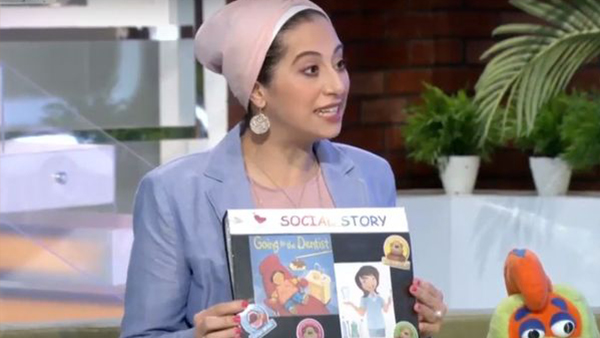
Visual Supports: We use visual schedules, social stories, and picture cards to help children understand what to expect during their visit. These tools provide predictability and reduce anxiety.
Flexibility in Positioning: Not all children can tolerate lying flat in the dental chair. Dr. Yasmin is flexible about positioning and may treat children while they sit upright, recline partially, or even sit on a parent’s lap for initial visits.
The Desensitization Process
One of the most effective strategies Dr. Yasmin employs is gradual desensitization, which helps autistic children become comfortable with dental visits over time. This process involves:
Pre-Visit Preparation: Before the first appointment, Dr. Yasmin provides families with preparation materials, including photos of the clinic, the dental team, and the equipment. This helps the child become familiar with the environment before arriving.
Initial Introductory Visits: The first visit may simply involve walking through the clinic, meeting the staff, and sitting in the dental chair without any treatment. This allows the child to explore the environment at their own pace.
Tell-Show-Do Technique: Dr. Yasmin explains each step in simple language (tell), demonstrates the procedure using models or on herself (show), and then gently performs the procedure (do). This technique builds trust and reduces fear of the unknown.
Positive Reinforcement: Every success, no matter how small, is celebrated. Praise, stickers, small rewards, and verbal encouragement help build positive associations with dental visits.
Consistent Routines: We maintain consistent routines during each visit, which provides the predictability that many autistic children need. The same sequence of events helps them know what to expect.
Communication Strategies
Effective communication is essential when treating autistic children. Dr. Yasmin and her team use various strategies to ensure clear, supportive communication:
Clear, Literal Language: We use concrete, straightforward language and avoid idioms, metaphors, or abstract concepts that may be confusing. Instructions are given one step at a time.
Alternative Communication Methods: For non-verbal children or those with limited speech, we use picture exchange systems, communication boards, or work with the child’s existing communication devices or methods.
Parent Involvement: Parents and caregivers are valuable partners in communication. They understand their child’s unique needs, preferences, and signs of distress. We actively involve them in the treatment process.
Patience and Extra Time: We allow extra time for appointments and never rush through procedures. Children are given time to process information and respond at their own pace.
Non-Verbal Cues: Our team is trained to recognize non-verbal signs of discomfort, anxiety, or overstimulation, allowing us to adjust our approach before the child becomes overwhelmed.
Behavior Management Techniques
Managing behavior during dental procedures requires skill, patience, and a range of techniques. Dr. Yasmin employs evidence-based behavior management strategies:
Protective Stabilization: In some cases, gentle protective stabilization may be necessary to ensure the child’s safety during treatment. This is always discussed with parents beforehand and used only when absolutely necessary.
Distraction Techniques: We use age-appropriate distractions such as ceiling-mounted televisions, tablet devices, music, or favorite toys to help children relax during procedures.
Breaks and Rest Periods: Long procedures are broken into smaller segments with rest periods in between. This prevents fatigue and overstimulation.
Sedation Options: For children who cannot tolerate dental treatment while awake, Dr. Yasmin offers safe sedation options. Nitrous oxide (laughing gas), oral sedation, or general anesthesia may be recommended based on the child’s needs and the complexity of treatment required. All sedation procedures at myPediaClinic are performed following strict safety protocols.
Strategies for Maintaining Oral Hygiene at Home
While regular dental visits are essential, daily oral care at home is the foundation of good dental health. Parents of autistic children often face significant challenges in establishing effective oral hygiene routines. Here are strategies that can help:
Establishing a Consistent Routine
Children with autism often thrive on routine and predictability. Establishing a consistent oral hygiene routine can make tooth brushing more manageable:
Same Time Every Day: Brush teeth at the same times each day, making it a non-negotiable part of the daily schedule. Consistency helps the child anticipate and accept the activity.
Same Sequence: Follow the same sequence of steps each time—gather supplies, apply toothpaste, brush specific areas in order, rinse, and clean up. This predictability reduces anxiety.
Visual Schedules: Use picture schedules or step-by-step visual guides to show the tooth brushing process. Many children respond well to checking off completed steps.
Timers: Visual timers can help children understand how long they need to brush and provide a clear endpoint to the activity. Musical toothbrushes or brushing songs can also serve this purpose.
Choosing the Right Tools
The right oral hygiene products can make a significant difference in acceptance and effectiveness:
Toothbrush Selection: Experiment with different toothbrush types to find what works best. Some children prefer soft bristles, while others may tolerate firmer ones. Electric toothbrushes can be helpful for some children, though others may find the vibration overwhelming. Three-sided toothbrushes clean multiple surfaces simultaneously and may reduce brushing time.
Toothpaste Options: Toothpaste flavors and textures can be major obstacles. Start with a small amount of mild-flavored or unflavored toothpaste. Some children do better with toothpaste tablets or powder rather than traditional paste. For children who resist any toothpaste, brushing with water alone is better than not brushing at all.
Flossing Alternatives: Traditional flossing may be challenging. Consider floss picks, water flossers, or interdental brushes as alternatives that may be easier to use.
Addressing Sensory Sensitivities
Sensory issues are often at the root of resistance to tooth brushing. Here are strategies to address them:
Desensitization Activities: Gradually introduce oral sensory experiences outside of brushing time. This might include oral massage, touching around the mouth, or using vibrating toys near the face to increase tolerance.
Deep Pressure: Some children respond well to deep pressure before brushing. Firm hugs, weighted blankets, or joint compressions may help regulate their sensory system and improve tolerance for brushing.
Temperature Considerations: Some children are sensitive to temperature. Ensure water is at a comfortable temperature and consider whether cold or room-temperature water is better tolerated.
Positioning: Experiment with different positions for brushing. Some children may prefer standing at the sink, while others may do better sitting down or even lying down with their head in a caregiver’s lap.
Making Brushing Enjoyable
Turning tooth brushing into a positive experience can improve compliance:
Choice and Control: Offer choices where possible—which toothbrush color to use, which toothpaste flavor, or which song to play during brushing. Having some control can reduce resistance.
Incorporate Special Interests: If the child has special interests, incorporate them into the routine. Toothbrushes featuring favorite characters, brushing to preferred music, or using a timer app with appealing visuals can increase motivation.
Social Stories: Create personalized social stories about tooth brushing that explain why it’s important and what the child can expect. Reading these regularly can help normalize the activity.
Modeling: Brush your teeth alongside your child so they can observe and imitate. Siblings or peers can also serve as positive models.
Reward Systems: Implement a reward system that motivates the child. This might be a sticker chart, earning screen time, or working toward a preferred activity.
When to Seek Professional Help
Despite best efforts at home, some children may need additional support. Consider seeking professional help from myPediaClinic if:
Your child consistently refuses to allow any tooth brushing despite trying various strategies. There are signs of dental problems such as pain, swelling, bleeding gums, or visible decay. Your child’s special needs make home care particularly challenging. You need guidance on adapting oral hygiene techniques for your child’s specific needs. Your child has not had a dental checkup in over six months.
Nutritional Considerations for Oral Health in Autistic Children
Diet plays a crucial role in oral health, and the food selectivity common in autism requires careful attention to nutritional and dental impacts.
Understanding Food Selectivity
Many autistic children have limited food repertoires and may prefer specific textures, colors, or temperatures. Common patterns include:
Preference for soft, processed foods that may be high in carbohydrates and sugars. Avoidance of crunchy fruits and vegetables that help clean teeth naturally. Reliance on specific brands or preparations of foods. Difficulty accepting new foods or changes in familiar foods.
Dental-Friendly Nutritional Strategies
Working within your child’s food preferences while promoting dental health requires creativity:
Limit Sugar Frequency: More important than total sugar intake is how often sugar is consumed. Try to limit sugary foods and drinks to mealtimes rather than constant snacking, which exposes teeth to prolonged acid attacks.
Water as Primary Beverage: Encourage water consumption between meals. If your child drinks juice or sweetened beverages, offer them with meals and follow with water.
Cheese and Dairy: If tolerated, cheese and other dairy products can help neutralize acids in the mouth and provide calcium for strong teeth.
Sugar-Free Options: When possible, choose sugar-free versions of preferred foods and consider xylitol-containing products, which may help prevent cavities.
Avoid Sticky Foods: Sticky candies, dried fruits, and chewy snacks cling to teeth and are difficult to remove, increasing cavity risk.
Working with Feeding Therapists
For children with significant food selectivity, collaboration between the dental team at myPediaClinic and feeding therapists or occupational therapists can be beneficial. These professionals can work together to expand food variety while considering dental health implications.
The Importance of Early Intervention and Regular Dental Care
Early and consistent dental care is especially important for children with autism. Establishing a “dental home” early in life sets the foundation for lifelong oral health.
When to Begin Dental Visits
The American Academy of Pediatric Dentistry recommends that all children, including those with autism, have their first dental visit by age one or within six months of the first tooth erupting. Early visits allow:
Assessment of oral development and identification of any concerns. Parent education on proper oral hygiene techniques. Gradual familiarization with the dental environment. Establishment of a baseline for future comparisons. Prevention of dental problems before they start.
Frequency of Dental Visits
Most children with autism benefit from dental checkups every six months, though some may need more frequent visits based on their risk level. At myPediaClinic, Dr. Yasmin will recommend an appropriate schedule based on your child’s individual needs.
Preventive Treatments
Several preventive treatments can help protect your child’s teeth:
Fluoride Treatments: Professional fluoride applications strengthen tooth enamel and provide additional protection against decay. For children who cannot rinse or spit reliably, fluoride varnish is a safe option.
Dental Sealants: Sealants are protective coatings applied to the chewing surfaces of back teeth, where decay most commonly occurs. They are particularly valuable for children who have difficulty with thorough brushing.
Professional Cleanings: Regular professional cleanings remove plaque and tartar that home care may miss, reducing the risk of cavities and gum disease.
Supporting Families Throughout the Journey
Caring for the oral health of a child with autism is a family effort, and support is essential for success.
Parent Education and Resources
At myPediaClinic, we believe that informed parents are empowered parents. We provide:
Individualized guidance on home oral care techniques. Written instructions and visual aids to support home routines. Information about community resources and support groups. Regular updates on your child’s dental health and development.
Collaboration with Other Healthcare Providers
Dr. Yasmin and the team at myPediaClinic work collaboratively with your child’s other healthcare providers, including pediatricians, developmental specialists, occupational therapists, and behavioral therapists. This team approach ensures comprehensive care that addresses all aspects of your child’s health and development.
Managing Dental Emergencies
Despite best efforts, dental emergencies can occur. Know how to handle common situations:
Toothache: Rinse the mouth with warm water, use dental floss to remove any trapped food, and contact myPediaClinic for guidance.
Knocked-Out Tooth: For a permanent tooth, try to place it back in the socket or store it in milk, and seek immediate dental care. Baby teeth should not be reimplanted.
Broken Tooth: Rinse the mouth, save any tooth fragments, apply a cold compress to reduce swelling, and contact the clinic.
Bitten Lip or Tongue: Clean the area gently and apply pressure with a clean cloth. If bleeding doesn’t stop or the wound is severe, seek medical attention.
Building a Lifetime of Good Oral Health
The ultimate goal is to help children with autism develop the skills and habits needed for lifelong oral health. This requires patience, persistence, and partnership between families and dental professionals.
Transitioning to Adult Dental Care
As children with autism grow, preparing for the transition to adult dental care becomes important. This may involve:
Gradually increasing the child’s independence in oral hygiene routines. Finding adult dental providers experienced with special needs patients. Ensuring continuity of care and transfer of dental records. Continuing adaptations and accommodations as needed.
Celebrating Progress
Every step forward, no matter how small, is worth celebrating. Whether it’s tolerating a dental mirror, successfully brushing for thirty seconds, or completing a filling without sedation, progress deserves recognition. At myPediaClinic, we celebrate these victories with our patients and their families.
Why Choose myPediaClinic for Your Child’s Dental Care
Choosing the right dental provider for a child with autism is crucial. At myPediaClinic, we offer:
Expertise: Dr. Yasmin Kottait is a board-certified pediatric dentist with extensive experience treating children with special needs, including autism. Her training and ongoing education ensure she stays current with best practices.
Compassion: Our entire team approaches each child with patience, understanding, and genuine care. We never rush, judge, or make families feel unwelcome.
Adaptability: We recognize that every child is unique and requires an individualized approach. Our flexible scheduling, sensory modifications, and varied treatment options allow us to meet each child’s needs.
Comprehensive Care: From preventive care to restorative treatments to sedation dentistry, we offer a full range of services so your child can receive all their dental care in one familiar, comfortable location.
Family-Centered Practice: We partner with families, respecting their knowledge of their children and involving them in all aspects of care.
Frequently Asked Questions About Autism and Oral Health
Why do autistic children often resist tooth brushing?
Autistic children may resist tooth brushing due to sensory sensitivities. The texture of toothbrush bristles, the taste and consistency of toothpaste, and the physical sensation of brushing can be overwhelming for children with heightened sensory awareness. Additionally, changes in routine or difficulty understanding the purpose of brushing can contribute to resistance. At myPediaClinic, Dr. Yasmin Kottait helps families develop strategies to overcome these challenges, including desensitization techniques, finding appropriate oral care products, and establishing consistent routines.
How can I prepare my autistic child for their first dental visit?
Preparing an autistic child for their first dental visit involves several strategies. Use social stories or picture books about visiting the dentist to explain what will happen. Show photos or videos of the dental office and staff beforehand. Practice opening the mouth and having someone look inside at home. Consider visiting the clinic for a brief tour before the actual appointment. Bring comfort items from home such as a favorite toy or blanket. At myPediaClinic, we provide preparation materials and welcome families to visit before the appointment to help children become familiar with the environment.
What sedation options are available for autistic children who cannot tolerate dental treatment?
Several sedation options are available at myPediaClinic for children who cannot tolerate dental treatment while fully awake. Nitrous oxide (laughing gas) provides mild relaxation and wears off quickly. Oral sedation involves medication taken by mouth to help the child relax while remaining conscious. For more extensive treatment needs or children who cannot cooperate even with mild sedation, general anesthesia may be recommended. Dr. Yasmin Kottait carefully evaluates each child’s needs, medical history, and the complexity of treatment required to recommend the safest and most appropriate option. All sedation procedures follow strict safety protocols.
How often should my autistic child see the dentist?
Most children with autism should see the dentist every six months for routine checkups and cleanings, similar to neurotypical children. However, some autistic children may benefit from more frequent visits, especially if they have difficulty with home oral care, take medications that affect dental health, have a history of cavities, or need additional time to become comfortable with dental procedures. Dr. Yasmin Kottait at myPediaClinic will recommend an appropriate schedule based on your child’s individual risk factors and needs.
What if my child bites during dental treatment?
Biting during dental treatment is a common concern when treating autistic children. At myPediaClinic, Dr. Yasmin and her team are trained to work safely with children who may bite. Mouth props or bite blocks can be used to protect both the child and the dental team while keeping the mouth open. A calm, patient approach with frequent breaks can help reduce anxiety that may lead to biting. Understanding what triggers the behavior, whether it’s fear, sensory overload, or a reflexive response, helps the team adjust their approach. In some cases, sedation may be recommended to ensure safe, effective treatment. Our team never takes biting personally and always prioritizes the child’s comfort and safety.
Are there special toothbrushes or toothpastes for autistic children?
While there are no toothbrushes or toothpastes specifically designed for autistic children, several products may work better for children with sensory sensitivities. Extra-soft bristle toothbrushes may be more tolerable for sensitive mouths. Three-sided toothbrushes clean multiple surfaces at once, reducing brushing time. Electric toothbrushes can be more effective for some children, though others may dislike the vibration. Unflavored or mildly flavored toothpastes avoid strong tastes that may be overwhelming. Toothpaste tablets or powder offer different textures that some children prefer. Dr. Yasmin Kottait at myPediaClinic can help recommend products based on your child’s specific sensory preferences and needs.
My child grinds their teeth. Is this related to autism and what can be done?
Teeth grinding (bruxism) is more common in children with autism than in neurotypical children. While the exact reasons are not fully understood, it may be related to sensory-seeking behavior, anxiety, sleep disturbances, or certain medications. Teeth grinding can cause tooth wear, jaw pain, headaches, and damage to dental work. Treatment options include addressing underlying causes such as anxiety or sleep problems, using a night guard if the child can tolerate wearing one, ensuring the child’s bite is properly aligned, and behavioral interventions. Dr. Yasmin Kottait at myPediaClinic can evaluate your child’s teeth grinding and recommend appropriate management strategies.
How can I help my non-verbal child communicate dental pain?
Helping non-verbal children communicate dental pain requires attention to behavioral changes and alternative communication methods. Watch for changes in eating habits such as refusing certain foods or chewing on one side. Note any increase in self-injurious behaviors, especially around the face or mouth. Observe changes in sleep patterns or increased irritability. Use picture cards showing teeth, pain scales, or pointing to indicate location of discomfort. Pay attention to facial expressions, sounds, or gestures that may indicate pain. Regular dental checkups at myPediaClinic are especially important for non-verbal children, as they allow Dr. Yasmin to identify problems before they become painful emergencies.
Take the First Step Toward Better Oral Health Today
Every child deserves access to quality dental care, including children with autism who may face unique challenges. At myPediaClinic in Dubai, Dr. Yasmin Kottait and our dedicated team are committed to providing exceptional, compassionate dental care for all children, regardless of their abilities or challenges. We understand the concerns and worries that come with caring for a child with autism, and we are here to partner with you every step of the way.
Do not let concerns about your child’s ability to cooperate prevent you from seeking dental care. With patience, understanding, and the right approach, positive dental experiences are possible. Early intervention and regular care can prevent painful problems and establish healthy habits that last a lifetime.
Contact myPediaClinic today to schedule an appointment with Dr. Yasmin Kottait. Whether your child needs their first dental visit, is overdue for a checkup, or requires treatment for a specific problem, we are ready to welcome your family. Let us work together to give your child the gift of a healthy smile.
Call us today or visit mypediaclinic.com to book your appointment. Your child’s smile is worth it.