

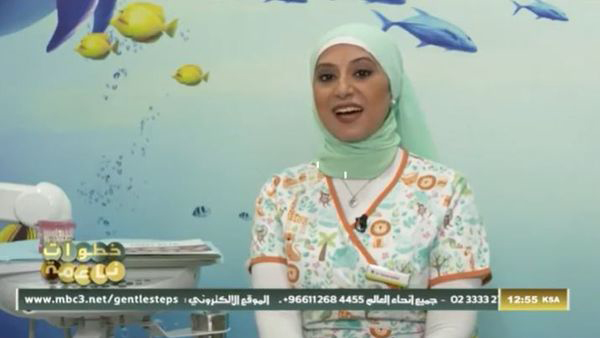
Children Orthodontics by Dr. Yasmin Kottait Pediatric Dentist in Dubai
A beautiful, healthy smile is one of the greatest gifts you can give your child. At myPediaClinic in Dubai, we are committed to helping children achieve optimal oral health and confident smiles through expert orthodontic care. Under the guidance of Dr. Yasmin Kottait, our skilled pediatric dentist, we offer comprehensive orthodontic assessments and treatments tailored specifically for children. We are pleased to offer a free dental assessment for children’s orthodontic needs, providing families with valuable insights into their child’s dental development and potential treatment options. This comprehensive guide explores the importance of early orthodontic evaluation, the benefits of timely intervention, the types of orthodontic issues we address, and why families across Dubai trust myPediaClinic for their children’s dental care.
Understanding Pediatric Orthodontics
Pediatric orthodontics is a specialized branch of dentistry focused on diagnosing, preventing, and treating dental and facial irregularities in children. While many people associate orthodontics primarily with teenagers and braces, the reality is that orthodontic evaluation and intervention can—and often should—begin much earlier. Understanding how children’s teeth and jaws develop helps parents make informed decisions about their child’s orthodontic care.
The Developing Smile: How Children’s Teeth and Jaws Grow
Children’s dental development is a complex process that unfolds over many years. Primary (baby) teeth typically begin erupting around six months of age, with all 20 primary teeth usually in place by age three. Around age six, children begin losing their primary teeth as permanent teeth start to emerge—a process that continues until the early teenage years when the full complement of 28 permanent teeth (or 32 with wisdom teeth) is typically present.
During this developmental period, the jaws are also growing and changing. The way teeth erupt and how the jaws develop in relation to each other can significantly impact a child’s bite, facial appearance, and overall oral health. Orthodontic issues can arise when teeth don’t emerge in proper alignment, when there’s a mismatch between jaw size and tooth size, or when habits like thumb-sucking affect dental development.
Why Children’s Orthodontics Differs from Adult Treatment
Treating orthodontic issues in children offers unique advantages compared to adult treatment. Children’s bones are still growing and more malleable, which means certain problems can be addressed more easily and with less invasive interventions. Early treatment can guide jaw growth, create space for crowded teeth, and prevent more serious problems from developing. At myPediaClinic, Dr. Yasmin Kottait specializes in understanding these developmental nuances and applying them to create optimal treatment outcomes.
The Importance of Early Orthodontic Assessment
The American Association of Orthodontists and similar professional organizations worldwide recommend that children have their first orthodontic evaluation by age seven. This recommendation often surprises parents, who may assume orthodontic concerns are only relevant for older children and teenagers. However, there are compelling reasons for early assessment.
Why Age Seven Is the Ideal Time for Assessment
By age seven, most children have a mix of primary and permanent teeth, which allows orthodontic specialists to evaluate how the teeth are developing and how the bite is forming. At this age, the first permanent molars have typically erupted, establishing what orthodontists call the “back bite.” The permanent incisors are also usually present, providing insight into crowding, spacing, and alignment issues.
An evaluation at this age doesn’t necessarily mean treatment will begin immediately. In many cases, the assessment will reveal that everything is developing normally, and the child simply needs monitoring over time. However, when problems are detected early, there’s a wider range of treatment options available, and interventions can often be simpler and more effective.
What Happens During an Orthodontic Assessment
During a comprehensive orthodontic assessment at myPediaClinic, Dr. Yasmin Kottait conducts a thorough examination of your child’s teeth, jaws, and facial structure. This evaluation may include visual inspection of the teeth and bite, assessment of jaw growth and development, review of dental and medical history, discussion of any habits that might affect dental development, and when indicated, diagnostic imaging such as X-rays.
Based on this assessment, Dr. Kottait will discuss her findings with you, explain any concerns, and outline potential treatment options if needed. For children who don’t require immediate treatment, she’ll recommend a monitoring schedule to track development and identify the optimal time for intervention if it becomes necessary.
Free Dental Assessment at myPediaClinic
We believe that every child deserves access to quality orthodontic evaluation, which is why myPediaClinic offers a free dental assessment for children’s orthodontic needs. This complimentary assessment provides families with valuable information about their child’s dental development without any financial barrier.
What’s Included in the Free Assessment
Our free orthodontic assessment includes a comprehensive examination by Dr. Yasmin Kottait, who will evaluate your child’s current dental development, identify any existing or potential orthodontic concerns, and discuss findings with you in detail. You’ll leave with a clear understanding of your child’s orthodontic status and any recommended next steps.
Who Should Take Advantage of This Offer
We encourage all parents of children aged seven and older who haven’t yet had an orthodontic evaluation to take advantage of this free assessment. Additionally, parents who have noticed any of the following should consider scheduling an assessment regardless of their child’s age: difficulty chewing or biting, mouth breathing, early or late loss of baby teeth, thumb-sucking or other oral habits past age five, crowded or misplaced teeth, jaws that shift or make sounds, and speech difficulties.
Benefits of Early Orthodontic Intervention
When orthodontic problems are identified and addressed early, the benefits can be substantial. Early intervention, also known as interceptive orthodontics or Phase 1 treatment, can make a significant difference in your child’s dental health and overall treatment experience.
Shorter Overall Treatment Duration
One of the most significant benefits of early intervention is the potential for shorter overall treatment time. When problems are addressed while the jaws are still growing, treatment can be more efficient. For example, creating space for crowded teeth before all permanent teeth have erupted may eliminate the need for tooth extraction later. Guiding jaw growth during childhood can reduce or eliminate the need for more extensive treatment in adolescence.
Less Complex and Less Invasive Treatment
Early treatment often allows for simpler, less invasive interventions. Problems that would require jaw surgery in adults can sometimes be corrected with growth modification appliances in children. Issues that would necessitate tooth extraction in teens might be preventable with early space management. By working with the natural growth process rather than against it, early intervention can achieve results that would be impossible or much more difficult to obtain later.
Improved Self-Esteem and Confidence
Dental appearance significantly impacts children’s self-esteem and social interactions. Children with noticeable orthodontic issues may experience teasing or feel self-conscious about their smiles. Early correction of visible problems can improve a child’s confidence during formative years, positively impacting their social and emotional development.
Better Oral Health Outcomes
Properly aligned teeth are easier to clean and maintain. Crowded or overlapping teeth create areas where plaque can accumulate, increasing the risk of cavities and gum disease. Misaligned bites can cause uneven wear on teeth and stress on the jaw joint. By correcting these issues early, we help establish conditions for better lifelong oral health.
Prevention of Dental Trauma
Children with protruding front teeth are at significantly higher risk of dental trauma during falls and accidents. Early orthodontic treatment to correct this protrusion can reduce the risk of broken or knocked-out teeth, potentially saving families from costly and emotionally difficult emergency dental situations.
Common Orthodontic Issues in Children
Dr. Yasmin Kottait and the team at myPediaClinic treat a wide range of orthodontic conditions in children. Understanding these common issues can help parents recognize when their child might benefit from an evaluation.
Crowding
Crowding occurs when there isn’t enough space in the jaw for all teeth to fit properly. This can result in overlapping, rotated, or displaced teeth. Crowding is one of the most common orthodontic problems and can range from mild to severe. Early intervention may include jaw expansion to create additional space, guiding the eruption of permanent teeth, or extracting selected baby teeth to allow permanent teeth to emerge in better positions.
Spacing
While crowding involves too little space, spacing issues involve excessive gaps between teeth. Some spacing is normal as children’s teeth develop, but persistent or excessive gaps may require treatment. Spacing can result from missing teeth, teeth that are smaller than average, or habits like tongue thrusting.
Crossbite
A crossbite occurs when upper teeth fit inside lower teeth rather than outside. This can happen with front teeth (anterior crossbite) or back teeth (posterior crossbite). Crossbites can cause uneven jaw growth, asymmetric facial development, and excessive wear on teeth. Early correction is often recommended to guide proper jaw development.
Overbite (Deep Bite)
An overbite, also called a deep bite, occurs when the upper front teeth overlap excessively with the lower front teeth. Severe overbites can cause the lower teeth to bite into the roof of the mouth, leading to discomfort and tissue damage. Overbites can also contribute to excessive wear on the front teeth.
Underbite
An underbite occurs when the lower front teeth protrude in front of the upper front teeth. This is often related to disproportionate jaw growth, with the lower jaw growing larger or faster than the upper jaw. Underbites can affect facial appearance and chewing function. Early intervention may help guide jaw growth to improve the relationship between the upper and lower jaws.
Open Bite
An open bite is present when the upper and lower teeth don’t touch when the mouth is closed, leaving a visible gap. Open bites are commonly associated with prolonged thumb-sucking, pacifier use, or tongue-thrusting habits. They can affect speech and make biting into certain foods difficult.
Protruding Teeth
Protruding front teeth, sometimes called “buck teeth,” extend forward beyond the normal position. This condition can be caused by skeletal factors, dental factors, or habits like thumb-sucking. Protruding teeth are vulnerable to trauma and can affect facial appearance and self-esteem.
Types of Orthodontic Treatments for Children
Orthodontic treatment for children has evolved significantly, with various options available depending on the specific issues being addressed and the child’s age and development stage.
Space Maintainers
When a baby tooth is lost prematurely due to decay or trauma, the surrounding teeth can shift into the empty space, creating problems for the permanent tooth trying to emerge. Space maintainers are simple devices that hold the space open until the permanent tooth is ready to erupt. This preventive measure can eliminate the need for more extensive treatment later.
Palatal Expanders
Palatal expanders are appliances that gradually widen the upper jaw to create more space for teeth or to correct crossbites. These devices work best in younger children whose jaw growth plates haven’t yet fused, which is why early treatment is advantageous for patients who need expansion. The expansion process is gradual and usually well-tolerated by children.
Growth Modification Appliances
For children with disproportionate jaw growth, various appliances can help guide development. Headgear can restrain upper jaw growth in cases of excessive protrusion. Functional appliances like the Herbst appliance or Twin Block can encourage lower jaw growth in children with underdeveloped lower jaws. These treatments are most effective during active growth periods.
Habit-Breaking Appliances
Oral habits like thumb-sucking and tongue thrusting can significantly impact dental development if they persist beyond early childhood. When behavioral approaches aren’t sufficient to break these habits, orthodontic appliances can help. These devices make the habit uncomfortable or impossible while the child naturally outgrows the urge.
Early Braces (Phase 1 Treatment)
In some cases, early braces may be recommended to address specific issues before all permanent teeth have erupted. Phase 1 treatment typically focuses on solving particular problems and creating better conditions for permanent teeth to emerge. After Phase 1, there’s usually a resting period before Phase 2 (comprehensive treatment) if needed.
Traditional Braces
Traditional metal braces remain one of the most effective orthodontic treatments for children. Modern braces are smaller, more comfortable, and more efficient than those of previous generations. They’re capable of treating virtually any orthodontic problem and are often the treatment of choice for comprehensive correction in older children and teenagers.
Clear Aligners for Older Children
For appropriate candidates, clear aligner systems offer a more discreet treatment option. These removable, nearly invisible trays gradually move teeth into proper alignment. While clear aligners are more commonly used in adults and older teens, newer systems are designed for younger patients with appropriate cases.
When to Start Orthodontic Treatment
The optimal timing for orthodontic treatment depends on the specific issues present and the child’s developmental stage. Dr. Yasmin Kottait carefully evaluates each patient to determine the ideal treatment timing.
Interceptive Treatment (Ages 6-10)
Interceptive or Phase 1 treatment is typically performed between ages 6 and 10, when children still have a mix of primary and permanent teeth. This early treatment is recommended when specific problems are present that will be easier to correct during this window of opportunity. Common reasons for interceptive treatment include severe crowding, crossbites affecting jaw growth, protruding teeth at high risk for trauma, and harmful oral habits.
Comprehensive Treatment (Ages 11-14)
Comprehensive orthodontic treatment is typically performed after all or most permanent teeth have erupted, usually between ages 11 and 14. This is the traditional timeframe for braces and is appropriate for addressing a wide range of orthodontic issues. Many children who had interceptive treatment will also need comprehensive treatment, though it’s often shorter and simpler than it would have been without early intervention.
Monitoring Without Treatment
For many children evaluated at age seven, the recommendation will be monitoring rather than immediate treatment. This doesn’t mean the assessment was unnecessary—on the contrary, it confirms that development is on track and establishes a baseline for future comparisons. Dr. Kottait will recommend appropriate follow-up intervals to ensure any emerging issues are caught early.
Dr. Yasmin Kottait: Expert Pediatric Dentist and Orthodontist
At myPediaClinic, Dr. Yasmin Kottait leads our pediatric dental and orthodontic services with expertise, compassion, and a genuine dedication to children’s wellbeing.
Education and Professional Background
Dr. Yasmin Kottait completed her dental education and specialized training with distinction, developing expertise in both pediatric dentistry and orthodontics. Her dual specialization allows her to provide comprehensive care that addresses both general dental health and orthodontic needs, ensuring a coordinated approach to your child’s oral health.
Child-Centered Approach
What truly sets Dr. Kottait apart is her natural rapport with children. She understands that dental visits can be anxiety-provoking for young patients, and she has developed techniques to help children feel comfortable and even enjoy their appointments. Her gentle manner, combined with age-appropriate explanations, helps children understand their treatment and become active participants in their dental care.
Commitment to Continuing Education
Orthodontics is a continually evolving field, with new techniques, materials, and technologies emerging regularly. Dr. Kottait is committed to staying current with the latest advances through continuing education, professional conferences, and collaboration with colleagues worldwide. This commitment ensures that patients at myPediaClinic benefit from the most up-to-date, evidence-based treatment approaches.
The Orthodontic Treatment Process at myPediaClinic
Understanding what to expect from orthodontic treatment can help families prepare for the journey ahead.
Initial Consultation and Assessment
The process begins with a comprehensive assessment, which is offered free of charge at myPediaClinic. During this appointment, Dr. Kottait examines your child’s teeth, jaws, and facial structure. She may recommend diagnostic records, including X-rays and photographs, to complete her evaluation. Based on her findings, she’ll discuss any concerns and potential treatment options with you.
Treatment Planning
If treatment is recommended, Dr. Kottait develops a detailed treatment plan tailored to your child’s specific needs and goals. This plan outlines the proposed treatment approach, estimated duration, and expected outcomes. She takes time to explain the plan thoroughly, ensuring you understand each aspect and can make an informed decision.
Active Treatment Phase
Once treatment begins, your child will have regular appointments for adjustments and monitoring. The frequency of these appointments depends on the type of treatment but typically ranges from every four to eight weeks. During these visits, Dr. Kottait assesses progress, makes necessary adjustments, and addresses any concerns.
Retention Phase
After active treatment is complete and teeth are in their ideal positions, the retention phase begins. Retainers are essential for maintaining treatment results, as teeth have a natural tendency to shift back toward their original positions. Dr. Kottait will recommend an appropriate retention protocol and monitor your child’s smile to ensure lasting results.
Why Choose myPediaClinic for Children’s Orthodontics
Families across Dubai choose myPediaClinic for their children’s orthodontic needs for many reasons.
Expertise in Pediatric Care
At myPediaClinic, children aren’t just small adults—we understand that they have unique needs and require specialized care. Our entire team is trained in working with children, from creating a welcoming environment to using communication techniques that help young patients feel comfortable and engaged.
Comprehensive Services Under One Roof
As a full-service pediatric clinic, myPediaClinic offers more than orthodontics. Our integrated approach means your child can receive general pediatric dental care, orthodontic treatment, and pediatric medical services all in one convenient location. This coordination ensures comprehensive care and makes life easier for busy families.
State-of-the-Art Facilities
Our clinic features modern equipment and technology to provide the highest standard of care. From digital imaging that reduces radiation exposure to innovative treatment options, we invest in the tools that allow us to deliver excellent results.
Patient-Centered Communication
We believe that informed patients and families make better healthcare decisions. Dr. Kottait takes time to explain findings, discuss options, and answer questions thoroughly. We want you to feel confident in the treatment decisions you make for your child.
Frequently Asked Questions About Children’s Orthodontics
At what age should my child first see an orthodontist?
The American Association of Orthodontists recommends that children have their first orthodontic evaluation by age seven. At this age, most children have a mix of baby and permanent teeth that allows the orthodontist to assess how teeth and jaws are developing. Early evaluation doesn’t mean early treatment—many children are simply monitored until the optimal time for intervention. However, when problems are detected early, treatment can often be simpler and more effective.
What is included in the free dental assessment at myPediaClinic?
Our free dental assessment includes a comprehensive examination by Dr. Yasmin Kottait, who will evaluate your child’s teeth, bite, jaw development, and facial structure. She will discuss her findings with you, identify any current or potential orthodontic concerns, and recommend appropriate next steps. This assessment provides valuable information about your child’s dental development with no financial obligation.
How long does children’s orthodontic treatment typically take?
Treatment duration varies depending on the complexity of the case and the type of treatment required. Interceptive (Phase 1) treatment typically lasts 6-18 months. Comprehensive treatment usually takes 18-24 months on average, though some cases may be shorter or longer. Early intervention can often reduce overall treatment time by addressing problems when they’re easier to correct. Dr. Kottait will provide a more specific estimate after evaluating your child.
Will my child need to have teeth extracted for orthodontic treatment?
Not necessarily. While extraction was once common in orthodontic treatment, modern techniques and early intervention have reduced the need for extraction in many cases. By creating space through jaw expansion and guiding tooth eruption, extraction can often be avoided. However, some cases still benefit from strategic extraction. Dr. Kottait will thoroughly explain all options and recommend the approach that will achieve the best results for your child.
Are braces painful for children?
Modern braces are more comfortable than ever, but some discomfort is normal, especially after initial placement and adjustments. Children typically experience mild soreness for a few days as their teeth begin to move. This discomfort is manageable with over-the-counter pain relievers and soft foods. Most children adapt quickly and find that any discomfort is minor compared to the benefits of treatment. Dr. Kottait and our team provide guidance on managing any discomfort during treatment.
Can my child play sports with braces?
Yes, children can continue playing sports while wearing braces. We do recommend wearing an orthodontic mouthguard during contact sports or activities with a risk of facial injury. Orthodontic mouthguards are specifically designed to fit over braces and provide protection for both the teeth and soft tissues. Dr. Kottait can recommend appropriate protective gear based on your child’s activities.
What foods should my child avoid with braces?
Children with braces should avoid hard, sticky, and chewy foods that can damage brackets or wires. This includes hard candies, caramel, gummy candies, popcorn, nuts, ice, and hard chips. Hard fruits and vegetables like apples and carrots should be cut into small pieces rather than bitten into. Our team provides detailed dietary guidelines and tips for maintaining good nutrition while protecting orthodontic appliances.
How do I know if my child needs early orthodontic treatment?
Signs that may indicate a need for early orthodontic evaluation include early or late loss of baby teeth, difficulty chewing or biting, mouth breathing, thumb-sucking or other oral habits past age five, crowded or misplaced teeth, jaws that shift or make sounds, protruding teeth, and teeth that don’t meet properly when the mouth closes. If you notice any of these signs, schedule an assessment with Dr. Kottait to determine if early treatment would be beneficial.
What is the difference between Phase 1 and Phase 2 orthodontic treatment?
Phase 1 (interceptive) treatment is performed while children still have a mix of baby and permanent teeth, typically between ages 6-10. It addresses specific problems that benefit from early correction, such as crossbites or severe crowding. Phase 2 (comprehensive) treatment occurs after all permanent teeth have erupted, usually in early adolescence. It provides complete correction of tooth alignment and bite. Some children need only Phase 1 or Phase 2, while others benefit from both.
Does insurance cover children’s orthodontic treatment?
Many dental insurance plans include orthodontic benefits for children, though coverage varies significantly between plans. Some plans cover a percentage of treatment costs up to a lifetime maximum. Our administrative team can help you understand your insurance benefits and provide cost estimates. We also offer payment plans to help make treatment accessible to families. Please contact myPediaClinic to discuss financial options for your child’s orthodontic care.
Investing in Your Child’s Smile: The Lifelong Benefits
Orthodontic treatment for children is an investment that pays dividends throughout their lives. Beyond the obvious aesthetic benefits of a beautiful smile, proper tooth alignment and bite function contribute to better oral health, easier dental hygiene, reduced risk of dental problems, improved speech, and enhanced self-confidence.
The decision to pursue orthodontic treatment is significant, and we want families to feel confident in their choice. At myPediaClinic, we are committed to providing the information, expertise, and compassionate care families need to make the best decisions for their children’s dental health.
Schedule Your Child’s Free Orthodontic Assessment Today
Whether your child is showing signs of orthodontic issues or you simply want the peace of mind that comes from professional evaluation, we invite you to take advantage of our free dental assessment for children’s orthodontic needs.
Dr. Yasmin Kottait and the team at myPediaClinic are ready to welcome your family and help your child achieve a healthy, beautiful smile. With early evaluation and, when needed, timely intervention, we can help ensure optimal dental development and set the stage for a lifetime of confident smiles.
Contact myPediaClinic today to schedule your child’s free orthodontic assessment. Call us, book online, or reach out via WhatsApp. Your child’s best smile is waiting!