

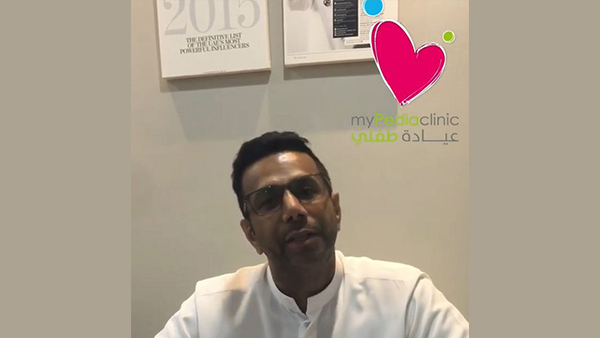
The Famous Composer Fayez Al Saeed Shares His Message About Child Health and Wellness
When renowned composer and musician Fayez Al Saeed speaks, people listen. Known throughout the Arab world for his musical genius and contributions to Arabic culture, Al Saeed has touched hearts through his artistry for decades. But beyond his musical legacy, he’s also a passionate advocate for children’s health and well-being—a message that resonates deeply with families in Dubai and across the region.
At myPediaClinic in Dubai, we share Fayez Al Saeed’s commitment to promoting children’s health. Our team, led by Dr. Medhat Abu-Shaaban and Dr. Yasmin Kottait, works every day to ensure children throughout Dubai receive the highest quality pediatric care. When influential figures like Fayez Al Saeed lend their voice to promoting child health awareness, it amplifies the critical message that every child deserves access to proper nutrition, medical care, and the opportunity to thrive.
In this comprehensive article, we explore the powerful connection between public advocacy and child health, the importance of the messages that cultural leaders like Fayez Al Saeed promote, and how families in Dubai can apply these principles to support their own children’s health and development.
Who is Fayez Al Saeed? A Cultural Icon’s Legacy
For those unfamiliar with his work, Fayez Al Saeed is a celebrated composer whose musical compositions have shaped Arabic music and culture. His work spans traditional and contemporary styles, creating a bridge between generations and preserving cultural heritage while embracing innovation.
Throughout his career, Al Saeed has used his platform not only to create beautiful music but also to advocate for important social causes, including education, cultural preservation, and children’s welfare. His recognition that healthy children are the foundation of a healthy society has made him a valued voice in discussions about pediatric health and child development.
In the UAE and broader Arab world, cultural and artistic leaders like Fayez Al Saeed hold significant influence. When they speak about children’s health and nutrition, their messages reach audiences who might not otherwise engage with these topics. This cultural bridge-building is invaluable in promoting public health awareness and encouraging families to prioritize their children’s well-being.
The Power of Celebrity Advocacy in Child Health
Celebrity and cultural figure advocacy plays a crucial role in public health awareness. When respected figures like Fayez Al Saeed publicly support children’s health initiatives, several important things happen:
Increased awareness: Celebrity endorsement brings attention to health issues that might otherwise go unnoticed by the general public. When Fayez Al Saeed talks about child nutrition or health, his followers—many of whom are parents and caregivers—are more likely to pay attention and take action.
Reducing stigma: In some communities, seeking medical care or acknowledging health challenges can carry stigma. When respected public figures normalize discussions about children’s health, it helps break down these barriers and encourages families to seek appropriate care.
Cultural relevance: Health messages delivered by culturally relevant figures are more likely to resonate with their audiences. Fayez Al Saeed, as an Arab cultural icon, can communicate the importance of child health in ways that feel authentic and relevant to families in the region.
Inspiring action: Celebrity advocacy doesn’t just raise awareness—it motivates people to take action. Whether that means scheduling a well-child visit at myPediaClinic, improving family nutrition, or ensuring children receive proper vaccinations, the influence of respected voices can translate into meaningful health behaviors.
Dr. Medhat Abu-Shaaban at myPediaClinic has observed that when parents in Dubai hear health messages from multiple sources—medical professionals, educators, and cultural leaders—they’re more likely to internalize and act on that information. This multi-pronged approach to health education is particularly effective in diverse communities like Dubai.
Core Messages About Child Health That Matter
While we celebrate Fayez Al Saeed’s advocacy, the specific messages about child health that he and other advocates promote deserve deep exploration. Here are the fundamental principles of child health that every family in Dubai should understand:
Nutrition as Foundation
Proper nutrition during childhood isn’t just about preventing hunger—it’s about providing the building blocks for optimal growth, development, and lifelong health. Children’s nutritional needs are unique and change as they grow, requiring thoughtful attention from parents and caregivers.
In the first year of life, breast milk or formula provides complete nutrition. The World Health Organization and pediatricians worldwide, including our team at myPediaClinic, recommend exclusive breastfeeding for the first six months when possible, followed by the introduction of nutritious solid foods while continuing breastfeeding up to two years or beyond.
As children transition to solid foods and family meals, the quality and variety of their diet become increasingly important. A balanced diet rich in fruits, vegetables, whole grains, lean proteins, and healthy fats supports not just physical growth but also brain development, immune function, and the establishment of healthy eating patterns that last a lifetime.
Dubai’s multicultural environment offers wonderful opportunities for children to experience diverse, nutritious foods from various culinary traditions. However, the prevalence of processed foods, sugary drinks, and fast food also presents challenges. Teaching children to appreciate wholesome, nutritious foods while living in an environment with abundant less-healthy options requires intention and consistency from parents.
Dr. Yasmin Kottait at myPediaClinic emphasizes that nutrition also affects dental health. Excessive sugar consumption, frequent snacking, and prolonged bottle use can all contribute to early childhood cavities, which can affect not just oral health but also children’s overall nutrition, speech development, and self-esteem.
Preventive Healthcare
One of the most important messages advocates like Fayez Al Saeed promote is the critical importance of preventive healthcare. Many serious childhood illnesses can be prevented through proper medical care, including:
Regular well-child visits: These appointments aren’t just for when your child is sick. Regular check-ups allow pediatricians to monitor growth and development, catch potential problems early, provide age-appropriate guidance to parents, and ensure children are meeting developmental milestones. At myPediaClinic in Dubai, we follow international guidelines for well-child visit schedules, typically seeing babies very frequently in the first year of life and less frequently as children get older.
Vaccinations: Immunizations are one of the greatest public health achievements of the modern era, preventing millions of deaths and serious illnesses each year. The UAE has an excellent vaccination program, and vaccines are readily available throughout Dubai. Following the recommended immunization schedule protects not just individual children but also the broader community through herd immunity.
Developmental screening: Identifying developmental delays or concerns early allows for timely intervention, which can make a tremendous difference in outcomes. During well-child visits, pediatricians assess various aspects of development—motor skills, language, social-emotional development, and cognitive abilities—and can refer families to specialists if concerns arise.
Dental care: Oral health is an integral part of overall health. Children should have their first dental visit by age one or within six months of their first tooth erupting. Regular dental check-ups, proper oral hygiene at home, and appropriate nutrition all contribute to healthy teeth and gums.
Dr. Medhat Abu-Shaaban notes that preventive care is particularly important in Dubai’s diverse population, where families may come from countries with different healthcare systems and varying levels of access to pediatric care. Ensuring all children in Dubai receive comprehensive preventive care is a priority for myPediaClinic and the broader healthcare community.
Mental and Emotional Well-being
Increasingly, child health advocates recognize that health encompasses not just physical wellness but also mental and emotional well-being. Children’s mental health affects their ability to learn, form relationships, regulate emotions, and develop into healthy adults.
Factors that support children’s mental health include secure attachment to caregivers, consistent routines and expectations, opportunities for play and creativity, positive social relationships with peers, appropriate academic challenges and support, and healthy ways of managing stress and emotions.
In Dubai’s fast-paced, achievement-oriented environment, children can sometimes face significant pressure to excel academically and in extracurricular activities. While high expectations can be beneficial, they must be balanced with adequate rest, unstructured play time, and emotional support from parents and caregivers.
Signs that a child might be struggling emotionally include changes in eating or sleeping patterns, withdrawal from previously enjoyed activities, increased irritability or emotional outbursts, declining academic performance, physical complaints without medical cause, and excessive worry or anxiety. At myPediaClinic, our pediatricians are trained to screen for mental health concerns and can refer families to appropriate specialists when needed.
Physical Activity and Movement
In an era of screens, structured schedules, and indoor living (particularly relevant in Dubai’s hot climate), ensuring children get adequate physical activity requires intentional effort from families. Regular physical activity supports healthy weight, strong bones and muscles, cardiovascular health, better sleep, improved mood and mental health, and development of motor skills and coordination.
Guidelines recommend that toddlers and preschoolers be physically active throughout the day, children and adolescents get at least 60 minutes of moderate to vigorous physical activity daily, and all children should limit sedentary screen time.
Dubai offers many opportunities for children’s physical activity, from parks and playgrounds to swimming facilities, sports programs, and family-friendly outdoor spaces. Taking advantage of these resources, particularly during the cooler months, helps children establish lifelong patterns of physical activity.
Sleep and Rest
Adequate sleep is fundamental to children’s health, yet many children don’t get enough. Sleep supports growth (growth hormone is released during deep sleep), brain development and learning, immune function, emotional regulation, and healthy weight.
Sleep needs vary by age: newborns need 14-17 hours per day, infants (4-12 months) need 12-16 hours including naps, toddlers (1-2 years) need 11-14 hours including naps, preschoolers (3-5 years) need 10-13 hours including naps, school-age children (6-12 years) need 9-12 hours, and teenagers need 8-10 hours.
Establishing consistent bedtime routines, creating sleep-conducive environments (cool, dark, quiet), limiting screen time before bed, and maintaining regular sleep-wake schedules all support healthy sleep patterns. Dr. Medhat Abu-Shaaban can provide guidance on addressing sleep problems, which are among the most common concerns parents bring to pediatric appointments.
Applying Child Health Principles in Dubai Families
Understanding the importance of child health is one thing; implementing healthy practices in daily family life is another. Here are practical ways Dubai families can apply fundamental child health principles:
Create a Health-Promoting Home Environment
Your home environment significantly influences your children’s health behaviors. Stock your kitchen with nutritious foods and make healthy options easily accessible. Limit processed snacks and sugary drinks. Establish designated screen-free zones (like bedrooms and dining areas) and screen-free times (like during meals and before bed). Create spaces that encourage physical activity, whether that’s a dedicated play area or simply keeping active toys accessible. Maintain consistent routines around meals, bedtime, and other daily activities. Model healthy behaviors yourself—children learn far more from what they see you do than from what they hear you say.
Prioritize Family Meals
Research consistently shows that regular family meals benefit children’s nutrition, academic performance, and emotional well-being. Aim to eat together as a family as often as possible, even if it’s just breakfast on busy weekdays. Use mealtimes as opportunities to connect, not lecture. Keep the atmosphere positive. Offer a variety of nutritious foods without forcing children to eat specific items. Involve children in meal planning and age-appropriate food preparation.
In Dubai’s international community, family meals can also be opportunities to celebrate cultural food traditions and help children develop appreciation for diverse cuisines.
Establish Healthcare Partnerships
Choose a pediatric clinic and pediatrician you trust, like myPediaClinic, and build an ongoing relationship. Don’t wait until your child is sick to establish care. Attend all recommended well-child visits. Keep vaccination records organized and up to date. Don’t hesitate to ask questions or voice concerns during appointments. Follow through with referrals and recommendations from your pediatrician.
Having a trusted healthcare provider who knows your child and family makes it easier to address health concerns quickly and appropriately when they arise.
Balance Structure with Flexibility
Children thrive on routine and predictability, but they also need flexibility and opportunities for unstructured play and creativity. Create consistent daily routines around essential activities like meals, bedtime, and homework. Build in unstructured free time for imaginative play and exploration. Allow children to experience appropriate boredom, which can spark creativity. Balance structured activities (sports, music lessons, etc.) with downtime. Adjust expectations and routines as needed based on your child’s individual needs and temperament.
Foster Resilience and Emotional Skills
Teaching children to manage emotions, cope with stress, and bounce back from disappointment is as important as any physical health practice. Acknowledge and validate your child’s emotions rather than dismissing them. Help children name their feelings and understand the connection between emotions and physical sensations. Teach and model healthy coping strategies for managing difficult emotions. Allow children to experience appropriate challenges and occasional failure, which builds resilience. Provide unconditional love and support even when addressing behavioral issues.
The Role of Community in Supporting Child Health
Child health isn’t solely a family responsibility—communities play a crucial role in supporting children’s well-being. Dubai’s diverse, international community offers unique opportunities for collective support of children’s health:
Schools and nurseries: Educational institutions can promote health through nutrition policies, physical education programs, mental health support, and health education curriculum.
Healthcare facilities: Clinics like myPediaClinic provide not just treatment but also education, screening, and resources for families.
Community organizations: Sports clubs, cultural centers, religious institutions, and other community groups can promote children’s physical activity, social connection, and sense of belonging.
Government initiatives: Public health campaigns, playground development, healthy food initiatives, and healthcare access programs all contribute to community-level support for child health.
Cultural leaders: Figures like Fayez Al Saeed who use their platform to promote child health create cultural momentum around prioritizing children’s well-being.
When families, healthcare providers, schools, community organizations, and cultural leaders all work together toward the common goal of supporting children’s health, the impact is far greater than any single entity could achieve alone.
Frequently Asked Questions About Child Health and Wellness
Why do public figures’ messages about child health matter?
Public figures like Fayez Al Saeed have platforms that reach large, diverse audiences. When they advocate for children’s health, they raise awareness, normalize health-seeking behaviors, and inspire action in ways that healthcare providers alone cannot. Their cultural relevance means their messages resonate particularly strongly with their communities. Research shows that health messages are most effective when delivered through multiple channels—medical providers, educators, media, and respected public figures. Celebrity advocacy complements medical advice and helps create a culture where children’s health is prioritized and valued.
What are the most important aspects of child health that parents should focus on?
While all aspects of health are interconnected, key priorities include nutrition (providing balanced, nutritious meals and teaching healthy eating habits), preventive healthcare (attending well-child visits and keeping vaccinations current), adequate sleep (ensuring age-appropriate amounts of quality sleep), physical activity (encouraging daily movement and limiting sedentary time), emotional well-being (supporting mental health and teaching emotional regulation skills), and safety (preventing injuries and creating safe environments). At myPediaClinic Dubai, Dr. Medhat Abu-Shaaban helps families understand how these elements work together to support children’s overall health and development.
How can busy families in Dubai prioritize child health?
Even with demanding schedules, families can support children’s health by establishing consistent routines (which actually save time by reducing decision fatigue), meal planning and batch cooking nutritious foods, choosing activities that promote both quality family time and physical activity, scheduling well-child appointments in advance and treating them as non-negotiable, teaching children age-appropriate self-care skills so they become partners in their own health, and letting go of perfection—doing your best consistently is far more important than occasional perfect days. Remember that small, sustainable changes have more lasting impact than dramatic overhauls that aren’t maintainable.
What role does nutrition play in children’s overall development?
Nutrition affects virtually every aspect of children’s development. Physically, adequate nutrition supports appropriate growth, bone density, muscle development, and immune function. Brain development, particularly in the first few years of life, is highly dependent on proper nutrition—certain nutrients like iron, omega-3 fatty acids, and protein are especially critical for cognitive development. Nutritional status affects learning and academic performance, with undernourished or iron-deficient children often experiencing difficulty concentrating and learning. Emotional regulation and behavior can be influenced by nutrition, with blood sugar fluctuations from irregular meals or excessive sugar affecting mood and behavior. Long-term health is established in childhood through nutritional patterns that either protect against or increase risk for chronic diseases. Dr. Yasmin Kottait at myPediaClinic notes that nutrition also significantly impacts oral health and dental development.
How often should children visit a pediatrician?
Well-child visit frequency varies by age. Infants typically have very frequent visits—often at 2-4 days after birth, 1 month, 2 months, 4 months, 6 months, 9 months, and 12 months. Toddlers usually visit at 15 months, 18 months, and 24 months, then annually. Preschool and school-age children generally need annual well-child visits. Adolescents should continue annual visits even when healthy. Additional visits may be needed for illness, injury, developmental concerns, or chronic condition management. At myPediaClinic in Dubai, we follow international guidelines while also tailoring visit schedules to individual children’s needs and family circumstances.
What can parents do to support their children’s mental and emotional health?
Supporting children’s mental health involves creating secure attachment through responsive, consistent caregiving, maintaining predictable routines while allowing appropriate flexibility, acknowledging and validating emotions rather than dismissing or minimizing them, teaching emotional vocabulary and coping skills, balancing expectations with support and encouragement, limiting stress and pressure while still providing appropriate challenges, ensuring adequate sleep and nutrition (which significantly affect mood and emotional regulation), fostering positive social connections with peers, and modeling healthy emotional expression and stress management. Watch for warning signs like persistent sadness, anxiety, behavioral changes, or withdrawal from activities, and don’t hesitate to seek professional support when needed. Mental health is as important as physical health.
How can families balance screen time with other activities?
Managing screen time requires clear family policies and consistent enforcement. The American Academy of Pediatrics recommends no screen time for children under 18 months (except video chatting), limited, high-quality programming for children 18-24 months (with parent co-viewing), no more than one hour per day of high-quality programs for children 2-5 years, and consistent limits on screen time for older children, ensuring it doesn’t interfere with sleep, physical activity, or family time. Create screen-free zones (bedrooms, dining areas) and times (meals, before bed). Prioritize interactive, educational content over passive viewing. Model healthy screen use yourself. Provide engaging alternatives like books, outdoor play, creative activities, and family games. Use parental controls to manage content and time limits. Remember that not all screen time is equal—video chatting with grandparents or educational programs are very different from mindless scrolling or violent games.
What makes myPediaClinic in Dubai a good choice for children’s healthcare?
myPediaClinic offers comprehensive pediatric care from experienced specialists like Dr. Medhat Abu-Shaaban and Dr. Yasmin Kottait. We provide well-child care including developmental screening and growth monitoring, sick-child care for acute illnesses and injuries, vaccination programs following international guidelines, specialized services including pediatric dentistry, nutrition guidance, and specialist referrals when needed, and a family-centered approach that respects cultural diversity and individual family needs. Our convenient Dubai location, modern facilities, and commitment to evidence-based care make us a trusted choice for families throughout the UAE. We understand the unique needs of Dubai’s international community and provide care that’s culturally sensitive and individually tailored.
How important is cultural identity in children’s health and well-being?
Cultural identity is an important component of children’s overall well-being. A strong sense of cultural identity contributes to self-esteem and sense of belonging, provides connection to family heritage and history, offers values and frameworks for understanding the world, creates opportunities for community connection and support, and builds resilience through sense of rootedness and identity. In Dubai’s multicultural environment, children have opportunities to appreciate diverse cultures while maintaining connections to their own heritage. Parents can support cultural identity by sharing family traditions and cultural practices, teaching heritage language, cooking traditional foods together, celebrating cultural holidays, and connecting with cultural community groups. At the same time, helping children appreciate and respect other cultures prepares them to thrive in diverse environments. Cultural identity and multicultural competence aren’t mutually exclusive—both can be nurtured simultaneously.
What are the most common child health concerns in Dubai?
Based on our experience at myPediaClinic, common pediatric health concerns in Dubai include respiratory infections (particularly during school terms and with air conditioning use), vitamin D deficiency (despite abundant sunshine, due to indoor lifestyles and sun avoidance), dental cavities (from high sugar consumption and inadequate oral hygiene), childhood obesity (from sedentary lifestyles and poor nutrition), allergies and asthma (from various environmental factors), and developmental and behavioral concerns. The hot climate also means that heat-related issues, sun protection, and hydration are ongoing concerns. Families new to Dubai may also face adjustment challenges affecting children’s emotional well-being. Understanding these common concerns helps families take preventive measures and recognize when to seek medical attention.
How can parents teach children healthy habits that will last a lifetime?
Establishing lifelong healthy habits involves starting early (habits formed in childhood are most likely to persist), modeling desired behaviors (children learn by watching parents far more than by listening to words), making health behaviors routine rather than optional (like brushing teeth or eating vegetables), explaining the “why” behind health practices in age-appropriate ways, involving children in health-related decisions and activities, providing positive reinforcement for healthy choices, avoiding using food as reward or punishment, creating environments that support healthy choices, and being patient and consistent. Remember that children won’t always make perfect choices, and that’s okay—the goal is establishing general patterns, not perfection. Dr. Medhat Abu-Shaaban emphasizes that health is a lifelong journey, and childhood is when the foundation is built.
What should parents know about childhood vaccinations?
Vaccinations are among the most important preventive health measures available. They protect against serious, potentially life-threatening diseases, are thoroughly tested for safety and effectiveness, are recommended by virtually all major medical and public health organizations worldwide, protect not just individual children but also community members who can’t be vaccinated, and have dramatically reduced childhood illness and death from preventable diseases. The UAE has an excellent vaccination program, and recommended vaccines are readily available throughout Dubai. Common mild side effects (soreness at injection site, low-grade fever) are far outweighed by benefits. At myPediaClinic, we follow international vaccination schedules and can address any concerns parents have about vaccine safety or timing. Keeping your child’s vaccinations up to date is one of the most important things you can do to protect their health.
How does the Dubai lifestyle specifically impact children’s health?
Dubai’s unique environment creates both opportunities and challenges for child health. The hot climate encourages indoor, air-conditioned living, which can reduce physical activity and vitamin D production (despite abundant sunshine). The multicultural environment offers exposure to diverse foods and cultures, enriching children’s experiences. However, the prevalence of processed foods and fast food can negatively impact nutrition. Dubai’s achievement-oriented culture can create beneficial motivation but also potentially excessive pressure on children. Excellent healthcare access, including facilities like myPediaClinic, supports good medical care, but busy expat lifestyles can make it challenging to prioritize preventive care and family time. Understanding these specific contextual factors helps families make conscious choices that support their children’s health within Dubai’s unique environment.
What role does sleep play in children’s behavior and learning?
Sleep is fundamental to virtually every aspect of children’s functioning. Adequate sleep supports learning and memory consolidation (information learned during the day is processed and stored during sleep), attention and concentration, emotional regulation (sleep-deprived children are more irritable, have more emotional outbursts, and difficulty managing feelings), physical growth (growth hormone is released during deep sleep), immune function, healthy weight regulation, and safety (drowsy children are more accident-prone). Insufficient sleep is associated with behavioral problems, academic difficulties, increased obesity risk, and mental health concerns. Many behavioral and learning problems that appear complex actually improve dramatically when children’s sleep is addressed. At myPediaClinic, we routinely assess sleep as part of well-child care and can provide guidance on establishing healthy sleep patterns.
How can parents help children develop healthy relationships with food?
Fostering a healthy relationship with food involves offering a variety of nutritious foods without forcing children to eat specific items or amounts, allowing children to listen to their own hunger and fullness cues, avoiding using food as reward, punishment, or comfort, modeling healthy eating behaviors yourself, involving children in age-appropriate meal planning and preparation, keeping mealtimes pleasant and pressure-free, not labeling foods as “good” or “bad” but rather teaching about nutrition in positive ways, exposing children repeatedly to new foods without pressure (it often takes many exposures before children accept new foods), and avoiding making separate “kid meals”—children can eat what the family eats, perhaps with modifications for developmental appropriateness. These practices help children develop internal regulation around eating rather than relying on external rules, supporting healthy eating throughout life.
What should parents do if they’re concerned about their child’s development?
If you have concerns about your child’s development—whether related to motor skills, language, social abilities, or any other area—trust your instincts and seek professional evaluation. Schedule an appointment with your pediatrician at myPediaClinic to discuss specific concerns. Bring notes about the behaviors or delays you’ve observed. Your pediatrician can conduct developmental screening, observe your child, and determine whether further evaluation or referral to specialists is warranted. Early identification and intervention for developmental delays significantly improves outcomes, so it’s always better to raise concerns and be reassured than to wait and worry. Remember that children develop at different rates and that some variation is normal, but persistent concerns should be professionally evaluated. Dr. Medhat Abu-Shaaban and our team are experienced in developmental assessment and can guide you through next steps if concerns are identified.
How can cultural and religious practices be incorporated into child health approaches?
Healthcare should respect and incorporate families’ cultural and religious values. At myPediaClinic, we serve Dubai’s diverse, multicultural community and understand the importance of culturally sensitive care. This includes respecting dietary practices and restrictions (halal requirements, vegetarianism, fasting practices for older children), understanding cultural perspectives on health, illness, and medical care, accommodating modesty preferences and gender-related considerations, recognizing the role of extended family in child-rearing decisions, respecting religious practices and their integration with healthcare, and providing care that aligns with cultural values while meeting medical standards. Good pediatric care isn’t one-size-fits-all—it’s individualized to each child and family. Don’t hesitate to discuss your cultural or religious needs and preferences with your healthcare providers so we can work together to provide care that respects your values while supporting your child’s health.
What resources are available in Dubai for supporting children’s health beyond medical care?
Dubai offers numerous resources for families: parks and playgrounds throughout the city for outdoor activity, swimming facilities and sports programs, libraries with children’s sections and reading programs, museums and cultural centers with family programs, community centers offering various activities, parent support groups and parenting education programs, school-based health and nutrition programs, and online resources from reputable health organizations. myPediaClinic can also provide referrals to specialists, therapists, nutritionists, and other professionals when needed. Building a network of support—including healthcare providers, educators, community resources, and other families—provides comprehensive support for your children’s health and well-being. Don’t hesitate to reach out and connect with available resources.
Moving Forward: Implementing Health Messages in Daily Life
The messages that advocates like Fayez Al Saeed promote about children’s health are valuable only when families can translate them into daily practice. Here are final thoughts on implementing healthy practices:
Start where you are: You don’t need to overhaul your entire family life overnight. Choose one or two areas to focus on and build from there. Small, consistent changes create lasting transformation.
Focus on progress, not perfection: No family gets everything right all the time. What matters is the overall pattern of your choices, not individual moments.
Seek support: You don’t have to navigate parenting and child health alone. Build relationships with healthcare providers like those at myPediaClinic, connect with other families, and don’t hesitate to ask for help when you need it.
Stay informed: Child health recommendations evolve as new research emerges. Stay connected with reliable sources of information, including your pediatrician, to ensure you’re following current best practices.
Remember your influence: As a parent, you are the most important influence on your child’s health. The choices you make, the environment you create, and the habits you model have profound, lasting impact.
Conclusion: Every Child Deserves Health and Wellness
When cultural icons like Fayez Al Saeed use their platforms to advocate for children’s health, they remind us of a fundamental truth: our children are our most precious resource, and their health and well-being should be our highest priority. This message resonates across cultures, languages, and backgrounds—every child deserves the opportunity to grow up healthy, well-nourished, and supported.
At myPediaClinic in Dubai, we’re committed to making this vision a reality for every child we serve. Dr. Medhat Abu-Shaaban, Dr. Yasmin Kottait, and our entire team work every day to provide comprehensive, compassionate pediatric care that supports children’s health and development.
Whether you’re seeking routine well-child care, addressing specific health concerns, or looking for guidance on supporting your child’s overall wellness, myPediaClinic is here for you. Our experienced team combines medical expertise with cultural sensitivity and genuine care for children and families.
We invite you to join us in prioritizing children’s health—not just in words, but in action. Schedule an appointment with myPediaClinic today and experience the difference that comprehensive, family-centered pediatric care can make. Together, we can ensure that every child in Dubai has the foundation of good health they need to thrive, learn, grow, and reach their full potential.
Contact myPediaClinic Dubai to schedule your appointment and become part of a community dedicated to children’s health and wellness. Because when we invest in children’s health, we invest in our collective future—and that’s a message worth amplifying.