

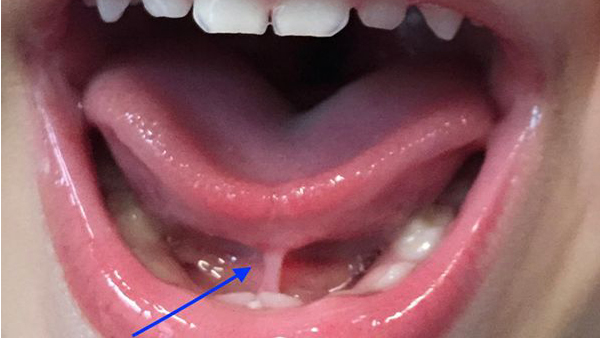
Diagnosis of Tongue Tie – Dr. Medhat Abu Shaaban Pediatrician in Dubai
Tongue tie, medically known as ankyloglossia, is one of the most commonly underdiagnosed conditions affecting newborns and infants in the United Arab Emirates and around the world. This congenital condition occurs when the thin piece of tissue connecting the underside of the tongue to the floor of the mouth, called the lingual frenulum, is unusually short, thick, or tight. When this happens, it restricts the tongue’s range of motion, potentially causing a cascade of problems that can affect breastfeeding, speech development, and overall oral health. At myPediaClinic in Dubai, Dr. Medhat Abu Shaaban brings decades of experience in diagnosing and treating tongue tie in newborns, helping countless families overcome the challenges associated with this condition. Understanding the signs, symptoms, and diagnostic process is essential for parents who want to ensure their child receives the best possible care from the earliest days of life.
Understanding Tongue Tie: What Every Parent Should Know
Tongue tie is far more common than many parents realize. Research indicates that approximately 4-11% of newborns are affected by some degree of tongue tie, though the actual numbers may be higher due to cases that go undiagnosed. The condition has been recognized for centuries, yet it remains one of the most debated topics in pediatric medicine. At myPediaClinic, we believe that early detection and proper diagnosis are crucial for preventing the long-term complications that can arise from untreated tongue tie.
The Anatomy of Tongue Tie
To understand tongue tie, it helps to first understand the normal anatomy of the tongue and its surrounding structures. The tongue is an incredibly complex muscular organ that plays vital roles in feeding, swallowing, and eventually speech. Beneath the tongue lies the lingual frenulum, a small band of tissue that connects the tongue to the floor of the mouth. In most individuals, this frenulum is thin, flexible, and positioned far enough back to allow full range of motion. However, in babies with tongue tie, this frenulum may be too short, too thick, or attached too close to the tip of the tongue, significantly limiting movement.
There are different classifications of tongue tie based on the location and appearance of the restricted frenulum. Class I tongue tie involves the frenulum attached at the very tip of the tongue, often creating a heart-shaped appearance when the baby attempts to lift their tongue. Class II involves attachment just behind the tip, while Class III and IV are known as posterior tongue ties, where the restriction is less visible but equally problematic. Dr. Medhat Abu Shaaban at myPediaClinic is experienced in identifying all types of tongue tie, including the more subtle posterior varieties that are frequently missed by less experienced practitioners.
Why Early Diagnosis Matters
The importance of early tongue tie diagnosis cannot be overstated. When left untreated, tongue tie can lead to a series of cascading problems that affect not only the baby but also the breastfeeding mother. In the immediate newborn period, tongue tie primarily impacts feeding. As the child grows, untreated tongue tie can affect speech development, dental health, and even social confidence. By seeking evaluation from an experienced pediatrician like Dr. Medhat Abu Shaaban at myPediaClinic, parents can ensure their child receives timely intervention when necessary, preventing these potential long-term complications.
Recognizing the Signs and Symptoms of Tongue Tie
One of the challenges with tongue tie diagnosis is that the symptoms can vary significantly from one baby to another. Some babies with significant tongue tie may show minimal symptoms, while others with milder anatomical restriction may struggle considerably. Understanding the full range of potential signs and symptoms helps parents recognize when their baby might benefit from evaluation at myPediaClinic.
Breastfeeding Difficulties: The Most Common Indicator
Breastfeeding problems are often the first and most prominent sign of tongue tie in newborns. For successful breastfeeding, a baby needs to extend their tongue past their lower gum line to create an effective latch. They must also be able to form a seal around the breast and use their tongue in a rhythmic, wave-like motion to extract milk. When tongue tie restricts these movements, breastfeeding becomes difficult or impossible to sustain.
Common breastfeeding-related signs of tongue tie include difficulty achieving or maintaining a latch. Babies with tongue tie often slide off the breast repeatedly or make clicking sounds during feeding as they break and re-establish suction. They may seem to be working very hard to feed, with visible jaw tension and fatigue. Despite spending long periods at the breast, these babies often fail to gain weight adequately because they cannot effectively transfer milk. Parents may notice their baby is constantly hungry, wanting to feed very frequently, yet never seeming satisfied after feeds.
Another significant indicator is the baby falling asleep quickly at the breast due to exhaustion rather than satiation. Because feeding is so effortful for babies with tongue tie, they tire quickly and may doze off before getting adequate nutrition. This pattern of feeding, sleeping, waking hungry, and feeding again creates an exhausting cycle for both baby and parents.
Nipple Pain and Damage: The Mother’s Experience
While many discussions of tongue tie focus on the baby’s symptoms, the mother’s experience provides equally important diagnostic clues. Breastfeeding should not be painful once a good latch is established, typically within the first week or two. When a mother experiences persistent, severe nipple pain, this is a significant red flag that something may be wrong with the baby’s oral function.
Mothers breastfeeding babies with tongue tie often describe the pain as sharp, stabbing, or pinching during feeds. The pain may persist throughout the feeding session rather than improving as the baby settles into a rhythm. After feeds, mothers may notice their nipples appear flattened, creased, blanched (white), or misshapen rather than maintaining their natural round shape. These visible changes to nipple shape indicate that the baby is compressing rather than properly cupping the breast tissue.
Nipple trauma is common when tongue tie is present. Mothers may develop cracks, blisters, bleeding, or wounds on their nipples that fail to heal because of repeated trauma during feeds. This damage not only causes significant pain but also increases the risk of infections such as mastitis. If you are experiencing these symptoms while breastfeeding, seeking evaluation at myPediaClinic can help determine whether tongue tie might be the underlying cause.
Excessive Crying and Fussiness
Babies with untreated tongue tie often exhibit increased fussiness and crying, particularly around feeding times. This behavior stems from multiple factors related to their feeding difficulties. First, these babies are often genuinely hungry because they cannot extract enough milk to satisfy their needs. Second, the excessive effort required for feeding causes frustration and fatigue. Third, the inefficient feeding often leads to increased air swallowing, causing gas, bloating, and discomfort.
Parents may notice their baby pulls away from the breast crying, arches their back, or exhibits colic-like symptoms. While colic has many potential causes, tongue tie should always be considered when feeding-related fussiness is prominent. At myPediaClinic, Dr. Medhat Abu Shaaban takes a comprehensive approach to evaluating fussy babies, considering tongue tie alongside other potential contributing factors.
Other Physical Signs to Watch For
Beyond feeding-related symptoms, there are several physical signs that may indicate tongue tie. When the baby cries or attempts to lift their tongue, parents may notice a heart-shaped or notched appearance at the tip. The baby may be unable to stick their tongue out past their lower lip or lift it to the roof of their mouth. During feeding or crying, the tongue may appear to stay pressed down or pull inward at the tip.
Some babies with tongue tie have difficulty moving their tongue from side to side, which you might notice if they always seem to favor one side while feeding. Drooling, gagging, or difficulty managing milk flow may also be present. While any individual sign may have other explanations, the combination of multiple indicators warrants evaluation by an experienced provider like Dr. Medhat Abu Shaaban at myPediaClinic.
The Importance of Seeking an Experienced Pediatrician
Tongue tie diagnosis requires specialized knowledge and experience that not all healthcare providers possess equally. The condition exists on a spectrum, and its presentation can be subtle, particularly in cases of posterior tongue tie. Choosing an experienced pediatrician for evaluation ensures accurate diagnosis and appropriate treatment recommendations.
Why Experience Matters in Tongue Tie Assessment
Dr. Medhat Abu Shaaban at myPediaClinic has extensive experience in newborn assessment and tongue tie diagnosis. This experience is crucial for several reasons. First, an experienced provider can distinguish between the various types and severities of tongue tie, understanding that not all cases require the same approach. Second, they can differentiate tongue tie from other conditions that may cause similar symptoms, ensuring accurate diagnosis. Third, experienced practitioners understand the full context of infant feeding and development, providing guidance that considers the whole child rather than focusing narrowly on one anatomical finding.
Unfortunately, tongue tie assessment is not standardized in medical education, leading to significant variability in how different providers evaluate and manage the condition. Some practitioners may dismiss tongue tie concerns too quickly, while others may over-diagnose and recommend unnecessary interventions. By seeking care at myPediaClinic, parents can trust that their baby will receive a thorough, balanced assessment from a pediatrician who understands the nuances of this condition.
The Multidisciplinary Approach at myPediaClinic
Effective tongue tie management often benefits from a multidisciplinary approach. At myPediaClinic, Dr. Medhat Abu Shaaban works collaboratively with lactation consultants, pediatric dentists, and other specialists to ensure comprehensive care. This team approach means that families receive support not only for the tongue tie itself but also for all the related challenges they may be facing.
Lactation support is particularly important, as even after tongue tie release, babies and mothers may need help relearning effective breastfeeding techniques. The team at myPediaClinic understands that successful outcomes depend on addressing all aspects of the feeding relationship, not just the anatomical restriction.
The Comprehensive Assessment Process
When you bring your baby to myPediaClinic for tongue tie evaluation, you can expect a thorough, compassionate assessment process. Dr. Medhat Abu Shaaban takes the time to understand your complete situation, examining not only the baby’s anatomy but also the full picture of feeding and symptoms.
Detailed History Taking
The assessment begins with a comprehensive history. Dr. Medhat Abu Shaaban will ask detailed questions about the pregnancy, birth, and early feeding experiences. Understanding the timeline of when symptoms began and how they have evolved provides important context. You will be asked about the baby’s feeding patterns, including how often they feed, how long feeds last, and what behaviors you observe during and after feeding.
The mother’s experience is equally important in this history. Questions about nipple pain, breast health, and emotional wellbeing help paint a complete picture. Previous breastfeeding experiences with older children, if applicable, can also provide useful comparison. The team at myPediaClinic understands that feeding difficulties affect the entire family, and this is reflected in the comprehensive approach to history taking.
Physical Examination of the Baby
The physical examination at myPediaClinic is gentle yet thorough. Dr. Medhat Abu Shaaban will examine the baby’s overall health and development as part of the standard pediatric assessment. The specific tongue tie evaluation includes visual inspection of the frenulum, assessment of tongue mobility, and evaluation of the baby’s suck.
Visual inspection begins with observing the tongue at rest and during various movements. Dr. Medhat Abu Shaaban will note the position, shape, and appearance of the tongue and frenulum. Using a gloved finger, he will lift the tongue to visualize the frenulum directly, noting its thickness, length, and point of attachment. The tongue’s ability to elevate, extend, lateralize (move side to side), and maintain a cupped shape will be assessed.
Functional assessment involves evaluating the baby’s suck. By allowing the baby to suck on a gloved finger, Dr. Medhat Abu Shaaban can feel the strength, coordination, and pattern of the suck. This assessment reveals how the tongue functions during the action most critical for newborn feeding. Abnormalities in suck pattern, such as excessive compression, weak suction, or uncoordinated movements, provide important diagnostic information.
Feeding Observation
Whenever possible, the assessment at myPediaClinic includes observation of an actual feeding session. Watching the baby breastfeed allows Dr. Medhat Abu Shaaban to see how the anatomical findings translate to functional feeding. This observation may reveal latch difficulties, clicking sounds, nipple compression, or other issues that help confirm the diagnosis and guide treatment recommendations.
During feeding observation, attention is paid to the baby’s positioning, latch technique, sucking pattern, and overall behavior. The mother’s experience during the feed is also noted, including any pain or discomfort. This direct observation provides invaluable information that cannot be obtained from history alone.
Use of Assessment Tools
Several standardized assessment tools have been developed to help evaluate tongue tie and its functional impact. At myPediaClinic, Dr. Medhat Abu Shaaban may use tools such as the HATLFF (Hazelbaker Assessment Tool for Lingual Frenulum Function) or BTAT (Bristol Tongue Assessment Tool) to provide structured evaluation. These tools help ensure consistent, comprehensive assessment and can be useful for tracking changes over time or communicating findings to other healthcare providers.
The assessment tools evaluate various aspects of tongue appearance and function, assigning scores that can help guide treatment decisions. However, Dr. Medhat Abu Shaaban understands that these tools are aids to clinical judgment, not substitutes for it. The final diagnosis and treatment recommendations at myPediaClinic are based on the complete clinical picture, including all findings from history, examination, and functional assessment.
Treatment Options for Tongue Tie
Once tongue tie has been diagnosed at myPediaClinic, the next step is discussing treatment options. Not all cases of tongue tie require intervention, and the decision to treat must consider the severity of symptoms, the degree of restriction, and the family’s goals and preferences.
Conservative Management and Supportive Care
In some cases, particularly when tongue tie is mild and symptoms are manageable, a conservative approach may be appropriate. This might include working with a lactation consultant to optimize positioning and latch, using nipple shields temporarily to reduce trauma, or making other adjustments to feeding technique. At myPediaClinic, the team provides comprehensive support for families choosing conservative management, with close follow-up to ensure the baby continues to thrive.
Conservative management is most appropriate when symptoms are mild, the baby is gaining weight adequately, and the mother is coping well despite some difficulties. However, if symptoms are severe or worsening, or if conservative measures fail to provide relief, procedural intervention may be recommended.
Frenotomy: The Primary Treatment Procedure
Frenotomy, also called frenulotomy or tongue tie release, is a simple procedure that involves cutting the restrictive frenulum to allow greater tongue mobility. For young infants, this procedure is typically quick, taking only seconds to perform, and can be done with minimal discomfort. The frenulum in young babies has few nerve endings and minimal blood supply, which is why the procedure is generally well-tolerated.
At myPediaClinic, frenotomy is performed using sterile technique with appropriate instruments. Local anesthetic may be used depending on the baby’s age and the specifics of the case. The procedure involves lifting the tongue to expose the frenulum and then making a single cut to release the restriction. Bleeding is typically minimal and stops within seconds. Babies can usually breastfeed immediately after the procedure, which helps with comfort and healing.
Laser Frenectomy
In some cases, particularly for older babies or more significant restrictions, laser frenectomy may be recommended. This procedure uses a specialized dental laser to release the tongue tie. Advantages of laser treatment include minimal bleeding, reduced need for sutures, and potentially less postoperative discomfort. At myPediaClinic, the team can discuss whether traditional frenotomy or laser frenectomy is most appropriate for your child’s specific situation.
Post-Procedure Care and Follow-Up
Success after tongue tie release depends not only on the procedure itself but also on appropriate aftercare. At myPediaClinic, families receive detailed instructions for post-procedure care, including exercises to prevent reattachment and promote healing. These exercises, which involve gently stretching the wound site several times daily, are crucial for optimal outcomes.
Follow-up care at myPediaClinic ensures that healing is progressing well and that feeding is improving as expected. The team remains available to address any concerns or complications that may arise. Many families also benefit from continued lactation support after the procedure to help establish effective feeding patterns.
Living in Dubai: Access to Expert Tongue Tie Care
Families in Dubai are fortunate to have access to excellent pediatric care, including specialized services for tongue tie at myPediaClinic. Dr. Medhat Abu Shaaban’s expertise in this area means that Dubai families do not need to travel far for accurate diagnosis and effective treatment.
The Growing Awareness in the UAE
Awareness of tongue tie has been growing in the United Arab Emirates, partly due to increased emphasis on breastfeeding support and education. Healthcare providers at myPediaClinic are at the forefront of this awareness, helping ensure that babies with tongue tie are identified and treated promptly. This proactive approach supports the UAE’s commitment to maternal and child health.
Supporting Breastfeeding in Dubai
Breastfeeding rates in Dubai have been increasing, supported by government initiatives and healthcare provider education. When tongue tie interferes with breastfeeding success, timely intervention can make the difference between a mother achieving her breastfeeding goals or giving up in frustration and pain. At myPediaClinic, supporting successful breastfeeding is a priority, and tongue tie treatment is one important component of that support.
Long-Term Considerations and Outcomes
While the immediate focus of tongue tie diagnosis and treatment is typically on infant feeding, it’s important to consider the longer-term implications as well. Understanding what to expect as your child grows helps parents make informed decisions about treatment.
Speech Development
One common concern among parents is whether tongue tie will affect their child’s speech development. The relationship between tongue tie and speech difficulties is complex and not fully understood. Some children with untreated tongue tie develop completely normal speech, while others experience articulation problems, particularly with sounds that require tongue elevation such as “l,” “r,” “t,” “d,” “n,” “s,” and “z.”
Early treatment of significant tongue tie may reduce the risk of later speech difficulties, though this benefit is difficult to prove definitively. At myPediaClinic, Dr. Medhat Abu Shaaban considers speech development potential as one factor in treatment decisions, while acknowledging the uncertainty in predicting specific outcomes.
Dental Health Implications
Tongue tie can affect dental health in several ways. The restricted tongue may not be able to effectively clear food debris from the teeth, potentially increasing cavity risk. Tongue thrust or abnormal swallowing patterns associated with tongue tie can affect dental alignment and jaw development. Some children with untreated tongue tie develop gaps between their front teeth or other orthodontic issues.
At myPediaClinic, the pediatric team works alongside dental professionals to monitor and address any dental implications of tongue tie. Early intervention, when appropriate, may help prevent some of these long-term dental concerns.
Feeding Beyond Breastfeeding
Even if breastfeeding challenges are overcome or bottle-feeding is chosen, tongue tie may continue to affect feeding as the child grows. Introduction of solid foods may be complicated by difficulty moving food around the mouth or managing certain textures. Some children with untreated tongue tie are described as messy or slow eaters, or they may avoid certain foods that are difficult to manage.
Supporting Your Family Through the Journey
Dealing with tongue tie and its associated challenges can be emotionally demanding for families. At myPediaClinic, we understand that parents need not only clinical expertise but also emotional support and guidance.
Addressing Parental Concerns and Questions
Parents often have many questions and concerns when tongue tie is suspected or diagnosed. Some worry about their baby experiencing pain or distress during assessment or treatment. Others feel guilt or frustration that the condition wasn’t identified sooner. At myPediaClinic, Dr. Medhat Abu Shaaban takes time to address all parental questions and concerns, providing education and reassurance throughout the process.
It’s important for parents to know that tongue tie is not caused by anything they did or didn’t do during pregnancy. It’s a congenital variation that occurs during fetal development for reasons that are not fully understood. There is no reason for guilt, and focusing energy on getting appropriate care is the most helpful approach.
Building a Support Network
Families dealing with tongue tie often benefit from connecting with others who have had similar experiences. myPediaClinic can connect families with support resources, including parent groups and online communities where experiences and tips can be shared. Knowing that others have faced and overcome similar challenges provides valuable emotional support.
Frequently Asked Questions About Tongue Tie
What causes tongue tie in babies?
Tongue tie occurs when the lingual frenulum, the band of tissue connecting the tongue to the floor of the mouth, is unusually short, thick, or tight. This happens during fetal development, though the exact cause is not fully understood. There may be a genetic component, as tongue tie sometimes runs in families. It is not caused by anything the mother did or didn’t do during pregnancy. At myPediaClinic, Dr. Medhat Abu Shaaban can assess your baby’s tongue tie and discuss the specific characteristics of their condition.
How do I know if my baby has tongue tie?
Common signs of tongue tie include difficulty latching during breastfeeding, clicking sounds while feeding, sliding off the breast repeatedly, nipple pain and damage in the mother, slow weight gain, excessive crying or fussiness especially around feeding times, and visible restriction when the baby tries to lift or extend their tongue. If you notice these symptoms, seeking evaluation at myPediaClinic with Dr. Medhat Abu Shaaban can provide accurate diagnosis. Remember that not all feeding difficulties are caused by tongue tie, and professional assessment is important for proper diagnosis.
At what age should tongue tie be diagnosed and treated?
Tongue tie can be diagnosed at any age, but early diagnosis in the newborn period is ideal when breastfeeding difficulties are present. The procedure to release tongue tie (frenotomy) is simplest and best tolerated when performed in the first few weeks of life. However, if tongue tie is not identified until later, treatment can still be beneficial. At myPediaClinic in Dubai, Dr. Medhat Abu Shaaban assesses babies of all ages and can discuss the most appropriate timing for intervention based on your child’s specific situation and symptoms.
Is the tongue tie release procedure painful for babies?
In young infants, the frenulum has very few nerve endings and minimal blood supply, which means frenotomy causes minimal discomfort. Most babies cry briefly during the procedure but settle quickly, often nursing immediately afterward for comfort. The procedure takes only seconds to perform. At myPediaClinic, Dr. Medhat Abu Shaaban uses gentle techniques and appropriate measures to minimize any distress. Some older babies may benefit from local anesthetic. Parents consistently report that their baby’s brief discomfort during the procedure is far outweighed by the improvement in feeding comfort afterward.
Will my baby’s tongue tie affect speech development?
The relationship between tongue tie and speech difficulties varies. Some children with untreated tongue tie develop completely normal speech, while others may have difficulty with certain sounds that require tongue elevation, such as “l,” “r,” “t,” “d,” “n,” and “s.” Factors including the severity of the tongue tie and individual compensatory abilities influence outcomes. Early treatment may reduce the risk of speech difficulties, though this is not guaranteed. At myPediaClinic, Dr. Medhat Abu Shaaban considers potential speech implications when discussing treatment options and can arrange referral to speech therapy if concerns arise as your child grows.
How long does it take to see improvement after tongue tie release?
Many families notice improvement in breastfeeding immediately or within the first few days after tongue tie release. The baby may achieve a deeper latch, feeding may become more comfortable for the mother, and the baby may seem more satisfied after feeds. However, some babies and mothers need time to learn new feeding patterns, and improvement may be more gradual over several weeks. Working with a lactation consultant after the procedure can help optimize outcomes. At myPediaClinic, follow-up care ensures that healing and feeding progress are monitored, and any concerns are addressed promptly.
Can tongue tie reattach after it has been released?
The wound created during frenotomy heals like any other wound in the mouth, and there is potential for the frenulum to reattach if the wound heals closed before full tongue mobility is established. This is why post-procedure exercises are so important. At myPediaClinic, families receive detailed instructions for stretching exercises that should be performed several times daily for a few weeks after the procedure. These exercises keep the wound site open while healing occurs, promoting full release. Following these instructions carefully significantly reduces the risk of reattachment.
Does myPediaClinic offer free tongue tie assessments?
myPediaClinic is committed to helping families access the care they need for their babies. We encourage parents with concerns about tongue tie to contact our clinic to learn about current assessment options and any special programs that may be available. Dr. Medhat Abu Shaaban and the team at myPediaClinic prioritize ensuring that all babies receive appropriate evaluation and that cost is not a barrier to diagnosis. Please contact myPediaClinic directly for the most current information about assessment fees and any complimentary evaluation programs.
Can tongue tie affect bottle-feeding as well as breastfeeding?
Yes, tongue tie can affect bottle-feeding, though the impact is often less severe than with breastfeeding. Babies with tongue tie may have difficulty forming a seal around the bottle nipple, leading to air intake, leaking of milk, and feeding inefficiency. They may also tire quickly during bottle-feeds or take a long time to finish bottles. If your bottle-fed baby is experiencing feeding difficulties, tongue tie assessment at myPediaClinic with Dr. Medhat Abu Shaaban can determine whether tongue tie might be contributing to the problems and discuss appropriate interventions.
What is posterior tongue tie and why is it often missed?
Posterior tongue tie, also called submucosal tongue tie, occurs when the restriction is deeper in the floor of the mouth and less visible on casual inspection. Unlike anterior tongue tie, which may create an obvious heart-shaped tongue tip, posterior tongue tie may look normal on superficial examination. It requires careful palpation and functional assessment to diagnose. This is why posterior tongue tie is often missed by practitioners without specific training and experience in tongue tie evaluation. At myPediaClinic, Dr. Medhat Abu Shaaban has the expertise to identify all types of tongue tie, including subtle posterior presentations that might otherwise go undiagnosed.
Taking the Next Step: Schedule Your Consultation
If you suspect your baby may have tongue tie, or if you are experiencing breastfeeding difficulties that haven’t responded to standard interventions, we encourage you to schedule a consultation at myPediaClinic. Dr. Medhat Abu Shaaban’s expertise in tongue tie diagnosis ensures that your baby will receive accurate assessment and appropriate recommendations based on their individual needs.
Early evaluation is particularly important, as treatment is simplest in the newborn period and early intervention may prevent the development of secondary problems. However, it is never too late to seek assessment. Babies, children, and even adults with previously undiagnosed tongue tie can benefit from evaluation and treatment.
At myPediaClinic, we understand the challenges that feeding difficulties create for families. Our compassionate, experienced team is here to support you through diagnosis, treatment, and beyond. You don’t have to struggle alone with breastfeeding pain, a baby who isn’t thriving, or concerns about your child’s development.
Contact myPediaClinic today to schedule your tongue tie assessment with Dr. Medhat Abu Shaaban. Take the first step toward comfortable feeding and optimal development for your baby. Our friendly staff is ready to answer your questions and help you access the expert care your family deserves.