

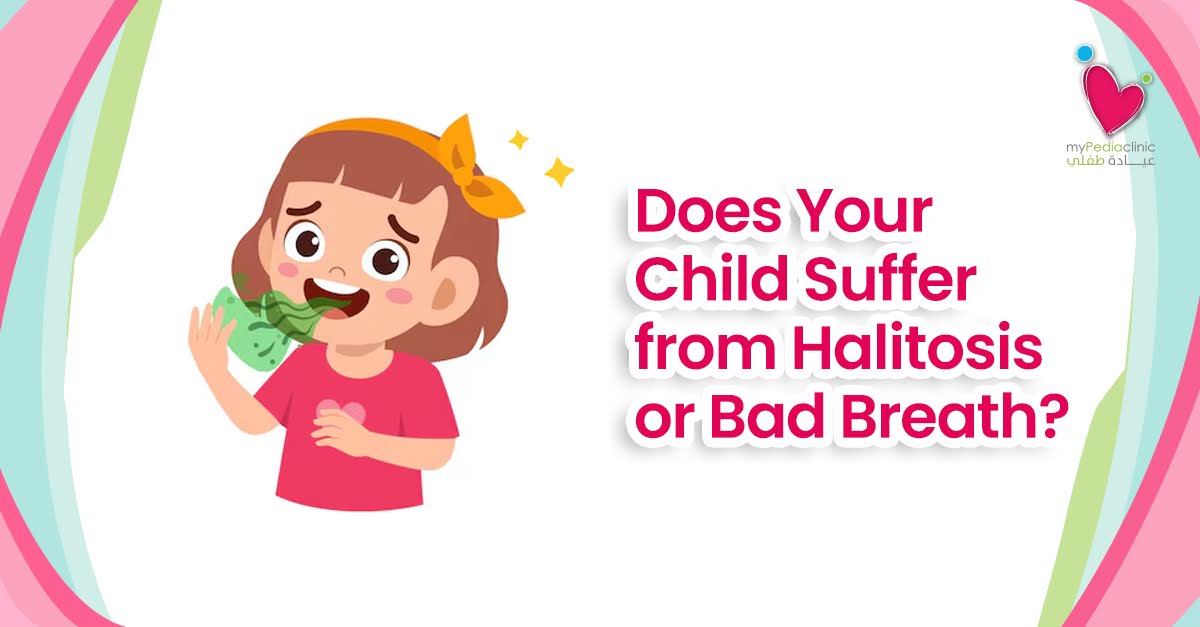
Understanding Halitosis: What is Bad Breath in Children?
Halitosis, commonly known as bad breath, affects many children and can be a source of concern for parents. While occasional morning breath is normal, persistent bad breath may indicate underlying health issues that require professional attention from a pediatric dentist in Dubai.
Bad breath in children manifests as a continuous unpleasant odor emanating from the mouth. Beyond being a physical symptom, halitosis can significantly impact a child’s social interactions, self-confidence, and overall quality of life. Understanding the causes and solutions helps parents address this common childhood concern effectively.
Common Causes of Bad Breath in Children
Identifying the root cause of your child’s bad breath is the first step toward effective treatment. Several factors can contribute to halitosis in young children, ranging from simple hygiene issues to more complex medical conditions.
Poor Oral Hygiene Habits
The most common culprit behind bad breath in children is inadequate oral hygiene. When children don’t brush and floss regularly, food particles remain trapped between teeth and along the gum line. These particles become a breeding ground for bacteria that produce foul-smelling compounds.
Bacteria naturally present in the mouth feed on leftover food particles, especially sugars and starches. As they break down these substances, they release sulfur compounds that create the characteristic unpleasant odor associated with bad breath. Without proper cleaning, this bacterial growth continues unchecked, intensifying the smell.
Dry Mouth and Reduced Saliva Production
Saliva plays a crucial role in maintaining oral health by washing away food particles and neutralizing acids produced by bacteria. When a child’s mouth becomes dry, this natural cleansing mechanism is compromised, allowing bacteria to multiply rapidly.
Several factors can cause dry mouth in children, including dehydration, mouth breathing during sleep, certain medications, and medical conditions like allergies or sinus infections. Children who breathe through their mouths, particularly at night, are especially prone to developing bad breath because mouth breathing significantly reduces saliva flow.
Dietary Factors and Food Choices
What your child eats directly impacts their breath. Certain foods are notorious for causing temporary bad breath, including garlic, onions, and spicy dishes. These foods contain volatile compounds that are absorbed into the bloodstream and expelled through the lungs, affecting breath for hours after consumption.
Sugary foods and beverages promote bacterial growth in the mouth. When bacteria feed on sugar, they produce acids that not only contribute to tooth decay but also create unpleasant odors. Dairy products can sometimes cause bad breath in children because they leave residues that bacteria readily consume, producing sulfur compounds in the process.
Dental Problems and Oral Infections
Untreated dental issues are significant contributors to persistent bad breath. Cavities create pockets where bacteria accumulate and thrive. Gum disease, though less common in children than adults, can develop when plaque buildup irritates the gums, causing inflammation and infection.
Oral infections, including tooth abscesses or infected gums, produce particularly strong odors as bacteria multiply in the infected tissue. These conditions require prompt attention from the best pediatric dentist in Dubai to prevent complications and eliminate the source of bad breath.
Foreign Objects Lodged in the Nose or Mouth
Young children often explore their world by putting objects in their mouths and noses. Sometimes, small items like beads, food particles, or toy pieces become lodged in the nasal passages or between teeth. These foreign objects can decompose or collect bacteria, creating extremely unpleasant breath that persists until the object is removed.
If your child suddenly develops severe bad breath accompanied by nasal discharge from one nostril, a foreign object may be the cause. This situation requires immediate professional evaluation.
Medical Conditions Affecting Breath
Certain medical conditions can manifest as bad breath in children. Respiratory infections like tonsillitis, sinusitis, or chronic postnasal drip create environments where bacteria flourish, producing characteristic odors. Enlarged tonsils with deep crypts can trap food particles and bacteria, leading to tonsil stones that cause significant bad breath.
Gastrointestinal issues, including acid reflux, can cause stomach acids and partially digested food to rise into the esophagus and mouth, creating unpleasant breath. Metabolic disorders, though rare, can also produce distinctive breath odors that indicate underlying health problems requiring medical attention.
How to Prevent and Manage Bad Breath in Children
Addressing bad breath requires a comprehensive approach that targets both symptoms and underlying causes. Implementing these strategies helps maintain fresh breath and supports overall oral health for children in Dubai.
Establish Excellent Oral Hygiene Routines
The foundation of preventing bad breath is consistent, thorough oral care. Children should brush their teeth at least twice daily using fluoride toothpaste and a soft-bristled toothbrush appropriate for their age. Morning and bedtime brushing are essential, but adding a midday brush after lunch provides additional protection.
Proper brushing technique matters as much as frequency. Teach your child to brush for at least two minutes, covering all tooth surfaces including the often-neglected inner surfaces and back molars. Don’t forget the tongue, where bacteria accumulate significantly. Gentle tongue brushing or using a tongue scraper removes bacterial buildup that contributes to bad breath.
Flossing daily removes food particles and plaque from between teeth where toothbrushes cannot reach. For young children still developing fine motor skills, floss picks or water flossers designed for kids make this task easier and more effective.
Schedule Regular Dental Check-ups
Professional dental care is essential for preventing and addressing bad breath. Regular visits to the best kids dentist in Dubai allow early identification and treatment of dental problems before they become serious. Dentists can detect cavities, gum disease, or other issues that parents might miss.
Professional cleanings remove hardened plaque (tartar) that regular brushing cannot eliminate. These cleanings reach areas that are difficult to clean at home, significantly reducing bacteria that cause bad breath. Your pediatric dentist can also apply fluoride treatments and dental sealants that protect teeth from decay.
During check-ups, dentists assess your child’s oral hygiene technique and provide personalized recommendations for improvement. They can identify specific problem areas and suggest targeted strategies to address them.
Keep Your Child Well Hydrated
Adequate hydration is crucial for maintaining fresh breath. Encourage your child to drink plenty of water throughout the day, especially after meals. Water helps wash away food particles and keeps saliva production at healthy levels.
Make water the primary beverage choice, avoiding sugary drinks, sodas, and acidic juices that promote bacterial growth and tooth decay. If your child drinks juice or other flavored beverages, have them rinse their mouth with water afterward to minimize sugar residue.
For children who breathe through their mouths, increasing water intake becomes even more important to combat the drying effects of mouth breathing.
Promote a Balanced, Tooth-Friendly Diet
Nutrition plays a significant role in oral health and breath freshness. Provide your child with a balanced diet rich in fruits and vegetables. Crunchy, fibrous foods like apples, carrots, and celery act as natural tooth cleaners, scrubbing away food particles and stimulating saliva production.
Foods high in vitamin C, such as oranges, strawberries, and kiwi, help reduce bacteria in the mouth and support healthy gums. Calcium-rich foods like cheese and yogurt strengthen teeth and neutralize acids that bacteria produce.
Limit sugary snacks and treats, particularly sticky candies that cling to teeth. When your child does consume sweets, have them brush or rinse their mouth soon afterward to minimize bacterial feeding opportunities.
Address Respiratory and Nasal Issues
If your child suffers from chronic nasal congestion, allergies, or sinus infections, treating these conditions often resolves associated bad breath. Consult with healthcare professionals to identify and manage underlying respiratory issues that force mouth breathing or cause postnasal drip.
For children with enlarged tonsils or adenoids that contribute to mouth breathing and bad breath, an evaluation by an ear, nose, and throat specialist may be necessary. Addressing these structural issues can dramatically improve both breathing patterns and breath freshness.
Encourage Proper Nasal Breathing
Teaching children to breathe through their noses instead of their mouths helps maintain adequate saliva production and prevents dry mouth. Practice simple breathing exercises with your child to develop this habit. During sleep, ensuring proper head and pillow positioning can promote nasal breathing.
If mouth breathing persists despite efforts to correct it, consult specialists at a pediatric dental clinic in Dubai who can evaluate whether anatomical issues or myofunctional habits require professional intervention.
When to Seek Professional Help for Bad Breath
While many cases of bad breath resolve with improved oral hygiene, certain situations warrant professional evaluation. Seek help from a pediatric dentist in Dubai if your child experiences persistent bad breath that doesn’t improve with proper brushing and flossing, sudden onset of severe bad breath, bad breath accompanied by pain, swelling, or bleeding gums, or breath with unusual sweet, fruity, or ammonia-like odors that may indicate metabolic conditions.
Early professional intervention prevents minor issues from developing into serious problems and ensures your child receives appropriate treatment for any underlying conditions.
The Impact of Bad Breath on Children’s Well-being
Beyond the physical aspect, bad breath can affect children emotionally and socially. Children with halitosis may experience teasing from peers, leading to embarrassment and reduced self-esteem. They might become self-conscious about speaking closely to others or avoid social situations altogether.
Addressing bad breath promptly helps protect your child’s emotional health and social development. When children feel confident about their breath, they participate more freely in activities and interactions with peers.
Frequently Asked Questions About Children’s Bad Breath
1. Is bad breath normal in children?
Occasional bad breath, especially upon waking, is normal in children. However, persistent or severe halitosis indicates an underlying issue that requires attention. Morning breath occurs because saliva production decreases during sleep, allowing bacteria to multiply, but should resolve after brushing.
2. Can certain medications cause bad breath in children?
Yes, some medications can cause dry mouth as a side effect, leading to bad breath. Antihistamines, decongestants, and certain asthma medications commonly reduce saliva production. If you suspect your child’s medication contributes to bad breath, discuss alternatives or management strategies with your healthcare provider.
3. How can I tell if my child’s bad breath is from poor hygiene or a medical problem?
If improved oral hygiene practices eliminate the bad breath within a week or two, poor hygiene was likely the cause. If bad breath persists despite excellent oral care, or if you notice additional symptoms like nasal discharge, sore throat, stomach problems, or unusual breath odors, consult a healthcare professional for evaluation.
4. Are mouthwashes safe for children with bad breath?
Most mouthwashes are not recommended for young children who might swallow them. For older children who can rinse and spit reliably, alcohol-free mouthwashes designed specifically for kids can be helpful. However, mouthwash should complement, not replace, proper brushing and flossing. Consult your pediatric dentist before introducing mouthwash to your child’s routine.
5. Can diet alone cause persistent bad breath in children?
While certain foods cause temporary bad breath, diet alone rarely causes persistent halitosis. If your child’s bad breath continues long after eating odor-causing foods, other factors are likely involved. However, a diet high in sugar can promote bacterial growth and tooth decay, contributing to chronic bad breath over time.
myPediaclinic: Your Partner in Pediatric Dental Health
At myPediaclinic, the best pediatric dental clinic in Dubai, we understand that bad breath in children concerns both parents and kids. Our team of experienced pediatric dentists specializes in diagnosing and treating the underlying causes of halitosis through comprehensive oral examinations.
We identify dental issues such as cavities, gum disease, and oral infections that may contribute to bad breath. Our clinic prioritizes preventive care by educating children and parents on proper oral hygiene practices, including effective brushing and flossing techniques tailored to your child’s age and abilities.
Regular dental check-ups and professional cleanings at myPediaclinic ensure your child’s oral health is monitored and maintained, significantly reducing the risk of persistent bad breath. Our state-of-the-art facilities and child-centric approach create a comfortable, welcoming environment where children feel safe and supported.
Beyond addressing bad breath, myPediaclinic offers comprehensive pediatric care services to ensure your child’s overall well-being. Our pediatricians, nutritionists, dieticians, orthodontists, and healthcare specialists are skilled in handling various childhood conditions, providing personalized care tailored to each child’s unique needs.
Whether your child needs routine check-ups, specialized dental treatments, or advice on managing bad breath, contact myPediaclinic today to schedule an appointment. We’re committed to supporting your child’s health journey and helping them grow up healthy, happy, and confident.