

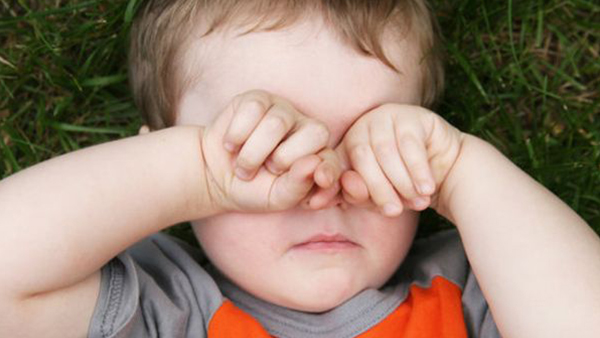
Eye Infection – By Dr. Medhat Abu Shaaban Pediatrician in Dubai
Eye infections in children are among the most common health concerns that parents face, particularly in bustling metropolitan areas like Dubai where children interact closely in schools, nurseries, and play areas. As a pediatrician with extensive experience treating children across the UAE, I have seen countless cases of eye infections ranging from mild irritations to more serious conditions requiring immediate medical attention. Understanding the different types of eye infections, their causes, symptoms, and appropriate treatments can help parents make informed decisions about their child’s health and well-being. At myPediaClinic, we are committed to providing comprehensive pediatric care, including expert diagnosis and treatment of eye infections in children of all ages.
Eye infections can be particularly distressing for both children and parents. Children often cannot articulate their discomfort effectively, making it challenging for parents to understand the severity of the condition. The eyes are delicate organs, and infections can spread rapidly if not properly managed. This comprehensive guide will walk you through everything you need to know about pediatric eye infections, from understanding the difference between bacterial and viral causes to recognizing symptoms that warrant immediate medical attention. Whether your child is experiencing their first eye infection or you are dealing with recurring episodes, this information will empower you to take the right steps toward ensuring your child’s eye health and comfort.
Understanding Eye Infections in Children: An Overview
Eye infections occur when harmful microorganisms invade any part of the eye or its surrounding tissues. In children, these infections are particularly common due to their developing immune systems and frequent exposure to pathogens through school, daycare, and social interactions. The eye has natural defense mechanisms, including tears that contain antibacterial enzymes, but these defenses can be overwhelmed when exposure to infectious agents is high or when the immune system is compromised.
The Anatomy of the Eye and Infection Sites
To understand eye infections better, it helps to know the basic anatomy of the eye. The conjunctiva is the thin, transparent membrane that covers the white part of the eye (sclera) and lines the inside of the eyelids. When this membrane becomes infected or inflamed, the condition is called conjunctivitis, commonly known as pink eye. The cornea is the clear dome at the front of the eye that covers the iris and pupil; infections here are called keratitis and can be more serious. The eyelids can also become infected, a condition known as blepharitis, while the tear ducts can experience dacryocystitis. Each type of infection presents differently and may require different treatment approaches.
Why Children Are More Susceptible to Eye Infections
Children are more prone to eye infections for several reasons. First, their immune systems are still developing, making them less efficient at fighting off pathogens. Second, children tend to touch their faces and eyes frequently, often without washing their hands properly. Third, the close proximity in which children play and learn facilitates the rapid spread of infectious agents. In Dubai’s diverse population, children from various backgrounds come together in international schools and community settings, creating opportunities for different strains of bacteria and viruses to spread. Additionally, environmental factors such as dust, air conditioning, and chlorinated swimming pools can irritate children’s eyes, making them more susceptible to secondary infections.
Bacterial Eye Infections: Causes, Symptoms, and Characteristics
Bacterial eye infections are caused by various strains of bacteria and typically present with distinctive symptoms that help differentiate them from viral infections. Understanding these characteristics is essential for proper treatment, as bacterial infections often require antibiotic therapy while viral infections do not respond to antibiotics.
Common Bacterial Pathogens Affecting Children’s Eyes
Several bacteria commonly cause eye infections in children. Staphylococcus aureus is a frequent culprit, particularly in cases of blepharitis and bacterial conjunctivitis. Streptococcus pneumoniae is another common cause, especially in younger children. Haemophilus influenzae can cause severe conjunctivitis, particularly in children under five years of age. Moraxella catarrhalis is associated with ear infections but can also affect the eyes. In newborns, Chlamydia trachomatis and Neisseria gonorrhoeae can cause serious eye infections acquired during birth, which is why prophylactic eye drops are administered to newborns shortly after delivery.
Recognizing Bacterial Conjunctivitis Symptoms
Bacterial conjunctivitis typically presents with thick, yellow or green discharge that may cause the eyelids to stick together, especially upon waking. The eye appears red or pink, and there may be significant swelling of the eyelids. Children often complain of a gritty sensation in the eye, as if there is sand or a foreign object present. Unlike viral conjunctivitis, bacterial infections usually affect one eye initially, though they can spread to the other eye if proper hygiene is not maintained. The discharge in bacterial infections tends to be more profuse and purulent compared to the watery discharge seen in viral infections.
Bacterial Blepharitis and Stye Formation
Blepharitis is an inflammation of the eyelids often caused by bacterial infection of the oil glands at the base of the eyelashes. Children with blepharitis may experience crusty eyelids, particularly in the morning, along with redness and swelling of the eyelid margins. A stye, or hordeolum, is a localized bacterial infection that appears as a painful, red bump near the edge of the eyelid. Styes are essentially pimples on the eyelid and are usually caused by Staphylococcus bacteria. While uncomfortable, most styes resolve on their own with warm compresses, though some may require medical intervention if they do not improve or if they become particularly large or painful.
Viral Eye Infections: Understanding the Most Common Type
Viral conjunctivitis is the most common cause of pink eye in children and is highly contagious. Understanding viral eye infections is crucial because their treatment differs significantly from bacterial infections, and misuse of antibiotics for viral conditions contributes to antibiotic resistance.
Adenovirus: The Primary Culprit
Adenoviruses are the most common cause of viral conjunctivitis in children. These viruses are extremely contagious and can survive on surfaces for extended periods, making transmission in schools and daycare centers particularly easy. Adenoviral conjunctivitis often accompanies upper respiratory infections, such as the common cold, and may be associated with sore throat and fever. The infection typically starts in one eye and spreads to the other within a few days. Adenoviral infections can also cause a more severe form called epidemic keratoconjunctivitis, which affects both the conjunctiva and the cornea.
Other Viral Causes of Eye Infections
While adenoviruses are the most common cause, other viruses can also cause eye infections in children. Herpes simplex virus (HSV) can cause serious eye infections that may lead to corneal scarring if not properly treated. HSV eye infections may present with blisters on or around the eyelids and require antiviral medication. Enterovirus can cause acute hemorrhagic conjunctivitis, characterized by sudden onset of eye redness with subconjunctival hemorrhages. Measles can cause conjunctivitis as part of its symptom complex, highlighting the importance of vaccination. Varicella-zoster virus (chickenpox) can also affect the eyes, particularly if the rash involves the face and eye area.
Distinguishing Features of Viral Conjunctivitis
Viral conjunctivitis typically produces a watery, clear discharge rather than the thick, purulent discharge seen in bacterial infections. The eyes appear red and may feel irritated or burning. Viral conjunctivitis often affects both eyes simultaneously or in quick succession. Children with viral conjunctivitis may also have other cold symptoms such as runny nose, sore throat, or mild fever. The infection usually resolves on its own within one to two weeks, though symptoms may worsen during the first few days before improvement begins. Enlarged lymph nodes in front of the ear (preauricular lymphadenopathy) are a hallmark sign of viral conjunctivitis.
Conjunctivitis (Pink Eye): A Comprehensive Look
Conjunctivitis, commonly referred to as pink eye, is the most frequent eye condition affecting children. While we have discussed bacterial and viral causes, it is important to understand that conjunctivitis can also have allergic origins, and distinguishing between these types is essential for appropriate treatment.
Allergic Conjunctivitis in Children
Allergic conjunctivitis is not an infection but rather an inflammatory response to allergens such as pollen, dust mites, pet dander, or mold. In Dubai, dust and air quality can be significant factors contributing to allergic eye conditions in children. Allergic conjunctivitis typically affects both eyes equally and causes intense itching, which is less prominent in infectious conjunctivitis. The eyes appear red and watery, and there may be associated nasal symptoms such as sneezing and congestion. Unlike infectious conjunctivitis, allergic conjunctivitis is not contagious and tends to be seasonal or triggered by specific environmental exposures.
Chemical and Irritant Conjunctivitis
Children can develop conjunctivitis from exposure to irritants such as chlorine in swimming pools, smoke, air pollution, or chemicals in household products. In Dubai’s climate, exposure to sand and dust particles can also irritate the eyes. This type of conjunctivitis typically resolves once the irritant is removed and the eyes are thoroughly rinsed. However, if symptoms persist or if there was exposure to potentially harmful chemicals, immediate medical evaluation is necessary. Proper eye protection during swimming and limiting exposure to environmental irritants can help prevent this type of conjunctivitis.
Neonatal Conjunctivitis: A Special Concern
Conjunctivitis in newborns, also known as ophthalmia neonatorum, deserves special attention due to its potential severity. Newborns can acquire eye infections during passage through the birth canal if the mother has certain infections. Chlamydial and gonococcal conjunctivitis can be particularly serious and may lead to permanent eye damage if not promptly treated. This is why prophylactic antibiotic eye ointment is routinely administered to newborns shortly after birth. Parents should be vigilant for any eye discharge, redness, or swelling in newborns and seek immediate medical attention if these symptoms appear. At myPediaClinic, we provide comprehensive newborn care including screening for and treatment of neonatal eye infections.
Symptoms to Watch For: When Should Parents Be Concerned?
Recognizing the symptoms of eye infections and understanding when they warrant medical attention is crucial for parents. While many eye infections are mild and self-limiting, some signs indicate the need for prompt professional evaluation.
Common Symptoms of Eye Infections
The most common symptoms of eye infections in children include redness of the white part of the eye or inner eyelids, discharge (watery, mucoid, or purulent), crusting of the eyelids especially upon waking, swelling of the eyelids, itching or burning sensation, tearing or excessive watering, sensitivity to light (photophobia), and a gritty feeling as if something is in the eye. Children may rub their eyes frequently or complain that their eyes hurt. Younger children who cannot verbalize their discomfort may become irritable, have difficulty sleeping, or avoid bright lights.
Warning Signs Requiring Immediate Medical Attention
Certain symptoms should prompt immediate consultation with a healthcare provider. These include severe pain in the eye, significant swelling of the eyelids to the point where the child cannot open the eye, vision changes or blurry vision, high fever accompanying eye symptoms, symptoms that worsen despite home treatment, presence of a foreign body in the eye, eye infection in a newborn or very young infant, and symptoms following eye injury or trauma. Additionally, if your child has a weakened immune system or chronic health conditions, any eye infection should be evaluated promptly by a medical professional.
Differentiating Between Mild and Serious Infections
While most childhood eye infections are mild, certain presentations may indicate more serious conditions. Periorbital cellulitis is an infection of the eyelid and skin around the eye that causes significant swelling and redness but does not affect the eyeball itself. Orbital cellulitis is more serious, involving the tissues behind the eye and potentially leading to vision loss or spread of infection to the brain. Signs of orbital cellulitis include bulging of the eye, limited eye movement, severe pain with eye movement, and high fever. Keratitis, or corneal infection, is another serious condition that may cause severe pain, vision changes, and sensitivity to light. These conditions require immediate medical attention and often hospitalization for intravenous antibiotics.
Treatment Options for Pediatric Eye Infections
Treatment of eye infections depends on the underlying cause. Appropriate treatment not only relieves symptoms faster but also prevents complications and reduces the spread of infection to others.
Treatment of Bacterial Eye Infections
Bacterial conjunctivitis typically requires antibiotic treatment, usually in the form of eye drops or ointment. Common antibiotic eye drops prescribed for children include erythromycin, polymyxin B-trimethoprim, and fluoroquinolones for more resistant infections. Eye ointments may be preferred for younger children as they are easier to apply and stay in contact with the eye longer. The typical course of treatment is 5 to 7 days, and it is important to complete the full course even if symptoms improve before the medication is finished. Warm compresses can help remove crusting and provide comfort. Children can usually return to school or daycare 24 hours after starting antibiotic treatment, once discharge has significantly decreased.
Managing Viral Eye Infections
Viral conjunctivitis does not respond to antibiotics and typically must run its course, usually resolving within one to two weeks. Treatment is supportive and focuses on relieving symptoms. Cool compresses can soothe irritation and reduce swelling. Artificial tears or lubricating eye drops can help maintain eye comfort. It is crucial to practice good hygiene to prevent spread to the other eye and to other family members. In cases of herpes simplex virus infections, antiviral medications may be prescribed to prevent complications. Children with viral conjunctivitis should stay home from school until symptoms improve significantly, typically for about a week.
Addressing Allergic Conjunctivitis
Allergic conjunctivitis treatment focuses on reducing exposure to allergens and managing symptoms. Avoiding known allergens is the first step. Cool compresses can relieve itching and discomfort. Over-the-counter antihistamine eye drops can be effective for mild symptoms. For more persistent allergic conjunctivitis, prescription eye drops such as mast cell stabilizers or combination antihistamine-mast cell stabilizers may be recommended. Oral antihistamines can also help, especially if the child has other allergic symptoms. In Dubai’s dusty environment, using air purifiers at home and ensuring good air filtration can help reduce exposure to allergens that trigger eye symptoms.
Home Care and Comfort Measures
Regardless of the type of eye infection, certain home care measures can help provide comfort and promote healing. Keep the eye area clean by gently wiping away discharge with a clean, damp cloth, using a separate cloth for each eye to prevent spreading infection. Apply warm or cool compresses as appropriate – warm compresses help with bacterial infections and styes, while cool compresses soothe viral and allergic conjunctivitis. Ensure your child does not rub their eyes, as this can worsen the condition and spread infection. Encourage regular handwashing, especially before and after touching the eyes. Remove contact lenses if your child wears them and use fresh lenses once the infection has cleared. Avoid wearing eye makeup until the infection is completely resolved.
Prevention Strategies for Eye Infections
Preventing eye infections is often more effective than treating them. By implementing good hygiene practices and taking appropriate precautions, parents can significantly reduce their child’s risk of developing eye infections.
Hand Hygiene: The First Line of Defense
Proper hand hygiene is the single most effective way to prevent the spread of eye infections. Teach your children to wash their hands frequently with soap and water for at least 20 seconds, especially before eating, after using the bathroom, after playing outside, and after touching their face or eyes. In situations where handwashing is not possible, alcohol-based hand sanitizers can be used as an alternative. Encourage children not to touch their eyes with unwashed hands. This simple practice can prevent not only eye infections but also many other communicable diseases.
Avoiding the Spread of Infection
If a family member or classmate has an eye infection, taking precautions can prevent its spread. Avoid sharing personal items such as towels, washcloths, pillowcases, eye drops, makeup, or eyewear. Change pillowcases and towels daily during an active infection. If your child has an eye infection, keep them home from school or daycare until they are no longer contagious to prevent spreading the infection to classmates. Clean and disinfect surfaces that may harbor infectious agents, including doorknobs, light switches, and shared toys. Swimming pools can be a source of eye infections, so ensure your child wears proper swim goggles and does not swim while actively infected.
Environmental Considerations in Dubai
Dubai’s unique environment presents specific challenges for eye health. The dry, dusty conditions can irritate eyes and make them more susceptible to infection. Using humidifiers at home can help maintain appropriate humidity levels. Wearing sunglasses outdoors can protect eyes from dust, sand, and intense sunlight. Air conditioning, while essential in Dubai’s climate, can dry out the eyes, so using artificial tears can help maintain eye moisture. During sandstorms or dusty conditions, keeping windows closed and limiting outdoor activities can protect children’s eyes. Regular cleaning of air conditioning filters helps reduce airborne particles that can irritate eyes.
Protecting Eye Health in Schools and Daycare
Schools and daycare centers are common places where eye infections spread among children. Parents can help by ensuring their children understand proper hygiene practices, providing them with personal supplies such as tissues and hand sanitizer, and communicating with school staff about any eye health concerns. Schools should have policies in place for managing children with eye infections, including guidelines for when children can return after illness. Encouraging schools to maintain clean facilities and promote hand hygiene can benefit all students. At myPediaClinic, we work with families and schools to promote healthy practices and provide guidance on managing communicable conditions.
Contagion Concerns: Understanding How Eye Infections Spread
Understanding how eye infections spread can help parents take appropriate precautions to protect their children and prevent transmission to others.
Modes of Transmission
Eye infections primarily spread through direct contact with infected secretions. This can occur through touching the eyes after contact with an infected person or contaminated surface, sharing personal items such as towels, pillowcases, or eye drops, exposure to respiratory droplets when an infected person coughs or sneezes, and contact with contaminated water in swimming pools or hot tubs. Bacterial and viral conjunctivitis are highly contagious, and the infectious period varies depending on the causative agent. Viral conjunctivitis can be contagious for up to two weeks, while bacterial conjunctivitis typically remains contagious until 24-48 hours after starting antibiotic treatment.
The Incubation Period
The incubation period – the time between exposure and symptom onset – varies depending on the type of infection. Bacterial conjunctivitis typically has an incubation period of 1 to 3 days. Viral conjunctivitis caused by adenovirus has an incubation period of 5 to 12 days. This means a child may be exposed to the infection and not show symptoms for several days, during which time they may unknowingly spread the infection to others. Understanding this can help explain why eye infections sometimes seem to appear “out of nowhere” and why outbreaks can occur in schools and families.
Preventing Transmission Within Families
When one child in a family develops an eye infection, preventing spread to siblings and parents is important. Assign the infected child their own towel and washcloth, and change these daily. Encourage all family members to wash hands frequently and avoid touching their eyes. Do not allow sharing of eye drops or other eye care products. Clean and disinfect commonly touched surfaces regularly. If possible, the infected child should sleep alone until no longer contagious. Despite best efforts, it is not always possible to prevent spread within households, so parents should be prepared for the possibility that other family members may develop the infection.
When to See a Doctor: Making the Right Decision
Knowing when to seek medical attention for your child’s eye infection is essential for ensuring proper treatment and preventing complications.
Reasons to Consult a Pediatrician
You should consult a pediatrician or visit myPediaClinic if your child’s eye infection symptoms persist for more than a few days without improvement, if there is significant pain or vision changes, if the discharge is very thick or yellow-green indicating possible bacterial infection requiring antibiotics, if your child has a fever along with eye symptoms, if there is significant swelling of the eyelids or surrounding area, if your child is a newborn or infant with any eye discharge or redness, if your child has a weakened immune system or underlying health conditions, or if you are unsure whether the infection is bacterial, viral, or allergic and want professional guidance on treatment.
What to Expect at the Doctor’s Visit
During the visit, the doctor will take a detailed history including when symptoms started, what symptoms are present, any recent illness or exposure to others with eye infections, and any treatments already tried. A physical examination of the eyes will be performed, often using a special light to examine the structures of the eye. In most cases, the diagnosis can be made based on clinical appearance without the need for laboratory tests. However, in severe or recurrent cases, a swab of the discharge may be taken for culture to identify the specific bacteria and guide antibiotic selection. The doctor will explain the diagnosis, prescribe appropriate treatment, and provide guidance on home care and prevention of spread.
Follow-Up Care and Monitoring
After starting treatment, monitoring your child’s progress is important. Most eye infections should show improvement within 2 to 3 days of starting appropriate treatment. If symptoms worsen or do not improve within this timeframe, a follow-up visit is warranted as the initial diagnosis may need to be reconsidered or the treatment adjusted. Complete the full course of any prescribed antibiotics even if symptoms improve before the medication is finished. Once the infection has resolved, ensure good hygiene practices continue to prevent recurrence. If your child experiences frequent eye infections, discuss this with your pediatrician as there may be underlying factors that need to be addressed.
Long-Term Eye Health in Children
Beyond managing acute eye infections, promoting long-term eye health in children is an important aspect of pediatric care.
Regular Eye Examinations
Regular eye examinations are important for detecting vision problems and eye conditions early. The American Academy of Pediatrics recommends vision screening at well-child visits starting at birth and continuing through adolescence. More comprehensive eye examinations by an ophthalmologist or optometrist may be recommended if screening identifies concerns. Early detection and treatment of vision problems can prevent long-term issues with learning and development. At myPediaClinic, vision screening is part of our comprehensive well-child examinations.
Protecting Eyes from UV Damage
Dubai’s sunny climate means children are exposed to significant ultraviolet (UV) radiation. UV exposure can damage the eyes over time, increasing the risk of cataracts and other eye conditions later in life. Children’s eyes are particularly susceptible because they have larger pupils and clearer lenses than adults. Encouraging children to wear sunglasses with UV protection when outdoors, wearing wide-brimmed hats, and limiting midday sun exposure can all help protect their eyes from UV damage.
Screen Time and Eye Health
In today’s digital age, children spend significant time looking at screens, which can contribute to eye strain and discomfort. The 20-20-20 rule can help: every 20 minutes, look at something 20 feet away for 20 seconds. Ensure proper lighting when using screens and maintain an appropriate distance from the screen. Limit overall screen time according to age-appropriate guidelines. Encourage outdoor play, which has been shown to be beneficial for eye health and may reduce the risk of developing myopia (nearsightedness).
Special Considerations for Eye Infections in Different Age Groups
Eye infections can present differently and have different implications depending on the child’s age. Understanding these differences helps parents provide appropriate care.
Eye Infections in Newborns and Infants
Eye infections in newborns require prompt attention due to the potential for serious complications. Blocked tear ducts are common in infants and can lead to recurrent eye infections; these often resolve on their own but may require treatment if persistent. Any eye discharge, redness, or swelling in a newborn should be evaluated by a healthcare provider promptly. Herpes simplex virus infections in newborns can be particularly serious and require immediate treatment. Parents of newborns should be vigilant and not hesitate to seek medical advice for any eye concerns.
Eye Infections in Toddlers and Preschoolers
Toddlers and preschoolers are at high risk for eye infections due to their exploratory nature and frequent touching of their faces. They often cannot effectively communicate their symptoms, so parents should watch for signs such as excessive eye rubbing, redness, discharge, or behavioral changes indicating discomfort. Administering eye drops to young children can be challenging; tips include having the child lie down with eyes closed, placing drops in the inner corner of the eye, and then having them open their eyes to let the drops flow in. Ointments may be easier to apply in this age group.
Eye Infections in School-Age Children and Adolescents
School-age children and adolescents can usually describe their symptoms, making diagnosis easier. However, they may be reluctant to report eye problems due to concerns about missing school or activities. Contact lens use in older children and teens introduces additional risks for eye infections; proper lens hygiene is essential. Adolescents who wear makeup should be educated about the importance of not sharing cosmetics and replacing products regularly. Encouraging open communication about eye health and addressing any concerns promptly can help prevent complications in this age group.
The Role of Nutrition in Eye Health
Good nutrition plays a role in maintaining healthy eyes and supporting the immune system’s ability to fight infections.
Nutrients Essential for Eye Health
Several nutrients are particularly important for eye health. Vitamin A is essential for maintaining the integrity of the eye’s surface and for vision. Vitamin C and E are antioxidants that help protect the eyes from damage. Omega-3 fatty acids support tear production and overall eye health. Zinc plays a role in transporting vitamin A to the retina. Lutein and zeaxanthin are carotenoids found in the retina that help protect against light damage. A balanced diet rich in fruits, vegetables, fish, and whole grains can provide these nutrients and support overall eye health.
Foods to Include in Your Child’s Diet
To support your child’s eye health through nutrition, include a variety of colorful fruits and vegetables such as carrots, sweet potatoes, spinach, kale, and bell peppers. Fatty fish like salmon and tuna provide omega-3 fatty acids. Eggs are a good source of lutein and zeaxanthin. Nuts and seeds provide vitamin E and zinc. Citrus fruits and berries are rich in vitamin C. Ensuring your child has a varied, balanced diet not only supports eye health but overall growth and development.
Frequently Asked Questions About Eye Infections in Children
How can I tell if my child’s eye infection is bacterial or viral?
Bacterial eye infections typically produce thick, yellow or green discharge that may cause the eyelids to stick together, especially in the morning. They often start in one eye before spreading to the other. Viral eye infections usually produce watery, clear discharge and often affect both eyes simultaneously. Viral conjunctivitis is frequently accompanied by cold symptoms such as runny nose and sore throat. However, it can be difficult to distinguish between the two types without a professional examination, so consulting a pediatrician is recommended for proper diagnosis and treatment guidance.
How long is my child contagious with pink eye?
The contagious period depends on the type of conjunctivitis. Bacterial conjunctivitis is contagious until 24 to 48 hours after starting antibiotic treatment. Viral conjunctivitis can be contagious for up to two weeks, though it is most contagious during the first few days when symptoms are worst. Allergic conjunctivitis is not contagious at all. To prevent spreading infection, keep your child home from school or daycare until they are no longer contagious, practice good hand hygiene, and avoid sharing personal items.
Can my child go to school with an eye infection?
Children with bacterial conjunctivitis can typically return to school 24 hours after starting antibiotic treatment and once significant discharge has subsided. For viral conjunctivitis, it is best to keep your child home until symptoms significantly improve, usually about 5 to 7 days, though they may still be contagious longer. Children with allergic conjunctivitis can attend school as it is not contagious. Always check with your child’s school about their specific policy regarding eye infections, as guidelines may vary.
What home remedies can help my child’s eye infection?
While home remedies cannot replace medical treatment when needed, several measures can provide comfort. Clean the eye gently with a warm, damp cloth to remove discharge, using a fresh cloth for each eye. Apply warm compresses for bacterial infections and styes, or cool compresses for viral and allergic conjunctivitis. Use over-the-counter artificial tears to soothe irritated eyes. Ensure your child gets plenty of rest and stays hydrated. However, if symptoms are severe, persistent, or worsening, consult a healthcare provider for proper diagnosis and treatment.
When should I take my child to the doctor for an eye infection?
You should consult a doctor if your child experiences severe eye pain or vision changes, significant swelling of the eyelids, high fever accompanying eye symptoms, symptoms that persist for more than a few days without improvement, thick yellow or green discharge suggesting bacterial infection, or if your child is a newborn with any eye discharge or redness. Additionally, seek immediate care if there is a possibility of a foreign object in the eye, if the eye infection followed an eye injury, or if your child has underlying health conditions that may complicate the infection.
Can eye infections cause permanent damage to my child’s vision?
Most common eye infections, such as typical bacterial or viral conjunctivitis, do not cause permanent vision damage when properly managed. However, certain infections can lead to complications if left untreated. Severe bacterial infections, herpes simplex virus infections of the eye, and conditions like keratitis can potentially cause corneal scarring and vision problems. Orbital cellulitis is a serious infection that can threaten vision and even spread to the brain. This is why prompt diagnosis and appropriate treatment of eye infections are important, and any concerning symptoms should be evaluated by a healthcare professional.
How can I prevent my child from getting recurrent eye infections?
Preventing recurrent eye infections involves practicing good hygiene and addressing any underlying factors. Teach your child to wash hands frequently and avoid touching their eyes. Do not share personal items like towels, washcloths, or eye drops. If your child wears contact lenses, ensure proper lens hygiene and care. Address any allergies that may be contributing to eye irritation. Keep the home environment clean and use air purifiers to reduce dust and allergens. If your child has a blocked tear duct or other anatomical issue, discuss treatment options with your pediatrician. Regular well-child visits can help identify and address factors that may predispose to recurrent infections.
Is it safe to use over-the-counter eye drops for my child’s eye infection?
Over-the-counter artificial tears or lubricating eye drops are generally safe for children and can help soothe irritated eyes. However, medicated eye drops, such as those containing antihistamines or decongestants, should be used with caution in children and preferably under medical guidance. Do not use antibiotic eye drops without a prescription, as misuse of antibiotics contributes to resistance. Products designed for adults may not be appropriate for children. If you are unsure about what is safe for your child, consult with your pediatrician before using any over-the-counter eye products.
Expert Pediatric Care at myPediaClinic
At myPediaClinic, we understand the concerns parents have when their children develop eye infections or any other health issues. Our team of experienced pediatricians, including Dr. Medhat Abu Shaaban, is dedicated to providing comprehensive, compassionate care for children of all ages. We offer thorough evaluations, accurate diagnoses, and evidence-based treatments for eye infections and a wide range of pediatric conditions. Our clinic is equipped with modern facilities to ensure your child receives the highest standard of care in a child-friendly environment.
We believe in partnering with parents to promote their children’s health and well-being. Our approach includes not only treating acute conditions but also providing education and guidance on prevention and overall health maintenance. Whether your child has a minor eye infection or you have concerns about their eye health in general, we are here to help. We welcome families from across Dubai and the UAE to experience the personalized, professional care that myPediaClinic is known for.
Conclusion: Protecting Your Child’s Eye Health
Eye infections are a common part of childhood, but with proper knowledge and care, they can be effectively managed and their impact minimized. Understanding the differences between bacterial, viral, and allergic eye conditions helps parents provide appropriate care and seek medical attention when necessary. Good hygiene practices, particularly regular handwashing and avoiding touching the eyes, are the most effective ways to prevent eye infections. When infections do occur, prompt treatment can speed recovery and prevent complications.
As parents in Dubai, being aware of environmental factors such as dust, dry air, and intense sunlight can help you take additional precautions to protect your child’s eye health. Regular check-ups with your pediatrician, including vision screening, ensure that any eye problems are detected and addressed early. By staying informed and proactive, you can help your child maintain healthy eyes and clear vision throughout their childhood and beyond.
If your child is experiencing symptoms of an eye infection or if you have any concerns about their eye health, do not hesitate to reach out to our team at myPediaClinic. We are committed to providing the care and support your family needs for optimal health and well-being. Contact us today to schedule an appointment and let us help you ensure your child’s eyes stay healthy and bright.
Schedule Your Child’s Eye Health Consultation Today
Is your child experiencing symptoms of an eye infection? Do you have concerns about their eye health? Our experienced pediatric team at myPediaClinic is here to help. We provide comprehensive evaluations, accurate diagnoses, and effective treatments for all pediatric eye conditions.
Contact myPediaClinic today to book an appointment with Dr. Medhat Abu Shaaban or one of our other expert pediatricians. Your child’s health and comfort are our top priorities.