

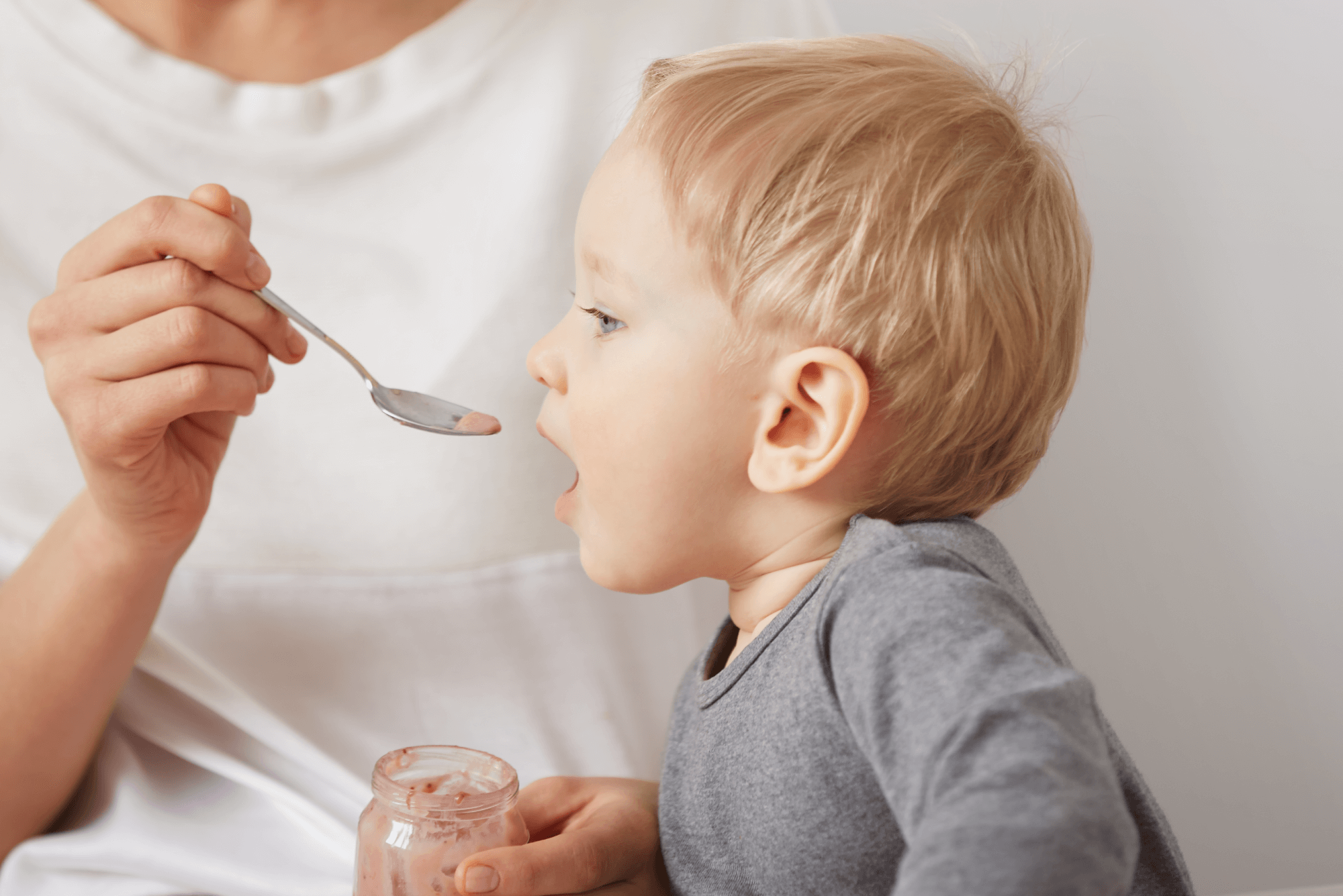
First Foods To Introduce To Babies
The journey of introducing solid foods to your baby is one of the most exciting milestones in early parenthood. Watching your little one experience new tastes and textures for the first time is truly memorable, but it can also feel overwhelming when you consider all the choices, potential allergens, and conflicting advice available. At myPediaClinic, we understand that parents want to give their babies the best possible start, and that begins with proper nutrition during these critical early months. This comprehensive guide will walk you through everything you need to know about introducing first foods to your baby, from recognizing signs of readiness to navigating allergies and establishing healthy eating habits that will last a lifetime. Whether you are a first-time parent or adding to your family, the evidence-based information presented here will help you make informed decisions about your baby’s nutritional journey.
Understanding When Your Baby Is Ready for Solid Foods
Determining the right time to introduce solid foods is crucial for your baby’s health and development. While the traditional guideline of starting at six months remains the primary recommendation from most health organizations, it is equally important to recognize that every baby develops at their own pace. At myPediaClinic Dubai, our pediatricians work with families to assess individual readiness and provide personalized guidance for this important transition.
Developmental Signs of Readiness
Rather than focusing solely on age, look for specific developmental milestones that indicate your baby is truly ready for solid foods. The ability to sit upright with minimal support is essential, as proper positioning helps prevent choking and allows babies to control food in their mouths effectively. Your baby should have good head and neck control, holding their head steady without wobbling. The tongue-thrust reflex, which causes babies to push food out of their mouths with their tongues, should have diminished. This reflex naturally protects young infants from choking but makes it impossible for them to keep food in their mouths for swallowing.
Interest in Food and Eating
Babies who are ready for solids often show genuine interest in what others are eating. They may watch intently as family members eat, reach for food on the table, open their mouths when food approaches, or make chewing motions. While these signs alone do not indicate readiness, combined with the physical developmental milestones mentioned above, they suggest your baby may be prepared to begin this exciting new phase. Some babies may show interest in food as early as four months but lack the physical development necessary for safe eating, which is why it is important to consider all factors together.
The Coordination Factor
Eating solid foods requires a complex set of skills that develop gradually. Your baby needs to be able to move food from the front of their mouth to the back for swallowing. They must coordinate breathing with swallowing without gagging or choking. Hand-eye coordination is also important, as babies need to bring food or spoons to their mouths accurately. These skills typically develop around six months of age but may appear earlier or later in individual babies.
Why Timing Matters
Introducing solids too early, before four months of age, is associated with increased risks including digestive problems, allergies, obesity, and interference with breast milk or formula intake. Starting too late, after seven months, may lead to nutritional deficiencies, particularly iron deficiency, and may make it harder for babies to accept new textures and tastes. The window between four and six months, with most babies ready closer to six months, represents the optimal time for most infants to begin their solid food journey.
Choosing the Best First Foods for Your Baby
Gone are the days when rice cereal was universally recommended as every baby’s first food. Current research and pediatric guidelines support a much broader approach to first foods, with emphasis on iron-rich options and diverse flavors from the start. At myPediaClinic, we encourage parents to think creatively about first foods while prioritizing nutrition and safety.
Iron-Rich First Foods
Iron is critically important for your baby’s brain development and overall growth. By around six months of age, the iron stores babies are born with begin to deplete, making dietary iron essential. Excellent iron-rich first foods include pureed meats such as chicken, beef, and lamb, which contain highly absorbable heme iron. Pureed legumes like lentils, chickpeas, and beans provide plant-based iron along with protein and fiber. Iron-fortified infant cereals, including rice, oat, and barley varieties, remain a practical option, especially for parents seeking convenient first foods. When offering plant-based iron sources, pairing them with vitamin C-rich foods like pureed fruits can enhance iron absorption.
Vegetables as First Foods
Introducing vegetables early and often helps establish acceptance of these nutritious foods. Many parents wonder whether starting with vegetables before fruits will prevent babies from developing a sweet tooth, but research does not strongly support this theory. Babies are born with a natural preference for sweet tastes, which served an evolutionary purpose. However, repeated exposure to vegetables does help babies accept and eventually enjoy them. Excellent vegetable choices for first foods include sweet potato, butternut squash, carrots, peas, green beans, zucchini, and avocado. Start with single vegetables to identify any reactions before moving to combinations.
Fruits for Babies
Fruits provide essential vitamins, minerals, and fiber for growing babies. Naturally sweet and appealing, fruits are often readily accepted by infants. Good first fruit options include bananas, which can be mashed fresh and offer a creamy texture babies love. Avocados, while technically a fruit, provide healthy fats crucial for brain development. Pears and apples, when cooked and pureed, are gentle on sensitive digestive systems. Stone fruits like peaches, plums, and apricots offer variety in flavor and nutrients. Berries can be introduced but should be pureed well to avoid choking hazards from seeds and skins.
Grains and Cereals
While iron-fortified infant cereals remain a practical first food option, they should not be the only grain your baby experiences. Whole grains provide important nutrients and expose babies to diverse flavors and textures. Consider introducing quinoa, which offers complete protein and iron. Oatmeal provides fiber and a creamy texture when pureed. Millet and amaranth are nutritious ancient grains that make excellent baby foods. Avoid honey-containing cereals for babies under one year due to the risk of botulism.
Protein Sources
Protein is essential for your baby’s growth and development. In addition to meat and legumes mentioned earlier, consider eggs as a highly nutritious first food. Recent research has revolutionized our understanding of egg introduction, with current guidelines supporting early introduction to help prevent egg allergies. Fish provides protein along with omega-3 fatty acids important for brain development. Choose low-mercury options like salmon, sardines, and tilapia. Tofu offers a plant-based protein option that is naturally soft and can be pureed easily for younger babies or cut into small pieces for older ones practicing self-feeding.
Understanding Food Allergies and Safe Introduction Practices
Food allergies are a significant concern for many parents, and for good reason. Allergies have become increasingly common, and severe reactions can be frightening and dangerous. However, current research has dramatically shifted our understanding of allergy prevention, and the guidelines from myPediaClinic and other leading pediatric organizations reflect this new knowledge.
The New Approach to Allergen Introduction
For many years, parents were advised to delay introduction of common allergens like peanuts, eggs, and fish until after the first year or even longer. However, landmark research has shown that early introduction of allergens may actually help prevent the development of food allergies. Current guidelines recommend introducing allergenic foods around six months of age, after a few other first foods have been accepted, for most babies. This includes peanuts, tree nuts, eggs, dairy, wheat, soy, fish, shellfish, and sesame. Of course, these should be introduced in age-appropriate forms, such as thin peanut butter mixed into purees rather than whole peanuts, which pose a choking hazard.
High-Risk Babies and Allergen Introduction
Babies who have severe eczema, existing food allergies, or a family history of allergies may be at higher risk for developing food allergies. For these infants, allergen introduction may need to be approached more carefully and potentially under medical supervision. Our pediatric team at myPediaClinic Dubai can assess your baby’s individual risk factors and provide guidance on the safest approach to allergen introduction for your specific situation. In some cases, allergy testing before introduction may be recommended.
How to Introduce Allergenic Foods Safely
When introducing a new potential allergen, offer it early in the day so you have time to observe for any reactions. Start with a small amount, about a quarter teaspoon, mixed into a food your baby has already accepted and tolerated. Wait and observe for at least two hours before offering more. If no reaction occurs, gradually increase the amount over subsequent feedings. Once an allergen has been introduced without reaction, continue offering it regularly, as ongoing exposure helps maintain tolerance. Do not introduce multiple new allergens on the same day, as this makes it difficult to identify which food caused any reaction that might occur.
Recognizing Allergic Reactions
Knowing the signs of an allergic reaction allows you to respond quickly if one occurs. Mild reactions may include hives, rash, or mild swelling around the mouth. These should be reported to your pediatrician but may not require emergency treatment. More severe reactions can include vomiting, diarrhea, difficulty breathing, wheezing, significant swelling of the face or throat, pale or blue skin color, or loss of consciousness. Severe reactions require immediate emergency medical attention. Keep your pediatrician’s contact information and emergency numbers readily available when introducing new foods.
Texture Progression: From Purees to Table Foods
As your baby develops, their ability to handle different textures evolves. Progressing through textures appropriately helps develop oral motor skills necessary for speech and prevents texture aversions that can make feeding difficult later. Understanding this progression helps parents know what to offer and when.
Stage One: Thin Purees (Around 6 Months)
First foods should be very smooth and thin, almost liquid in consistency. This allows babies who are just learning to move food in their mouths to swallow safely without choking. Single-ingredient purees work best at this stage, as they allow you to identify any foods that cause reactions or digestive issues. Breast milk, formula, or water can be added to achieve the right consistency. Foods should be strained or blended until completely smooth with no lumps or chunks.
Stage Two: Thicker Purees (Around 7-8 Months)
As your baby becomes more skilled at eating, gradually thicken purees to a consistency more like thick soup or yogurt. At this stage, you can begin combining foods to create more interesting flavors. Some small, soft lumps are appropriate as babies learn to manage more texture in their mouths. Mashed foods, like banana or avocado mashed with a fork rather than pureed, provide texture practice while remaining safe and easy to swallow.
Stage Three: Lumpy Mashes and Soft Finger Foods (Around 8-10 Months)
By eight to ten months, most babies are ready for foods with more distinct pieces. Mashed foods with visible lumps, finely chopped soft foods, and dissolvable puffs or crackers are appropriate at this stage. Many babies are also ready to begin practicing self-feeding with soft finger foods. Good options include small pieces of ripe banana, well-cooked vegetable pieces, soft cheese cubes, and small pieces of well-cooked meat. Always supervise closely and ensure pieces are small enough and soft enough to prevent choking.
Stage Four: Chopped Table Foods (Around 10-12 Months)
As your baby approaches their first birthday, they can eat most of the same foods as the family, appropriately cut into small, safe pieces. This is an important transition as it prepares babies for toddlerhood and family meals. Continue to avoid choking hazards like whole grapes, hot dogs, popcorn, and hard candy. Foods should still be soft enough to mash between two fingers. Season family foods mildly when serving to baby, avoiding excessive salt or spicy ingredients.
Baby-Led Weaning Approach
Some families choose baby-led weaning, an approach that skips purees entirely and offers soft finger foods from the start of complementary feeding. This method allows babies to control their food intake and develop self-feeding skills from the beginning. While research supports the safety and benefits of baby-led weaning when done properly, it requires careful attention to food preparation and supervision. Foods must be cut into appropriate shapes, usually strips that babies can grasp easily, and must be soft enough to gum without teeth. Our pediatricians at myPediaClinic can provide guidance on whether this approach is right for your family and how to implement it safely.
Homemade vs. Commercial Baby Foods
Parents often wonder whether they should make baby food at home or purchase commercial options. Both approaches have advantages, and many families find that a combination works best for their lifestyle and priorities.
Benefits of Homemade Baby Food
Making baby food at home gives you complete control over ingredients and quality. You know exactly what goes into your baby’s food, with no preservatives, added sugars, or thickeners. Homemade foods can be customized to your baby’s preferences and dietary needs. Preparing food at home is often more economical, especially if you make large batches and freeze portions. It also exposes babies to the same foods the family eats, potentially easing the transition to family meals. Additionally, homemade foods tend to have more varied textures than commercial purees, which may help with texture acceptance.
Practical Tips for Making Baby Food
Making baby food at home does not require special equipment, though a good blender or food processor makes the job easier. Steam or bake vegetables and fruits until very soft, then puree with breast milk, formula, or water to achieve the desired consistency. Make large batches and freeze in ice cube trays or small containers for convenient portions. Thaw frozen baby food in the refrigerator overnight or in warm water, never in the microwave, which can create dangerous hot spots. Homemade baby food keeps for about three days in the refrigerator and up to three months in the freezer.
When Commercial Baby Food Makes Sense
Commercial baby foods offer convenience that is valuable for busy families. They are shelf-stable, portable, and require no preparation. This makes them ideal for travel, daycare, or times when cooking is not practical. Quality commercial baby foods are regulated for safety and nutritional content. Many brands now offer organic options without added sugars or preservatives. When choosing commercial baby foods, read labels carefully. Avoid products with added sugars, salt, or unnecessary ingredients. Single-ingredient options are often the best choice, especially in the early stages of feeding.
Foods to Make at Home vs. Buy
Some foods are easier and more economical to make at home than others. Simple purees of common fruits and vegetables like sweet potato, banana, and peas are quick to prepare and much cheaper than commercial versions. Meat purees, which can be tricky to get smooth enough, may be easier to purchase ready-made. Combination foods and ethnic flavors might be worth making at home if you cannot find good commercial options that match your family’s cuisine. Consider your time, budget, and priorities when deciding which approach works best for each food.
Foods to Avoid in the First Year
While introducing a wide variety of foods is encouraged, certain items should be avoided during the first year due to safety concerns, potential health risks, or developmental inappropriateness.
Honey and the Risk of Botulism
Honey should never be given to babies under one year of age due to the risk of infant botulism. Honey can contain spores of Clostridium botulinum bacteria, which can grow and produce dangerous toxins in an infant’s immature digestive system. This includes honey in baked goods and honey-containing products. Even small amounts pose a risk. After the first birthday, the digestive system is mature enough to handle these spores safely.
Choking Hazards
Certain foods pose significant choking risks for babies and young toddlers. Whole grapes, cherry tomatoes, and similar round foods should be cut into quarters lengthwise. Hot dogs, if served, should be cut lengthwise and then into small pieces. Popcorn, nuts, seeds, hard candies, and chunks of raw vegetables or hard fruits are not appropriate for babies. Sticky foods like peanut butter should be spread thinly rather than given in globs. Large chunks of meat and cheese should be cut into small, manageable pieces.
High-Mercury Fish
Fish is an excellent food for babies, providing protein and omega-3 fatty acids. However, some fish contain high levels of mercury, which can be harmful to developing brains. Avoid shark, swordfish, king mackerel, tilefish, and bigeye tuna. Choose low-mercury options like salmon, sardines, trout, herring, and light canned tuna. Limit fish intake to two to three servings per week to minimize mercury exposure while still gaining nutritional benefits.
Unpasteurized Products
Unpasteurized dairy products, juices, and ciders can contain harmful bacteria that pose serious risks to infants. Always choose pasteurized options. This is particularly important in regions where raw milk products may be available. The risk of foodborne illness from unpasteurized products is much higher in babies than in healthy adults.
Added Sugars and Salt
Babies have no need for added sugars or excessive salt, and early exposure may establish unhealthy preferences. Avoid sweetened foods, desserts, and sugary beverages in the first year. When preparing homemade baby food, do not add salt. Commercial baby foods should be checked for added sugars, which may appear under various names on ingredient labels. Natural sugars in fruits and vegetables are appropriate, but concentrated sweeteners are not necessary.
Cow’s Milk as a Primary Drink
While dairy products like cheese and yogurt can be introduced after six months, cow’s milk should not replace breast milk or formula as a primary drink until after the first birthday. Cow’s milk does not provide the right balance of nutrients for infants and can be difficult to digest. It may also interfere with iron absorption. After one year, whole milk can be introduced as a drink as part of a varied diet.
Establishing Healthy Feeding Practices
How you feed your baby is as important as what you feed them. Establishing positive feeding practices from the start helps create healthy relationships with food that last a lifetime. At myPediaClinic, we emphasize responsive feeding approaches that respect babies’ natural hunger and fullness cues.
Reading and Responding to Hunger Cues
Babies communicate hunger and fullness through behavioral cues that parents learn to recognize over time. Hunger cues include opening the mouth when food approaches, leaning toward food, reaching for food, and showing excitement when food appears. Fullness cues include turning the head away, pushing food away, closing the mouth, becoming distracted, or losing interest in eating. Responding appropriately to these cues, feeding when hungry and stopping when full, helps babies maintain their natural ability to self-regulate food intake.
The Division of Responsibility
A helpful framework for feeding is the division of responsibility, developed by feeding expert Ellyn Satter. Parents are responsible for what food is offered, when it is offered, and where eating takes place. Children are responsible for whether they eat and how much. This approach reduces mealtime battles, prevents unhealthy restriction or pressure, and allows children to develop healthy eating competence. It can be applied from the very first foods and continues throughout childhood.
Creating Positive Mealtime Environments
Where and how meals occur influences babies’ experiences with food. Whenever possible, feed babies in a calm, unhurried environment without distractions like television or electronic devices. Include babies at family meals, even if they are eating different foods, to model eating behaviors and create social connections around food. Use appropriate seating that supports babies safely and positions them well for eating. Make mealtimes pleasant experiences rather than battlegrounds over food consumption.
Dealing with Food Refusal
It is completely normal for babies to refuse foods, sometimes many times before accepting them. Research shows that babies may need to be exposed to a new food ten to fifteen times or more before accepting it. If your baby refuses a food, do not force it. Simply remove the food without making a fuss and try again another day. Continue offering a variety of foods without pressure. Most babies become more adventurous eaters when they feel in control of their eating rather than forced or pressured.
Nutrition Considerations for the First Year
While solid foods provide important nutrients and developmental experiences, breast milk or formula remains the primary source of nutrition throughout the first year. Understanding how solids fit into overall nutrition helps parents maintain appropriate balance.
Maintaining Breast Milk or Formula Intake
When starting solids, breast milk or formula should continue to provide most of your baby’s calories and nutrients. In the early months of complementary feeding, solid foods are primarily for practice and exposure rather than nutrition. Around six to eight months, aim for about two to three meals of solids per day while maintaining full breast milk or formula feeding. By nine to twelve months, babies typically eat three meals plus one to two snacks daily, with breast milk or formula still providing significant nutrition.
Iron Requirements and Sources
Iron is particularly critical during the second half of the first year as stored iron from birth begins to deplete. Breastfed babies are at higher risk for iron deficiency as breast milk is relatively low in iron. Iron-fortified cereals, pureed meats, legumes, and iron-enriched foods help meet these needs. Our pediatric team at myPediaClinic Dubai monitors iron status at regular check-ups and can recommend supplements if needed.
Vitamin D Supplementation
All breastfed babies should receive vitamin D supplementation, as breast milk does not provide adequate amounts of this essential vitamin. Formula-fed babies who consume less than one liter of formula daily may also need supplementation. Vitamin D is crucial for bone health and immune function. Discuss vitamin D supplementation with your pediatrician to ensure your baby receives appropriate amounts.
Hydration and Water Introduction
Breast milk or formula provides all the hydration young babies need. Once solids are established, small amounts of water can be introduced, particularly with meals. Offer water from an open cup or straw cup to practice drinking skills. Avoid juice in the first year, as it provides sugar without the fiber benefit of whole fruit and can displace more nutritious foods and beverages.
Special Considerations for Feeding
Some babies have special circumstances that require modified approaches to feeding. Whether your baby was born prematurely, has developmental delays, or has medical conditions affecting feeding, individualized guidance from healthcare providers is essential.
Premature Babies and Solid Food Introduction
Premature babies may need to start solids later than full-term babies, based on their corrected age rather than their birth age. They may also have different developmental trajectories for feeding skills. Work closely with your pediatrician to determine the right timing and approach for your premature baby. Additional nutritional support may be needed to meet the demands of catch-up growth.
Babies with Reflux
Gastroesophageal reflux is common in infants and may affect feeding comfort and tolerance. Some babies with reflux do better with thicker foods, while others prefer thinner purees. Smaller, more frequent meals may be better tolerated than larger portions. Keep babies upright during and after feeding. If reflux is severe or significantly affecting your baby’s comfort or growth, discuss management options with your pediatrician.
Babies with Developmental Delays
Babies with developmental delays may reach feeding milestones on a different timeline. Occupational therapists and speech therapists specializing in feeding can provide valuable guidance for these families. Adaptations to positioning, texture progression, and feeding techniques may be helpful. The goal remains the same: to help your baby develop safe, enjoyable, and nutritious eating patterns at their own pace.
Frequently Asked Questions
What is the best first food to give my baby?
There is no single best first food for all babies. Current recommendations emphasize iron-rich foods as excellent choices since babies’ iron stores begin to deplete around six months. Iron-fortified infant cereals, pureed meats, and pureed legumes are all good options. Many pediatricians at myPediaClinic suggest starting with single-ingredient purees of common foods like sweet potato, avocado, banana, or iron-fortified cereal to identify any reactions before combining foods. The most important thing is to choose nutritious, age-appropriate foods and introduce them safely.
How do I know if my baby is allergic to a food?
Allergic reactions can range from mild to severe. Mild reactions may include hives, rash, redness around the mouth, mild swelling, or digestive upset like vomiting or diarrhea. These symptoms typically appear within minutes to two hours after eating the food. Severe reactions, known as anaphylaxis, may include difficulty breathing, wheezing, significant swelling of the face or throat, pale or blue skin, or loss of consciousness. Severe reactions require immediate emergency medical care. If you suspect your baby has had a reaction to any food, contact your pediatrician for guidance on next steps and whether the food should be avoided in the future.
Can I give my baby peanut butter?
Yes, current guidelines actually recommend introducing peanuts early, around six months, to help prevent peanut allergy. However, whole peanuts and thick peanut butter pose choking hazards. Instead, mix a small amount of smooth peanut butter with breast milk, formula, or a puree your baby has already accepted to create a thin, safe consistency. For babies at high risk for allergies, such as those with severe eczema or existing egg allergy, discuss peanut introduction with your pediatrician first. Some high-risk babies may benefit from allergy testing before introduction or introduction under medical supervision.
How much solid food should my baby eat?
In the early months of complementary feeding, amounts are less important than exposure and practice. Start with just a teaspoon or two and gradually increase based on your baby’s interest and tolerance. By eight to nine months, most babies eat about two to four tablespoons of food per meal, two to three times daily. By one year, babies typically eat about one quarter to one half cup of food per meal, three times daily plus snacks. However, appetite varies significantly between babies and even from day to day. Let your baby guide intake by responding to their hunger and fullness cues rather than focusing on specific amounts.
Should I make my own baby food or buy commercial options?
Both homemade and commercial baby foods can be healthy choices, and many families use a combination based on convenience and preference. Homemade food offers control over ingredients and variety, and is often more economical. Commercial foods offer convenience, portability, and consistent safety standards. When choosing commercial options, select products without added sugars, salt, or unnecessary ingredients. When making food at home, follow safe preparation and storage practices. The best approach is the one that works for your family while providing your baby with nutritious, varied foods.
My baby refuses all vegetables. What should I do?
Vegetable refusal is common but usually temporary with patience and persistence. Continue offering vegetables at meals without pressure or forcing. It can take ten to fifteen or more exposures before a baby accepts a new food. Try preparing vegetables different ways, as some babies prefer roasted vegetables to steamed, or mixed into other foods rather than plain. Model vegetable eating yourself and include your baby at family meals where vegetables are served. Avoid replacing refused vegetables with preferred foods, as this reinforces refusal. If vegetable refusal persists despite consistent efforts, discuss your concerns with your pediatrician at myPediaClinic.
When can my baby have dairy products like cheese and yogurt?
Dairy products like cheese and yogurt can be introduced after six months of age as part of complementary feeding. These foods provide calcium, protein, and other important nutrients. Choose full-fat, plain varieties without added sugars. While these dairy products are appropriate, cow’s milk should not replace breast milk or formula as a primary drink until after the first birthday. This is because cow’s milk alone does not provide the right balance of nutrients for infants and may interfere with iron absorption. After age one, whole milk can be introduced as a beverage as part of a varied diet.
Is baby-led weaning safe?
Baby-led weaning, where babies self-feed soft finger foods from the start rather than being spoon-fed purees, can be safe when done properly. Research has shown that babies following a baby-led weaning approach do not have higher rates of choking than traditionally fed babies, provided appropriate foods are offered. Foods must be soft enough to mash between two fingers, cut into safe shapes, and offered under close supervision. This approach is best suited for babies who show strong signs of readiness and have good sitting ability. Discuss with your pediatrician whether baby-led weaning is appropriate for your baby and get guidance on implementing it safely.
Conclusion: Nourishing Your Baby’s Future
Introducing solid foods to your baby marks an exciting new chapter in their development and your parenting journey. By understanding readiness signs, choosing nutritious first foods, respecting your baby’s cues, and creating positive mealtime experiences, you lay the foundation for a lifetime of healthy eating. Remember that every baby is unique, and what works for one family may not work for another. Be patient, flexible, and responsive to your baby’s individual needs and preferences.
The first year of feeding is about much more than nutrition. It is about discovery, connection, and building trust around food. Enjoy watching your baby experience new tastes and textures. Celebrate the messy, wonderful process of learning to eat. And know that the habits and attitudes you establish now will influence your child’s relationship with food for years to come.
Expert Guidance for Your Baby’s Nutritional Journey
At myPediaClinic Dubai, our experienced pediatric team is here to support you through every stage of your baby’s growth and development. From monitoring developmental readiness for solids to addressing feeding challenges, allergies, and nutritional concerns, we provide comprehensive, personalized care for your little one. Our approach combines the latest evidence-based recommendations with practical guidance tailored to your family’s needs and circumstances.
Schedule a consultation with myPediaClinic today to discuss your baby’s feeding journey and ensure they receive the best possible start to a lifetime of healthy eating. Our pediatric specialists are ready to answer your questions, address your concerns, and partner with you in nurturing your baby’s health and happiness.