

Getting Rid of Tartar: A Complete Guide to Understanding and Removing Dental Calculus – By our dental team
Author: Our dental team | Published: January 2025 | Reading Time: 16 minutes
Maintaining good oral health is essential for your overall well-being, and one of the most common challenges people face is dealing with tartar buildup on their teeth. Also known as dental calculus, tartar is hardened plaque that can lead to serious dental problems if left untreated. Understanding what tartar is, how it forms, and most importantly, how to get rid of it, is crucial for maintaining a healthy, beautiful smile.
At myPediaClinic Dubai, we are committed to helping families achieve and maintain optimal oral health. Under the expert guidance of our dental team, our dental team provides comprehensive tartar removal services and education to help patients understand the importance of preventing and treating tartar buildup.
In this comprehensive guide, we will explore everything you need to know about tartar, from understanding how it develops from plaque to the professional cleaning processes used to remove it. We will also share valuable prevention tips to help you keep your teeth tartar-free between dental visits.
Understanding Tartar: What Is It?
Tartar, medically known as dental calculus, is a hard, calcified deposit that forms on teeth when plaque is not removed through regular brushing and flossing. While plaque is a soft, sticky film of bacteria that constantly forms on teeth, tartar is the hardened version that develops when plaque remains on the teeth for an extended period.
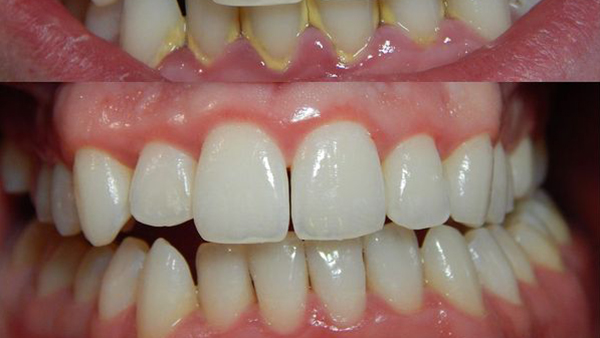
Tartar can form both above the gumline (supragingival calculus) and below the gumline (subgingival calculus). Above-the-gumline tartar is typically yellow or tan in color and is visible when you look at your teeth. Below-the-gumline tartar is darker, often brown or black, and can only be detected by a dental professional during an examination.
The Composition of Tartar
Tartar is composed of organic and inorganic materials. The inorganic portion consists primarily of calcium phosphate, calcium carbonate, and magnesium phosphate, which are minerals present in saliva. The organic portion contains bacteria, food debris, and proteins from saliva. This unique composition makes tartar extremely hard and firmly attached to tooth surfaces, which is why it cannot be removed by brushing alone.
Why Tartar Matters
At myPediaClinic Dubai, we emphasize the importance of tartar removal because of its significant impact on oral health. Tartar creates a rough surface on teeth that attracts more plaque and bacteria. It also irritates the gums, leading to inflammation and eventually gum disease. Additionally, tartar buildup can cause bad breath, tooth discoloration, and even contribute to tooth decay.
How Tartar Forms From Plaque
Understanding the journey from plaque to tartar helps illustrate why regular oral hygiene is so important. This transformation does not happen overnight but follows a predictable pattern that you can interrupt with proper care.
Stage 1: Biofilm Formation
Within minutes of cleaning your teeth, a thin layer of proteins from saliva begins to coat your tooth surfaces. This layer, called the acquired pellicle, is a natural protective coating but also serves as an attachment point for bacteria.
Stage 2: Plaque Development
Within hours, bacteria begin to colonize the pellicle, multiplying and forming a biofilm known as dental plaque. As you eat and drink, especially sugary or starchy foods, these bacteria feed on the residue and produce acids as a byproduct. This soft, sticky plaque can be removed with thorough brushing and flossing at this stage.
Stage 3: Plaque Maturation
If plaque is not removed within 24-72 hours, it begins to mature. The bacterial community becomes more complex, with different species working together in a way that makes the plaque more harmful to your teeth and gums. The plaque also becomes more firmly attached to the tooth surface.
Stage 4: Mineralization (Tartar Formation)
When plaque remains on teeth for approximately 24-72 hours, it begins to absorb minerals from saliva, particularly calcium and phosphate. This mineralization process, also called calcification, transforms the soft plaque into hard tartar. Once this transformation occurs, no amount of brushing or flossing can remove the deposit.
Factors That Accelerate Tartar Formation
Some individuals are more prone to tartar buildup than others. Factors that can accelerate tartar formation include:
- Saliva composition: Some people have saliva with higher mineral content, making them more susceptible to tartar formation
- Poor oral hygiene: Inadequate brushing and flossing allows plaque to remain on teeth longer
- Diet: High consumption of sugary and starchy foods feeds plaque bacteria
- Smoking and tobacco use: These habits contribute to faster tartar accumulation
- Dry mouth: Reduced saliva flow can alter the oral environment and promote tartar formation
- Age: Tartar tends to accumulate more as we get older
- Crowded or misaligned teeth: These can make thorough cleaning difficult
At myPediaClinic, our dental team evaluates each patient’s individual risk factors and provides personalized recommendations for preventing tartar buildup.
Why Tartar Can Only Be Removed Professionally
One of the most important facts to understand about tartar is that it cannot be removed at home. Once plaque has mineralized into tartar, no amount of brushing, flossing, or home remedies can effectively remove it. Here is why professional intervention is necessary:
The Hardness of Tartar
Tartar is extremely hard because it has undergone a process similar to how bones and shells are formed. This hardness is what makes tartar so firmly bonded to tooth surfaces. Toothbrush bristles, dental floss, and home cleaning tools are simply not capable of breaking this bond.
Location of Tartar Deposits
Tartar often forms in areas that are difficult to reach and see, such as between teeth, along the gumline, and below the gumline in periodontal pockets. These areas require specialized instruments and trained professionals to access and clean properly.
Risk of Damage from DIY Removal
Attempting to remove tartar at home using sharp objects or abrasive materials can cause serious damage to your teeth and gums. You might scratch the enamel, damage the gum tissue, or even push bacteria deeper below the gumline. Professional dental tools and techniques are specifically designed to remove tartar safely without harming surrounding tissues.
Specialized Professional Tools
Dental professionals at myPediaClinic Dubai use specialized instruments designed specifically for tartar removal. These include manual scalers, curettes, and ultrasonic scalers that can safely and effectively break apart and remove tartar from all tooth surfaces.
The Professional Tartar Removal Process
Professional teeth cleaning, also known as prophylaxis or scaling and polishing, is the only effective way to remove tartar. At myPediaClinic Dubai, we make this process as comfortable and thorough as possible. Here is what you can expect during a professional cleaning:
Initial Examination
Before cleaning begins, our dental team or our dental hygienist will examine your teeth and gums. This examination helps identify areas of concern, including the extent and location of tartar buildup, any signs of gum disease, cavities, or other dental issues that need attention.
Scaling: Removing Tartar Deposits
The main component of tartar removal is scaling, which involves removing tartar from all tooth surfaces. This can be done using:
Manual Scaling: Using handheld instruments called scalers and curettes, the dental professional carefully scrapes tartar from tooth surfaces. These instruments have specially designed tips that can reach into the grooves and spaces between teeth.
Ultrasonic Scaling: An ultrasonic scaler uses high-frequency vibrations combined with a water spray to break apart tartar deposits. The vibrations shatter the tartar while the water rinses it away. This method is often faster and more comfortable than manual scaling alone.
At myPediaClinic, we often use a combination of both methods to ensure thorough tartar removal while maximizing patient comfort.
Root Planing (If Needed)
For patients with tartar buildup below the gumline or early signs of gum disease, root planing may be necessary. This deeper cleaning involves smoothing the root surfaces of teeth to remove embedded tartar and bacteria. This helps the gums reattach to the teeth and prevents further progression of gum disease.
Polishing
After tartar removal, teeth are polished using a special paste and a rotating rubber cup or brush. This process removes surface stains and smooths the tooth surfaces, making it harder for plaque and tartar to adhere in the future.
Fluoride Treatment
Many professional cleanings conclude with a fluoride treatment to strengthen tooth enamel and provide additional protection against decay. The fluoride is applied as a gel, foam, or varnish and left on the teeth for a few minutes.
Personalized Oral Hygiene Instructions
After your cleaning at myPediaClinic Dubai, our dental team or our hygienist will review proper brushing and flossing techniques and provide personalized recommendations based on your specific needs. This education is crucial for preventing future tartar buildup.
Deep Cleaning: Scaling and Root Planing
For patients with significant tartar buildup below the gumline or those diagnosed with periodontal (gum) disease, a standard cleaning may not be sufficient. In these cases, a deep cleaning procedure called scaling and root planing is recommended.
When is Deep Cleaning Necessary?
Deep cleaning is typically recommended when:
- Tartar has accumulated below the gumline
- Periodontal pockets (spaces between teeth and gums) exceed 4mm in depth
- There is evidence of gum disease (gingivitis or periodontitis)
- Gums are inflamed, bleeding, or pulling away from teeth
- Bone loss around teeth has begun
The Deep Cleaning Procedure
At myPediaClinic Dubai, deep cleaning is typically performed under local anesthesia to ensure patient comfort. The procedure may be completed in one visit or divided into multiple appointments, treating different sections of the mouth at each visit.
Scaling: All tartar deposits are removed from tooth surfaces and from within periodontal pockets using specialized instruments that can reach deep below the gumline.
Root Planing: The root surfaces of the teeth are then smoothed to remove embedded tartar and bacteria. This smooth surface helps prevent future bacterial attachment and allows the gums to heal and reattach to the tooth.
Recovery After Deep Cleaning
After a deep cleaning, you may experience some tenderness, sensitivity, and minor bleeding for a few days. Our dental team will provide aftercare instructions including recommended pain management, dietary modifications, and oral hygiene practices during the healing period.
Follow-up appointments are essential to monitor healing and ensure the gum disease is under control. In some cases, additional treatments or more frequent cleanings may be necessary.
The Consequences of Ignoring Tartar Buildup
Leaving tartar untreated can have serious consequences for your oral and overall health. Understanding these risks underscores the importance of regular professional cleanings at myPediaClinic Dubai.
Gingivitis
Gingivitis is the earliest stage of gum disease and is caused by plaque and tartar irritating the gums. Symptoms include red, swollen gums that may bleed during brushing or flossing. The good news is that gingivitis is reversible with professional cleaning and improved oral hygiene.
Periodontitis
If gingivitis is not treated, it can progress to periodontitis, a more severe form of gum disease. In periodontitis, the inflammation extends deeper, causing the gums to pull away from teeth and form infected pockets. The bone and tissues supporting the teeth begin to break down, potentially leading to tooth loss.
Tooth Decay
Tartar creates a rough surface that attracts more plaque bacteria. These bacteria produce acids that erode tooth enamel, leading to cavities. Tartar below the gumline can also contribute to root decay, which is particularly difficult to treat.
Bad Breath (Halitosis)
The bacteria in tartar produce foul-smelling compounds that cause persistent bad breath. This halitosis cannot be effectively treated with mouthwash or breath mints; it requires removal of the underlying cause, the tartar buildup.
Tooth Discoloration
Tartar itself is often yellow, brown, or even black, and its presence can make teeth appear discolored and unhealthy. Additionally, tartar’s rough surface absorbs stains from food, drinks, and tobacco more readily than smooth tooth enamel.
Systemic Health Risks
Research has increasingly linked gum disease caused by tartar buildup to various systemic health conditions. The chronic inflammation and bacteria associated with gum disease have been connected to:
- Heart disease and stroke
- Diabetes complications
- Respiratory infections
- Pregnancy complications
- Cognitive decline
By maintaining regular cleanings at myPediaClinic, you are not just protecting your teeth, you are investing in your overall health.
Prevention Tips: Keeping Tartar at Bay
While tartar cannot be removed at home once it forms, preventing its formation in the first place is entirely possible with proper oral hygiene practices. Our dental team at myPediaClinic Dubai recommends the following strategies for preventing tartar buildup:
Brush Properly and Regularly
Brushing your teeth at least twice a day, for two minutes each time, is the foundation of tartar prevention. Use a soft-bristled toothbrush and fluoride toothpaste. Pay special attention to areas where tartar commonly forms: along the gumline, behind the lower front teeth, and on the inner surfaces of teeth.
Proper Brushing Technique:
- Hold your toothbrush at a 45-degree angle to your gums
- Use short, gentle strokes
- Brush all surfaces: outer, inner, and chewing surfaces
- Do not forget to brush your tongue
- Replace your toothbrush every 3-4 months
Floss Daily
Brushing alone cannot remove plaque from between teeth. Daily flossing is essential for removing plaque and food particles from these areas. If traditional flossing is difficult, consider using floss picks, water flossers, or interdental brushes.
Use Tartar-Control Toothpaste
Tartar-control toothpastes contain ingredients like pyrophosphates that help prevent plaque from mineralizing into tartar. While they cannot remove existing tartar, they can slow the formation of new tartar between dental cleanings.
Consider an Antiseptic Mouthwash
An antiseptic mouthwash can help kill bacteria that contribute to plaque formation. Look for products with the ADA Seal of Acceptance. However, mouthwash should complement, not replace, brushing and flossing.
Watch Your Diet
Bacteria thrive on sugary and starchy foods, producing acids and contributing to plaque buildup. Limiting consumption of sugary snacks and drinks, and rinsing your mouth with water after eating, can help reduce plaque formation.
Stay Hydrated
Drinking plenty of water helps maintain saliva flow, which naturally cleanses the mouth and provides minerals that protect teeth. Dry mouth increases the risk of plaque and tartar buildup.
Quit Smoking
Smoking and tobacco use are strongly associated with increased tartar formation and gum disease. Quitting smoking is one of the best things you can do for your oral and overall health.
Maintain Regular Dental Visits
Even with excellent home care, professional cleanings at myPediaClinic Dubai every six months are essential. These visits allow for removal of any tartar that has formed, early detection of problems, and professional guidance for your oral care routine.
How Often Should You Get Professional Cleanings?
The frequency of professional cleanings depends on your individual oral health status and risk factors. At myPediaClinic, our dental team provides personalized recommendations based on each patient’s needs.
Standard Recommendation
For most patients with healthy gums and good oral hygiene habits, professional cleanings every six months are sufficient to maintain oral health and prevent significant tartar buildup.
More Frequent Cleanings May Be Needed If You Have:
- History of gum disease
- Tendency to accumulate tartar quickly
- Diabetes or other conditions affecting oral health
- Smoking or tobacco use
- Orthodontic appliances that make cleaning difficult
- Weakened immune system
- Dry mouth conditions
In these cases, cleanings every 3-4 months may be recommended to keep tartar under control and prevent gum disease progression.
Children and Tartar
Children can develop tartar just like adults, making regular dental cleanings important from an early age. At myPediaClinic Dubai, we recommend that children begin dental visits by their first birthday and have regular cleanings as recommended by our pediatric dental team. Early establishment of good oral hygiene habits and regular professional care sets the foundation for a lifetime of healthy teeth.
Tartar Removal for Children
As a pediatric-focused dental clinic, myPediaClinic Dubai has special expertise in caring for children’s dental health, including tartar removal and prevention.
When Children Develop Tartar
Children can begin developing tartar as soon as they have teeth, though it becomes more common as they get older. Areas where children commonly develop tartar include the inner surfaces of lower front teeth and along the gumline of back teeth.
Making Cleanings Comfortable for Kids
We understand that dental visits can be anxiety-inducing for children. Our team at myPediaClinic is specially trained to make cleanings positive experiences. We use child-friendly language, explain procedures in age-appropriate ways, and create a welcoming environment that helps children feel safe and comfortable.
Teaching Good Habits Early
One of the most valuable things we do during children’s visits is educate them about proper oral hygiene. We teach brushing and flossing techniques, explain why these habits matter, and empower children to take ownership of their oral health. Parents are also given guidance on how to help their children maintain good oral hygiene at home.
Common Myths About Tartar
There are many misconceptions about tartar and its removal. Our dental team at myPediaClinic Dubai addresses some common myths:
Myth: You Can Remove Tartar at Home
Fact: Once tartar has formed, it can only be removed by a dental professional using specialized instruments. No amount of brushing, home remedies, or over-the-counter products can remove hardened tartar.
Myth: Tartar is Just a Cosmetic Issue
Fact: While tartar does affect the appearance of teeth, it is primarily a health concern. Tartar contributes to gum disease, tooth decay, bad breath, and has been linked to systemic health problems.
Myth: If My Teeth Do Not Hurt, I Do Not Have a Tartar Problem
Fact: Tartar buildup and early gum disease are often painless. By the time you experience pain or discomfort, significant damage may have already occurred. Regular dental check-ups catch problems early.
Myth: Professional Cleanings Damage Teeth
Fact: Professional cleaning instruments are designed to safely remove tartar without damaging tooth enamel or gums. The procedures used at myPediaClinic are safe and protective of your natural tooth structure.
Myth: Mouthwash Can Prevent Tartar
Fact: While antiseptic mouthwash can help reduce bacteria and plaque, it cannot prevent or remove tartar on its own. Mouthwash should be used as a supplement to, not a replacement for, brushing and flossing.
Frequently Asked Questions About Tartar and Dental Cleanings
What is the difference between plaque and tartar?
Plaque is a soft, sticky film of bacteria that constantly forms on teeth and can be removed with regular brushing and flossing. Tartar (also called calculus) is hardened plaque that has mineralized through absorption of minerals from saliva. This transformation typically occurs within 24-72 hours if plaque is not removed. Unlike plaque, tartar cannot be removed at home and requires professional dental cleaning at myPediaClinic Dubai for removal.
Can I remove tartar at home?
No, tartar cannot be safely or effectively removed at home. Once plaque has hardened into tartar, it becomes too firmly bonded to tooth surfaces for toothbrushes or home cleaning methods to remove. Attempting to scrape off tartar yourself can damage your tooth enamel and gums. Professional dental instruments and techniques are required for safe tartar removal. However, you can prevent tartar from forming in the first place through proper brushing, flossing, and regular dental cleanings at myPediaClinic.
How often should I get my teeth professionally cleaned?
For most people with healthy gums and good oral hygiene, professional cleanings every six months are recommended. However, some individuals may need more frequent cleanings every 3-4 months, particularly those with a history of gum disease, rapid tartar buildup, diabetes, or those who smoke. Our dental team at myPediaClinic Dubai will assess your individual needs and recommend an appropriate cleaning schedule based on your oral health status and risk factors.
Is tartar removal painful?
For most patients, standard tartar removal (scaling and polishing) causes minimal to no discomfort. You may feel some pressure and vibration from the instruments, and sensitive areas may experience brief discomfort. For deep cleanings or patients with significant tartar buildup, local anesthesia can be used to ensure complete comfort. At myPediaClinic Dubai, patient comfort is a priority, and our dental team will discuss pain management options to ensure a comfortable experience.
What causes tartar to form faster in some people?
Several factors can make some people more prone to rapid tartar formation. These include saliva composition with higher mineral content, inadequate oral hygiene, a diet high in sugary and starchy foods, smoking or tobacco use, dry mouth conditions, certain medications, crowded or misaligned teeth that are difficult to clean, and age. If you notice you develop tartar quickly, more frequent professional cleanings at myPediaClinic and enhanced home care may be recommended.
Can tartar cause bad breath?
Yes, tartar is a common cause of persistent bad breath (halitosis). The bacteria harbored in tartar produce foul-smelling sulfur compounds. Additionally, tartar below the gumline can cause gum disease, which also contributes to bad breath. If you have chronic bad breath that does not improve with brushing, mouthwash, or breath mints, tartar buildup may be the cause. A professional cleaning at myPediaClinic Dubai can remove the tartar and help resolve the bad breath.
What is the difference between a regular cleaning and a deep cleaning?
A regular cleaning (prophylaxis) removes plaque and tartar from above the gumline and slightly below, followed by polishing. It is a preventive procedure for patients with healthy gums. A deep cleaning (scaling and root planing) is a therapeutic procedure that removes tartar from deep below the gumline and smooths the tooth root surfaces. Deep cleaning is recommended when tartar has accumulated in periodontal pockets or when gum disease is present. At myPediaClinic, our dental team will determine which type of cleaning you need based on your examination.
Does tartar-control toothpaste actually work?
Tartar-control toothpastes contain ingredients like pyrophosphates and zinc citrate that can help slow the mineralization of plaque into tartar. While they cannot remove existing tartar or completely prevent new tartar from forming, studies show they can reduce tartar accumulation by up to 35% compared to regular toothpaste. For best results, use tartar-control toothpaste as part of a comprehensive oral hygiene routine that includes proper brushing, flossing, and regular professional cleanings at myPediaClinic Dubai.
Why do I get tartar even though I brush regularly?
Even with regular brushing, tartar can still form for several reasons. You may be missing certain areas, especially along the gumline and between teeth. Brushing technique matters; holding the brush at the wrong angle or brushing too quickly can leave plaque behind. Flossing is also essential, as brushing cannot reach between teeth. Additionally, some people have saliva with higher mineral content that promotes faster tartar formation. Our dental team at myPediaClinic can evaluate your brushing technique and provide personalized recommendations to improve your home care.
Can children get tartar on their teeth?
Yes, children can develop tartar on their teeth, even on baby teeth. Tartar in children commonly forms on the inner surfaces of lower front teeth and along the gumline. This is why regular dental check-ups and cleanings are important from an early age. At myPediaClinic Dubai, we specialize in pediatric dental care and make cleanings comfortable and positive experiences for children. We also teach proper brushing and flossing techniques to help children develop good oral hygiene habits that will serve them throughout life.
Is it safe to use dental picks or scrapers at home?
While dental picks designed for removing food particles are generally safe, using scrapers or sharp instruments to remove tartar at home is not recommended. Without proper training, you risk damaging your tooth enamel, injuring your gums, and potentially pushing bacteria deeper under the gumline. Professional dental instruments are specifically designed for safe tartar removal, and dental professionals are trained in techniques that protect your teeth and gums. For safe and effective tartar removal, visit myPediaClinic Dubai for professional cleaning.
What happens if tartar is left untreated?
If tartar is left untreated, it can lead to serious oral health problems. It causes gum inflammation (gingivitis) that can progress to periodontitis, a severe gum disease that can result in bone loss and tooth loss. Tartar contributes to tooth decay, causes persistent bad breath, and makes teeth appear discolored. Research also links gum disease from tartar to systemic health issues including heart disease, diabetes complications, and respiratory infections. Regular professional cleanings at myPediaClinic prevent these complications by removing tartar before it causes damage.
Why Choose myPediaClinic for Your Dental Cleanings
At myPediaClinic Dubai, we are committed to providing exceptional dental care for patients of all ages. Here is why families throughout Dubai trust us with their oral health:
Expert Care from our dental team
Our dental team brings extensive experience and a gentle approach to every cleaning and examination. Her expertise ensures thorough tartar removal while prioritizing patient comfort.
Family-Friendly Environment
As a pediatric-focused clinic, we are experts at making dental visits positive experiences for children while providing excellent care for adults as well. Our warm, welcoming environment helps patients of all ages feel comfortable.
State-of-the-Art Technology
We utilize modern dental technology including ultrasonic scalers and advanced imaging to provide more effective and comfortable cleanings. Our equipment allows for precise, thorough tartar removal with minimal discomfort.
Comprehensive Care
Beyond cleanings, myPediaClinic offers a full range of dental services. Whether you need preventive care, restorative treatments, or cosmetic dentistry, our team can address all your dental needs in one location.
Patient Education
We believe informed patients make better decisions about their oral health. We take time to explain conditions, treatments, and prevention strategies so you understand how to maintain a healthy smile between visits.
Schedule Your Professional Cleaning Today
Do not let tartar buildup compromise your oral health. Regular professional cleanings are one of the most important things you can do for your teeth and gums. At myPediaClinic Dubai, our dental team and our skilled dental team are ready to help you achieve and maintain a healthy, tartar-free smile.
Whether it has been six months or several years since your last cleaning, we welcome you to schedule an appointment. Our gentle, thorough approach ensures you receive the best possible care in a comfortable environment.
Contact myPediaClinic today to schedule your professional dental cleaning. Your healthier smile is just one appointment away.