

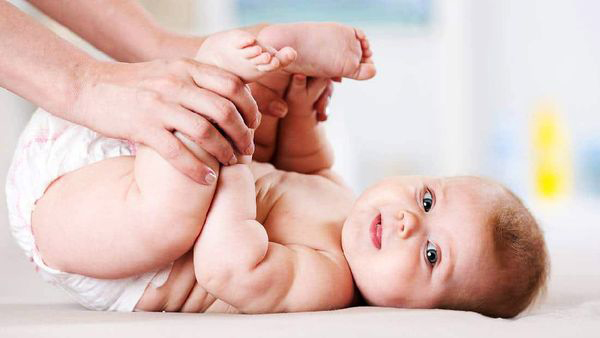
Getting Rid of the Diaper – Dr. Medhat Abu Shaaban Pediatrician in Dubai
Potty training represents one of the most significant developmental milestones in your child’s early years, marking a transition from infancy toward greater independence and self-awareness. As parents in Dubai navigate this journey, understanding the right approach can make the difference between a smooth transition and months of frustration. Dr. Medhat Abu Shaaban, a renowned pediatrician at myPediaClinic in Dubai, has guided thousands of families through this important phase with compassion, expertise, and evidence-based strategies that respect each child’s unique developmental timeline.
The journey from diapers to independent toilet use is not merely about convenience or cost savings—though parents certainly appreciate both benefits. This milestone represents your child’s growing ability to recognize bodily sensations, communicate needs, exercise self-control, and master a complex sequence of physical actions. When approached correctly, potty training becomes an empowering experience that builds your child’s confidence and strengthens the parent-child bond. When rushed or handled with excessive pressure, it can lead to resistance, regression, and emotional distress for everyone involved.
At myPediaClinic, we understand that every child develops at their own pace, and what works for one family may not suit another. This comprehensive guide draws on Dr. Medhat Abu Shaaban’s extensive experience in pediatric care to provide you with everything you need to know about potty training—from recognizing the signs of readiness to handling nighttime training and dealing with inevitable setbacks along the way.
Understanding the Right Timing for Potty Training
One of the most common questions parents ask during well-child visits at myPediaClinic is, “When should we start potty training?” The answer, while seemingly simple, requires a nuanced understanding of child development and individual readiness. Dr. Medhat Abu Shaaban emphasizes that chronological age alone is not a reliable indicator of readiness—some children are ready at 18 months, while others may not be developmentally prepared until age three or even later.
The Developmental Window
Research and clinical experience suggest that most children develop the necessary physical and cognitive abilities for successful potty training between 18 and 36 months of age. During this window, several developmental milestones converge: the nervous system matures enough to allow conscious control of bladder and bowel muscles, cognitive abilities advance to enable understanding of cause and effect, and motor skills develop sufficiently to manage clothing and sit on a potty independently.
However, readiness within this window varies enormously. Studies have shown that children who begin training before they are truly ready often take longer to achieve complete toilet independence than those who start later but are developmentally prepared. This finding underscores the importance of following your child’s lead rather than adhering to arbitrary timelines or external pressures from family members or childcare providers.
Cultural and Social Considerations in Dubai
Living in Dubai’s multicultural environment means parents often receive varied advice about potty training timing from different cultural perspectives. Some cultures traditionally begin toilet training very early, sometimes within the first year of life, while others take a more relaxed approach. Dr. Medhat Abu Shaaban at myPediaClinic helps families navigate these different viewpoints by focusing on what research tells us about optimal outcomes for children’s physical and emotional well-being.
The climate in Dubai can actually be advantageous for potty training. Warm weather means children can comfortably wear less clothing, making it easier to respond quickly when they need to use the toilet. Many families find summer months ideal for beginning the process, though any season can work if your child shows signs of readiness.
Recognizing the Signs of Potty Training Readiness
Before embarking on the potty training journey, it is essential to assess whether your child demonstrates the physical, cognitive, and emotional readiness required for success. Dr. Medhat Abu Shaaban recommends looking for a combination of signs rather than waiting for all indicators to be present simultaneously.
Physical Signs of Readiness
The physical prerequisites for potty training involve your child’s ability to control their bladder and bowel muscles. Key physical signs include staying dry for longer periods—typically two hours or more during the day—which indicates developing bladder control. You may notice that your child’s diaper is dry after naps, another positive indicator. Regular, predictable bowel movements suggest the digestive system is maturing in ways that support toilet training.
Additionally, your child should demonstrate the motor skills necessary for potty training success. These include the ability to walk to and from the bathroom, pull pants up and down with minimal assistance, and sit on a potty or toilet seat without support. Fine motor skills are also important—your child will eventually need to wipe themselves and manage buttons or snaps on clothing.
Cognitive and Communication Signs
Successful potty training requires that children understand the connection between the sensation of needing to eliminate and the action of using the toilet. Signs of cognitive readiness include your child’s ability to follow simple instructions, understand basic concepts like “wet” and “dry,” and communicate—either verbally or through gestures—when they need to use the toilet or have just done so in their diaper.
Many parents notice their child beginning to show interest in the bathroom habits of parents or older siblings. This curiosity is a positive sign that your child is cognitively ready to understand and imitate toilet use. Some children begin asking questions about the toilet or expressing discomfort with wet or soiled diapers—both excellent indicators of developing awareness.
Emotional and Behavioral Signs
Perhaps the most crucial aspect of readiness is your child’s emotional willingness to participate in the potty training process. Signs of emotional readiness include demonstrating a desire for independence in other areas of life, showing pride in accomplishments, and displaying a cooperative attitude toward following routines and instructions.
Children who are emotionally ready often show discomfort with dirty diapers and may ask to be changed promptly. They might express interest in wearing “big kid” underwear or using the toilet like older children or adults they know. Conversely, children going through significant transitions—such as welcoming a new sibling, starting nursery school, or adjusting to a new home—may not be emotionally available for potty training, even if they meet other readiness criteria.
Why You Should Never Rush Potty Training
In a world that often seems to measure parenting success by how quickly children achieve milestones, the pressure to potty train early can be intense. Dr. Medhat Abu Shaaban strongly cautions against rushing this process, explaining that premature potty training can lead to significant physical and emotional consequences.
Physical Risks of Early Training
When children are pushed to use the toilet before their bodies are ready, several physical problems can develop. The most common is constipation, which occurs when children learn to withhold bowel movements—either because they are not developmentally ready to recognize the sensation or because they associate the toilet with stress and discomfort. Chronic constipation can lead to painful bowel movements, which creates a cycle of withholding that becomes increasingly difficult to break.
Urinary tract infections can also result from improper toilet habits developed during premature training. Children who are rushed may develop patterns of incomplete bladder emptying or holding urine for too long, both of which increase infection risk. These medical issues often require intervention from specialists at facilities like myPediaClinic and can significantly delay the ultimate goal of independent toilet use.
Emotional and Psychological Impact
The emotional consequences of rushed potty training can be equally significant. Children who feel pressured may develop anxiety around toilet use, leading to resistance, accidents, and regression. Power struggles between parents and children over toilet training can damage the parent-child relationship and undermine the child’s sense of autonomy and competence.
Research has shown that children who experience harsh or punitive responses to accidents during potty training may develop shame around their bodily functions that persists into later childhood and beyond. Dr. Medhat Abu Shaaban emphasizes that potty training should be a positive experience that builds confidence—not one that creates lasting negative associations.
The Benefits of Waiting for Readiness
Studies consistently demonstrate that children who begin potty training when they are truly ready achieve full toilet independence more quickly than those who start earlier but are pushed before readiness. A child who starts training at 30 months when fully ready may achieve daytime dryness within weeks, while a child started at 18 months before readiness might struggle for a year or more.
Beyond the practical benefits, waiting for readiness means the experience is more positive for everyone involved. Children feel successful and empowered, parents experience less frustration, and the family avoids the stress of prolonged training battles.
Step-by-Step Approach to Successful Potty Training
Once you have confirmed that your child shows signs of readiness, it is time to begin the potty training process. Dr. Medhat Abu Shaaban recommends a gradual, child-led approach that respects your child’s pace while providing consistent support and encouragement.
Step 1: Preparation and Equipment
Before beginning active training, prepare your environment and your child for the transition. Choose a potty chair that is comfortable, stable, and appropriately sized for your child. Some children prefer a potty chair that sits on the floor, while others like a child-sized seat that fits on the regular toilet. Let your child participate in selecting their potty—this involvement increases their investment in the process.
Place the potty in an accessible location, typically the bathroom but sometimes in the main living area initially. Gather supplies including comfortable, easy-to-remove clothing, training pants or underwear for when your child is ready, and any books or toys that might help your child feel comfortable sitting on the potty for several minutes at a time.
Step 2: Introduction and Familiarization
Introduce the potty gradually by allowing your child to explore it without pressure. Let them sit on it fully clothed while reading a book or playing with a toy. Explain in simple, positive terms what the potty is for, using whatever language feels natural for your family. Many parents find it helpful to read children’s books about potty training during this phase.
Begin discussing bodily functions in a matter-of-fact, positive way. When changing diapers, talk about what is happening—”You made a poop! That’s what happens after you eat. Soon you’ll learn to put your poop in the potty.” This normalizes the process and helps your child understand the connection between their body’s functions and toilet use.
Step 3: Establishing a Routine
Once your child is comfortable with the potty, begin offering regular opportunities to sit on it. Good times include after waking up (morning and after naps), after meals, and before bath time. Keep sessions brief and pressure-free—even a few minutes of sitting is progress. Praise your child for sitting, regardless of whether they produce anything in the potty.
Watch for signs that your child needs to use the toilet—squirming, holding themselves, becoming quiet or still—and gently suggest using the potty when you notice these cues. Help your child recognize these sensations by naming them: “It looks like your body might need to go potty. Let’s try sitting on the potty and see.”
Step 4: Transitioning to Underwear
When your child is regularly using the potty successfully, you can begin the transition from diapers to underwear or training pants. Many children are motivated by the prospect of wearing “big kid” underwear, especially if they can choose designs featuring favorite characters or colors.
Expect accidents during this phase—they are a normal and necessary part of learning. When accidents happen, respond calmly and matter-of-factly. Avoid expressions of disappointment or frustration, as these can create anxiety that makes accidents more likely. Simply say something like, “That’s okay, accidents happen when you’re learning. Next time, let’s try to get to the potty faster.”
Step 5: Building Independence
As your child becomes more reliable with daytime toilet use, gradually transfer more responsibility to them. Teach them to recognize when they need to go, walk to the bathroom independently, manage their clothing, use the toilet, wipe properly, flush, and wash their hands. Each of these steps takes time to master, so be patient and continue offering support as needed.
Celebrate progress and maintain a positive attitude throughout the process. Many families find that small rewards—stickers, extra stories at bedtime, or special activities—help motivate children during the learning phase. However, Dr. Medhat Abu Shaaban cautions against making rewards too elaborate or creating pressure around earning them.
Common Potty Training Mistakes and How to Avoid Them
Even well-intentioned parents can make mistakes during potty training that slow progress or create negative associations. At myPediaClinic, we help families identify and correct these common pitfalls.
Mistake 1: Starting Too Early
As discussed earlier, beginning potty training before your child is ready is perhaps the most common and impactful mistake. The solution is simple: wait for clear signs of readiness, and do not be swayed by external pressure or comparisons with other children.
Mistake 2: Using Punishment or Shame
Responding to accidents with anger, punishment, or expressions of disappointment creates anxiety that actually makes accidents more likely. Children who feel ashamed may begin hiding accidents or developing negative associations with toilet use that persist for years. Always respond to accidents calmly and supportively.
Mistake 3: Inconsistency
Potty training works best with consistent routines and expectations. When caregivers have different approaches—one using diapers while another insists on underwear, for example—children become confused and progress slows. Ensure all caregivers are aligned on the approach and communicate regularly about the child’s progress.
Mistake 4: Making the Potty a Battle
Forcing a reluctant child to sit on the potty or engaging in power struggles over toilet use is counterproductive. If your child resists, take a step back. Return to an earlier phase of training or take a complete break for a few weeks before trying again. The goal is cooperation, not compliance.
Mistake 5: Comparing to Siblings or Peers
Every child develops at their own pace, and comparing your child to siblings or peers creates unnecessary pressure. Your first child may have trained at 24 months while your second is not ready until 36 months—both timelines are normal and healthy.
Mistake 6: Neglecting Hygiene Habits
Potty training is an opportunity to establish lifelong hygiene habits. Teach proper wiping technique (front to back for girls), thorough handwashing with soap, and appropriate flushing. These habits should be part of training from the beginning, not added later.
Dealing with Setbacks and Regression
Almost every child experiences some regression during potty training, and many have setbacks even after achieving apparent success. Understanding why regression happens and how to handle it helps parents respond effectively without causing additional stress.
Common Causes of Regression
Regression often occurs during times of stress or significant change in a child’s life. Common triggers include the arrival of a new sibling, starting or changing childcare arrangements, moving to a new home, parental separation or divorce, illness, or any other disruption to the child’s routine and sense of security.
Sometimes regression has physical causes that require medical attention. Constipation is a frequent culprit—hard, painful bowel movements make children reluctant to use the toilet. Urinary tract infections can cause increased urgency and accidents. If regression is sudden or accompanied by other symptoms, a visit to myPediaClinic can help rule out medical causes.
Responding to Regression Effectively
The most important thing to remember about regression is that punishment or pressure will make it worse, not better. When regression occurs, respond with patience and understanding. If possible, identify and address the underlying cause—extra reassurance during a stressful time, treatment for constipation, or simply more one-on-one time with a child who feels displaced by a new sibling.
It is often helpful to temporarily reduce expectations during regression. Return to training pants if needed, increase prompts and reminders, and focus on maintaining positive associations with toilet use. Most children will resume progress once the triggering stressor resolves or they adjust to the change.
When to Seek Professional Help
While most potty training challenges resolve with patience and consistent support, some situations warrant professional guidance. Contact Dr. Medhat Abu Shaaban or your pediatrician at myPediaClinic if your child shows signs of severe constipation or painful bowel movements, if regression is severe or prolonged, if your child is over four years old and showing no progress with training, or if you notice symptoms that might indicate a medical problem.
Nighttime Training: A Different Timeline
Many parents are surprised to learn that nighttime dryness typically develops later than daytime control—sometimes significantly later. Understanding this distinction helps set appropriate expectations and prevents unnecessary worry.
Why Nighttime Training Is Different
Daytime potty training involves conscious awareness and voluntary control of bladder and bowel muscles. Nighttime dryness, however, depends largely on physiological maturity—specifically, the development of hormonal signals that reduce urine production during sleep and the neurological maturity to wake in response to a full bladder.
These systems mature on their own timeline, independent of daytime training success. A child who has been reliably dry during the day for months may continue to wet at night for years. This is normal and does not indicate a problem requiring intervention in most cases.
Supporting Nighttime Dryness
While you cannot force nighttime dryness before your child’s body is ready, you can support the transition with helpful habits. Limit fluids in the hour or two before bedtime, establish a consistent routine that includes using the toilet right before sleep, and ensure your child can easily access the bathroom at night if needed—nightlights, a clear path, and perhaps a potty chair in the bedroom can help.
Many parents use absorbent nighttime underwear or diapers until their child consistently wakes dry. This is perfectly appropriate and does not interfere with the development of nighttime dryness. When your child begins waking dry most nights, you can transition to regular underwear—but keep a waterproof mattress protector in place, as occasional accidents may still occur.
Bedwetting Beyond Early Childhood
Nighttime wetting that persists beyond age six or seven, or that returns after a significant period of nighttime dryness, may warrant evaluation. At myPediaClinic, Dr. Medhat Abu Shaaban can help determine whether the bedwetting has an underlying cause and recommend appropriate interventions if needed.
Special Considerations for Potty Training in Dubai
Families in Dubai face some unique considerations when potty training, from managing the process in multilingual households to navigating childcare expectations and adapting to local conditions.
Multilingual Households
Many families in Dubai use multiple languages at home. When potty training in a multilingual environment, consistency across languages is important. Ensure all caregivers use the same words or phrases for key concepts—potty, pee, poop, wet, dry—regardless of which language they speak. This reduces confusion and helps children make clear connections between words and actions.
Childcare and School Considerations
Many nurseries and preschools in Dubai have specific expectations regarding potty training. Some require children to be potty trained by a certain age or stage. Work closely with your child’s caregivers to ensure consistency between home and school approaches. Share what strategies work at home, and ask for feedback about your child’s progress at school.
If your childcare provider’s timeline does not align with your child’s readiness, advocate for your child’s developmental needs. Most quality programs will work with families to support potty training in a developmentally appropriate way.
Managing Training During Travel
Dubai residents often travel, whether for family visits, holidays, or work. Traveling during potty training can be challenging but does not have to derail progress. Bring familiar items—your child’s potty seat, favorite books, and familiar underwear or training pants. Maintain routines as much as possible, and be prepared for some regression due to the disruption of travel.
During long flights or car journeys, using absorbent underwear or diapers is practical and does not indicate failure. Simply explain to your child that these are for travel convenience and return to regular underwear when you reach your destination.
Creating a Supportive Environment for Success
Beyond the specific steps of potty training, creating an overall environment that supports your child’s development and confidence contributes to success. Dr. Medhat Abu Shaaban emphasizes the importance of a positive, patient approach that celebrates progress and minimizes stress.
The Role of Encouragement
Positive reinforcement is one of the most powerful tools in potty training. Celebrate successes with genuine enthusiasm—but be careful not to overdo it in ways that create pressure. Simple statements like “You did it! You put your pee in the potty!” are more helpful than elaborate praise that might make your child anxious about maintaining success.
Avoid negative comments or expressions of disappointment when accidents occur. Your child is not having accidents on purpose, and they already feel uncomfortable when they are wet or soiled. Your calm, supportive response helps them recover quickly and try again.
Patience as a Virtue
Potty training takes time—often longer than parents expect or hope. Reminding yourself that this is a normal developmental process, not a reflection of your parenting or your child’s intelligence, helps maintain perspective. Children sense their parents’ frustration and anxiety, which can create a cycle of stress that slows progress.
Take breaks when needed. If potty training has become a source of constant conflict, it is okay to step back, return to diapers temporarily, and try again in a few weeks or months when everyone is calmer and your child may be more ready.
Involving the Whole Family
Siblings, grandparents, and other caregivers all play a role in potty training success. Ensure everyone understands and supports the approach you are using. Older siblings can model toilet use and offer encouragement. Grandparents and other caregivers need to know your expectations around language, responses to accidents, and rewards.
Frequently Asked Questions About Potty Training
What is the best age to start potty training?
There is no single “best” age to start potty training. Most children develop the necessary physical and cognitive abilities between 18 and 36 months, but readiness varies significantly from child to child. Rather than focusing on age, look for signs of readiness: staying dry for longer periods, showing interest in the toilet, communicating about bodily functions, and demonstrating willingness to participate. Dr. Medhat Abu Shaaban at myPediaClinic recommends waiting until your child shows multiple signs of readiness rather than starting at a predetermined age.
How long does potty training typically take?
The duration of potty training varies widely depending on the child’s readiness and the approach used. Children who start when they are truly ready often achieve daytime dryness within a few weeks to a few months. Those who start before readiness may take much longer. Nighttime dryness typically takes longer to achieve and may not be complete until several years after daytime training. Be patient and focus on your child’s individual progress rather than expecting a specific timeline.
Should I use rewards during potty training?
Small rewards can be helpful motivators for some children during potty training. Simple rewards like stickers, stamps on the hand, or extra stories at bedtime are often effective without creating excessive pressure. However, be careful not to make rewards so elaborate that your child becomes anxious about earning them or feels like a failure when they do not. The goal is positive reinforcement, not bribery or pressure. Some children do well without external rewards, motivated simply by praise and their own sense of accomplishment.
What should I do when my child has an accident?
When accidents happen—and they will—respond calmly and without expressions of frustration or disappointment. Simply say something like, “Accidents happen when you’re learning. Let’s get you cleaned up,” and help your child change into dry clothes. Avoid asking “why” questions that your child cannot answer or making them feel ashamed. After cleaning up, you might gently remind them, “Next time you feel that feeling, try to get to the potty faster.” Maintaining a positive, supportive attitude helps your child recover from accidents without developing anxiety that could lead to more accidents.
Why is my child having regression after being potty trained?
Regression is common and usually temporary. Common causes include stress from changes like a new sibling, starting school, moving homes, or family disruptions. Physical causes like constipation or urinary tract infections can also trigger regression. When regression occurs, respond with patience rather than frustration. Address any underlying stressors, rule out medical causes if the regression is sudden or severe, and temporarily reduce expectations while maintaining positive associations with toilet use. Most children resume progress once they adjust to changes or stressors resolve. If regression is prolonged or severe, consult your pediatrician at myPediaClinic for guidance.
When should I be concerned about my child’s potty training progress?
Most potty training challenges resolve with patience and consistent support. However, consult Dr. Medhat Abu Shaaban or your pediatrician at myPediaClinic if your child shows signs of constipation or painful bowel movements, has urinary symptoms that might indicate infection, shows no progress by age four despite appropriate support, experiences sudden and severe regression, or if potty training has become a source of significant stress or conflict in your family. Professional guidance can help identify any underlying issues and provide strategies tailored to your child’s needs.
Is it normal for nighttime training to take longer than daytime training?
Yes, it is completely normal for nighttime dryness to develop later than daytime control—often significantly later. Nighttime dryness depends on physiological maturity, including hormonal signals that reduce urine production during sleep and the neurological development to wake in response to a full bladder. These systems mature on their own timeline, independent of daytime training. A child who has been dry during the day for months or even years may continue to wet at night. Using absorbent nighttime underwear is appropriate until your child consistently wakes dry. Nighttime wetting that persists beyond age six or seven may warrant evaluation to rule out underlying causes.
How can I potty train while traveling or during vacations?
Traveling during potty training can be challenging but manageable with preparation. Bring familiar items like your child’s potty seat or insert, favorite books, and familiar underwear or training pants. Maintain routines as much as possible, including regular potty breaks. For long flights or car journeys, using absorbent underwear or diapers is practical—explain to your child that these are for travel convenience. Be prepared for some regression due to travel disruption, and respond with patience. Once you reach your destination, return to your regular routine as quickly as possible.
What type of potty should I buy for my child?
Choose a potty that is comfortable, stable, and appropriately sized for your child. Options include standalone potty chairs that sit on the floor or child-sized seats that fit on your regular toilet. Each has advantages: floor potties are easy for children to access independently and feel more secure to some children, while toilet seat inserts help children become comfortable with the actual toilet. Let your child participate in choosing their potty—this increases their investment in the process. Some children prefer one type initially and transition to the other later. Whichever you choose, ensure it is sturdy enough that your child will not tip over.
Can I potty train my toddler and newborn baby at the same time?
Potty training during a major life transition like welcoming a new sibling can be challenging. Many children experience regression when a new baby arrives, even if they were previously making good progress. If your toddler was not yet showing signs of readiness before the baby arrived, it is often wise to wait until everyone has adjusted to the new family dynamics before beginning. If training was already underway, maintain your routine as much as possible while being extra patient and understanding about accidents or regression. Give your older child extra attention and reassurance during this transition, and avoid making potty training a source of additional stress during an already challenging time.
Partner with myPediaClinic for Your Child’s Development
Potty training is just one of many developmental milestones your child will achieve during their early years, and each stage brings its own questions and challenges. At myPediaClinic, Dr. Medhat Abu Shaaban and our dedicated team of pediatric specialists are here to support your family through every phase of your child’s growth and development.
Whether you have questions about potty training, concerns about developmental milestones, or need guidance on any aspect of your child’s health and well-being, our team provides compassionate, evidence-based care tailored to your child’s unique needs. We understand the joys and challenges of raising children in Dubai’s multicultural environment, and we are committed to helping your family thrive.
Take the Next Step Today
If you are preparing to begin potty training, navigating challenges during the process, or dealing with regression or other concerns, we invite you to schedule a consultation at myPediaClinic. Dr. Medhat Abu Shaaban will assess your child’s readiness, address any concerns, and provide personalized guidance to help your family achieve potty training success with minimal stress and maximum confidence.
Remember, every child develops at their own pace, and the journey from diapers to independent toilet use is a marathon, not a sprint. With patience, consistency, and the right support, your child will master this important milestone—and you will look back on this phase as just one of many adventures in the wonderful journey of parenthood.
Contact myPediaClinic today to schedule your child’s appointment and discover how our expert pediatric team can support your family’s health and development goals.