

Gluten Allergy and Celiac Disease in Children: Complete Guide for Parents in Dubai
Gluten-related disorders have become increasingly recognized in recent years, affecting millions of children worldwide. Whether your child has been diagnosed with celiac disease, non-celiac gluten sensitivity, or wheat allergy, understanding these conditions is essential for managing your child’s health and ensuring they thrive. At myPediaClinic in Dubai Healthcare City, Dr. Medhat Abu-Shaaban and our pediatric team help families navigate the complexities of gluten-related conditions, from initial diagnosis through ongoing management.
This comprehensive guide explains everything parents need to know about gluten, the various conditions it can trigger in children, how these conditions are diagnosed, and how to help your child live a healthy, happy life while managing their dietary needs.
Understanding Gluten: What It Is and Where It’s Found
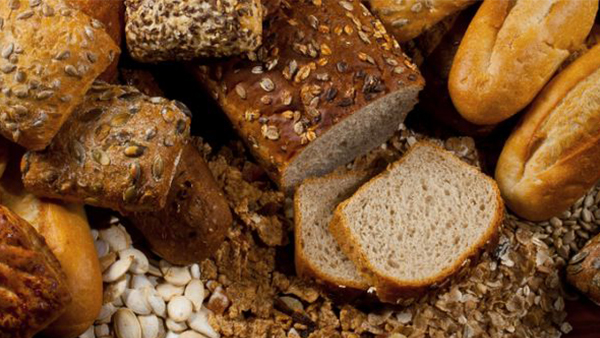
Gluten is a protein found naturally in certain grains. It gives bread its chewy texture and helps baked goods maintain their shape. While gluten is harmless for most people, it triggers significant health problems in children with certain conditions.
Grains Containing Gluten
Gluten is present in wheat (including varieties like spelt, kamut, farro, and durum), barley, rye, and triticale (a wheat-rye hybrid). Foods made from these grains contain gluten, including bread, pasta, cereals, crackers, cookies, cakes, pastries, and many processed foods that use grain-based ingredients.
Hidden Sources of Gluten
Gluten appears in many unexpected products. Soy sauce traditionally contains wheat. Many soups, sauces, and gravies use flour as a thickener. Processed meats may contain gluten-based fillers. Some medications and supplements use gluten as a binding agent. Even products like play dough contain gluten, which can be problematic for children with severe sensitivities. Learning to identify these hidden sources is crucial for effective gluten avoidance.
Naturally Gluten-Free Foods
Many nutritious foods are naturally gluten-free, including rice, corn, quinoa, buckwheat (despite its name, it’s not related to wheat), millet, amaranth, oats (when specifically labeled gluten-free to avoid cross-contamination), all fresh fruits and vegetables, unprocessed meat, poultry and fish, eggs, dairy products, legumes, and nuts and seeds.
Types of Gluten-Related Disorders in Children
Three main conditions cause adverse reactions to gluten: celiac disease, non-celiac gluten sensitivity, and wheat allergy. Though often confused, these are distinct conditions with different mechanisms, symptoms, and management approaches.
Celiac Disease
Celiac disease is an autoimmune disorder in which gluten triggers the immune system to attack the small intestine. This damage impairs nutrient absorption and can affect growth and development if untreated. Celiac disease affects approximately 1% of the population and has a strong genetic component—children with a first-degree relative with celiac disease have a 1 in 10 risk of developing it themselves.
How Celiac Disease Develops
In celiac disease, gluten fragments trigger an abnormal immune response. The immune system produces antibodies that attack the villi—tiny finger-like projections lining the small intestine that absorb nutrients. As villi become damaged and flattened, the intestine’s ability to absorb vitamins, minerals, and other nutrients decreases dramatically. This malabsorption leads to many of the symptoms and complications associated with celiac disease.
Non-Celiac Gluten Sensitivity
Non-celiac gluten sensitivity (NCGS) causes symptoms similar to celiac disease but without the autoimmune intestinal damage. Children with NCGS experience digestive and sometimes systemic symptoms when consuming gluten, but tests for celiac disease are negative. The exact mechanism isn’t fully understood, and some researchers debate whether gluten itself or other components of wheat cause the symptoms.
Wheat Allergy
Wheat allergy is a true allergic reaction involving the immune system’s IgE antibodies. Unlike celiac disease, which specifically targets gluten, wheat allergy is a reaction to any of several proteins in wheat. Symptoms appear quickly after eating wheat and can range from mild (hives, digestive upset) to severe (anaphylaxis). Children often outgrow wheat allergy, unlike celiac disease, which is lifelong.
Recognizing Symptoms in Children
Gluten-related disorders can present with a wide range of symptoms that vary by age and individual. Recognizing these symptoms is the first step toward diagnosis and treatment.
Digestive Symptoms
Common gastrointestinal symptoms include chronic or recurring diarrhea, constipation, abdominal pain or cramping, bloating and gas, nausea and vomiting, pale, foul-smelling, or fatty stools, and poor appetite. In infants and toddlers, symptoms often begin shortly after introducing gluten-containing foods like cereals, typically around six months of age.
Growth and Development Issues
Malabsorption from celiac disease can significantly impact growth. Warning signs include failure to gain weight or weight loss, poor height growth or short stature compared to family patterns, delayed puberty, and dental enamel defects in permanent teeth.
Behavioral and Neurological Symptoms
Gluten-related disorders can affect mood and behavior. Children may exhibit irritability and mood changes, fatigue and low energy, difficulty concentrating, headaches, and in some cases, symptoms resembling attention deficit disorder.
Other Symptoms
Additional manifestations can include anemia (iron deficiency) that doesn’t respond to supplements, itchy skin rash (dermatitis herpetiformis), joint pain, and recurrent mouth sores.
Silent Celiac Disease
Some children with celiac disease have minimal or no obvious symptoms despite intestinal damage. This “silent” celiac disease may be discovered during screening of high-risk children (those with family history or associated conditions) or when investigating unexplained anemia or growth issues.
When to See a Doctor
Parents should consult a pediatrician when their child experiences persistent digestive symptoms that don’t resolve, isn’t growing or gaining weight as expected, has chronic fatigue or irritability without clear cause, shows symptoms that worsen after eating bread, pasta, or other grain-based foods, or has risk factors like family history of celiac disease.
It’s important not to start a gluten-free diet before medical evaluation. Removing gluten before testing can cause false negative results, making diagnosis much more difficult.
Diagnosing Gluten-Related Disorders
Accurate diagnosis requires systematic evaluation. At myPediaClinic, we guide families through the diagnostic process to determine whether gluten is causing their child’s symptoms and what specific condition is involved.
Celiac Disease Testing
Blood Tests
The first step in celiac disease diagnosis is blood testing for specific antibodies. The tissue transglutaminase (tTG-IgA) test is the primary screening test, with high sensitivity and specificity for celiac disease. Total IgA levels are measured simultaneously, as some children have IgA deficiency that affects test accuracy. Additional antibody tests may be ordered depending on initial results.
Intestinal Biopsy
Positive blood tests are typically followed by upper endoscopy with intestinal biopsy. During this procedure, performed under sedation, a gastroenterologist examines the small intestine and takes tiny tissue samples. Microscopic examination reveals the characteristic villous atrophy (flattening of intestinal villi) that confirms celiac disease diagnosis.
Genetic Testing
Genetic testing identifies the HLA-DQ2 and HLA-DQ8 genes associated with celiac disease. While having these genes doesn’t mean a child will develop celiac disease, their absence essentially rules out the diagnosis. Genetic testing is particularly useful when diagnosis is uncertain or when screening family members.
Diagnosing Non-Celiac Gluten Sensitivity
There’s no specific test for NCGS. Diagnosis requires first ruling out celiac disease and wheat allergy through appropriate testing. If those conditions are excluded but symptoms clearly improve on a gluten-free diet and return with gluten reintroduction, NCGS may be diagnosed.
Wheat Allergy Testing
Wheat allergy is diagnosed through skin prick testing, blood tests measuring wheat-specific IgE antibodies, and sometimes supervised food challenges. An allergist typically conducts this evaluation.
Treatment: The Gluten-Free Diet
The primary treatment for all gluten-related disorders is strict elimination of gluten from the diet. While this sounds straightforward, implementing and maintaining a gluten-free lifestyle requires education, vigilance, and planning.
Starting a Gluten-Free Diet
Transitioning to gluten-free eating involves learning which foods contain gluten, finding suitable substitutes, reading all food labels carefully, establishing safe food preparation practices, and educating family members, caregivers, and school staff.
Reading Food Labels
In many countries, foods labeled “gluten-free” must contain less than 20 parts per million of gluten, the threshold considered safe for most people with celiac disease. When labels don’t specifically state “gluten-free,” ingredients to watch for include wheat, barley, rye, malt (usually derived from barley), brewer’s yeast, and any ingredient beginning with “wheat” (wheat starch, wheat germ, etc.).
Preventing Cross-Contamination
Even tiny amounts of gluten can trigger symptoms and intestinal damage in children with celiac disease. Preventing cross-contamination requires designated cooking utensils, cutting boards, and toasters for gluten-free foods. Separate storage containers and cabinet spaces help maintain safety. Preparing gluten-free foods first, before cooking with gluten, reduces risk. Thoroughly cleaning shared surfaces and cookware between uses is essential.
Dining Out and Social Situations
Eating outside the home presents challenges. Research restaurants in advance for gluten-free options. Communicate clearly with servers about the severity of your child’s condition. Ask about preparation methods and cross-contamination prevention. For parties and events, send safe food with your child or communicate with hosts about dietary needs.
Nutritional Considerations
Gluten-free diets can lack certain nutrients if not carefully planned. Many gluten-free products aren’t fortified with B vitamins and iron as conventional grain products are. Children on gluten-free diets should eat a variety of naturally gluten-free whole grains, get adequate fiber from fruits, vegetables, and legumes, ensure sufficient iron from meat, beans, and fortified foods, and consider supplementation if deficiencies are identified. Working with a pediatric dietitian ensures your child’s nutritional needs are met.
Managing Celiac Disease in Children
Beyond dietary management, children with celiac disease need ongoing medical care to ensure healthy development and catch any complications early.
Monitoring and Follow-Up
After diagnosis, regular follow-up appointments track your child’s response to the gluten-free diet. Repeat blood tests show whether antibody levels are decreasing, indicating intestinal healing. Growth monitoring ensures catch-up growth is occurring. Nutritional assessments identify any deficiencies requiring supplementation.
Expected Improvements
Most children show rapid symptom improvement on a gluten-free diet. Digestive symptoms often resolve within weeks. Energy levels and mood typically improve. Catch-up growth begins, though complete normalization may take time. Complete intestinal healing may take six months to two years in children.
Associated Conditions
Celiac disease is associated with other autoimmune conditions including type 1 diabetes, autoimmune thyroid disease, and autoimmune liver disease. Children with celiac disease may need periodic screening for these conditions, especially if symptoms suggest them.
Long-Term Outlook
With strict adherence to a gluten-free diet, most children with celiac disease can expect complete symptom resolution, normal growth and development, healing of intestinal damage, and normal quality of life. The diet must be maintained for life, as gluten will always trigger damage in individuals with celiac disease.
Supporting Your Child’s Emotional Well-Being
Living with dietary restrictions can be challenging for children, affecting social situations and self-image. Supporting your child’s emotional adjustment is as important as managing their physical health.
Age-Appropriate Education
Help your child understand their condition at a level appropriate for their age. Young children need simple explanations about “tummy trouble” foods. School-age children can understand more about their immune system and why certain foods make them sick. Teenagers benefit from understanding the long-term health implications of their dietary choices.
Building Self-Advocacy Skills
Gradually teach children to manage their own diet. They should learn to ask about ingredients in foods, politely decline unsafe foods, explain their condition to others when appropriate, and make safe choices when parents aren’t present.
Handling Social Situations
Help your child navigate birthday parties, school events, and social gatherings. Provide safe treats they can enjoy when others have cake. Connect with other families managing similar conditions. Celebrate what your child can eat rather than focusing on restrictions.
Avoiding Food Anxiety
While vigilance is necessary, try to avoid creating excessive fear around food. Balance the need for caution with a positive relationship with eating. Focus on delicious gluten-free foods rather than what’s forbidden.
School and Childcare Considerations
Children spend significant time in educational settings, making school communication and planning essential.
Developing a Care Plan
Create a written plan detailing your child’s condition and dietary requirements, safe and unsafe foods, procedures for meals and snacks, symptoms of accidental exposure and response protocols, and emergency contact information.
Working with School Staff
Meet with teachers, school nurses, and cafeteria staff to discuss your child’s needs. Ensure they understand the importance of preventing cross-contamination, that they can identify safe foods, that they know what to do if your child accidentally consumes gluten, and that they can support your child without making them feel different.
Classroom Activities
Many classroom activities involve food—cooking projects, holiday celebrations, and reward treats. Work with teachers to identify alternatives that include your child safely. Art supplies like play dough may also contain gluten; provide gluten-free alternatives.
Resources for Families in Dubai
Managing a gluten-free diet in Dubai has become increasingly manageable as awareness of celiac disease and gluten sensitivity has grown. Many grocery stores stock gluten-free sections, and restaurants increasingly offer gluten-free options.
At myPediaClinic in Dubai Healthcare City, we support families through every aspect of their child’s gluten-related disorder management. Our pediatric team provides comprehensive evaluation and diagnosis, ongoing monitoring and care, nutritional guidance, and support for families navigating this lifelong condition.
Frequently Asked Questions About Gluten and Children
What is gluten and why does it cause problems for some children?
Gluten is a protein found in wheat, barley, rye, and related grains. For most children, gluten is completely harmless and easily digested. However, in children with celiac disease, gluten triggers an autoimmune reaction where the immune system attacks the small intestine, damaging its ability to absorb nutrients. In children with non-celiac gluten sensitivity, gluten causes symptoms without the autoimmune intestinal damage. In wheat allergy, the immune system reacts to wheat proteins (not necessarily gluten specifically) as foreign invaders, causing allergic symptoms.
What are the most common symptoms of gluten sensitivity in children?
Common symptoms include digestive problems such as abdominal pain, bloating, diarrhea, constipation, and nausea. Children may also experience poor growth or failure to thrive, fatigue and low energy, irritability and mood changes, recurrent headaches, and iron deficiency anemia. In celiac disease specifically, delayed puberty, dental enamel defects, and an intensely itchy skin rash called dermatitis herpetiformis can occur. Symptoms vary widely between children, and some have very mild or even no obvious symptoms despite having the condition.
How is celiac disease different from gluten sensitivity or wheat allergy?
These three conditions have different mechanisms. Celiac disease is an autoimmune disorder where gluten causes the immune system to damage the small intestine; it’s diagnosed through blood tests and intestinal biopsy and requires lifelong strict gluten avoidance. Non-celiac gluten sensitivity causes similar symptoms but without the autoimmune process or intestinal damage; it’s diagnosed by ruling out celiac disease and wheat allergy and observing symptom improvement on a gluten-free diet. Wheat allergy is an IgE-mediated allergic reaction that causes rapid symptoms like hives, swelling, or anaphylaxis; it’s diagnosed through allergy testing and many children outgrow it.
Should I try a gluten-free diet before getting my child tested?
No, it’s important not to remove gluten before testing. Both blood tests for celiac disease and intestinal biopsies require the presence of gluten in the diet to produce accurate results. If gluten is removed, antibody levels drop and intestinal healing begins, potentially leading to false negative results. Your child should continue eating gluten until testing is complete. If testing has already been done and was negative but you still suspect gluten is problematic, your pediatrician can guide you on how to properly evaluate whether gluten-free eating helps.
How common is celiac disease in children?
Celiac disease affects approximately 1% of the population worldwide, making it one of the most common genetic conditions. However, it’s significantly underdiagnosed because symptoms vary widely and can be subtle. Studies suggest only about 20-30% of people with celiac disease have been diagnosed. The condition can develop at any age after gluten is introduced to the diet, though many children are diagnosed between ages two and five when symptoms become apparent. Children with family members who have celiac disease or with certain other conditions (Type 1 diabetes, Down syndrome, Turner syndrome) have higher risk.
If my child has celiac disease, should siblings be tested?
Yes, testing first-degree relatives (parents, siblings, children) is recommended because of the strong genetic component. First-degree relatives have approximately a 10% risk of also having celiac disease. Genetic testing can be done first—if a family member doesn’t carry the HLA-DQ2 or HLA-DQ8 genes, they essentially cannot develop celiac disease. For those who do carry the genes, periodic antibody screening (every 2-3 years or if symptoms develop) is advisable, as celiac disease can develop at any time.
Is a gluten-free diet healthy for children who don’t need it?
For children without celiac disease, gluten sensitivity, or wheat allergy, there’s no health benefit to avoiding gluten, and there may be drawbacks. Gluten-free products are often lower in fiber, B vitamins, and iron than their conventional counterparts. They may be higher in sugar and fat to improve taste and texture. They’re also more expensive. Unnecessarily restricting a child’s diet can also create anxiety around food and complicate social situations. Unless your child has a medical reason to avoid gluten, there’s no benefit to a gluten-free diet and potential nutritional disadvantages.
Can children outgrow celiac disease?
No, celiac disease is a lifelong condition. Unlike some food allergies that children can outgrow, the genetic and autoimmune nature of celiac disease means gluten will always trigger intestinal damage in affected individuals. Even if symptoms seem to disappear, consuming gluten will cause ongoing intestinal damage that increases risk of serious complications. The gluten-free diet must be maintained for life. However, children with wheat allergy often do outgrow their allergy, typically by school age, and non-celiac gluten sensitivity may resolve in some individuals.
How strict does the gluten-free diet need to be?
For celiac disease, the diet must be completely strict. Even small amounts of gluten—as little as 50 milligrams, about a small breadcrumb—can trigger intestinal damage. This means careful attention to cross-contamination, reading all labels, and asking about ingredients when eating outside the home. For wheat allergy, strictness depends on the severity of the allergy—those at risk of anaphylaxis must avoid all traces, while those with mild reactions may tolerate small exposures. For non-celiac gluten sensitivity, some individuals tolerate small amounts of gluten; the strictness needed varies by person.
Where can I find gluten-free foods in Dubai?
Gluten-free options have become widely available in Dubai. Most major supermarkets including Carrefour, Spinneys, and Waitrose have dedicated gluten-free sections. Health food stores like Organic Foods and Cafe and Holland & Barrett offer extensive selections. Many restaurants now offer gluten-free menus or can accommodate gluten-free requests. Bakeries specializing in gluten-free products have emerged throughout the city. When dining out, always communicate your child’s dietary needs clearly to ensure proper accommodation. At myPediaClinic, we can provide specific guidance on resources available for families managing gluten-free diets in Dubai.