

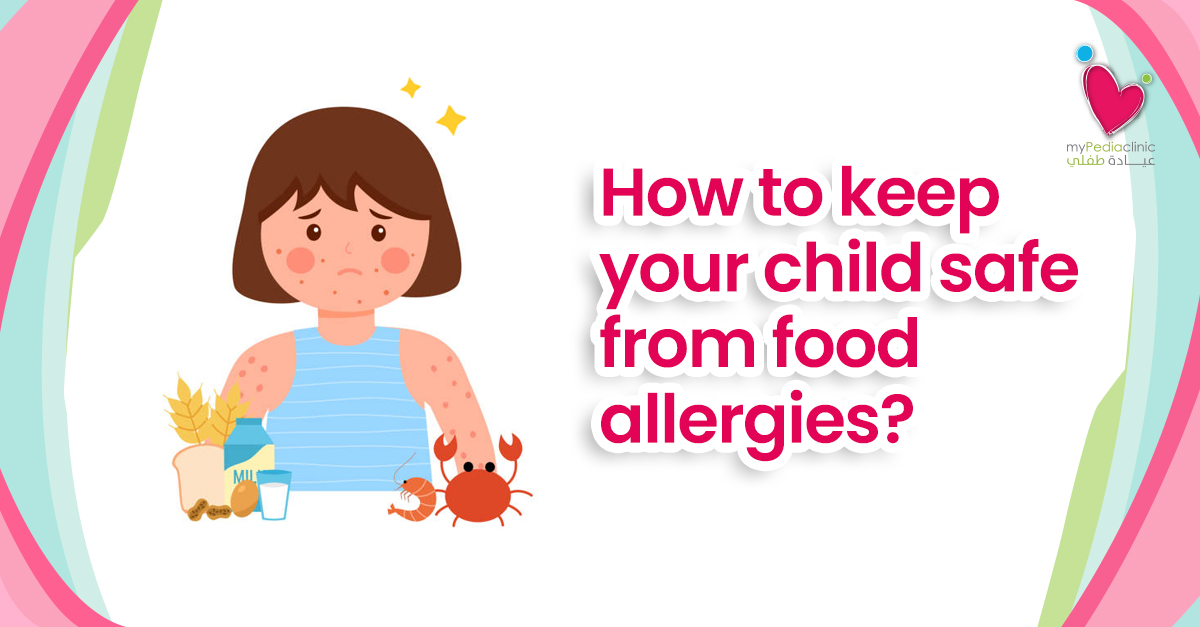
How to Keep Your Child Safe from Food Allergies: A Comprehensive Guide for Parents
Food allergies have become one of the most significant health concerns affecting children worldwide, with prevalence rates continuing to rise in developed nations. For parents of children with food allergies, daily life involves constant vigilance, careful planning, and the ever-present awareness that a simple meal could potentially become a life-threatening situation. The emotional weight of managing food allergies can be overwhelming—balancing your child’s safety with allowing them to experience normal childhood activities requires knowledge, preparation, and support from medical professionals who understand these challenges. At myPediaClinic in Dubai, our pediatric specialists work closely with families affected by food allergies, providing comprehensive care that includes accurate diagnosis, personalized management plans, and ongoing support for navigating this complex condition. This extensive guide will equip you with the knowledge and strategies needed to protect your child while helping them thrive despite their food allergies.
Understanding Food Allergies in Children
Before diving into safety strategies, it’s essential to understand what food allergies are, how they differ from other food-related conditions, and why they can be so dangerous. This foundational knowledge empowers parents to make informed decisions and effectively advocate for their children’s health.
What Exactly Is a Food Allergy?
A food allergy is an abnormal immune system response to a specific food protein. When a child with a food allergy consumes the trigger food, their immune system mistakenly identifies the food protein as harmful and launches an attack. This immune response triggers the release of chemicals, including histamine, that cause allergic symptoms ranging from mild to severe.
It’s important to distinguish food allergies from other food-related conditions. Food intolerance, such as lactose intolerance, involves the digestive system rather than the immune system and doesn’t cause the same dangerous reactions. Celiac disease is an autoimmune condition triggered by gluten but follows different mechanisms than food allergies. While these conditions require dietary management, they don’t carry the same risk of anaphylaxis that true food allergies do.
The Most Common Food Allergens
While any food can potentially cause an allergic reaction, nine foods account for the vast majority of food allergies in children. These common allergens include milk, eggs, peanuts, tree nuts (such as almonds, cashews, walnuts, and pecans), wheat, soy, fish, shellfish, and sesame. Many countries require food labels to clearly identify these allergens, making it easier for parents to identify safe foods.
Peanut and tree nut allergies are among the most common and persistent, often lasting into adulthood. Milk and egg allergies, while frequent in young children, are more likely to be outgrown. Shellfish allergies typically develop later in childhood and tend to persist throughout life. Understanding which allergens affect your child and their typical persistence patterns helps with long-term planning and monitoring.
Recognizing Allergic Reactions
Allergic reactions to food can affect multiple body systems and vary widely in severity. Symptoms may appear within minutes of consuming the allergen or may be delayed by several hours. Common symptoms include skin reactions such as hives, itching, or eczema flares. Digestive symptoms may include nausea, vomiting, abdominal pain, or diarrhea. Respiratory symptoms can include sneezing, runny nose, coughing, wheezing, or shortness of breath. Cardiovascular symptoms might include dizziness, lightheadedness, or fainting.
The most severe form of allergic reaction is anaphylaxis, a life-threatening emergency that requires immediate treatment with epinephrine. Anaphylaxis can involve multiple body systems simultaneously and may include severe symptoms such as difficulty breathing, swelling of the throat, rapid pulse, severe drop in blood pressure, loss of consciousness, and shock. Understanding these symptoms allows parents and caregivers to recognize emergencies and respond appropriately.
Why Are Food Allergies Increasing?
The rising prevalence of food allergies has puzzled researchers and concerned parents alike. Several theories attempt to explain this increase. The hygiene hypothesis suggests that reduced exposure to microbes in modern, sanitized environments may lead to immune systems that react inappropriately to harmless substances like food proteins. Changes in food processing and preparation methods may alter proteins in ways that make them more allergenic. Delayed introduction of allergenic foods may contribute to sensitization rather than tolerance. Vitamin D deficiency has been associated with increased allergy risk. The interplay of genetic predisposition and environmental factors likely contributes to the complex picture of rising food allergy rates.
Getting an Accurate Diagnosis
Proper diagnosis is the foundation of effective food allergy management. Misdiagnosis—whether missing a true allergy or incorrectly labeling a child as allergic—has significant consequences. At myPediaClinic, we emphasize thorough diagnostic evaluation to ensure appropriate management.
When to Suspect a Food Allergy
Parents should consider the possibility of food allergy when a child experiences symptoms that consistently occur after eating specific foods, particularly if symptoms involve multiple body systems. A detailed history of reactions—including what foods were eaten, timing of symptoms, and symptom characteristics—provides valuable information for diagnosis. Keeping a food diary can help identify patterns that might otherwise be missed.
Children with eczema, asthma, or a family history of allergic conditions have an increased risk of food allergies. However, food allergies can also occur in children without these risk factors. If you suspect your child has a food allergy, seeking professional evaluation rather than self-diagnosing is crucial for accurate management.
Diagnostic Testing Methods
Several tools help diagnose food allergies, each with advantages and limitations. Skin prick testing involves placing small amounts of allergen extracts on the skin and pricking the surface to allow the allergen to enter. A raised, itchy bump indicates possible sensitization. Blood tests (specific IgE tests) measure antibodies to specific food proteins. These tests indicate sensitization but don’t definitively prove clinical allergy—some children with positive tests can eat the food without problems.
The oral food challenge is considered the gold standard for food allergy diagnosis. Under medical supervision, the child consumes gradually increasing amounts of the suspected food while being monitored for reactions. This test provides definitive information about whether a child will actually react to a food. Due to the risk of severe reactions, oral food challenges should only be performed in appropriate medical settings with emergency equipment and trained personnel available.
The Importance of Specialist Care
Food allergy diagnosis and management benefit from specialist expertise. Pediatric allergists have specialized training in interpreting test results, conducting oral food challenges, and developing comprehensive management plans. At myPediaClinic, our team works collaboratively to provide accurate diagnosis and personalized care plans that address your child’s specific needs.
Avoiding over-diagnosis is just as important as identifying true allergies. Unnecessarily restricting foods can impact nutrition, quality of life, and social development. Conversely, under-diagnosis puts children at risk. Professional evaluation ensures the right balance, accurately identifying dangerous allergies while avoiding unnecessary restrictions.
Creating a Safe Home Environment
Home should be a safe haven for children with food allergies. Creating an allergen-safe home environment requires attention to food storage, preparation, and cross-contamination prevention.
Kitchen Organization and Food Storage
Organizing your kitchen to minimize cross-contamination risks is an important first step. Consider designating allergen-free zones or shelves where safe foods are stored separately from allergens. Use clearly labeled containers to identify allergen-containing foods and keep them segregated from safe options. Some families choose to eliminate the allergen entirely from the home, especially for severe allergies, while others maintain separation protocols.
When shopping, read labels carefully and consistently—ingredients can change without notice. Store allergens in sealed containers to prevent accidental contamination of other foods. Consider the layout of your refrigerator and pantry, placing safe foods in easily accessible locations and allergens in less convenient spots to reduce the chance of mix-ups.
Preventing Cross-Contamination During Cooking
Cross-contamination occurs when allergens transfer from one food to another through shared surfaces, utensils, or cooking equipment. Even trace amounts of allergen can trigger reactions in sensitive individuals. Preventing cross-contamination requires systematic attention to food preparation practices.
Use separate cutting boards, utensils, and cookware for preparing allergen-free foods. Color-coding can help distinguish safe equipment from items that have contacted allergens. Wash hands thoroughly with soap and water before handling safe foods—hand sanitizers don’t remove food proteins. Clean surfaces thoroughly between preparing different foods, using soap and water rather than just wiping.
Be aware that some cooking methods can spread allergens through the air. Frying foods with allergens, boiling shellfish, or roasting peanuts can release allergenic proteins into the air, potentially causing reactions in highly sensitive individuals. Manage ventilation and timing of food preparation to protect your allergic child.
Safe Cooking Practices for Families
Preparing family meals when one member has food allergies requires planning and communication. Consider preparing the allergen-free version of dishes first, before introducing allergens to the cooking process. Use separate pots, pans, and serving utensils for allergen-free portions. Make it a habit to serve allergen-free portions first, before the possibility of contamination from shared serving dishes.
Many families find it easier to prepare meals that are naturally allergen-free for everyone rather than making separate versions. This approach eliminates cross-contamination risks and helps the allergic child feel included rather than different. Explore cuisines and recipes that naturally avoid your child’s allergens, expanding your family’s culinary horizons while maintaining safety.
Educating Family Members
Everyone in the household needs to understand and participate in keeping the allergic child safe. Explain food allergies to siblings in age-appropriate terms, emphasizing that allergies are a medical condition, not a preference. Establish clear family rules about hand-washing, food sharing, and respecting allergen-free zones.
Extended family members who visit or host your family also need education. Grandparents, aunts, uncles, and cousins may not initially understand the seriousness of food allergies or the need for strict avoidance. Patient, repeated education helps extended family become part of your child’s safety network rather than a potential source of risk.
Mastering Food Label Reading
Reading food labels is a critical skill for parents of children with food allergies. While labeling regulations have improved, navigating ingredient lists and allergen declarations requires knowledge and attention to detail.
Understanding Allergen Labeling Requirements
Many countries require manufacturers to clearly declare the presence of major allergens on food labels. In the UAE and many other regions, labels must identify common allergens either in the ingredient list or in a separate “Contains” statement. Familiarize yourself with the specific labeling requirements in your region and any regions where you might purchase food.
Allergens must be declared when they are intentional ingredients, but labeling for cross-contamination during manufacturing is often voluntary. This means that a product without allergen declarations might still contain traces of allergens from shared equipment or facilities. Understanding this limitation helps you make informed decisions about which products to trust.
Decoding Ingredient Lists
Allergens may appear in ingredient lists under various names. Milk proteins might be listed as casein, whey, lactalbumin, or lactoglobulin. Egg components could appear as albumin, globulin, lysozyme, or ovomucin. Wheat might be hidden in terms like semolina, durum, or modified food starch. Learning the various names for your child’s allergens ensures you don’t miss hidden sources.
Some ingredients that sound concerning might actually be safe. For example, coconut is classified as a fruit, not a tree nut, and is generally safe for those with tree nut allergies (though individual evaluation is recommended). Peanut oil, when highly refined, may be tolerated by many with peanut allergies because the processing removes proteins—but cold-pressed or unrefined peanut oil retains allergenic proteins. Understanding these nuances comes with experience and guidance from your child’s allergist.
Advisory Statements and Precautionary Labels
Precautionary statements like “may contain,” “produced in a facility that also processes,” or “made on shared equipment with” indicate potential cross-contamination during manufacturing. These statements are voluntary, not required by law, which creates a complex landscape for parents to navigate.
Some allergists advise avoiding all products with precautionary statements related to your child’s allergen, while others suggest evaluating risk based on the specific wording and your child’s sensitivity level. Discuss precautionary labels with your child’s healthcare provider at myPediaClinic to develop guidelines appropriate for your child’s situation.
Reading Labels Every Time
Manufacturers change formulations regularly, sometimes without obvious packaging changes. A product that was safe last month might contain allergens this month. Make reading labels every time you purchase a product a non-negotiable habit, even for familiar products. When possible, check labels again before serving, especially if time has passed since purchase.
Teach your child to read labels as soon as they’re able. This skill empowers them to participate in their own safety and prepares them for independence as they grow. Make label-reading a routine family activity rather than a burden, modeling the careful approach that will serve your child well throughout life.
Emergency Preparedness and Action Plans
Despite careful avoidance, accidental exposures can occur. Being prepared to recognize and treat allergic reactions, including anaphylaxis, is essential for keeping your child safe.
Understanding Anaphylaxis
Anaphylaxis is a severe, potentially life-threatening allergic reaction that affects multiple body systems. Symptoms develop rapidly, often within minutes of exposure, and can progress quickly. Early signs might include tingling in the mouth, hives, facial swelling, or abdominal discomfort. As the reaction progresses, symptoms may include difficulty breathing, throat tightness, wheezing, rapid heartbeat, dizziness, and loss of consciousness.
Anaphylaxis requires immediate treatment with epinephrine, the only medication that can reverse the reaction’s progression. Antihistamines and other medications cannot treat anaphylaxis and should never be substituted for epinephrine. Time is critical—delayed treatment increases the risk of fatal outcomes.
Epinephrine Auto-Injectors
Epinephrine auto-injectors (such as EpiPen, Auvi-Q, or generic versions) deliver a pre-measured dose of epinephrine through a spring-loaded needle. These devices are designed to be used by non-medical personnel in emergencies. Children at risk for anaphylaxis should have prescribed auto-injectors available at all times.
Familiarize yourself with your specific device—different brands have different activation mechanisms. Practice with training devices (available from manufacturers and pharmacies) until using the auto-injector feels automatic. Remember that epinephrine should be injected into the outer thigh, which can be done through clothing if necessary. After injection, call emergency services immediately, as additional treatment may be needed and the reaction can recur.
Creating an Allergy Action Plan
An allergy action plan is a written document that specifies how to recognize and treat allergic reactions in your child. This document should be developed with your child’s healthcare provider at myPediaClinic and customized to your child’s specific allergens, symptoms, and prescribed medications.
A comprehensive action plan includes your child’s photo and identifying information, list of allergens to avoid, symptoms of mild, moderate, and severe reactions, step-by-step treatment instructions including when to use epinephrine, emergency contact numbers including your allergist and emergency services, and medication information including locations where epinephrine is stored.
Distribute copies of the action plan to everyone who cares for your child—schools, relatives, babysitters, activity leaders. Review the plan regularly and update it as your child’s treatment changes or they grow and their weight-based medication doses change.
Training Caregivers
Everyone who spends time with your allergic child needs to know how to respond to an emergency. This includes family members, babysitters, teachers, coaches, and friends’ parents. Provide thorough training that includes allergen avoidance, symptom recognition, and epinephrine administration. Use training auto-injector devices to practice until caregivers feel confident.
When hesitation occurs—wondering whether symptoms are “bad enough” to use epinephrine—err on the side of treatment. The risks of unnecessary epinephrine administration are minimal, while the risks of delayed treatment can be fatal. Empower caregivers with the confidence to act decisively in emergencies.
School and Childcare Safety
Sending a child with food allergies to school or childcare requires careful planning, clear communication, and collaborative relationships with school staff. With proper preparation, children with food allergies can safely participate in all aspects of school life.
Communicating with School Administration
Before the school year begins, meet with school administrators, nurses, and your child’s teachers to discuss their food allergy and necessary accommodations. Provide a current allergy action plan, medical documentation, and epinephrine auto-injectors with clear instructions. Discuss the school’s policies regarding food allergies and work together to address any gaps.
In some jurisdictions, children with food allergies may qualify for formal accommodation plans that legally mandate specific safety measures. Explore whether such plans are available and appropriate for your child. Even without formal plans, most schools are willing to implement reasonable safety measures when parents communicate clearly about their child’s needs.
Classroom Strategies
Work with teachers to minimize allergen exposure in the classroom. Strategies might include allergen-free classrooms where the child’s allergen is not allowed, designated allergen-free zones or tables in the cafeteria, restrictions on food-based classroom activities or projects, protocols for hand-washing after meals before classroom activities, and communication systems for notifying parents of classroom events involving food.
Consider providing safe snacks and treats that can be stored at school for occasions when food is served in the classroom. This ensures your child can always participate in celebrations without feeling excluded or being at risk.
Training School Staff
Multiple staff members should be trained to recognize allergic reactions and administer epinephrine. This includes classroom teachers, school nurses, lunch monitors, physical education teachers, and any other adults who supervise your child. The more people who know how to respond, the safer your child will be.
Provide training materials and offer to demonstrate auto-injector use. Some schools welcome presentations from allergists or allergy educators. Regular refresher training at the beginning of each school year keeps knowledge current and introduces new staff members to your child’s needs.
Field Trips and Special Events
Field trips and special events require additional planning. Communicate with teachers well in advance to learn about any food that will be involved. Provide safe alternatives for your child if needed. Consider whether you need to chaperone certain events or provide additional detailed instructions for supervising adults.
Ensure that your child’s epinephrine auto-injector accompanies them on all field trips and that supervising adults know how to use it. Don’t allow the auto-injector to remain at school while your child is off-site—this is when they may be most vulnerable to accidental exposure.
Social Situations and Eating Outside the Home
Beyond school, children with food allergies must navigate birthday parties, playdates, restaurants, and other social situations involving food. With preparation and communication, these experiences can be safe and enjoyable.
Birthday Parties and Playdates
Before your child attends a party or playdate, communicate with the host about your child’s food allergy. Explain what foods must be avoided and the potential severity of reactions. Many parents are willing to accommodate allergies once they understand the importance, but they may need guidance about hidden sources of allergens and cross-contamination prevention.
Offer to provide safe food for your child, including a safe version of the birthday cake or other treats. This approach ensures your child can participate in celebrations while removing any burden from the host. Some parents choose to stay at events, at least initially, to supervise their child’s safety and be available if questions arise.
Dining at Restaurants
Restaurant dining requires careful selection and clear communication. Research restaurants in advance, looking for establishments with good food allergy awareness and practices. Call ahead to discuss your child’s allergens and ask about their ability to accommodate. Some restaurants are better equipped than others to handle food allergies safely.
When dining out, inform the server of your child’s allergy immediately and ask to speak with the chef or manager if needed. Ask specific questions about ingredients and preparation methods. Request that allergen-free dishes be prepared separately with clean equipment. Be prepared to leave if you’re not confident the restaurant can safely accommodate your child.
Carry safe snacks when traveling or eating out so your child has options if safe menu items aren’t available. Always have epinephrine auto-injectors accessible during restaurant visits.
Traveling with Food Allergies
Travel introduces additional challenges but shouldn’t prevent families from exploring the world. Plan thoroughly before trips, researching allergy-friendly restaurants and grocery options at your destination. Pack sufficient safe snacks and consider accommodations with kitchen facilities that allow you to prepare safe meals.
For air travel, notify the airline in advance about your child’s allergy. Airlines vary in their policies—some offer allergen-free meals or make announcements requesting passengers not eat certain foods, while others provide minimal accommodation. Bring safe food for the flight and wipe down seating areas before your child sits. Carry epinephrine in carry-on luggage, never in checked bags.
When traveling internationally, learn how to explain your child’s allergy in the local language. Translation cards that explain food allergies in various languages are available and can be invaluable when dining abroad.
Teaching Your Child to Self-Advocate
As children grow, they need to develop the skills to manage their food allergies independently. Teaching self-advocacy empowers children while preparing them for the increasing independence of adolescence and adulthood.
Age-Appropriate Education
Begin teaching children about their allergies from an early age, using language they can understand. Toddlers can learn that certain foods make them sick and that they should only eat food from their parents. Preschoolers can begin learning to ask “does this have [allergen]?” and to refuse food when they’re unsure. School-age children can learn to read labels, carry their own epinephrine (under adult supervision), and explain their allergy to others.
Make education ongoing, building knowledge and responsibility as your child matures. Role-play scenarios where they might encounter allergens—what to say at a friend’s house, how to handle peer pressure to try unsafe food, when to tell an adult about symptoms. Practice builds confidence and prepares children for real-world situations.
Building Confidence Without Fear
Children need to take their allergies seriously without developing excessive fear or anxiety. Model calm, confident management rather than fearful restriction. Emphasize what your child can do and eat rather than focusing solely on limitations. Celebrate their growing ability to keep themselves safe.
If your child develops significant anxiety about food or their allergy, seek support. Pediatric psychologists and counselors experienced with chronic conditions can help children develop healthy coping strategies. At myPediaClinic, we can provide referrals to mental health professionals who understand the unique challenges of food allergies.
Handling Peer Pressure and Social Situations
As children grow, social pressure can tempt them to take risks with their allergy. Adolescents in particular may be reluctant to appear different or make a fuss about their medical needs. Open, honest conversations about the real dangers of allergic reactions help children understand why vigilance matters even when it’s inconvenient.
Help your child develop responses to common scenarios—how to politely decline food, how to explain their allergy to curious peers, what to do if someone doesn’t take their allergy seriously. Knowing what to say in advance makes it easier to handle challenging moments.
Current Research and Future Treatments
The field of food allergy research is advancing rapidly, offering hope for improved management and potentially curative treatments in the future.
Oral Immunotherapy
Oral immunotherapy (OIT) involves giving allergic individuals gradually increasing doses of their allergen under medical supervision, with the goal of increasing tolerance. FDA-approved OIT products are now available for peanut allergy, and research continues on treatments for other allergens. While OIT doesn’t cure food allergies, it can increase the threshold at which reactions occur, providing a safety margin against accidental exposures.
OIT isn’t appropriate for everyone and carries risks including allergic reactions during treatment. Discuss with your allergist at myPediaClinic whether emerging treatments might be appropriate for your child.
Epicutaneous Immunotherapy
Epicutaneous immunotherapy delivers allergens through skin patches rather than orally, potentially offering a safer alternative for some patients. Research on patch-based treatments continues, with promising results for peanut allergy. This approach may eventually provide options for patients who can’t tolerate oral immunotherapy.
Prevention Research
Research into food allergy prevention has shifted understanding significantly. Studies now show that early introduction of allergenic foods, rather than delayed introduction, may help prevent allergies from developing. Current guidelines recommend introducing potentially allergenic foods around 6 months of age, especially for children at high risk of allergies. Discuss prevention strategies with your pediatrician, particularly if you have a child at risk for food allergies.
Frequently Asked Questions About Child Food Allergy Safety
How do I know if my child has a food allergy?
Signs of food allergy may include hives, swelling, vomiting, diarrhea, difficulty breathing, or anaphylaxis after eating specific foods. If you notice symptoms that consistently occur after your child eats certain foods, consult a pediatric allergist for proper evaluation. Diagnosis involves detailed history, skin prick tests, blood tests, and sometimes oral food challenges. Self-diagnosis can lead to unnecessary dietary restrictions or missed allergies. At myPediaClinic, we provide comprehensive food allergy evaluation to ensure accurate diagnosis and appropriate management.
Will my child outgrow their food allergy?
Whether a child outgrows a food allergy depends on the specific allergen. Milk, egg, soy, and wheat allergies are often outgrown by school age, though some persist. Peanut, tree nut, fish, and shellfish allergies tend to be more persistent, with only about 20% of peanut-allergic children developing tolerance. Regular follow-up with an allergist, including periodic retesting, can identify when allergies have resolved. Never assume an allergy has been outgrown without medical evaluation—always test under professional supervision before reintroducing previously allergenic foods.
When should I use epinephrine?
Use epinephrine immediately when your child shows signs of anaphylaxis, including difficulty breathing, throat tightness, widespread hives, vomiting after allergen exposure, dizziness, or loss of consciousness. When in doubt, give epinephrine—it’s safer to use it unnecessarily than to delay needed treatment. After administering epinephrine, always call emergency services as additional treatment may be needed and reactions can recur. Your child’s allergy action plan from myPediaClinic provides specific guidance on when to use epinephrine based on their individual symptoms and history.
How can I keep my child safe at school?
Protecting your child at school requires preparation and communication. Meet with school administrators before the school year to discuss accommodations. Provide a written allergy action plan, epinephrine auto-injectors with instructions, and medical documentation. Train multiple staff members to recognize reactions and administer epinephrine. Discuss classroom policies about allergens, lunchroom procedures, and field trip protocols. Provide safe snacks for classroom celebrations. Teach your child to advocate for themselves appropriately for their age. Regular communication with teachers throughout the year helps maintain awareness and address new situations.
What does “may contain” on food labels mean?
Precautionary statements like “may contain” indicate potential cross-contamination during manufacturing—the allergen isn’t an intentional ingredient but may be present in trace amounts from shared equipment or facilities. These statements are voluntary, not required by law, so absence of a warning doesn’t guarantee safety. Policies on precautionary labels should be discussed with your allergist based on your child’s sensitivity level. Some highly sensitive individuals need to avoid all products with precautionary statements, while others with higher thresholds may tolerate them. Your allergist at myPediaClinic can help you develop appropriate guidelines.
Can food allergies be prevented?
Research has changed our understanding of food allergy prevention. Current evidence suggests that early introduction of potentially allergenic foods, around 6 months of age, may help prevent allergies from developing—especially in high-risk infants. For infants with severe eczema or existing egg allergy (who are at highest risk for peanut allergy), evaluation before peanut introduction is recommended. Breastfeeding, avoiding maternal dietary restrictions during pregnancy/nursing, and maintaining healthy skin to reduce sensitization through eczema may also help. Discuss prevention strategies with your pediatrician at myPediaClinic.
How do I handle birthday parties and social events?
Before social events, contact the host to explain your child’s allergy and what foods must be avoided. Offer to provide safe food, including a safe version of cake or treats, so your child can participate in celebrations. Consider staying at events with younger children to supervise safety. Teach older children to politely decline unsafe food and always ask about ingredients. Always have epinephrine accessible at events. With preparation and communication, children with food allergies can safely enjoy birthday parties, playdates, and other social gatherings.
Is there a cure for food allergies?
Currently, there is no cure for food allergies, but research is advancing rapidly. Oral immunotherapy (OIT), which involves consuming gradually increasing amounts of allergen under medical supervision, can increase tolerance and provide protection against accidental exposures. FDA-approved OIT for peanut allergy is now available, with research continuing for other allergens. Other approaches including epicutaneous (skin patch) immunotherapy and biologics are being studied. While these treatments don’t eliminate allergies, they offer hope for improved management. Discuss emerging treatment options with your allergist at myPediaClinic.
Building a Support Network
Managing your child’s food allergy is easier with support from others who understand the challenges. Building a network of informed caregivers, connecting with other allergy families, and accessing professional resources strengthens your ability to keep your child safe.
Connecting with Other Allergy Families
Other families living with food allergies can provide practical advice, emotional support, and friendship. Local and online support groups offer opportunities to share experiences, ask questions, and learn from others’ strategies. Children with food allergies benefit from knowing other kids like them, reducing feelings of isolation.
Working with Healthcare Providers
A strong relationship with your child’s healthcare team is essential. At myPediaClinic, we provide ongoing support for families managing food allergies, including regular follow-up appointments, updated action plans, and guidance as your child grows and circumstances change. Don’t hesitate to reach out with questions or concerns between scheduled appointments.
Conclusion: Empowered Parents, Safe Children
Keeping a child with food allergies safe requires vigilance, preparation, and knowledge, but it doesn’t have to mean a life defined by fear and restriction. With proper diagnosis, thorough allergen avoidance, emergency preparedness, and effective communication with schools and caregivers, children with food allergies can thrive. They can attend parties, play sports, travel, and experience all the joys of childhood while staying protected.
The journey of managing food allergies evolves as your child grows. From complete parental management in infancy to gradual transfer of responsibility in adolescence, each stage brings new challenges and opportunities. Teaching your child to advocate for themselves, understand their condition, and make safe choices prepares them for a lifetime of successful allergy management.
At myPediaClinic in Dubai, we understand the unique challenges families face when navigating food allergies. Our pediatric specialists provide comprehensive care that includes accurate diagnosis, personalized management plans, emergency preparedness training, and ongoing support as your child grows. We partner with families to ensure that food allergies don’t limit what children can achieve.
Remember: knowledge is power. The more you understand about your child’s food allergy, the better equipped you are to protect them. Stay informed about emerging research, regularly review and practice emergency procedures, and maintain open communication with everyone involved in your child’s care. Together, we can help your child live a full, healthy, and safe life.
Get Expert Support for Your Child’s Food Allergies
Managing food allergies requires expert guidance and ongoing support. At myPediaClinic, our pediatric allergy specialists provide comprehensive care for children with food allergies, from accurate diagnosis through long-term management. We partner with families to create customized safety plans, provide emergency preparedness training, and support your child’s health journey every step of the way.
Contact myPediaClinic today to schedule a consultation with our allergy specialists. Let us help you keep your child safe while ensuring they enjoy a full, active childhood.