

Mineral Deficiency in Children: Essential Guide for Parents in Dubai
Is your child frequently tired, getting sick often, or not growing as expected? Are you noticing brittle nails, pale skin, or behavioral changes? These could be signs of mineral deficiency—a common but often overlooked issue that affects many children in the UAE.
Minerals are essential nutrients that children’s bodies need for growth, development, and daily function. From building strong bones to supporting the immune system, minerals play roles that affect virtually every aspect of your child’s health.
At myPediaClinic in Dubai Healthcare City, our pediatric team, led by Dr. Medhat Abu-Shaaban, regularly evaluates children for nutritional deficiencies. This comprehensive guide helps Dubai parents understand mineral deficiencies, recognize the signs, and take action to support their children’s optimal health.
Why Are Minerals Important for Children?
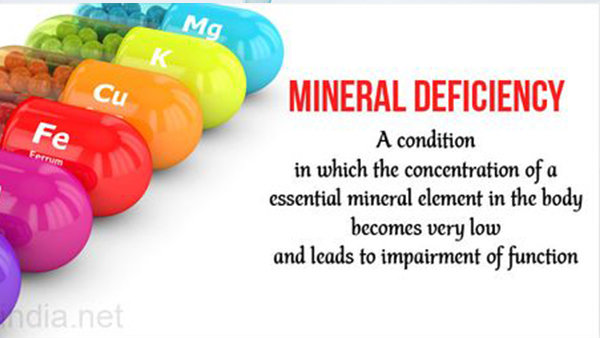
Minerals are inorganic elements that the body cannot produce on its own. Children must obtain them from food or supplements. These essential nutrients are divided into two categories:
Macrominerals (Needed in Larger Amounts)
- Calcium: Bones, teeth, muscle function, nerve signaling
- Phosphorus: Bone structure, energy production, cell function
- Magnesium: Over 300 enzyme reactions, muscle and nerve function
- Sodium: Fluid balance, nerve transmission
- Potassium: Heart function, muscle contractions, nerve signals
- Chloride: Digestive juices, fluid balance
- Sulfur: Protein synthesis, detoxification
Trace Minerals (Needed in Smaller Amounts)
- Iron: Oxygen transport, energy production
- Zinc: Immune function, growth, wound healing
- Copper: Iron metabolism, connective tissue, brain development
- Manganese: Bone formation, metabolism
- Selenium: Thyroid function, antioxidant defense
- Iodine: Thyroid hormones, brain development
- Chromium: Blood sugar regulation
- Fluoride: Dental health, bone strength
Common Mineral Deficiencies in Children
Iron Deficiency
Iron deficiency is the most common nutritional deficiency worldwide, affecting many children in Dubai.
Signs and symptoms:
- Fatigue and weakness
- Pale skin, lips, and nail beds
- Shortness of breath during activity
- Poor appetite
- Frequent infections
- Difficulty concentrating
- Irritability
- Cravings for non-food items (pica) – ice, dirt, starch
- Delayed development
High-risk groups:
- Exclusively breastfed infants after 6 months
- Toddlers transitioning from breast milk/formula
- Picky eaters who avoid meat
- Vegetarian and vegan children
- Adolescent girls (menstruation)
- Children who drink excessive cow’s milk
Zinc Deficiency
Zinc is crucial for immune function, growth, and development.
Signs and symptoms:
- Frequent infections (colds, ear infections)
- Poor wound healing
- Loss of appetite
- Slow growth
- Hair loss or thinning
- Skin problems (rashes, acne)
- Diarrhea
- Delayed sexual maturation
- White spots on fingernails
Calcium Deficiency
Calcium is essential for building strong bones and teeth during childhood.
Signs and symptoms:
- Muscle cramps
- Numbness and tingling
- Poor bone development
- Dental problems
- Brittle nails
- Fatigue
- In severe cases: rickets (bone deformities)
Iodine Deficiency
Iodine is critical for thyroid function and brain development.
Signs and symptoms:
- Goiter (enlarged thyroid)
- Fatigue
- Weight gain
- Feeling cold
- Cognitive difficulties
- Developmental delays (in severe cases)
- Dry skin
Selenium Deficiency
Selenium supports thyroid function and immune health.
Signs and symptoms:
- Muscle weakness
- Fatigue
- Mental fog
- Weakened immune system
- Hair loss
- Nail discoloration
What Causes Mineral Deficiencies in Children?
Dietary Factors
Picky Eating: Children who refuse certain food groups may miss key minerals.
Processed Food Diet: Highly processed foods are often stripped of minerals during manufacturing.
Excessive Milk Consumption: Too much cow’s milk can interfere with iron absorption and fill children up, reducing appetite for mineral-rich foods.
Vegetarian/Vegan Diets: Without careful planning, plant-based diets may lack iron, zinc, and calcium.
Food Allergies: Avoiding allergens (dairy, nuts, etc.) may limit mineral sources.
Absorption Issues
- Celiac disease: Damages intestinal lining, impairs absorption
- Inflammatory bowel disease: Chronic inflammation affects nutrient uptake
- Chronic diarrhea: Minerals lost before absorption
- Parasitic infections: Common in some regions, interfere with absorption
Increased Needs
- Rapid growth: Growth spurts increase mineral requirements
- Athletic children: Lose minerals through sweat
- Illness: Fever and infection deplete mineral stores
- Premature birth: Born with lower mineral stores
Environmental Factors
- Soil depletion: Modern farming practices reduce minerals in food
- Water quality: Mineral content varies by source
- Food processing: Removes natural minerals
Diagnosing Mineral Deficiencies
At myPediaClinic, we use comprehensive testing to identify deficiencies:
Blood Tests
- Complete Blood Count (CBC): Identifies anemia that may indicate iron deficiency
- Serum Iron and Ferritin: Measures iron status and stores
- Zinc levels: Serum zinc (though not always reliable)
- Calcium levels: Serum calcium (may not reflect bone stores)
- Vitamin D: Affects calcium absorption
- Thyroid function: Can indicate iodine status
Other Assessments
- Dietary assessment and history
- Growth chart analysis
- Physical examination
- Bone density testing (in some cases)
Treating Mineral Deficiencies
Dietary Changes
The first approach is usually improving diet:
- Increasing mineral-rich foods
- Reducing foods that interfere with absorption
- Ensuring variety in the diet
- Timing foods for optimal absorption
Supplementation
When diet alone isn’t enough, supplements may be needed:
- Iron supplements: For iron deficiency anemia
- Zinc supplements: For documented deficiency
- Calcium supplements: For children with low dairy intake
- Multiminerals: For general support (with pediatric guidance)
Important: Always consult a pediatrician before giving mineral supplements, as some can be harmful in excess.
Treating Underlying Conditions
If malabsorption is the cause, treating the underlying condition is essential:
- Gluten-free diet for celiac disease
- Treatment for parasitic infections
- Management of inflammatory bowel conditions
Best Food Sources for Essential Minerals
Iron-Rich Foods
| Food | Iron Content |
|---|---|
| Beef liver (3 oz) | 5 mg |
| Lean beef (3 oz) | 2.1 mg |
| Fortified cereals (1 serving) | 4-18 mg |
| Spinach, cooked (½ cup) | 3.2 mg |
| Lentils (½ cup) | 3.3 mg |
| Tofu (½ cup) | 3.4 mg |
| Chicken (3 oz) | 1.1 mg |
Tip: Pair iron-rich foods with vitamin C sources (citrus, tomatoes) to enhance absorption.
Zinc-Rich Foods
| Food | Zinc Content |
|---|---|
| Oysters (3 oz) | 74 mg |
| Beef (3 oz) | 7 mg |
| Crab (3 oz) | 6.5 mg |
| Pork (3 oz) | 2.9 mg |
| Chicken (3 oz) | 2.4 mg |
| Pumpkin seeds (1 oz) | 2.2 mg |
| Yogurt (1 cup) | 1.7 mg |
Calcium-Rich Foods
| Food | Calcium Content |
|---|---|
| Milk (1 cup) | 300 mg |
| Yogurt (1 cup) | 300 mg |
| Cheese (1 oz) | 200 mg |
| Sardines with bones (3 oz) | 325 mg |
| Fortified orange juice (1 cup) | 300 mg |
| Tofu (½ cup) | 250 mg |
| Kale, cooked (1 cup) | 180 mg |
Daily Mineral Requirements for Children
| Mineral | 1-3 years | 4-8 years | 9-13 years |
|---|---|---|---|
| Iron | 7 mg | 10 mg | 8 mg |
| Zinc | 3 mg | 5 mg | 8 mg |
| Calcium | 700 mg | 1,000 mg | 1,300 mg |
| Magnesium | 80 mg | 130 mg | 240 mg |
| Iodine | 90 mcg | 90 mcg | 120 mcg |
Preventing Mineral Deficiencies
For Infants
- Breast milk provides most minerals, but iron stores deplete after 6 months
- Introduce iron-rich foods when starting solids
- Vitamin D supplementation is recommended for breastfed babies
- Formula is fortified with essential minerals
For Toddlers
- Offer variety at every meal
- Include protein sources (meat, beans, eggs) daily
- Limit milk to 16-24 oz per day (excessive milk reduces iron absorption)
- Be patient with picky eating—keep offering nutritious foods
For School-Age Children
- Focus on nutrient-dense foods over processed snacks
- Include fruits and vegetables at every meal
- Encourage whole grains over refined grains
- Make meals colorful and varied
For Teenagers
- Growth spurts increase mineral needs significantly
- Girls need extra iron after menstruation begins
- Athletic teens need additional minerals lost through sweat
- Address crash dieting and eating concerns
Mineral Interactions: What Parents Should Know
Some minerals interact with each other, affecting absorption:
Helpful Combinations
- Vitamin C + Iron: Vitamin C significantly enhances iron absorption
- Vitamin D + Calcium: Vitamin D is essential for calcium absorption
- Vitamin B6 + Magnesium: Helps cells utilize magnesium
Competitive Interactions
- Iron + Calcium: Taking together reduces absorption of both; separate by 2 hours
- Zinc + Copper: High zinc can deplete copper
- Calcium + Zinc/Iron: High calcium interferes with these minerals
Substances That Block Absorption
- Phytates: Found in whole grains and legumes; reduce iron and zinc absorption
- Oxalates: In spinach and beets; bind calcium
- Tannins: In tea and coffee; inhibit iron absorption
- Caffeine: Increases mineral excretion
When to See a Pediatrician
Consult a pediatrician at myPediaClinic if your child shows:
- Persistent fatigue or weakness
- Pale skin, lips, or nail beds
- Frequent infections
- Poor growth or failure to thrive
- Developmental delays
- Unusual food cravings (pica)
- Hair loss or brittle nails
- Muscle cramps or spasms
- Behavioral changes or difficulty concentrating
Frequently Asked Questions About Mineral Deficiencies in Children
How common are mineral deficiencies in children?
Mineral deficiencies are more common than many parents realize. Iron deficiency affects approximately 9% of toddlers and 10% of adolescent girls. Zinc and vitamin D deficiencies are also prevalent, particularly in picky eaters and those with limited sun exposure.
Can my child have a mineral deficiency even with a “good” diet?
Yes. Absorption issues, increased needs during growth spurts, or subtle dietary imbalances can lead to deficiency even in children who seem to eat well. Additionally, modern food processing and soil depletion have reduced mineral content in many foods.
Should I give my child a multivitamin with minerals?
A varied, balanced diet is the best source of minerals. However, some children benefit from supplementation—those with restricted diets, picky eaters, or diagnosed deficiencies. Consult your pediatrician before starting supplements.
Is it possible to give my child too many minerals?
Yes. Some minerals are toxic in excess, particularly iron. Over-supplementation can cause serious harm. This is why pediatric guidance is essential before giving mineral supplements.
My child only wants milk and refuses food. Is this causing mineral deficiency?
Possibly. While milk provides calcium, excessive consumption (more than 24 oz daily) can interfere with iron absorption and reduce appetite for iron-rich foods. Many milk-dependent children develop iron deficiency.
How long does it take to correct a mineral deficiency?
It depends on the mineral and severity. Iron deficiency anemia typically takes 2-3 months of supplementation to correct, plus additional months to rebuild stores. Zinc levels may improve within weeks. Your pediatrician will monitor progress.
Can vegetarian children get enough minerals?
Yes, with careful planning. Vegetarian children can meet mineral needs through fortified foods, careful food combining (vitamin C with iron sources), and potentially supplementation. Regular monitoring is recommended.
Does cooking affect minerals in food?
Some minerals are lost in cooking water, but most are heat-stable unlike vitamins. Steaming preserves more minerals than boiling. Using cooking water in soups or sauces recaptures lost minerals.
Why does my pediatrician ask about my child’s diet during checkups?
Diet assessment helps identify potential deficiency risks before symptoms appear. Understanding what your child eats helps the pediatrician recommend appropriate testing or dietary changes.
Are organic foods higher in minerals?
Research is mixed. Some studies show slightly higher mineral content in organic produce due to healthier soil, while others find no significant difference. More important than organic status is eating a variety of whole, unprocessed foods.
Can mineral deficiency cause behavioral problems?
Yes. Iron and zinc deficiencies in particular are linked to behavioral issues including irritability, poor concentration, and hyperactivity. Correcting deficiencies often improves behavior.
My child eats a lot but is still tired. Could it be mineral deficiency?
Possibly. If your child eats plenty but the diet lacks variety or is high in processed foods, they may be getting calories without adequate minerals. Blood tests can identify if deficiency is the cause of fatigue.
Should I be concerned about mineral deficiency if my child is growing normally?
Growth is one indicator, but not the only one. Children can have mild deficiencies that affect energy, immunity, and cognitive function before growth is impacted. If you have concerns, discuss them with your pediatrician.
How can I get my picky eater to eat mineral-rich foods?
Try hiding nutritious foods in favorites (smoothies, sauces), involving children in cooking, making meals visually appealing, and offering new foods repeatedly without pressure. Fortified foods and supplements may help while working on expanding the diet.
Do growth spurts increase mineral needs?
Absolutely. During rapid growth, children need significantly more minerals, especially calcium, zinc, and iron. Adolescent growth spurts are particularly demanding. Ensure adequate intake during these periods.
If you’re concerned about your child’s mineral status or nutritional health, the pediatric team at myPediaClinic in Dubai Healthcare City can provide comprehensive evaluation and personalized guidance for optimal nutrition and health.