

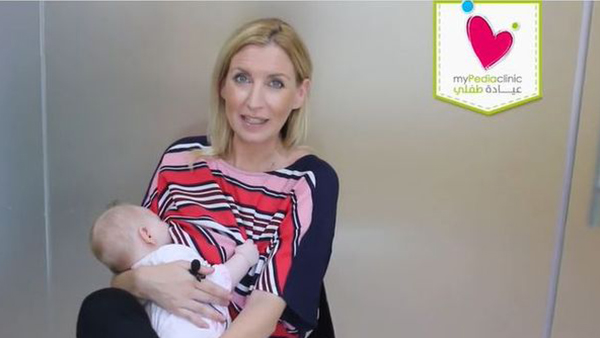
Post-Tongue Tie Procedure – Testimony of Laura Buckwell: A Story of Breastfeeding Success
Every parent wants the best for their baby, and when breastfeeding becomes a struggle, it can be an emotionally and physically exhausting experience. Laura Buckwell’s journey with her baby’s tongue tie is a powerful testament to the life-changing impact of proper diagnosis and treatment. At myPediaClinic in Dubai, we have had the privilege of helping many families like the Buckwells overcome the challenges of tongue tie, and Laura’s story beautifully illustrates the transformative benefits of this simple procedure.
Tongue tie, medically known as ankyloglossia, affects approximately 4 to 11 percent of newborns and can significantly impact a baby’s ability to breastfeed effectively. For mothers who are committed to breastfeeding, discovering that their baby has a tongue tie can initially feel overwhelming. However, as Laura Buckwell’s experience demonstrates, with expert care and timely intervention, tongue tie can be successfully treated, allowing families to enjoy the many benefits of successful breastfeeding.
Laura’s story is one of many success stories we celebrate at myPediaClinic. Her willingness to share her experience helps other families who may be facing similar challenges, offering hope and guidance during what can be a difficult time. This comprehensive article explores Laura’s journey, provides detailed information about tongue tie and its treatment, and offers insights that can help other families recognize and address this common condition.
Laura Buckwell’s Story: From Struggle to Success
Laura Buckwell came to myPediaClinic after weeks of struggling with breastfeeding her newborn. Like many mothers, she had envisioned breastfeeding as a natural, bonding experience with her baby. Instead, each feeding session had become a source of frustration and pain, leaving both mother and baby distressed.
“I cannot express enough how grateful I am to the team at myPediaClinic. When I first came to them, I was exhausted and on the verge of giving up on breastfeeding entirely. My baby would latch on but could never seem to feed properly. She was always fussy, always hungry, and I was in constant pain. I had been told by so many people that breastfeeding was supposed to be natural, so I thought I was doing something wrong. It was such a relief to finally understand that it was not me, it was a physical issue that could be fixed.”
The Early Signs
Laura’s difficulties began from her baby’s first days of life. She noticed that her baby seemed to have trouble maintaining a proper latch, frequently slipping off the breast and becoming frustrated. Feeding sessions that should have taken twenty to thirty minutes would stretch on for an hour or more, leaving both mother and baby exhausted.
Other concerning signs included:
- Painful breastfeeding, even after seeking help with positioning and latch
- Clicking sounds during feeding
- Frequent need to feed, with baby never seeming satisfied
- Slow weight gain despite frequent feeding attempts
- Nipple damage including cracking and bleeding
- Baby becoming frustrated and fussy at the breast
Laura sought help from lactation consultants, who worked with her on positioning and latch techniques. While these strategies helped somewhat, the fundamental problem remained. It was only when a lactation consultant suggested having the baby evaluated for tongue tie that Laura began to understand what might be causing their difficulties.
The Diagnosis
When Laura brought her baby to myPediaClinic for evaluation, our team conducted a thorough assessment of the baby’s oral anatomy and feeding behavior. The examination revealed a significant tongue tie that was restricting the baby’s tongue movement and preventing effective breastfeeding.
“When the doctor showed me what was happening with my baby’s tongue and explained how it was affecting her ability to feed, everything suddenly made sense. I remember feeling such relief that there was an explanation for what we had been going through, and even more relief when I learned it could be treated.”
The assessment at myPediaClinic included evaluation of how the tongue moved during rest and activity, examination of the frenulum (the tissue connecting the tongue to the floor of the mouth), observation of the baby’s feeding behavior, and discussion with Laura about the specific challenges she had been experiencing. This comprehensive approach ensured accurate diagnosis and appropriate treatment planning.
The Procedure
After explaining the diagnosis and treatment options, Laura decided to proceed with a frenotomy, the procedure to release the tongue tie. She was understandably nervous about her baby undergoing any medical procedure, but the team at myPediaClinic took time to explain exactly what would happen and address all her concerns.
The frenotomy procedure itself was quick and straightforward. Using specialized techniques, the doctor released the restrictive tissue, immediately allowing greater tongue movement. The entire procedure took only a few minutes, and Laura was able to comfort and feed her baby immediately afterward.
“I was so worried about the procedure, but it was over before I knew it. The doctor was incredibly skilled and gentle. My baby cried for just a moment, and then I was able to nurse her right away. The difference was immediate and amazing. For the first time, she latched on properly and fed without any of the struggling we had experienced before. I actually cried with relief and happiness.”
The Transformation
The improvement in Laura’s breastfeeding experience following the tongue tie procedure was remarkable. Within days, feeding sessions became shorter and more efficient, her baby seemed satisfied after feeds, and the pain Laura had been experiencing resolved completely.
Changes Laura Noticed After the Procedure:
- Baby able to maintain a deep, comfortable latch
- Feeding sessions reduced from over an hour to 20-30 minutes
- No more clicking sounds during feeding
- Complete resolution of nipple pain and damage
- Baby appeared content and satisfied after feeds
- Improved weight gain at subsequent check-ups
- More peaceful, less stressful feeding experience for both
Beyond the immediate physical improvements, the change in the overall feeding experience was transformative for the entire family. Breastfeeding became the bonding experience Laura had hoped for, rather than a source of stress and frustration.
“The weeks after the procedure were like having a completely different baby. She was calmer, she slept better because she was actually getting enough milk, and I could finally enjoy feeding her instead of dreading it. I went from counting down the days until I could stop breastfeeding to planning to continue for as long as she wanted. I am so grateful we found myPediaClinic and got the help we needed. I only wish we had known about tongue tie sooner.”
Understanding Tongue Tie: What Every Parent Should Know
Laura’s experience highlights the importance of understanding tongue tie and recognizing its signs. Many parents, like Laura initially, are not aware that this condition exists or that it can significantly impact breastfeeding. This section provides comprehensive information about tongue tie to help other families recognize and address this common issue.
What Is Tongue Tie?
Tongue tie (ankyloglossia) is a congenital condition in which the frenulum, the tissue connecting the underside of the tongue to the floor of the mouth, is unusually short, thick, or tight. This restricts the tongue’s range of motion, which can affect a baby’s ability to breastfeed effectively and may later impact speech development and other oral functions.
The frenulum is a normal anatomical structure that everyone has, but in babies with tongue tie, it is positioned or structured in a way that limits how far the tongue can extend, lift, or move from side to side. This limitation becomes particularly problematic during breastfeeding, when the tongue must perform complex movements to extract milk effectively.
Types of Tongue Tie
Tongue ties are classified into different types based on where the frenulum attaches to the tongue:
- Type 1: The frenulum attaches at the very tip of the tongue, often creating a heart-shaped appearance when the tongue is extended
- Type 2: The frenulum attaches slightly behind the tip of the tongue
- Type 3: The frenulum attaches to the middle portion of the tongue
- Type 4 (Posterior tongue tie): The frenulum attaches toward the base of the tongue and may be covered by mucous membrane, making it less visible but equally problematic
All types of tongue tie can cause feeding difficulties, though some may be less obvious on visual examination. This is why assessment by experienced professionals at facilities like myPediaClinic is important when breastfeeding problems persist.
Signs of Tongue Tie in Babies
Signs to Watch For:
In the Baby:
- Difficulty latching or staying latched during feeding
- Making clicking sounds while nursing
- Taking a long time to feed and seeming unsatisfied afterward
- Poor weight gain despite frequent feeding
- Colic-like symptoms and gassiness
- Heart-shaped tongue tip when extended
- Limited tongue movement
In the Mother:
- Painful breastfeeding
- Nipple damage (cracking, bleeding, blanching)
- Incomplete breast emptying
- Blocked ducts or mastitis
- Concerns about milk supply
The Benefits of Tongue Tie Treatment
Laura’s story illustrates the many benefits that can result from successful tongue tie treatment. Understanding these potential benefits can help parents make informed decisions about treatment for their own babies.
Improved Latch
Better tongue mobility allows for a deeper, more comfortable latch
Efficient Feeding
Babies can extract milk more effectively, reducing feeding time
Pain Relief
Mothers experience significant reduction or elimination of breastfeeding pain
Better Weight Gain
Improved milk transfer supports healthy weight gain
Reduced Stress
Less frustration during feeding for both baby and parent
Extended Breastfeeding
Families can continue breastfeeding as long as desired
Benefits for the Baby
For babies, successful tongue tie treatment can lead to more effective milk extraction, improved satiation after feeds, better weight gain and growth, reduced frustration and colic-like symptoms, and improved oral development. Some research also suggests potential long-term benefits including reduced speech difficulties and improved dental development, though more research is needed in these areas.
Benefits for the Mother
For mothers, the benefits of treating their baby’s tongue tie can be equally significant. The elimination of breastfeeding pain is often the most immediately noticeable benefit. Additionally, mothers may experience better breast health with reduced risk of blocked ducts and mastitis, improved milk supply due to more effective breast stimulation, reduced stress and anxiety around feeding, and the ability to continue breastfeeding as originally planned.
Benefits for the Family
The positive effects of tongue tie treatment extend to the entire family. When feeding becomes easier and more enjoyable, the stress level in the household decreases. Parents can focus on bonding with their baby rather than struggling through difficult feeding sessions. Siblings and partners benefit from a calmer, happier environment.
The Tongue Tie Procedure at myPediaClinic
At myPediaClinic, we approach tongue tie assessment and treatment with expertise, compassion, and a commitment to supporting families through the entire process. Understanding what to expect can help parents feel more comfortable about seeking evaluation and treatment for their babies.
Comprehensive Assessment
Our evaluation process begins with a thorough assessment that includes detailed discussion with parents about feeding difficulties and symptoms, examination of the baby’s oral anatomy, observation of feeding behavior, and evaluation of tongue function and mobility. This comprehensive approach ensures accurate diagnosis and helps determine whether treatment is appropriate and likely to be beneficial.
The Frenotomy Procedure
If tongue tie is diagnosed and treatment is recommended, we perform a frenotomy procedure to release the restrictive tissue. Key aspects of our approach include:
- Speed: The actual procedure takes only seconds to minutes
- Safety: We use sterile techniques and appropriate equipment
- Minimal bleeding: The procedure typically involves minimal bleeding that resolves quickly
- Immediate feeding: Babies can nurse immediately after the procedure
- Parent presence: Parents are present throughout and can comfort their baby immediately
Post-Procedure Care and Support
Our care does not end with the procedure. We provide detailed instructions for aftercare, which may include gentle stretching exercises to help prevent reattachment. We also offer follow-up support to ensure that feeding is improving and to address any concerns that arise. Many families benefit from working with lactation consultants after the procedure to maximize the benefits of improved tongue mobility.
When to Seek Help for Breastfeeding Difficulties
Laura’s story emphasizes the importance of seeking help early when breastfeeding is not going well. Many mothers struggle unnecessarily for weeks or months before discovering that tongue tie is the cause of their difficulties. If you are experiencing persistent breastfeeding problems, it is worth having your baby evaluated.
Seek Evaluation If You Experience:
- Persistent pain during breastfeeding despite correct positioning
- Nipple damage that does not improve with intervention
- Baby who frequently falls asleep at the breast without feeding effectively
- Concerns about baby’s weight gain
- Feeding sessions that consistently take more than 45 minutes
- Baby who is fussy and unsettled after most feeds
- Clicking or smacking sounds during feeding
Not all breastfeeding difficulties are caused by tongue tie, and not all tongue ties require treatment. However, evaluation by experienced professionals can help determine whether tongue tie is a contributing factor and whether treatment is likely to help. At myPediaClinic, we take a thoughtful, evidence-based approach to diagnosis and treatment recommendations.
Supporting Other Families: Laura’s Message
Laura Buckwell chose to share her story because she wants other families to know that help is available. Her message to parents who may be struggling with similar challenges is one of hope and encouragement.
“If you are struggling with breastfeeding, please do not give up without exploring all possibilities. I almost quit because I thought I was failing at something that was supposed to be natural. But it was not my fault, and it is probably not your fault either. Get your baby checked for tongue tie. If that is the problem, the solution can be quick and the results can be amazing. My only regret is that I did not know about tongue tie sooner. I want other mothers to know so they do not have to go through weeks of suffering like I did.”
Laura’s willingness to share her experience reflects the supportive community of parents who have been helped at myPediaClinic. By sharing their stories, these families help raise awareness about tongue tie and give hope to others who may be facing similar challenges.
Frequently Asked Questions About Tongue Tie Procedures
How do I know if my baby has tongue tie?
Signs of tongue tie in babies include difficulty latching or staying latched during breastfeeding, clicking sounds while nursing, prolonged feeding sessions, poor weight gain, and frequent fussiness after feeds. Mothers may experience painful breastfeeding and nipple damage. If you notice these signs, have your baby evaluated by a healthcare professional experienced in diagnosing tongue tie, such as the specialists at myPediaClinic.
Is the tongue tie procedure painful for babies?
The frenotomy procedure is very quick, typically taking only seconds to minutes. Babies may cry briefly during or immediately after the procedure, but most calm quickly, especially when offered breastfeeding immediately afterward. The area has relatively few nerve endings, and healing is rapid. Most parents, like Laura, report that their baby’s brief discomfort during the procedure is far outweighed by the improvement in feeding afterward.
How quickly will I see improvement after the procedure?
Many parents, like Laura, notice immediate improvement in their baby’s latch and feeding behavior. However, it can take several days to weeks to see the full benefits as both baby and mother adjust to the improved tongue function. Some babies need time to learn to use their tongue in new ways. Working with a lactation consultant after the procedure can help maximize and accelerate improvement.
Is aftercare required following a tongue tie procedure?
Aftercare typically includes gentle stretching exercises performed several times daily for a few weeks after the procedure. These exercises help prevent the tissue from reattaching and ensure optimal healing. The myPediaClinic team provides detailed instructions for aftercare and follow-up support to ensure the best possible outcome for your baby.
Can tongue tie come back after treatment?
In some cases, the tongue tie can partially reattach if wound healing causes the tissue to reconnect. This is why aftercare exercises are important. If reattachment occurs and causes recurrence of feeding problems, a revision procedure may be needed. Following the aftercare instructions carefully helps minimize this risk.
What if my baby is bottle-fed? Can tongue tie still be a problem?
While tongue tie most commonly causes problems with breastfeeding, it can also affect bottle feeding in some cases. Babies with significant tongue tie may have difficulty managing the flow of milk from a bottle, leading to excessive air intake, slow feeding, or spillage. Additionally, untreated tongue tie may affect speech development later in childhood. Evaluation is worthwhile if you have concerns about your baby’s feeding or oral function.
At what age can tongue tie be treated?
Tongue tie can be treated at any age, but earlier treatment is often preferable, especially when breastfeeding difficulties are present. In newborns and young infants, the procedure is simpler and recovery is typically faster. Older babies, children, and even adults can be treated, though the approach may differ and general anesthesia may be required for older patients.
How do I book a tongue tie assessment at myPediaClinic?
You can book a tongue tie assessment at myPediaClinic by visiting their website at mypediaclinic.com, calling the clinic directly, or using their online booking system. When scheduling, mention that you are concerned about possible tongue tie and would like an evaluation. This helps ensure you are booked with the appropriate specialist who can assess and treat if necessary.
Hope for Families Facing Breastfeeding Challenges
Laura Buckwell’s testimony represents the experiences of many families who have found relief and success through tongue tie treatment at myPediaClinic. Her story demonstrates that breastfeeding difficulties do not have to mean the end of a mother’s breastfeeding journey, and that simple interventions can make a profound difference in the lives of families.
If you are struggling with breastfeeding and recognize any of the signs of tongue tie in your baby, we encourage you to seek evaluation. Early diagnosis and treatment can save weeks or months of frustration and allow you to enjoy the breastfeeding experience you envisioned. The team at myPediaClinic is here to support you every step of the way.
What Makes myPediaClinic Different
- Experienced professionals skilled in tongue tie diagnosis and treatment
- Comprehensive assessment approach that considers the whole picture
- Gentle, efficient procedures with immediate breastfeeding encouraged
- Thorough aftercare instructions and follow-up support
- Collaboration with lactation consultants for optimal outcomes
- Compassionate care that supports the entire family
Laura’s story had a happy ending, and yours can too. Do not let undiagnosed tongue tie stand between you and a successful breastfeeding journey. Take the first step by scheduling an evaluation at myPediaClinic today.
Is Tongue Tie Affecting Your Breastfeeding Journey?
Like Laura, you deserve support and answers. Our experienced team at myPediaClinic can assess your baby for tongue tie and provide the treatment needed to transform your breastfeeding experience. Do not struggle alone – help is available.
At myPediaClinic, we are committed to helping families achieve their breastfeeding goals. Laura Buckwell’s testimony is just one of many success stories that inspire us to continue providing expert, compassionate care for tongue tie and other pediatric concerns. Contact us today to learn how we can help your family thrive.
Tongue-Tie & Lip-Tie: Related Guides
- 5 signs your baby has a tongue-tie — and how it’s treated
- 6 symptoms of tongue-tie in children
- Does tongue-tie hurt your baby?
- How tongue-tie affects speech in children
- Lip-tie and breastfeeding: how early diagnosis helps
- Is tongue-tie surgery the right choice for your baby?
- Before, during & after tongue-tie surgery: what to expect
Concerned about tongue-tie or lip-tie? Book a tongue-tie assessment at myPediaclinic in Dubai.