

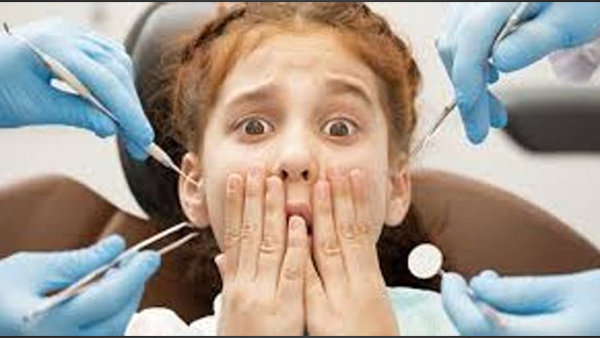
Tips to Prevent Dental Phobia in Children: A Complete Guide for Parents
Dental phobia affects millions of children worldwide, often beginning with negative experiences or improper preparation for dental visits. As parents, you play the most crucial role in shaping your child’s attitude toward dental care. At myPediaClinic in Dubai, we believe that with the right approach, every child can develop a positive relationship with dental care that lasts a lifetime. This comprehensive guide explores proven strategies to prevent dental phobia and create positive dental experiences for your child.
The fear of dental visits is one of the most common phobias among children, with studies suggesting that between 10 and 20 percent of children experience significant dental anxiety. For some children, this anxiety can develop into a full-blown phobia that persists into adulthood, leading to avoidance of dental care and consequent oral health problems. The good news is that dental phobia is largely preventable when parents take proactive steps to create positive associations with dental care from an early age.
Understanding how dental phobia develops is the first step toward preventing it. Children are not born with a fear of dentists; rather, this fear develops through various factors including negative experiences, frightening stories from others, parental anxiety, and a lack of familiarity with dental settings. By addressing these factors proactively, parents can help their children approach dental visits with confidence rather than fear.
Understanding Dental Phobia in Children
Dental phobia, also known as odontophobia, is more than just mild nervousness about dental visits. It is an intense, irrational fear that can cause children to experience physical symptoms such as rapid heartbeat, sweating, crying, and even panic attacks when faced with the prospect of visiting a dentist. Understanding the nature and causes of this phobia is essential for developing effective prevention strategies.
The Difference Between Dental Anxiety and Dental Phobia
It is important to distinguish between normal dental anxiety and dental phobia. Some degree of anxiety about dental visits is completely normal, especially for young children who are encountering unfamiliar situations. This mild anxiety typically diminishes as children become more familiar with dental settings and develop trust in their dental care providers.
Dental phobia, on the other hand, is characterized by excessive, persistent fear that is disproportionate to any actual threat. Children with dental phobia may refuse to open their mouths, become physically resistant, or exhibit extreme distress that makes dental treatment impossible without intervention. Preventing this level of fear requires consistent effort and attention to creating positive experiences.
Common Causes of Dental Fear in Children
Several factors can contribute to the development of dental fear in children:
- Previous negative experiences: A painful or frightening dental visit can create lasting negative associations
- Fear of the unknown: Unfamiliar environments, sounds, and sensations can be intimidating
- Parental anxiety: Children often pick up on their parents’ fears and attitudes
- Stories from siblings or peers: Hearing frightening stories about dental visits can create anticipatory fear
- Media portrayals: Television shows and movies often depict dental visits negatively
- Loss of control: Being in a reclined position while someone works in their mouth can feel vulnerable
- Fear of pain: Concerns about potential pain during procedures
- Sensory sensitivities: Some children are particularly sensitive to sounds, tastes, or sensations
The Parent’s Critical Role in Preventing Dental Phobia
Parents are the single most influential factor in determining whether a child develops dental phobia or approaches dental care with confidence. Your attitudes, words, and actions shape your child’s perceptions of dental visits more than any other factor. At myPediaClinic, we work closely with parents to help them understand and fulfill this important role.
Key Principles for Parents
Your approach to dental care sets the foundation for your child’s attitude. Remember these principles:
- Your child looks to you for cues about how to react to new situations
- Even subtle signs of anxiety can be picked up by observant children
- The words you choose when discussing dental visits matter significantly
- Your presence and support can make challenging experiences manageable
- Consistency in approach builds trust and reduces anxiety over time
Managing Your Own Dental Anxiety
Many adults carry their own dental fears, often stemming from childhood experiences. If you have dental anxiety, it is crucial to manage it in ways that do not transfer to your child. This does not mean pretending you have no concerns, but rather ensuring that your anxiety does not become the dominant message your child receives about dental care.
If you have significant dental anxiety, consider the following strategies:
- Schedule your own dental appointments separately from your child’s when possible
- Work on managing your visible anxiety responses before accompanying your child
- Focus on positive messages about dental care, even if you personally find it challenging
- Consider seeking support for your own dental anxiety to break the cycle
- If necessary, have a less anxious family member accompany your child to appointments
Modeling Positive Attitudes
Children learn through observation, and your attitude toward dental care speaks louder than words. When you demonstrate that dental visits are a normal, routine part of healthcare, your child is more likely to adopt the same perspective. Share positive comments about your own dental experiences, and avoid expressing dread or relief about dental visits in front of your child.
Preparation Strategies Before the First Dental Visit
Proper preparation before a dental visit can significantly reduce anxiety and set the stage for positive experiences. The key is to provide enough information to reduce fear of the unknown without overwhelming your child or introducing worrying concepts.
Timing the First Visit Right
The American Academy of Pediatric Dentistry recommends that children have their first dental visit by age one or within six months of the first tooth emerging. Early visits serve multiple purposes: they establish dental care as a normal part of life, allow the dentist to monitor development, and provide opportunities for positive experiences before any treatment is needed.
At myPediaClinic, we welcome young patients for these early visits and focus on making them as positive and non-threatening as possible. These initial appointments are typically short and involve minimal intervention, helping children become comfortable with the dental environment gradually.
Age-Appropriate Explanations
Tailoring Your Approach by Age
Toddlers (1-3 years): Keep explanations very simple. “We’re going to visit a special doctor who helps keep your teeth healthy and strong.” Focus on the adventure of going somewhere new.
Preschoolers (3-5 years): Provide more detail but keep it positive. Explain that the dentist will count their teeth and make them shiny. Avoid detailed descriptions of procedures.
School-age children (6-12 years): Offer honest, age-appropriate information. Explain that keeping teeth healthy prevents problems and that any discomfort is temporary and manageable.
Words to Use and Words to Avoid
The language you use when discussing dental visits has a powerful impact on your child’s expectations and anxieties. Choose words carefully to frame the experience positively.
Words and Phrases to Avoid
- “It won’t hurt” (introduces the concept of pain)
- “Don’t be scared” (suggests there is something to fear)
- “Shot” or “needle” (use “sleepy juice” instead if discussing anesthesia)
- “Drill” (use “tooth cleaner” or let the dentist explain)
- “Pull” a tooth (use “wiggle out” instead)
- “Pain” or “hurt”
- Threats like “If you don’t brush, the dentist will have to drill your teeth”
Positive Language Alternatives
- “The dentist will count your teeth and make them sparkly clean”
- “You might feel some tickling or buzzing”
- “The dentist has special tools to help keep your smile healthy”
- “You’re going to have your teeth checked, just like we check your height”
- “The dentist is a tooth expert who helps children have healthy smiles”
Creating Positive Dental Experiences
Beyond preparation, the actual dental visit experience shapes your child’s attitudes toward future dental care. Working with a child-friendly dental practice like myPediaClinic is essential, but there are also many things parents can do to contribute to positive experiences.
Choosing the Right Pediatric Dentist
Not all dentists are equally skilled at working with children. Pediatric dentists receive specialized training in child psychology and behavior management, making them better equipped to create positive experiences for young patients. When choosing a dentist for your child, consider:
- Specialized training in pediatric dentistry
- A child-friendly office environment with appropriate decorations and activities
- Staff who are experienced and comfortable working with children
- A philosophy that prioritizes comfort and positive experiences
- Willingness to take time to build rapport with your child
- Availability of various behavior management techniques
The Importance of Routine Visits
Regular dental visits are one of the most effective ways to prevent dental phobia. When children visit the dentist routinely for check-ups and cleanings, they become familiar with the environment, staff, and procedures. These routine visits are typically straightforward and provide opportunities for positive experiences.
In contrast, children who only visit the dentist when they have problems are more likely to associate dental care with pain and discomfort. The cavity that required treatment becomes their defining dental experience, potentially creating lasting negative associations.
Building Trust Gradually
Trust is built through consistent positive experiences over time. If your child shows signs of anxiety, work with your dental team to take a gradual approach:
- Visit the office: Schedule a tour of the dental office without any treatment to let your child become familiar with the environment
- Meet the team: Allow your child to meet the dentist and staff in a low-pressure setting
- Chair time: Let your child sit in the dental chair and explore without any procedures being performed
- Simple procedures: Start with simple, non-invasive procedures like counting teeth or gentle cleaning
- Progressive complexity: Gradually introduce more involved procedures as trust and comfort develop
Strategies During the Dental Visit
Your role during the actual dental visit is crucial for supporting your child and reinforcing positive associations. The strategies you employ during appointments can make the difference between a fearful experience and a confidence-building one.
Staying Calm and Supportive
Your calm presence provides reassurance to your child. Even if you feel anxious yourself, maintain a relaxed demeanor and offer quiet encouragement. Avoid hovering anxiously or expressing concern through your body language or facial expressions.
Most pediatric dentists, including those at myPediaClinic, welcome parents in the treatment room, especially for young children. Your presence can provide comfort and security, but be guided by the dental team’s recommendations, as some children actually do better without parental presence during treatment.
Using Distraction Techniques
Distraction can be an effective tool for reducing anxiety during dental procedures. Many dental offices provide entertainment options such as ceiling-mounted televisions, music, or video games. You can also help by engaging your child in conversation, telling stories, or practicing deep breathing together.
Positive Reinforcement
Praise your child for their cooperation and bravery throughout the appointment. Focus on specific behaviors: “You did such a great job keeping your mouth open” or “I’m proud of how still you sat.” This positive reinforcement builds confidence and creates positive associations with dental visits.
Many dental offices offer small rewards after appointments, such as stickers, small toys, or the chance to choose a prize from a treasure chest. These rewards can provide additional positive associations, though the praise and encouragement from parents and dental staff are ultimately more impactful.
Handling Setbacks and Difficult Situations
Despite best efforts, some dental visits may not go smoothly. Understanding how to handle difficult situations can prevent temporary setbacks from becoming lasting phobias.
When Your Child Becomes Upset
If your child becomes upset during a dental visit, remain calm and supportive. Avoid showing frustration or disappointment, as this can add to their distress. Instead:
- Acknowledge their feelings: “I understand this feels scary right now”
- Provide comfort through your presence and gentle touch
- Work with the dental team to determine whether to continue or pause
- Focus on what was accomplished rather than what was not
- Discuss the experience positively afterward, emphasizing bravery and progress
After a Difficult Appointment
If an appointment did not go well, how you handle the aftermath is crucial. Avoid dwelling on the negative aspects or expressing disappointment. Instead, focus on any positive moments and frame the experience as a learning opportunity. Reassure your child that dental visits will get easier with practice, and plan strategies for making the next visit smoother.
When Professional Help May Be Needed
In some cases, dental anxiety may be severe enough to require additional support. Signs that your child may benefit from professional help include:
- Extreme reactions that make dental care impossible
- Anxiety that persists despite multiple positive experiences
- Physical symptoms of anxiety that begin days before appointments
- Dental phobia that is affecting their oral health
- Generalized anxiety that extends beyond dental situations
Options for children with severe dental anxiety include behavior therapy, sedation dentistry, and in some cases, treatment under general anesthesia. Your dental team at myPediaClinic can help you determine the most appropriate approach for your child’s needs.
Building Long-Term Positive Habits
Preventing dental phobia is not just about managing individual appointments; it is about building a positive relationship with dental care that lasts a lifetime. This requires ongoing attention to habits and attitudes around oral health.
Making Oral Hygiene Fun at Home
Children who enjoy their daily oral hygiene routines are more likely to have positive attitudes toward dental care in general. Make brushing and flossing enjoyable by:
- Using fun, child-friendly toothbrushes and toothpaste flavors
- Playing music or using a timer to make brushing time fun
- Brushing together as a family
- Using apps or videos that make oral hygiene engaging
- Praising good brushing habits consistently
- Reading books about dental care and healthy teeth
Educating Without Frightening
Teaching children about dental health should inform and empower, not frighten. Explain why dental care is important in positive terms: healthy teeth help us eat delicious foods, speak clearly, and have beautiful smiles. Avoid using cavity-related threats as motivation for good oral hygiene.
Maintaining Consistency
Consistency is key to building lasting positive habits and attitudes. Maintain regular dental appointments, stick to daily oral hygiene routines, and continue using positive language about dental care. Over time, these consistent messages and experiences will solidify your child’s positive relationship with dental health.
Frequently Asked Questions About Preventing Dental Phobia in Children
At what age should I start taking my child to the dentist?
The American Academy of Pediatric Dentistry recommends that children have their first dental visit by age one or within six months of the first tooth appearing, whichever comes first. These early visits help establish dental care as a normal part of life and provide opportunities for positive experiences before any treatment is needed. At myPediaClinic, we welcome young patients and make these initial visits fun and non-threatening.
My child is already afraid of the dentist. Can this be changed?
Yes, dental fear can be overcome with patience and the right approach. Work with a pediatric dentist who specializes in treating anxious children. Start with simple, non-threatening visits to build trust gradually. Use positive language, avoid pressuring your child, and celebrate small successes. Most children can overcome dental fear with consistent positive experiences, though some may benefit from additional support such as behavior therapy or sedation options.
Should I stay in the room during my child’s dental appointment?
This depends on your child’s age and temperament. Most pediatric dentists welcome parents in the treatment room, especially for young children, as your presence can provide comfort and security. However, some older children may actually do better independently, and some anxious parents may inadvertently transfer their stress to their child. Discuss this with your dental team and follow their guidance based on your specific situation.
What should I say to prepare my child for a dental visit?
Keep explanations simple and positive. Use phrases like “The dentist will count your teeth and make them sparkly clean” rather than detailed descriptions. Avoid words like “hurt,” “shot,” “drill,” or “pain,” and never use dental visits as threats. Answer questions honestly but simply, and avoid over-explaining or introducing concepts that might cause worry. Let the dental team explain procedures in child-friendly terms during the visit.
How can I help if I have dental anxiety myself?
If you have dental anxiety, it is important to manage it so you do not transfer it to your child. Consider scheduling your appointments separately from your child’s, work on controlling visible anxiety responses, and focus on conveying positive messages even if dental care is challenging for you personally. You might also consider having a less anxious family member accompany your child. Additionally, addressing your own dental anxiety through professional support can help break the cycle.
What if my child refuses to cooperate at the dentist?
If your child refuses to cooperate, remain calm and avoid showing frustration. Work with your dental team to determine the best approach, which may include pausing and trying again later, using behavior management techniques, or taking a more gradual approach to build trust. For urgent dental needs, sedation options may be appropriate. Focus on progress over perfection, and celebrate any cooperation your child shows.
Are rewards okay to use for dental visits?
Small rewards can be helpful in creating positive associations with dental visits, but use them thoughtfully. Focus primarily on verbal praise for specific behaviors rather than material rewards. If you offer rewards, frame them as celebration of bravery rather than payment for enduring something unpleasant. Avoid promising large rewards that suggest the dental visit is something to be “survived” or suggesting that treats will make up for a difficult experience.
How do pediatric dentists differ from regular dentists in managing child anxiety?
Pediatric dentists complete additional years of specialized training focused on treating children, including education in child psychology, growth and development, and behavior management techniques. Their offices are designed to be child-friendly, and their staff are experienced in working with young patients. They use specific techniques like tell-show-do, positive reinforcement, and distraction to help children feel comfortable. This specialized training makes them better equipped to prevent and manage dental anxiety in children.
Creating a Foundation for Lifelong Dental Health
Preventing dental phobia in children is about more than just making dental visits tolerable; it is about establishing a positive relationship with oral healthcare that will benefit your child throughout their life. Children who are comfortable with dental care are more likely to maintain regular dental visits as adults, leading to better oral health outcomes and fewer dental problems over their lifetime.
At myPediaClinic, we partner with parents to create positive dental experiences for every child. Our child-friendly environment, specialized pediatric dental team, and patient-centered approach are designed to help children develop healthy attitudes toward dental care from their very first visit.
Key Takeaways for Parents
- Start dental visits early, before any problems develop
- Use positive language and avoid words that introduce fear
- Manage your own dental anxiety to avoid transferring it to your child
- Choose a pediatric dentist who specializes in working with children
- Maintain regular dental visits to build familiarity and trust
- Make oral hygiene fun and positive at home
- Focus on praise and positive reinforcement
- Be patient and allow trust to build gradually
- Handle setbacks calmly and maintain a positive outlook
Remember, your child’s dental experiences today shape their attitudes toward oral healthcare for years to come. By taking an active role in creating positive experiences and preventing dental phobia, you are giving your child a valuable gift that will benefit their health and wellbeing throughout their entire life.
Give Your Child a Positive Start to Dental Care
Our child-friendly team at myPediaClinic specializes in creating positive dental experiences that help children develop healthy attitudes toward oral care. Schedule your child’s appointment today and discover the difference a specialized pediatric approach can make.
At myPediaClinic, we understand the importance of early positive dental experiences in preventing dental phobia. Our compassionate team is dedicated to helping every child feel comfortable and confident during their dental visits. Contact us today to learn more about our approach to pediatric dental care and how we can help your child develop a healthy relationship with dental health that lasts a lifetime.