

What Could be the Reason Behind a Short Stature? Complete Guide for Dubai Parents
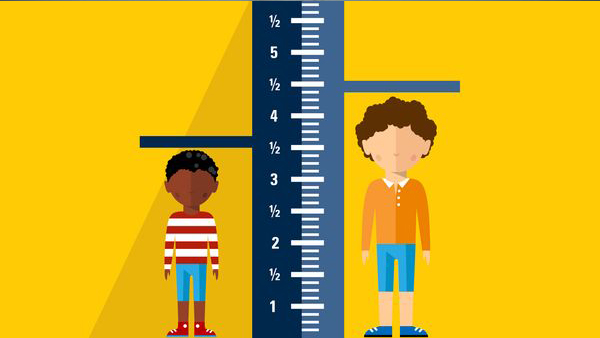
Height concerns are among the most common reasons parents in Dubai bring their children to pediatric specialists. While children naturally grow at different rates and achieve varying final heights, understanding what constitutes normal growth versus signs of underlying medical conditions is essential for every parent. Short stature—when a child’s height falls significantly below what’s expected for their age and gender—can result from numerous factors ranging from benign familial patterns to treatable medical conditions.
At myPediaClinic in Dubai Healthcare City, our pediatricians, including Dr. Medhat Abu-Shaaban and our experienced team, specialize in comprehensive growth assessment and management. We understand that height concerns often carry emotional weight for families, particularly in cultures where stature holds social significance. This guide explores the various reasons behind short stature, when to seek evaluation, diagnostic approaches, and available treatments for children in Dubai and the UAE.
Understanding Normal Growth Patterns
Before addressing short stature, it’s important to understand what constitutes normal growth. Children don’t grow at steady, consistent rates throughout childhood. Instead, growth occurs in distinct phases, each with characteristic patterns and velocities.
During infancy, children experience their most rapid growth period outside the womb, typically gaining approximately 25 centimeters in the first year of life. This dramatic growth rate gradually slows through toddlerhood. From ages 2-3 years until puberty begins, most children grow at a relatively steady rate of about 5-7 centimeters per year. This period of consistent growth allows pediatricians to track development and identify potential concerns early.
Puberty triggers the second major growth acceleration. Girls typically experience their pubertal growth spurt between ages 10-14, while boys enter this phase slightly later, usually between ages 12-16. During peak pubertal growth, children may grow 8-12 centimeters annually. After the growth spurt concludes, growth plates gradually close, and height increase slows before stopping entirely, typically in the mid-to-late teenage years.
Growth patterns also differ between genders. Girls generally stop growing around age 14-15, approximately two years after their first menstrual period. Boys continue growing until ages 16-17 on average, though some experience continued growth into their early twenties. Final adult height is influenced by complex interactions between genetic factors, nutritional status, overall health, hormonal function, and environmental influences.
Defining Short Stature
Medical professionals define short stature specifically rather than relying on subjective impressions. A child is typically considered to have short stature when their height falls below the 3rd percentile for their age and sex on standardized growth charts, or more than two standard deviations below the mean height for age. This means approximately 3% of children in any population will technically meet criteria for short stature, though many of these children are healthy and simply genetically shorter.
However, percentiles alone don’t tell the complete story. Pediatricians also evaluate growth velocity—how quickly a child grows over time. A child whose height consistently tracks along the 5th percentile but maintains steady growth velocity may be perfectly healthy and simply genetically shorter. Conversely, a child who starts at the 50th percentile but progressively drops to the 25th, then 10th percentile demonstrates concerning growth deceleration that requires investigation regardless of their current percentile position.
At myPediaClinic in Dubai, we use WHO (World Health Organization) growth charts for children under age 2, and CDC (Centers for Disease Control) charts for older children, while also considering genetic potential based on parental heights. This comprehensive approach ensures accurate assessment appropriate for Dubai’s diverse population.
Common Causes of Short Stature
Short stature results from numerous potential causes. Understanding these different etiologies helps parents recognize when evaluation is necessary and what investigations might be appropriate.
Constitutional Growth Delay
Also called “late bloomers,” children with constitutional growth delay follow a characteristic pattern. They’re often shorter than peers during childhood and experience delayed puberty, but ultimately reach normal adult height. These children are born with normal length and grow normally initially, but their growth rate slows during late childhood, causing them to fall behind peers temporarily.
The telltale sign of constitutional delay is “bone age” (skeletal maturity assessed by hand x-ray) that’s significantly younger than chronological age. While a 13-year-old boy with constitutional delay might be the shortest in his class, his bone age might be only 10 years, meaning he has several more years of growth remaining after his peers have stopped. Family history often reveals parents or siblings who were “late bloomers” themselves.
Constitutional growth delay is considered a normal variant rather than a disease, and these children don’t require treatment beyond reassurance. However, the social and emotional impacts of being significantly shorter than peers can be substantial, particularly during adolescence. Dr. Medhat Abu-Shaaban and our team at myPediaClinic provide ongoing support and monitoring to ensure growth eventually normalizes as expected.
Familial (Genetic) Short Stature
When both parents are shorter than average, children often inherit this trait and are shorter themselves despite having completely normal growth hormone levels and bone development. Familial short stature represents the most common cause of short stature overall.
Children with familial short stature typically have proportionate body dimensions, normal growth velocity for their percentile, and bone age that matches chronological age. They enter puberty at the expected time and achieve adult heights consistent with their genetic potential—usually within the range predicted by parental heights, though not always.
The mid-parental height calculation helps estimate genetic potential. For boys, add 13 cm to the mother’s height, average it with the father’s height. For girls, subtract 13 cm from the father’s height and average with the mother’s height. Most children end up within about 8-10 cm of this predicted height, though individual variation occurs.
While familial short stature doesn’t indicate disease, parents often still have concerns, particularly if the child is significantly shorter than peers. In Dubai’s multicultural environment where children from various ethnic backgrounds interact, these differences can be particularly noticeable. Our team provides counseling about realistic expectations and helps families address any social or emotional concerns arising from height differences.
Growth Hormone Deficiency
Growth hormone (GH), produced by the pituitary gland in the brain, plays a crucial role in childhood growth. Growth hormone deficiency occurs when the pituitary produces insufficient amounts, resulting in markedly slow growth despite otherwise normal health.
Children with GH deficiency are typically born with normal length but progressively fall behind growth expectations over time. Growth velocity slows significantly—they might grow only 3-4 cm annually instead of the expected 5-7 cm. They often have cherubic facial features, increased body fat (particularly around the abdomen), and delayed skeletal maturation. Despite their short stature, body proportions remain normal.
GH deficiency can be congenital (present from birth) or acquired later due to brain tumors, head trauma, infections, or radiation therapy. Some cases occur without identifiable cause. Diagnosis requires specialized testing including growth hormone stimulation tests, where medications stimulate GH release and blood samples measure the response.
Treatment with daily growth hormone injections can be highly effective when started early. At myPediaClinic, we coordinate with pediatric endocrinologists when GH deficiency is suspected, ensuring children receive appropriate diagnostic evaluation and treatment. The availability of growth hormone therapy in Dubai through specialized pediatric endocrinology centers makes this condition highly treatable.
Hypothyroidism
The thyroid gland produces hormones essential for normal growth and development. Hypothyroidism—inadequate thyroid hormone production—can significantly impair growth velocity. Children with hypothyroidism often show growth deceleration along with other symptoms including fatigue, cold intolerance, constipation, dry skin, poor school performance, and delayed puberty.
Congenital hypothyroidism is screened for at birth throughout the UAE, including Dubai, as part of newborn screening programs. However, acquired hypothyroidism can develop later due to autoimmune thyroid disease (Hashimoto’s thyroiditis), iodine deficiency (rare in the UAE), or other causes.
Thyroid function is easily assessed with simple blood tests measuring TSH (thyroid stimulating hormone) and free T4 (thyroxine). Treatment with daily thyroid hormone replacement is straightforward and typically results in normalization of growth velocity within months. Dr. Medhat Abu-Shaaban includes thyroid screening in the evaluation of any child presenting with growth concerns at myPediaClinic.
Chronic Medical Conditions
Numerous chronic diseases can impair growth through various mechanisms including increased caloric requirements, poor nutrition absorption, chronic inflammation, or medication side effects.
Celiac disease: This autoimmune condition triggered by gluten causes damage to the small intestine lining, impairing nutrient absorption. Many children with celiac disease present primarily with poor growth rather than obvious digestive symptoms. The condition is diagnosed through blood tests and intestinal biopsy, and treated with lifelong gluten-free diet. Growth typically normalizes after starting the diet.
Inflammatory bowel disease (IBD): Crohn’s disease and ulcerative colitis can impair growth through chronic inflammation, poor nutrient absorption, and decreased appetite. Growth failure sometimes precedes obvious intestinal symptoms, making IBD an important consideration when evaluating short stature.
Chronic kidney disease: The kidneys play important roles in growth regulation beyond simple waste elimination. Chronic kidney disease can impair growth through multiple mechanisms including bone disease, anemia, acidosis, and poor nutrition. Children receiving dialysis or who have received kidney transplants require specialized growth monitoring.
Heart disease: Children with significant congenital heart defects may experience growth impairment due to increased caloric requirements, poor feeding, and decreased oxygen delivery to tissues. Growth often improves after surgical correction of heart defects.
Chronic lung disease: Conditions like cystic fibrosis and severe asthma can impact growth through increased caloric needs, chronic inflammation, and medication effects. Optimizing lung disease management typically improves growth outcomes.
At myPediaClinic in Dubai Healthcare City, our comprehensive evaluation includes screening for these conditions when growth concerns are present, ensuring underlying diseases are identified and properly managed.
Nutritional Deficiencies
Adequate nutrition provides the building blocks necessary for growth. While severe malnutrition is fortunately rare in Dubai, subclinical nutritional deficiencies remain surprisingly common and can impact growth.
Overall caloric insufficiency—not consuming enough total calories to support growth—can result from picky eating, restrictive diets, eating disorders, or chronic illness affecting appetite. Children need adequate calories not just for energy but also to fuel the growth process itself.
Specific nutrient deficiencies can also impair growth. Vitamin D deficiency, extremely common among children in the UAE despite abundant sunshine, can affect bone growth and overall development. Zinc deficiency impairs growth hormone function and protein synthesis. Iron deficiency may slow growth while also causing anemia and developmental concerns. Essential fatty acid deficiencies and inadequate protein intake can similarly impact growth.
Our pediatricians at myPediaClinic routinely assess nutritional status when evaluating growth concerns, often including blood tests measuring vitamin D, iron, zinc, and other nutrients. Nutritional optimization through dietary changes and targeted supplementation can improve growth outcomes when deficiencies are identified and corrected.
Skeletal Dysplasias
Skeletal dysplasias are genetic conditions affecting bone and cartilage development, resulting in short stature with characteristic body proportion abnormalities. The most well-known skeletal dysplasia is achondroplasia, which causes disproportionate short stature with relatively short limbs compared to trunk length, characteristic facial features, and other skeletal abnormalities.
Hundreds of different skeletal dysplasias exist, varying in severity, inheritance patterns, and associated features. Some are apparent at birth, while others become evident as growth progresses. Many skeletal dysplasias can be diagnosed through characteristic physical features, skeletal x-rays, and genetic testing.
While most skeletal dysplasias cannot be “cured,” specialized orthopedic care, physical therapy, and growth hormone treatment (for certain types) can optimize outcomes. Families affected by skeletal dysplasias benefit from genetic counseling and connection with support organizations. At myPediaClinic, we coordinate referrals to specialized centers when skeletal dysplasias are suspected.
Chromosomal and Genetic Syndromes
Various chromosomal abnormalities and genetic syndromes include short stature among their features.
Turner syndrome: This condition affects girls and results from complete or partial absence of one X chromosome. Short stature is nearly universal in Turner syndrome, along with other features including heart abnormalities, kidney problems, and ovarian insufficiency preventing normal puberty. Growth hormone treatment can improve final height in girls with Turner syndrome.
Noonan syndrome: This genetic condition causes short stature, characteristic facial features, heart defects, and bleeding disorders. Growth hormone treatment may benefit some children with Noonan syndrome.
Prader-Willi syndrome: This complex genetic disorder causes poor muscle tone, feeding difficulties in infancy followed by excessive eating and obesity in childhood, developmental delays, and short stature. Growth hormone treatment is often used in Prader-Willi syndrome to improve height, body composition, and motor development.
Russell-Silver syndrome: Children with this condition have growth restriction beginning before birth, resulting in low birth weight and continued growth failure after birth, along with body asymmetry and other characteristic features.
Many of these conditions can be diagnosed through genetic testing, including chromosomal analysis and more advanced genetic sequencing. The availability of advanced genetic testing in Dubai allows for accurate diagnosis, enabling appropriate management and family planning.
Psychosocial Deprivation
Severe emotional neglect and psychosocial stress can impair growth through a condition called psychosocial short stature. Chronic stress affects growth hormone secretion patterns and can suppress growth despite adequate nutrition. Children in severely neglectful or abusive environments may show dramatic growth failure that improves rapidly when removed to supportive environments.
While extreme psychosocial short stature is rare, chronic stress and anxiety can potentially impact growth in more subtle ways. The importance of emotional well-being for physical health, including growth, cannot be overstated.
Medications and Treatments
Several medications can affect growth when used chronically. Corticosteroids (like prednisone), used for conditions including asthma, inflammatory bowel disease, and rheumatologic conditions, can significantly suppress growth when used long-term. Stimulant medications for ADHD may temporarily slow growth velocity in some children, though effects are usually modest.
Chemotherapy and radiation therapy for childhood cancers can affect growth through effects on the pituitary gland, thyroid, or growth plates. Children who have undergone cancer treatment require long-term growth monitoring.
At myPediaClinic, we carefully monitor growth in any child receiving medications or treatments known to potentially affect growth, adjusting treatment plans when possible to minimize impacts on development.
When to Seek Medical Evaluation
Parents often wonder when height concerns warrant medical evaluation. While routine well-child visits include growth monitoring, certain red flags should prompt more thorough assessment:
Abnormal growth velocity: If your child’s growth rate has slowed significantly or they’re crossing downward across percentile lines on growth charts, evaluation is appropriate even if absolute height remains within normal range.
Height below the 3rd percentile: Children whose height falls significantly below age expectations should be evaluated, particularly if this represents a change from previous growth patterns or if it cannot be explained by parental heights.
Disproportionate body segments: If limbs appear short relative to trunk length, or if head size seems disproportionate to body size, evaluation for skeletal dysplasia is appropriate.
Delayed puberty: If puberty hasn’t begun by age 14 in boys or age 13 in girls, especially in combination with short stature, hormonal evaluation may be needed.
Accompanying symptoms: Short stature accompanied by other concerning symptoms like chronic fatigue, frequent infections, digestive problems, developmental delays, or chronic headaches warrants comprehensive evaluation.
Parental concern: Parents know their children best. If you have persistent concerns about your child’s growth, seeking evaluation provides either reassurance or early identification of treatable conditions.
Dr. Medhat Abu-Shaaban and our pediatric team at myPediaClinic in Dubai Healthcare City welcome growth-related concerns and provide thorough, compassionate evaluation for children of all ages.
Diagnostic Evaluation at myPediaClinic Dubai
When a child presents with short stature concerns, our pediatricians conduct comprehensive evaluation to identify underlying causes and determine appropriate management.
Detailed Medical History
Evaluation begins with thorough history-taking covering birth history (length and weight at birth, gestational age, prenatal complications), growth patterns throughout childhood, nutrition and feeding history, review of systems to identify symptoms suggesting chronic disease, family history including parental heights and growth patterns, and medication history.
Physical Examination
Comprehensive physical examination includes precise height and weight measurements, assessment of body proportions (arm span, upper-to-lower body segment ratio), examination for dysmorphic features suggesting genetic syndromes, pubertal staging, and general physical examination assessing for signs of chronic disease or hormonal disorders.
Growth Chart Analysis
Current and previous measurements are plotted on appropriate growth curves to visualize growth patterns over time. We calculate growth velocity, identify percentile crossing, and compare actual height to genetic potential based on parental heights.
Bone Age Assessment
A simple x-ray of the left hand and wrist allows assessment of skeletal maturity. Bone age is compared to chronological age—delayed bone age suggests constitutional delay or hormonal conditions, while bone age matching chronological age in a short child suggests familial short stature or skeletal dysplasia.
Laboratory Testing
Blood tests are tailored to individual circumstances but often include complete blood count (screening for anemia), comprehensive metabolic panel (assessing kidney and liver function), thyroid function tests (TSH, free T4), vitamin D levels, celiac disease screening, IGF-1 and IGFBP-3 (growth hormone markers), and additional tests based on clinical suspicion including growth hormone stimulation testing, chromosomal analysis, or specific genetic tests.
Specialized Testing
When indicated, additional evaluation might include referral to pediatric endocrinology for growth hormone testing, genetic evaluation and testing for suspected syndromes, skeletal surveys for suspected skeletal dysplasias, or specialized testing for chronic diseases affecting growth.
The comprehensive diagnostic capabilities available in Dubai Healthcare City, including advanced laboratory and imaging facilities, enable thorough evaluation without requiring international travel for most conditions.
Treatment Approaches
Treatment for short stature depends entirely on the underlying cause and may range from simple reassurance to specific medical or hormonal therapy.
When No Treatment is Needed
Children with familial short stature or constitutional growth delay typically don’t require medical treatment. Growth is occurring normally; the child is simply genetically shorter or developing on a delayed timeline. Our role involves providing reassurance, ongoing monitoring to confirm growth remains appropriate, counseling about realistic height expectations, and addressing emotional and social concerns related to being shorter than peers.
Treating Underlying Medical Conditions
When chronic disease causes growth failure, optimizing disease management often improves growth. This might include gluten-free diet for celiac disease, inflammatory bowel disease treatment with medications and nutritional support, asthma management to reduce steroid requirements, or treatment of kidney disease, heart conditions, or other chronic illnesses affecting growth.
Nutritional Optimization
Correcting nutritional deficiencies through dietary changes and targeted supplementation can improve growth when malnutrition or specific deficiencies contribute to short stature. This might include vitamin D supplementation (extremely common in UAE children), iron supplementation for deficiency, zinc supplementation when indicated, overall caloric enhancement for undernourished children, or specialized nutritional support for children with feeding difficulties or chronic conditions affecting nutrition.
Hormone Replacement Therapy
Growth hormone therapy: For children with confirmed growth hormone deficiency, daily growth hormone injections can normalize growth velocity and improve final adult height. Treatment typically continues until growth plates close in late adolescence. Growth hormone is also approved for certain other conditions including Turner syndrome, chronic kidney disease, Prader-Willi syndrome, and severe short stature without identifiable cause (idiopathic short stature) in some cases.
Growth hormone therapy requires careful monitoring including regular clinic visits to assess growth response, periodic blood tests and x-rays, and dose adjustments based on response. The treatment is available at specialized pediatric endocrinology centers in Dubai, and our team at myPediaClinic coordinates closely with endocrinologists when this therapy is indicated.
Thyroid hormone replacement: Children with hypothyroidism receive daily thyroid hormone medication, typically resulting in normalization of growth velocity within months of treatment initiation.
Sex hormone therapy: Adolescents with significant delayed puberty may benefit from temporary low-dose sex hormone therapy to initiate pubertal development and associated growth spurt, particularly when delayed development causes substantial psychological distress.
Psychological Support
The emotional impact of being significantly shorter than peers, particularly during adolescence, can be substantial. Children may experience teasing, social difficulties, low self-esteem, or anxiety about their height. Counseling and psychological support help children develop resilience and positive self-image regardless of height. Family education about realistic expectations and how to support children emotionally is equally important.
At myPediaClinic, we recognize that growth concerns extend beyond physical measurement and address the emotional and social aspects of short stature as well.
Growth Monitoring and Follow-Up
Regardless of whether specific treatment is initiated, ongoing growth monitoring remains essential for any child with short stature. Regular follow-up allows us to verify that growth velocity remains appropriate, treatment (if used) is effective, and no new concerns emerge.
Monitoring typically includes height measurements every 3-6 months, periodic bone age x-rays to assess remaining growth potential, repeat laboratory testing as clinically indicated, and puberty monitoring during adolescent years. This continued surveillance ensures any changes in growth patterns are identified promptly, allowing intervention if needed.
Dubai-Specific Considerations
Several factors unique to Dubai and the UAE influence both the causes of short stature and approaches to evaluation and treatment.
Multicultural Population
Dubai’s extremely diverse population includes families from numerous ethnic backgrounds with varying genetic height potentials. What’s considered short in one ethnic group may be average in another. Our pediatricians at myPediaClinic account for ethnic variation when assessing growth, using ethnicity-appropriate norms when available.
Consanguinity Considerations
Consanguineous marriage (marriage between close relatives) is more common in the Middle East than in many other regions. While the vast majority of children born to related parents are completely healthy, consanguinity does increase risks for certain genetic conditions, including some that affect growth. Our evaluation includes family history assessment for consanguinity, and we maintain a lower threshold for genetic testing when appropriate.
Vitamin D Deficiency Prevalence
Despite abundant sunshine, vitamin D deficiency is extremely common among children throughout the UAE due to indoor lifestyles, extensive sun protection, and cultural clothing practices. Routine vitamin D screening and supplementation is particularly important in Dubai’s pediatric population and is often included in growth evaluations.
Access to Specialized Care
Dubai Healthcare City and the broader UAE medical system provide access to advanced pediatric specialists including pediatric endocrinologists, geneticists, and other specialists needed for comprehensive evaluation of complex growth disorders. This allows thorough diagnostic workup and treatment without international travel for most conditions.
Health Insurance Coverage
Health insurance policies in Dubai vary in coverage for growth-related evaluation and treatment. Growth hormone therapy in particular may or may not be covered depending on the specific diagnosis and insurance plan. Our administrative team at myPediaClinic can help families understand insurance coverage and explore options when coverage issues arise.
Frequently Asked Questions About Short Stature
At what age should I start worrying if my child is shorter than peers?
While children grow at different rates, consistent growth below the 3rd percentile for age, crossing downward across percentile lines on growth charts, or short stature accompanied by other symptoms warrants evaluation. If you have concerns at any age, discussing them with your pediatrician provides either reassurance or appropriate evaluation. Early childhood growth monitoring at routine well-child visits helps identify concerns promptly.
Can nutrition supplements make my child taller?
If a child has specific nutritional deficiencies, correcting those deficiencies can improve growth. However, supplements won’t make a well-nourished child with normal growth grow taller or faster than their genetic potential. There’s no evidence that general “growth supplements” marketed for height increase provide benefits for children without true deficiencies. Proper nutrition is essential for achieving genetic height potential, but cannot exceed that potential.
Will growth hormone therapy work for my short child?
Growth hormone therapy is effective for children with documented growth hormone deficiency and certain other specific conditions (Turner syndrome, chronic kidney disease, etc.). For children with familial short stature or constitutional delay who have normal growth hormone levels, growth hormone therapy provides minimal benefit and is generally not recommended. Proper diagnosis is essential before considering any hormonal treatment.
How accurate is the mid-parental height prediction?
Mid-parental height calculations provide reasonable estimates, and most children end up within about 8-10 cm of predicted height. However, individual variation occurs, and some children are taller or shorter than predictions. The calculation provides a general guideline rather than a precise prediction, particularly as it doesn’t account for extended family genetics beyond the parents themselves.
Can short stature be prevented?
When short stature results from genetic factors, it cannot be prevented. However, ensuring optimal nutrition, treating chronic diseases promptly and effectively, avoiding unnecessary medications that affect growth, and identifying and treating hormonal deficiencies early can help children achieve their maximum genetic height potential. Regular well-child visits with growth monitoring facilitate early identification of problems when intervention is most effective.
Should I be concerned if my child’s growth has slowed down?
Normal growth velocity varies by age, with rapid growth in infancy, steady growth in childhood, and accelerated growth during puberty. Concerning patterns include growth deceleration where a child crosses downward across percentile lines, growth velocity below 5 cm per year during childhood (outside of normal puberty timing), or absence of pubertal growth spurt at the expected age. Your pediatrician can assess whether observed growth changes are within normal variation or require investigation.
Does exercise or physical activity affect height?
Regular physical activity is important for overall health and bone development but doesn’t increase genetic height potential. Some myths suggest hanging exercises, stretching, or specific sports can increase height, but these don’t have scientific support. Conversely, normal exercise doesn’t stunt growth either. Very intense athletic training combined with inadequate nutrition can occasionally affect growth, but typical childhood physical activity is entirely safe and beneficial.
Can medical treatment increase adult height significantly?
Treatment effectiveness depends on the underlying cause and timing of intervention. Growth hormone therapy for true GH deficiency can increase final adult height by 5-10 cm or more when started early. Treatment of hypothyroidism, nutritional deficiencies, or celiac disease often normalizes growth velocity. However, no treatment can make someone exceptionally tall if their genetic potential is for shorter stature, and treatment effectiveness decreases once growth plates begin closing in late adolescence.
How do I know if short stature is just genetics or something medical?
Several factors help distinguish familial short stature from medical causes. Familial short stature typically involves short parental heights, steady growth velocity along a lower percentile, bone age matching chronological age, and absence of symptoms beyond short stature itself. Medical causes often involve growth deceleration crossing percentiles, very short stature disproportionate to parental heights, delayed or advanced bone age, or accompanying symptoms. Professional evaluation with growth chart analysis and testing can definitively distinguish between these scenarios.
At what age do children stop growing?
Growth timing varies individually and by gender. Girls typically complete growth around age 14-15, approximately two years after menarche (first menstruation). Boys usually finish growing around ages 16-17, though some continue into early twenties. Growth continues as long as growth plates (epiphyses) at bone ends remain open. Bone age x-rays can assess remaining growth potential even when chronological age suggests growth is ending.
Is short stature more common in certain ethnic groups?
Yes, average adult height varies among different ethnic and geographic populations due to genetic differences that evolved over thousands of years. Some populations have shorter average heights while others are taller on average. This normal variation means that growth assessment should ideally use population-specific norms when available. However, within any ethnic group, the same medical conditions causing short stature can occur.
Should both parents be involved in height prediction calculations?
Yes, mid-parental height calculation uses both parents’ heights because height is polygenic, meaning it’s influenced by many genes inherited from both parents. While other family members (grandparents, siblings) also provide genetic information about height potential, the standard calculation uses parental heights as the most accessible and relevant data. Family patterns of late blooming or early maturation are also worth considering.
Can emotional stress or anxiety affect my child’s growth?
Severe, chronic psychosocial stress can affect growth hormone secretion patterns and impair growth in a condition called psychosocial short stature. This occurs primarily in situations of severe neglect or abuse. More typical childhood stress and anxiety are unlikely to significantly affect growth, though overall well-being supports optimal development. If growth failure occurs alongside significant behavioral or emotional symptoms, comprehensive evaluation addressing both physical and mental health is appropriate.
What is the difference between short stature and dwarfism?
Short stature is a general term for height significantly below average (typically below the 3rd percentile). Dwarfism specifically refers to conditions causing adult height under approximately 147 cm (4 feet 10 inches), usually due to skeletal dysplasias or specific genetic conditions. Most children with short stature do not have dwarfism and will achieve adult heights within normal range, just at the lower end. Dwarfism represents the more severe end of the height spectrum.
Are there any vitamins specifically proven to help children grow taller?
No vitamin or supplement increases height beyond genetic potential in well-nourished children. However, correcting deficiencies in vitamin D, calcium, zinc, iron, or adequate protein allows children to reach their genetic potential. Vitamin D and calcium are particularly important for bone health and growth. In Dubai, where vitamin D deficiency is extremely common despite sunshine, routine vitamin D supplementation is often recommended. Always consult your pediatrician before starting supplements rather than self-prescribing based on marketing claims.
How often should my child’s height be measured professionally?
Standard well-child visit schedules include height measurement at every visit—frequently during infancy and toddlerhood, then annually during school years. For children with identified growth concerns or those undergoing treatment, measurements every 3-6 months allow accurate growth velocity assessment. Consistent measurement technique matters; height should ideally be measured at the same facility using calibrated equipment to ensure accuracy. Home measurements can supplement professional measurements but may be less reliable.
Can children “catch up” in height if they were short earlier?
Catch-up growth can occur when temporary factors causing growth suppression are resolved. For example, children with undiagnosed celiac disease or hypothyroidism often experience catch-up growth after treatment begins. Children who were small for gestational age at birth sometimes show catch-up growth in early childhood. However, catch-up growth has limits and doesn’t always result in reaching normal height percentiles, particularly if growth suppression was prolonged or severe. Constitutional delay also results in “catch-up” as late bloomers eventually reach normal height despite shorter childhood stature.
What role does sleep play in growth?
Growth hormone is primarily secreted during deep sleep, making adequate sleep essential for normal growth. Children need substantial sleep—infants require 12-16 hours daily, toddlers need 11-14 hours, school-age children require 9-12 hours, and teenagers need 8-10 hours. Chronic sleep deprivation could theoretically affect growth hormone secretion patterns. While ensuring good sleep hygiene is important for overall health and optimal growth, sleep alone won’t make a well-rested child taller than their genetic potential.
Should I pursue growth hormone therapy if insurance doesn’t cover it?
This is a complex personal decision requiring careful consideration of medical indication, potential benefits, costs, and family values. Growth hormone therapy is expensive, potentially costing thousands of dirhams monthly over several years. It’s most justified medically for true growth hormone deficiency or specific conditions where efficacy is well-established. For borderline cases like idiopathic short stature, families must weigh modest height gains (typically 3-7 cm) against substantial financial costs and the commitment required for daily injections over years. Discussing the specific situation with your pediatrician and pediatric endocrinologist helps inform this decision.
Can my child’s pediatrician treat growth hormone deficiency, or do we need a specialist?
While pediatricians like Dr. Medhat Abu-Shaaban at myPediaClinic can conduct initial growth evaluation and screening, growth hormone deficiency diagnosis and treatment typically involves referral to a pediatric endocrinologist. These specialists have expertise in complex hormonal testing, growth hormone stimulation tests interpretation, and growth hormone therapy management. However, ongoing care is coordinated between the endocrinologist and your regular pediatrician, with the pediatrician continuing routine healthcare while the specialist manages hormonal aspects.
At myPediaClinic in Dubai Healthcare City, we’re committed to comprehensive growth evaluation and management for children of all ages. Whether your concerns relate to constitutional delay, familial short stature, or potentially treatable medical conditions, our experienced pediatric team provides thorough assessment, accurate diagnosis, and appropriate treatment or referral. Understanding the many potential causes of short stature and knowing when evaluation is warranted allows parents to advocate effectively for their children’s health. If you have concerns about your child’s growth, we welcome the opportunity to help.