

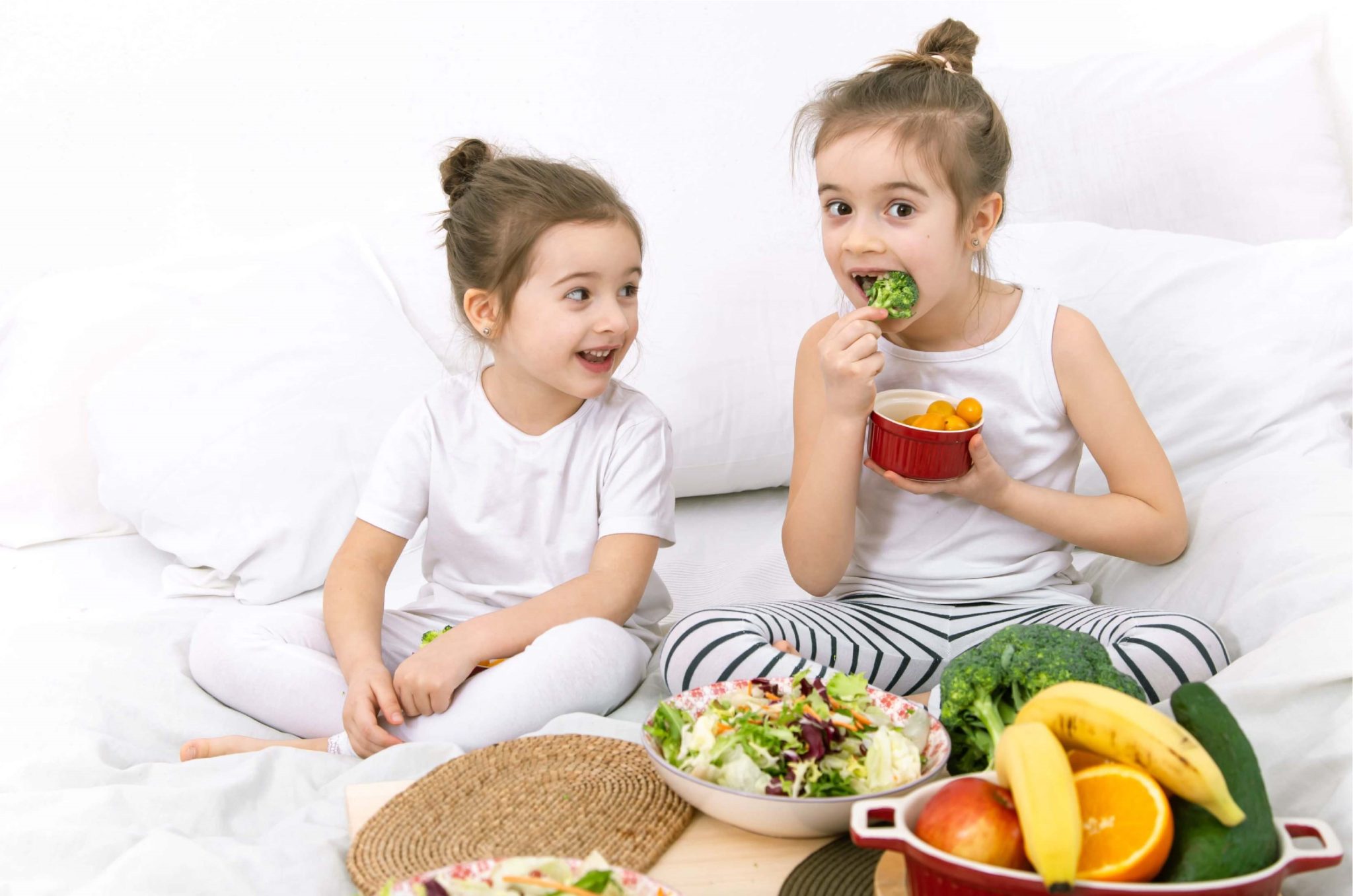
What Are Healthy Eating Habits for Kids? A Complete Guide for Dubai Parents
Teaching children healthy eating habits is one of the most valuable gifts parents can give. The food choices and eating patterns established in childhood shape lifelong relationships with nutrition, influencing physical health, mental wellbeing, and disease risk for decades to come. At myPediaClinic in Dubai Healthcare City, our pediatric nutritionists help families develop practical, sustainable approaches to healthy eating that work in the context of busy modern life in the UAE.
With childhood obesity rates rising globally and the UAE facing significant nutrition-related health challenges, helping children develop healthy eating habits has never been more important. Research shows that dietary habits formed in childhood tend to persist into adulthood, making early intervention crucial. The eating habits your children develop now will help them maintain a healthy lifestyle throughout their lives.
This comprehensive guide provides Dubai parents with evidence-based strategies for nurturing healthy eating habits in children. From practical meal planning tips to strategies for handling picky eaters, we cover everything you need to know to help your child develop a positive, healthy relationship with food.
Understanding the Foundation of Healthy Eating for Children
Healthy eating for children isn’t about restriction, dieting, or creating anxiety around food. Instead, it’s about consistently offering nutritious foods, modeling healthy behaviors, and creating an environment where children can develop natural appetite regulation and positive food associations.
The Core Components of a Healthy Child’s Diet
A balanced diet for children includes foods from all major food groups in appropriate proportions. Lean proteins support growth and development—choose poultry without skin, fish, beans, eggs, and lean meats. Whole grains provide sustained energy and important nutrients—opt for whole grain bread, brown rice, oatmeal, and whole grain cereals rather than refined white versions. Fruits and vegetables deliver essential vitamins, minerals, and fiber—aim for a colorful variety to ensure diverse nutrient intake.
Dairy products or calcium-fortified alternatives support bone development during these crucial growing years. Choose low-fat or fat-free milk, yogurt, and cheese for children over two years old. Healthy fats from sources like olive oil, avocados, nuts, and fatty fish support brain development and overall health.
Foods to Limit
While no food needs to be completely forbidden, certain items should be limited in children’s diets. Sugary drinks including soda, fruit juice, sweetened teas, and sports drinks provide empty calories and contribute to tooth decay and weight gain. Highly processed foods often contain excessive sodium, added sugars, and unhealthy fats while providing minimal nutritional value.
Excessive salt intake can establish preferences for salty foods and may contribute to blood pressure issues later in life. Help children appreciate the natural flavors of foods by limiting added salt and choosing low-sodium options when available.
Practical Strategies for Establishing Healthy Eating Habits
Knowing what children should eat is only part of the equation. How you approach food and eating as a family matters just as much as the specific foods you serve.
Make Family Meals a Priority
Eating together as a family provides numerous benefits beyond nutrition. Family meals are associated with healthier food choices, better academic performance, higher self-esteem, and lower risk of substance abuse and eating disorders. During shared meals, children learn table manners, conversation skills, and cultural food traditions.
Aim for at least one family meal per day when everyone sits together without screens or distractions. In Dubai’s busy environment with varied work schedules, this might be breakfast for some families and dinner for others. The specific meal matters less than the consistent practice of eating together.
Lead by Example
Children learn more from watching their parents than from listening to lectures about nutrition. If you want your children to eat vegetables, let them see you enjoying vegetables. If you want them to try new foods, demonstrate openness to new cuisines yourself. Your relationship with food—including how you talk about your body, whether you eat mindfully or while distracted, and how you respond to treats—shapes your child’s attitudes.
Avoid labeling foods as “good” or “bad,” which can create unhealthy associations. Instead, talk about foods that help us grow strong, give us energy, or are fun treats we enjoy sometimes. This neutral language prevents children from developing guilt or anxiety around eating.
Involve Children in Food Preparation
Children who participate in shopping for and preparing food are more likely to eat what’s served. Take your child to the supermarket or local market and let them help select fruits and vegetables. In the kitchen, assign age-appropriate tasks—young children can wash vegetables and tear lettuce, while older children can measure ingredients and stir.
Cooking together teaches valuable life skills, creates opportunities for quality time, and gives children ownership over meals. A child who helps make a salad is invested in seeing family members enjoy it—and is more likely to eat it themselves.
Create a Positive Eating Environment
The atmosphere around mealtimes matters. Stressful, rushed, or conflict-filled meals create negative associations with eating. Instead, create a calm, pleasant environment where meals are enjoyable experiences. Turn off television and put away phones during meals. Use mealtime for connection and conversation rather than criticism or negotiation about food.
Avoid pressuring children to eat more than they want or using food as reward or punishment. Statements like “clean your plate” or “no dessert until you finish your vegetables” can interfere with children’s natural appetite regulation and create power struggles around food.
Encourage Mindful Eating
Help children tune into their hunger and fullness cues rather than eating based on external factors. Encourage them to eat slowly, noticing the flavors and textures of their food. Ask questions like “Is your tummy telling you it’s hungry?” or “Do you feel full yet?” This helps children develop internal regulation that protects against overeating.
Serve appropriate portions and allow children to ask for more if they’re still hungry. Children’s appetites vary significantly from day to day based on activity level, growth spurts, and other factors. Trust your child to know how much they need to eat.
Smart Beverage Choices for Children
What children drink is just as important as what they eat. Beverages can add significant calories and sugar to children’s diets without providing satiation or nutritional value.
Water: The Best Choice
Water should be the primary beverage for children after infancy. It hydrates without adding calories, sugar, or artificial ingredients. In Dubai’s hot climate, children need even more fluids to stay properly hydrated. Make water appealing by keeping it cold, adding slices of fruit for flavor, or using fun water bottles children enjoy using.
Milk: An Important Nutrient Source
Milk provides calcium, vitamin D, and protein essential for growing children. After age two, transition to low-fat or fat-free milk to reduce saturated fat intake. Children ages 1-2 need about 2-3 cups of whole milk daily, while children 2-8 need 2-2.5 cups of low-fat milk daily.
Limiting Juice and Sugary Drinks
Fruit juice, even 100% juice with no added sugar, should be limited because it contains concentrated sugar without the fiber found in whole fruit. The American Academy of Pediatrics recommends no juice before age one, no more than 4 ounces daily for ages 1-3, and no more than 6 ounces daily for ages 4-6.
Soda, sports drinks, energy drinks, and sweetened teas should be rare treats, not daily beverages. These drinks contribute to weight gain, tooth decay, and displacement of more nutritious options. When children fill up on sugary drinks, they have less appetite for the nutritious foods their bodies need.
Navigating Snacking and Portion Sizes
Children have small stomachs and high energy needs, making snacks an important part of their diet. However, unstructured grazing can interfere with appetite for meals and lead to excessive calorie intake.
Structured Snack Times
Rather than allowing children to eat whenever they ask, establish regular snack times between meals. This teaches children that food comes at predictable intervals, helping them recognize and respond appropriately to hunger. Two to three snacks daily—mid-morning, afternoon, and possibly before bed—works well for most children.
Choosing Nutritious Snacks
Snacks should contribute to daily nutritional needs, not just satisfy hunger with empty calories. Excellent snack options include fresh fruits and vegetables with hummus or yogurt dip, whole grain crackers with cheese, yogurt with berries, apple slices with nut butter, vegetables with guacamole, a small handful of nuts or trail mix, and whole grain cereal with milk.
Prepare snacks in advance so healthy options are readily available when children are hungry. Keep cut vegetables, washed fruit, and portioned snacks in accessible locations so children can help themselves when snack time arrives.
Understanding Appropriate Portions
Children need smaller portions than adults. A general guideline is that a child’s portion size should be approximately one tablespoon of each food per year of age. For example, a four-year-old might receive four tablespoons of each item on their plate. Start with small portions and allow children to ask for more rather than overwhelming them with large servings.
Handling Picky Eating Effectively
Almost all children go through phases of picky eating, and it can be one of the most frustrating aspects of feeding children. Understanding why picky eating happens and how to respond helps parents navigate this challenge without creating ongoing food battles.
Why Children Become Picky Eaters
Picky eating is developmentally normal. As toddlers develop independence, rejecting food becomes a way to assert control. Children are also naturally neophobic—afraid of new things—which helped our ancestors avoid poisonous foods but now manifests as reluctance to try unfamiliar dishes. Additionally, children’s taste preferences genuinely differ from adults; they may perceive bitter flavors more intensely, making some vegetables less appealing.
Strategies That Help
Continue offering rejected foods without pressure. Research shows children may need 10-15 exposures to a new food before accepting it. Place small amounts on plates alongside familiar foods, and don’t comment if children don’t eat them. Eventually, familiarity breeds acceptance.
Make foods appealing through presentation. Cut vegetables into fun shapes, arrange foods in patterns, use colorful plates, and give dishes creative names. “Dinosaur trees” (broccoli) and “monster eyes” (cherry tomatoes) sound more appealing than their ordinary names.
Offer choices within limits. Rather than asking “What do you want for dinner?” (which invites demands for chicken nuggets), ask “Would you like carrots or green beans with dinner?” This gives children a sense of control while ensuring nutritious options.
Avoid becoming a short-order cook. Prepare one meal for the family and include at least one item you know your child will eat. If children choose not to eat what’s served, they can wait for the next scheduled meal or snack. They won’t starve, and they’ll learn that the family meal is what’s available.
What Not to Do
Avoid pressuring, bribing, or forcing children to eat. These tactics backfire, creating negative associations with the very foods you’re trying to promote. Comments like “Just three more bites” or “You can’t leave the table until you try it” turn mealtimes into power struggles and can contribute to long-term eating issues.
Don’t give up on nutritious foods or cater exclusively to your child’s limited preferences. While it’s fine to serve some foods your child enjoys, continue exposing them to a variety of options. Children’s tastes expand over time with consistent, pressure-free exposure.
Setting Healthy Goals as a Family
Making changes to eating habits works best when the whole family participates. Rather than singling out a child for “healthy eating,” frame nutrition improvements as family goals everyone works toward together.
Create Achievable Goals
Start with small, specific goals rather than overhauling your entire approach at once. Examples might include eating dinner together at the table five nights per week, adding one vegetable to every lunch, replacing soda with water, or trying one new food each week.
Involve children in setting goals appropriate for their age. When children have input into family goals, they’re more invested in achieving them. A child who helps decide “we’ll have fruit instead of cookies after school” feels ownership over the change.
Limit Sweets and Treats Strategically
Rather than banning treats entirely—which tends to increase their appeal—establish reasonable limits. Some families designate desserts as weekend treats only. Others allow one small sweet per day. Find an approach that works for your family while teaching moderation.
When treats are served, offer reasonable portions rather than unlimited amounts. A small bowl of ice cream is a treat; an enormous sundae is excessive. Teach children that a little sweetness is enjoyable without needing excess.
Special Considerations for Families in Dubai
Living in Dubai presents unique considerations for children’s nutrition that families should keep in mind.
Navigating Diverse Food Options
Dubai’s multicultural environment offers incredible food diversity, which is an opportunity for expanding children’s palates. Expose children to cuisines from around the world, helping them develop appreciation for different flavors and foods. At the same time, help children make healthy choices within various cuisines—learning to balance the fried samosas with the daal, or choosing grilled options at Arabic restaurants.
Managing Eating Out and Delivery Culture
Dubai’s thriving restaurant scene and easy food delivery make eating out convenient but can present nutritional challenges. When dining out, look for restaurants offering children’s options beyond typical fried foods. Share adult portions with children to provide more nutritious options. Order water instead of sugary drinks, and request vegetables as sides.
At home, limit delivery meals which tend to be higher in sodium, fat, and calories than home-cooked food. When cooking feels overwhelming, batch-cook on weekends or prepare simple meals that require minimal effort on busy weekdays.
Hydration in Hot Weather
Dubai’s climate means children need more fluids, particularly during outdoor play and physical education. Ensure children have water bottles at school and encourage drinking throughout the day. Monitor for signs of dehydration including dark urine, fatigue, and headaches. While water is best, milk and naturally water-rich foods like watermelon also contribute to hydration.
School Lunches and Canteens
Many Dubai schools offer canteen meals that may not align with your nutritional goals. Review canteen menus and discuss healthy choices with your children. Consider packing lunches from home when possible, which gives you complete control over what your child eats. If using the canteen, help children identify nutritious options and limit purchases of sugary drinks and processed snacks.
When to Seek Professional Guidance
While most eating challenges are normal parts of development, some situations warrant professional help. Consult with your pediatrician or a pediatric nutritionist if your child is gaining or losing weight unexpectedly, shows extreme food restriction affecting growth, has allergies or intolerances complicating nutrition, seems to have a problematic relationship with food, or experiences significant mealtime anxiety or distress.
At myPediaClinic, our pediatric nutritionists provide individualized guidance for children with specific dietary needs, weight management concerns, or challenging eating behaviors. We take a family-centered approach that supports the whole household in making sustainable changes.
Frequently Asked Questions About Healthy Eating for Kids
How do I get my child to eat vegetables in Dubai?
Persistence and creativity are key. Offer vegetables in various forms—raw with dip, roasted with a little olive oil, blended into sauces, or mixed into dishes like rice or pasta. Let children help prepare vegetables, which increases willingness to taste them. Don’t force or pressure, but do continue offering vegetables at every meal. Most children eventually accept vegetables with repeated, low-pressure exposure over time.
Should children in the UAE take vitamin supplements?
Children who eat a varied, balanced diet usually get adequate vitamins from food. However, vitamin D supplementation is often recommended in Dubai despite sunny weather, because children spend limited time outdoors in direct sunlight and sun protection limits vitamin D synthesis. Discuss your child’s specific needs with their pediatrician, who can recommend appropriate supplementation based on diet, lifestyle, and any health conditions.
How much sugar is safe for children to consume daily?
The American Heart Association recommends children ages 2-18 consume less than 25 grams (6 teaspoons) of added sugar daily, with no added sugar recommended for children under 2. This limit is easily exceeded—a single can of soda contains about 40 grams of sugar. Reading nutrition labels and limiting obviously sweet foods helps keep sugar intake in check. Focus on reducing added sugars while recognizing that natural sugars in fruit and milk are part of a healthy diet.
What should I pack for healthy school lunches in Dubai?
Pack a balanced lunch including protein (cheese, lean meat, hummus, or beans), whole grains (whole wheat bread or crackers), fruits or vegetables, and a healthy fat source. Use insulated lunch bags with ice packs to keep food fresh in Dubai’s heat. Involve children in choosing and preparing lunch components to increase the likelihood they’ll eat them. Avoid packing excessive treats or sugary drinks that fill children up without providing nutrition.
My child only wants to eat the same foods every day—should I be concerned?
Food jags—periods when children only want certain foods—are developmentally normal, especially in toddlers and preschoolers. As long as the preferred foods are reasonably nutritious, continue offering them alongside other options. Don’t make a big deal about limited choices, which can extend the phase. Most food jags resolve within a few weeks to months. However, if your child’s diet is extremely limited (fewer than 10-15 foods) or affecting growth, consult your pediatrician.
How do I handle grandparents or relatives who override my nutrition rules?
This is a common challenge, especially in Dubai’s multicultural family environments. Have a direct, respectful conversation about your family’s nutrition approach and specific limits. Explain your reasoning without being preachy. Consider compromises—perhaps sweets are okay at special occasions but not daily visits. If relatives struggle to comply, you might need to supervise visits more closely or accept that occasional treats at grandparents’ house won’t derail overall healthy habits.
Partner with myPediaClinic for Your Child’s Nutrition and Health
Establishing healthy eating habits is one of the most important things you can do for your child’s long-term health and wellbeing. At myPediaClinic, recognized as the Best Pediatric Clinic in Dubai, our team includes pediatric nutritionists who specialize in helping families navigate the challenges of feeding children.
Whether you’re concerned about picky eating, need guidance on appropriate nutrition for your child’s age, want support for weight management, or simply want to ensure your family is on the right nutritional track, we’re here to help. Our approach is practical, family-centered, and tailored to the realities of life in Dubai.
For questions about your child’s nutrition or to schedule an appointment with our pediatric nutrition team, contact myPediaClinic in Dubai Healthcare City today. Together, we can help your child develop the healthy eating habits that will serve them throughout life.