

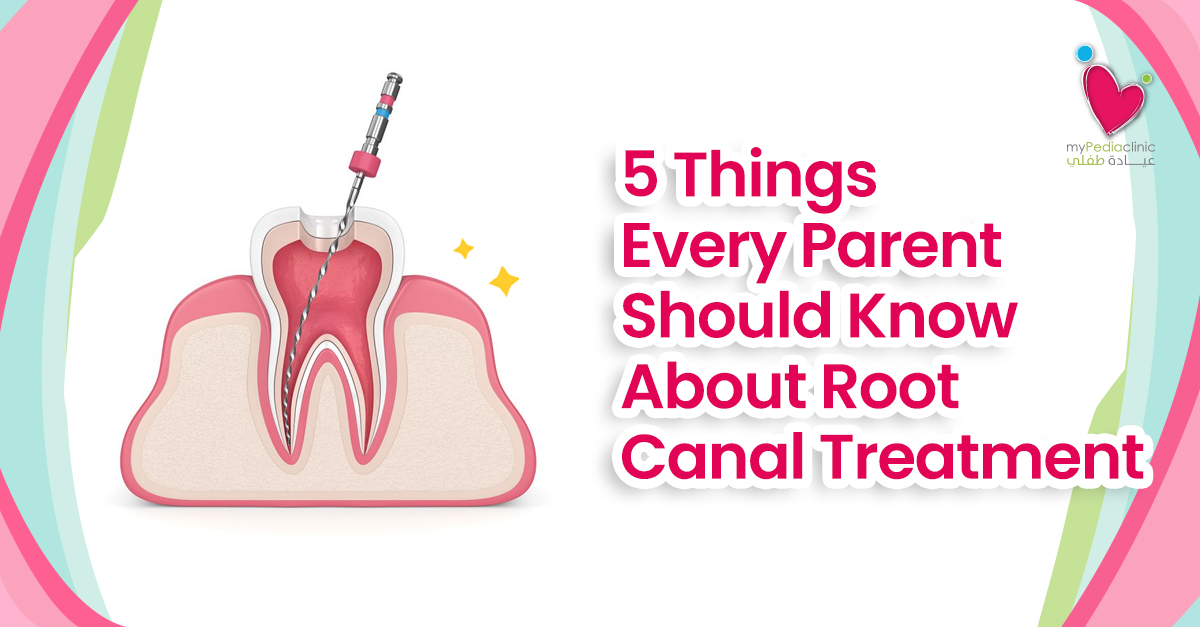
5 Things Every Parent Should Know About Root Canal Treatment
Few things cause more anxiety for parents than hearing that their child needs a root canal. The term itself conjures images of pain and lengthy dental procedures, leading many parents to question whether such treatment is really necessary, especially on baby teeth that will eventually fall out anyway. At myPediaClinic, we understand these concerns and want to provide you with comprehensive, accurate information about pediatric root canal treatment. The truth is that modern pediatric root canal procedures are safe, effective, and often essential for protecting your child’s oral health and development. This guide will demystify root canal treatment for children, explaining when it’s needed, what it involves, and why preserving baby teeth matters more than many parents realize.
Thing 1: Root Canal Treatment in Children Is Different from Adult Treatment
When most people think of root canals, they imagine the procedure adults undergo when a permanent tooth’s nerve becomes infected or damaged. While the fundamental goal is similar, treating infection and preserving the tooth, pediatric root canal treatment has important differences that make it specifically suited to children’s developing mouths.
Understanding Baby Teeth Anatomy
Baby teeth, also known as primary teeth or deciduous teeth, have a different structure than permanent adult teeth. Understanding these differences helps explain why pediatric root canal treatment uses specialized techniques.
Thinner enamel and dentin: The outer layers of baby teeth are thinner than those of permanent teeth. This means decay can reach the inner pulp chamber more quickly in primary teeth, sometimes requiring intervention even when a cavity seems small from the outside.
Larger pulp chambers: Relative to the size of the tooth, baby teeth have proportionally larger pulp chambers (the inner area containing nerves and blood vessels). This larger pulp area means there’s more tissue that can become affected when decay or damage occurs.
Different root structure: Baby teeth have roots that are designed to resorb (dissolve) naturally as permanent teeth develop and prepare to emerge. This means the roots are structured differently and are treated with this natural resorption process in mind.
Proximity to developing permanent teeth: Below each baby tooth, a permanent tooth is developing. Any treatment on a baby tooth must consider the health and development of the permanent tooth waiting beneath it.
Types of Pediatric Root Canal Procedures
Unlike adult root canal treatment, which typically involves one standard procedure, pediatric dentistry uses different approaches depending on the extent of the infection or damage:
Pulpotomy (Partial Pulp Treatment): This is the most common “root canal” procedure performed on baby teeth. During a pulpotomy, the dentist removes only the infected or inflamed pulp tissue from the crown (top) portion of the tooth, leaving the healthy pulp in the root canals intact. The remaining healthy pulp is treated with medication to promote healing and prevent further infection. A pulpotomy is sometimes called a “baby root canal” because it’s less extensive than a traditional root canal but achieves similar goals of eliminating infection and preserving the tooth.
Pulpectomy (Complete Pulp Removal): When infection has spread throughout the entire pulp, including into the root canals, a pulpectomy may be necessary. This procedure is similar to a traditional adult root canal, removing all pulp tissue from both the crown and root portions of the tooth. The empty canals are then filled with a resorbable material designed to dissolve along with the baby tooth’s roots as the permanent tooth emerges.
Direct Pulp Capping: In cases where decay has just barely exposed the pulp and there’s minimal inflammation, a direct pulp cap may be sufficient. This involves placing a protective material directly over the exposed pulp to encourage healing and protect the nerve.
Indirect Pulp Capping: When decay is very close to but hasn’t yet reached the pulp, an indirect pulp cap may be used. This technique involves removing most decay but leaving a thin layer over the pulp, then placing a protective material and filling. This approach may allow the tooth to heal and avoid more extensive treatment.
Materials Used in Pediatric Root Canals
The materials used in pediatric root canal treatment are specifically chosen for children’s developing teeth:
Resorbable filling materials: Unlike adult root canals, which use permanent filling materials, pediatric pulpectomies use materials designed to be resorbed along with the natural root resorption process. This ensures the material won’t interfere with the eruption of permanent teeth.
Biocompatible medicaments: The medications used to treat remaining pulp tissue and prevent infection are selected for safety and compatibility with developing teeth.
Child-friendly crowns: After a pulpotomy or pulpectomy, the treated tooth is typically covered with a crown to protect it. Stainless steel crowns are commonly used on back teeth, while tooth-colored options may be available for front teeth.
Thing 2: Why Saving Baby Teeth Matters More Than You Think
One of the most common questions parents ask when told their child needs a root canal on a baby tooth is, “Why not just pull it? It’s going to fall out anyway.” This question makes logical sense, but the answer reveals why baby teeth are far more important than many people realize.
The Critical Role of Baby Teeth
Baby teeth serve essential functions that extend far beyond simply allowing children to chew food while waiting for permanent teeth:
Proper speech development: Baby teeth are essential for developing clear speech patterns. The tongue, lips, and teeth work together to form sounds correctly. Missing teeth, especially front teeth, can affect pronunciation and lead to speech difficulties that may persist even after permanent teeth emerge.
Nutrition and digestion: Healthy baby teeth enable children to chew food properly, which is essential for adequate nutrition. Children with painful or missing teeth may avoid certain foods, particularly harder, crunchier items that are often the healthiest options. Proper chewing also begins the digestive process and affects nutrient absorption.
Self-esteem and social development: Children are aware of their appearance, and missing or visibly damaged teeth can affect their self-confidence. Social interactions during early childhood help shape a child’s self-image, and dental problems can impact this development.
Proper jaw development: The presence of baby teeth helps guide the normal development of the jaw bones. Premature loss of baby teeth can affect how the jaw grows and develops.
Space Maintenance and Permanent Tooth Alignment
Perhaps the most significant function of baby teeth is serving as space holders for permanent teeth:
Guiding permanent teeth: Baby teeth hold the space where permanent teeth will eventually emerge. The roots of baby teeth serve as guides for permanent teeth developing beneath them.
Preventing space loss: When a baby tooth is lost prematurely, the neighboring teeth tend to drift into the empty space. This movement can block or crowd the permanent tooth trying to emerge, potentially causing it to come in crooked, impacted, or not at all.
Avoiding orthodontic complications: Space loss from early baby tooth extraction is one of the leading causes of crowding and misalignment in permanent teeth. This often leads to the need for more extensive and costly orthodontic treatment later.
Space maintainers: When a baby tooth must be extracted before its natural loss time, a space maintainer (a custom-made appliance) is often needed to hold the space open for the permanent tooth. While effective, space maintainers require additional appointments, costs, and maintenance. Saving the natural tooth through root canal treatment avoids this need.
The True Cost of Extraction vs. Root Canal Treatment
When weighing options for a damaged baby tooth, it’s important to consider the complete picture:
Immediate costs: While extraction may seem less expensive initially than root canal treatment, the total cost often ends up higher when you factor in space maintainer fabrication and follow-up appointments.
Long-term costs: Premature tooth loss leading to orthodontic problems can result in years of braces or other treatments, representing significant financial and time investments.
Quality of life: A child with a healthy, restored tooth enjoys better eating, speaking, and self-confidence than one adjusting to missing teeth or wearing appliances.
Overall dental health: Saving a natural tooth helps maintain the complete dental arch and normal bite function, supporting overall oral health.
When Extraction Is the Better Choice
While preserving baby teeth is generally preferred, there are situations where extraction may be the better option:
- The tooth is very close to its natural exfoliation time (when it would fall out naturally)
- Infection is too severe to be treated effectively
- The tooth has significant root resorption already occurring
- There’s risk of damage to the developing permanent tooth
- The child has certain medical conditions that make root canal treatment inadvisable
Your pediatric dentist at myPediaClinic will carefully evaluate each situation and recommend the approach that best serves your child’s overall oral health.
Thing 3: Modern Pediatric Root Canals Are Safe and Comfortable
Many parents’ fears about root canal treatment stem from outdated perceptions or their own negative dental experiences. Modern pediatric dentistry has made tremendous advances in making procedures safe, comfortable, and even child-friendly.
Advanced Pain Management Techniques
Today’s pediatric dental procedures prioritize comfort and pain prevention:
Topical anesthetics: Before any injection, a topical numbing gel is applied to the gum tissue. This eliminates the initial sting of the injection, so children often don’t feel the needle at all.
Child-friendly local anesthesia: Local anesthetic is carefully administered using small, child-appropriate needles and techniques designed to minimize discomfort. The numbing effect ensures the child feels no pain during the procedure.
Distraction techniques: Pediatric dental offices use various distraction techniques to help children relax, from ceiling-mounted screens playing cartoons to interactive games and child-friendly conversation.
Sedation options: For children who experience significant anxiety or who require more extensive treatment, various levels of sedation are available:
- Nitrous oxide (laughing gas): A mild sedative inhaled through a mask that helps children relax while remaining fully conscious. The effects wear off within minutes after the mask is removed.
- Oral sedation: Medication taken by mouth that produces a deeper level of relaxation while the child remains conscious but drowsy.
- IV sedation: Administered through an IV for a deeper level of sedation, typically used for more extensive procedures or highly anxious children.
- General anesthesia: For very young children, those with special needs, or complex cases, treatment may be performed under general anesthesia in a hospital or surgical center setting.
The appropriate sedation level is determined based on the child’s age, anxiety level, medical history, and the extent of treatment needed. At myPediaClinic, we discuss all options with parents and choose the approach that ensures both safety and comfort.
Child-Centered Treatment Environment
Pediatric dental practices are designed specifically to help children feel comfortable and safe:
Welcoming atmosphere: From colorful waiting rooms to friendly staff, pediatric dental offices create an environment where children feel at ease.
Age-appropriate communication: Pediatric dentists are trained to explain procedures in terms children can understand, using positive language and avoiding scary words. Techniques like “tell-show-do” prepare children for each step of the process.
Parental involvement: Parents are typically welcome to accompany young children into the treatment room, providing comfort and reassurance.
Behavioral guidance: Pediatric dentists use positive reinforcement, praise, and gentle guidance to help children cooperate during treatment.
Pacing treatment: When possible, procedures are scheduled to match children’s attention spans and energy levels. Breaks can be offered if needed.
Safety Protocols and Quality Standards
Modern pediatric dental practices adhere to rigorous safety standards:
Sterile equipment: All instruments are properly sterilized, and single-use items are disposed of appropriately.
Appropriate monitoring: During procedures involving sedation, children’s vital signs are continuously monitored by trained staff.
Emergency preparedness: Pediatric dental offices are equipped with emergency equipment and staff trained in pediatric emergency response.
Specialized training: Pediatric dentists complete additional years of specialized training beyond dental school, focusing specifically on treating children and understanding their unique needs.
Evidence-based techniques: Treatment approaches are based on current research and best practices in pediatric dentistry.
Managing Post-Procedure Discomfort
After a pulpotomy or pulpectomy, some mild discomfort is normal and easily managed:
Over-the-counter pain relief: Children’s acetaminophen or ibuprofen typically provides adequate pain relief for any discomfort following the procedure.
Soft foods: Sticking to soft foods for a day or two reduces pressure on the treated tooth and makes eating more comfortable.
Numbness awareness: Parents should watch younger children while numbing wears off, as they may accidentally bite their lip or cheek without feeling it.
Quick recovery: Most children return to normal activities within a day or two, with any discomfort resolving quickly.
Thing 4: Understanding When Root Canal Treatment Is Necessary
Knowing when root canal treatment might be needed helps parents understand why their pediatric dentist is recommending this approach. Several conditions can lead to pulp damage requiring treatment.
Causes of Pulp Damage in Baby Teeth
Deep tooth decay: This is the most common cause of pulp problems in children. When cavities are not treated early, the decay can progress through the enamel and dentin into the pulp chamber, causing infection and inflammation.
Dental trauma: Falls, sports injuries, and accidents can damage teeth. Even if a tooth doesn’t break visibly, the impact can injure the pulp inside. Sometimes the effects of trauma appear months after the initial injury.
Cracked or fractured teeth: Cracks in a tooth create pathways for bacteria to reach the pulp, even without visible decay.
Multiple dental procedures: A tooth that has undergone repeated fillings may eventually have pulp that becomes inflamed or damaged.
Developmental abnormalities: Some children have teeth with unusual anatomy that makes them more susceptible to pulp problems.
Signs and Symptoms That May Indicate Pulp Problems
Parents should be aware of symptoms that might indicate their child has a tooth requiring root canal treatment:
Tooth pain: Persistent or severe toothache, especially pain that wakes the child at night or occurs without an obvious trigger, may indicate pulp involvement.
Sensitivity to temperature: While mild sensitivity is common, prolonged or severe reactions to hot or cold that linger after the stimulus is removed may suggest pulp problems.
Pain when chewing or biting: If a child complains of pain when eating or avoids chewing on one side, the underlying tooth may have pulp damage.
Swelling: Swelling of the gum tissue near a tooth, sometimes with a visible “pimple” (fistula or abscess), indicates infection that has spread beyond the tooth.
Tooth discoloration: A tooth that appears darker than neighboring teeth, especially after trauma, may have damaged or dying pulp.
Loose tooth: While baby teeth naturally loosen as permanent teeth develop, a tooth that becomes loose unexpectedly or before its time may have infection affecting the bone and tissues around it.
Bad taste or odor: Infection can cause an unpleasant taste in the mouth or bad breath that doesn’t respond to normal oral hygiene.
Diagnostic Process
When pulp damage is suspected, pediatric dentists use several diagnostic tools:
Visual examination: Looking for visible signs of decay, swelling, discoloration, or damage to the tooth.
Symptom assessment: Gathering information about the child’s symptoms, including pain patterns, sensitivity, and any relevant history like trauma.
X-rays: Dental X-rays reveal decay that may not be visible on the surface, show the condition of the roots, and can detect bone changes indicating infection spread.
Sensitivity testing: Tests checking the tooth’s response to hot, cold, or pressure help determine the pulp’s condition.
Pulp vitality assessment: Various methods can help determine whether the pulp is healthy, inflamed, or dead.
Based on these findings, your pediatric dentist at myPediaClinic will determine whether root canal treatment is needed and which type of procedure is most appropriate.
The Importance of Early Intervention
When pulp problems are suspected, timely treatment is important for several reasons:
Preventing infection spread: Untreated pulp infection can spread to surrounding bone and tissue, creating an abscess that may cause significant pain and swelling.
Protecting permanent teeth: Severe infection around a baby tooth can potentially damage the developing permanent tooth beneath it.
Avoiding emergency situations: Dental infections can escalate quickly, sometimes requiring emergency care. Early treatment prevents these crises.
Maintaining treatment options: The earlier pulp problems are addressed, the more treatment options remain available. A tooth that might have been saved with a pulpotomy may require extraction if treatment is delayed too long.
Reducing treatment complexity: Early intervention typically means simpler, shorter, and less expensive treatment.
Thing 5: What to Expect Before, During, and After the Procedure
Understanding the entire treatment process helps parents prepare their children and know what to expect. Here is a detailed overview of the root canal journey for baby teeth.
Before the Procedure: Preparation
Consultation and treatment planning: Your child’s treatment begins with a thorough examination and consultation. The pediatric dentist will explain the diagnosis, discuss treatment options, and answer all your questions. X-rays and other diagnostic information help plan the procedure precisely.
Medical history review: Be prepared to provide information about your child’s medical history, including any medications, allergies, or health conditions. This information helps ensure safe treatment.
Sedation discussion: If sedation is recommended or desired, you’ll discuss the options and receive specific instructions about eating and drinking before the appointment.
Preparing your child: How you discuss the upcoming appointment matters. Use positive, simple language. Avoid words like “shot,” “pain,” or “drill.” Instead, explain that the dentist is going to help the tooth feel better. Read books about going to the dentist and engage in pretend play about dental visits.
Appointment scheduling: Schedule the appointment for a time when your child is typically well-rested and at their best. Early morning appointments often work well for young children.
What to bring: Bring your child’s favorite comfort item if permitted, any required paperwork, insurance information, and a snack for after the appointment (when numbness wears off).
During the Procedure: What Happens Step by Step
While the specific steps vary depending on the type of procedure (pulpotomy vs. pulpectomy), here’s a general overview of what happens during treatment:
Getting comfortable: Your child is settled into the dental chair, which may be made fun with blankets, sunglasses for the bright light, or headphones for music or a movie.
Numbing: Topical anesthetic is applied first, followed by local anesthetic injection. The dentist uses techniques to make this as comfortable as possible. If sedation is being used, it’s administered according to the chosen method.
Isolation: A rubber dam (a small protective sheet) may be placed around the tooth to keep it dry and isolated during treatment. This also protects your child from any materials used during the procedure.
Accessing the pulp: Using a small drill, the dentist creates an opening in the top of the tooth to access the pulp chamber. Your child should feel no pain during this step, just some pressure and vibration.
Removing affected pulp: For a pulpotomy, only the pulp in the crown is removed, and the healthy root pulp is left intact. For a pulpectomy, all pulp tissue is removed from both the crown and root canals.
Cleaning and disinfecting: The inside of the tooth and/or root canals are cleaned and disinfected to eliminate bacteria.
Placing medication: In a pulpotomy, medication is placed over the remaining healthy pulp to promote healing and prevent infection.
Filling: In a pulpectomy, the empty canals are filled with resorbable material. In both procedures, the pulp chamber is filled and sealed.
Crown placement: In most cases, a crown is placed over the treated tooth during the same appointment to protect and strengthen it. Stainless steel crowns are common for back teeth, while tooth-colored options may be available for front teeth.
Recovery from sedation: If sedation was used, your child will be monitored as the effects wear off before you’re allowed to leave.
The entire procedure typically takes 30 to 60 minutes, depending on the complexity and whether a crown is placed.
After the Procedure: Recovery and Aftercare
Immediate post-procedure: Your child’s mouth will be numb for one to three hours after treatment. Watch closely to prevent them from biting their lip, tongue, or cheek during this time.
Eating and drinking: Once numbness wears off, your child can eat. Soft foods are recommended for the first day or two. Avoid hard, sticky, or very hot foods initially.
Pain management: Some tenderness is normal for a day or two. Over-the-counter children’s pain medication (acetaminophen or ibuprofen, as recommended by your dentist) typically provides adequate relief.
Oral hygiene: Resume normal brushing and flossing, being gentle around the treated area initially. Good oral hygiene is important for healing and preventing future problems.
Activity level: Most children can return to normal activities right away, although if sedation was used, quiet activities are recommended for the rest of the day.
What to watch for: Contact your dentist if your child experiences severe or worsening pain, significant swelling, fever, or if the crown comes off.
Follow-up appointments: Your dentist will schedule follow-up visits to monitor healing and the treated tooth. Regular dental check-ups continue as usual.
Long-Term Care of the Treated Tooth
A baby tooth that has received root canal treatment can function normally until it naturally falls out to make way for the permanent tooth:
Normal function: The treated tooth should look, feel, and function like other teeth. Your child can eat, chew, and bite normally.
Monitoring: The tooth will be checked at regular dental visits to ensure it remains healthy and the permanent tooth is developing normally beneath it.
Natural exfoliation: When the time comes, the treated tooth will fall out naturally just like untreated baby teeth. The resorbable filling material used in pulpectomies is designed to dissolve along with the root.
Crown care: Stainless steel crowns are durable and require no special care beyond normal oral hygiene. They protect the tooth until it naturally falls out.
Additional Considerations for Parents
Preventing Future Dental Problems
While root canal treatment can save damaged teeth, prevention is always preferable. Here are strategies for protecting your child’s dental health:
Regular dental visits: Routine check-ups and cleanings at myPediaClinic allow for early detection and treatment of decay before it reaches the pulp.
Proper oral hygiene: Help your child brush twice daily with fluoride toothpaste and begin flossing when teeth touch. Supervise brushing until age seven or eight to ensure thorough cleaning.
Healthy diet: Limit sugary and starchy foods, especially sticky snacks that cling to teeth. Avoid frequent snacking, which exposes teeth to acid attacks repeatedly throughout the day.
Fluoride protection: Fluoride strengthens tooth enamel and helps prevent decay. Use fluoride toothpaste, and ask about professional fluoride treatments and the fluoride content of your water supply.
Dental sealants: These thin protective coatings applied to the chewing surfaces of back teeth can prevent decay in the grooves where brushing is difficult.
Protective gear for sports: Mouthguards protect teeth during sports and recreational activities, preventing the trauma that can lead to pulp damage.
Address habits: Thumb sucking, pacifier use beyond age three, and tongue thrusting can affect dental development. Address these habits early with guidance from your pediatric dentist.
Financial Considerations
Understanding the cost aspects of root canal treatment helps families plan appropriately:
Insurance coverage: Most dental insurance plans cover pediatric root canal treatment as a necessary procedure. Check your specific plan for coverage details and any limitations.
Treatment costs: The cost of pulpotomy or pulpectomy plus a crown varies based on the specific tooth, the complexity of the case, and the type of crown used.
Cost comparison: While root canal treatment may seem expensive, when you factor in the costs of extraction, space maintainers, and potential future orthodontic treatment, saving the tooth is often more economical in the long run.
Payment options: Many dental practices offer payment plans or financing options to make treatment accessible for families.
Questions to Ask Your Pediatric Dentist
When root canal treatment is recommended for your child, don’t hesitate to ask questions:
- What type of procedure (pulpotomy or pulpectomy) is recommended and why?
- What are the alternatives, and what are the pros and cons of each?
- What sedation options are available, and which do you recommend for my child?
- How long will the procedure take?
- What should I expect during recovery?
- What is the success rate for this procedure?
- How long should the treated tooth last?
- What happens when the permanent tooth is ready to come in?
- What are the costs, and what does insurance typically cover?
- How can we prevent this from happening to other teeth?
Frequently Asked Questions
Is root canal treatment on baby teeth really necessary if they are going to fall out anyway?
Yes, root canal treatment on baby teeth is often necessary and important. Baby teeth serve crucial functions including enabling proper chewing and nutrition, supporting speech development, maintaining space for permanent teeth, and supporting self-esteem. When a baby tooth is lost prematurely due to extraction, neighboring teeth can drift into the space, potentially causing the permanent tooth to emerge crooked, impacted, or not at all. This often leads to more extensive and costly orthodontic treatment later. By saving the baby tooth with root canal treatment, you maintain natural spacing and function until the permanent tooth is ready to emerge naturally.
Will my child experience pain during a pediatric root canal?
Modern pediatric root canal procedures are designed to be comfortable and pain-free. Local anesthetic completely numbs the area, and topical numbing gel applied beforehand means most children don’t even feel the injection. During the procedure, children may feel some pressure and vibration but should not experience pain. For anxious children or more complex procedures, sedation options ranging from laughing gas to general anesthesia ensure comfort throughout treatment. After the procedure, any mild discomfort typically responds well to over-the-counter children’s pain medication and usually resolves within a day or two.
What is the difference between a pulpotomy and a pulpectomy?
A pulpotomy removes only the infected or inflamed pulp tissue from the crown (top portion) of the tooth, leaving the healthy pulp in the root canals intact. Medication is placed to promote healing of the remaining pulp. This procedure is often called a baby root canal and is used when infection hasn’t spread to the roots. A pulpectomy removes all pulp tissue from both the crown and root canals, similar to a traditional adult root canal. The empty canals are filled with resorbable material. A pulpectomy is performed when infection has spread throughout the entire pulp. Your dentist will recommend the appropriate procedure based on the extent of pulp damage.
How long does a pediatric root canal procedure take?
A pediatric root canal procedure typically takes 30 to 60 minutes, depending on the complexity of the case and whether a crown is placed during the same appointment. In most cases, both the root canal treatment and crown placement are completed in a single visit, eliminating the need for multiple appointments. The time may vary based on which tooth is being treated, whether it’s a pulpotomy or pulpectomy, your child’s cooperation level, and the type of sedation used if any. Your pediatric dentist will give you a more specific time estimate based on your child’s individual situation.
What happens to the treated baby tooth when the permanent tooth is ready to come in?
A baby tooth that has received root canal treatment will fall out naturally when the permanent tooth is ready to emerge, just like untreated baby teeth do. The materials used in pediatric root canals are specifically designed to be resorbable, meaning they dissolve along with the natural root resorption that occurs as permanent teeth develop and push baby teeth out. The crown placed over the treated tooth will come out with the tooth when it falls out. Your child’s dental development will be monitored at regular check-ups to ensure everything progresses normally.
How can I prepare my child for a root canal procedure?
Preparation makes a significant difference in how children experience dental procedures. Use simple, positive language when discussing the appointment, avoiding scary words like shot, drill, or pain. Explain that the dentist is going to help make the tooth better. Read children’s books about dental visits together. Play pretend dentist at home to familiarize your child with what happens. Schedule the appointment for when your child is typically well-rested. Answer questions honestly but simply. Bring a comfort item if your child has one. Most importantly, stay calm yourself, as children pick up on parental anxiety. Your pediatric dental team will guide you on specific preparation steps for your child.
What should I expect during my child’s recovery after a root canal?
Recovery from pediatric root canal treatment is typically quick and straightforward. Your child’s mouth will be numb for one to three hours, during which you should watch them to prevent biting their lip or cheek. Once numbness wears off, they can eat soft foods, progressing to normal foods over a day or two. Some tenderness at the treatment site is normal and usually responds to over-the-counter children’s pain medication. Most children return to normal activities the same day, though quiet activities are recommended if sedation was used. Resume normal brushing and flossing, being gentle around the treated area. Contact your dentist if you notice severe pain, significant swelling, fever, or if the crown comes off.
Are there any risks or complications associated with pediatric root canals?
Pediatric root canal treatment is a safe, well-established procedure with high success rates. Like any dental procedure, there are some potential risks, though complications are rare when treatment is performed by an experienced pediatric dentist. Potential issues include treatment failure if infection persists (uncommon), damage to the developing permanent tooth (very rare with proper technique), or reactions to medications or materials. The risks of not treating an infected tooth, including spreading infection, abscess formation, damage to permanent teeth, and tooth loss with resulting space and orthodontic problems, generally outweigh the minimal risks of the procedure. Your dentist will discuss any specific concerns relevant to your child’s case.
How much does a pediatric root canal cost in Dubai?
The cost of pediatric root canal treatment in Dubai varies depending on several factors including the specific tooth treated, whether it’s a pulpotomy or pulpectomy, the type of crown used, and whether sedation is required. Most dental insurance plans cover pediatric root canal treatment as a necessary procedure, though coverage amounts vary by plan. When considering cost, remember to factor in the long-term value: saving a baby tooth through root canal treatment often costs less than extraction followed by space maintainer fabrication, monitoring, and potential future orthodontic treatment. For specific pricing, we recommend scheduling a consultation at myPediaClinic where we can evaluate your child’s needs and provide detailed cost information.
Can all baby teeth be saved with root canal treatment?
While root canal treatment can save many baby teeth that would otherwise need extraction, not every tooth is a candidate for this procedure. Factors that may make extraction a better option include: the tooth is very close to its natural exfoliation time, infection is too severe to be treated effectively, significant root resorption has already occurred, there’s risk of damage to the developing permanent tooth, the child has certain medical conditions contraindicating treatment, or the tooth is too damaged structurally to be restored. Your pediatric dentist will carefully evaluate each situation and recommend the approach that best serves your child’s overall oral health, explaining the reasoning behind the recommendation.
Trust Your Child’s Dental Care to the Experts
Learning that your child needs root canal treatment can be overwhelming, but understanding the procedure, its importance, and what to expect can transform anxiety into confidence. Modern pediatric root canal treatment is a safe, effective, and comfortable way to save baby teeth, protect developing permanent teeth, and maintain your child’s oral health and beautiful smile.
The five key things every parent should know about root canal treatment are: pediatric procedures are different and specifically designed for children’s needs, saving baby teeth is more important than many realize, modern treatment is safe and comfortable, recognizing when treatment is needed enables timely intervention, and understanding the process helps parents prepare their children for a positive experience.
At myPediaClinic, our experienced pediatric dental team is dedicated to providing the highest quality care in a child-friendly environment. We take the time to explain procedures thoroughly, answer all your questions, and ensure both you and your child feel comfortable and confident throughout the treatment process. Our gentle approach and advanced techniques make dental visits positive experiences that set the foundation for a lifetime of good oral health.
If your child is experiencing tooth pain, has visible decay, or if it’s time for a regular check-up, don’t wait. Early intervention leads to simpler treatment and better outcomes. Contact myPediaClinic today to schedule an appointment with our pediatric dental specialists and take the first step toward protecting your child’s precious smile.
Schedule your child’s dental consultation at myPediaClinic today and give them the gift of healthy teeth for life!