
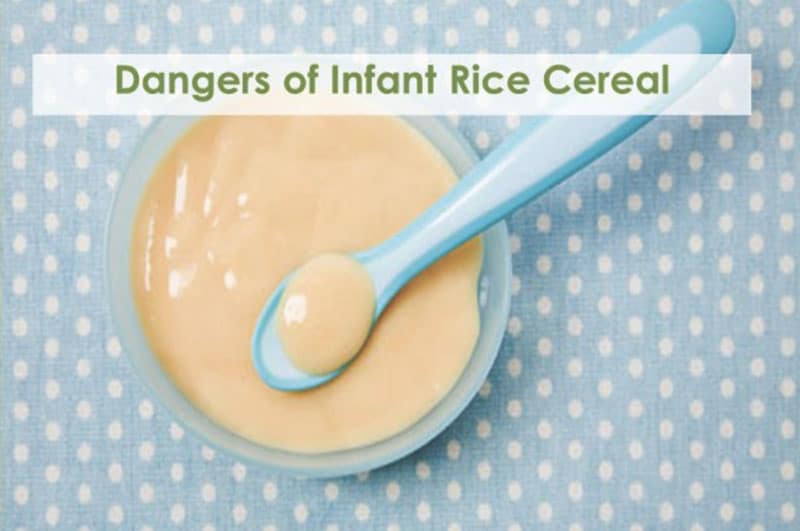
Rice cereal has been the go-to first food for babies for generations. It’s bland, easy to digest, and often recommended by well-meaning grandparents. But recent research has raised serious concerns about arsenic in rice products—and health experts now recommend limiting how much rice cereal your baby eats.
Here’s what parents in Dubai need to know about rice cereal safety and the best first food alternatives for your baby.
Why Is There Arsenic in Rice Cereal?
Arsenic is a naturally occurring element found in soil, water, and air. Rice absorbs more arsenic than other crops because of how it grows—in flooded paddies where arsenic in the soil dissolves into the water.
Key facts about arsenic in rice:
- Rice contains up to 10 times more arsenic than other grains
- Inorganic arsenic (the more harmful type) is found in higher levels in rice
- Baby rice cereals can contain concerning arsenic levels
- Babies consume more rice cereal per body weight than adults eat rice
The FDA has proposed limits on arsenic in infant rice cereals, recognizing the risk this poses to developing babies.
How Does Arsenic Affect Babies?
Babies are more vulnerable to arsenic than adults for several reasons:
- Size matters: Babies eat more food relative to their body weight
- Developing brains: Arsenic can affect neurological development
- Repeated exposure: Daily rice cereal means daily arsenic intake
Research has linked arsenic exposure in infants to:
- Decreased performance on developmental tests
- Reduced learning abilities
- Long-term health risks including cancer (lung, bladder)
- Immune system effects
Note: These effects are associated with ongoing exposure. Occasional rice consumption is not a major concern—it’s the daily, exclusive use of rice cereal that poses the highest risk.
What Do Health Experts Recommend?
The American Academy of Pediatrics (AAP) and FDA now recommend:
- Diversify first foods: Don’t rely on rice cereal as the only first food
- Limit rice cereal: If you use it, don’t serve it daily
- Offer variety: Include other grains, fruits, vegetables, and proteins
- Check labels: Look for cereals tested for arsenic levels
Better First Food Alternatives
There are many nutritious first foods that don’t carry arsenic concerns. Here are excellent alternatives:
Other Iron-Fortified Cereals
- Oatmeal cereal — Lower arsenic, good iron source
- Barley cereal — Nutritious alternative grain
- Multigrain cereals — Variety of nutrients
Iron-Rich First Foods
- Pureed meat — Excellent iron and zinc source
- Pureed lentils — Plant-based iron and protein
- Fortified baby cereals — Non-rice options
- Egg yolk — Iron and healthy fats (after 6 months)
Nutrient-Dense Vegetables
- Sweet potato
- Butternut squash
- Peas
- Spinach
- Avocado
Fruits
- Banana
- Pear
- Apple (cooked)
- Mango
What About Iron?
One concern parents have is iron. Iron-fortified rice cereal has traditionally been recommended because babies need iron after 6 months when stores from birth begin to deplete.
Good news: You can meet your baby’s iron needs without rice cereal:
- Other fortified cereals: Oatmeal, barley, and multigrain options are often iron-fortified
- Meat and poultry: Excellent bioavailable iron source
- Legumes: Lentils, beans, and chickpeas
- Iron-rich vegetables: Spinach, peas, broccoli
- Vitamin C pairing: Serve iron-rich foods with vitamin C sources to boost absorption
If You Choose to Use Rice Cereal
If you decide to include rice cereal in your baby’s diet, here’s how to minimize risk:
- Limit frequency: Don’t serve it every day
- Vary grains: Rotate with oatmeal, barley, and other options
- Choose carefully: Look for brands that test for arsenic
- Consider organic: Some organic options may have lower arsenic (but not always—check testing data)
- Cook rice properly: Rinsing rice and cooking in excess water can reduce arsenic (though this applies more to regular rice than infant cereal)
Starting Solids: Dubai Parent’s Guide
When starting solid foods around 6 months, focus on variety rather than one “perfect” first food:
Week-by-Week Approach
- Week 1: Try oatmeal cereal or pureed vegetables
- Week 2: Add a new fruit or vegetable
- Week 3: Introduce pureed meats or lentils for iron
- Week 4: Continue expanding with new foods every few days
This approach ensures your baby gets diverse nutrients while minimizing overexposure to any single food.
When to See a Nutritionist
Consider consulting a pediatric nutritionist if:
- Your baby isn’t gaining weight well
- You’re concerned about iron levels
- Your baby has food allergies or intolerances
- You want a personalized feeding plan
- You’re unsure how to ensure balanced nutrition
Pediatric Nutrition at myPediaClinic Dubai
At myPediaClinic in Dubai Healthcare City, our pediatric team can help with infant and child nutrition. We can help you:
- Create a balanced first foods plan
- Address concerns about iron and nutrient intake
- Navigate food allergies and sensitivities
- Develop healthy eating habits from the start
- Support breastfeeding alongside solid food introduction
Have questions about your baby’s nutrition? Book an appointment with our pediatric nutrition team for personalized guidance.
Frequently Asked Questions
Is rice cereal completely unsafe for babies?
Rice cereal is not “unsafe” but should be limited rather than used as a daily staple. The concern is with frequent, ongoing exposure to arsenic. Occasional rice cereal as part of a varied diet is unlikely to cause harm, but daily reliance on it is not recommended.
What age should babies start solid foods?
Most babies are ready for solid foods around 6 months of age. Signs of readiness include sitting up with support, showing interest in food, loss of tongue-thrust reflex, and being able to hold their head steady. Always discuss with your pediatrician before starting.
Do I need to give my baby cereal at all?
No, infant cereal is not required. Many cultures start babies on pureed vegetables, fruits, or meats. The key is ensuring your baby gets iron-rich foods since iron stores from birth start depleting around 6 months. Fortified cereals are one option, but not the only one.
Which brands of baby cereal are safest?
Look for brands that test for arsenic and publish their results. Oatmeal, barley, and multigrain options typically have lower arsenic than rice-based cereals. When in doubt, diversify—don’t rely on any single brand or type.
How do I know if my baby is getting enough iron?
Signs of iron deficiency include pale skin, fatigue, poor appetite, and slow weight gain. Your pediatrician can check iron levels with a simple blood test, usually around 9-12 months. If you’re concerned, ask about testing sooner.