

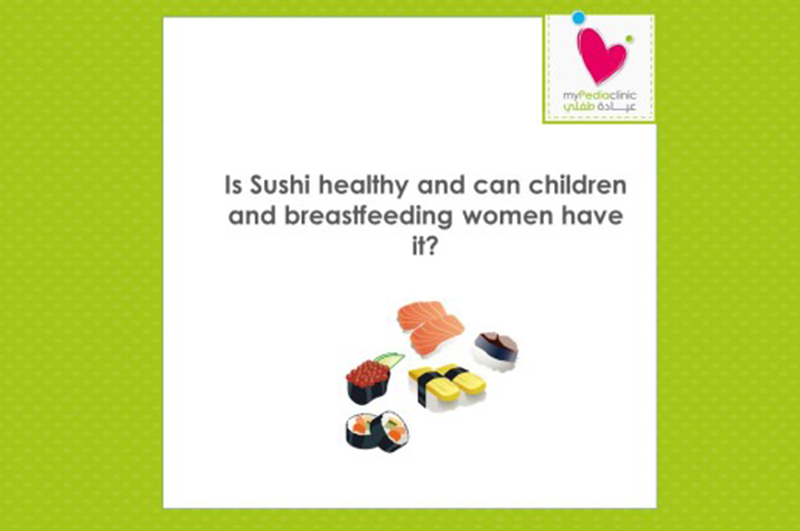
When Can Children Eat Sushi? Complete Safety Guide for Parents in Dubai
Are you wondering if your child is old enough to enjoy sushi? With Dubai’s diverse culinary scene and abundance of Japanese restaurants, many parents ask when it is safe to introduce their children to this popular cuisine. At myPediaClinic in Dubai Healthcare City, we help families understand the nutritional benefits and safety considerations of sushi for children.
Dr. Medhat Abu-Shaaban and Dr. Yasmin Kottait, our award-winning pediatricians in Dubai, along with our nutrition team provide evidence-based guidance on introducing various foods to children. This comprehensive guide covers everything parents in Dubai need to know about sushi and raw fish consumption for children, including age recommendations, health benefits, and safety precautions.
Understanding Sushi and Its Components
Before discussing when children can eat sushi, it is important to understand what sushi is and its various forms. This knowledge helps parents make informed decisions about what to order for their children.
What Is Sushi?
Sushi is a traditional Japanese dish that typically includes:
- Sushi rice: Short-grain rice seasoned with vinegar, sugar, and salt
- Nori: Dried seaweed sheets used to wrap rolls
- Fish: Raw or cooked seafood as a topping or filling
- Vegetables: Cucumber, avocado, and other accompaniments
- Condiments: Soy sauce, wasabi, and pickled ginger
Types of Sushi
Understanding different sushi types helps parents choose appropriate options:
- Nigiri: Hand-pressed rice topped with fish (often raw)
- Maki: Rolled sushi with rice and fillings wrapped in seaweed
- Temaki: Hand-rolled cone-shaped sushi
- Sashimi: Sliced raw fish without rice (not technically sushi)
- Chirashi: Scattered sushi with toppings over rice
Raw vs. Cooked Sushi Options
Not all sushi contains raw fish. Cooked options include:
- Shrimp tempura rolls: Battered and fried shrimp
- California rolls: Typically made with imitation crab (cooked)
- Eel (unagi) rolls: Grilled freshwater eel
- Cooked salmon rolls: Grilled or baked salmon
- Vegetable rolls: Cucumber, avocado, or mixed vegetables
- Egg (tamago) sushi: Sweet Japanese omelet
Age Recommendations for Sushi
The appropriate age for introducing sushi depends on whether the fish is raw or cooked. Our recommendations align with food safety guidelines and pediatric nutrition principles.
Cooked Fish: Starting at Six Months
Babies can start eating cooked fish as early as six months:
- Introduction: Well-cooked, deboned fish can be introduced with first solid foods
- Preparation: Pureed or mashed for young babies, small pieces for older babies
- Benefits: Excellent source of protein and omega-3 fatty acids
- Frequency: Once or twice a week is recommended
- Watch for allergies: Fish is a common allergen; introduce carefully
Raw Fish: Wait Until Age Five
Children should avoid raw fish until at least five years of age:
- Immune system: Young children have underdeveloped immune systems
- Infection risk: Raw fish may contain bacteria or parasites
- Conservative approach: Some experts recommend waiting even longer
- Individual assessment: Consider your child’s overall health status
Why the Age Restriction for Raw Fish?
The age restriction exists because:
- Developing immunity: Young children are more susceptible to foodborne illness
- Bacterial risk: Raw fish can harbor harmful bacteria like Salmonella and Listeria
- Parasites: Raw seafood may contain parasites that cooking eliminates
- Severity of illness: Foodborne illness can be more severe in young children
- Mercury concerns: Some fish contain mercury that affects developing brains
Nutritional Benefits of Fish for Children
Fish, whether cooked or (for older children) raw, offers significant nutritional benefits. Understanding these benefits helps parents appreciate the value of including fish in their children’s diets.
Omega-3 Fatty Acids
Fish is the best dietary source of omega-3 fatty acids:
- Essential fatty acids: The body cannot produce these on its own
- EPA and DHA: Two important types found primarily in fish
- Brain development: Critical for developing brains and nervous systems
- Eye health: DHA is important for visual development
- Cognitive function: Associated with better learning and memory
Other Nutritional Benefits
Fish provides many nutrients important for growing children:
- High-quality protein: Essential for growth and development
- Vitamin D: Important for bone health and immune function
- Vitamin B12: Needed for nervous system development
- Iodine: Essential for thyroid function and brain development
- Selenium: An important antioxidant mineral
- Zinc: Supports immune function and growth
How Often Should Children Eat Fish?
Dietary guidelines for children:
- Recommended frequency: Once or twice a week
- Variety: Different types of fish provide different nutrients
- Serving size: Age-appropriate portions
- Balance: Part of a varied, balanced diet
Safe Sushi Options for Children in Dubai
Parents in Dubai can introduce their children to sushi using safe, cooked options. Many Japanese restaurants in Dubai offer child-friendly menu items.
Recommended Cooked Sushi for Children
Safe options for children under five (and any age):
- Shrimp tempura rolls: Crispy fried shrimp is a child favorite
- California rolls: With cooked imitation crab, cucumber, and avocado
- Teriyaki chicken rolls: Cooked chicken with teriyaki sauce
- Cooked salmon rolls: Grilled or baked salmon is safe and nutritious
- Vegetable rolls: Cucumber, avocado, or sweet potato rolls
- Tamago (egg) sushi: Sweet Japanese omelet on rice
- Eel (unagi): Grilled eel with sweet sauce
Sushi to Avoid for Young Children
Until age five or older, avoid:
- Raw fish sushi: Salmon, tuna, yellowtail, mackerel
- Raw shellfish: Oysters, clams, and raw scallops
- Sashimi: All raw fish preparations
- Roe (fish eggs): Often served raw
- Spicy rolls: May contain raw fish and be too spicy
Tips for Dining at Japanese Restaurants in Dubai
- Ask about preparation: Confirm that dishes are fully cooked
- Request child portions: Smaller pieces for little mouths
- Watch for cross-contamination: Raw and cooked items should be prepared separately
- Consider edamame: Steamed soybeans make a healthy appetizer
- Miso soup: A warm, child-friendly option
- Skip the wasabi: Too spicy for most children
Mercury in Fish: What Parents Should Know
Mercury is a concern when it comes to fish consumption. Understanding which fish are safer helps parents make informed choices.
Understanding Mercury in Seafood
Mercury concerns in fish:
- Source: Mercury enters water systems from industrial pollution
- Accumulation: Fish absorb mercury, and it concentrates in larger, older fish
- Health effects: High mercury exposure can affect developing nervous systems
- Most vulnerable: Developing fetuses and young children
Fish Low in Mercury (Best Choices)
These fish are generally safe for regular consumption:
- Salmon: Excellent omega-3 source, low mercury
- Shrimp: Low mercury, popular with children
- Pollock: Often used in fish sticks and imitation crab
- Tilapia: Mild flavor, low mercury
- Cod: Mild, flaky, and low in mercury
- Catfish: Low mercury, accessible flavor
- Sardines: High in omega-3s, low in mercury
Fish High in Mercury (Limit or Avoid)
These should be limited or avoided for children:
- Shark: Very high mercury, avoid for children
- Swordfish: High mercury, avoid for children
- King mackerel: High mercury, avoid for children
- Tilefish: High mercury, avoid for children
- Bigeye tuna: Higher mercury than other tuna varieties
- Marlin: High mercury, avoid for children
Moderate Mercury Fish (Occasional Consumption)
- Albacore tuna: Limit to one serving per week for children
- Yellowfin tuna: Moderate consumption
- Halibut: Moderate consumption
- Mahi-mahi: Moderate consumption
Sushi and Pregnancy
Pregnant women in Dubai often ask about sushi safety. Our recommendations protect both mother and developing baby.
Why Pregnant Women Should Avoid Raw Fish
- Suppressed immunity: Pregnancy naturally suppresses immune function
- Increased infection risk: Greater susceptibility to foodborne illness
- Fetal risk: Some infections can harm the developing baby
- Listeria: Particularly dangerous during pregnancy
- Mercury: Affects fetal brain development
Safe Sushi Options During Pregnancy
- Cooked fish sushi: Shrimp tempura, cooked salmon, eel
- Vegetable rolls: Cucumber, avocado, sweet potato
- Egg sushi: Tamago is fully cooked
- California rolls: With cooked imitation crab
Sushi and Breastfeeding
The rules change after pregnancy:
- Raw sushi is permitted: Breastfeeding mothers can eat raw fish
- Immunity normalized: Immune function returns to normal after pregnancy
- No transmission: Foodborne bacteria do not pass through breast milk
- Mercury caution: Still limit high-mercury fish to protect your health
- Omega-3 benefits: Fish consumption supports breast milk quality
Food Safety Considerations for Sushi in Dubai
When enjoying sushi in Dubai, food safety practices are important for the whole family.
Choosing Safe Restaurants
Tips for selecting sushi restaurants in Dubai:
- Reputation: Choose established restaurants with good reviews
- Hygiene ratings: Check Dubai Municipality food safety ratings
- Freshness: Fish should look fresh and smell clean, not fishy
- Busy restaurants: High turnover means fresher fish
- Temperature: Fish should be properly refrigerated
- Clean facilities: Overall cleanliness indicates good practices
Home Preparation Safety
If preparing sushi at home:
- Buy sushi-grade fish: Specifically labeled for raw consumption
- Source carefully: Purchase from reputable suppliers
- Keep cold: Maintain proper refrigeration at all times
- Consume quickly: Do not store raw fish for extended periods
- Clean preparation: Separate cutting boards for raw and cooked items
- Wash hands: Frequent handwashing during preparation
Signs of Unsafe Sushi
Avoid sushi that shows these warning signs:
- Strong fishy odor: Fresh fish should smell mild and clean
- Discoloration: Brown edges or unusual colors
- Slimy texture: Fish should be firm, not slimy
- Temperature: Sushi left at room temperature too long
- Dry rice: Indicates the sushi was made long ago
Healthier Sushi Choices for Families
Sushi can be part of a healthy diet when chosen wisely. Here are tips for making healthier choices.
Rice Considerations
Sushi rice has nutritional considerations:
- White rice: Traditional sushi rice is white rice with added sugar
- Brown rice option: Some restaurants offer brown rice sushi
- Portion awareness: Rice adds calories quickly
- Sashimi alternative: For adults, sashimi has no rice
- Rice-free options: Some restaurants offer “naruto” style wrapped in cucumber
Sodium Awareness
Sushi can be high in sodium:
- Soy sauce: Very high in sodium; use sparingly
- Low-sodium soy sauce: Ask if available
- Dipping technique: Dip fish side, not rice side, into soy sauce
- Limit processed ingredients: Imitation crab is high in sodium
Avoiding High-Calorie Rolls
Some rolls are healthier than others:
- Simple rolls: Basic fish and vegetable rolls are healthiest
- Avoid tempura-fried: Fried items add calories and fat
- Skip cream cheese: Adds calories without nutritional benefit
- Limit mayo-based sauces: Spicy mayo and similar sauces add calories
- Choose lean proteins: Tuna, salmon, and shrimp are lean choices
Introducing Sushi to Children: Practical Tips
When your child is ready for sushi, here are tips for a positive introduction.
Starting Simple
- Familiar flavors first: Start with mild-tasting options
- Child-friendly textures: Soft, easy-to-chew options
- Small pieces: Cut rolls into smaller pieces for little mouths
- Let them choose: Involve children in selecting what to try
- No pressure: Make it a positive experience without forcing
Common First Sushi for Kids
- Cucumber rolls: Simple, refreshing, and familiar
- Avocado rolls: Creamy texture that children often like
- Tamago: Sweet egg sushi appeals to many children
- California rolls: Mild flavor, popular with beginners
- Shrimp tempura: Familiar fried food in a new form
Making Sushi Fun
- Use training chopsticks: Fun way to learn a new skill
- Make it interactive: Hand rolls let children participate
- Try at home: Make simple sushi together as a family activity
- Learn about origins: Discuss Japanese culture and food traditions
- Be patient: It may take several attempts for children to enjoy sushi
Fish Allergies in Children
Fish allergies are a significant consideration when introducing sushi or any seafood to children. Understanding fish allergies helps parents navigate this safely.
Understanding Fish Allergies
Fish allergy is one of the most common food allergies in children:
- Prevalence: Affects approximately 1% of the population
- Types: Fish allergy and shellfish allergy are different; a child can have one without the other
- Persistence: Fish allergies often persist into adulthood, unlike some other childhood food allergies
- Cross-reactivity: Being allergic to one type of fish increases risk of allergy to others
Symptoms of Fish Allergy
Watch for these signs after your child eats fish:
- Skin reactions: Hives, rash, or eczema flare-up
- Digestive symptoms: Nausea, vomiting, stomach pain, or diarrhea
- Respiratory symptoms: Wheezing, nasal congestion, or difficulty breathing
- Oral symptoms: Tingling or swelling of lips, tongue, or throat
- Anaphylaxis: Severe reaction affecting multiple body systems (emergency)
Introducing Fish Safely
To minimize allergy risk when introducing fish:
- Start at home: Introduce fish during a time you can observe your child for several hours
- One new food at a time: Wait three to five days before introducing other new foods
- Small amounts first: Begin with a tiny taste and increase if no reaction
- Keep medication handy: Have antihistamines available
- Know emergency signs: Recognize anaphylaxis symptoms requiring immediate treatment
If Your Child Has a Fish Allergy
For children with confirmed fish allergies:
- Strict avoidance: Even trace amounts can trigger reactions
- Read labels: Fish can be hidden in unexpected products
- Restaurant caution: Cross-contamination is common in restaurants serving fish
- Carry emergency medication: Epinephrine auto-injector if prescribed
- Allergy action plan: Written plan for schools and caregivers
- Alternative omega-3 sources: Discuss supplements or other foods with your pediatrician
Cultural Considerations for Sushi in Dubai
Dubai’s diverse population means families bring various perspectives on fish consumption and children’s diets. Understanding these considerations helps families make choices that align with their values.
Halal Considerations
For Muslim families in Dubai:
- Fish is halal: All fish is considered permissible in Islamic dietary law
- No special slaughter required: Unlike meat, fish does not require specific preparation methods
- Restaurant choices: Many Japanese restaurants in Dubai cater to halal requirements
- Alcohol in preparation: Some traditional sushi preparations use sake or mirin; ask if this is a concern
- Soy sauce options: Standard soy sauce may contain alcohol; halal versions are available
International Family Perspectives
Dubai’s international community includes families from cultures with different traditions around fish:
- Japanese families: May introduce raw fish earlier based on cultural practice
- Western families: Often more cautious about raw fish for children
- Middle Eastern families: Traditionally include fish but may be less familiar with raw preparations
- Asian families: Often have strong fish traditions that can inform children’s diets
Finding Appropriate Restaurants in Dubai
Dubai offers many options for family-friendly Japanese dining:
- Hotel restaurants: Often have high standards and family-friendly options
- Mall food courts: Convenient casual options for families
- Dedicated Japanese restaurants: Authentic options with varied menu choices
- Delivery services: Convenient for trying sushi at home with children
Teaching Children About Food Origins
Introducing sushi provides an opportunity to teach children about food, culture, and nutrition.
Cultural Education
Use sushi as a gateway to learning:
- Japanese culture: Discuss Japanese food traditions and customs
- Geography: Learn where Japan is and about its ocean connections
- Fishing: Discuss where fish comes from and sustainable fishing
- Global cuisine: Compare Japanese food with other world cuisines
Nutrition Education
Teach children about the nutritional value of their food:
- Omega-3 benefits: Explain how fish helps brains grow strong
- Protein importance: Discuss how protein helps build muscles
- Balanced eating: Show how sushi combines different food groups
- Making healthy choices: Compare healthier and less healthy sushi options
Frequently Asked Questions About Children and Sushi
At what age can my child eat raw sushi in Dubai?
Children should wait until at least five years of age before eating raw fish or sushi containing raw fish. This is because young children have underdeveloped immune systems that make them more susceptible to bacteria and parasites that may be present in raw seafood. Before age five, stick to cooked sushi options like shrimp tempura, California rolls, or vegetable rolls. Consult with your pediatrician at myPediaClinic in Dubai for personalized advice based on your child’s health.
Is cooked sushi safe for babies?
Cooked fish can be introduced to babies starting at six months of age when they begin solid foods. However, traditional sushi rice and nori seaweed should be introduced later and in age-appropriate forms. For babies, offer well-cooked, deboned fish pureed or in small, soft pieces. Avoid sushi rolls until your child can safely handle the texture and is not at risk of choking. Our nutrition team at myPediaClinic can guide you on introducing fish safely.
Which fish should I avoid giving my child due to mercury?
Children should avoid high-mercury fish including shark, swordfish, king mackerel, tilefish, bigeye tuna, and marlin. These large, predatory fish accumulate more mercury in their tissues. Instead, choose low-mercury options like salmon, shrimp, pollock, tilapia, and cod. Limit albacore tuna to one serving per week for children. Salmon is an excellent choice as it is high in beneficial omega-3 fatty acids and low in mercury.
Can sushi cause allergic reactions in children?
Yes, fish and shellfish are among the most common food allergens in children. Signs of allergic reaction may include hives, swelling, difficulty breathing, vomiting, or diarrhea. If your child has not eaten fish before, introduce it carefully at home where you can monitor for reactions. If you have a family history of food allergies, discuss with your pediatrician at myPediaClinic before introducing fish or shellfish to your child.
How can I make sure sushi is safe when dining out in Dubai?
Choose reputable restaurants with good hygiene ratings from Dubai Municipality. Fresh sushi should smell clean and mild, not strongly fishy. The fish should look bright and moist, not dry or discolored. Busy restaurants typically have higher fish turnover, meaning fresher ingredients. For children under five, always order cooked options and confirm with the restaurant that the items are fully cooked. Ask about cross-contamination if your child has allergies.
What are the best omega-3 sources if my child does not like fish?
If your child refuses fish or has a fish allergy, there are other ways to get omega-3 fatty acids in their diet. Walnuts and flaxseeds contain plant-based omega-3 (ALA), though the body converts these less efficiently than fish-derived omega-3s. Fortified foods like certain eggs, milk, and yogurt contain added DHA. Omega-3 supplements specifically designed for children are available in liquid, gummy, or chewable forms. Consult with our nutrition team at myPediaClinic in Dubai Healthcare City for personalized recommendations on meeting your child’s omega-3 needs without fish.
How do I know if sushi rice is safe for my toddler?
Sushi rice is generally safe for toddlers once they can handle the sticky texture. However, traditional sushi rice contains vinegar and sugar, making it slightly different from regular rice. Ensure pieces are small enough to prevent choking and that your child can chew and swallow rice properly. Watch for any gastrointestinal discomfort as some children may be sensitive to vinegar. Start with small amounts and observe how your child tolerates it.
Can my child eat sushi if they have eczema?
Children with eczema can eat sushi, but they may have a higher risk of food allergies including fish allergies. If your child has never eaten fish before, introduce it carefully and watch for reactions. Some children with eczema find that certain foods trigger flare-ups. If you notice eczema worsening after eating sushi or fish, discuss this with your pediatrician at myPediaClinic to determine if food sensitivities are playing a role.
What if my child swallows wasabi accidentally?
While wasabi is very spicy, it is not dangerous if swallowed in small amounts. Your child will likely experience a burning sensation in the mouth, nose, and throat, and may cough or tear up. Offer milk or another dairy product to help neutralize the spice. Water can help rinse the mouth. The burning sensation typically passes within a few minutes. To prevent this, request sushi without wasabi when ordering for children.
Are there vegetarian sushi options for picky eaters?
Yes, many vegetarian sushi options are excellent for children who are picky about fish or new foods. Cucumber rolls (kappa maki) are simple and refreshing. Avocado rolls provide healthy fats and creamy texture. Sweet potato tempura rolls offer a slightly sweet flavor that appeals to children. Inari (sweet tofu pockets filled with rice) are another child-friendly option. Many Japanese restaurants in Dubai offer creative vegetarian rolls designed to appeal to various tastes.
How should I store leftover sushi if my child doesn’t finish?
Leftover sushi should be stored in the refrigerator within two hours of purchase or preparation. Place it in an airtight container and consume within 24 hours for best quality and safety. However, for children, it’s best to avoid giving them leftover raw fish sushi the next day due to food safety concerns. Cooked sushi can be refrigerated and eaten the next day, though the rice may become hard. When in doubt, discard leftover raw fish sushi rather than risk foodborne illness.
Can my child eat sushi from a supermarket or should we only eat at restaurants?
Supermarket sushi can be safe if purchased from reputable stores with good food safety practices and high turnover. However, restaurant sushi is generally fresher and prepared to order. For children under five, only choose cooked options regardless of where you purchase sushi. Check expiration dates, ensure proper refrigeration, and choose packages that look fresh. Many families find restaurants offer better quality and more child-friendly options than pre-packaged supermarket sushi.
What should I do if my child gets food poisoning from sushi?
If you suspect food poisoning, watch for symptoms including vomiting, diarrhea, stomach cramps, and fever. Ensure your child stays hydrated with small, frequent sips of water or an oral rehydration solution. Contact myPediaClinic immediately if your child shows signs of severe dehydration (no urination for 8 hours, extreme thirst, lethargy), high fever, bloody diarrhea, or symptoms lasting more than 24 hours. Most foodborne illnesses resolve on their own, but young children may need medical evaluation.
Is nori (seaweed) safe and nutritious for children?
Yes, nori is safe and nutritious for children. It’s rich in iodine, which supports thyroid function, and contains vitamins A, C, and B12, along with minerals like iron and calcium. However, too much iodine can be problematic, so moderation is key. Most children eating sushi occasionally will not consume excessive amounts. If your child has thyroid issues, discuss nori consumption with your pediatrician at myPediaClinic.
How can I teach my child to use chopsticks for eating sushi?
Many children can begin learning chopsticks around age four or five. Training chopsticks with connected tops or finger guides help children learn proper grip. Practice with larger, easier-to-grasp foods before attempting sushi. Make it fun rather than frustrating, and allow your child to use a fork if chopsticks are too difficult. Learning chopsticks helps develop fine motor skills and makes the sushi experience more authentic and enjoyable for many children.
Should I be concerned about sodium in sushi for my child?
Sushi can be high in sodium, primarily from soy sauce and processed ingredients like imitation crab. While occasional sushi meals are fine, regular consumption of high-sodium foods can contribute to unhealthy eating patterns. To reduce sodium, use soy sauce sparingly, choose low-sodium soy sauce if available, limit processed ingredients, and focus on simple rolls with fresh fish and vegetables. At myPediaClinic, our nutrition team can provide guidance on maintaining healthy sodium levels in your child’s diet.
Can my child eat sushi if they’re taking antibiotics?
Generally, yes, children taking antibiotics can eat cooked sushi. However, avoid raw fish for children on antibiotics as their immune system may already be fighting an infection. Antibiotics can also affect gut bacteria, so probiotic-rich foods might be beneficial. Some children experience digestive upset from antibiotics, so stick to simple, easily digestible foods including plain cooked fish if tolerated. Always follow your pediatrician’s dietary advice when your child is taking medication.
How much sushi is an appropriate serving size for children?
Serving sizes vary by age. Toddlers might enjoy 2-4 pieces of sushi as part of a meal, while school-age children might eat 4-8 pieces. Teenagers can often handle adult portions. Remember that sushi is quite filling due to the rice, so children often eat less than parents expect. Offer a variety of options and let your child’s appetite guide portion sizes. Pair sushi with other foods like edamame, miso soup, or a side salad for a balanced meal.
Is it safe to make sushi at home with children?
Making simple cooked sushi at home can be a fun family activity and helps children become more interested in trying new foods. Stick to cooked ingredients like cooked shrimp, crab sticks, vegetables, and cooked egg. Teach children about food safety including handwashing and keeping ingredients cold. Making hand rolls (temaki) is easier than making traditional rolled sushi and allows children to customize their own creations. This hands-on experience can increase their willingness to try sushi.
What Japanese dishes are good alternatives if my child doesn’t like sushi?
Many Japanese restaurants in Dubai offer child-friendly alternatives to sushi. Teriyaki chicken or salmon with rice appeals to many children. Udon or ramen noodles are often favorites. Chicken or vegetable tempura provides familiar fried foods. Gyoza (dumplings) are fun to eat and usually mild-flavored. Yakitori (grilled chicken skewers) offer protein in a child-friendly format. These options allow children to experience Japanese cuisine while finding foods they enjoy.
Expert Pediatric Nutrition Guidance at myPediaClinic Dubai
At myPediaClinic in Dubai Healthcare City, our team provides comprehensive guidance on child nutrition, including when and how to introduce various foods. Dr. Medhat Abu-Shaaban, Dr. Yasmin Kottait, and our nutrition specialists help families make informed decisions about their children’s diets.
Our services include:
- Nutritional assessment and counseling
- Guidance on introducing solid foods
- Food allergy evaluation and management
- Dietary planning for optimal growth
- Management of picky eating
- Well-child checkups and developmental monitoring
Contact myPediaClinic:
- Location: Dubai Healthcare City, Dubai, UAE
- Book online: Schedule an Appointment
- Phone: +971-4-430-5926
Have questions about your child’s diet? Contact the Best Pediatric Clinic in Dubai for expert guidance on nutrition and healthy eating for children.